Heat Seal Machines
Looking to seal your packages, food items, or important documents with precision and efficiency? Look no further than our collection of heat seal machines. These versatile devices are designed to provide a secure and professional seal, ensuring the safety and integrity of your goods. Whether you're a small business owner, a home-based entrepreneur, or simply looking for a convenient way to package items for storage or shipping, our heat seal machines offer the perfect solution. With their user-friendly features and reliable performance, you can trust these machines to streamline your sealing process and deliver consistent results every time. Explore our range of heat seal machines today and take the hassle out of sealing.

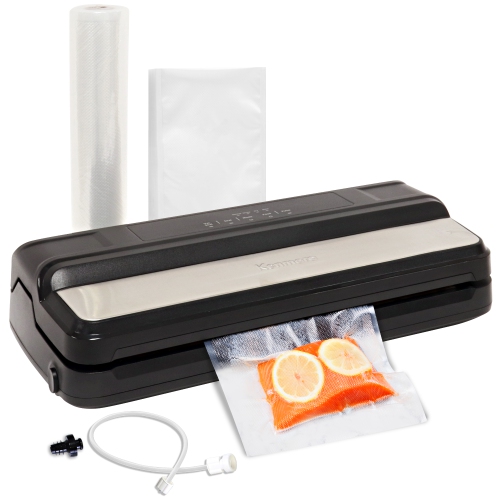


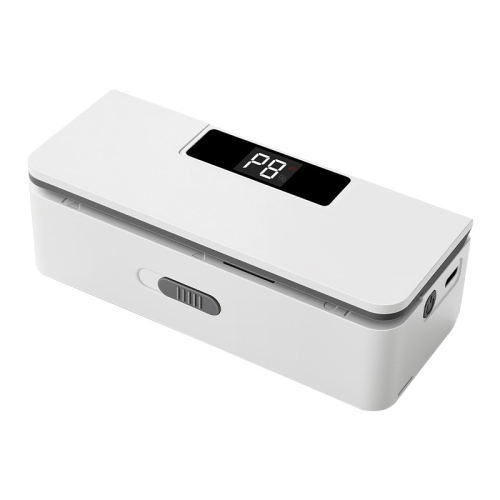


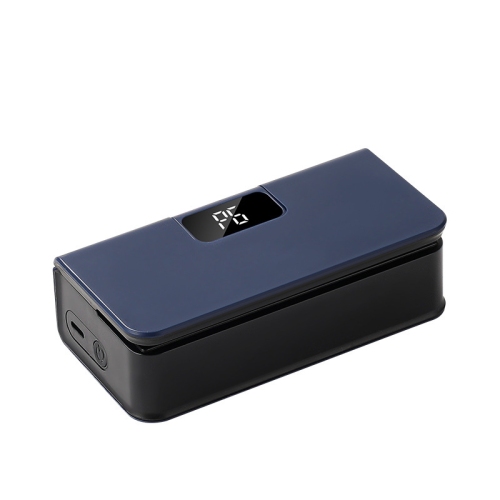

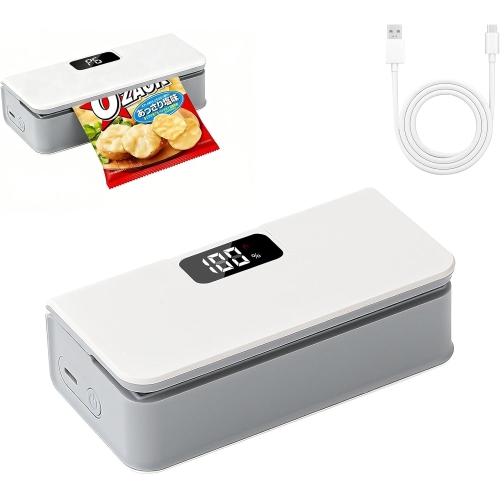









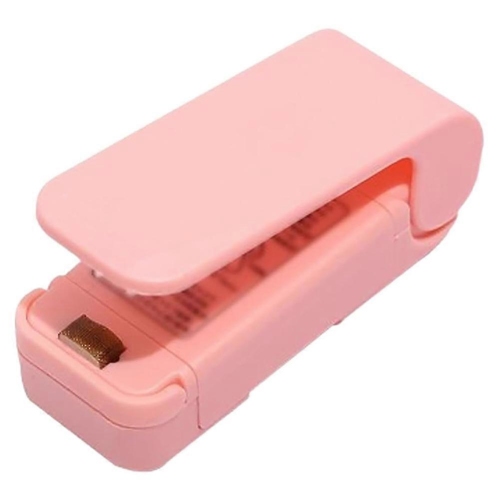
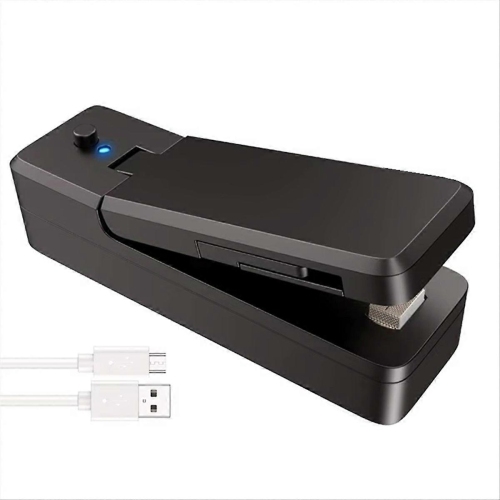


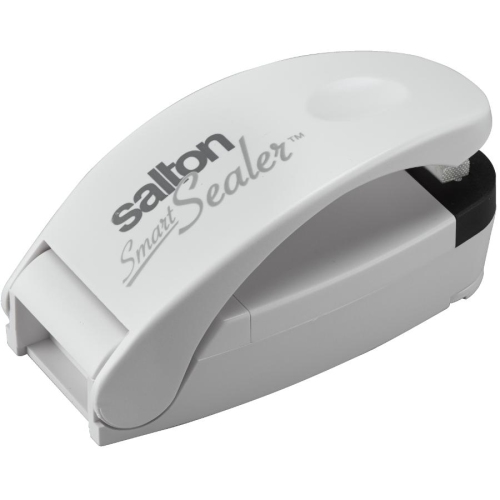
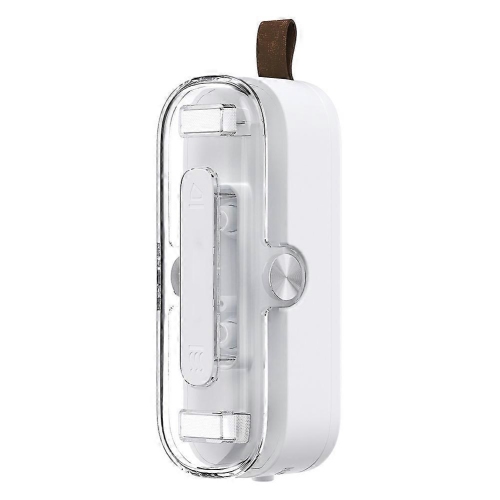


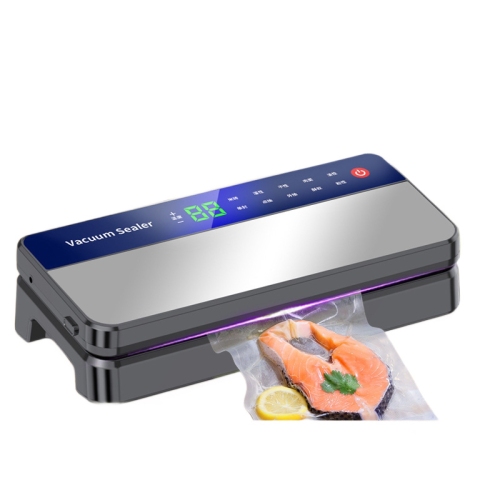
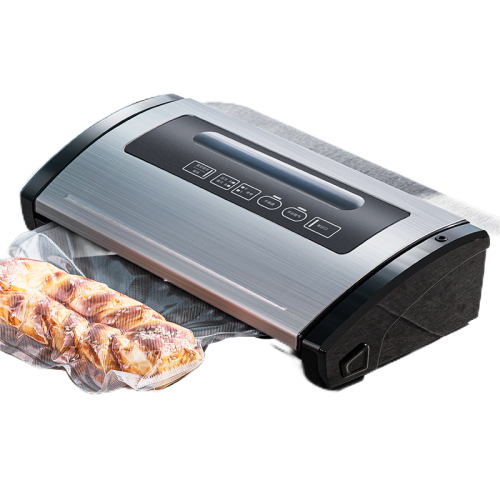
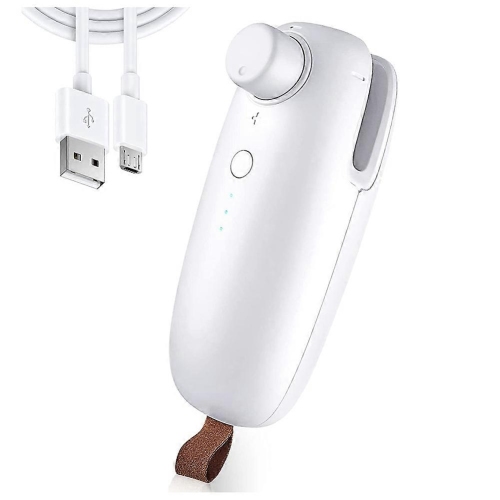
How sealing materials, machine styles, and settings affect results
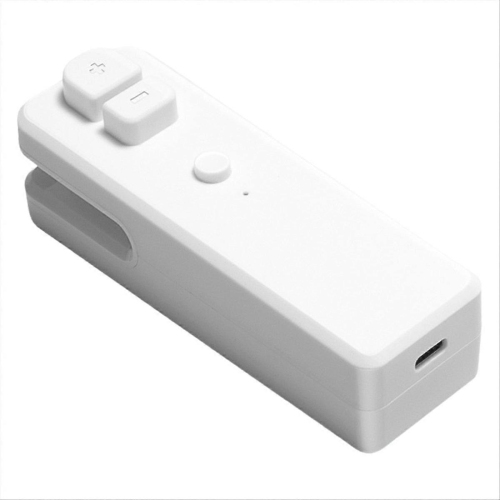
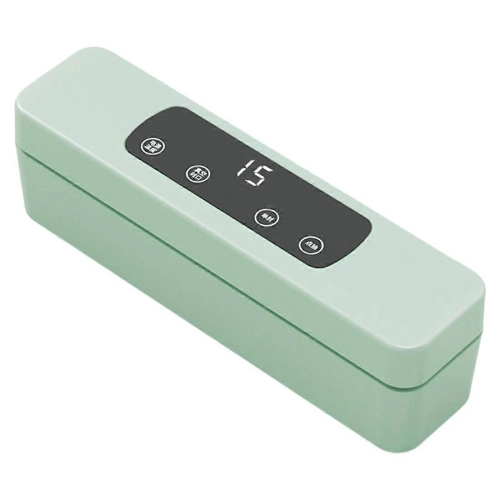
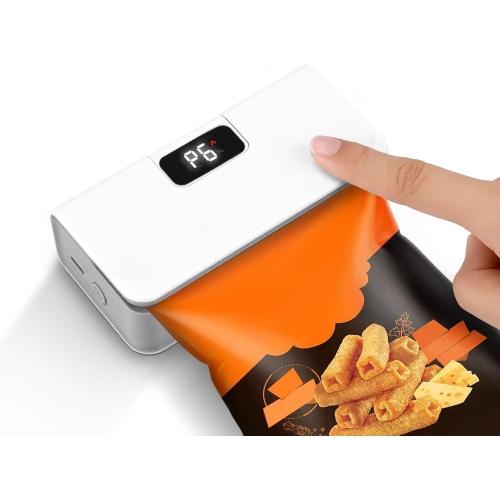
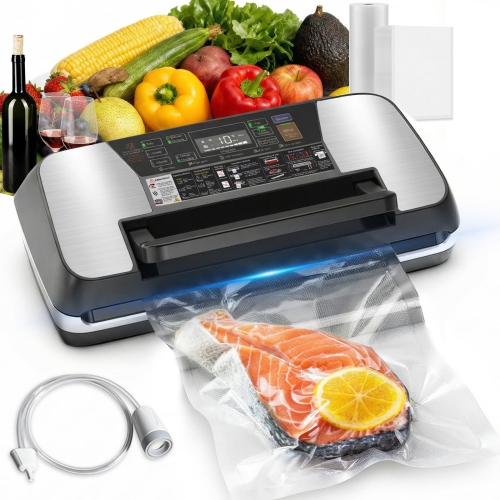
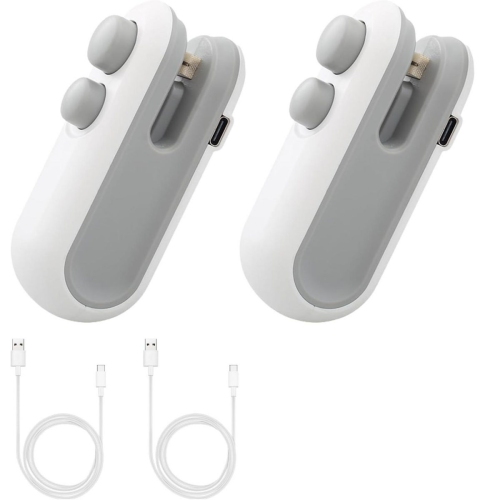
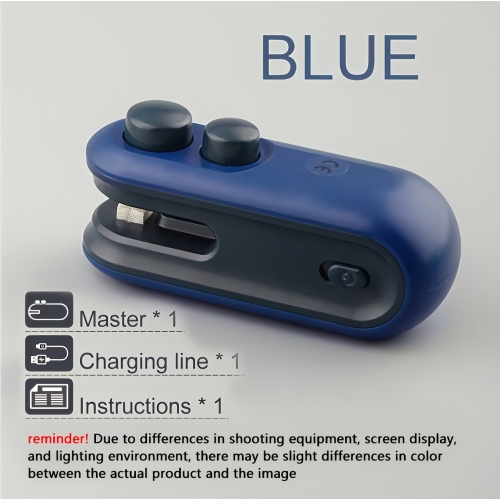
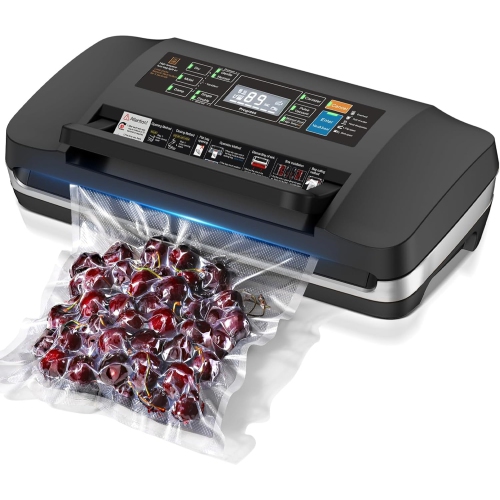
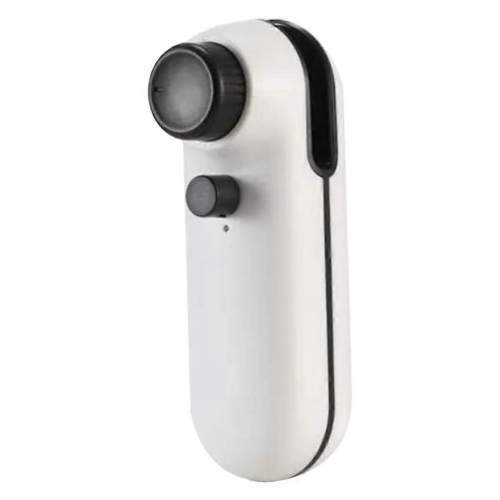
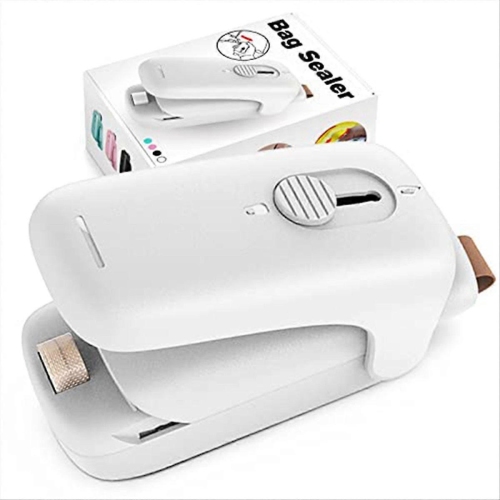
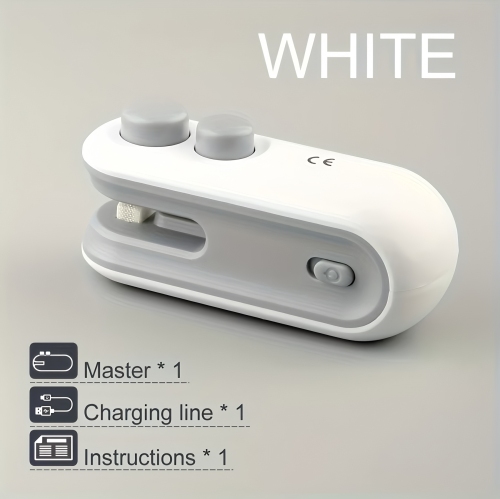
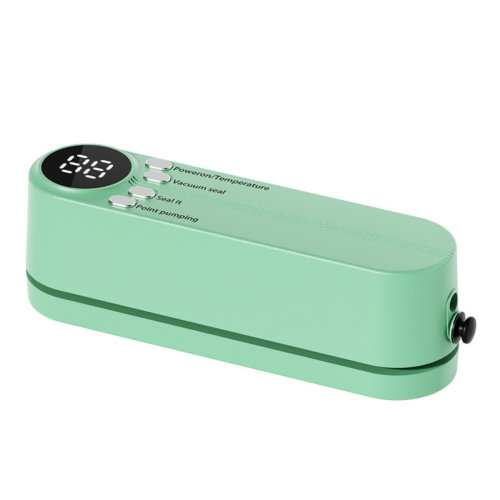
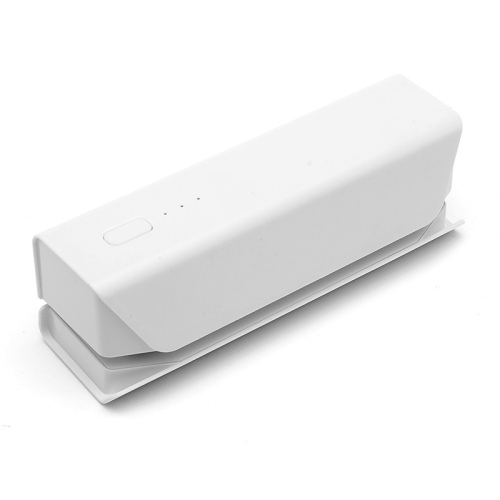
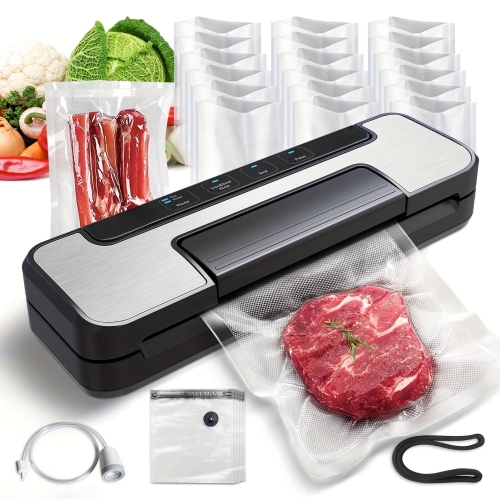
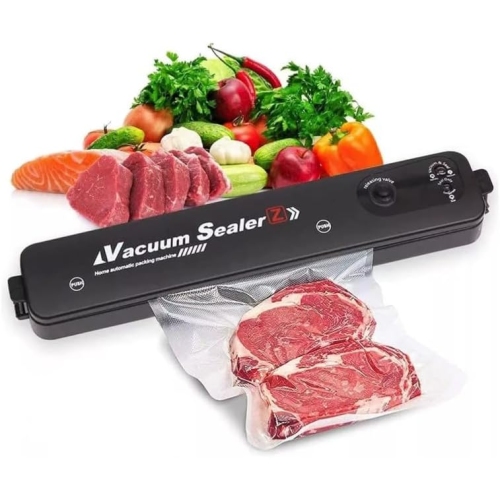
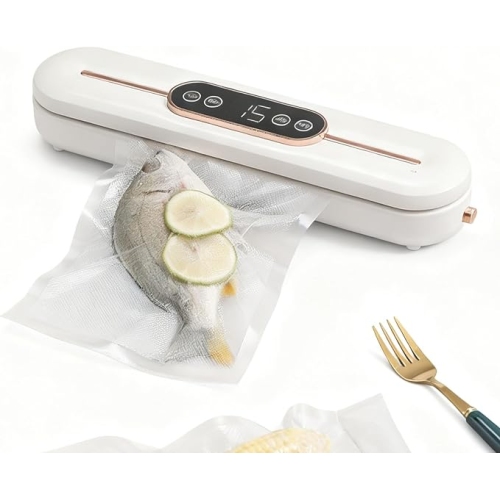
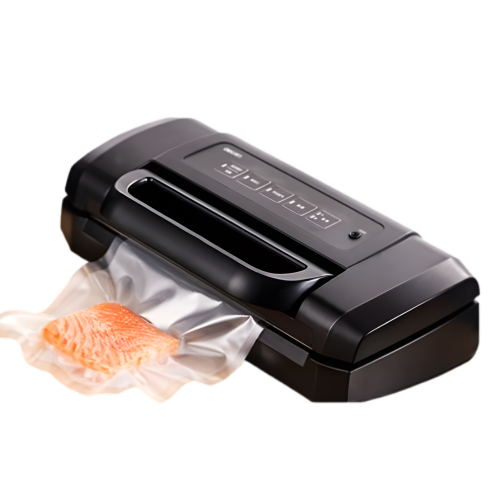
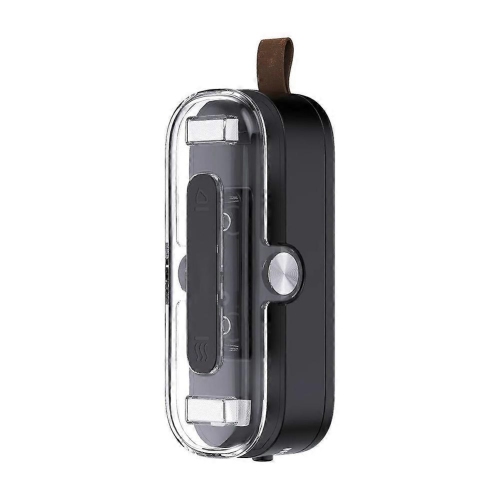
There are three common operating styles to consider. Impulse sealers heat only when the sealing arm is pressed, making them a practical choice for occasional use, household organization, craft projects, small-batch food packaging, and light-duty business orders. They are often straightforward to operate and can be a good starting point when you need control over individual bags rather than a high-volume workflow. Continuous band sealers move bags through heated rollers, allowing one package after another to be sealed with less manual stopping and starting. This format can suit bakeries, market vendors, fulfilment areas, workshops, and other settings where many packages must be processed in a steady sequence. Some continuous machines can also print batch information or dates, which may be helpful for businesses that need clearer package tracking. Constant heat sealers maintain heat at the sealing jaws and are generally better suited to thicker, coated, or multi-layer barrier materials that need sustained warmth to form a dependable bond. When comparing models, look for adjustable temperature and sealing-time controls, since thin film may scorch or wrinkle at settings intended for heavier material, while thick laminate may not bond fully with insufficient heat. A wider sealing bar can be helpful for larger bags, and a sturdy arm or firm pressure mechanism can make repeated use more comfortable. If the machine will be used at a counter or packing station, consider its footprint, cord placement, storage needs, and whether the controls are easy to read while your hands are busy. For online sellers, a reliable sealer can turn a stack of handmade goods into polished parcels; for a student, hobbyist, or new small-business owner, it can be a thoughtful and practical gift alongside compatible packaging supplies such as Heat Seal Laminating Pouches.
Good results depend as much on preparation as on the machine itself. Keep the sealing edge clean, dry, and free of crumbs, powder, oil, or wrinkles, and leave enough open material above the contents for the jaws to grip evenly. Fill bags without overstuffing them, smooth the film before sealing, and position the opening straight across the sealing bar. The first few attempts are best treated as test seals: inspect the seam for gaps, bubbling, scorching, weak spots, or channels that could allow air or moisture through, then adjust the heat, dwell time, or pressure as needed. A seal that looks melted through may indicate excessive heat or a setting held too long, while a seam that pulls apart easily may need more heat, more contact time, or material better suited to the machine. For food-related use, follow the packaging manufacturer’s instructions and remember that sealing does not replace proper refrigeration, freezing, cooking, or safe food-handling practices. Never seal hot contents unless the packaging and process specifically allow it, and avoid trapping steam or condensation inside the pouch. Keep fingers, loose clothing, and cords away from heated surfaces and moving parts, allow the unit to cool before cleaning or storing it, and use the machine on a stable, heat-resistant surface with suitable ventilation. During the cooler months, a sealer can be handy for dividing pantry staples, organizing seasonal craft materials, protecting small components in a garage, or preparing neatly labelled parcels while indoor projects take centre stage. Whether you need occasional manual sealing or a faster system for a busy packing area, matching the machine to your materials, workload, and available workspace will make everyday packaging more consistent and easier to manage.
Top selling and popular products
-
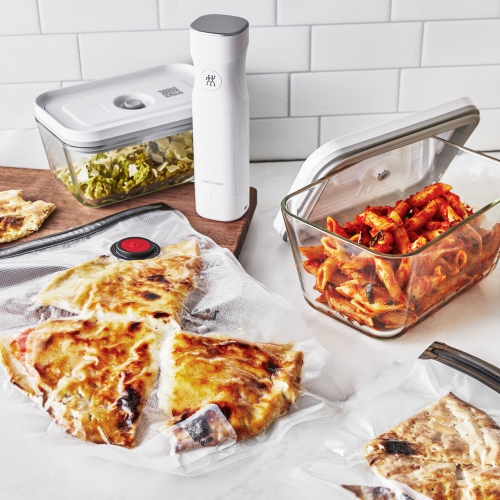 Your price for this item is $159.99
-
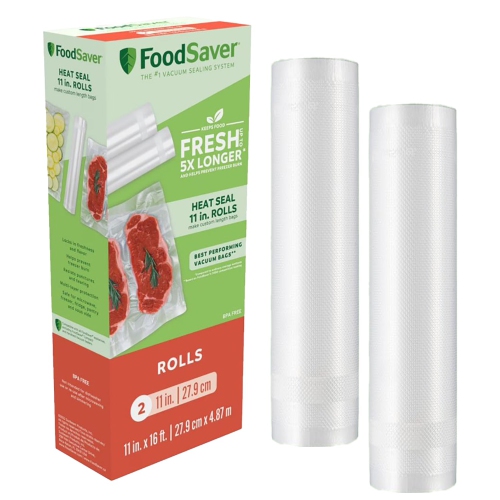 Your price for this item is $36.97
-
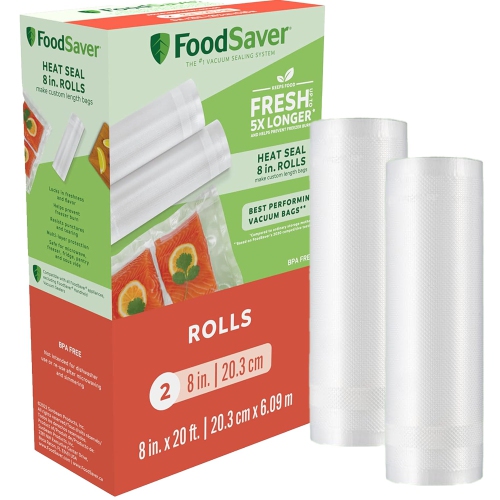 Your price for this item is $36.97
-
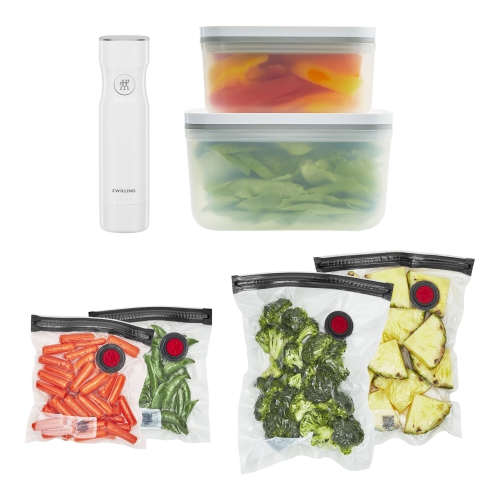 Your price for this item is $159.99
-
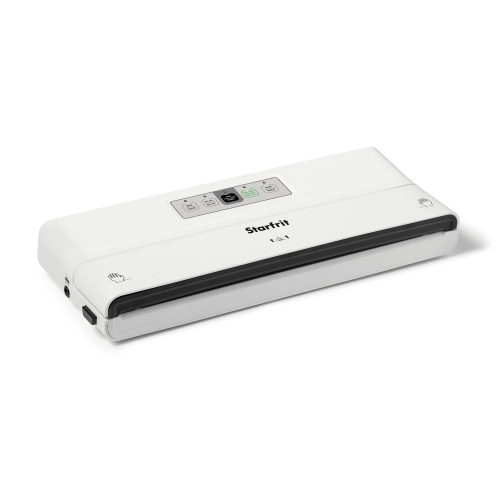 Your price for this item is $49.99
-
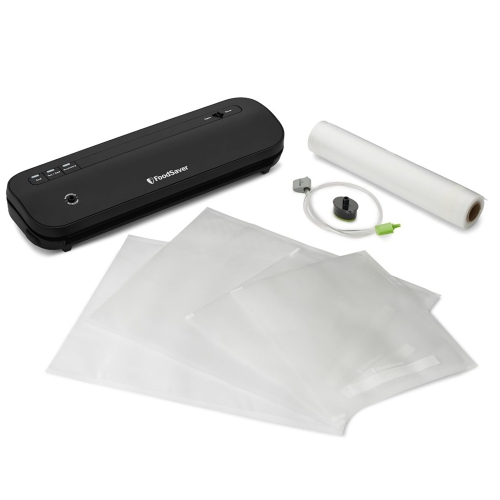 Your price for this item is $165.97
-
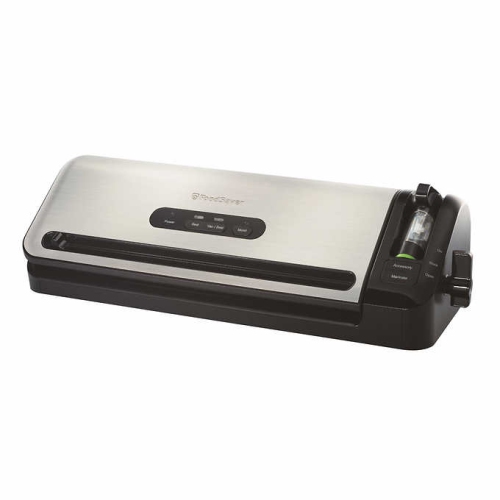 Your price for this item is $129.99
-
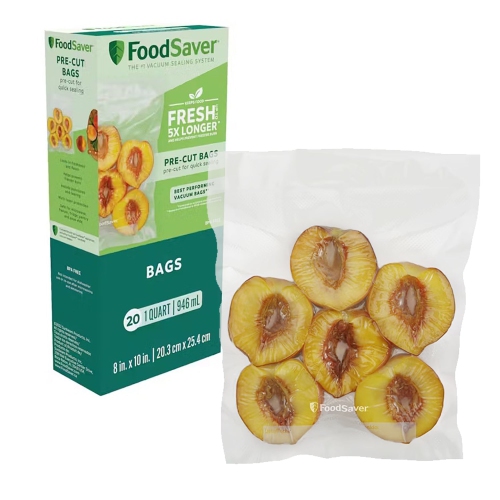 Your price for this item is $22.97
