Plastic Sealers
Plastic sealers are essential tools for anyone looking to preserve freshness, prevent spills, and organize their spaces with ease. Whether you're sealing food items to extend their shelf life or securing non-food items for storage, these versatile devices offer a reliable solution for a variety of sealing needs. Available in a range of styles and sizes, plastic sealers cater to both home and professional use, ensuring that your packaging tasks are handled efficiently. At Best Buy Canada, discover an array of high-quality plastic sealers designed to help you maintain order and keep your items protected.
Sort

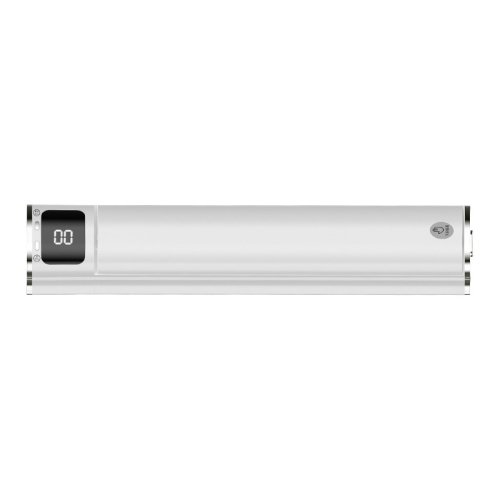
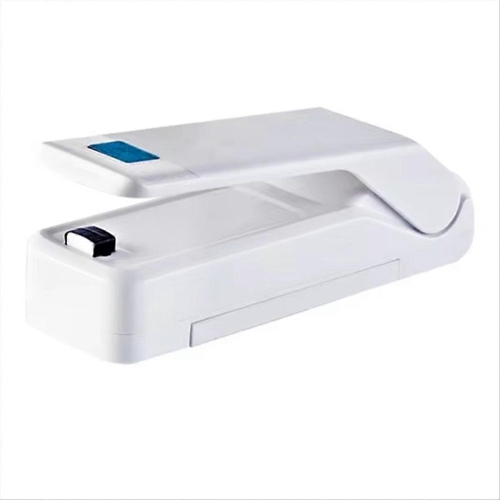
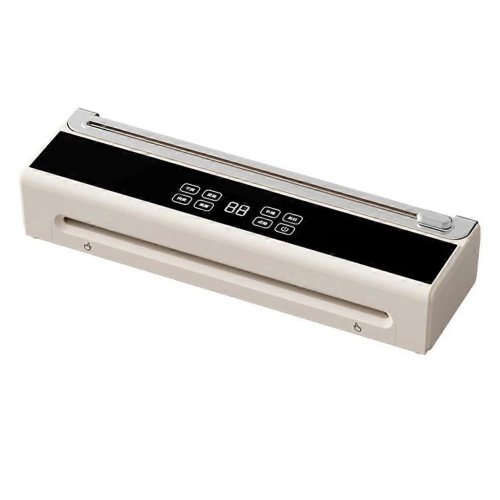
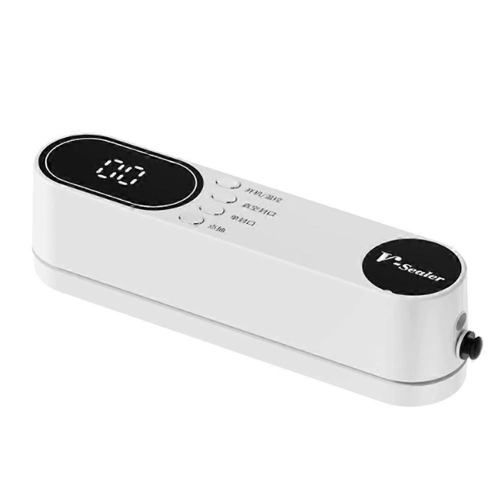
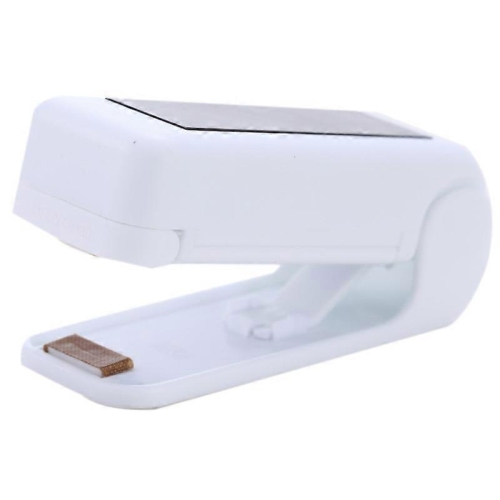
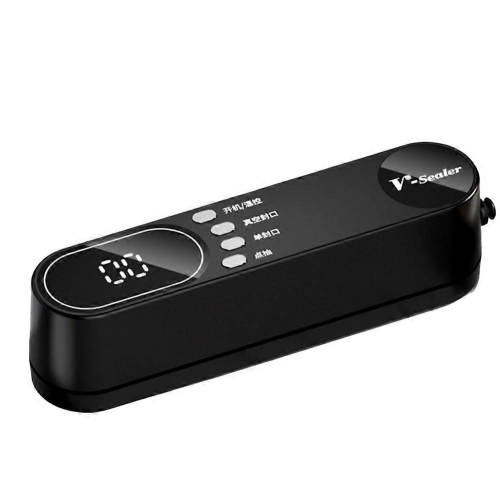
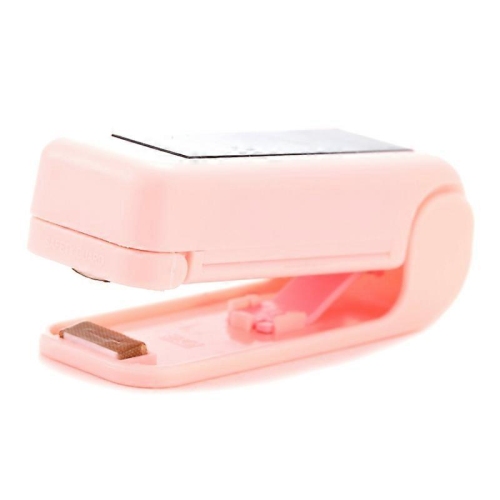
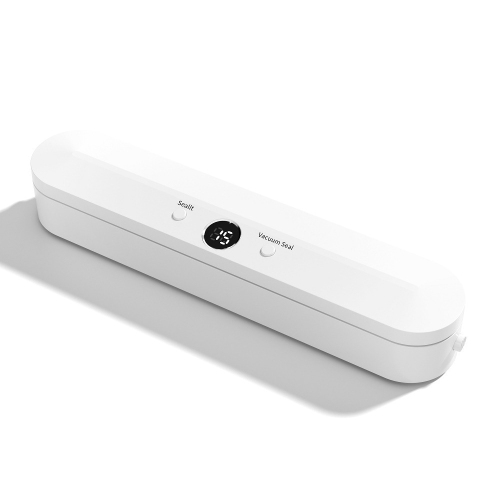
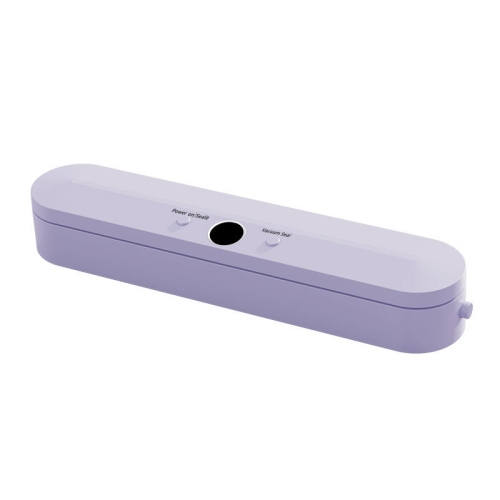
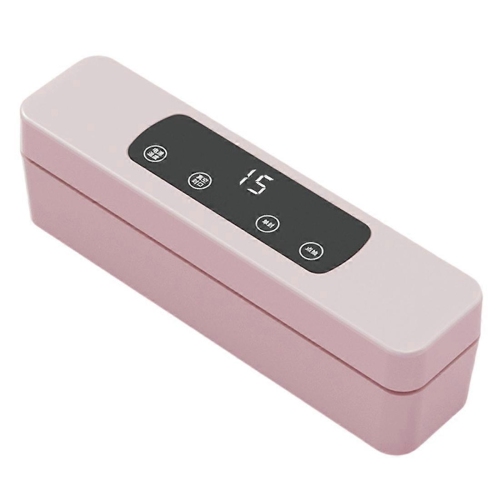
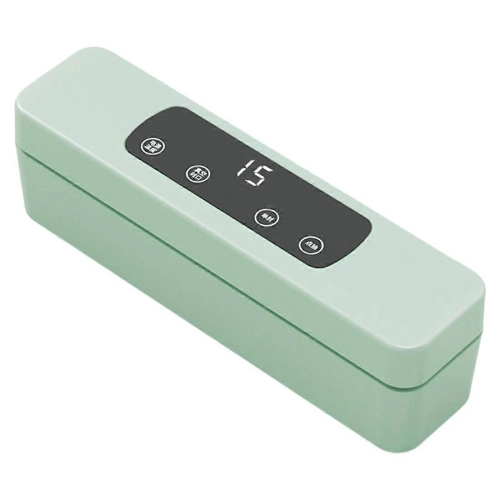
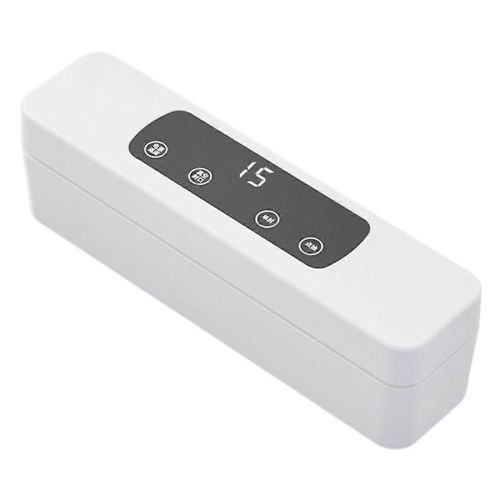
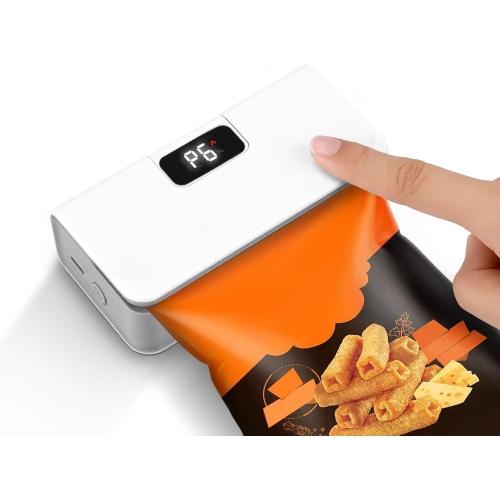

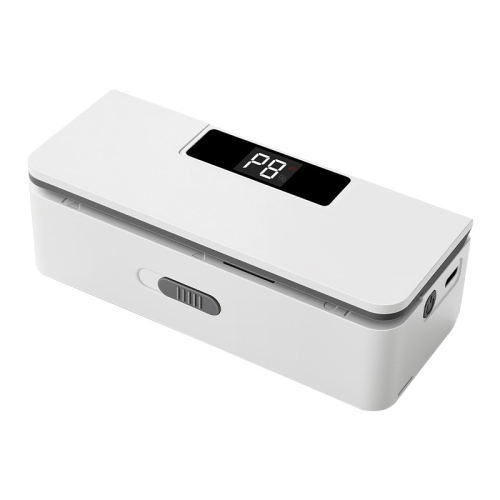
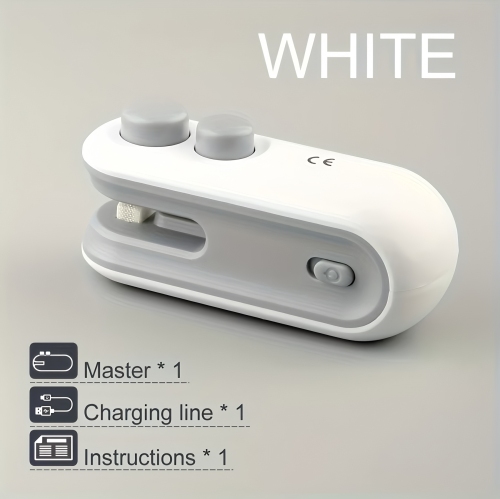

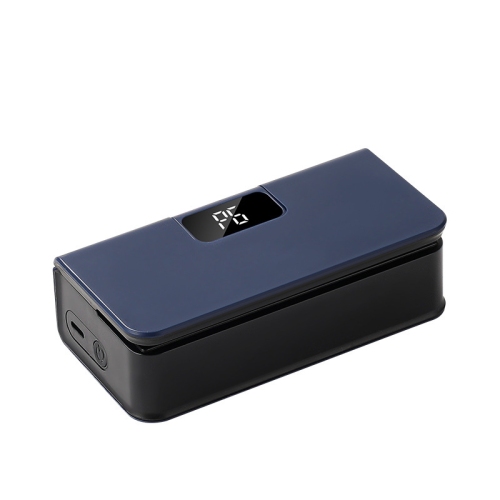
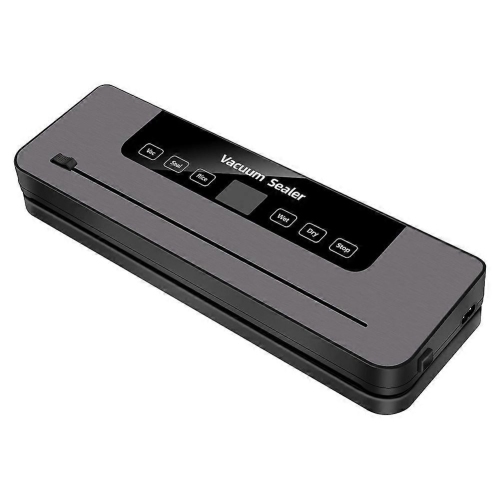
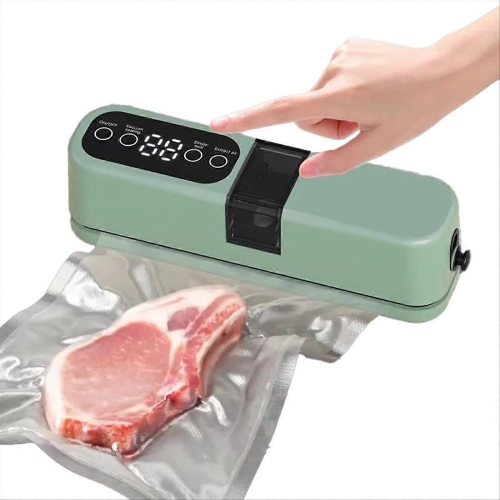
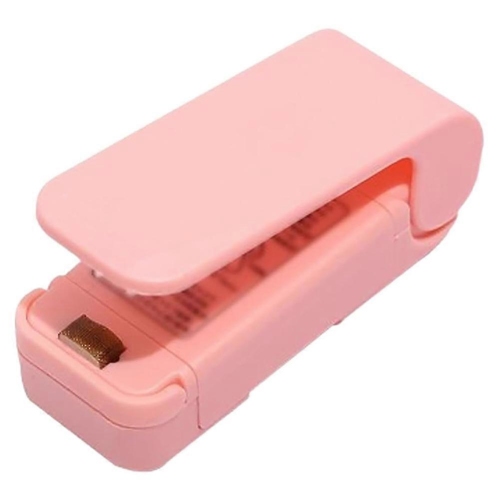
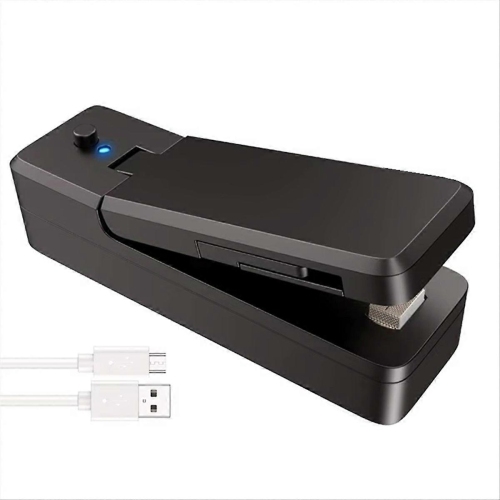





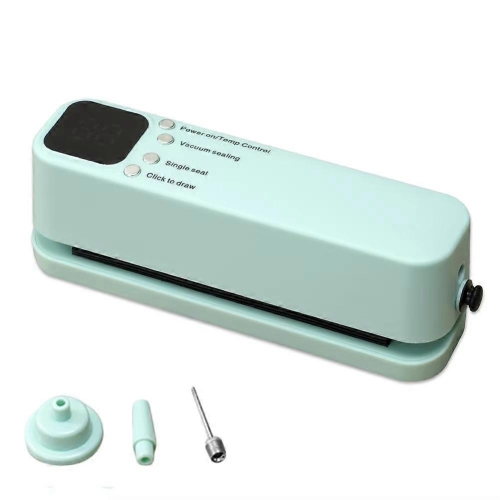
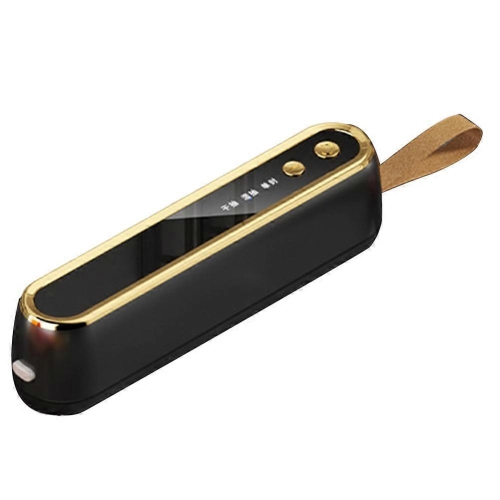
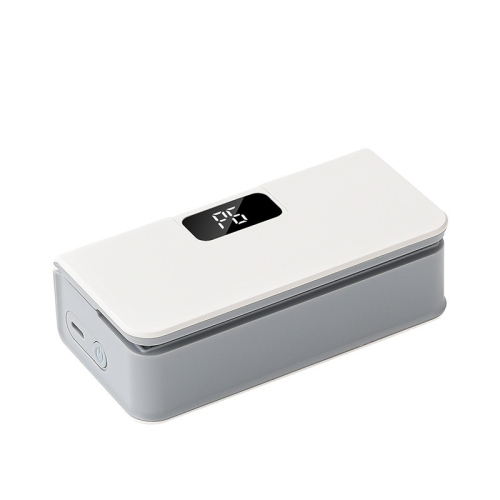
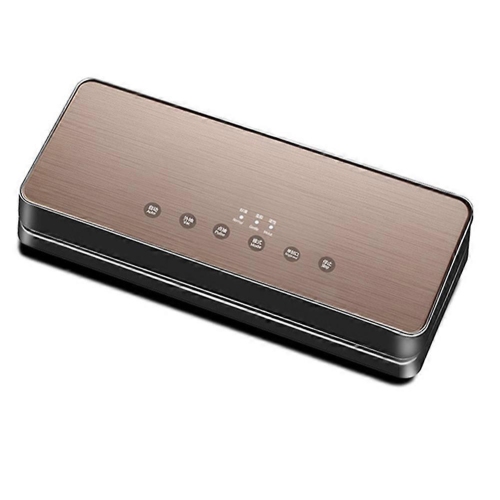
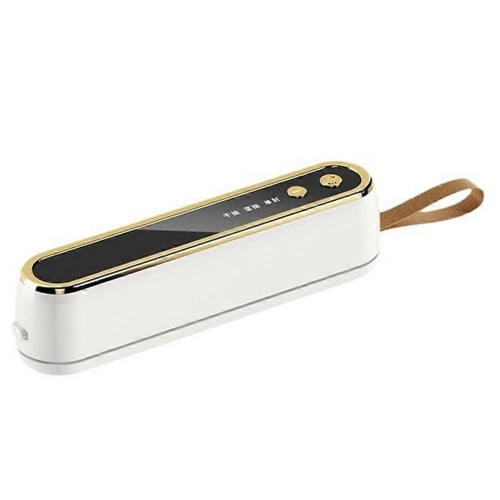


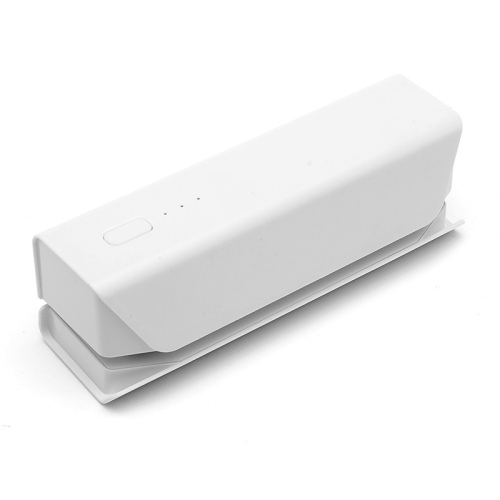
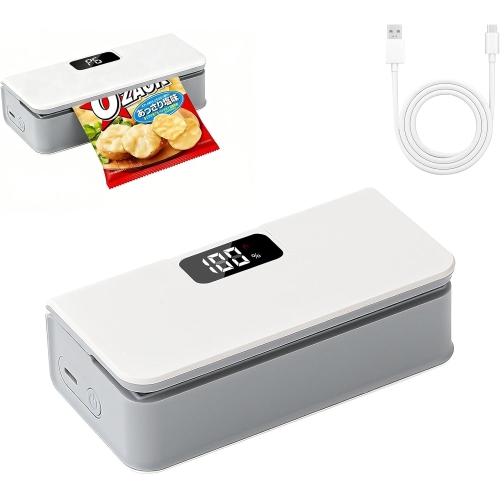

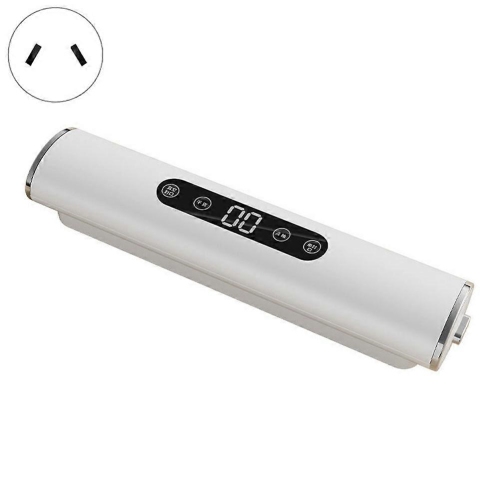
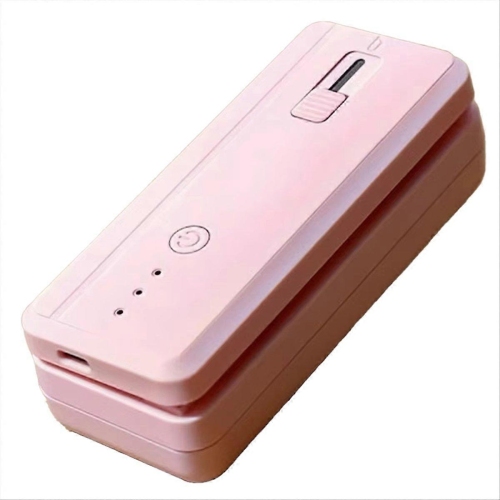
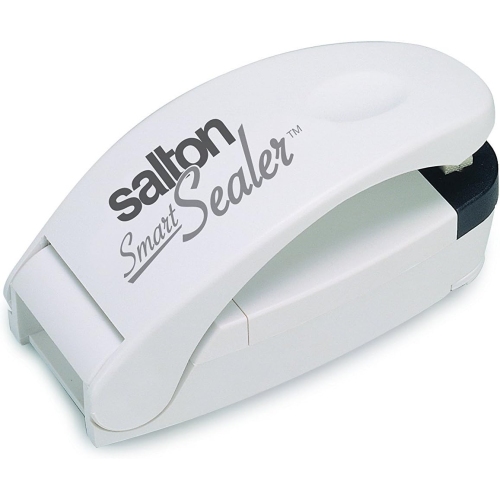
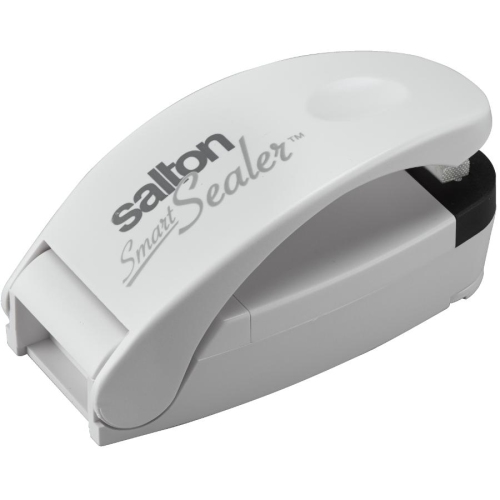
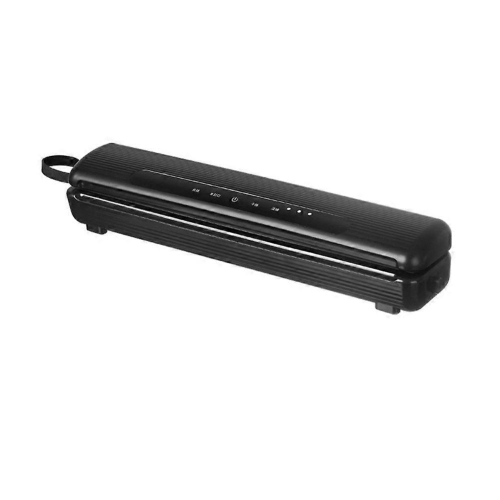

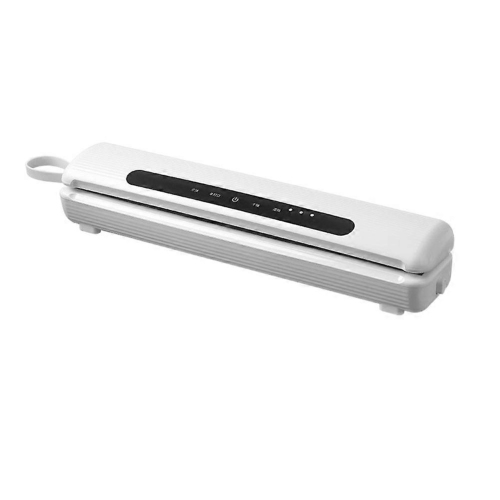

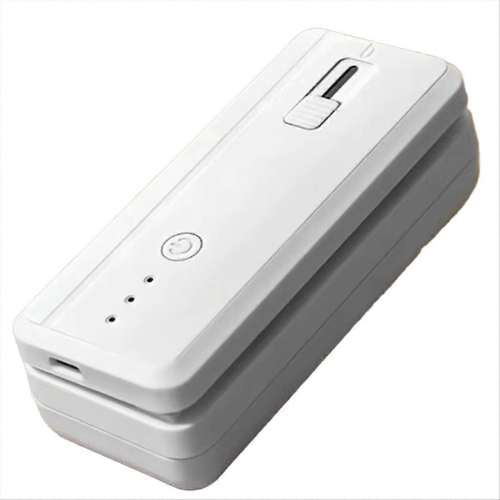

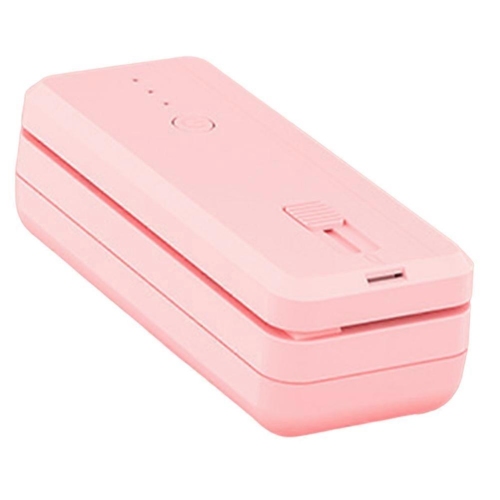


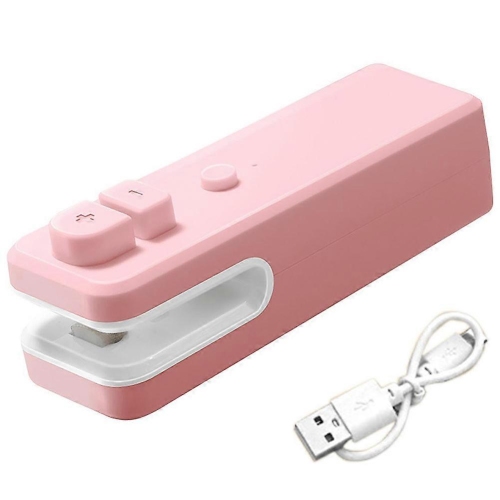
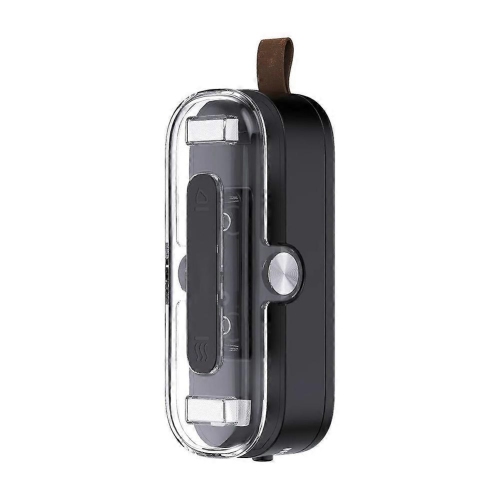
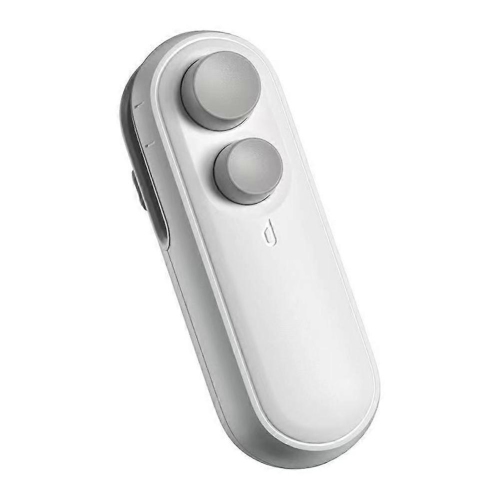
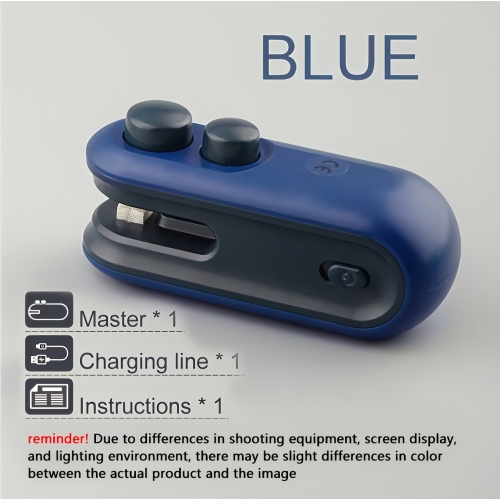
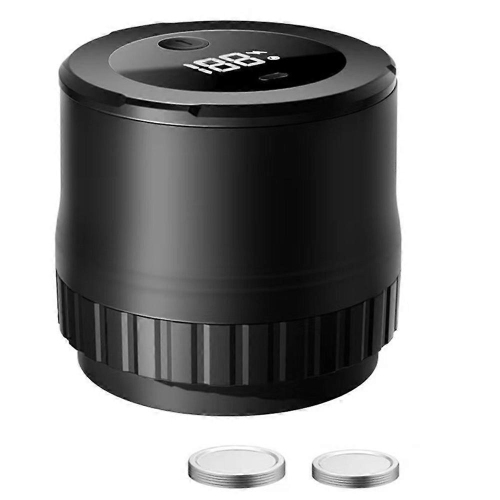
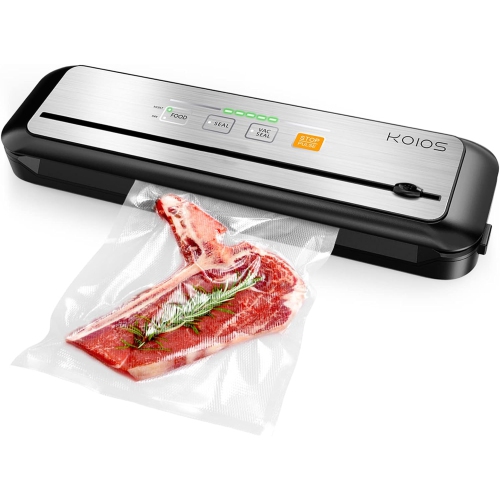
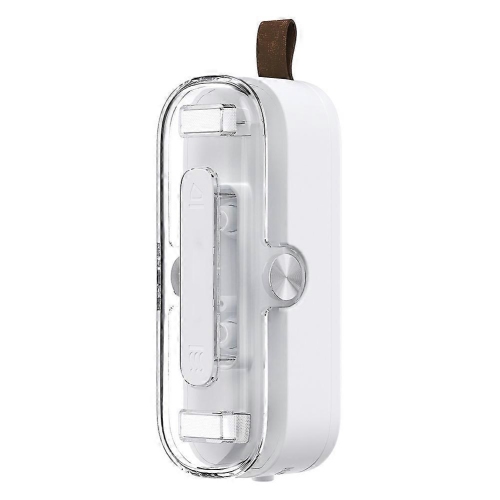


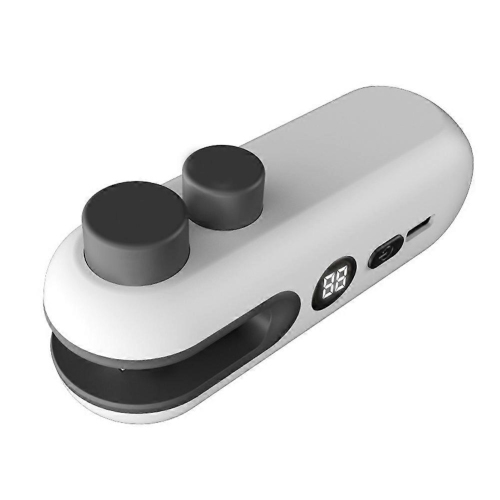
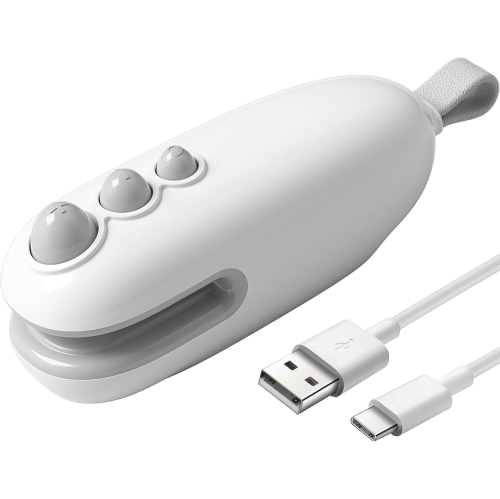
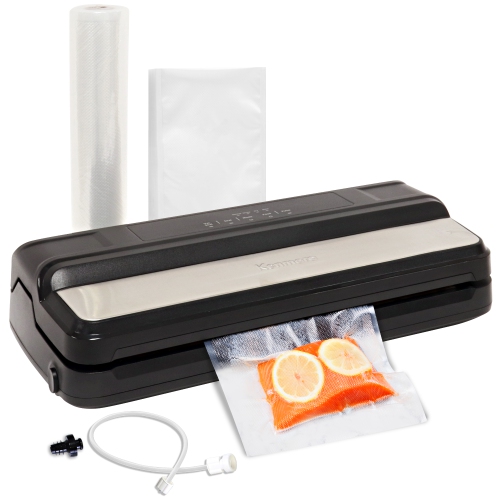

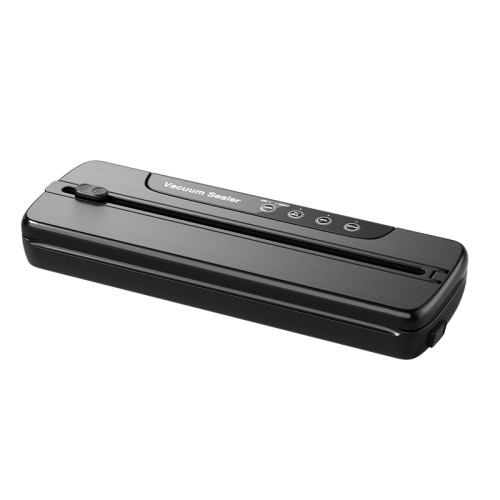


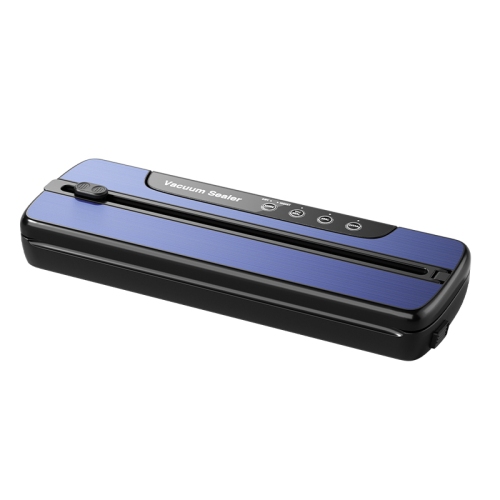
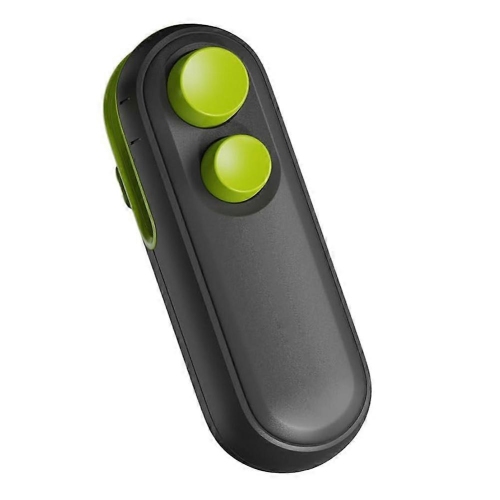


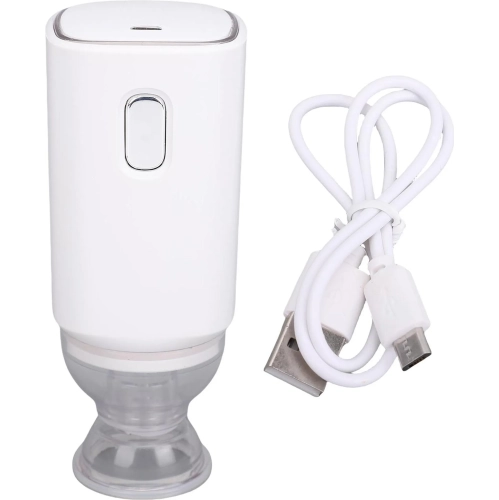

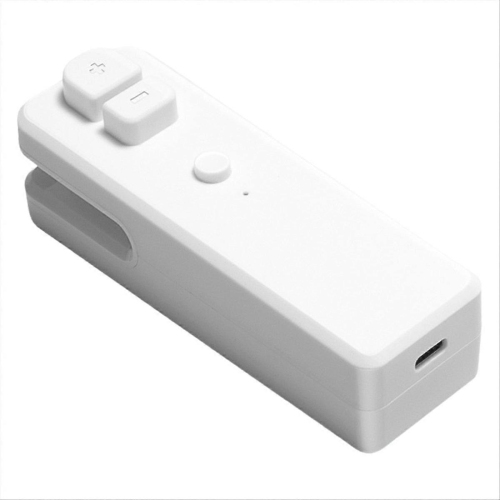
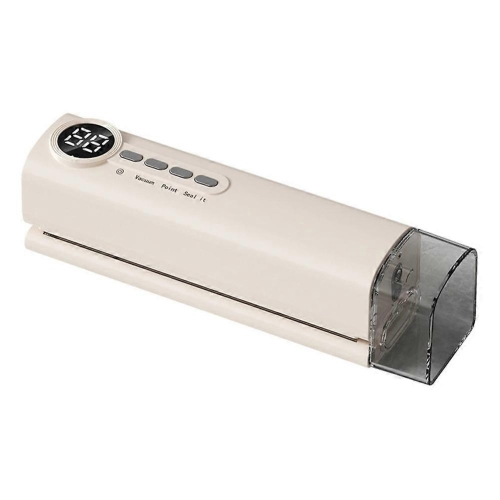
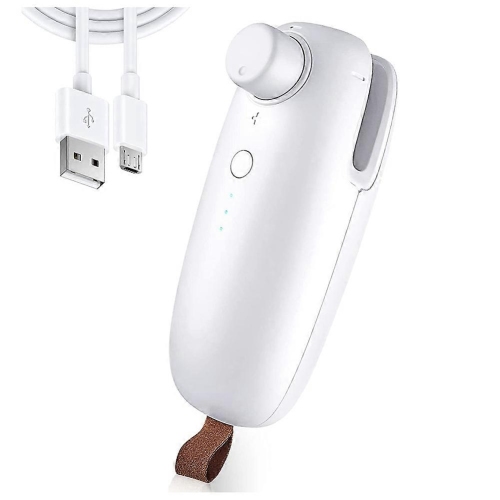

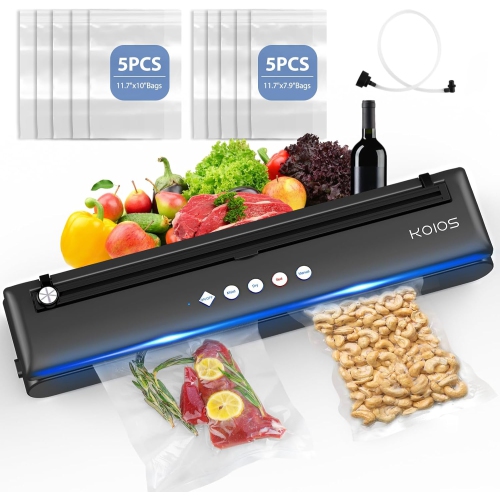
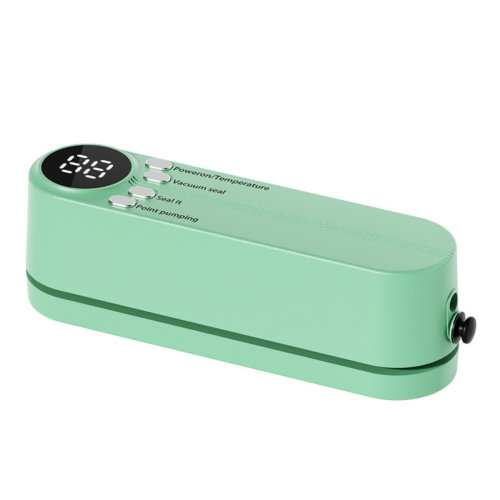


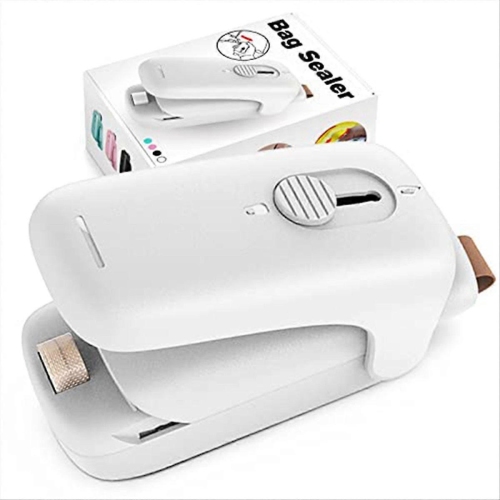

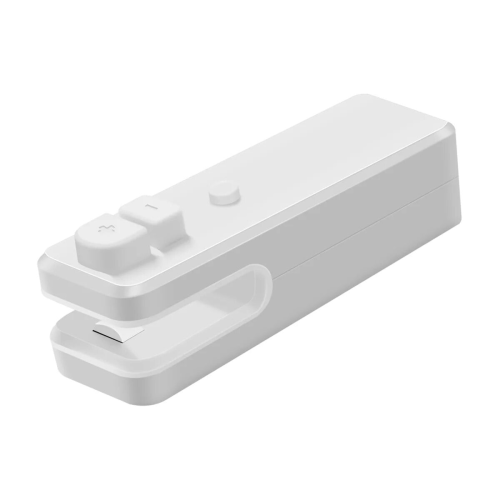
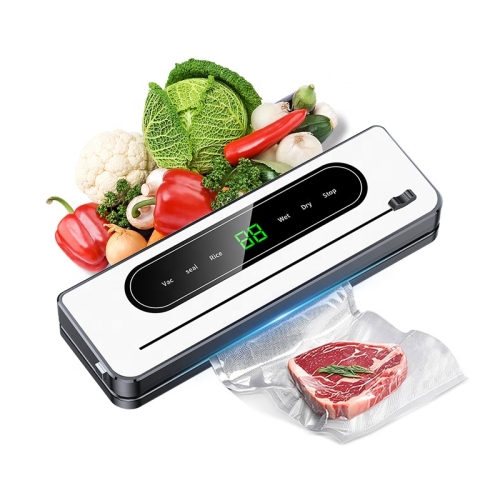
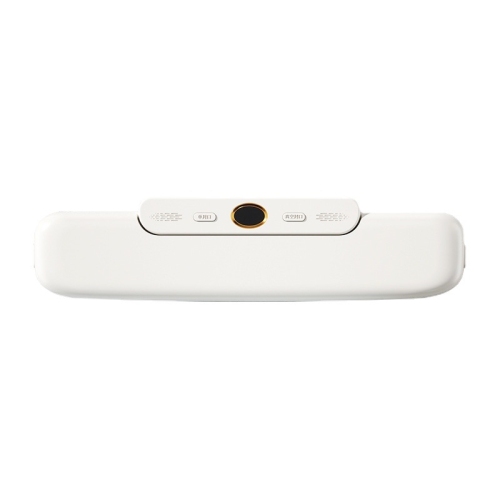

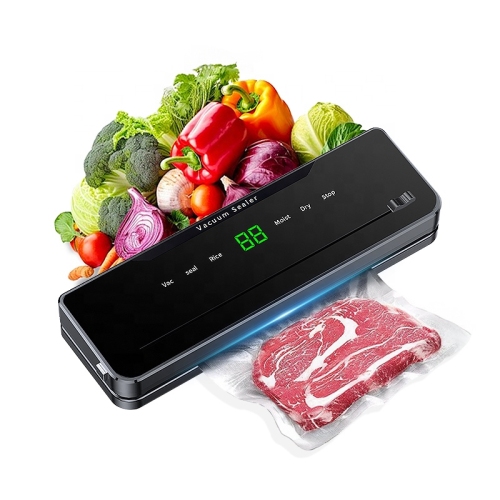
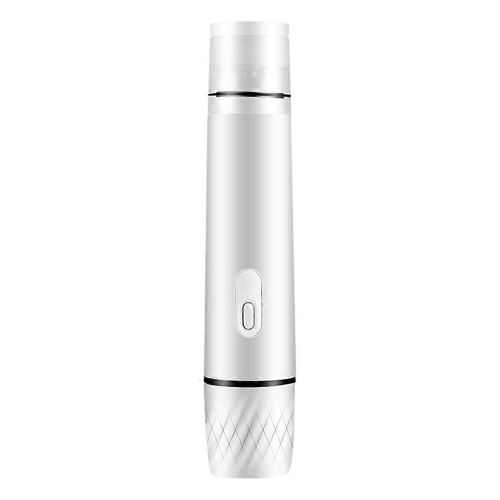
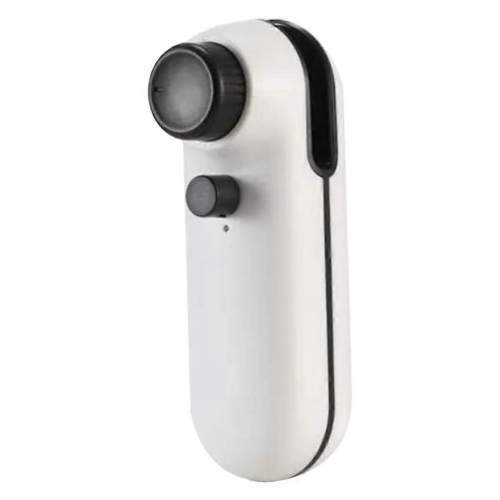
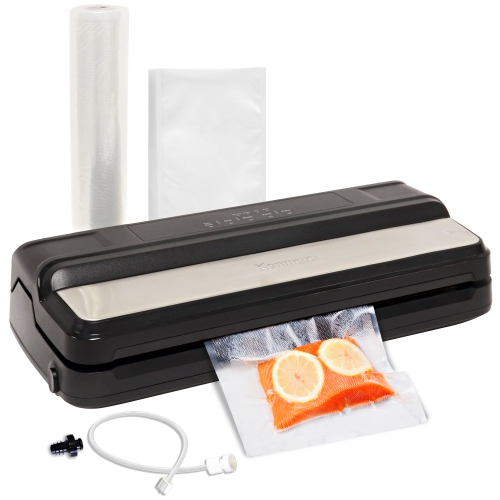
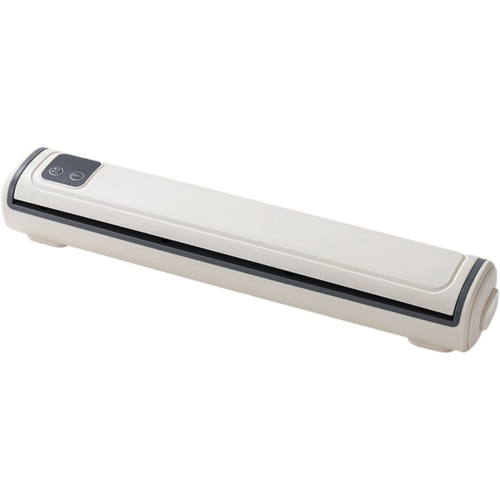
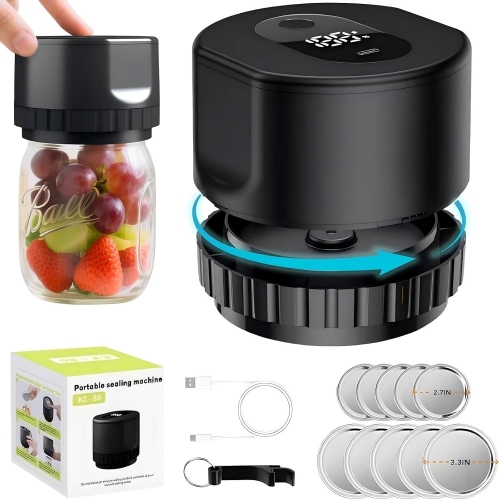
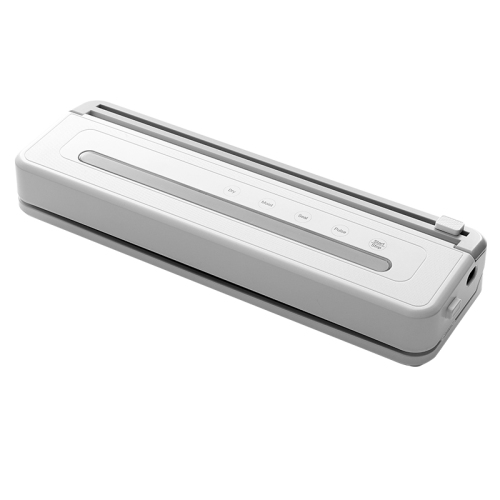

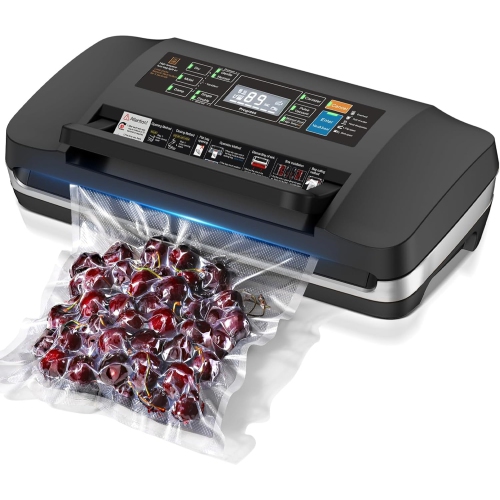
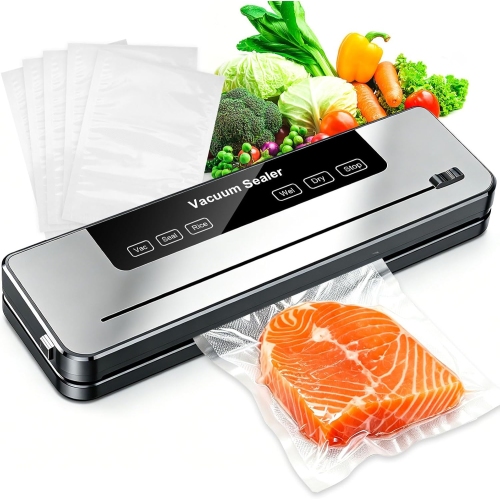
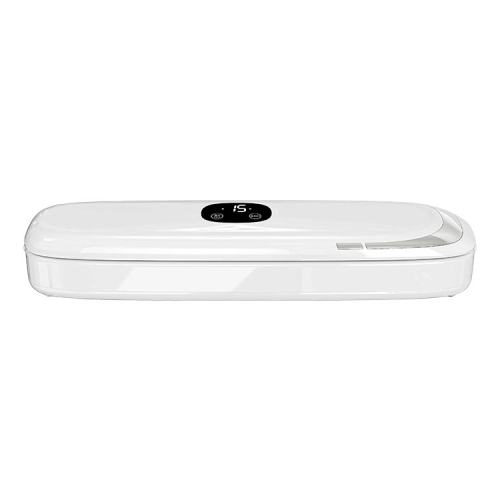
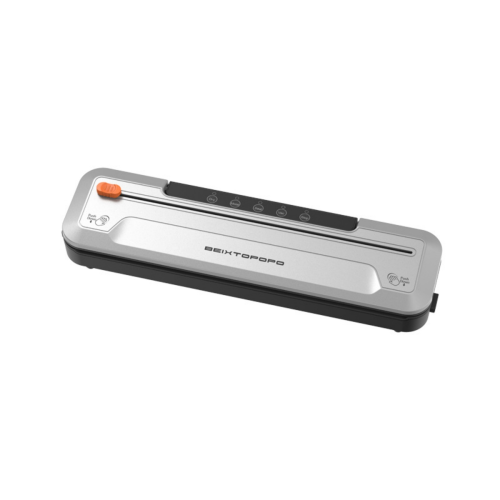
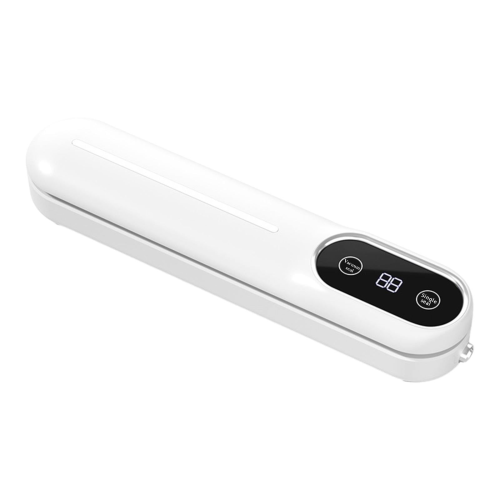

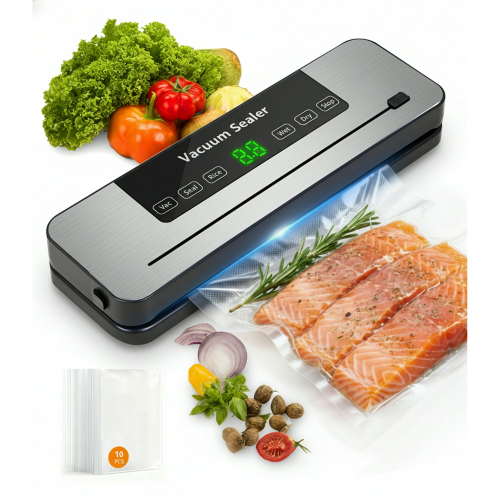

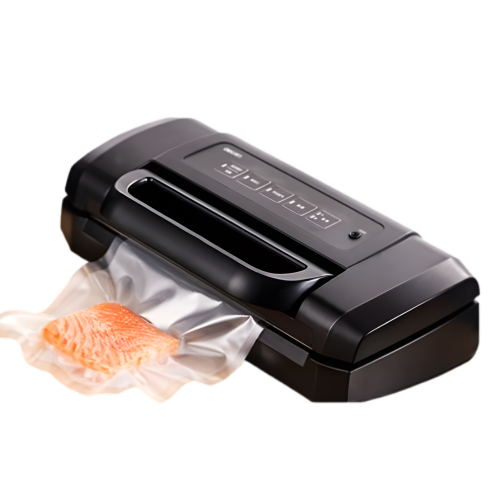
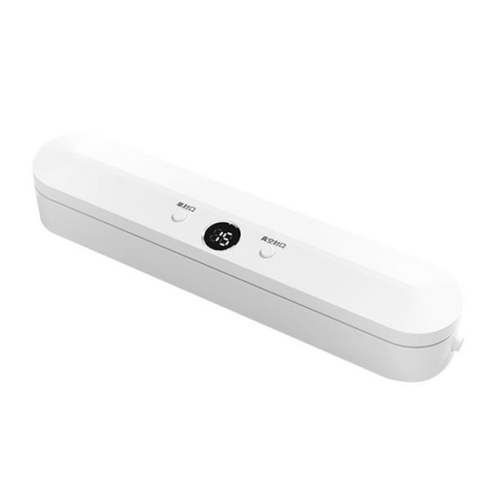
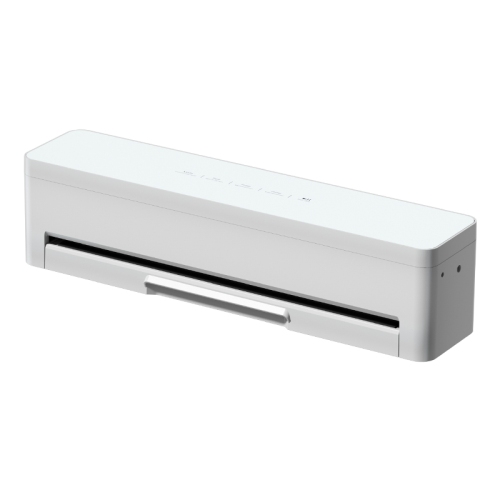
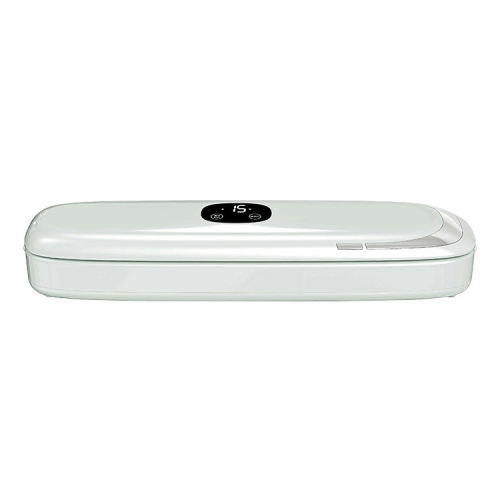
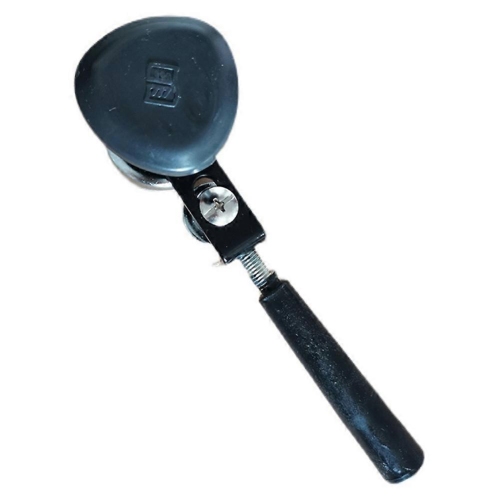
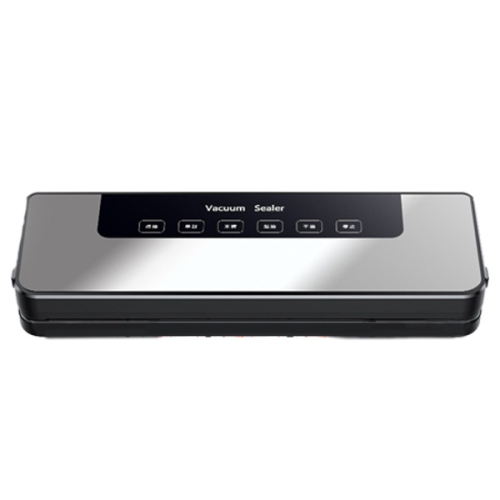
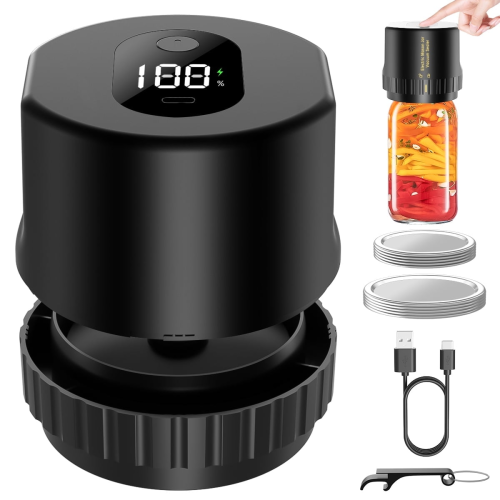
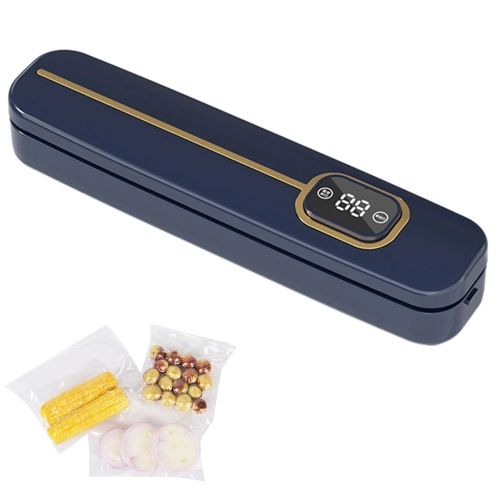
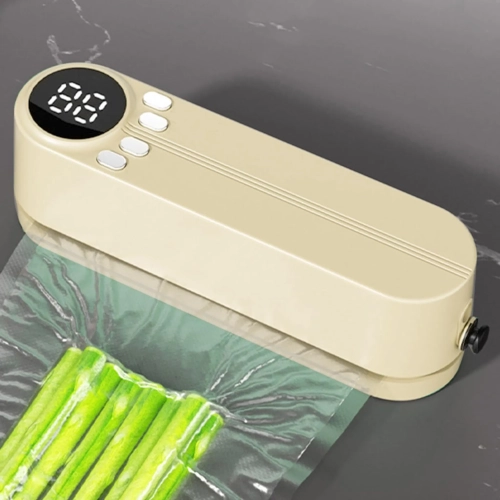

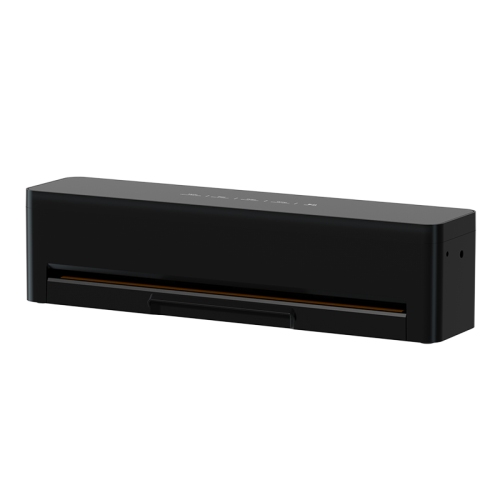
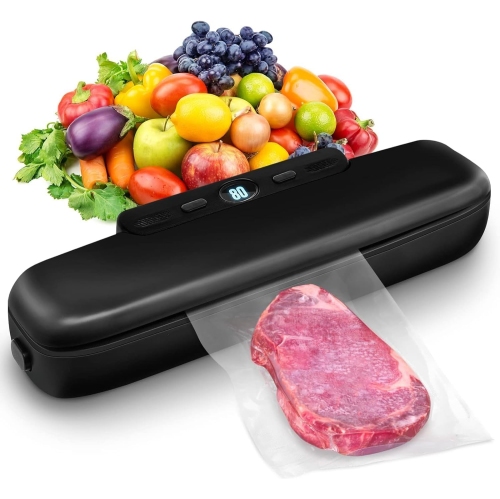
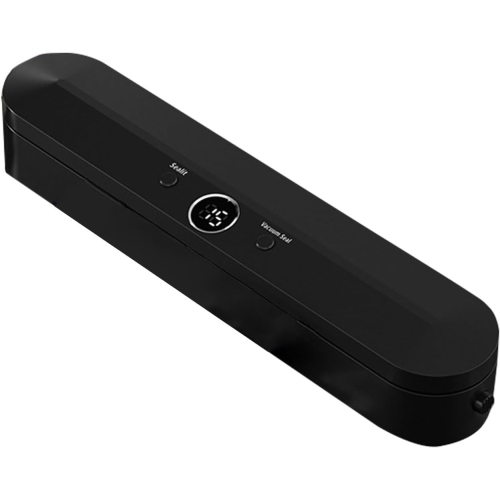
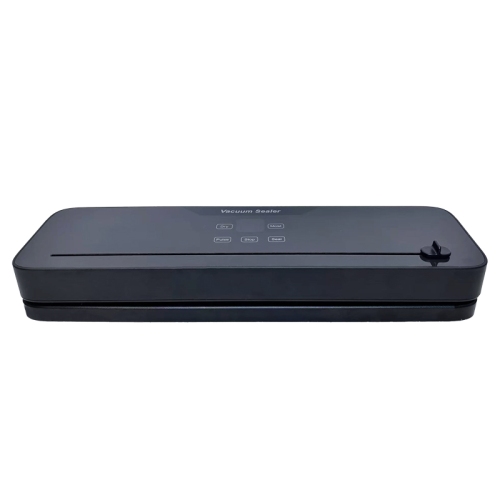
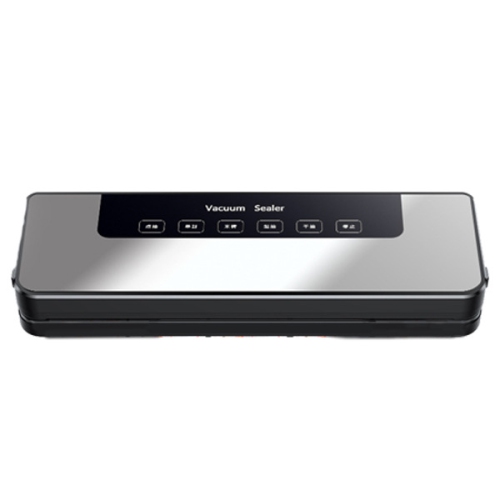
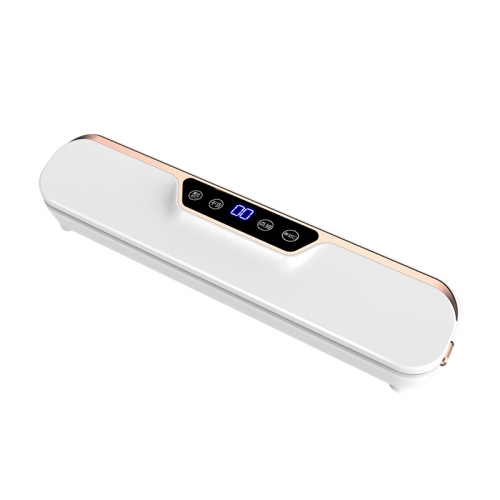
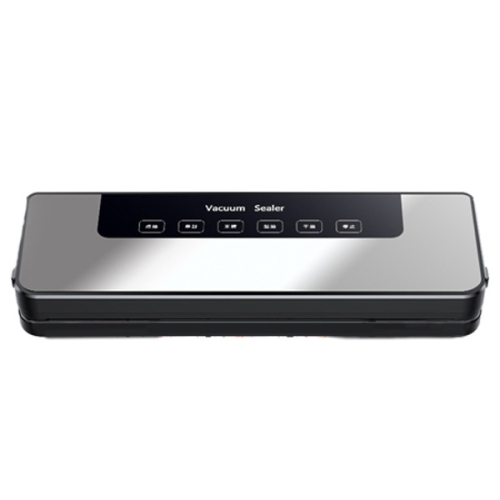

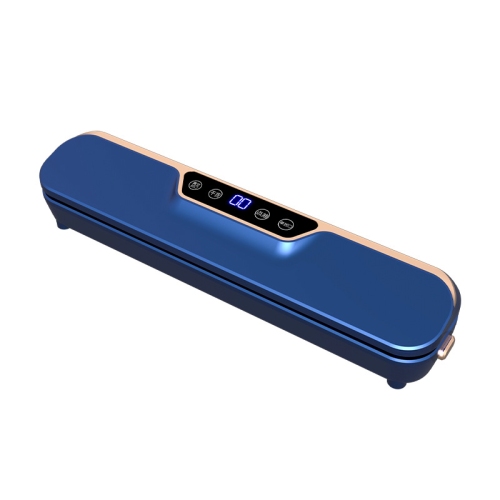
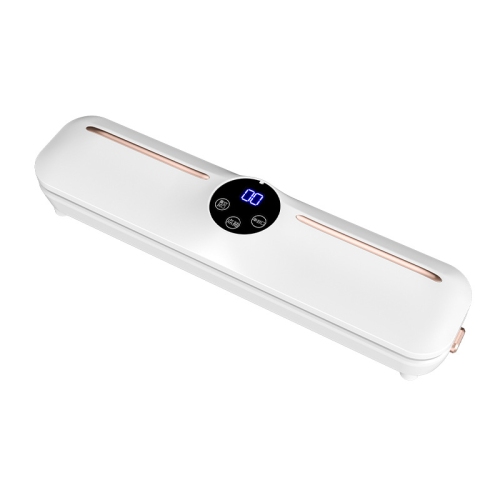
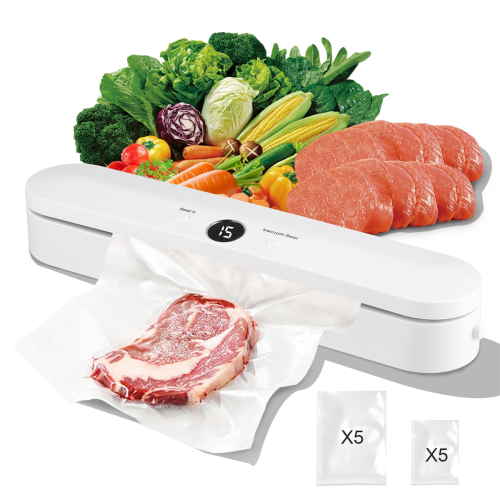
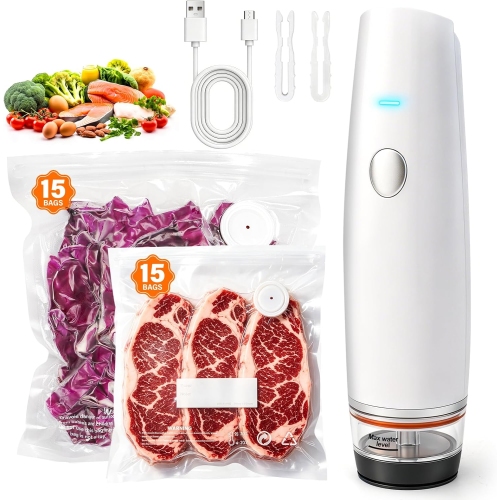
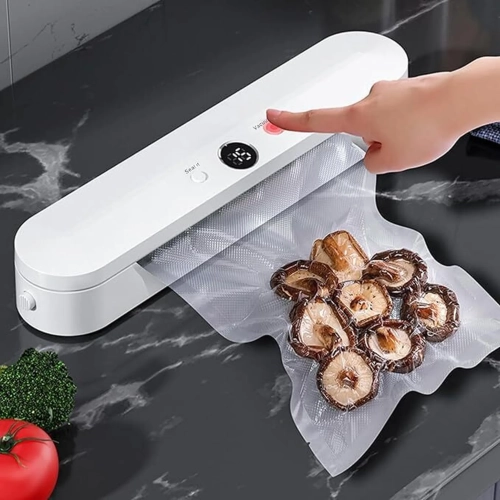
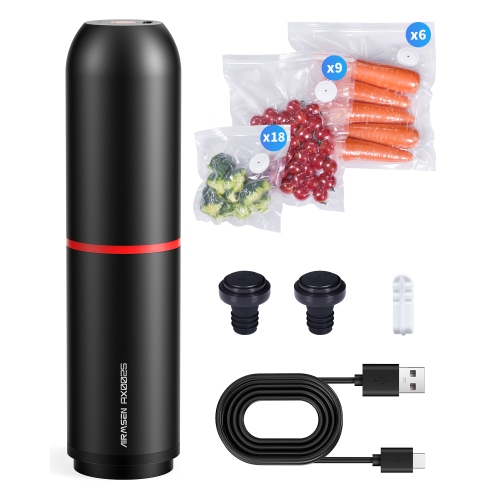
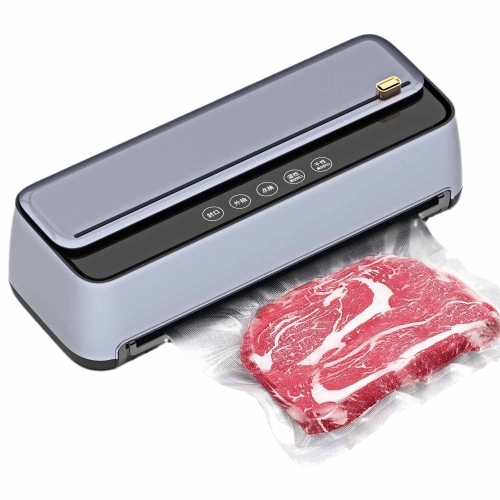
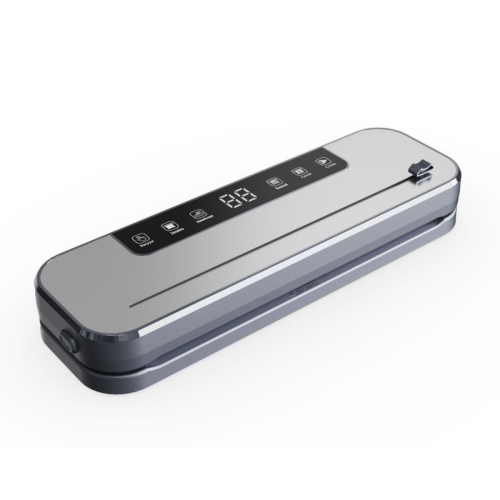
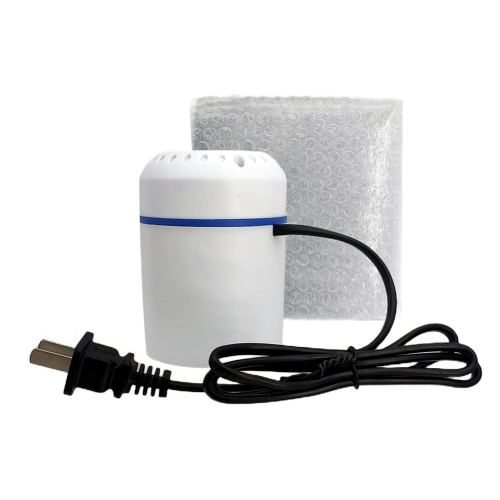
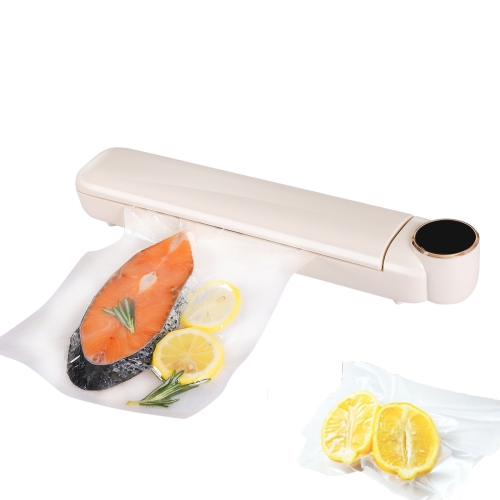
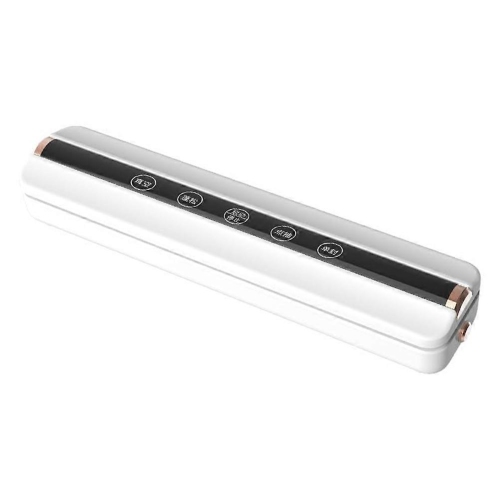
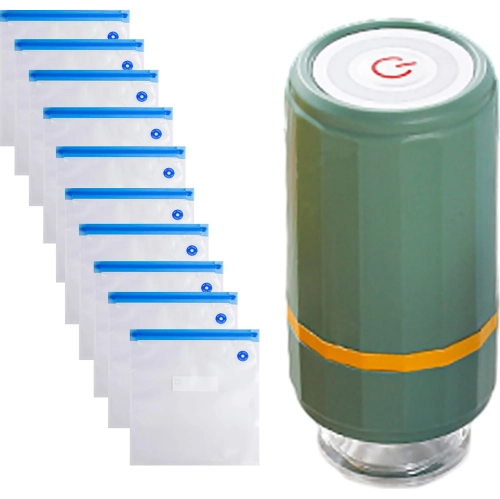

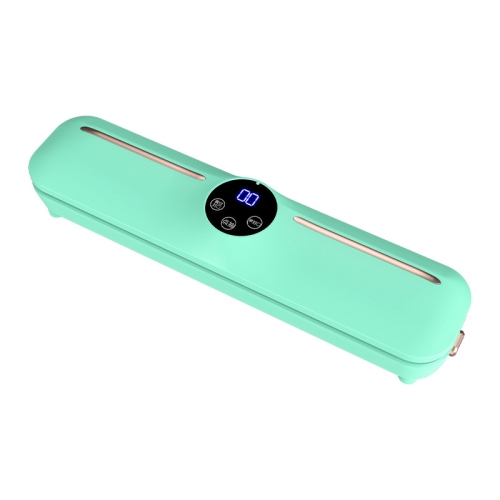
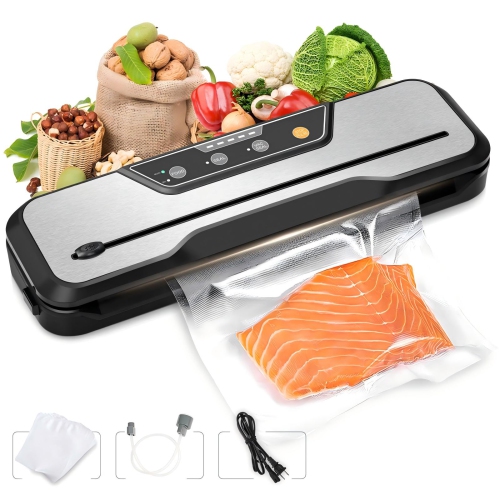
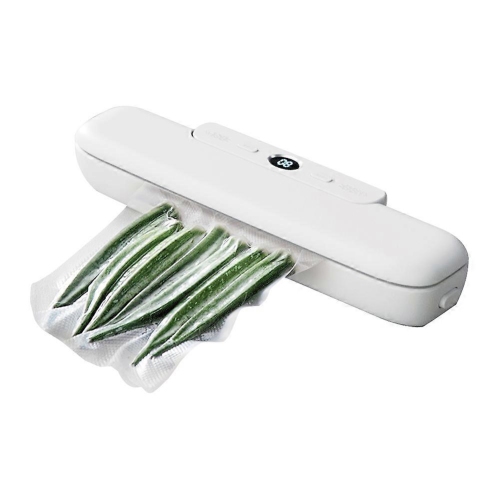
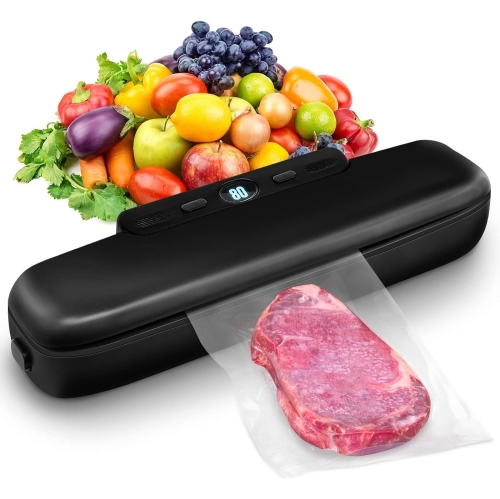
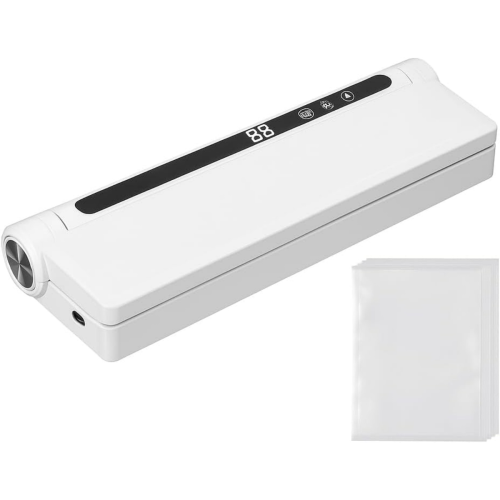
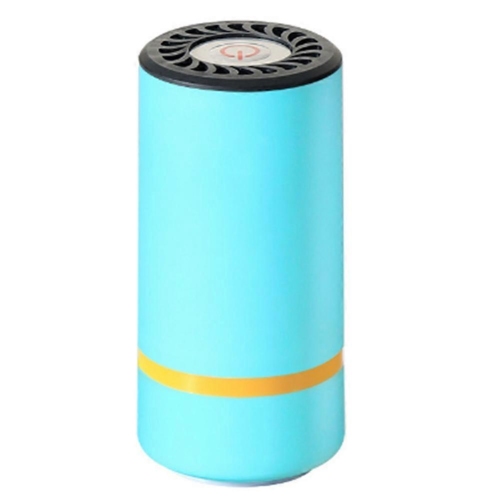
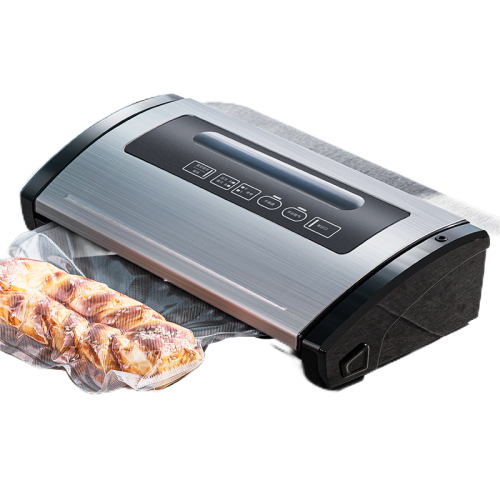
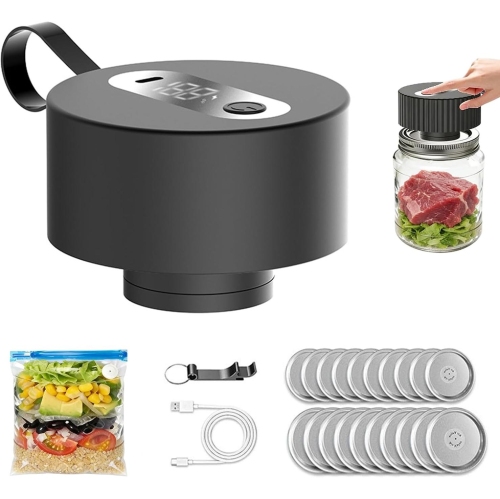
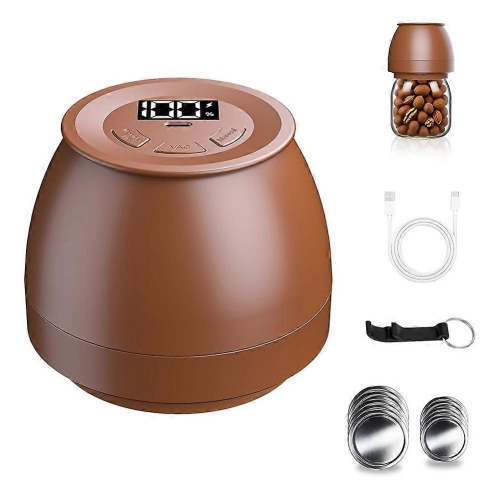

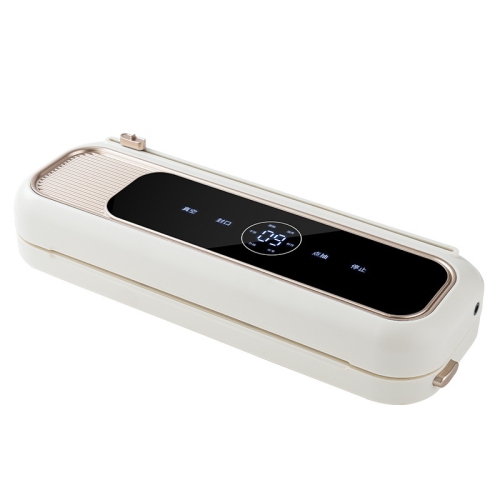
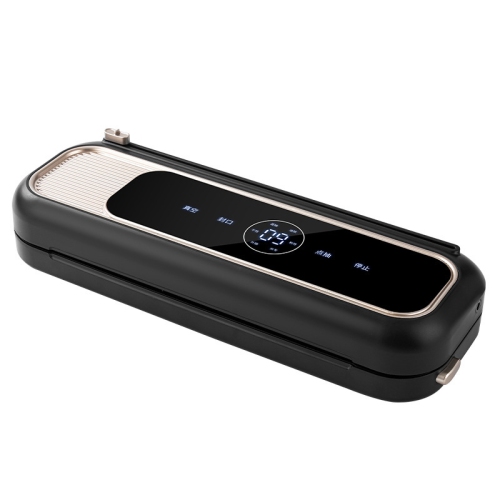
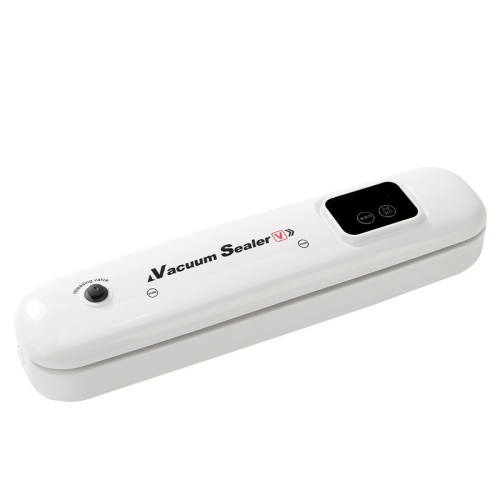
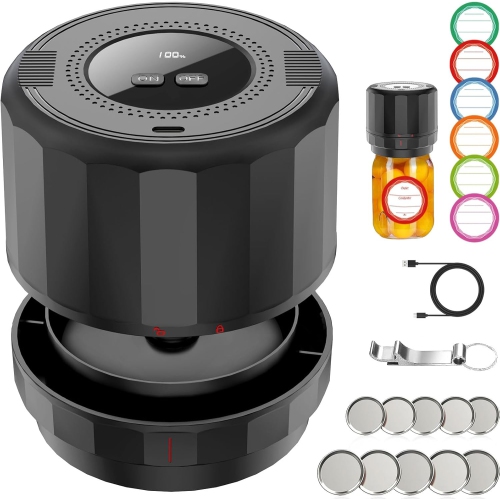
Heat sealing for everyday bags and bigger batches
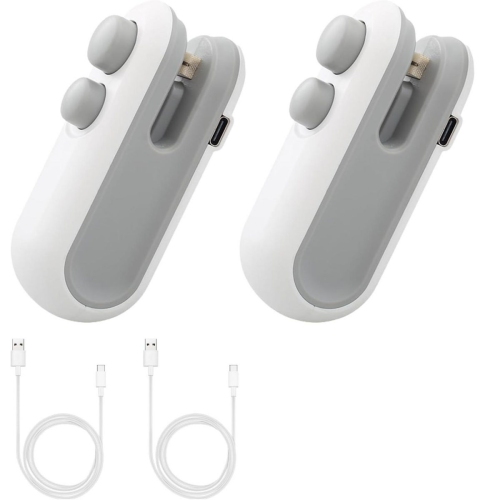
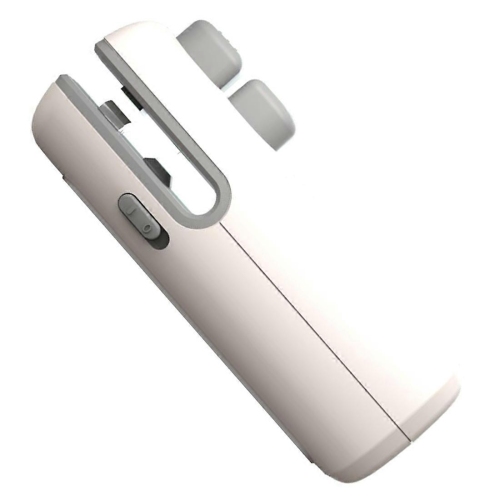
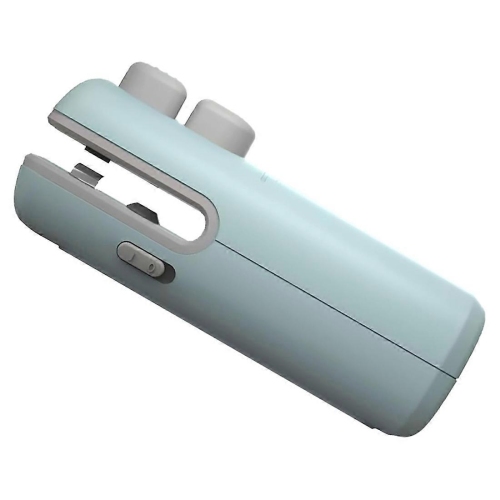
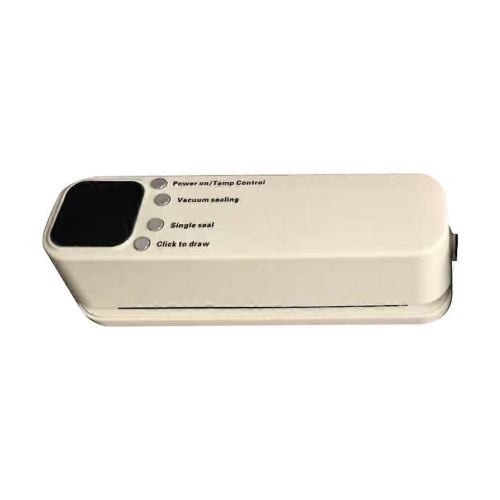
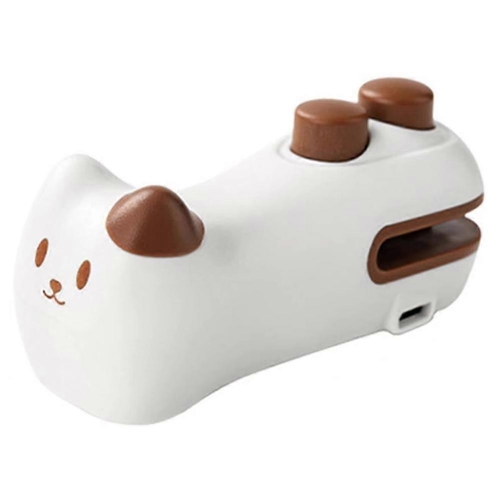
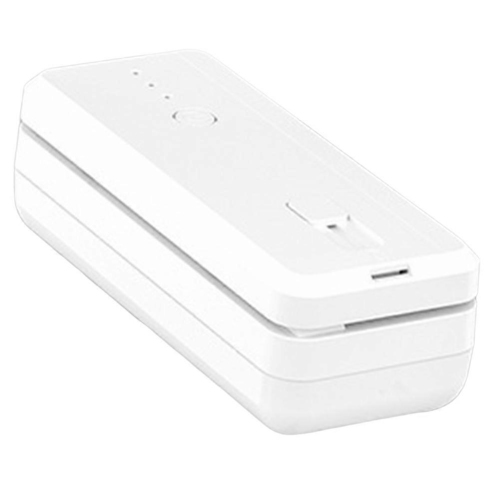
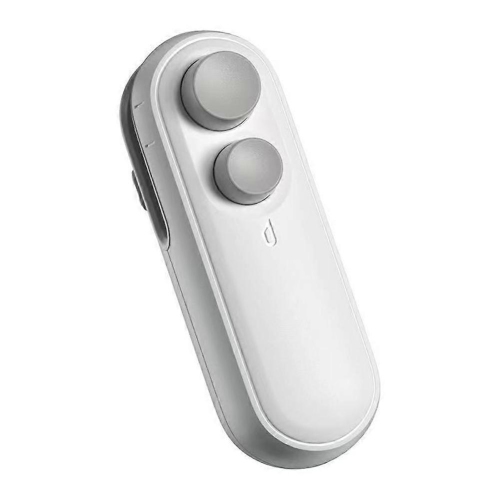
Plastic sealers use heat to join compatible layers of plastic film, closing bags and packages with a fused seam. They serve a range of everyday purposes, from resealing an opened snack bag to preparing neatly closed packages of craft supplies, small parts, or dry ingredients. The main types include handheld bag resealers, tabletop impulse sealers, and continuous band sealers, each suited to a different pace and volume of work. Handheld sealers are compact tools that move along the edge of a compatible bag, making them convenient for occasional household use when a larger appliance would take up unnecessary space. Some operate on replaceable batteries, while others have rechargeable power sources. Tabletop impulse sealers use a hinged arm to press film against a sealing element, which heats briefly during each cycle. Their straight sealing bars can make it easier to produce consistent seams across multiple bags, particularly when packaging portions or organizing supplies at a worktable. Continuous band sealers move the open edge of a bag through a heated sealing mechanism and are generally intended for repetitive commercial packaging rather than occasional kitchen tasks. A heat sealer is not necessarily a vacuum sealer: a standard heat-sealing tool closes the package without actively removing the air inside, while a vacuum sealer extracts air before completing the seal. That distinction matters when comparing tools for simple bag closure with appliances intended for vacuum packaging. For kitchen-focused uses, Food Bag Sealers offer a related category centred on closing food-storage bags. The most useful format depends on the packaging material, the width of its opening, and the number of bags being closed in a typical session. A compact tool may suit a drawer beside the pantry, while a tabletop unit makes more sense for someone who regularly portions dry goods or packages handmade accessories.
Material compatibility is one of the most important considerations with plastic bag sealers because not every plastic, coated wrapper, or multilayer pouch responds to heat in the same way. Polyethylene and polypropylene bags are common packaging materials, but their thickness, construction, and sealing requirements vary. A wrapper that looks similar to another may have a different inner layer, so appearance alone cannot establish whether it will seal properly. Manufacturer guidance should identify the supported materials and thickness range, and food packaging should also be suitable for direct food contact. Some vacuum-sealing systems require textured bags or particular roll materials; ordinary smooth plastic bags are not automatically interchangeable with them. Bag fit matters just as much as material. For a straightforward closure, the entire opening should fit within the usable length of a tabletop sealing bar, with enough empty material above the contents to lie flat without stretching. Overfilled bags can pull at the seam or leave folds that interrupt the closure. Picture a bag of rice with grains caught along the opening, or a pouch of hardware with a screw pressing against its edge: neither gives the sealer a clean, even surface to work on. Keeping the sealing area free of crumbs, grease, moisture, and trapped contents helps produce a more dependable result. Adjustable sealing time can accommodate different compatible films, although a stronger setting is not automatically better. Too little heat may leave an incomplete bond, while excessive heat can distort or burn through the material. Testing an empty sample bag according to the instructions helps establish a suitable setting before packaging the contents. An even seam without obvious gaps is useful evidence of a successful closure, but it should not be treated as proof that a package is sterile, leakproof, or suitable for every storage condition. Heat sealing also does not make perishable food shelf-stable or replace refrigeration, freezing, safe handling, and appropriate storage times. For liquid-rich foods, sharp contents, or packages that need to withstand frequent handling, the bag and sealing system must both be designed for that intended use.
Daily comfort and long-term upkeep help distinguish a plastic sealer that fits naturally into a routine from one that is awkward to use. A handheld model should be comfortable to grip and easy to guide steadily across the bag opening; its results depend partly on maintaining the movement and pressure described in its instructions. A tabletop design benefits from a stable base, a manageable arm, and clear access to the sealing area, especially when several packages need closing in one sitting. Body materials can include moulded plastic or metal, but durability depends on more than the outer casing. Hinge construction, sealing-element quality, supported workload, and access to replacement wear parts all affect service life. Some impulse sealers have replaceable heating elements and protective strips, which can be useful when repeated use eventually wears those components down. Duty-cycle limits are worth noting, since a tool intended for occasional closures may need pauses between batches. Continuous band equipment generally requires more dedicated workspace and maintenance, making it a different proposition from a compact household sealer. For any heat-based design, hot surfaces need care during operation, and safety features such as guarded elements, storage locks, or automatic shut-off should be checked rather than assumed. Cleaning should follow the manufacturer's directions, with powered equipment disconnected and allowed to cool before residue is removed. Abrasive cleaning can damage sealing surfaces, and immersing an electrical sealer is inappropriate unless its instructions explicitly permit it. A clean, dry storage spot also helps keep the sealing area ready for the next use. In a household, these tools may appeal to someone who portions baking ingredients, packs snacks, or keeps small hobby supplies organized. For makers and small businesses, a consistent sealed edge can give lightweight packages a tidy finish while helping keep their contents together. A plastic sealer can also be a practical gift for an enthusiastic home cook or craftsperson when its bag requirements, size, and intended workload match the recipient's habits. The best fit is a tool that handles the actual packaging task reliably, without adding unnecessary bulk or complexity.
Top selling and popular products
-
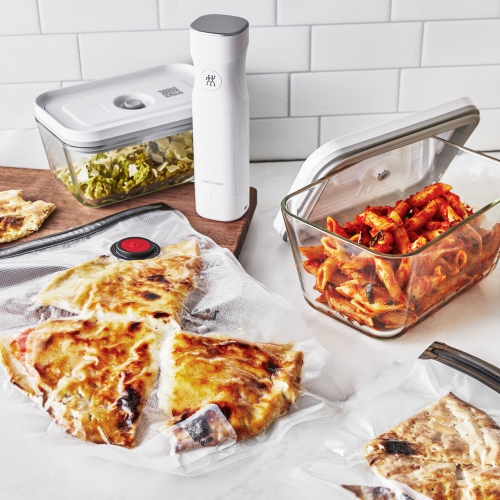 Your price for this item is $159.99
-
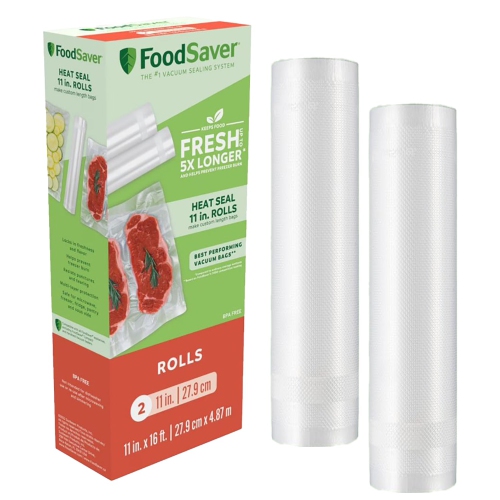 Your price for this item is $36.97
-
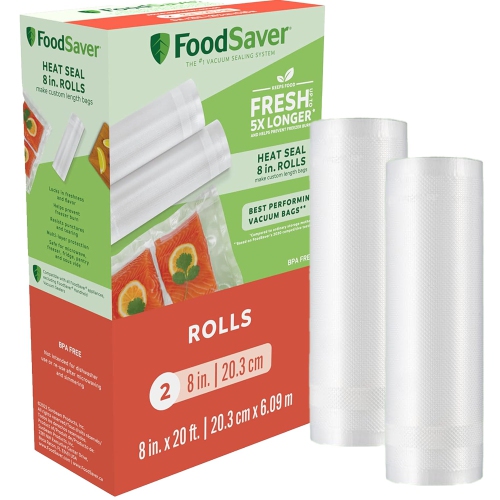 Your price for this item is $36.97
-
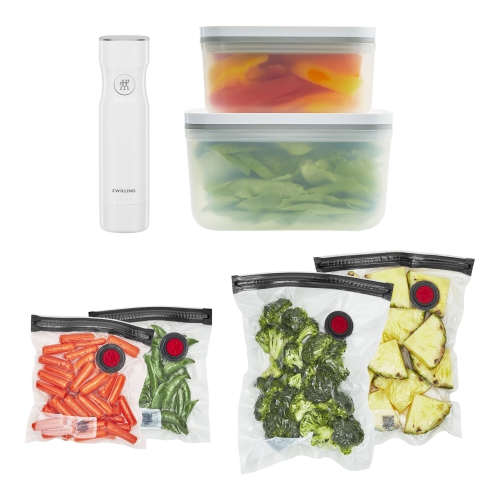 Your price for this item is $159.99
-
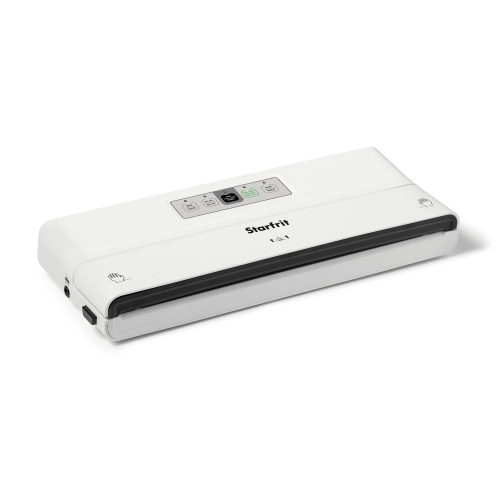 Your price for this item is $49.99
-
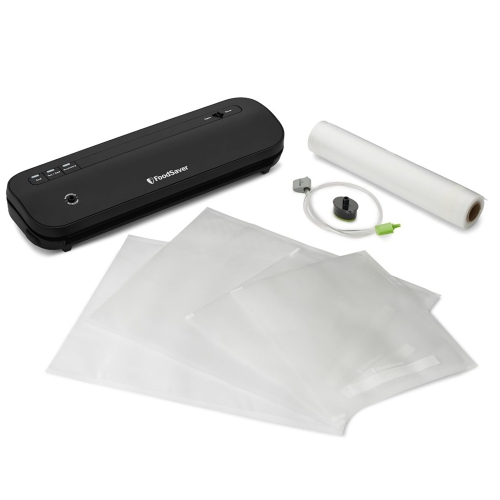 Your price for this item is $165.97
-
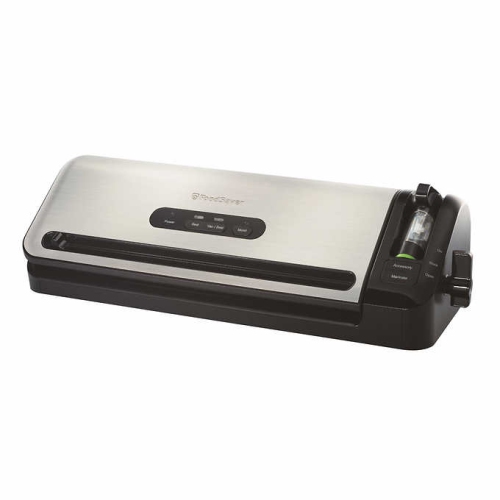 Your price for this item is $129.99
-
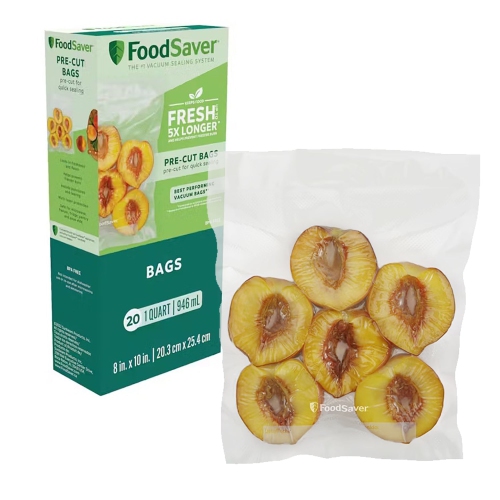 Your price for this item is $22.97
Discover more categories related to Plastic Sealers
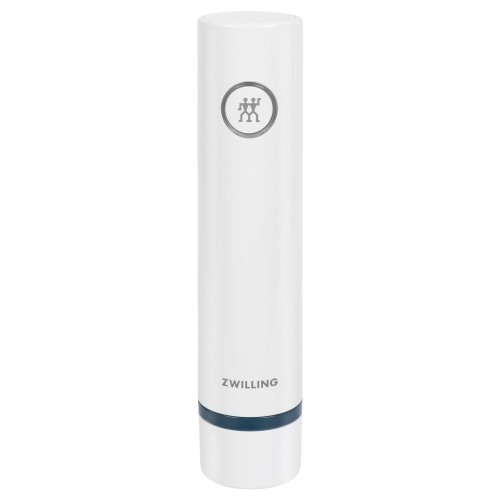
Top Collections:
Pokemon Centers, Best Cameras for Sports Photography, Kindle Devices, Samsung Galaxy Phones, Canon G7X Cameras, Pokémon 30th Celebration Cards, Refurbished Apple Laptops, iPhone 15 Apple, Laptops for Students, Budget Smartphones
Some products may be subject to Environmental Handling Fees
(EHF) depending on your province.
Learn more about EHFs.