Heating Elements
Explore our selection of heating elements parts to find the perfect replacement for your worn-out or malfunctioning components. Whether you're in need of a new heating element for your oven, dryer, or other household appliance, we've got you covered with a range of high-quality options to choose from. With durable materials and precise compatibility, these heating elements parts are designed to deliver reliable performance and help you get your appliances back up and running in no time.
Sort

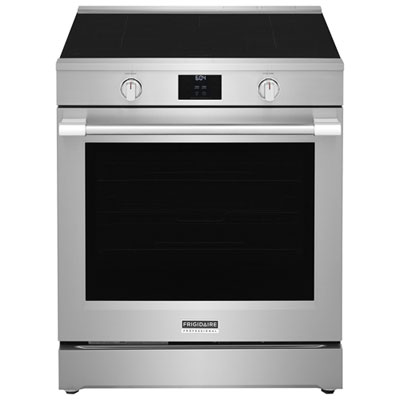
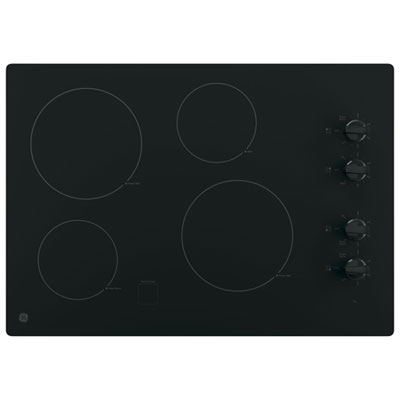
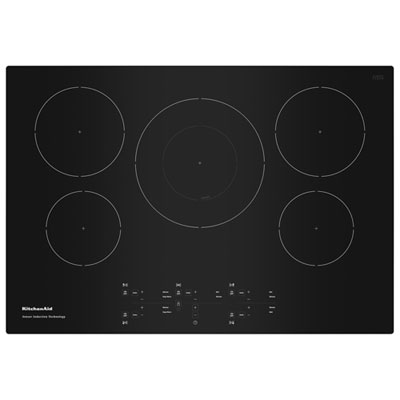
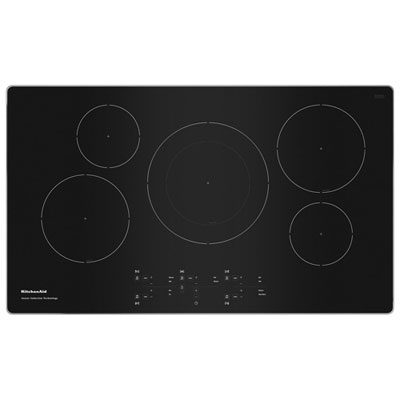
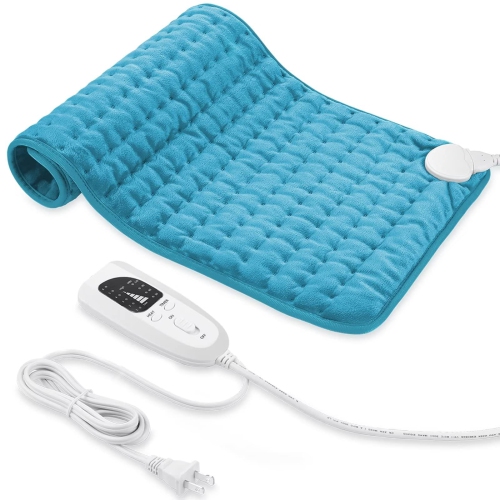
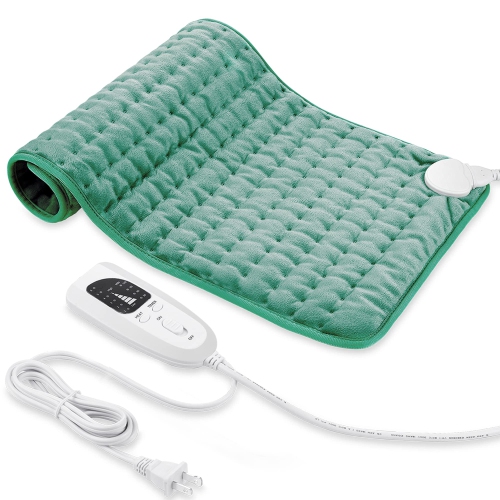
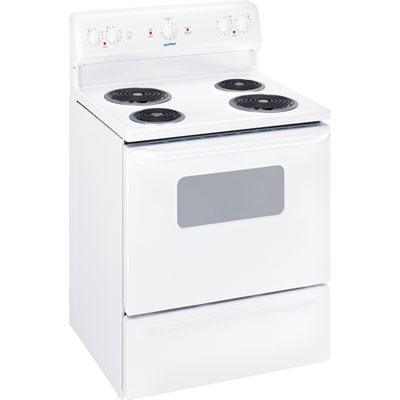

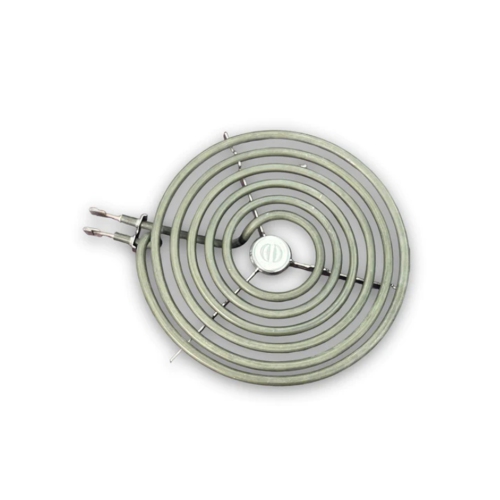
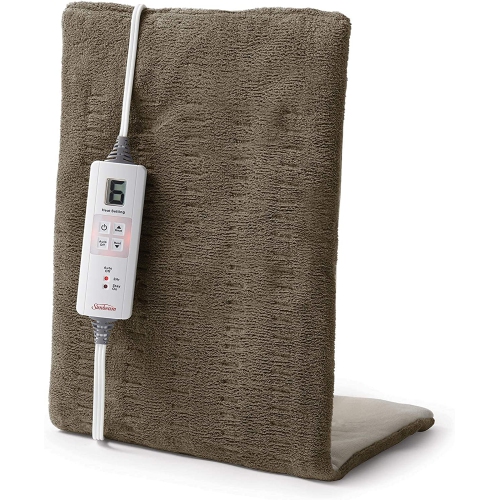
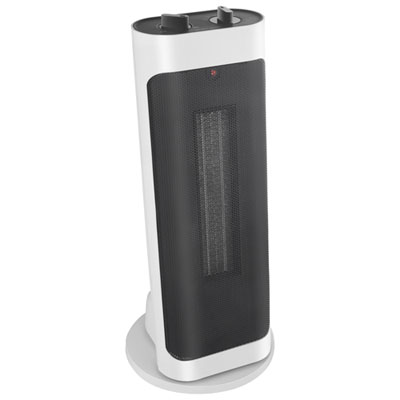
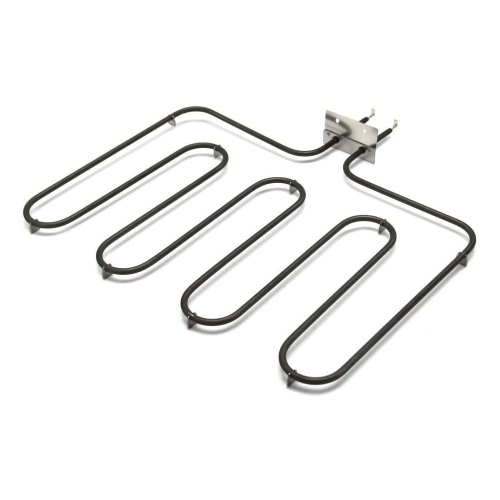
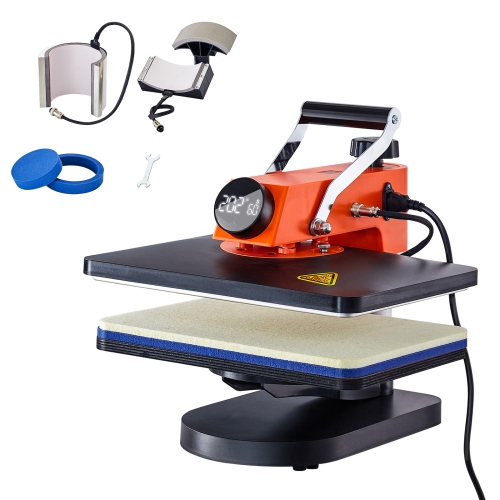
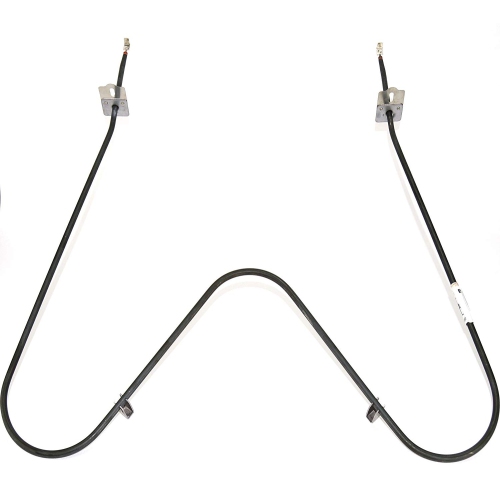
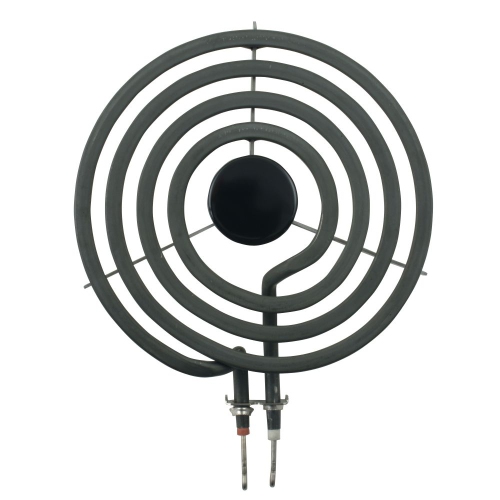
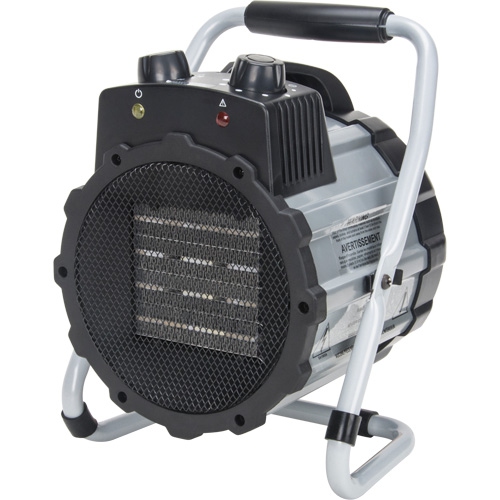

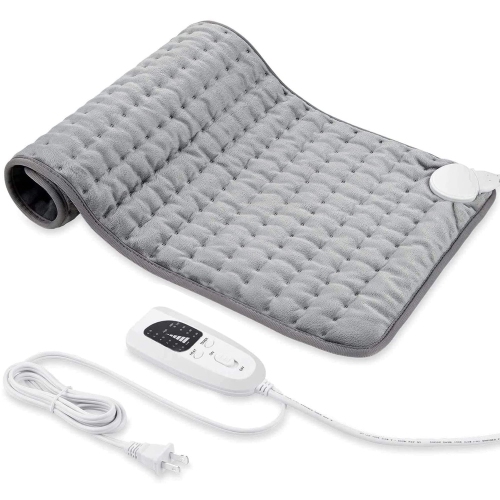
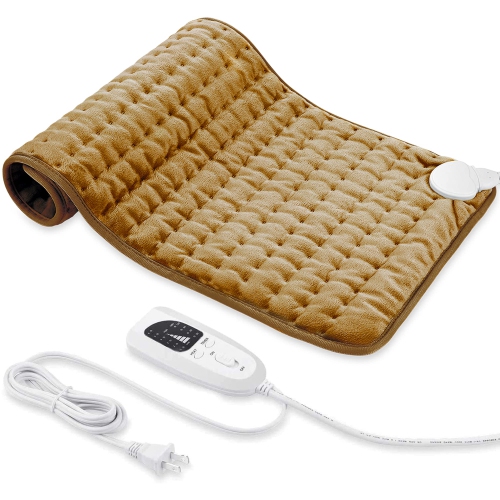

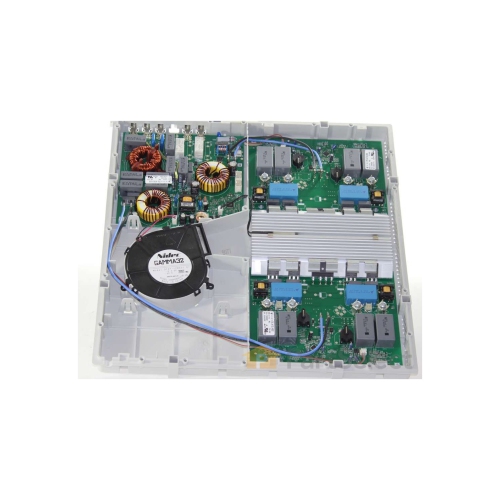
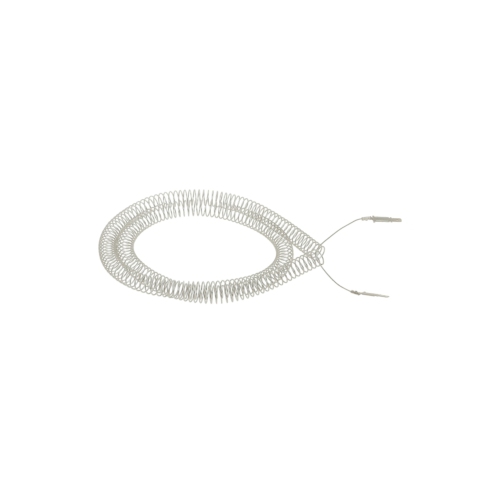

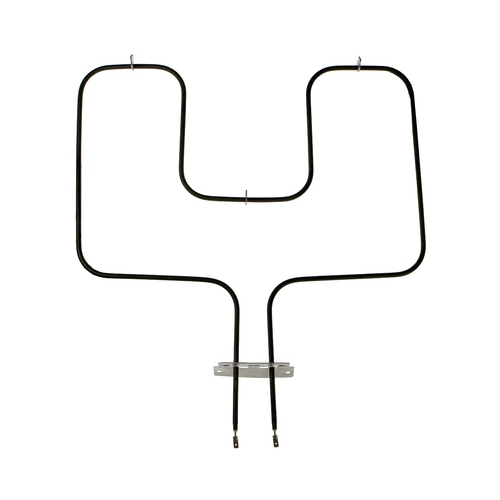
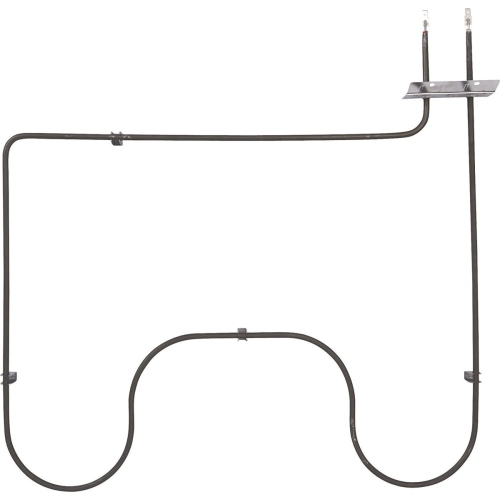
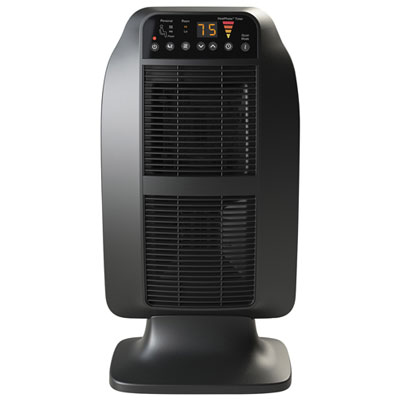
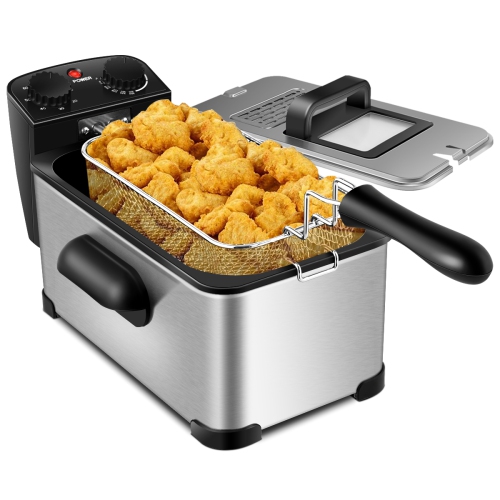
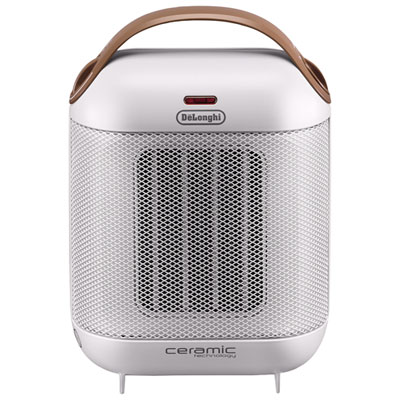
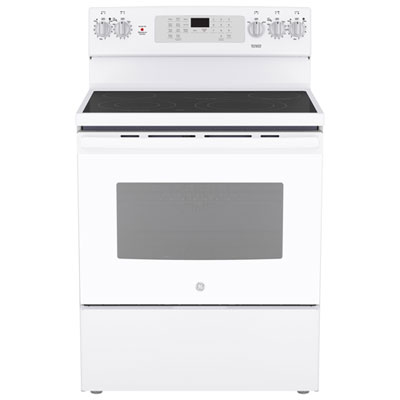
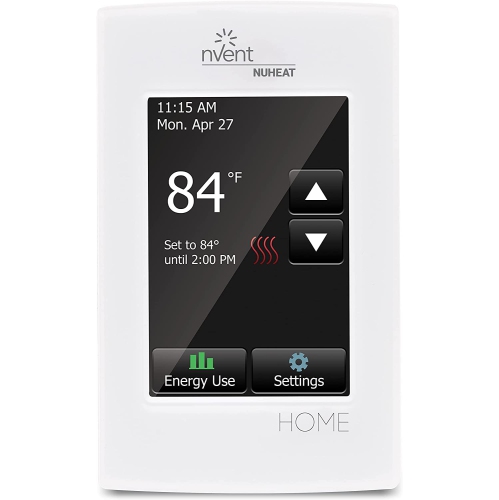
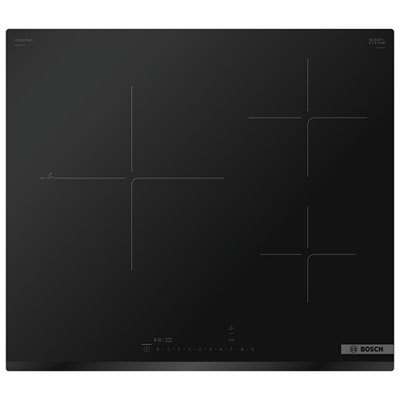
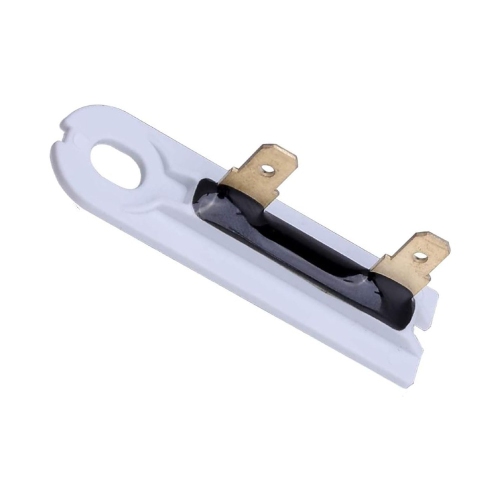
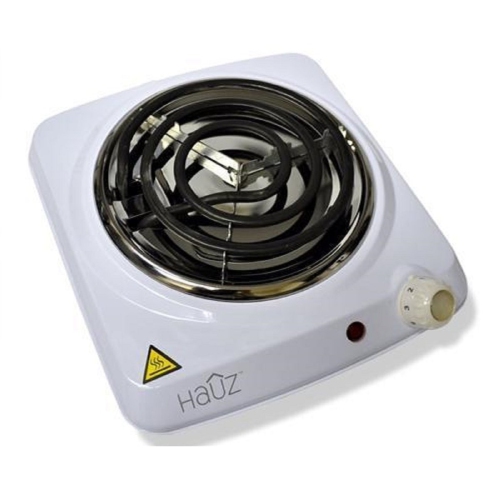
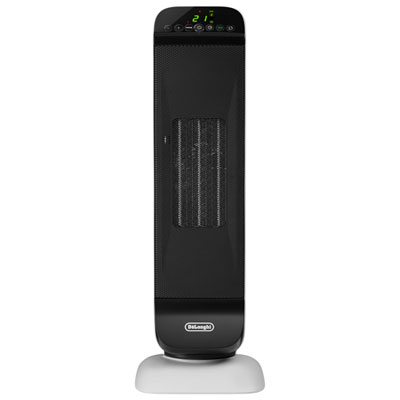
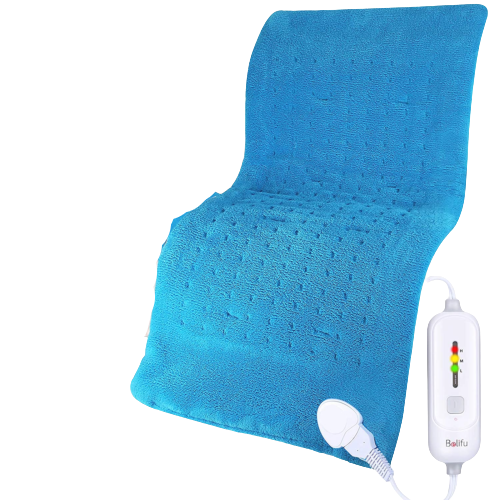
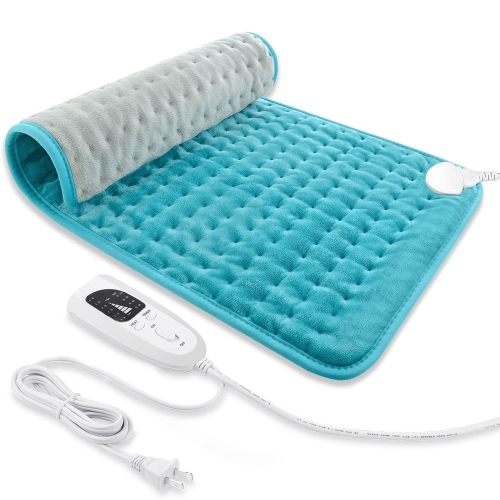
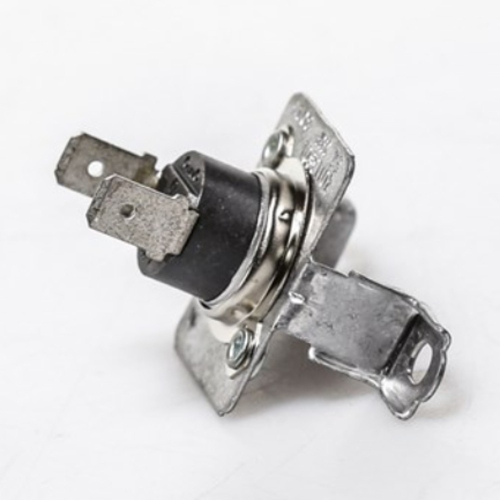
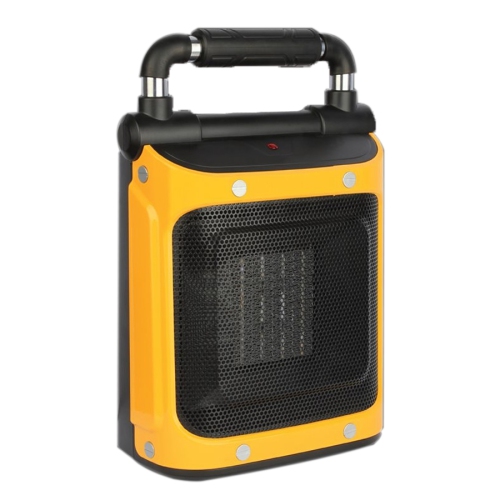
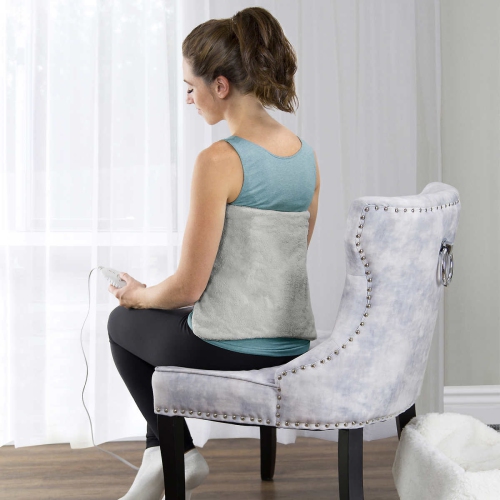
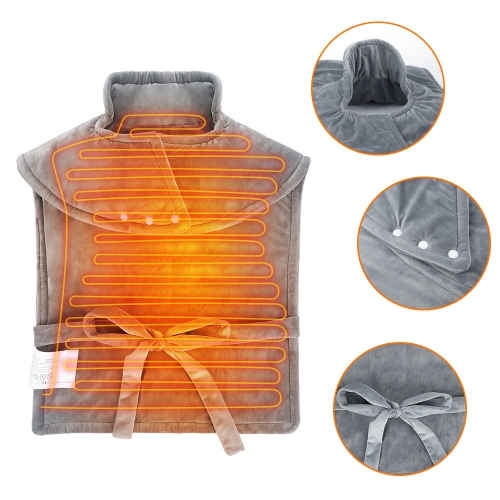
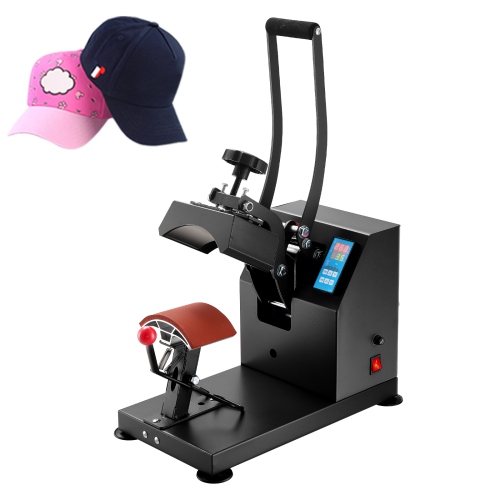
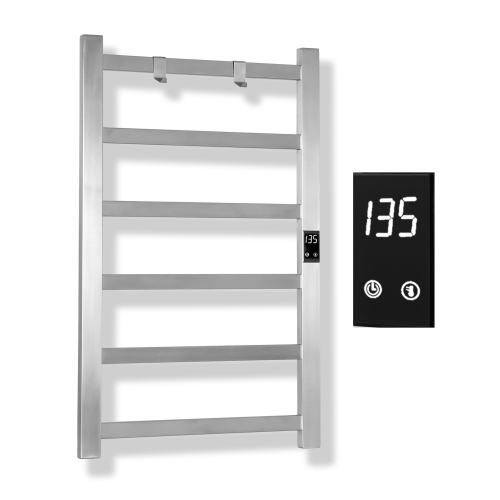
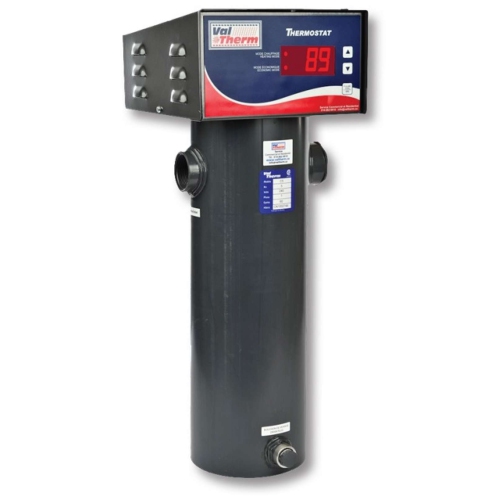
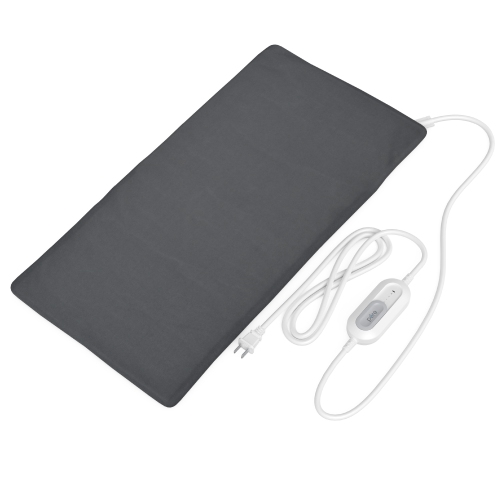
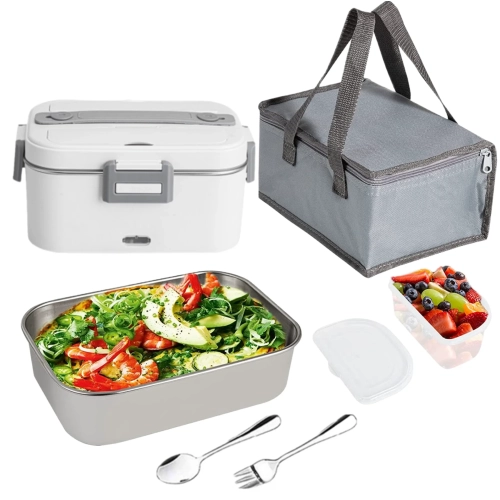

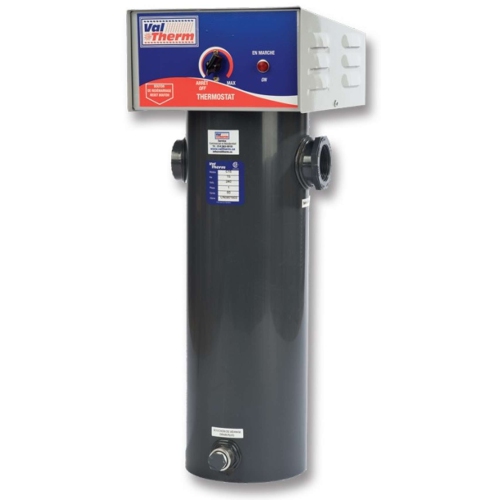
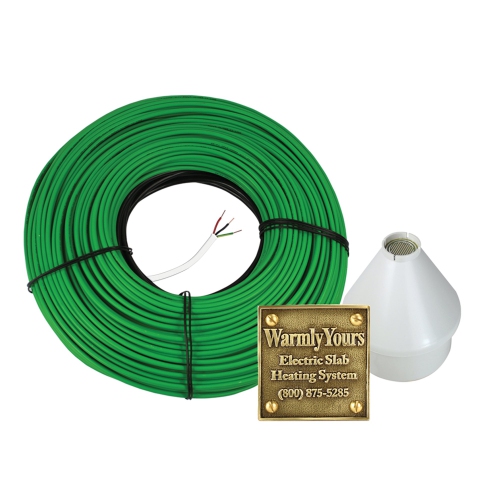
Heat delivery, replacement matching, and repair safety explained
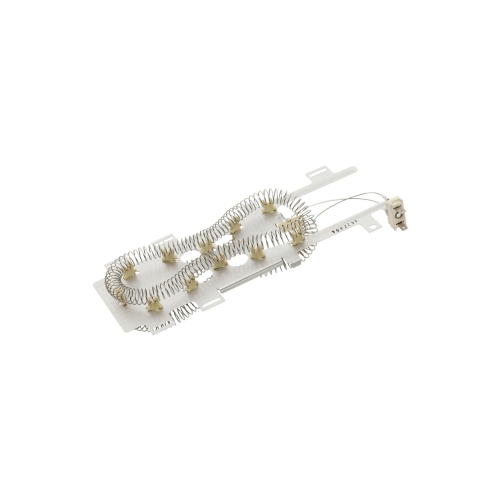
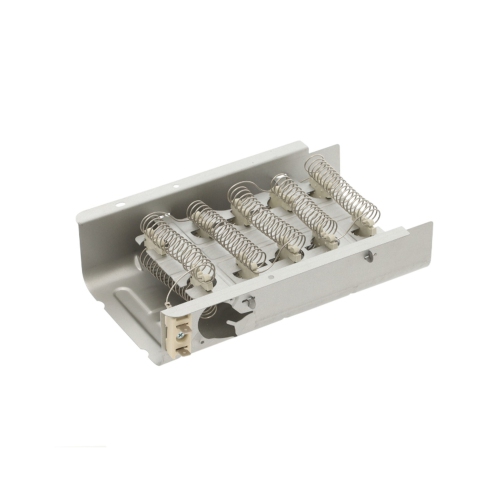
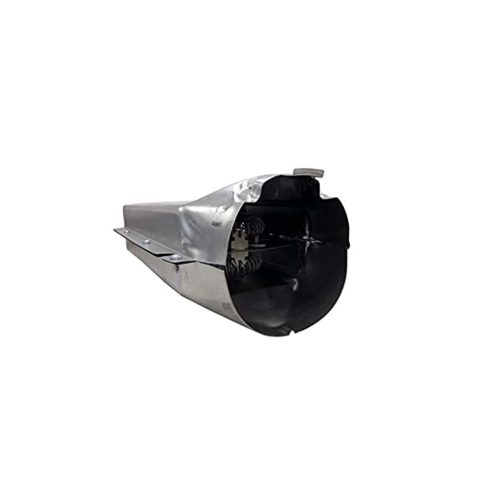
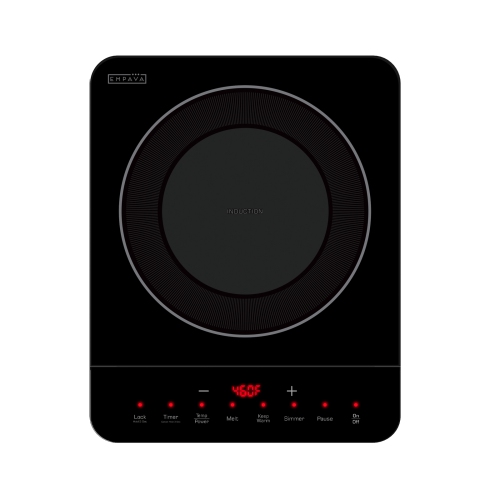
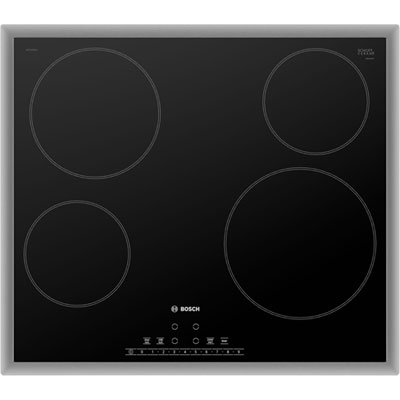
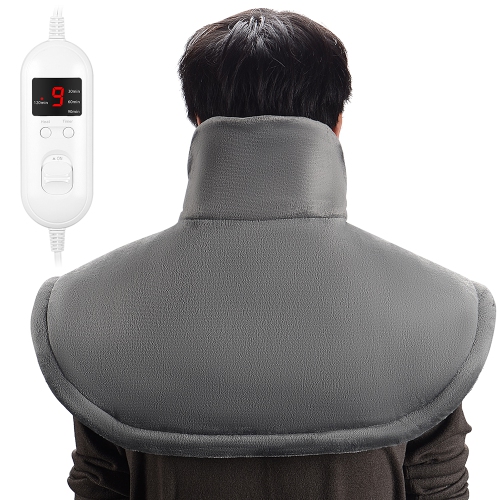
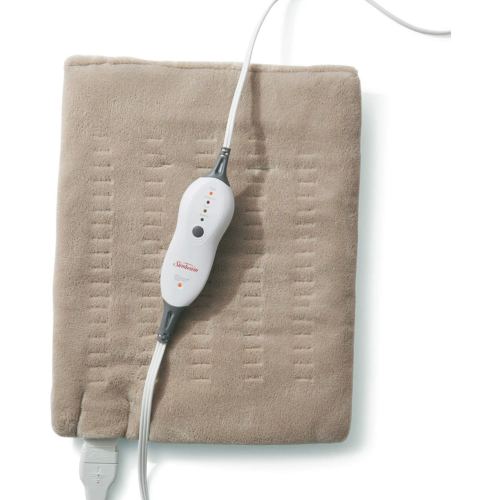
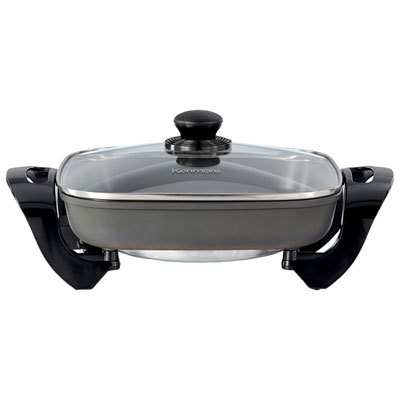
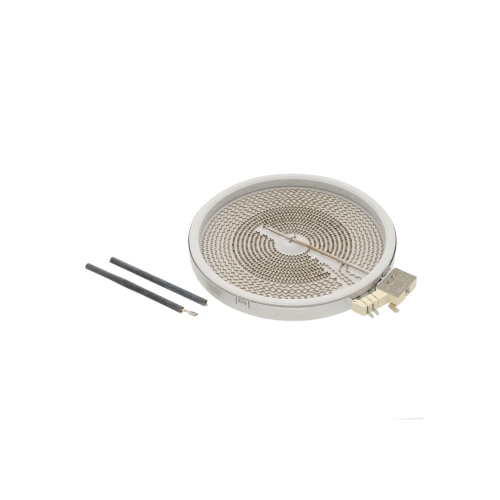
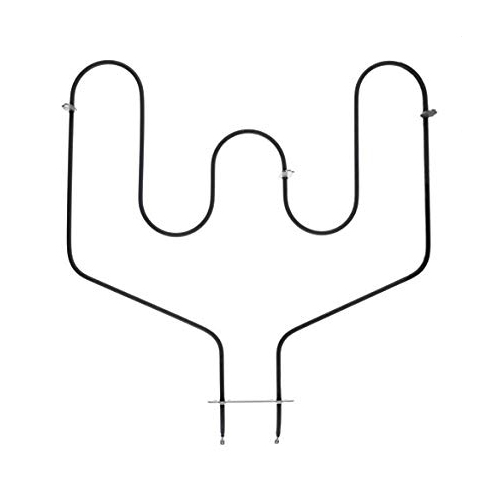
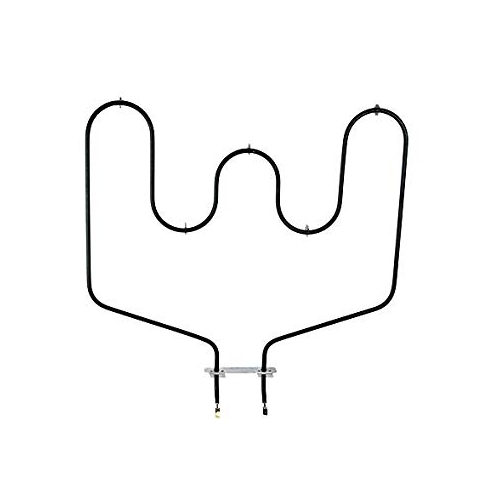
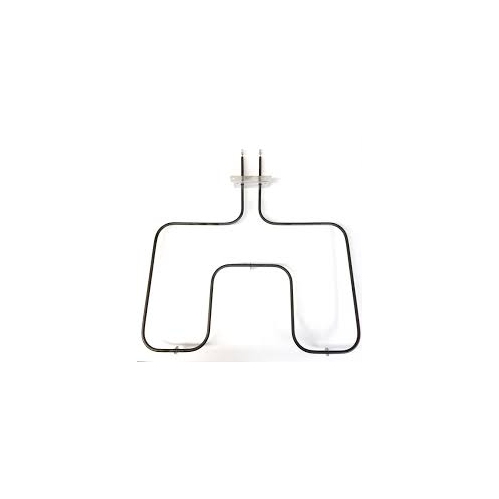
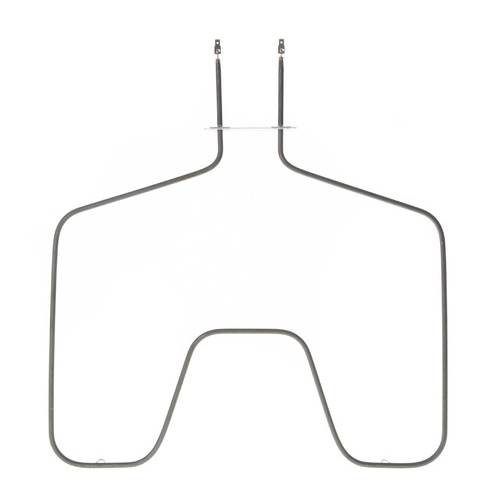
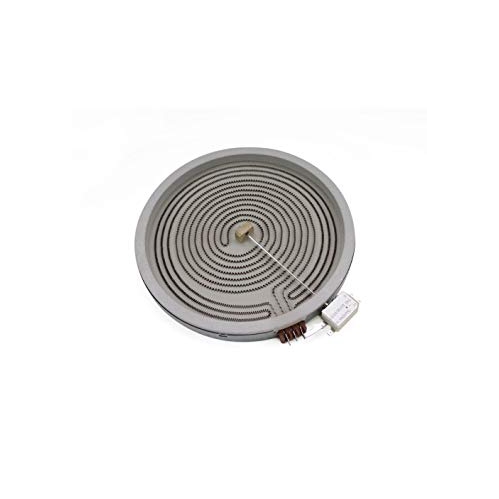
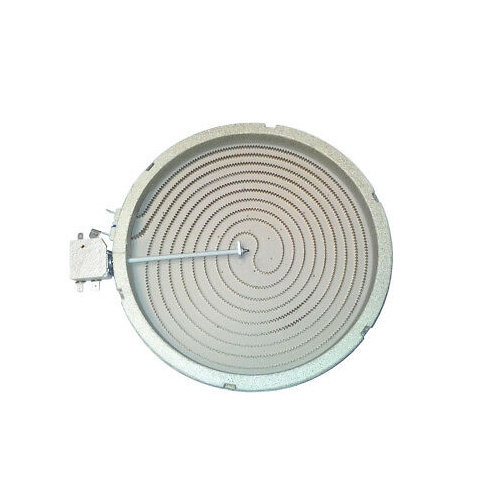
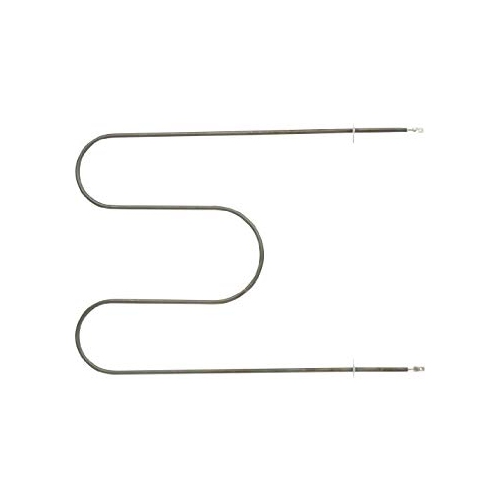
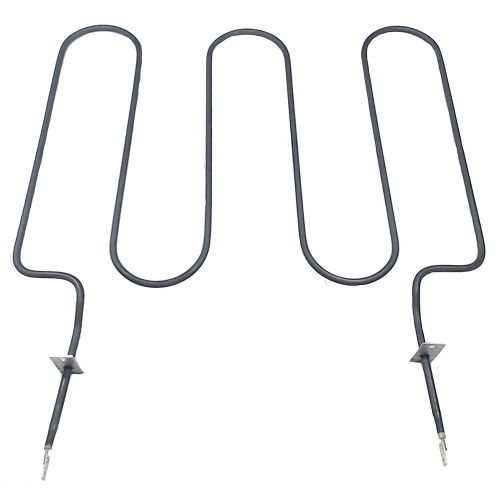
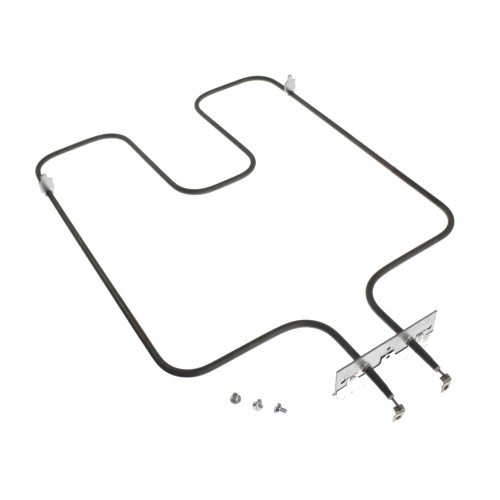
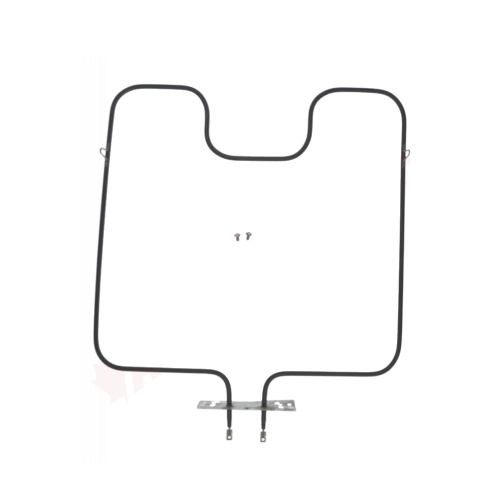
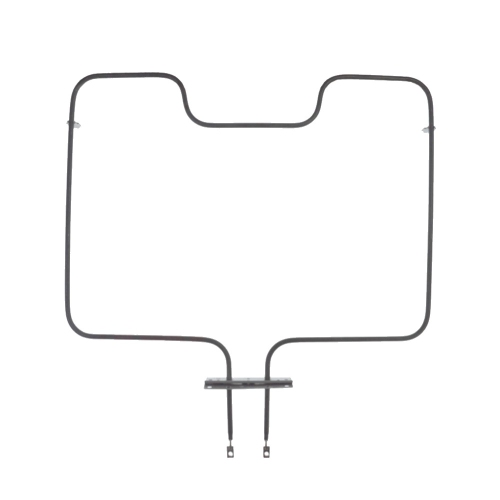
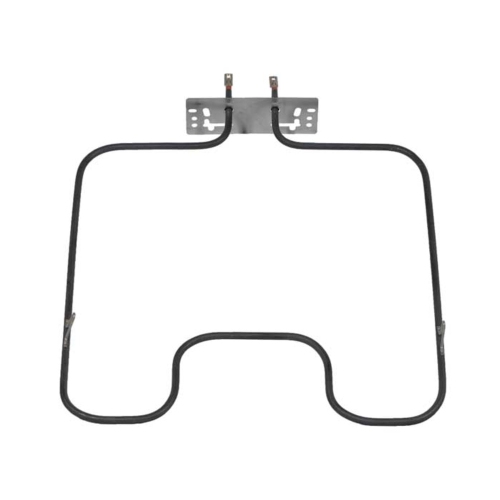
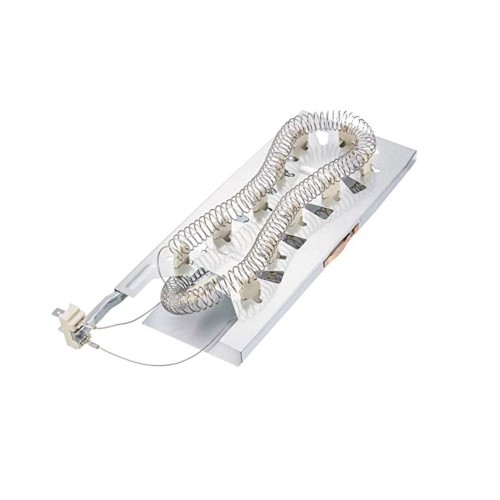
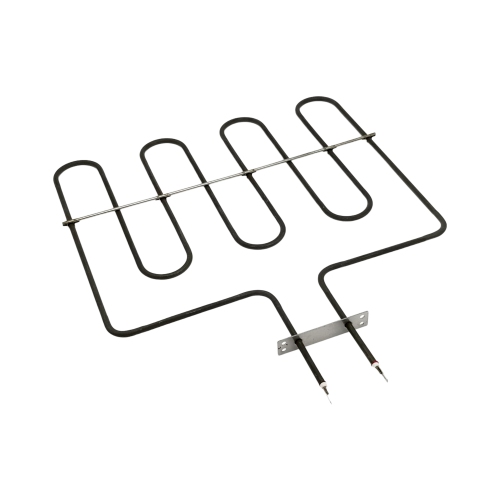
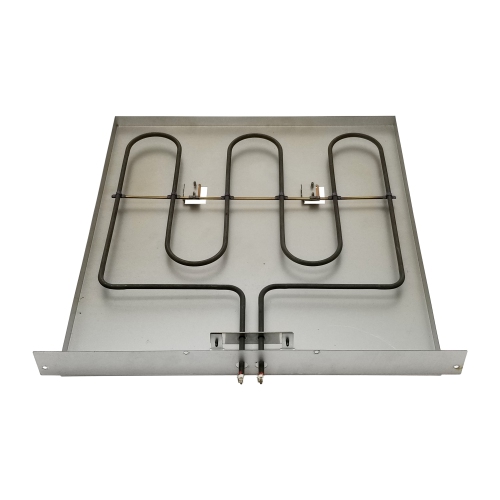
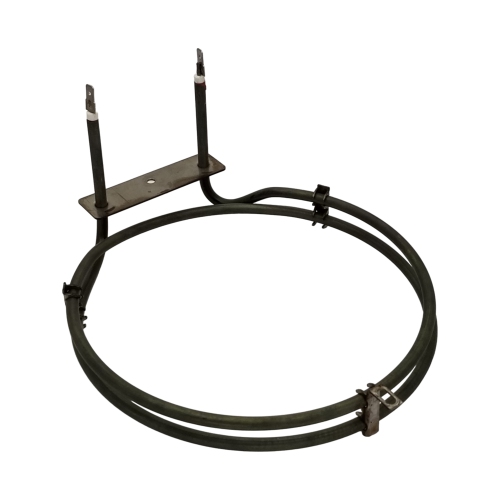
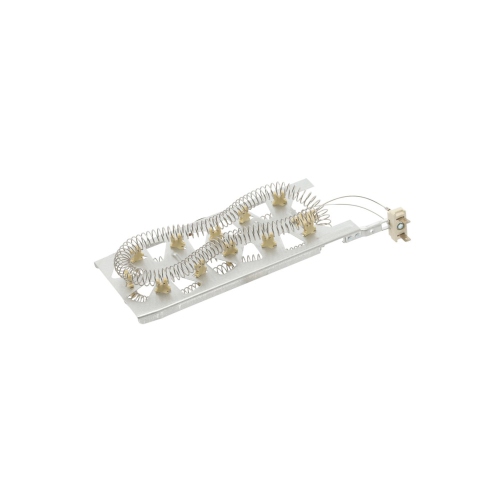
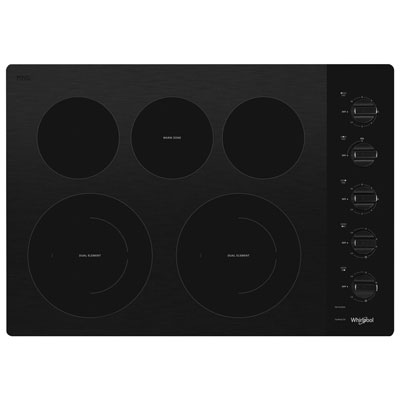
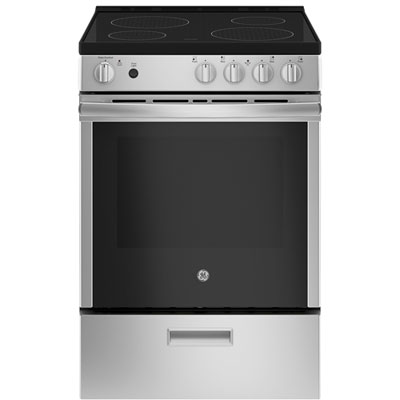
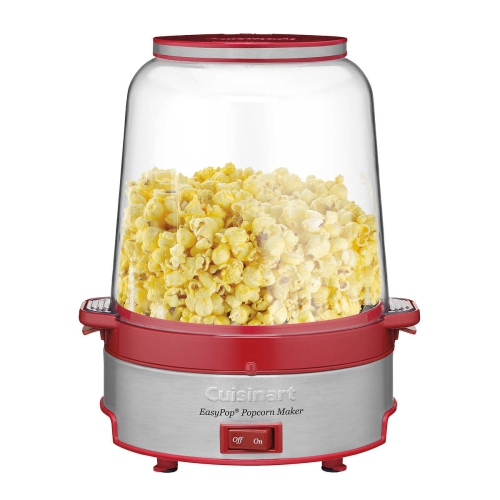
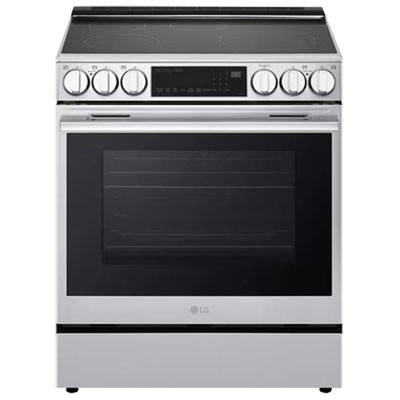
Heating elements are components designed to convert electrical energy into heat, most commonly through a process called resistive or Joule heating. When an electric current passes through a high-resistance material, the material becomes hot and transfers that heat to air, cookware, water, clothing, or another surface. Nickel-chromium, often written as NiCr, is widely used because it can reach high temperatures while remaining stable during repeated heating and cooling. Depending on the appliance or system, the heating wire may be enclosed within a metal tube, supported by ceramic insulators, or formed into a compact rod or loop. The outer construction is equally important: stainless steel, copper, Incoloy, titanium, and other materials may be selected to manage moisture, corrosion, heat transfer, or demanding operating conditions. In a home, heating elements can be found in cooking appliances, laundry equipment, beverage makers, countertop appliances, water-heating systems, and portable heating devices. A properly matched element helps an appliance warm evenly and operate as intended, while an incorrect replacement can lead to poor performance, nuisance breaker trips, overheating, or damage to surrounding components. When browsing heating elements, begin with the appliance type, model information, part number, voltage, wattage, shape, terminal arrangement, and mounting style. Even elements that look similar may have different electrical ratings or connection points, so comparing the original component with the manufacturer’s specifications is an important part of the selection process.
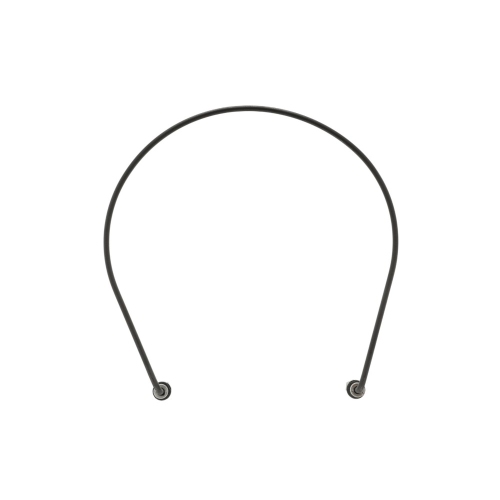
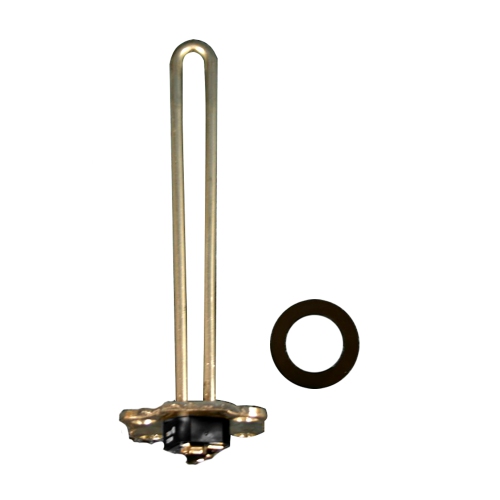
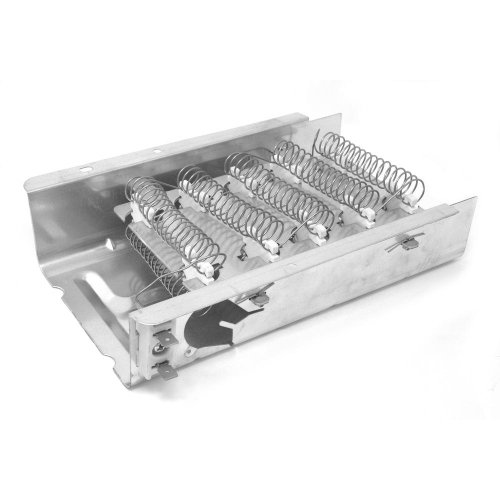
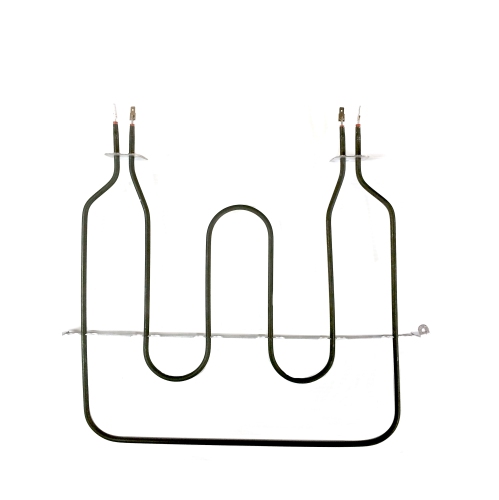
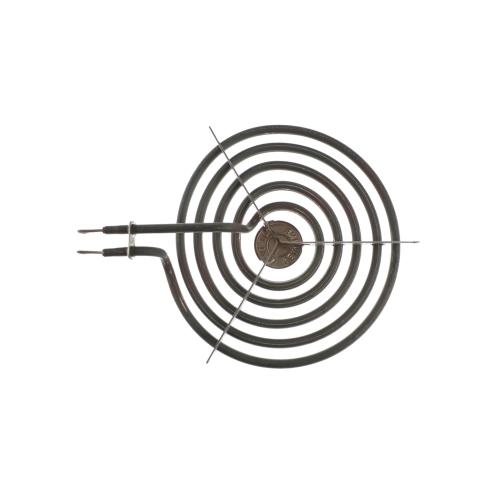
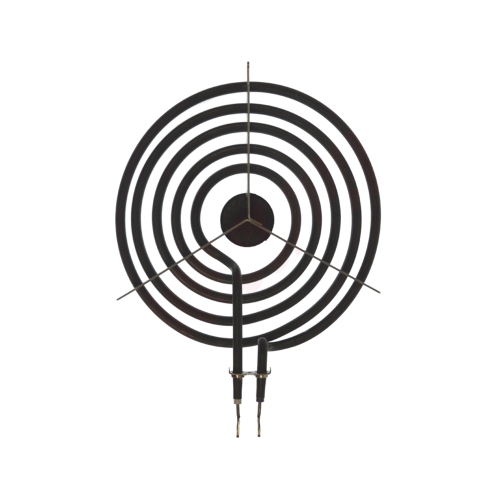
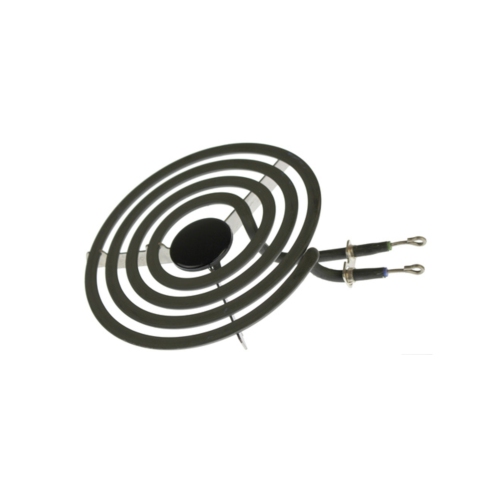
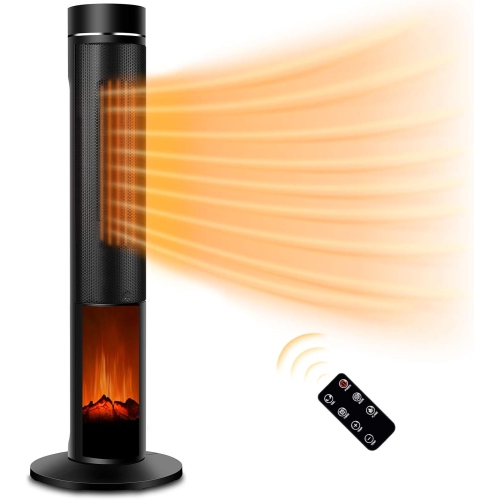
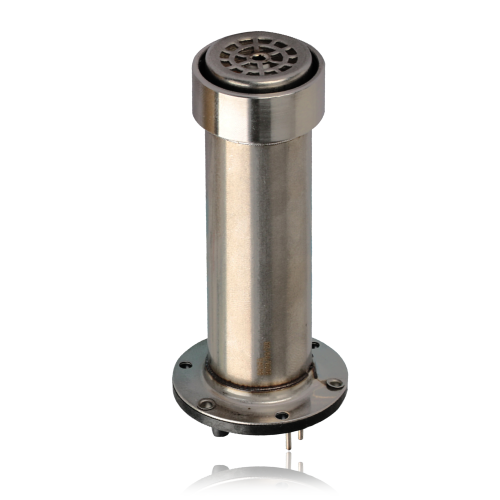
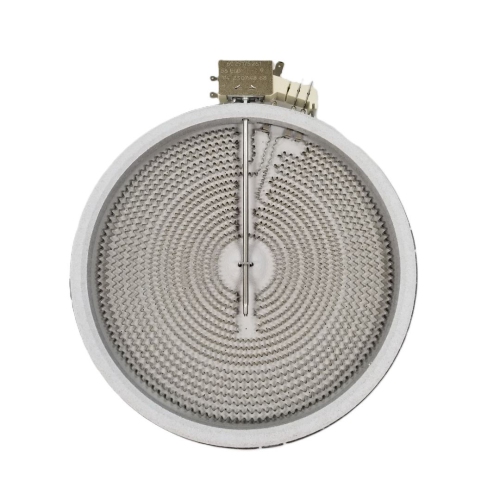
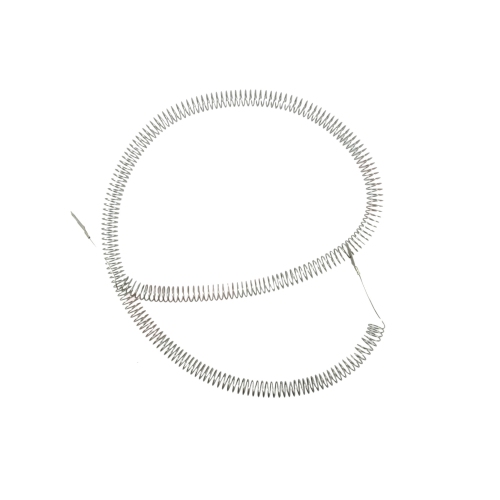
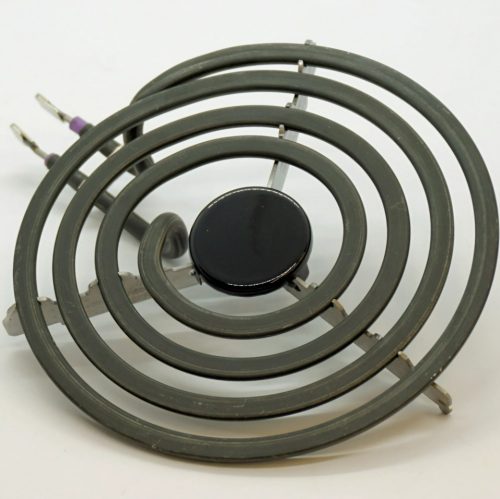
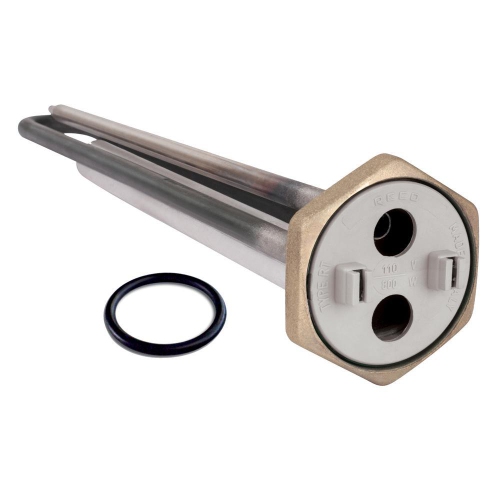
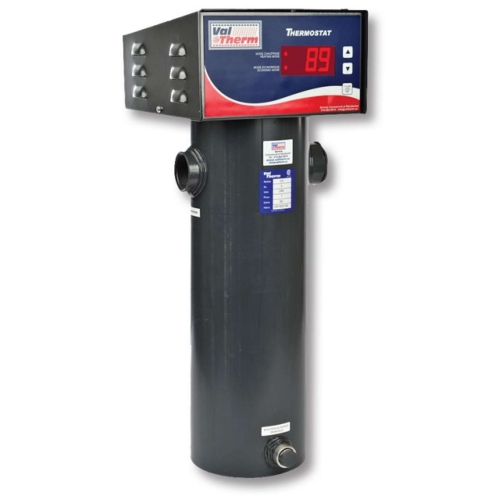
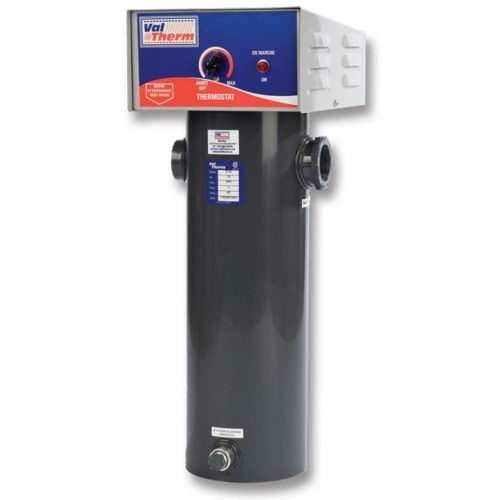
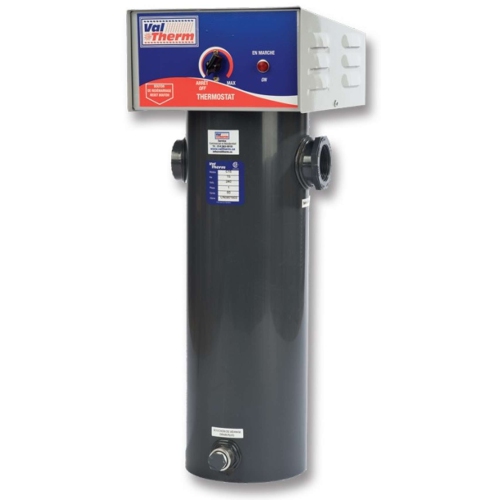
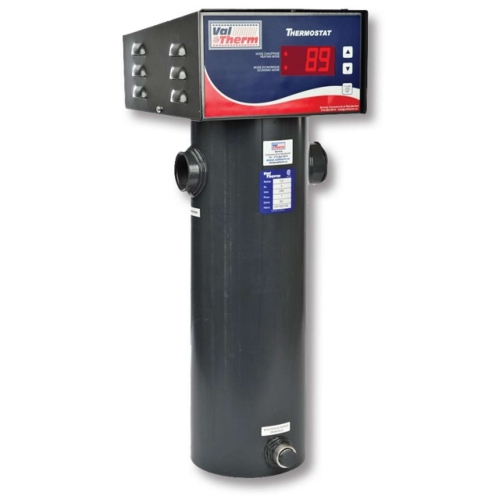
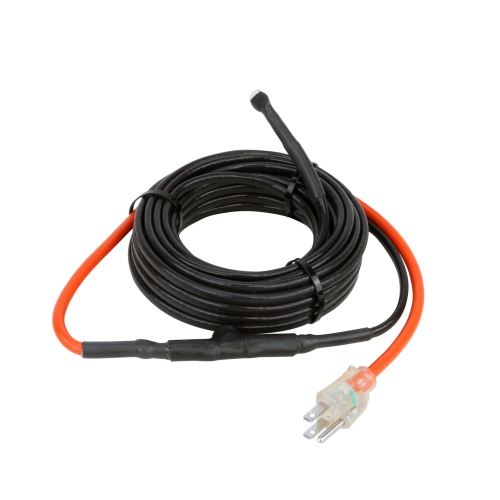
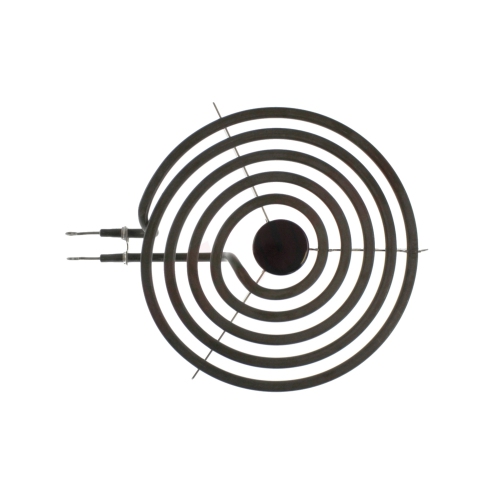
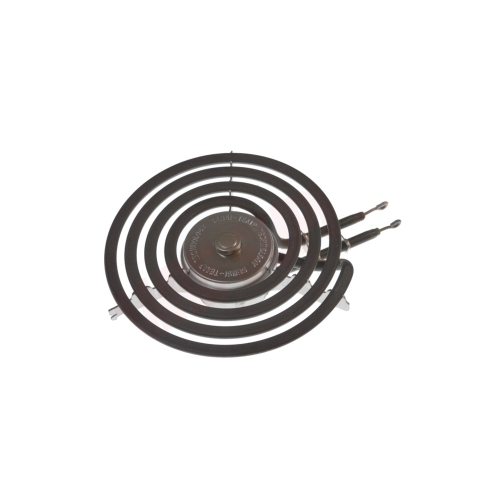
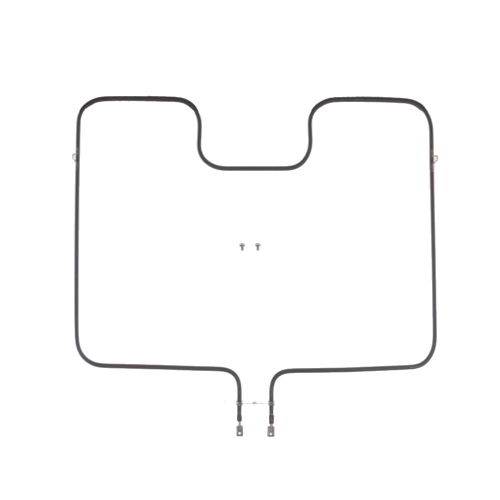
The design of a heating element usually reflects how heat needs to be delivered. Tubular elements place a resistance wire inside a protective metal sheath, with electrically insulating magnesium oxide between the wire and the outer tube. This construction is common in ovens, cooking appliances, water heaters, coffee makers, and other equipment where a durable, enclosed source of heat is required. Open-coil elements use exposed wire arranged across ceramic supports, allowing heat to move quickly into the surrounding air; they may be used in certain space-heating and air-moving applications. Immersion elements are shaped as metal loops or flanged assemblies that sit directly in water or another liquid, making the seal, sheath material, and connection method especially important. Cartridge heaters are compact cylindrical elements designed to fit into a closely sized opening, where they transfer heat to a metal block, plate, mould, or machinery component. For stovetops, coil-style parts are made to sit securely in a receptacle and transfer heat to compatible cookware, while other cooking surfaces use different element shapes and installation methods. If your search is focused on replacement cooking coils, explore Stove Coil Elements for options suited to that particular appliance category. The right format depends on more than appearance: consider how the element is supported, where the heat is directed, how moisture is handled, and whether the electrical connection matches the appliance.
Heating elements may be useful for homeowners maintaining an older appliance, renters replacing an approved service part, do-it-yourselfers working on small repairs, and technicians sourcing components for routine maintenance. They can also be practical additions to a workshop or repair kit when a frequently used appliance has a replaceable heat component, although the exact part should always be confirmed before ordering. Common signs of a failing element include an appliance that takes much longer to heat, food or clothing that remains underheated, uneven cooking, visible damage or blistering, a broken coil, unusual odours, or a circuit breaker that trips when heat is selected. These symptoms can have other causes, including a faulty thermostat, sensor, switch, wiring connection, control board, fan, or power supply, so replacing an element is not a substitute for proper diagnosis. Before inspecting or installing any component, disconnect the appliance from its power source and allow hot surfaces to cool completely. Follow the service instructions for the appliance, use appropriate protective equipment, and seek qualified assistance when the repair involves exposed wiring, gas appliances, high-voltage systems, water-heating equipment, or uncertain electrical connections. For a replacement, match the voltage and wattage exactly unless the appliance documentation specifies an approved alternative, and check the dimensions, terminals, brackets, seals, and mounting hardware. During the cooler months, a dependable heating system or appliance can make a kitchen, laundry area, workshop, or living space feel noticeably more comfortable, and choosing the correct element helps support steady operation when reliable heat matters most.
The design of a heating element usually reflects how heat needs to be delivered. Tubular elements place a resistance wire inside a protective metal sheath, with electrically insulating magnesium oxide between the wire and the outer tube. This construction is common in ovens, cooking appliances, water heaters, coffee makers, and other equipment where a durable, enclosed source of heat is required. Open-coil elements use exposed wire arranged across ceramic supports, allowing heat to move quickly into the surrounding air; they may be used in certain space-heating and air-moving applications. Immersion elements are shaped as metal loops or flanged assemblies that sit directly in water or another liquid, making the seal, sheath material, and connection method especially important. Cartridge heaters are compact cylindrical elements designed to fit into a closely sized opening, where they transfer heat to a metal block, plate, mould, or machinery component. For stovetops, coil-style parts are made to sit securely in a receptacle and transfer heat to compatible cookware, while other cooking surfaces use different element shapes and installation methods. If your search is focused on replacement cooking coils, explore Stove Coil Elements for options suited to that particular appliance category. The right format depends on more than appearance: consider how the element is supported, where the heat is directed, how moisture is handled, and whether the electrical connection matches the appliance.
Heating elements may be useful for homeowners maintaining an older appliance, renters replacing an approved service part, do-it-yourselfers working on small repairs, and technicians sourcing components for routine maintenance. They can also be practical additions to a workshop or repair kit when a frequently used appliance has a replaceable heat component, although the exact part should always be confirmed before ordering. Common signs of a failing element include an appliance that takes much longer to heat, food or clothing that remains underheated, uneven cooking, visible damage or blistering, a broken coil, unusual odours, or a circuit breaker that trips when heat is selected. These symptoms can have other causes, including a faulty thermostat, sensor, switch, wiring connection, control board, fan, or power supply, so replacing an element is not a substitute for proper diagnosis. Before inspecting or installing any component, disconnect the appliance from its power source and allow hot surfaces to cool completely. Follow the service instructions for the appliance, use appropriate protective equipment, and seek qualified assistance when the repair involves exposed wiring, gas appliances, high-voltage systems, water-heating equipment, or uncertain electrical connections. For a replacement, match the voltage and wattage exactly unless the appliance documentation specifies an approved alternative, and check the dimensions, terminals, brackets, seals, and mounting hardware. During the cooler months, a dependable heating system or appliance can make a kitchen, laundry area, workshop, or living space feel noticeably more comfortable, and choosing the correct element helps support steady operation when reliable heat matters most.
Top selling and popular products
-
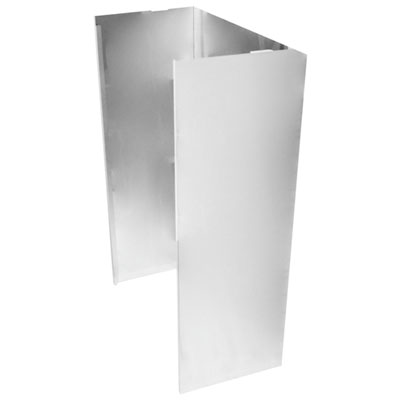 Your price for this item is $594.99
 -
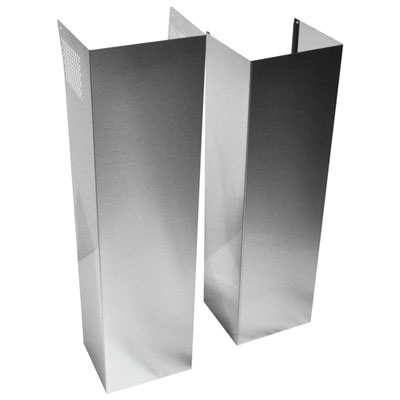 Your price for this item is $401.99
 -
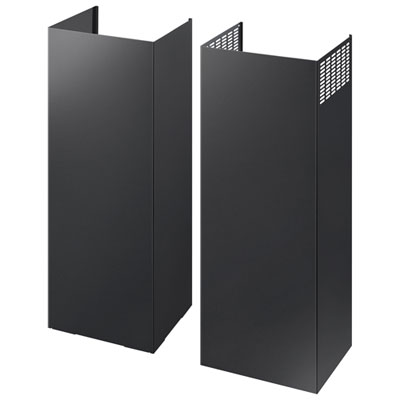 Your price for this item is $699.99
 -
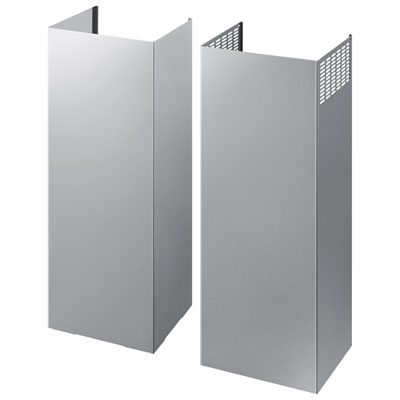 Your price for this item is $599.99
 -
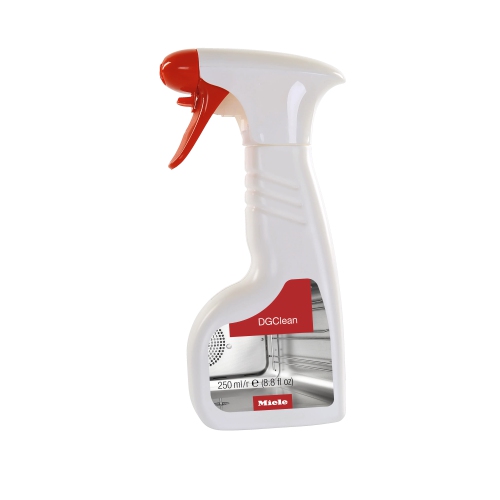 Your price for this item is $18.99
 -
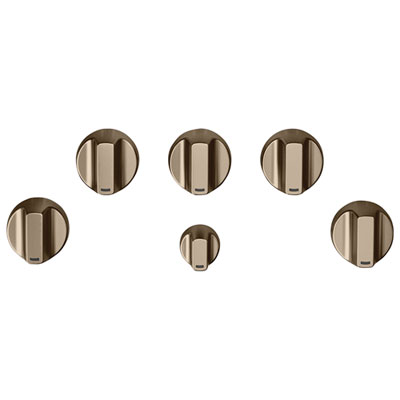 Your price for this item is $389.99
 -
 Your price for this item is $199
 -
 Your price for this item is $99.99
Discover more categories related to Heating Elements
Top Collections:
Pokemon Centers, Kindle Devices, Best Budget Office Chairs, Apple iPhones 16, Best Laptops for Writers, iPhone 15 Apple, Canon G7X Cameras, Refurbished Apple Laptops, Alarm Clock, Motorola Razr Phones
Some products may be subject to Environmental Handling Fees
(EHF) depending on your province.
Learn more about EHFs.