Ceramic Heating Elements
When it comes to efficient and reliable heating solutions, ceramic heating elements are a top choice for many households. These innovative components offer quick and even heat distribution, making them ideal for a variety of applications. Whether you're looking to upgrade your space heater or enhance the performance of your appliance, ceramic heating elements provide consistent warmth with minimal energy consumption. Explore our selection of ceramic heating elements to find the perfect solution for your heating needs.
Sort
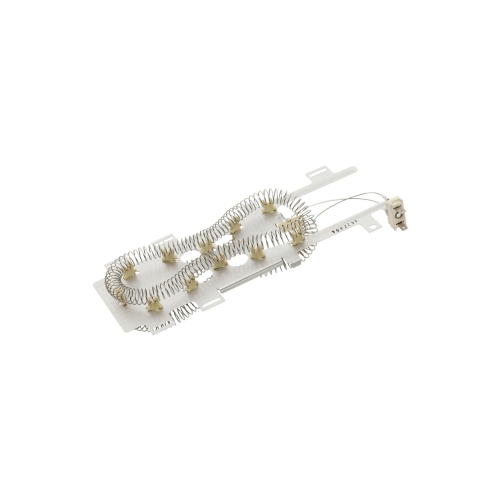
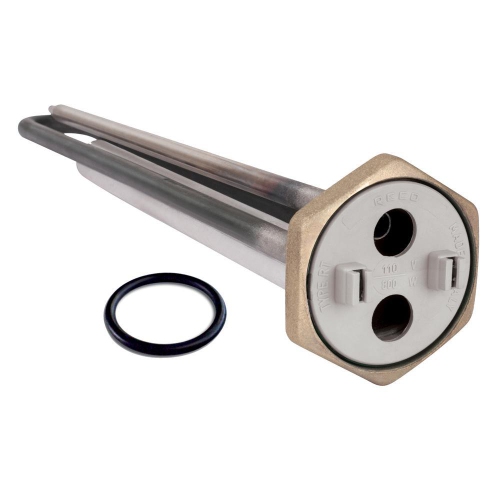
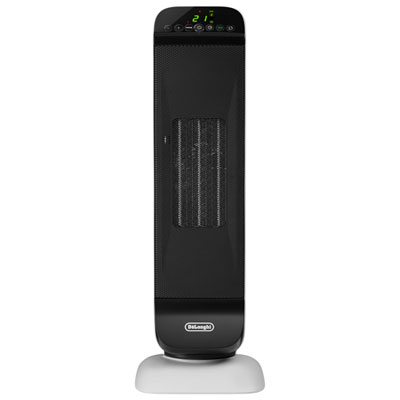

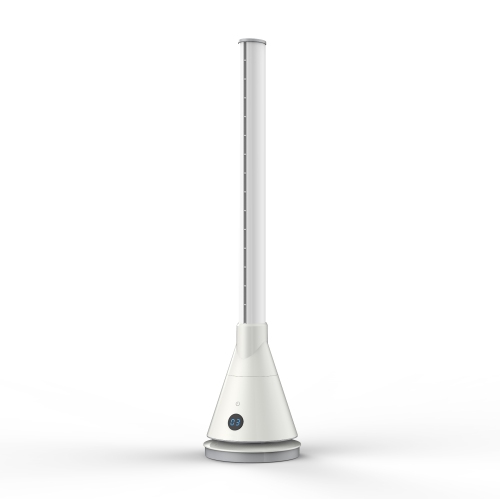
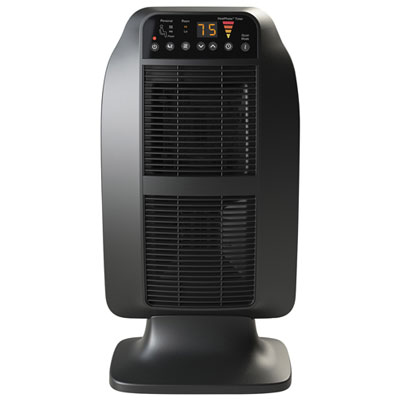
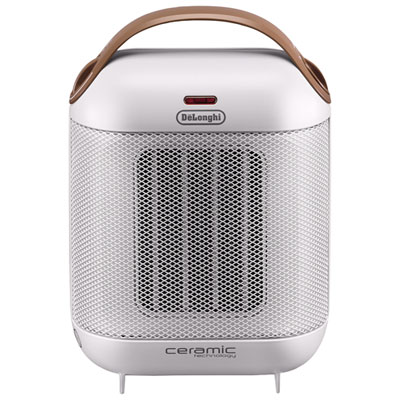
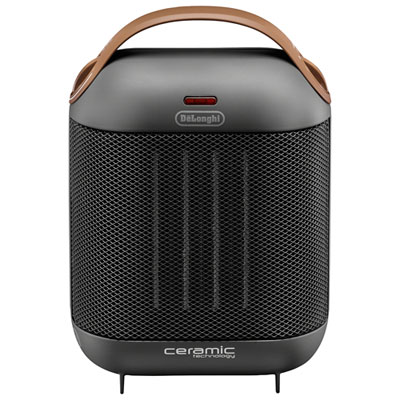
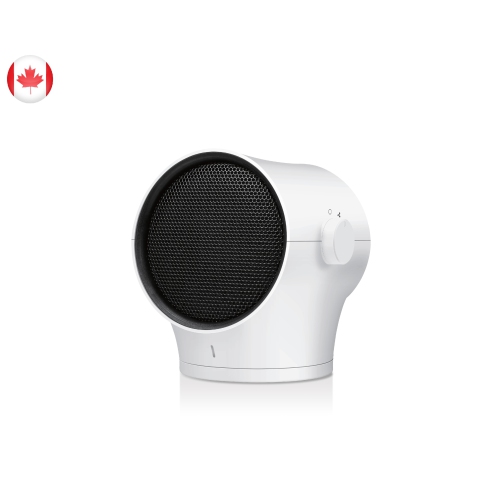
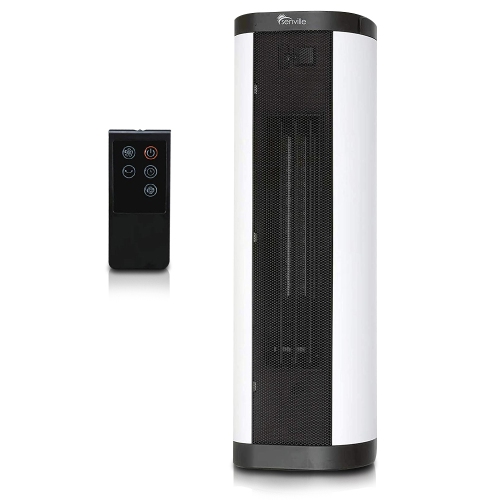
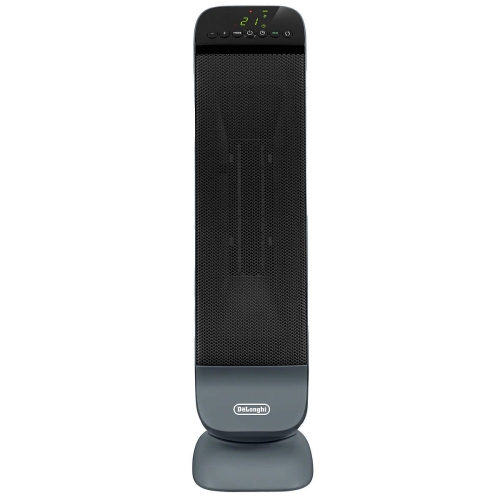
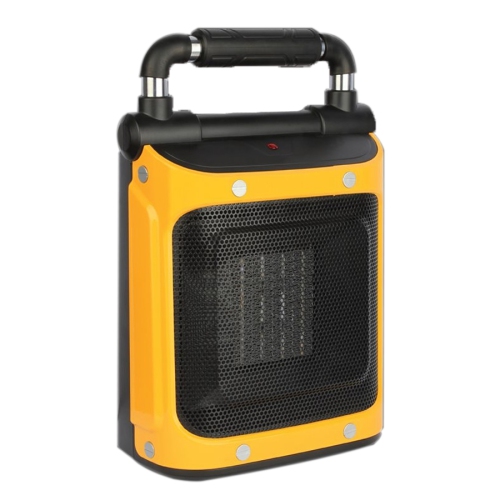
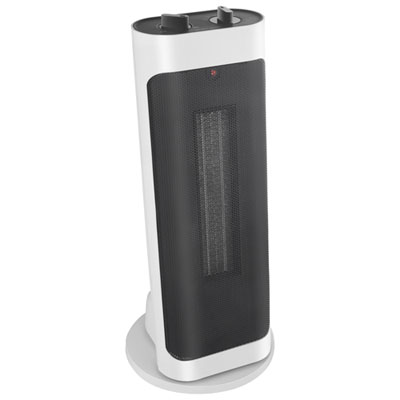


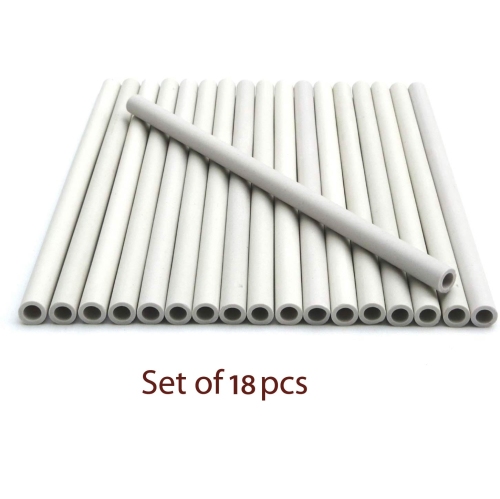
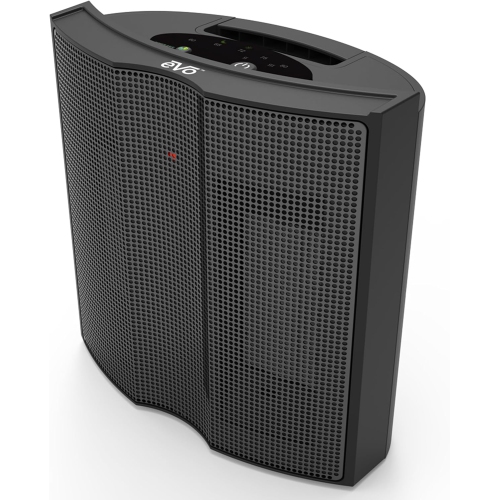

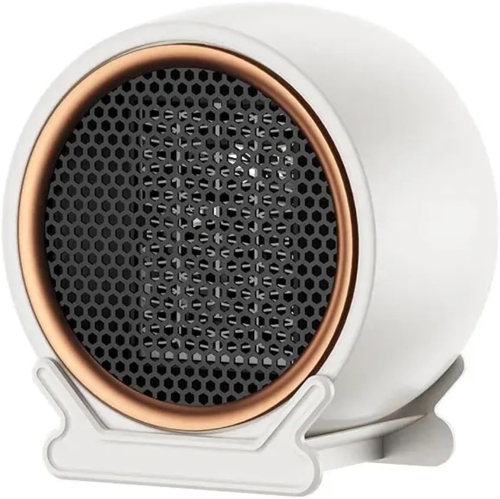
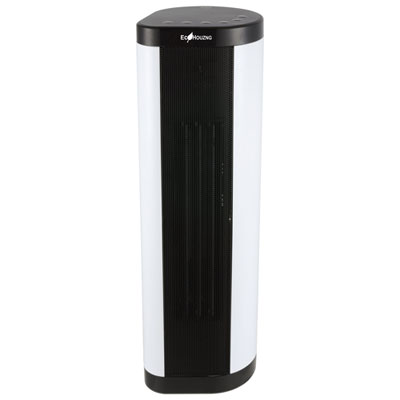

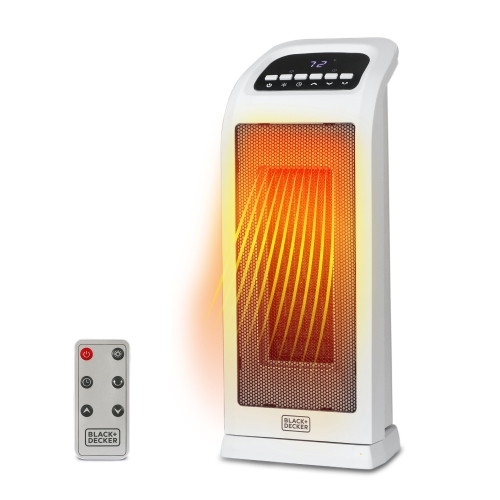
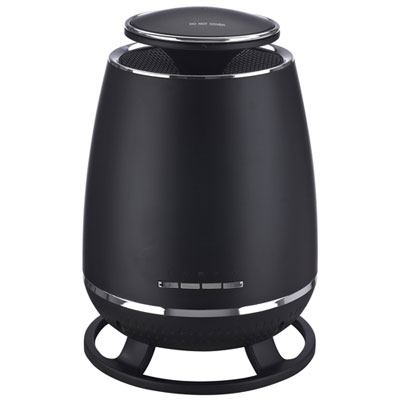


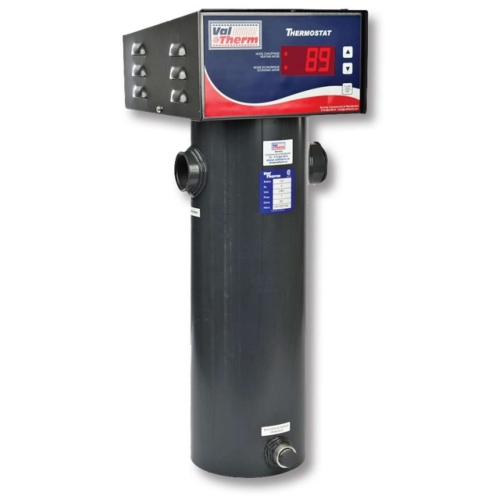
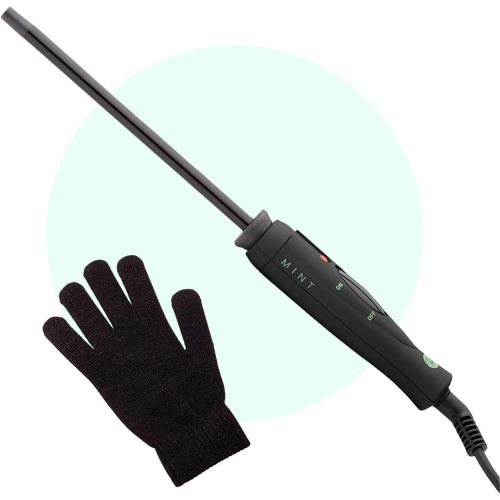

Controlled heat for appliances, tools, and specialized equipment
Ceramic heating elements are compact components designed to convert electrical energy into controlled heat, making them useful in a wide range of heating and temperature-management applications. Depending on their construction, they may use a resistance wire embedded in a ceramic body, a conductive ceramic material, or a positive temperature coefficient (PTC) design. In each case, the element warms as electrical current passes through it, then transfers heat to the surrounding air, a metal surface, or another part of the device. Ceramic is valued for its ability to withstand high temperatures, provide natural electrical insulation, and distribute heat across a solid, stable surface. Many PTC ceramic elements are also self-regulating: as the ceramic becomes hotter, its electrical resistance increases, which reduces power draw and helps limit further temperature rise. This characteristic can support consistent operation and add a layer of protection against overheating, although every heating device still requires proper installation, ventilation, and use according to the manufacturer’s instructions. Ceramic heating elements are commonly found in compact air heaters, fan-assisted heating assemblies, infrared heating equipment, laboratory and workshop tools, appliances, and specialized machinery such as 3D printers. Air-heating versions often use finned or honeycomb-shaped ceramic structures that provide a broad heated surface while allowing air to pass through. Infrared styles radiate heat outward for targeted warming, drying, or curing without needing to heat all the air in a room. Cartridge, block, and localized elements are made for applications where heat must be delivered to a specific area, such as a nozzle, chamber, plate, or enclosure. Because these designs serve different purposes, the products listed under ceramic heating elements may vary considerably in shape, wattage, voltage, dimensions, and connection style.
Choosing the right ceramic heating element starts with identifying the equipment and the role the component needs to perform. A replacement element for a small air heater will have different requirements from one used in a 3D printer hotend, a drying system, or a high-temperature appliance. Check the original component, device manual, or technical documentation for the required voltage, wattage, operating temperature, physical dimensions, and terminal or lead configuration. Voltage must match the equipment’s electrical system, while wattage determines how much heat the element can produce and how much current it draws. An element with insufficient power may warm slowly or fail to reach the required temperature; one with excessive power may overload the circuit or damage surrounding parts. Dimensions are equally important, particularly for cartridge and block designs that must fit into a tightly measured opening. Pay attention to diameter, length, mounting points, connector placement, and the clearance around the heated surface. For PTC air-heating elements, consider airflow and fan compatibility, since the element relies on moving air to carry heat away and maintain proper operating conditions. For infrared applications, the shape, surface area, mounting orientation, and distance from the material being heated can affect results. Material quality and construction also matter in demanding environments. Ceramic components are resistant to oxidation and thermal degradation, but repeated heating and cooling can still place stress on the body, wiring, terminals, and surrounding insulation. A suitable replacement should match the original specifications rather than being selected solely by appearance. Browsing related Heating Elements can help when comparing component types and finding a design that suits the intended equipment. Before handling any element, disconnect power and allow all parts to cool completely. Installation may involve exposed electrical connections or high-temperature surfaces, so anyone unfamiliar with electrical repairs should consult a qualified technician.
These components can be useful for homeowners maintaining household equipment, makers working on workshop projects, and technicians replacing a worn part in a heating assembly. They may also appeal to people who build or modify equipment, provided the project includes accurate electrical measurements, appropriate thermal protection, and a secure mounting method. A ceramic element can be especially practical in spaces where quick heat-up and precise temperature control are important. In a compact air heater, it can begin warming air rapidly as a fan circulates it through the heated fins, creating a steady stream of warmth during cooler periods without requiring a large heating surface. In a printer or fabrication tool, a small cartridge or block element can deliver concentrated heat to a nozzle or build component, helping the machine maintain the temperature needed for reliable operation. In a drying or curing setup, an infrared ceramic emitter can direct warmth at a surface or material while minimizing the need to heat the surrounding space. The best choice depends on the desired heating method: convection for moving warm air, radiant heating for direct surface warmth, or localized conduction for a specific component. Look for clear specifications, dependable terminals, compatible controls, and a design suited to the equipment’s duty cycle. Some installations may also require a thermostat, temperature sensor, thermal fuse, fan, reflector, or heat-resistant wiring, so the element should be considered as part of the complete system rather than as an isolated component. Keep combustible materials away from exposed heating surfaces, avoid touching the ceramic while it is operating or still hot, and never bypass a thermal cut-off or other built-in safety feature. With the correct match and careful installation, ceramic heating elements can provide rapid, even, and repeatable heat for everyday appliances, technical equipment, and hands-on projects as the weather changes and heating needs shift.
Choosing the right ceramic heating element starts with identifying the equipment and the role the component needs to perform. A replacement element for a small air heater will have different requirements from one used in a 3D printer hotend, a drying system, or a high-temperature appliance. Check the original component, device manual, or technical documentation for the required voltage, wattage, operating temperature, physical dimensions, and terminal or lead configuration. Voltage must match the equipment’s electrical system, while wattage determines how much heat the element can produce and how much current it draws. An element with insufficient power may warm slowly or fail to reach the required temperature; one with excessive power may overload the circuit or damage surrounding parts. Dimensions are equally important, particularly for cartridge and block designs that must fit into a tightly measured opening. Pay attention to diameter, length, mounting points, connector placement, and the clearance around the heated surface. For PTC air-heating elements, consider airflow and fan compatibility, since the element relies on moving air to carry heat away and maintain proper operating conditions. For infrared applications, the shape, surface area, mounting orientation, and distance from the material being heated can affect results. Material quality and construction also matter in demanding environments. Ceramic components are resistant to oxidation and thermal degradation, but repeated heating and cooling can still place stress on the body, wiring, terminals, and surrounding insulation. A suitable replacement should match the original specifications rather than being selected solely by appearance. Browsing related Heating Elements can help when comparing component types and finding a design that suits the intended equipment. Before handling any element, disconnect power and allow all parts to cool completely. Installation may involve exposed electrical connections or high-temperature surfaces, so anyone unfamiliar with electrical repairs should consult a qualified technician.
These components can be useful for homeowners maintaining household equipment, makers working on workshop projects, and technicians replacing a worn part in a heating assembly. They may also appeal to people who build or modify equipment, provided the project includes accurate electrical measurements, appropriate thermal protection, and a secure mounting method. A ceramic element can be especially practical in spaces where quick heat-up and precise temperature control are important. In a compact air heater, it can begin warming air rapidly as a fan circulates it through the heated fins, creating a steady stream of warmth during cooler periods without requiring a large heating surface. In a printer or fabrication tool, a small cartridge or block element can deliver concentrated heat to a nozzle or build component, helping the machine maintain the temperature needed for reliable operation. In a drying or curing setup, an infrared ceramic emitter can direct warmth at a surface or material while minimizing the need to heat the surrounding space. The best choice depends on the desired heating method: convection for moving warm air, radiant heating for direct surface warmth, or localized conduction for a specific component. Look for clear specifications, dependable terminals, compatible controls, and a design suited to the equipment’s duty cycle. Some installations may also require a thermostat, temperature sensor, thermal fuse, fan, reflector, or heat-resistant wiring, so the element should be considered as part of the complete system rather than as an isolated component. Keep combustible materials away from exposed heating surfaces, avoid touching the ceramic while it is operating or still hot, and never bypass a thermal cut-off or other built-in safety feature. With the correct match and careful installation, ceramic heating elements can provide rapid, even, and repeatable heat for everyday appliances, technical equipment, and hands-on projects as the weather changes and heating needs shift.
Top selling and popular products
-
 Your price for this item is $179.99
 -
 Your price for this item is $549.99
 -
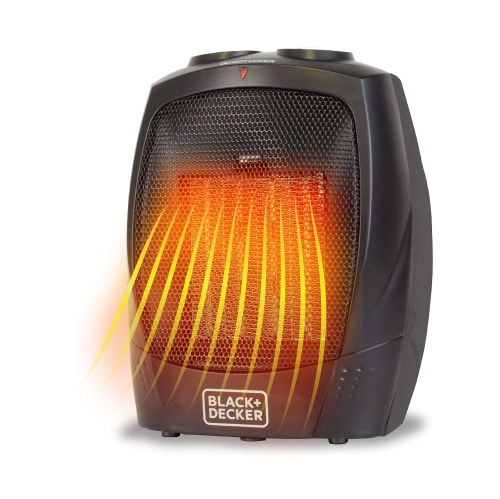 Your price for this item is $41.99
 -
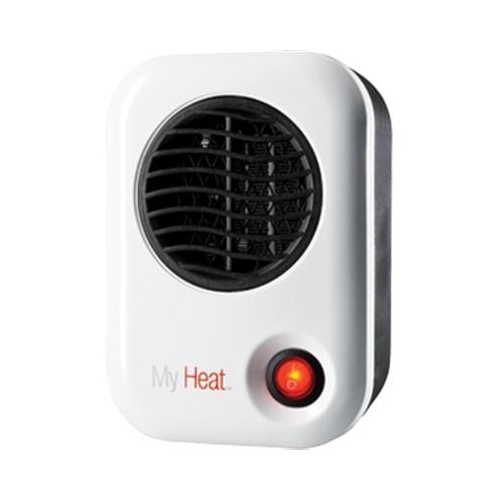 Your price for this item is $100.99
 -
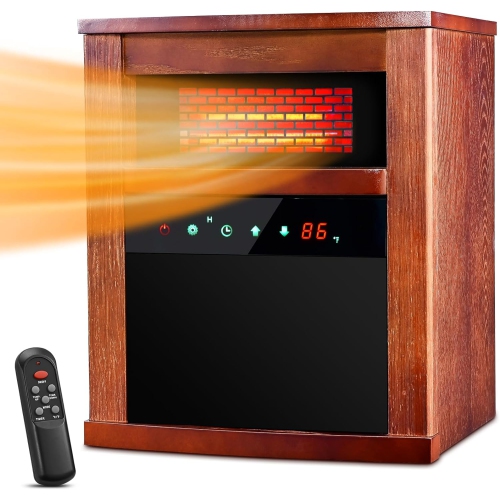 Your price for this item is $219.95
 -
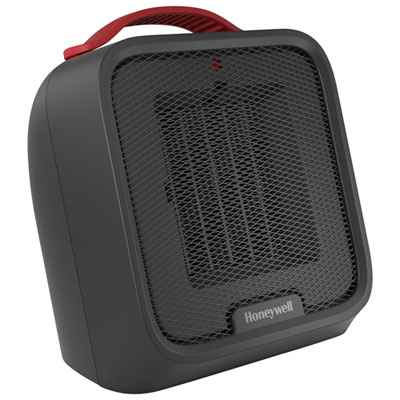 Your price for this item is $64.98
 -
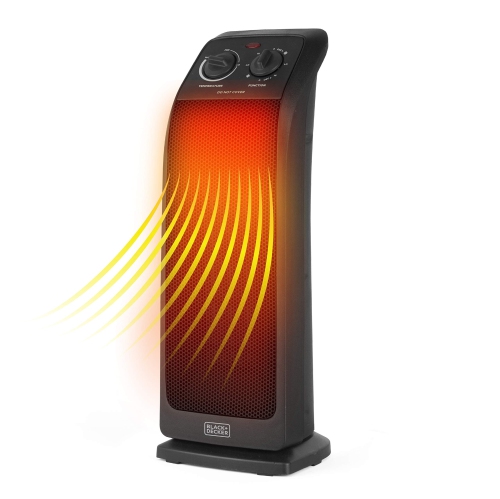 Your price for this item is $68.99
 -
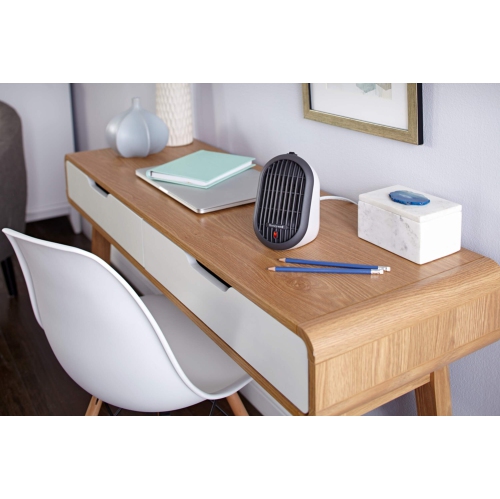 Your price for this item is $50
Discover more categories related to Ceramic Heating Elements

Top Collections:
Pokemon Centers, Kindle Devices, Best Budget Office Chairs, Apple iPhones 16, Best Laptops for Writers, iPhone 15 Apple, Canon G7X Cameras, Refurbished Apple Laptops, Alarm Clock, Motorola Razr Phones
Some products may be subject to Environmental Handling Fees
(EHF) depending on your province.
Learn more about EHFs.