Hepa Carbon Filters
Breathe in cleaner, fresher air with our selection of HEPA carbon filters. Designed to capture and eliminate harmful particles, odors, and pollutants, these high-performance filters are a must-have for any home or office space. Whether you're looking to improve the air quality in your living room, bedroom, or kitchen, our range of HEPA carbon filters offers a variety of options to suit your needs. With their advanced filtration technology and durable construction, these filters are built to deliver exceptional results and provide you with a healthier environment. Say goodbye to airborne contaminants and hello to a breath of fresh air with our top-notch HEPA carbon filters.
Sort
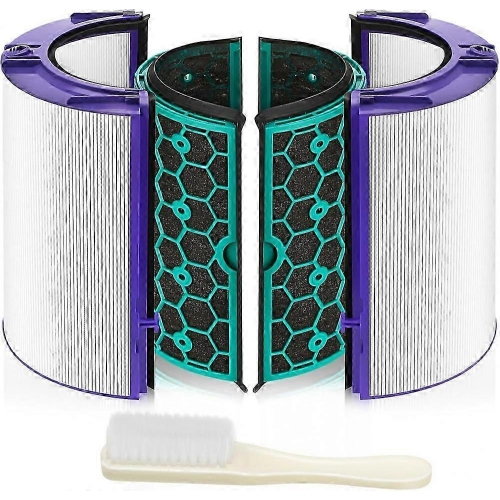
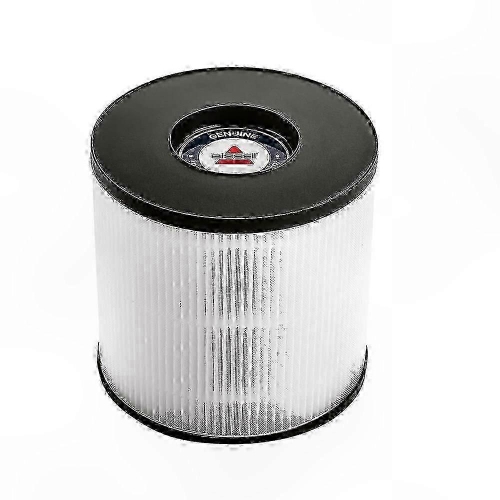
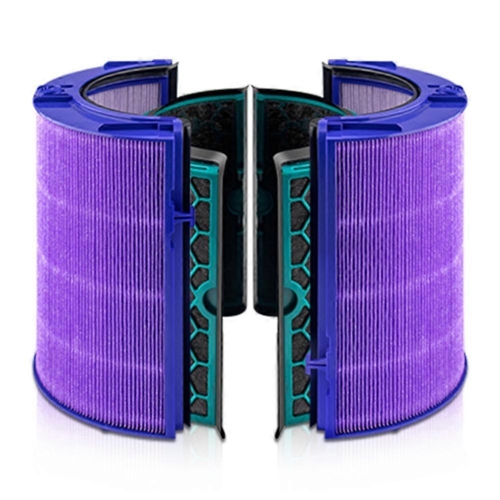
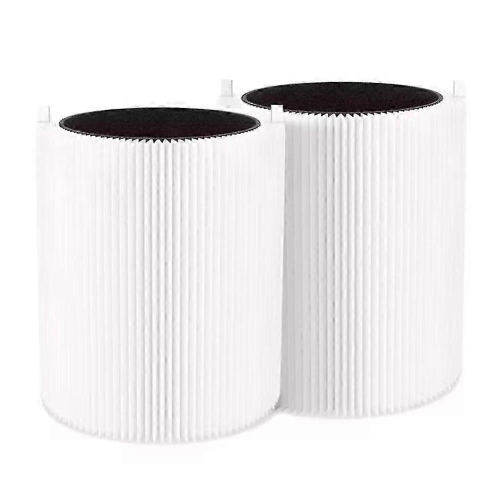
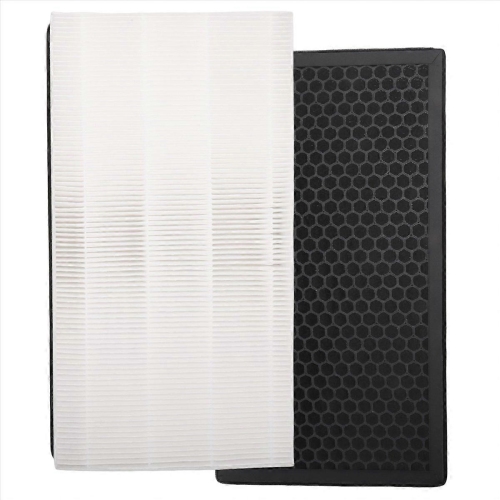
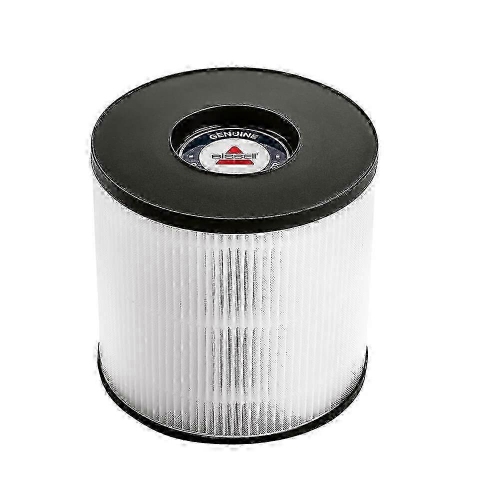
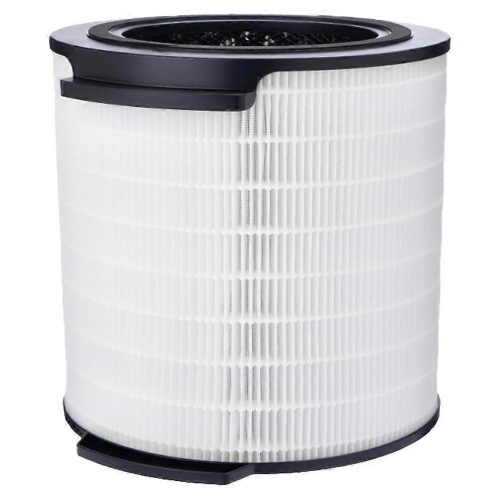
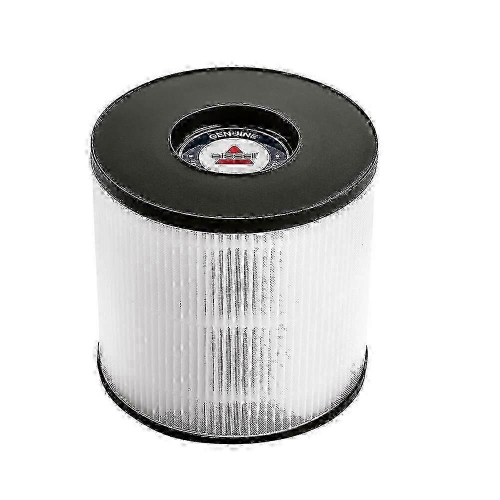
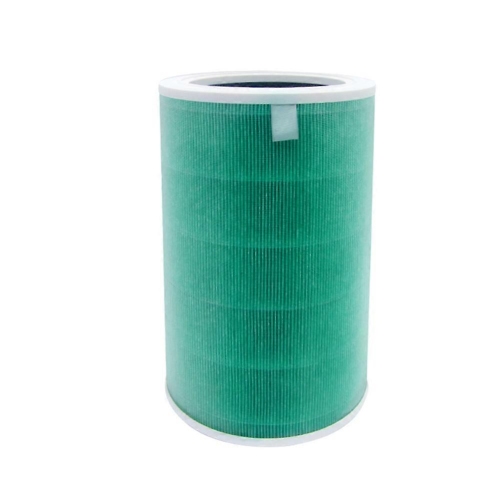
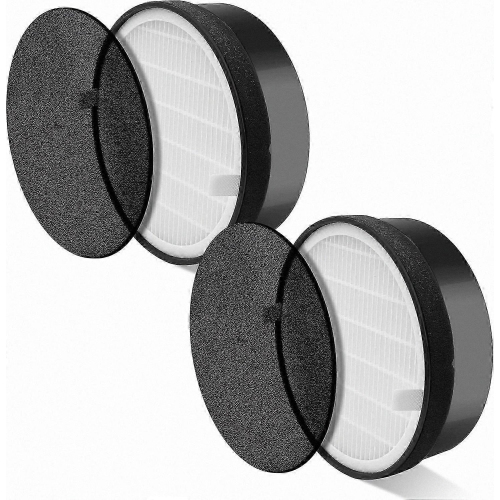

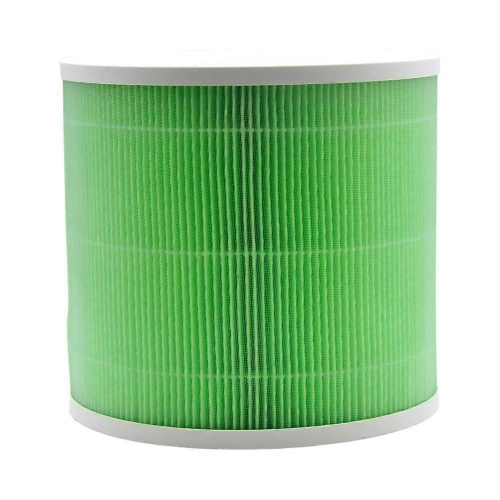
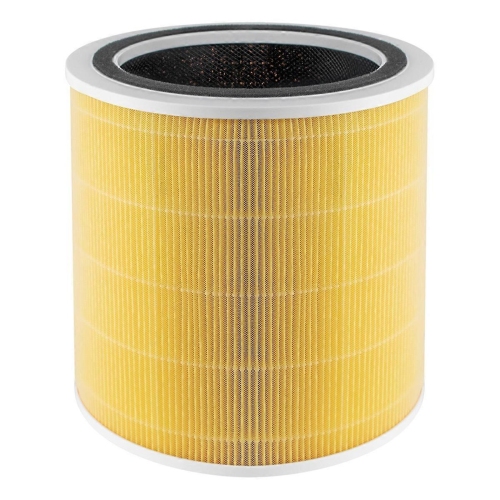
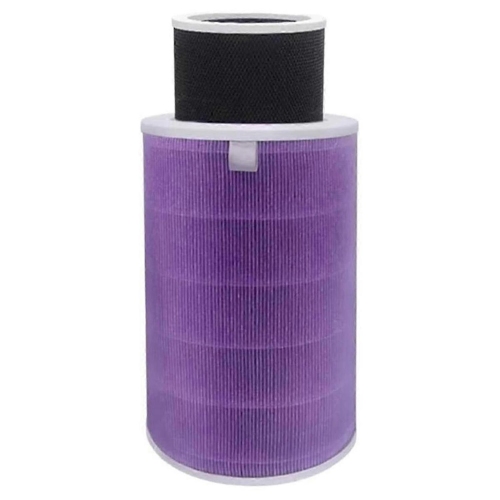
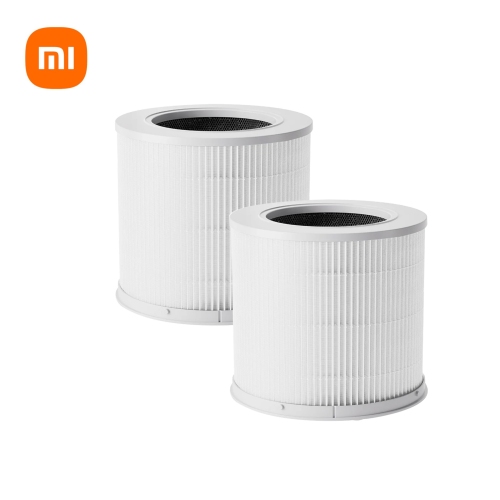
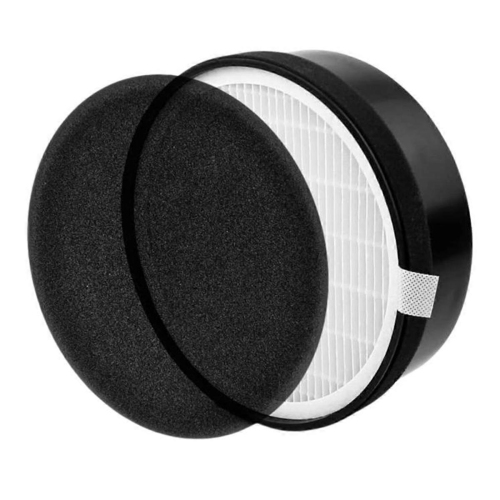
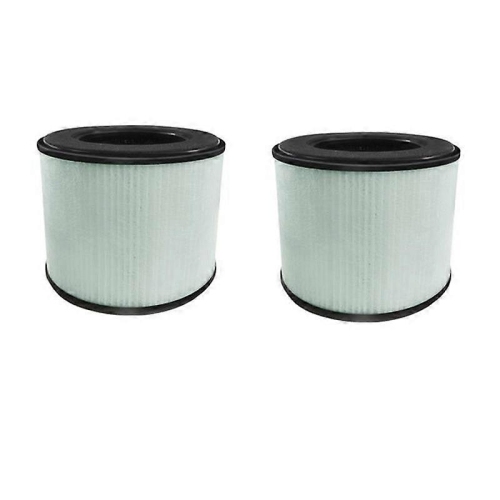

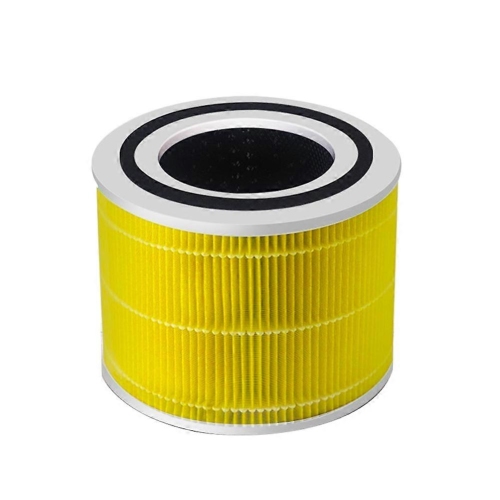
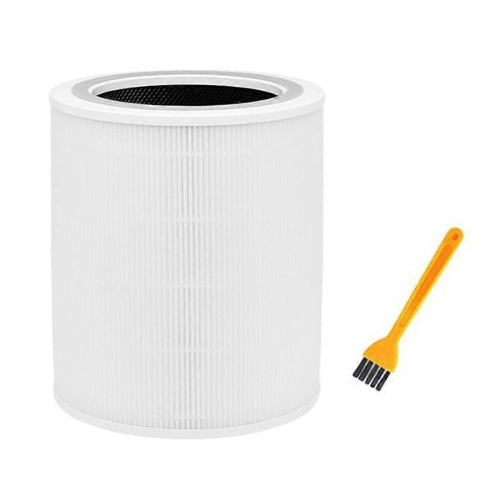
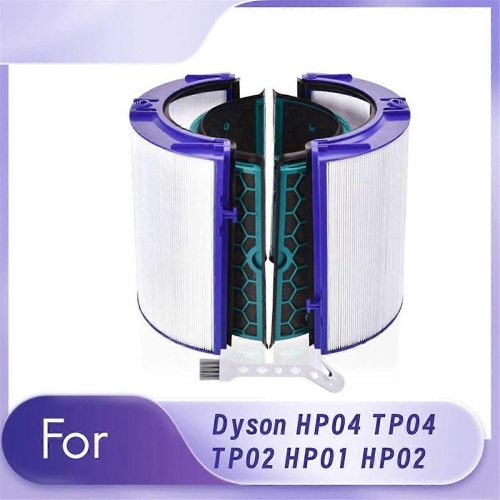
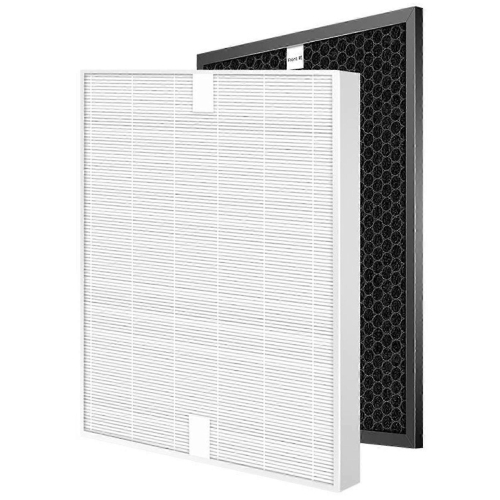
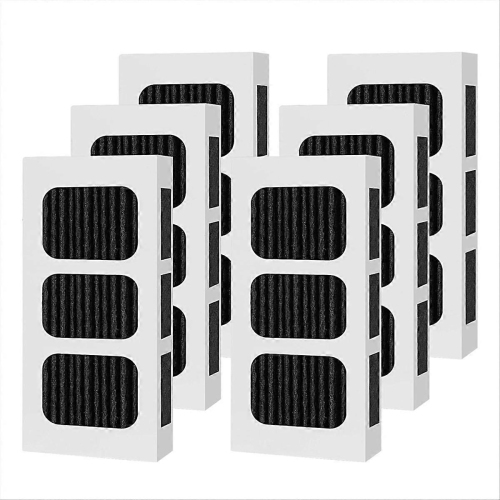
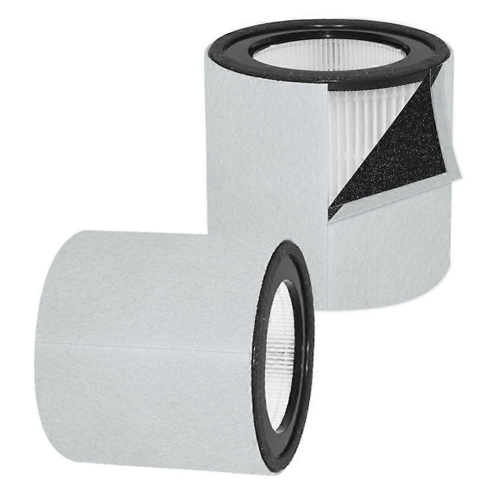
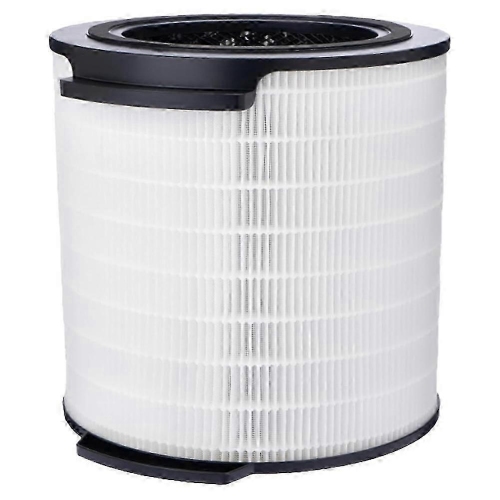
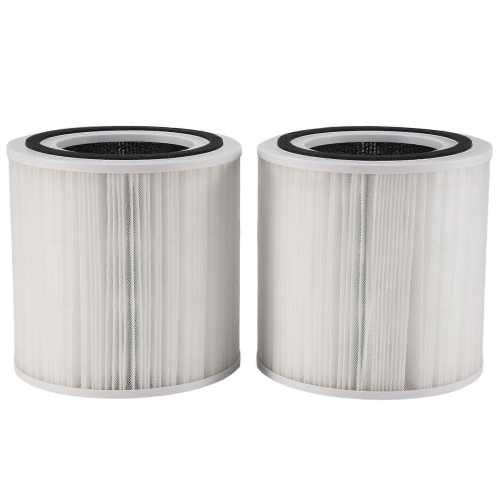
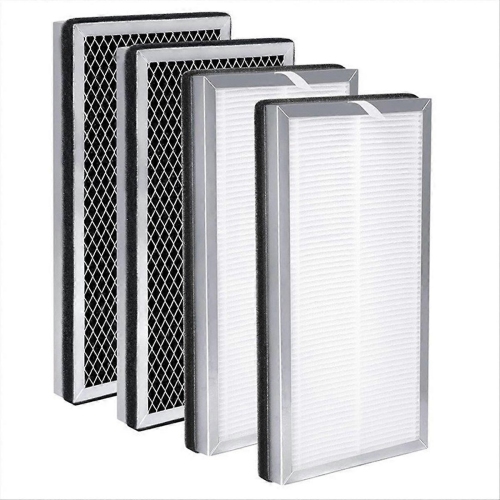
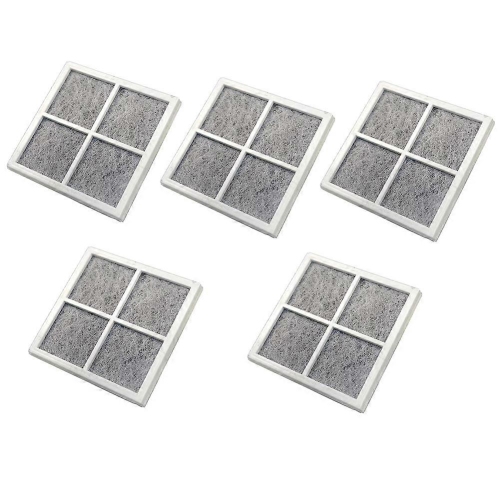

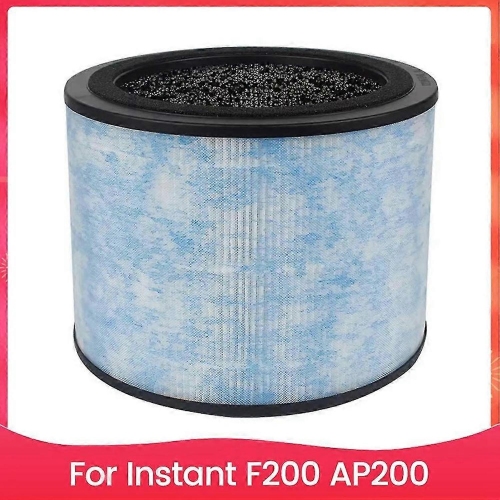
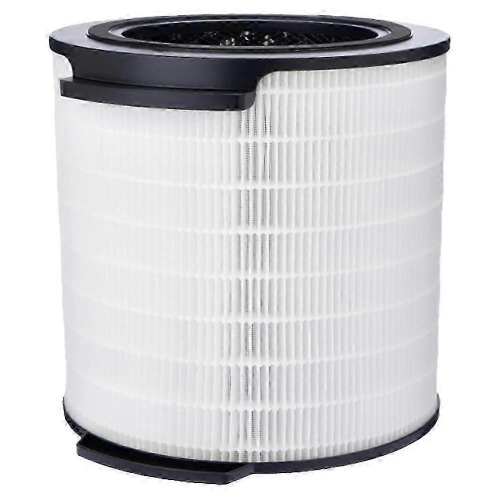
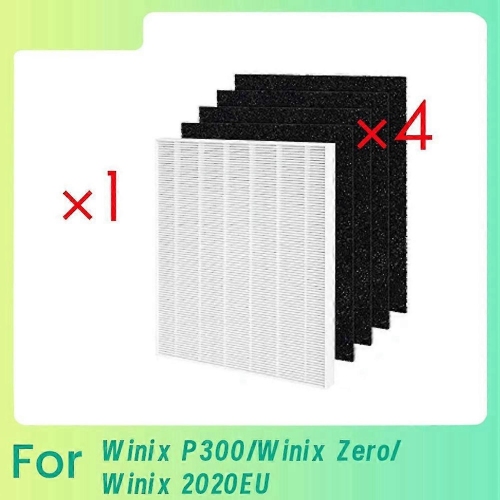
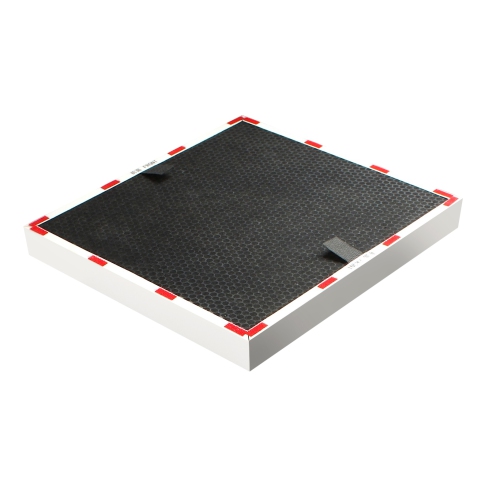
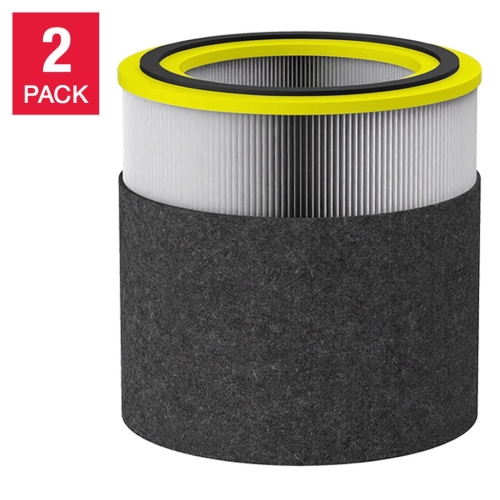

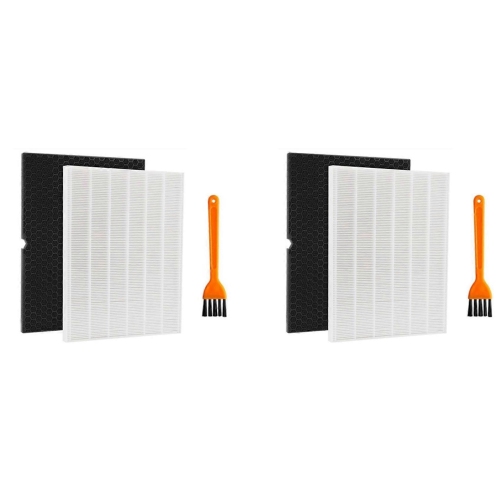
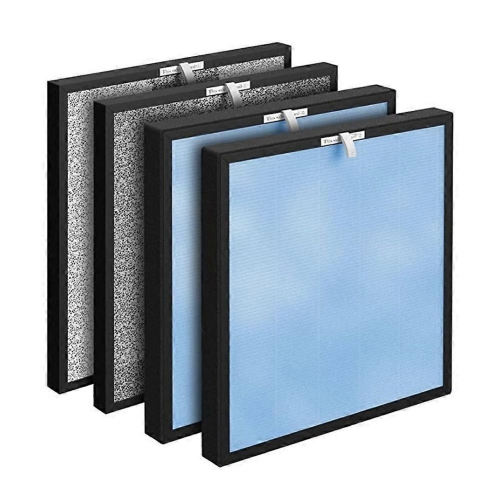
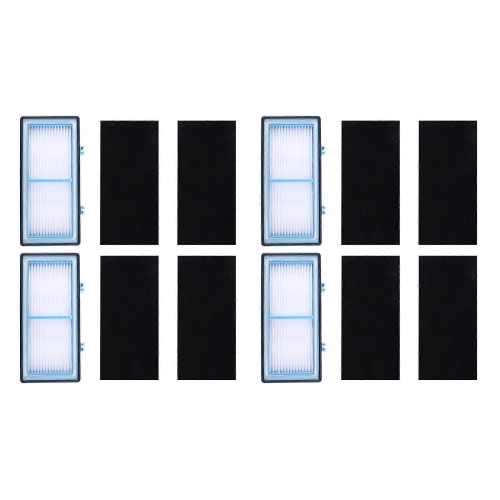
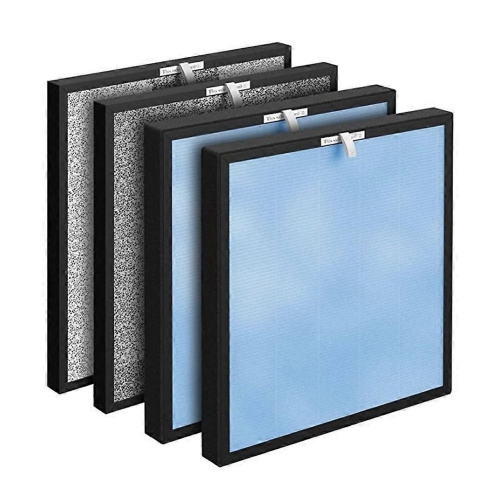
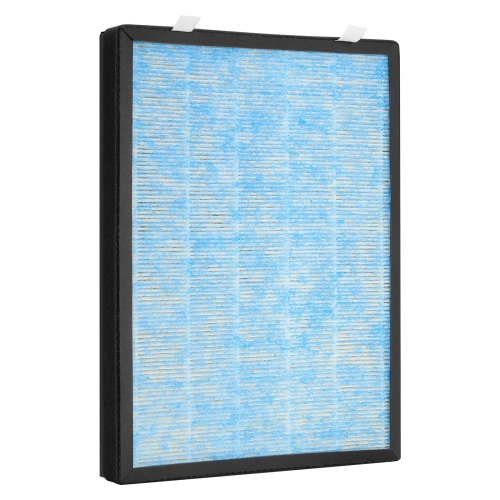
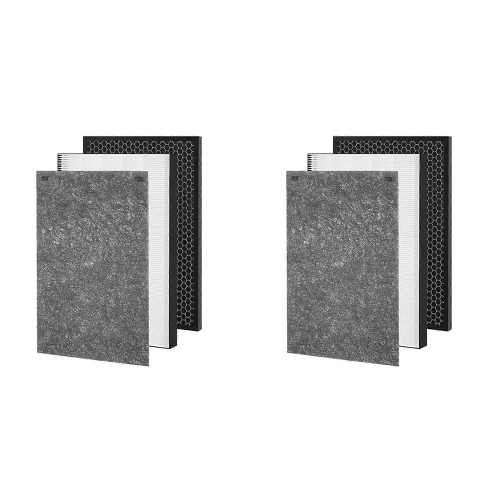

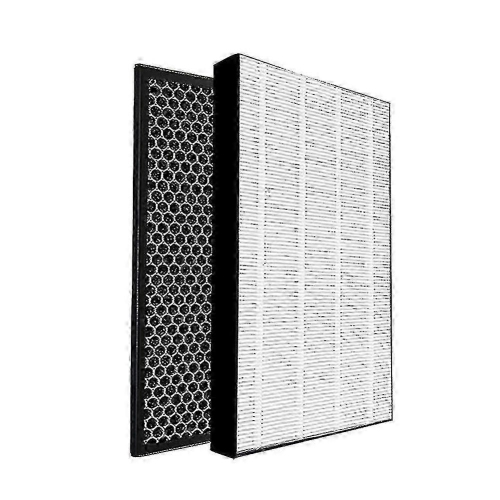
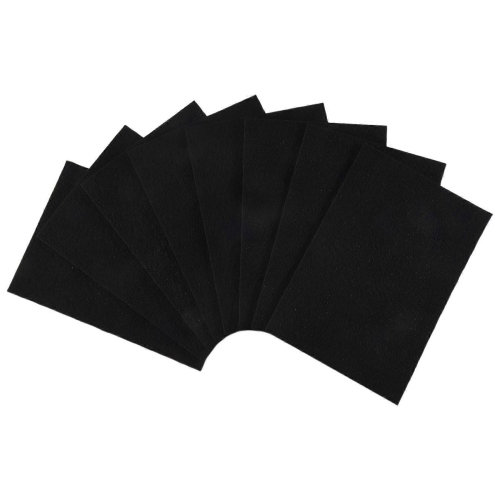
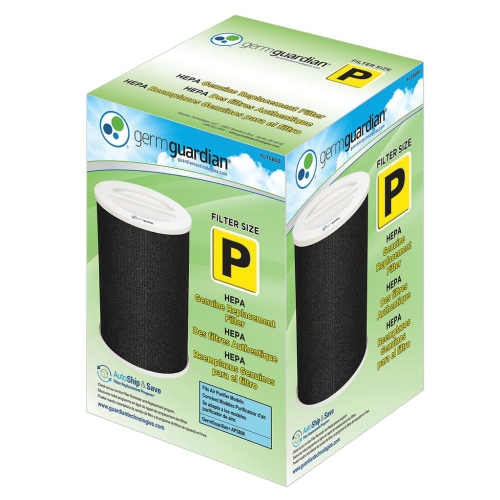
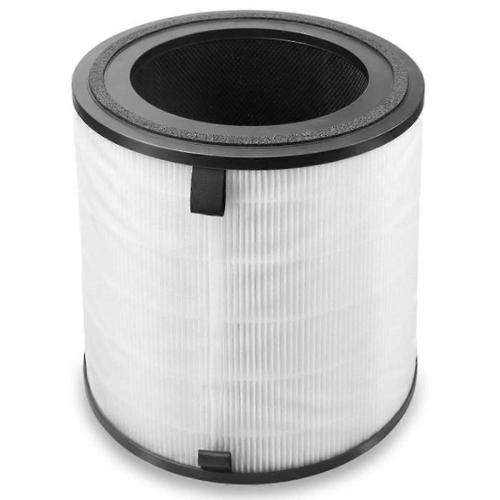
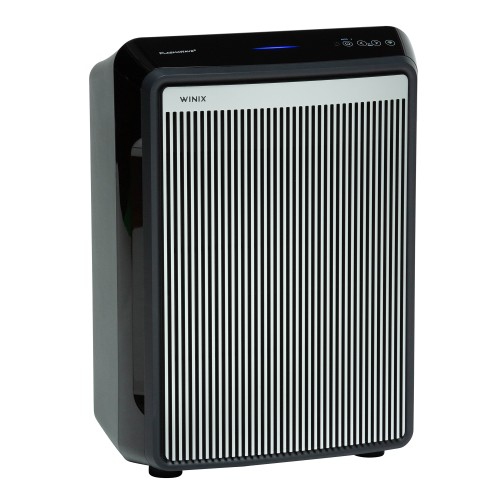
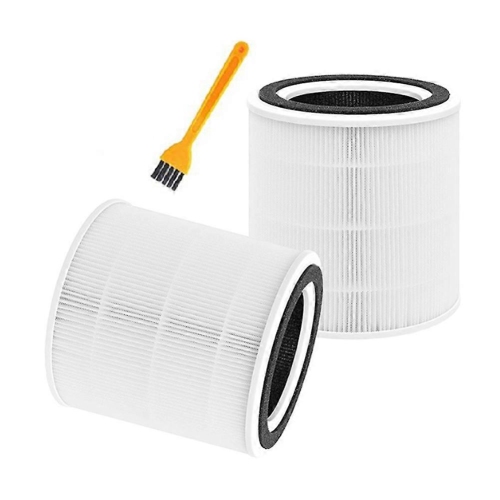
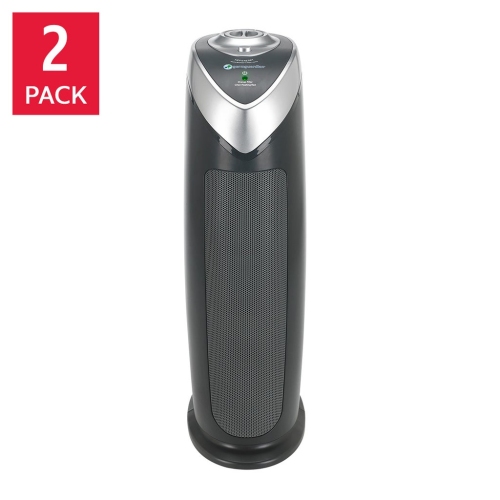
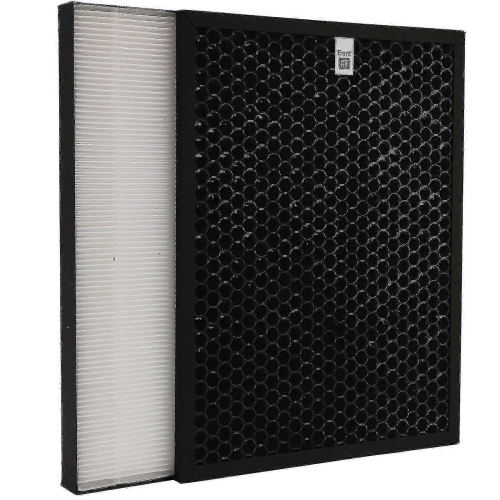
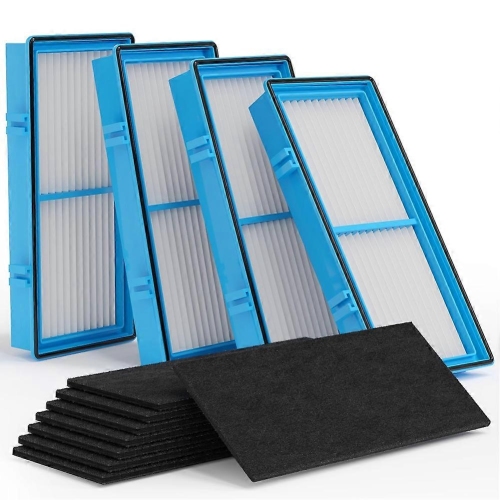
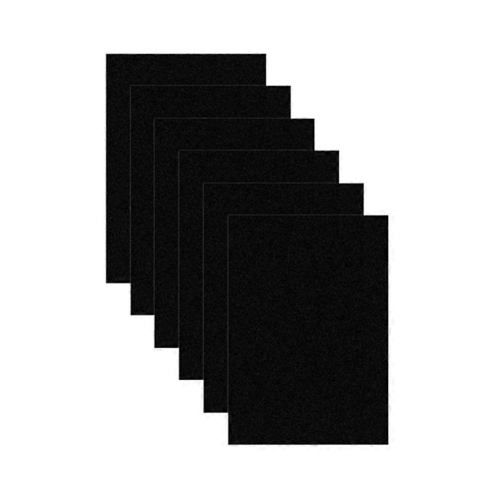
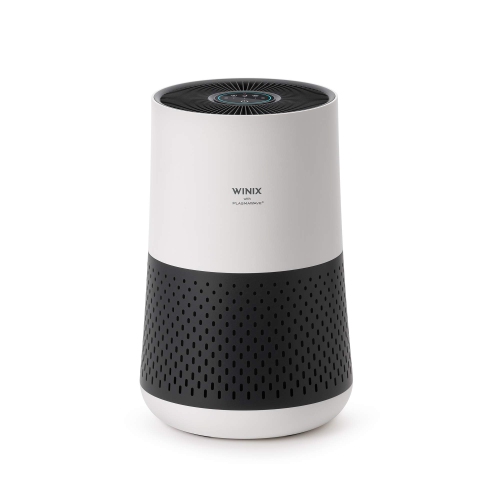

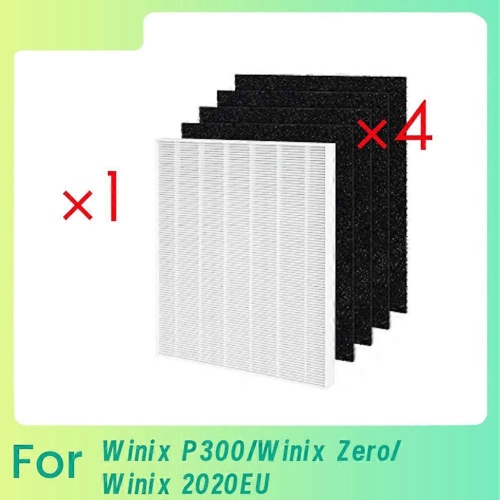
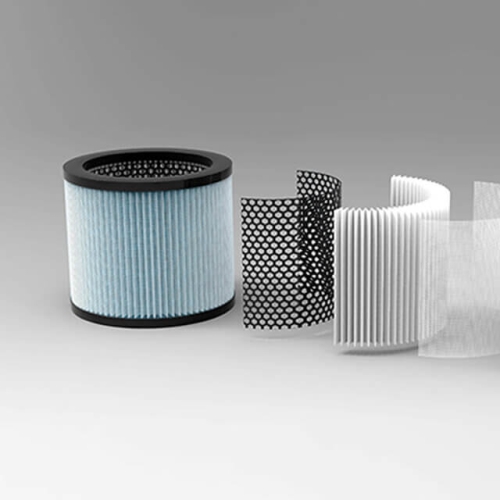
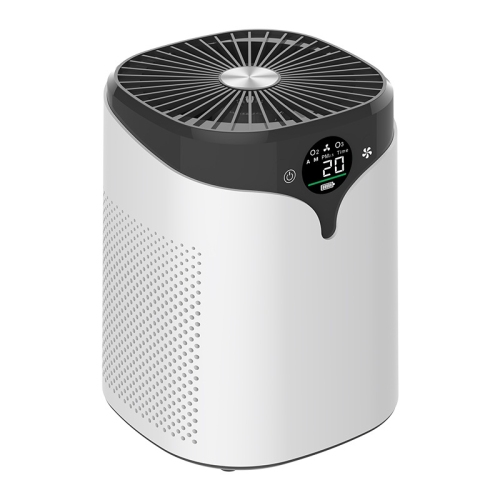

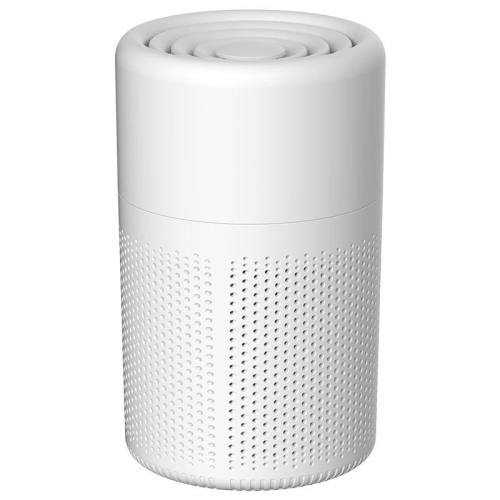
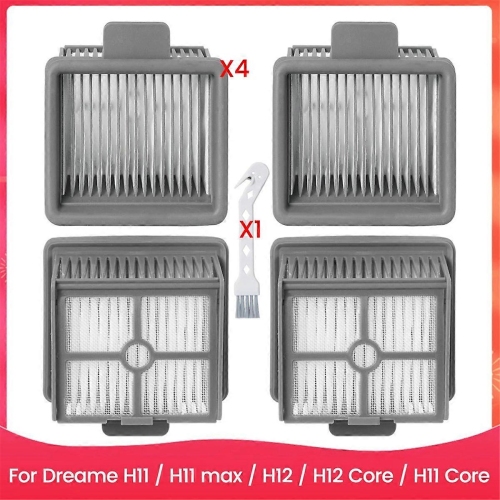
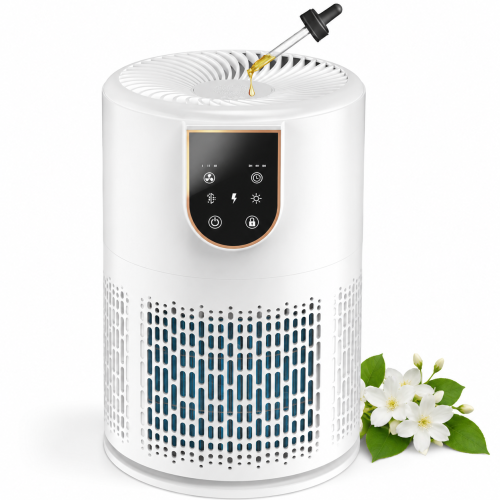

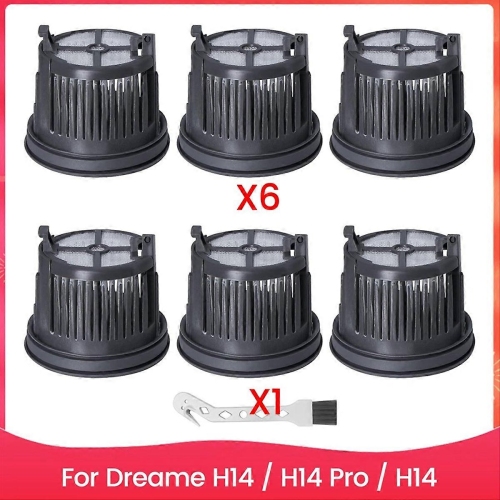


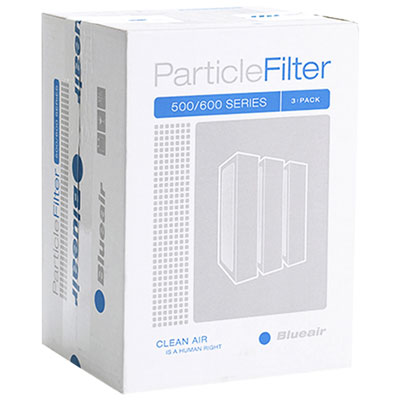

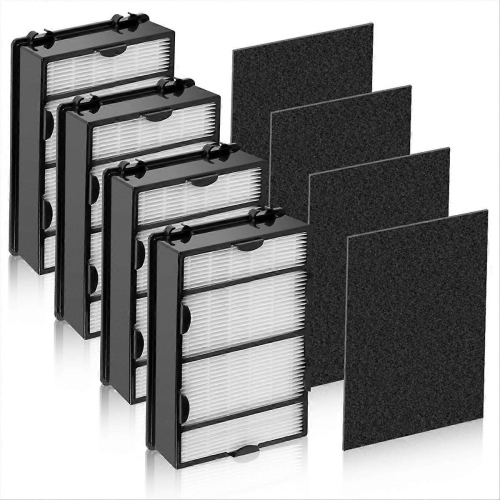
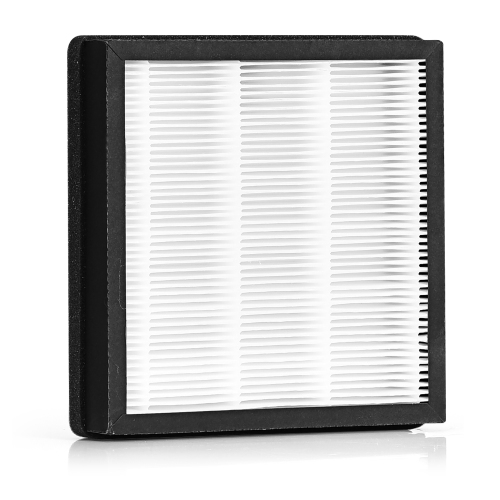
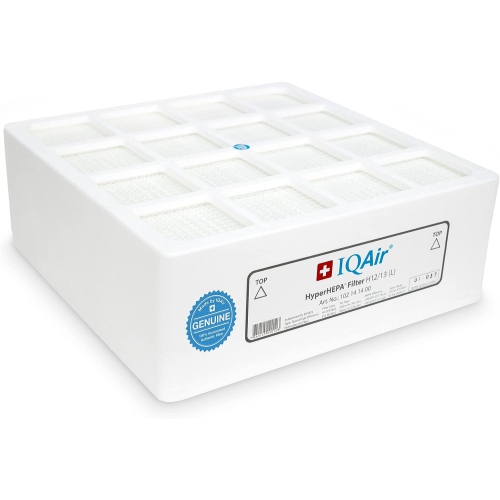


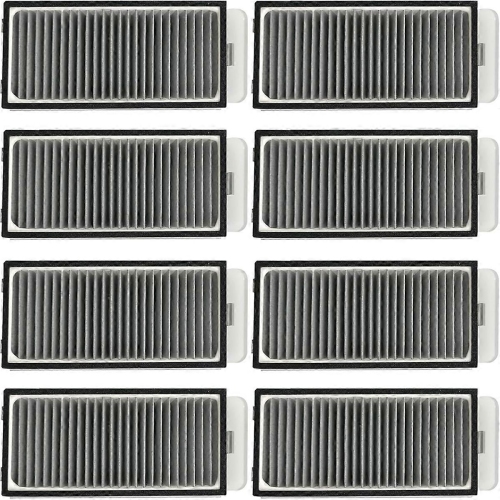

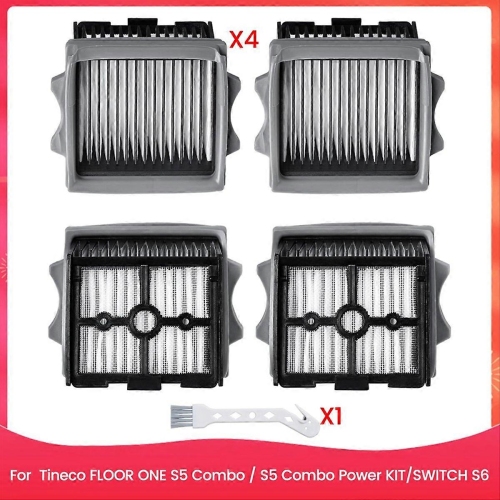

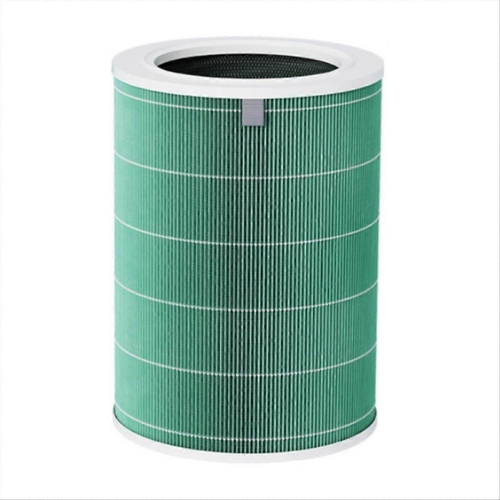

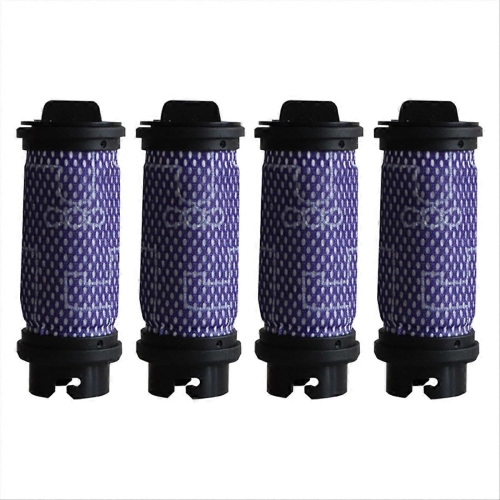
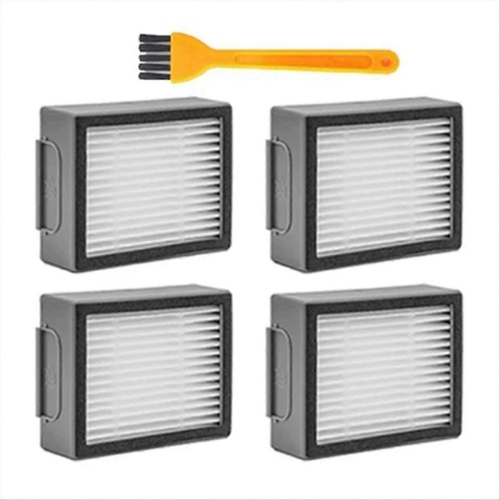
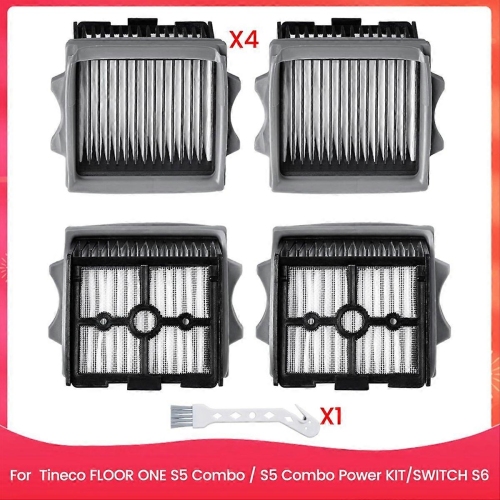

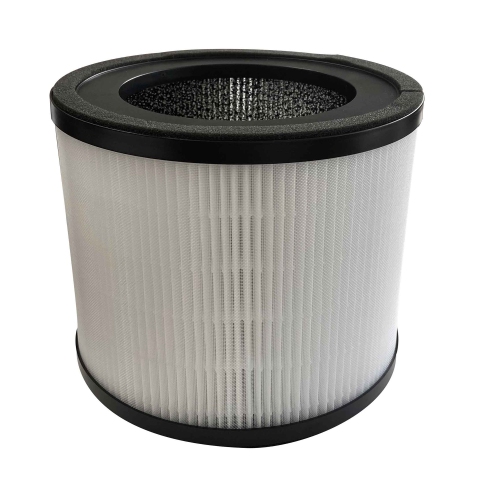
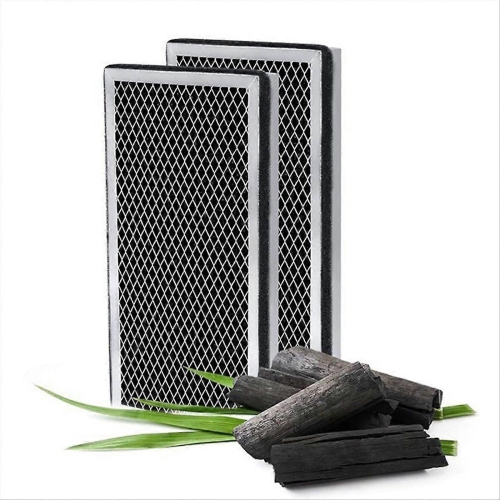

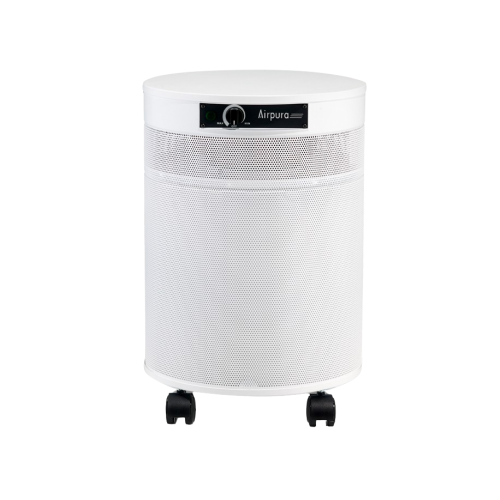

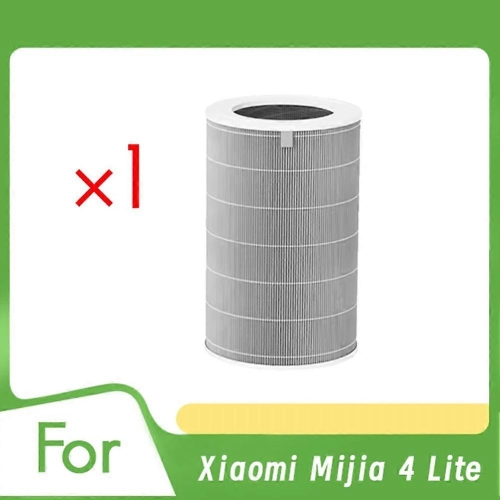
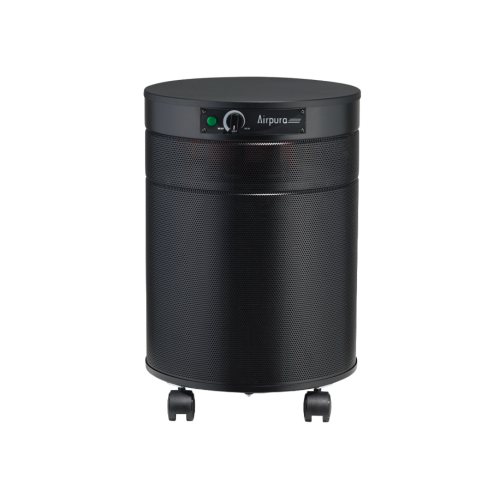
How two filter layers capture particles and reduce odours
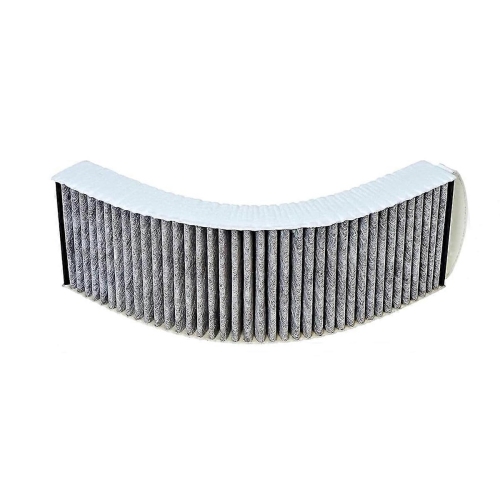
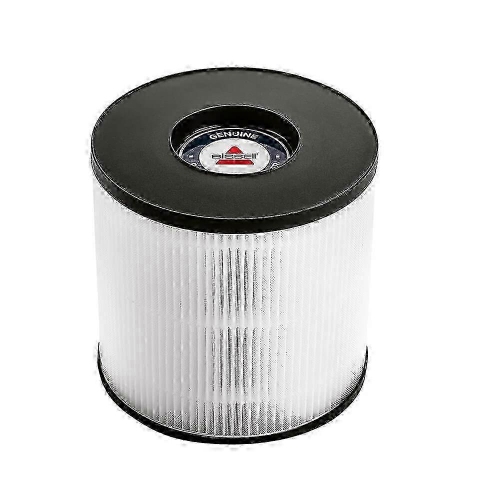
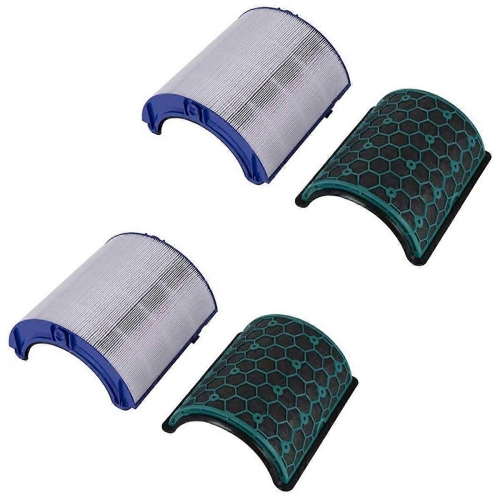
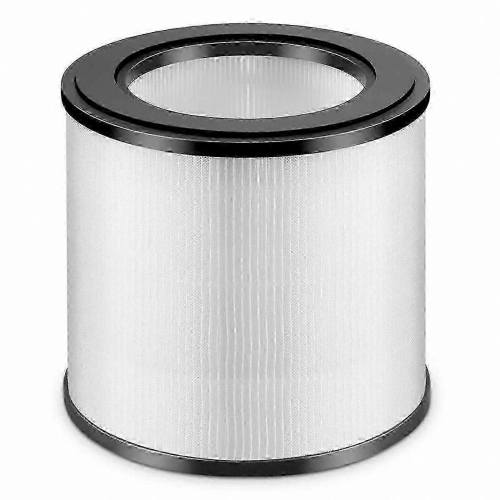
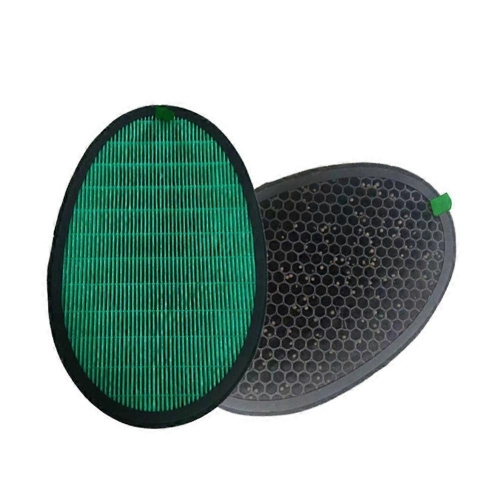
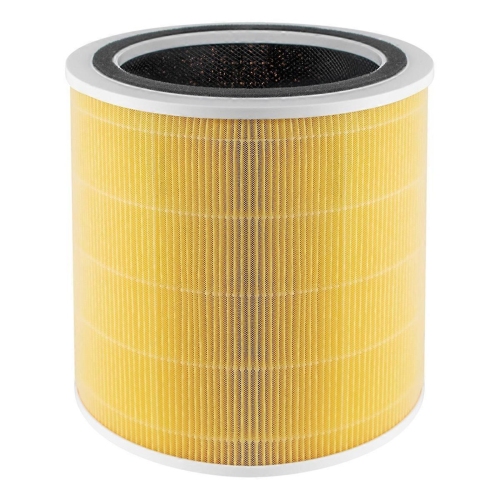
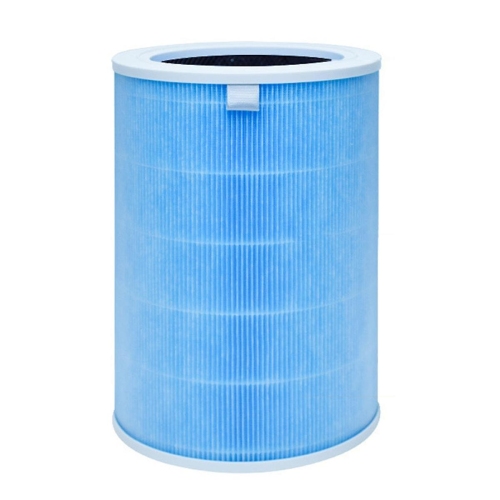
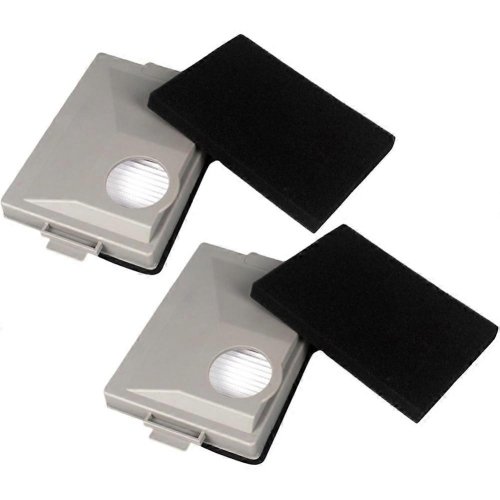
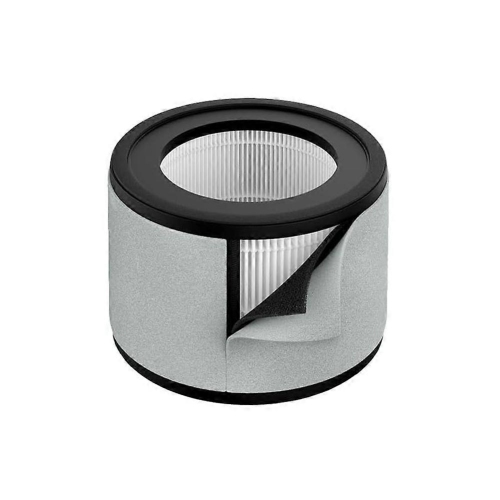
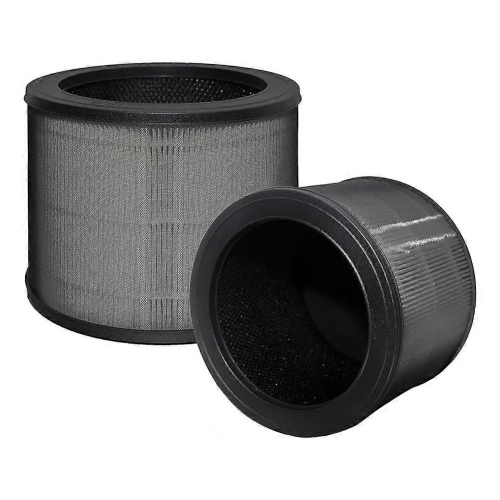
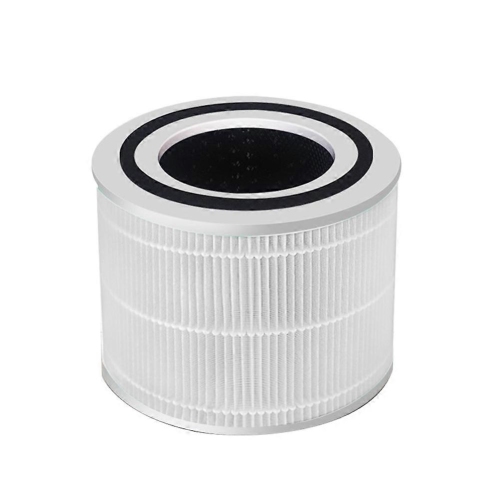
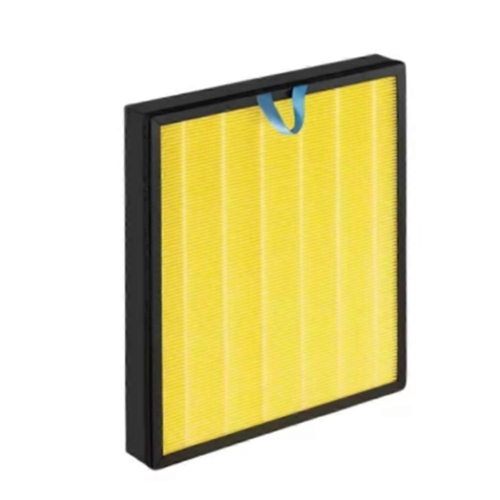
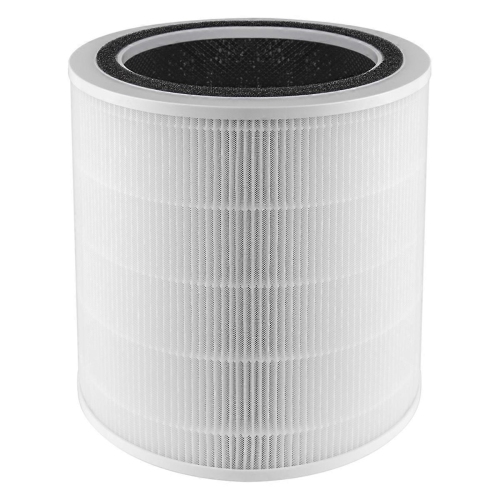
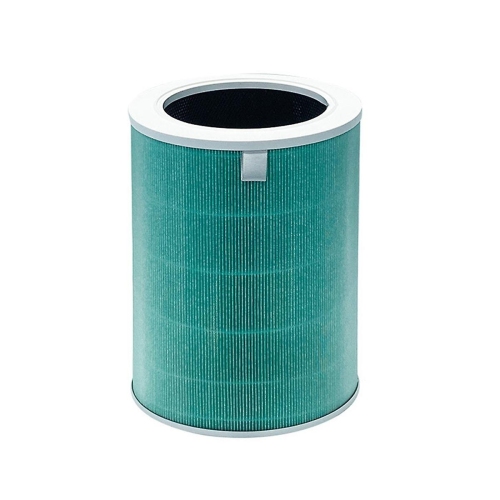
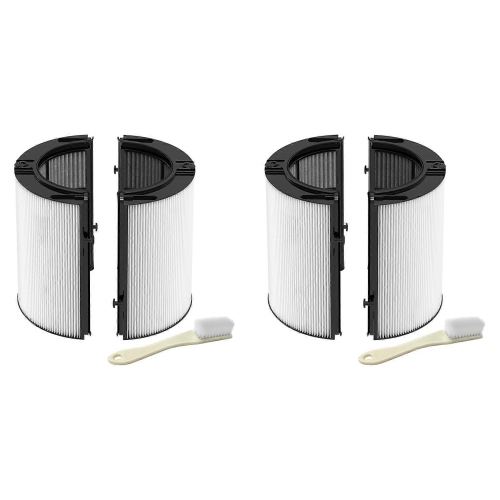
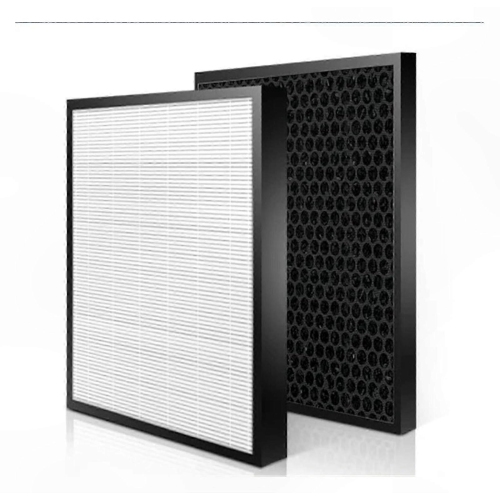
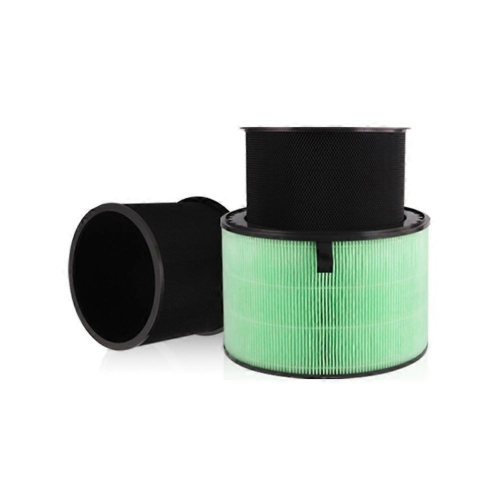
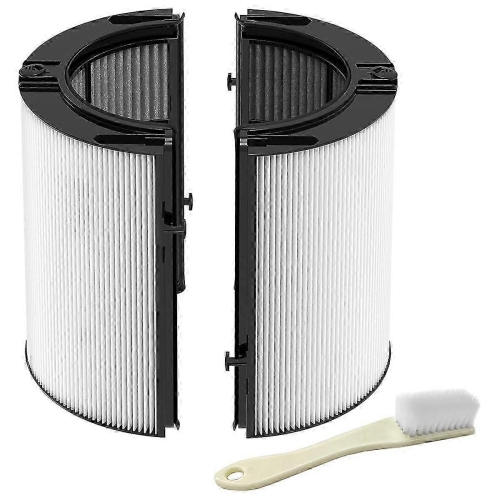
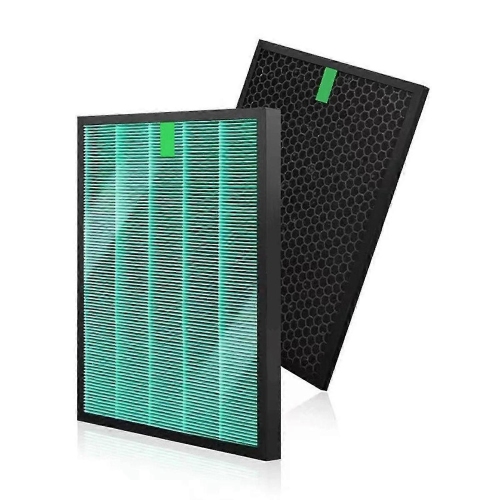
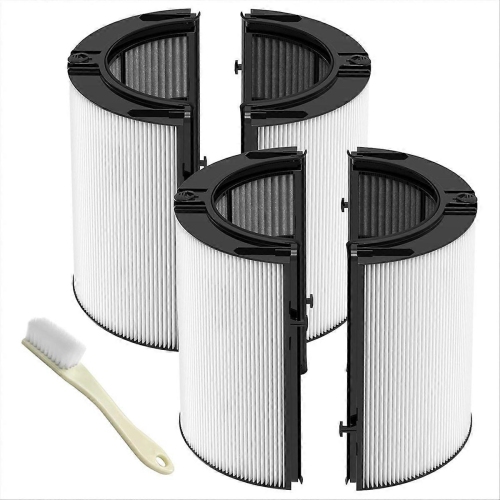
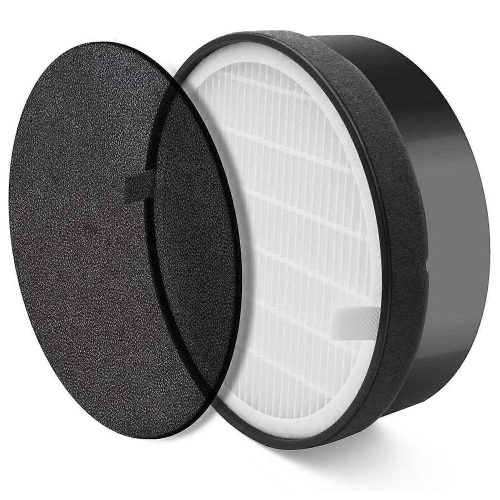
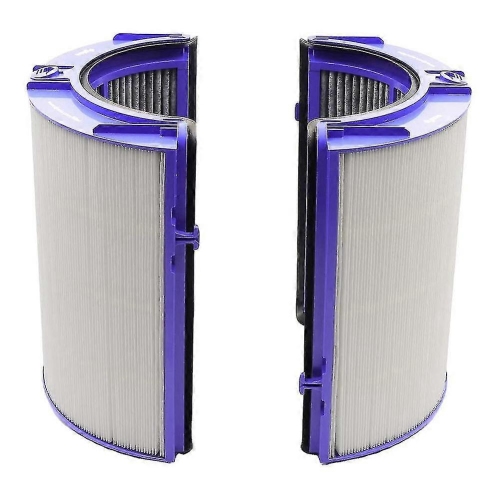
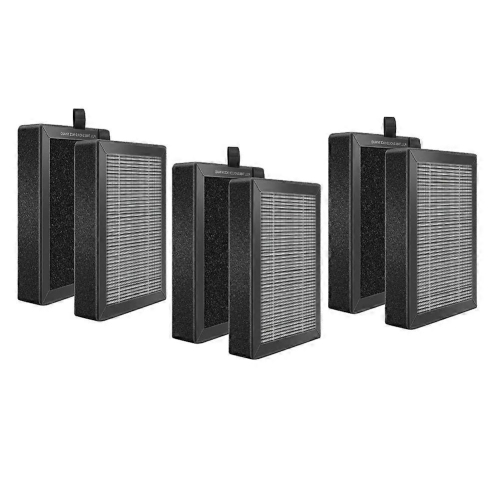
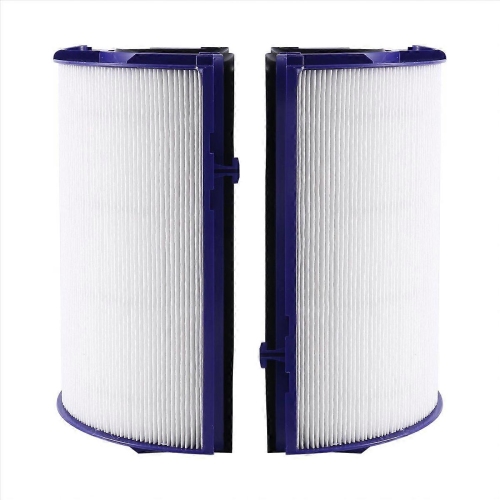
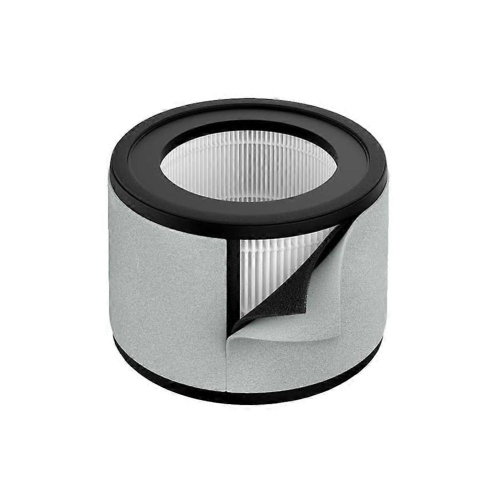
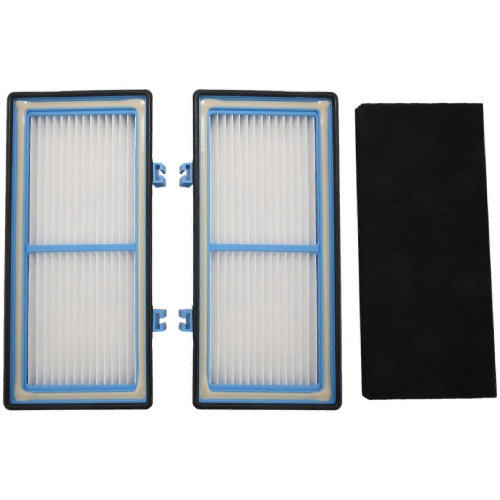
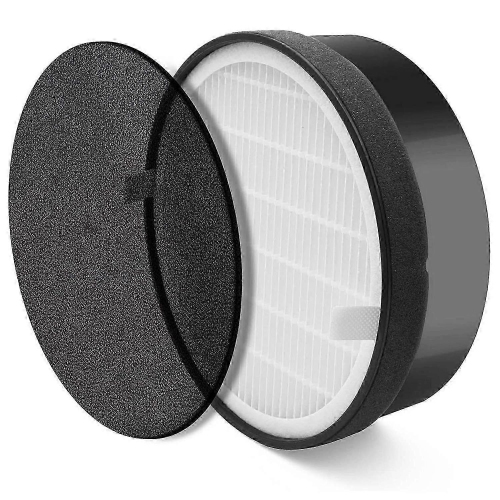
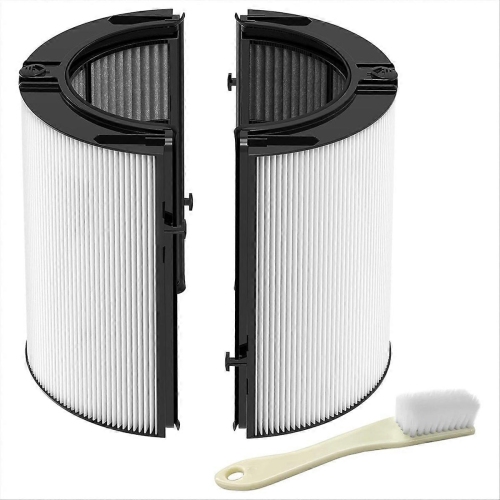
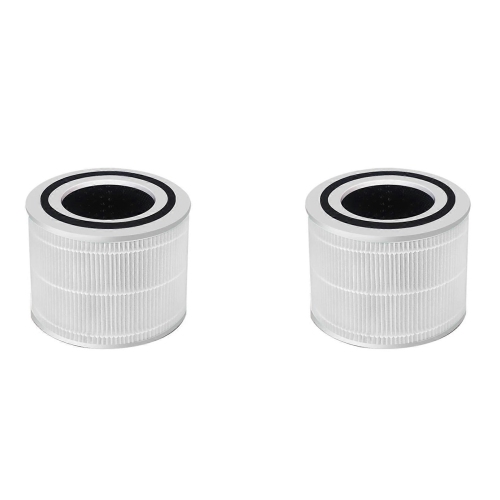
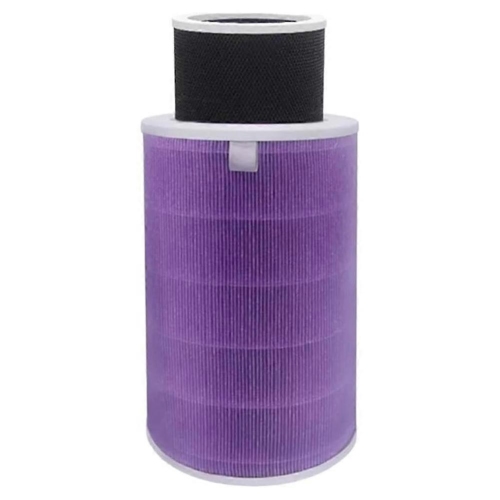
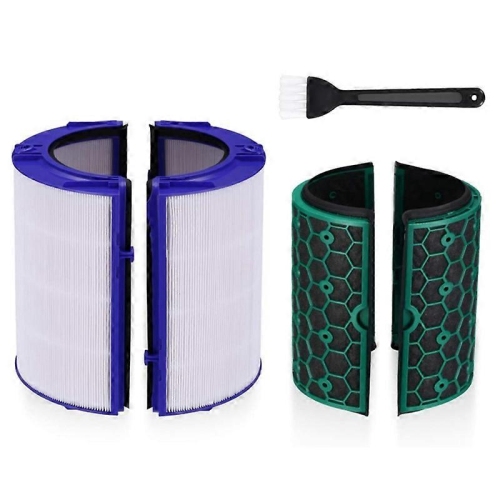
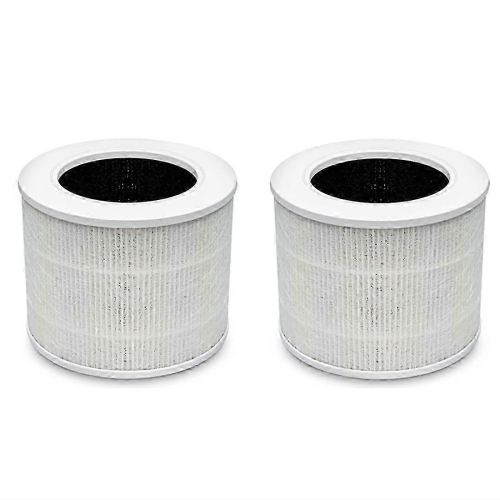
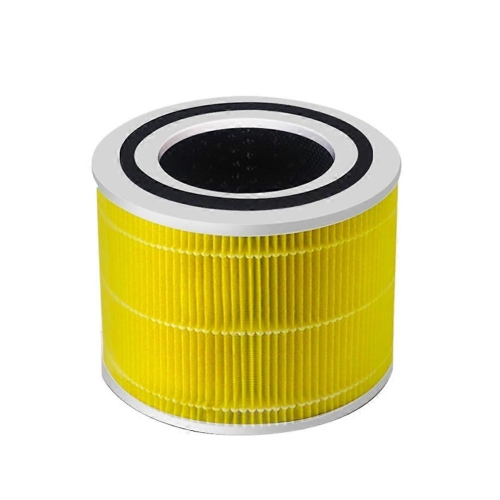
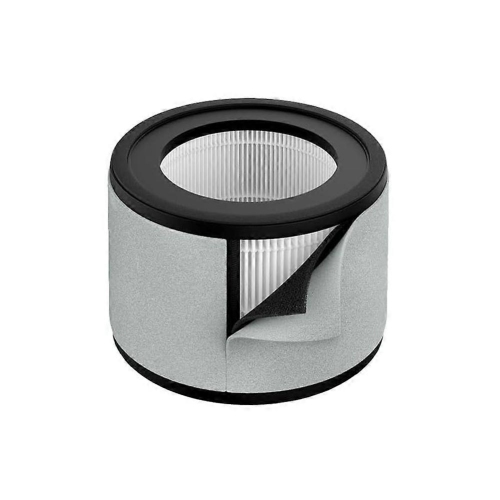
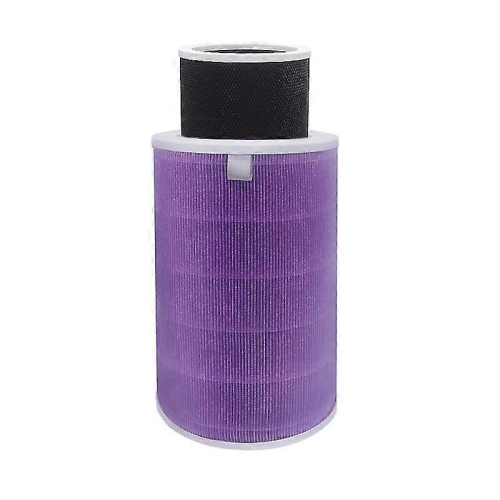
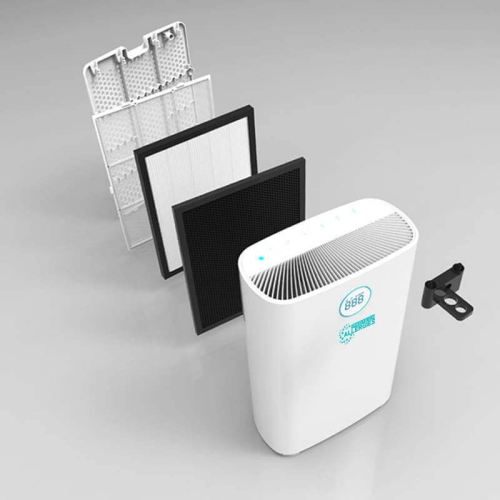
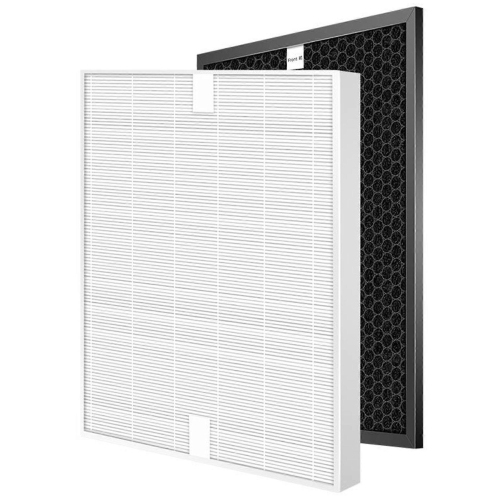
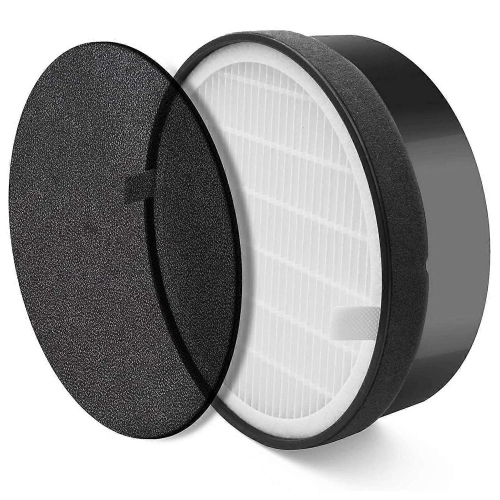
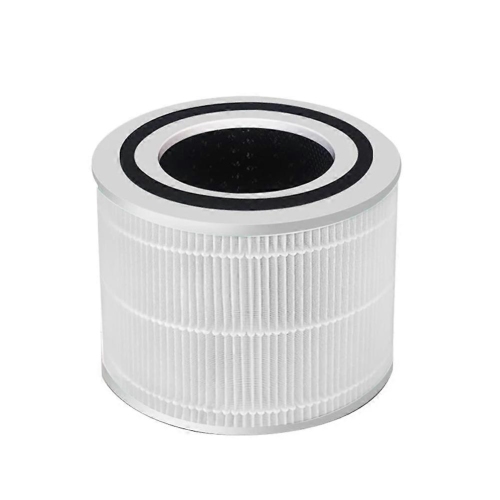
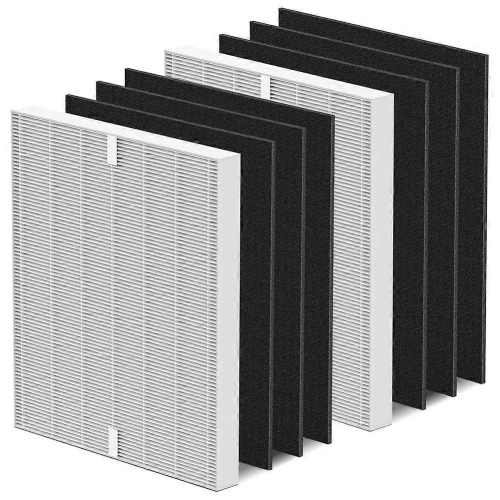
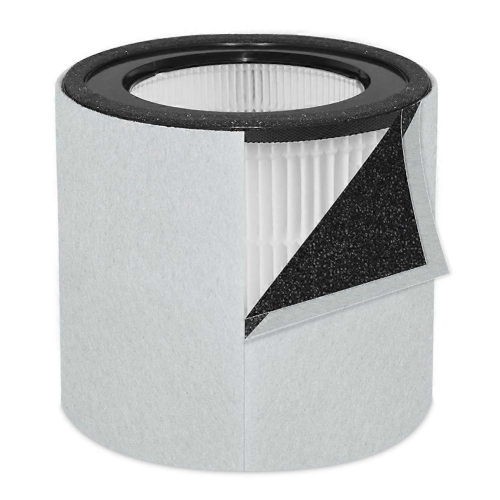
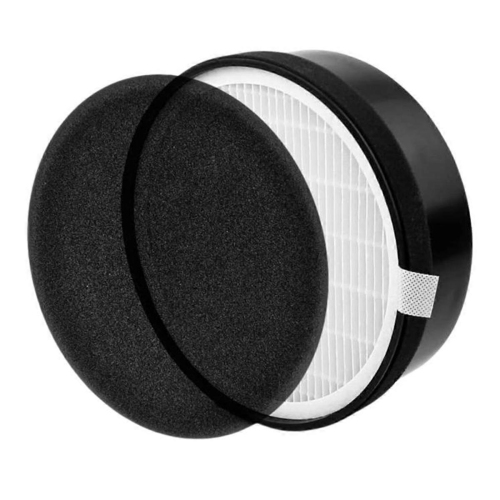
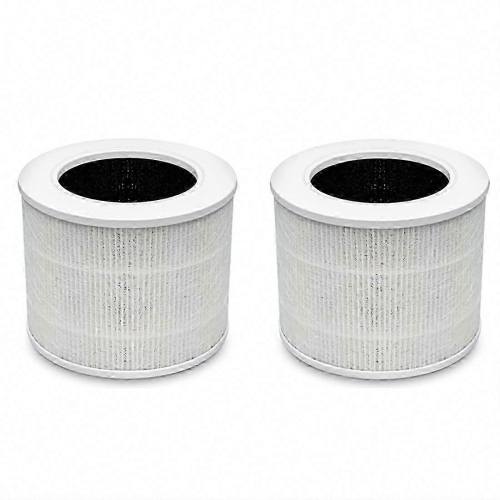
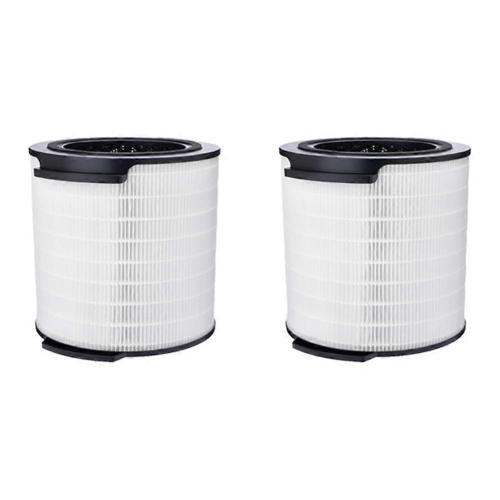
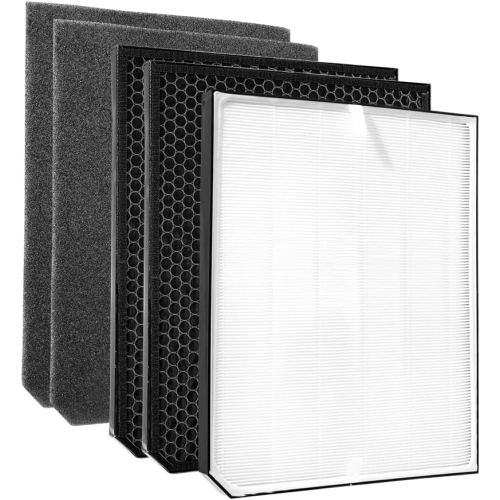
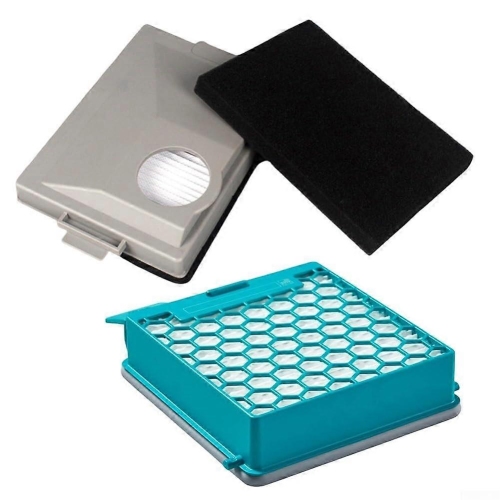
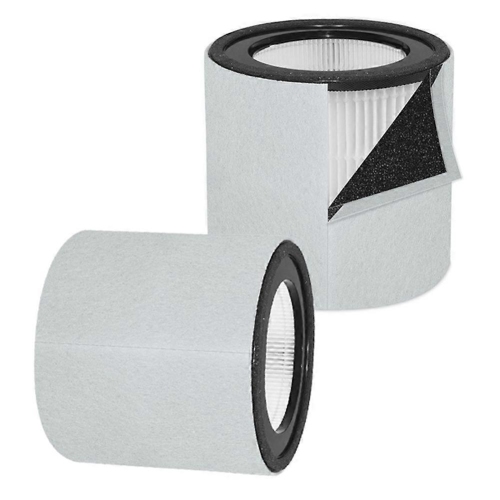
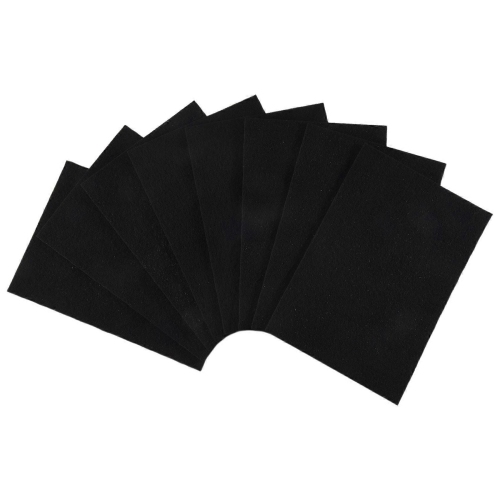
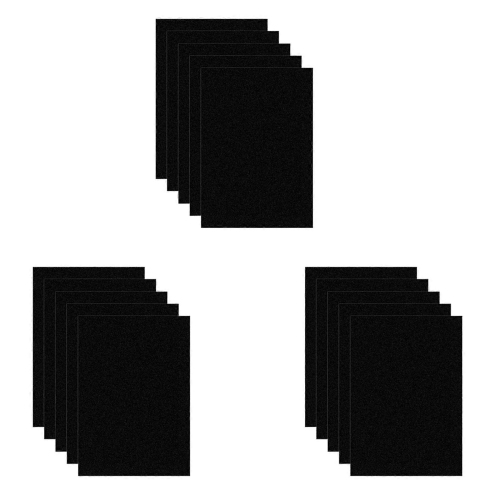
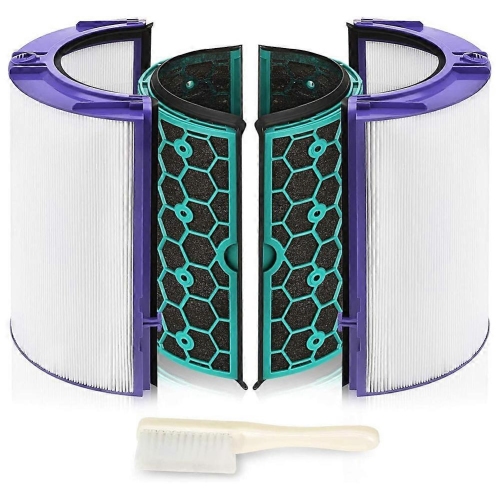
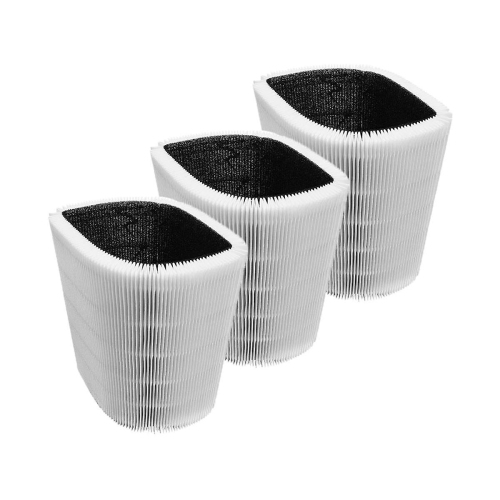
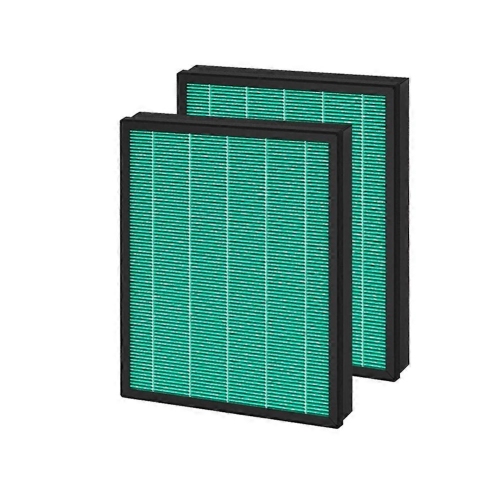
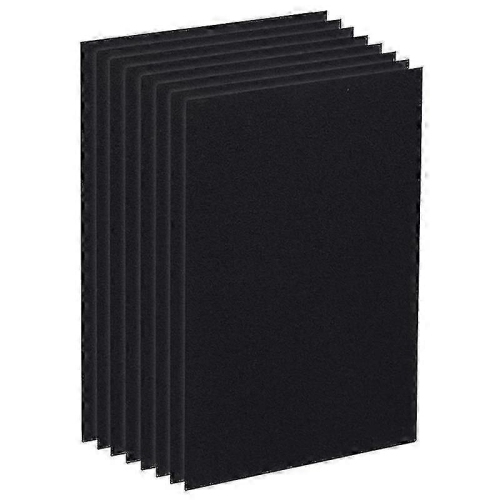
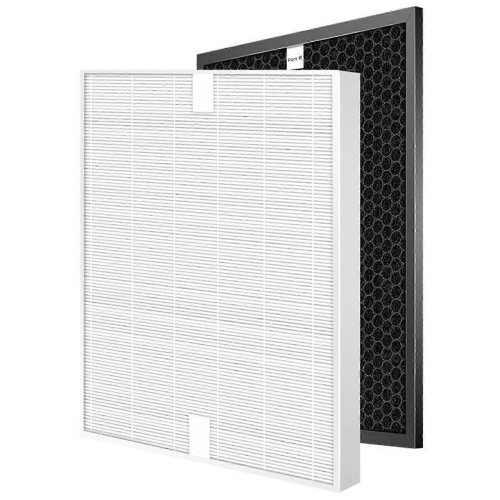
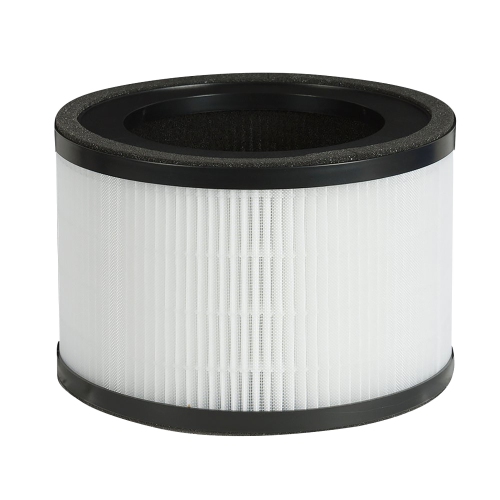
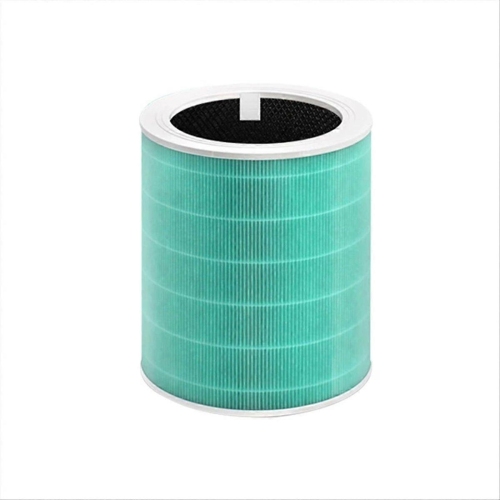
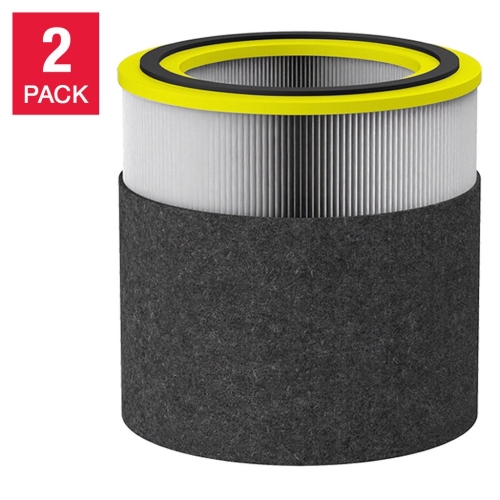
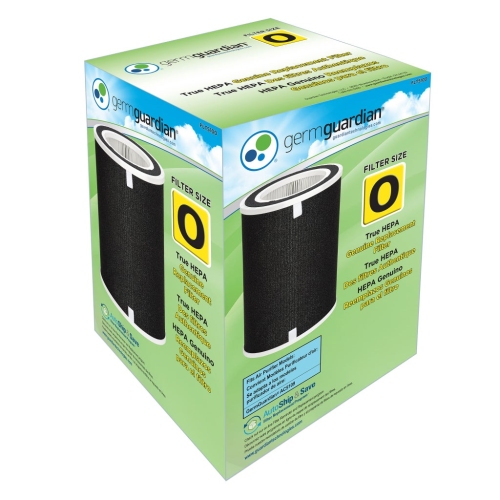
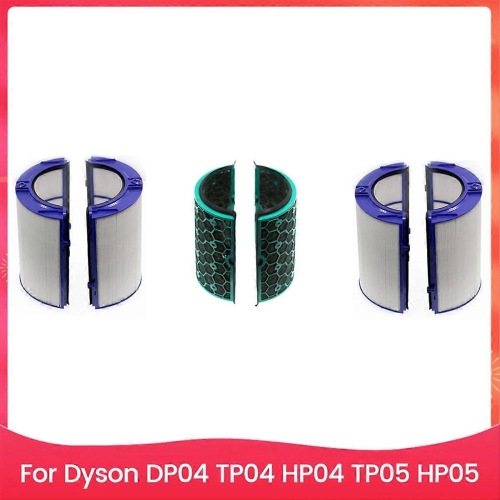
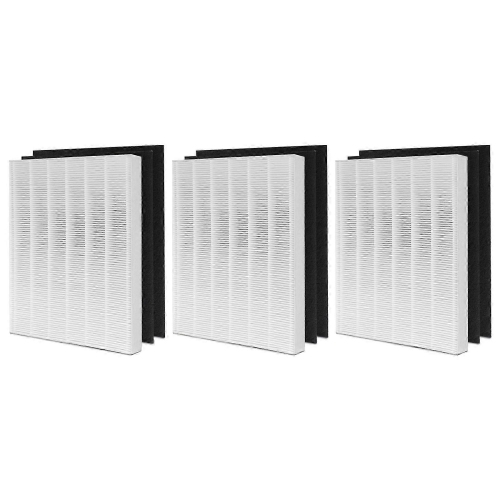
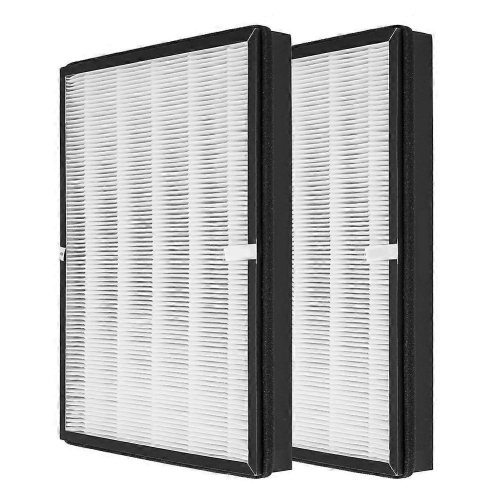
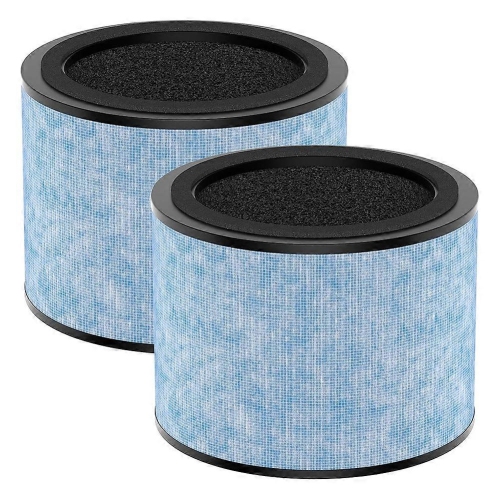
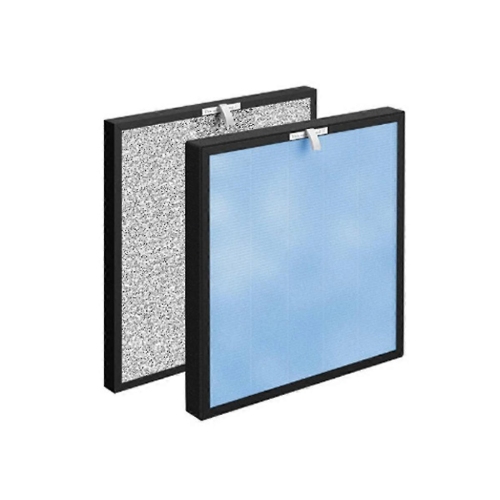
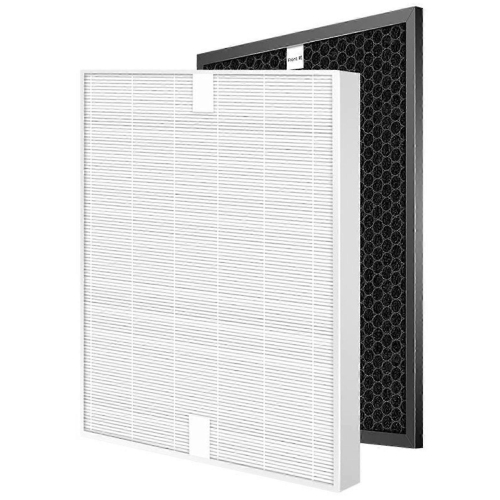
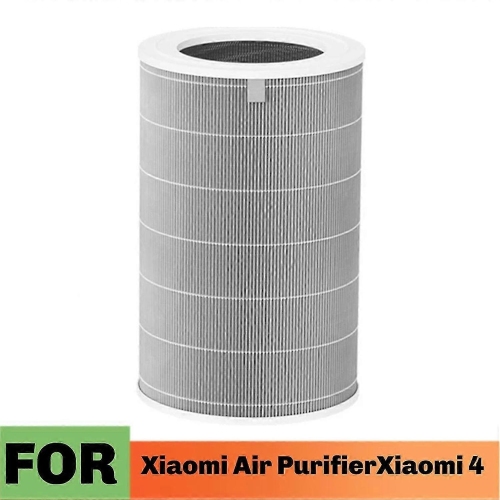
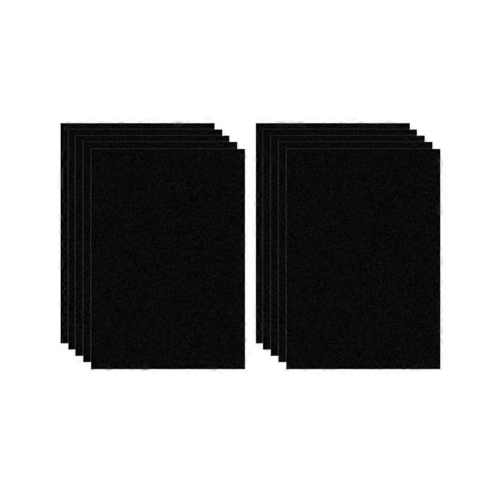
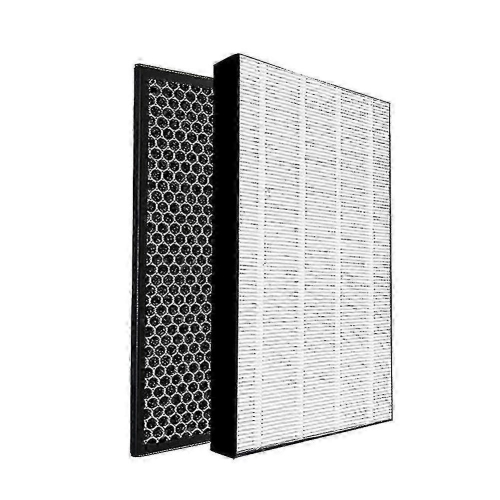
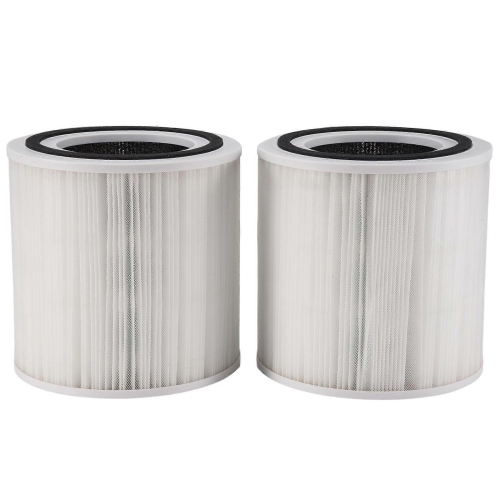
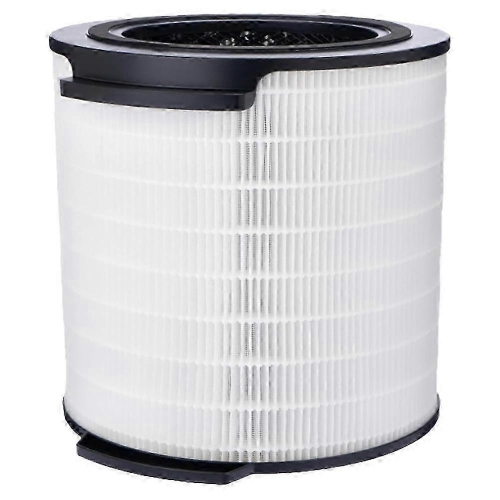
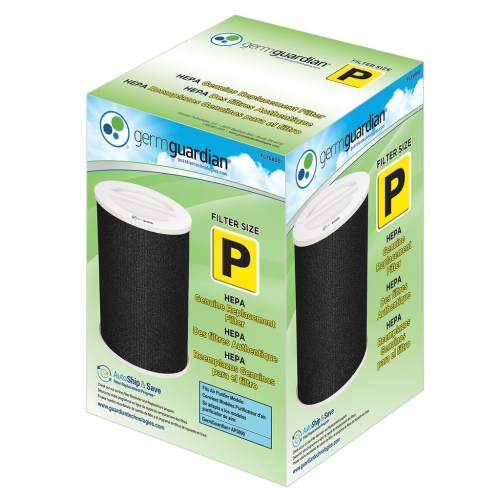
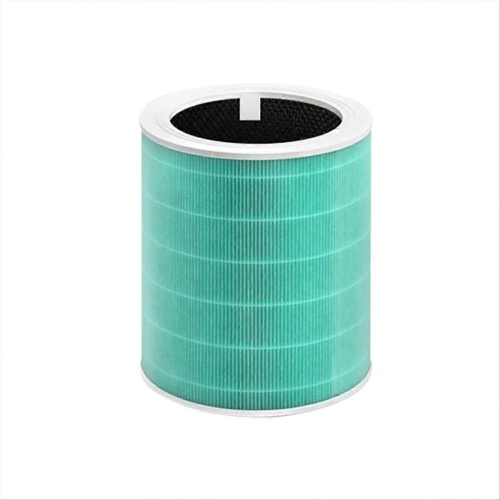
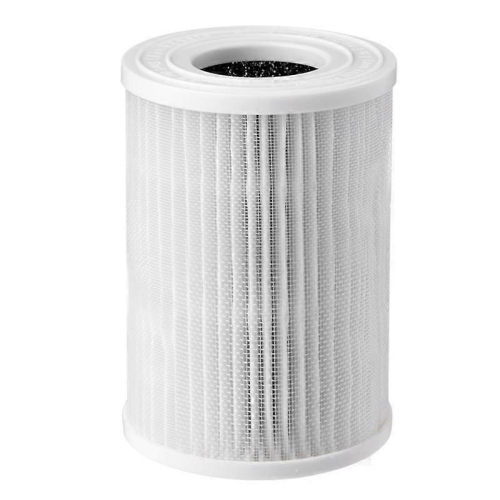
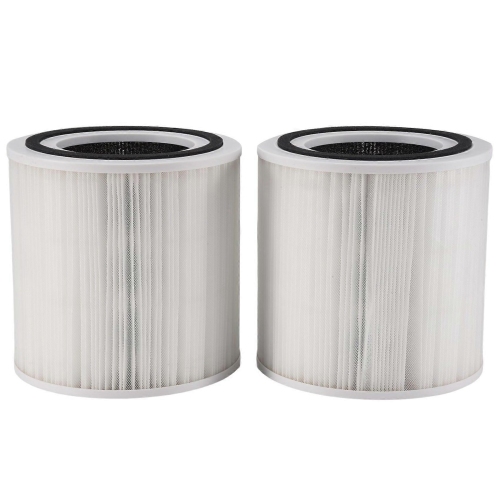
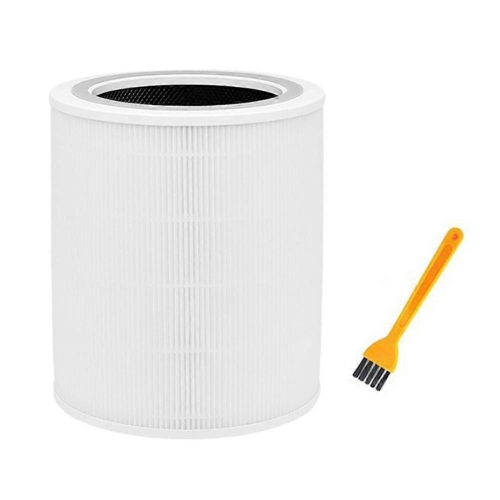
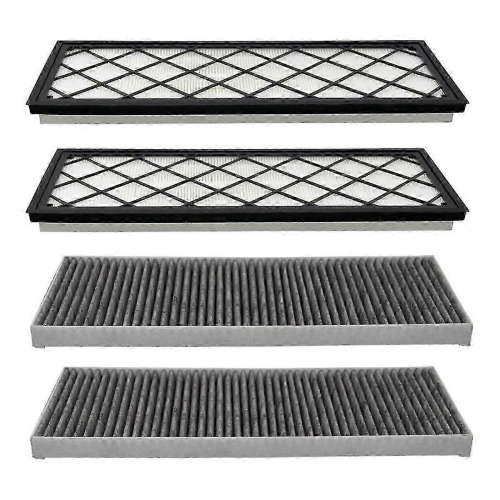
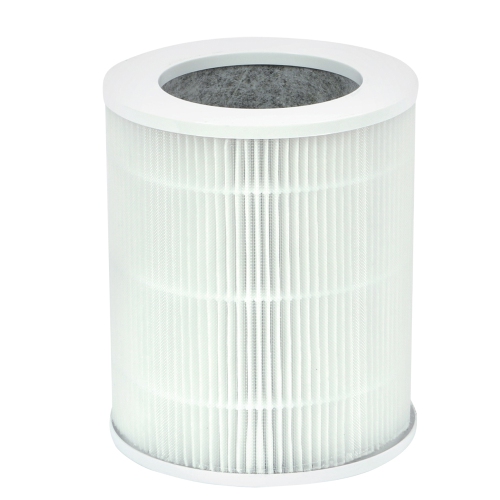
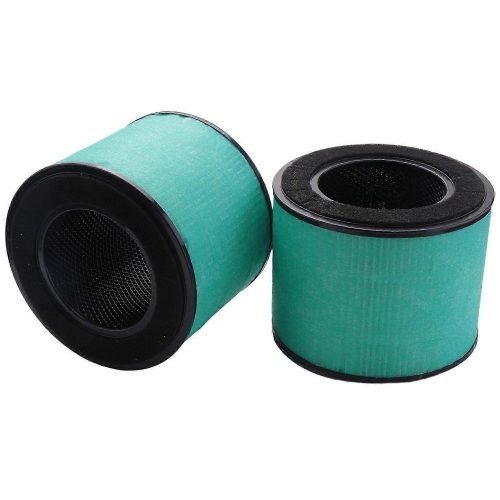
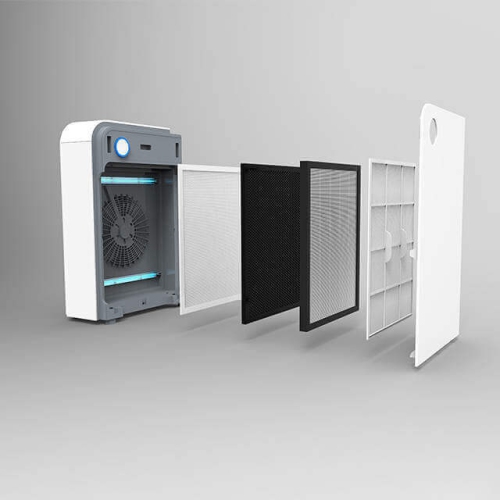
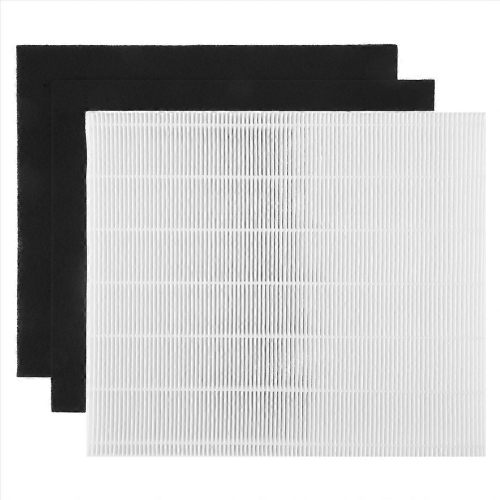
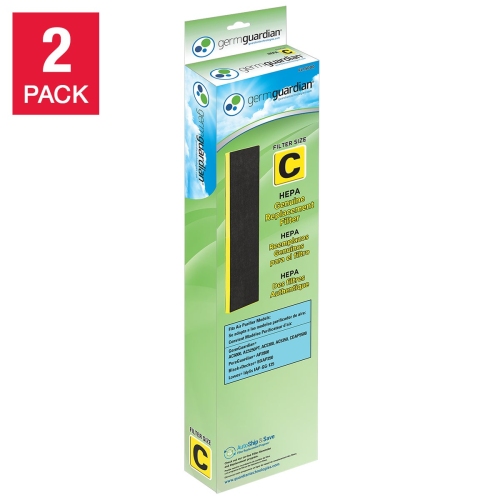
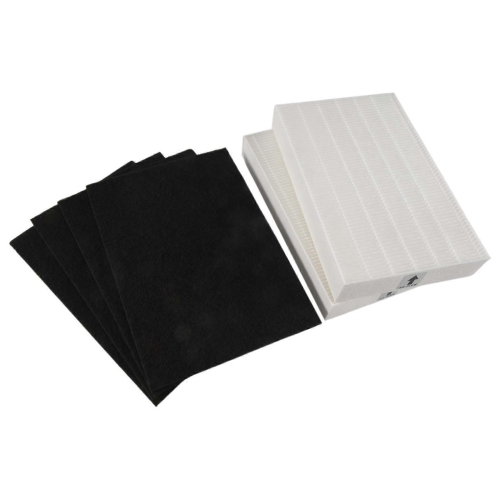
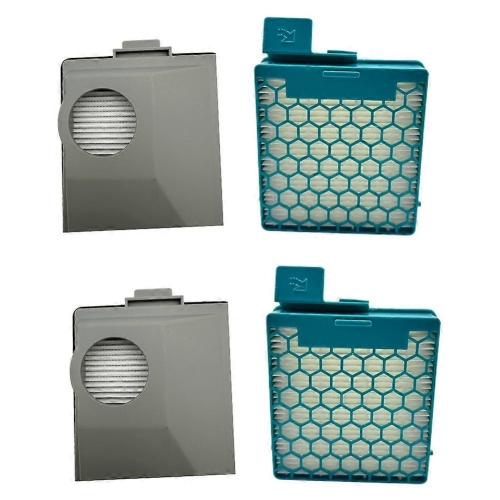
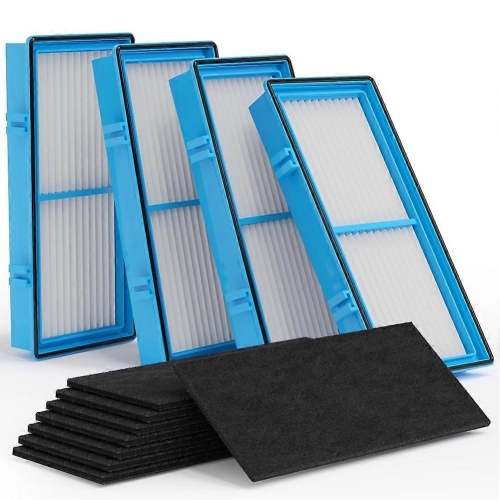
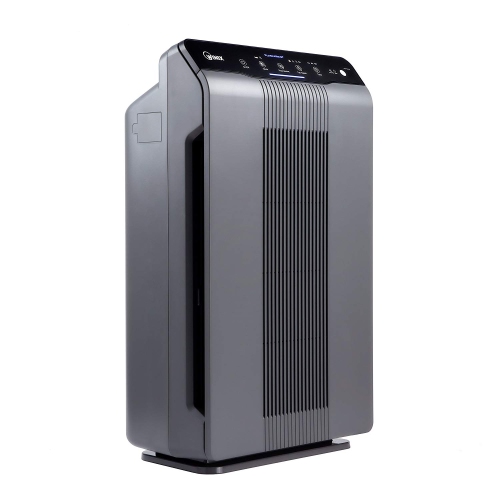
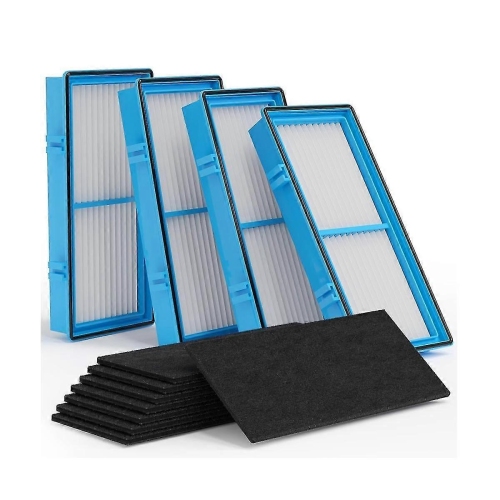
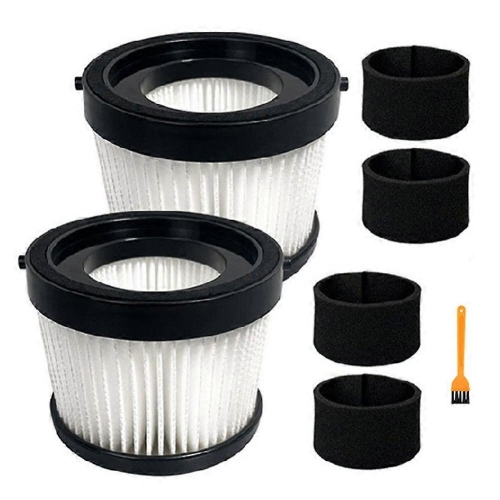
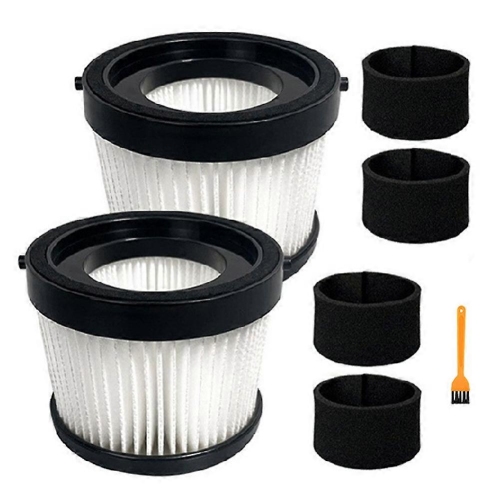
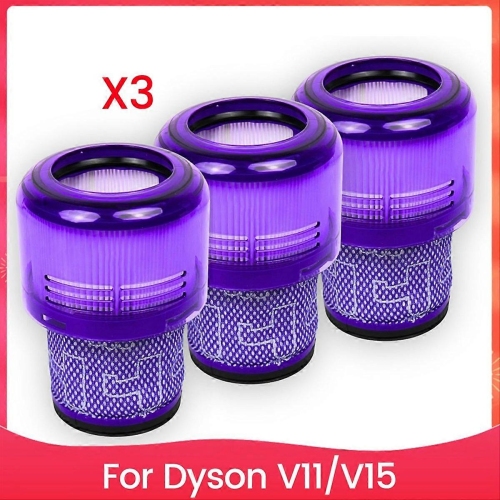
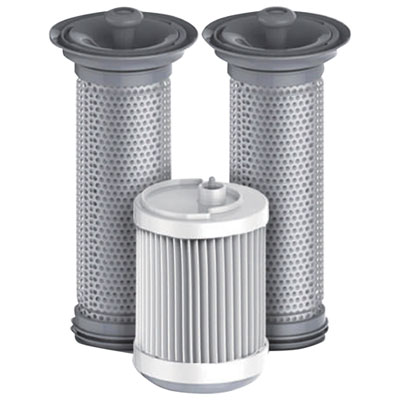
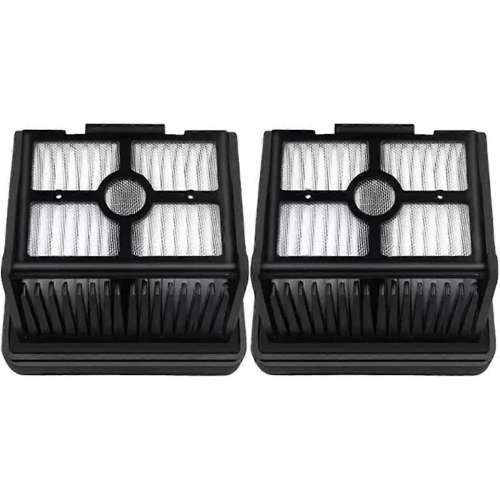
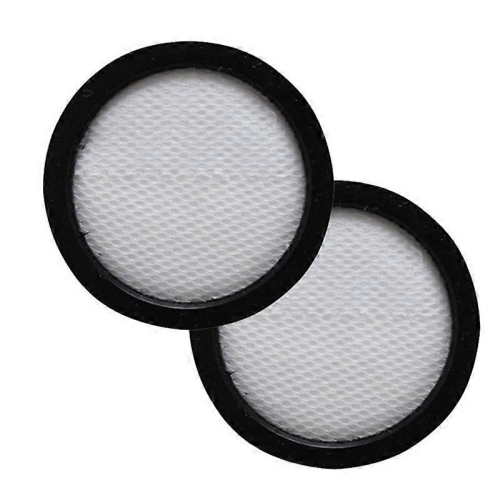
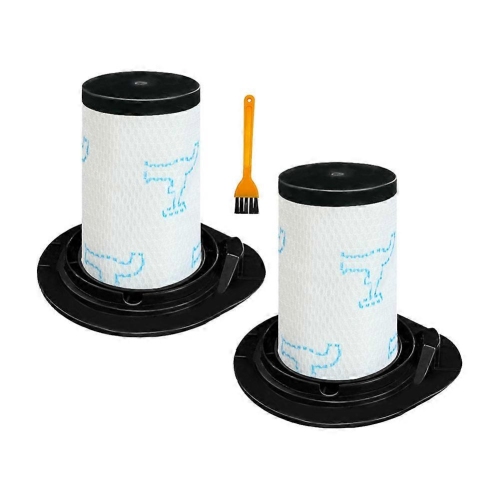
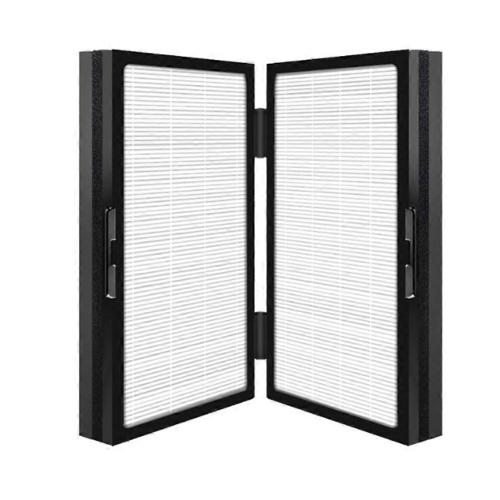
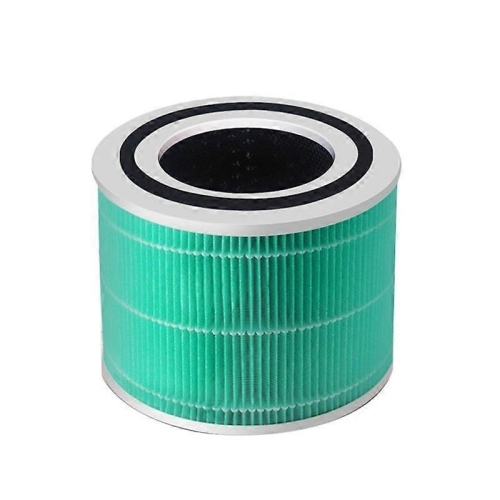
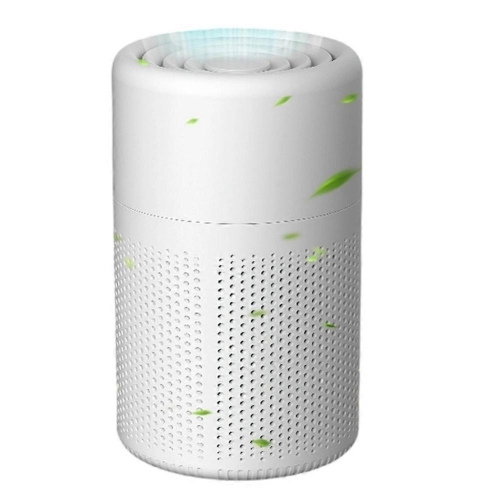
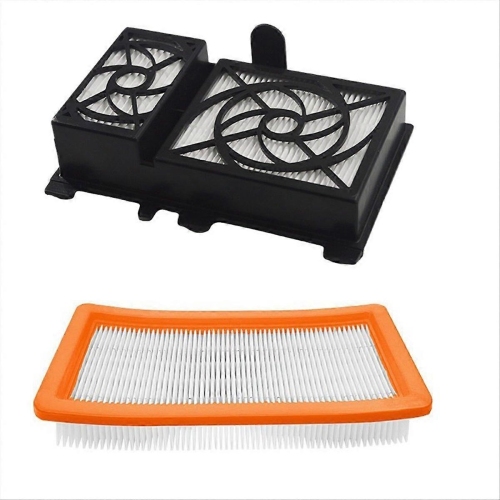
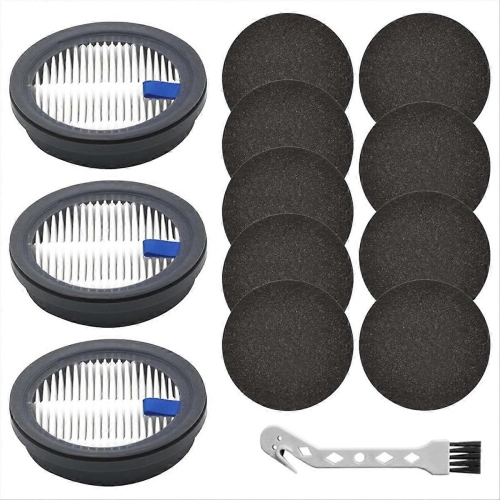
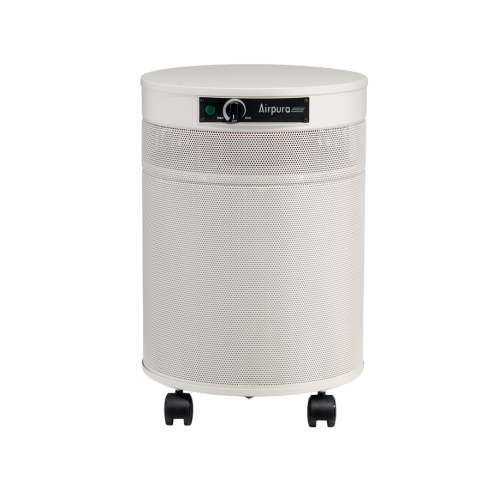
HEPA carbon filters combine two types of air filtration: a HEPA layer that captures fine airborne particles and an activated carbon layer that adsorbs certain gases and odours. The two materials serve different purposes, making the combination useful in homes where dust, pet dander, and everyday smells can occur together. HEPA stands for high-efficiency particulate air. Filters that meet the commonly used HEPA efficiency standard capture at least 99.97% of particles measuring 0.3 micrometres under specified test conditions; the performance of a complete air purifier also depends on airflow, sealing, and how long it operates. The pleated filtering material provides a large surface area within a compact frame, allowing air to pass through while trapping suspended particles. Activated carbon has a porous structure that holds certain airborne compounds on its surface, helping reduce odours that a particle filter alone cannot address. In a living room shared with a dog, for example, the HEPA layer can capture airborne dander while the carbon layer helps with some lingering pet smells. Near a kitchen, carbon filtration may help reduce cooking odours that drift into adjoining rooms, although it does not replace a range hood or proper ventilation. This distinction matters because particle capture and odour reduction are not interchangeable benefits. A filter designed only for dust will not necessarily reduce gaseous odours, and a thin carbon sheet will not provide the same particle filtration as a verified HEPA layer. Combination filters may bring both materials together in one cartridge or use separate layers within a compatible appliance. Some also include a pre-filter that catches hair, lint, and larger dust particles before they reach the finer material. These filters are useful for households with pets, people looking to reduce airborne allergens, and anyone maintaining a compatible air purifier in a bedroom, home office, or shared living space.
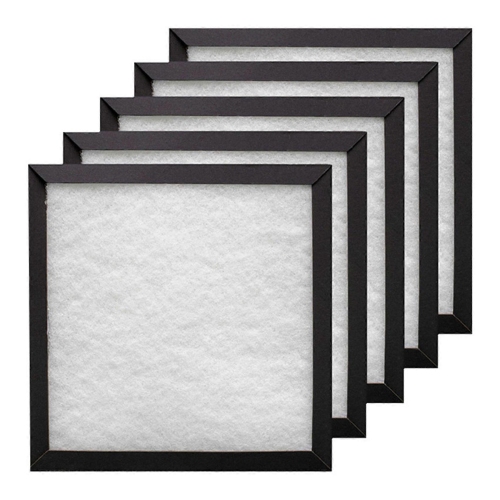
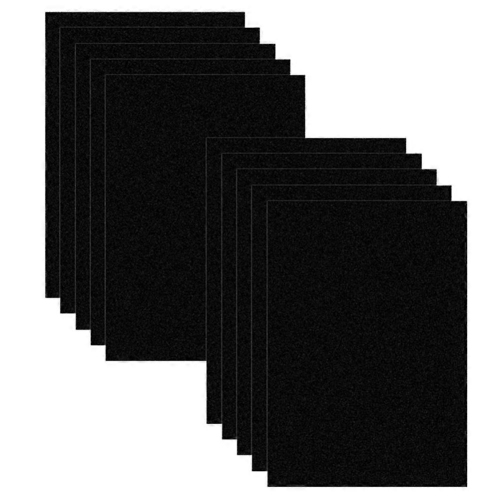
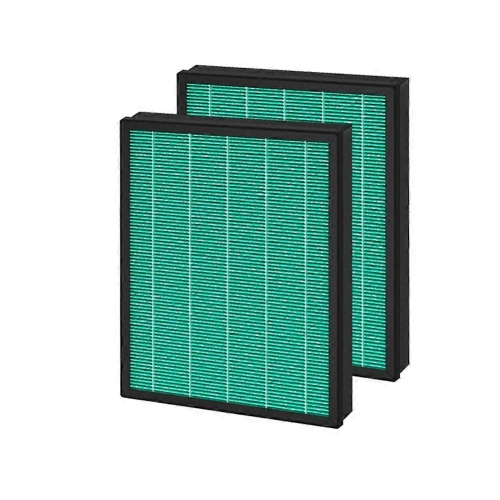
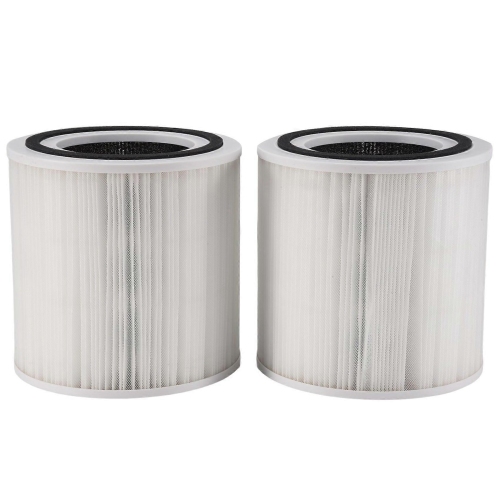
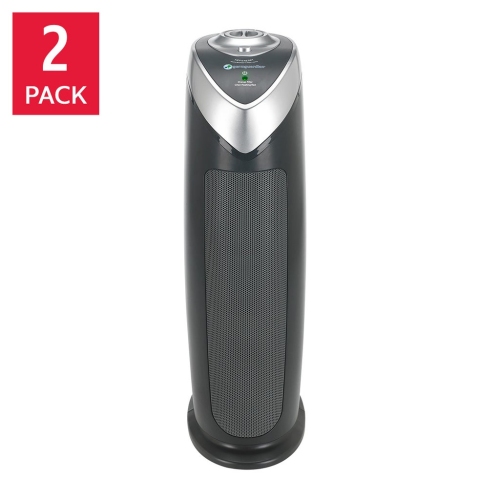
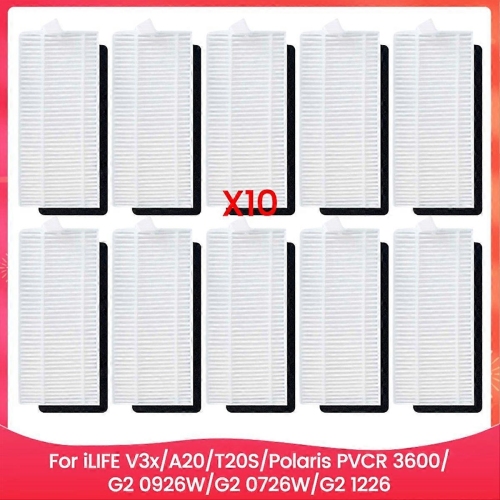
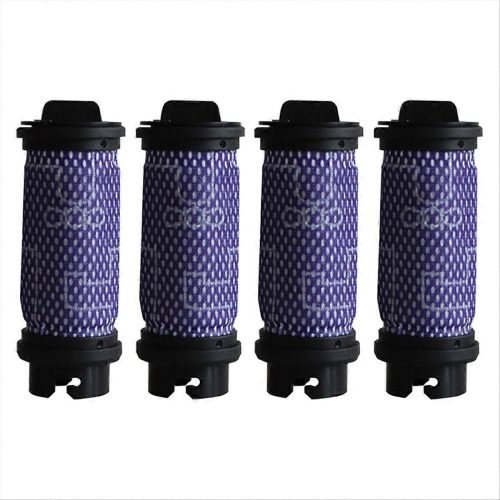
Fit is one of the most important differences among HEPA carbon filters, since similar-looking cartridges are not necessarily interchangeable. The appliance’s exact model designation, filter dimensions, frame shape, and attachment details all help establish compatibility. A cylindrical cartridge designed to draw air from several sides cannot simply replace a flat panel, and even two rectangular filters with nearly identical measurements may have different seals or locating tabs. A snug, correctly seated filter helps prevent air from bypassing the filtering material. Replacement filters should match the appliance manufacturer’s specifications rather than relying on appearance alone, particularly when a housing uses a gasket, locking cover, or a specific direction of airflow. The construction of the filter also affects its intended use. HEPA media commonly uses densely arranged glass or synthetic fibres folded into pleats, while the carbon stage may take the form of an impregnated sheet, a granular layer, or a bed of pellets. The amount and type of activated carbon, the compounds present, and contact time all influence gas and odour reduction. A light carbon coating may help with modest household smells, while a more substantial carbon layer can offer greater adsorption capacity when designed for the appliance. Neither filter colour nor cartridge thickness alone establishes performance. Clear efficiency specifications and compatibility details are more useful than broad claims about freshness. Labels such as “HEPA-type” or “HEPA-style” do not necessarily indicate that a filter meets a recognised HEPA standard. For a bedroom, the complete purifier’s airflow and sound level at the setting actually used matter alongside filter quality. For a larger shared room, the purifier’s rated room coverage and clean air delivery rate help indicate whether enough air can pass through the system. A replacement filter maintains the role of a suitable appliance; it does not increase that appliance’s capacity beyond its design.
Care and replacement are part of owning HEPA carbon filters, because the particle layer gradually collects debris and the carbon has a finite capacity to adsorb gases. Service life varies with operating hours, the amount of airborne material, household activities, and the filter’s construction. A purifier running daily in a busy room with several pets may need attention sooner than one used occasionally in a lightly occupied office. The appliance’s stated replacement interval is a useful starting point, but reduced airflow, persistent odours, and a filter indicator can also signal the need to check its condition. Some indicators track elapsed use rather than measuring how loaded the filter is, so the appliance manual remains important. Most disposable HEPA and activated carbon cartridges should not be washed unless the manufacturer explicitly identifies them as washable. Water can damage filtering media, and rinsing does not reliably restore spent carbon’s adsorption capacity. A separate washable pre-filter may have different care requirements and should be fully dry before reinstallation. Routine cleaning of an approved pre-filter can keep larger debris from building up against the main cartridge, but it does not eliminate the need to replace the HEPA or carbon layers. During replacement, switching off and unplugging the appliance, handling the used filter gently, and avoiding shaking trapped dust back into the room can make the task tidier. Any protective packaging on the new cartridge must be removed before use, with the filter seated in the specified orientation. For a broader look at particle-focused filtration options, Best HEPA Filters provides a related selection to explore. HEPA carbon filtration works best as one part of regular household care, alongside surface cleaning, ventilation when appropriate, and addressing the source of unwanted smells. It can reduce certain airborne particles and odours, but it does not remove every pollutant, treat allergies, or replace a carbon monoxide alarm. Matching the filter to the appliance and the household’s needs supports dependable everyday use, whether the goal is capturing airborne dust near a workspace or reducing pet-related particles and smells in a favourite gathering room.
Top selling and popular products
-
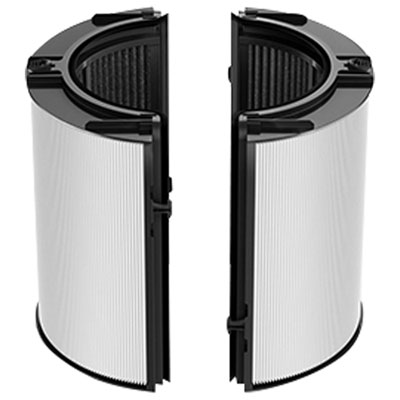 Your price for this item is $99.99
-
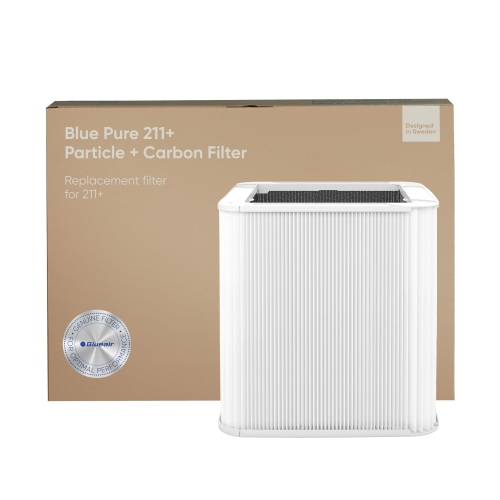 Your price for this item is $129
-
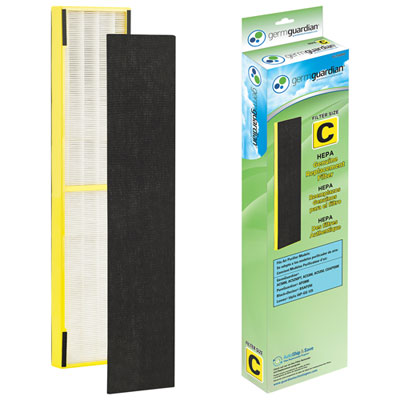 Your price for this item is $39.99
-
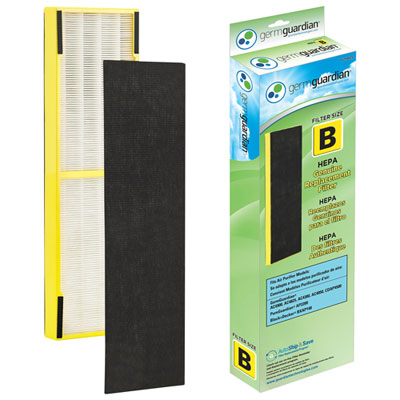 Your price for this item is $23.98
-
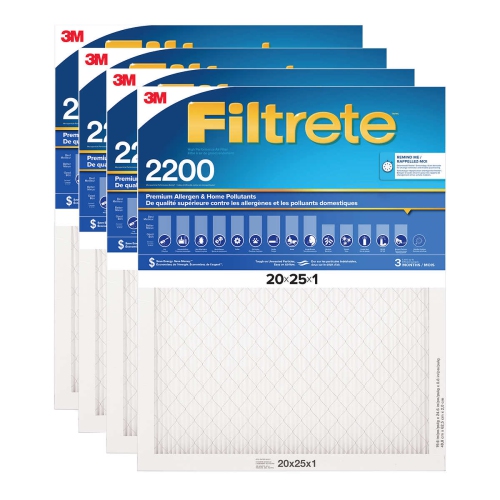 Your price for this item is $82.6
-
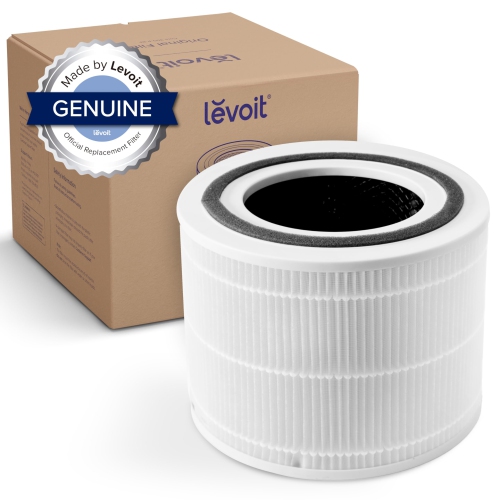 Your price for this item is $37.99
-
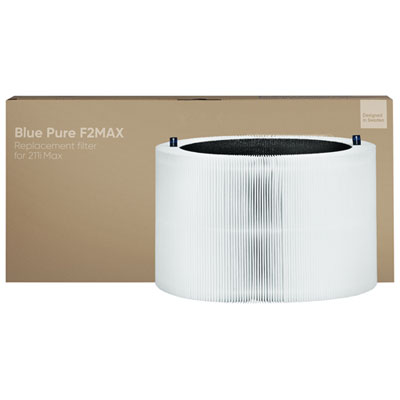 Your price for this item is $89.99
-
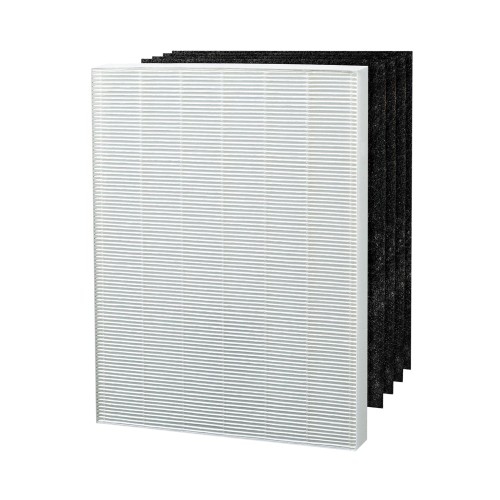 Your price for this item is $59.99
Discover more categories related to Hepa Carbon Filters

Top Collections:
Pokemon Centers, Best Cameras for Sports Photography, Kindle Devices, Samsung Galaxy Phones, Canon G7X Cameras, Pokémon 30th Celebration Cards, Refurbished Apple Laptops, iPhone 15 Apple, Laptops for Students, Budget Smartphones
Some products may be subject to Environmental Handling Fees
(EHF) depending on your province.
Learn more about EHFs.