High Speed Pedestal Fans
High Speed Pedestal Fan options are designed to provide effective airflow and help keep your space comfortable during warmer months. With adjustable heights and easy-to-move designs, these fans are suitable for a variety of rooms, whether at home or in the office. Explore a wide selection of High Speed Pedestal Fan models to find the perfect fit for your cooling needs, offering convenience and reliable performance throughout the season.
Sort



Why fan comfort depends on more than speed
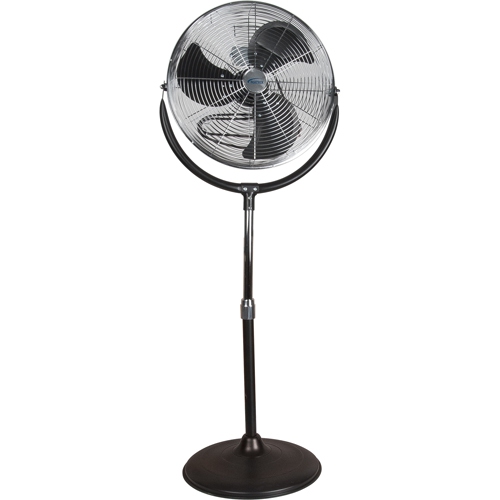
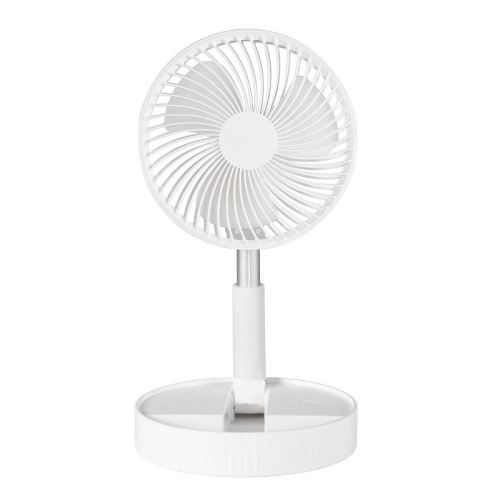
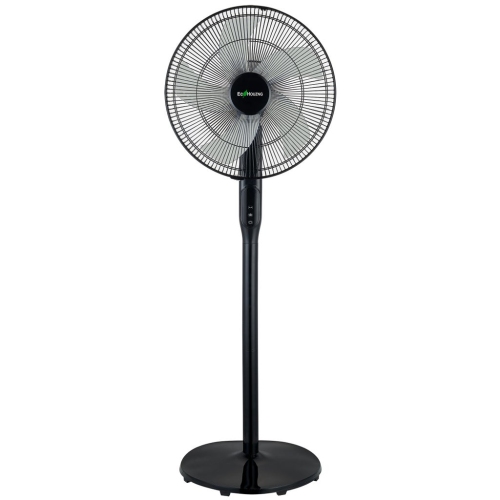
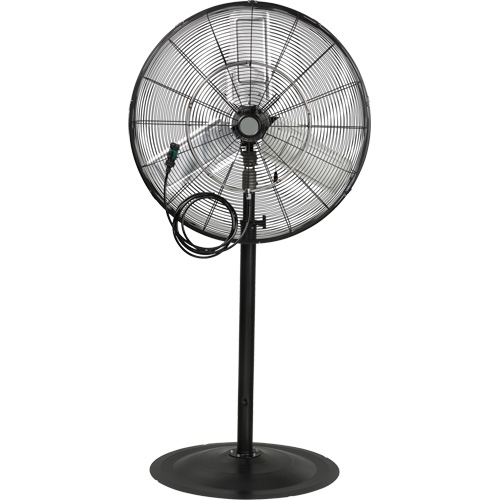
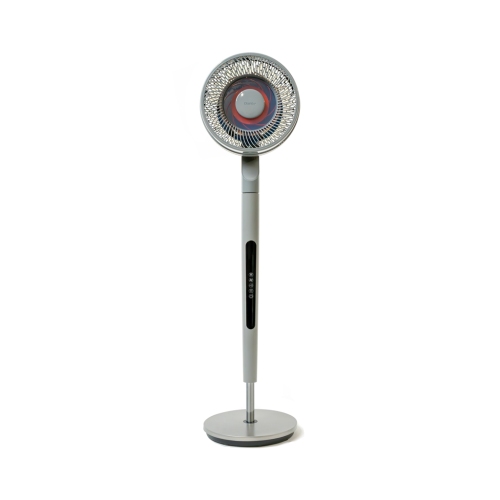
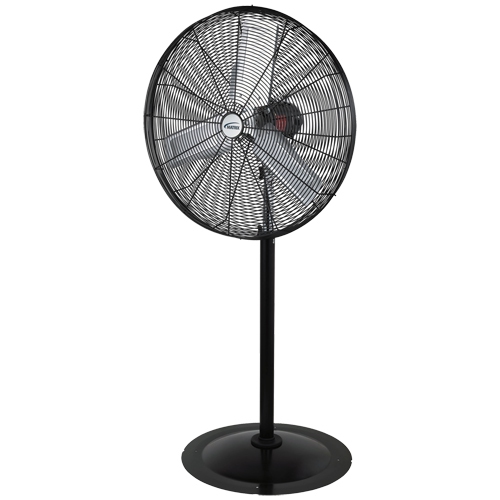
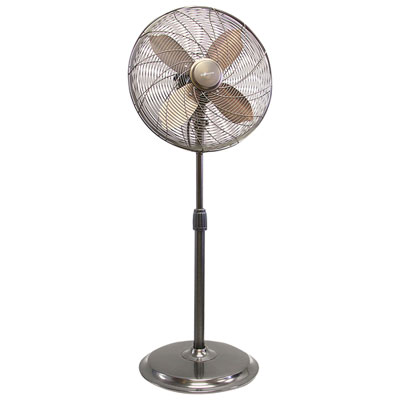
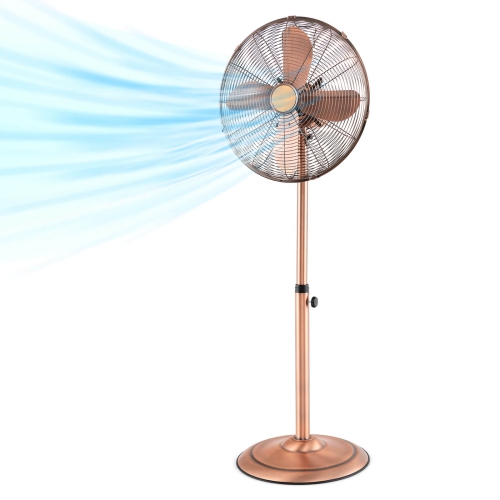
High-speed pedestal fans deliver a strong, directed stream of air from a freestanding, height-adjustable stand, making them useful wherever airflow needs to reach above floor level. Their raised heads can direct air towards a workbench, across a seating area, or through an open exercise space without taking up a desk or countertop. Unlike an air conditioner, a fan does not lower the room’s air temperature; moving air helps people feel cooler by supporting evaporation from the skin. That distinction matters when comparing a powerful standing fan with equipment designed to cool an entire room. Within this category, designs range from compact room circulators to larger, heavier-duty fans intended for spacious indoor areas. Airflow is often expressed in cubic feet per minute, or CFM, which describes the volume of air a fan moves. A higher CFM figure generally indicates greater air movement, but it does not tell the whole story: the shape of the airflow, distance from the fan, furniture placement, and available speed settings all affect how that airflow feels. Published figures are most useful when the testing conditions and speed settings are comparable. The term “high speed” alone is not a standardized performance rating, so blade diameter, airflow specifications, and control options provide more useful context than the label by itself. A broad stream of air can suit a shared living area, while a more concentrated stream may work well beside an exercise bike or at a single workstation. Larger blades do not automatically mean a better fit for every room, either. The right balance depends on whether the fan needs to reach several people, move air through an open space, or provide a steady breeze close by. For home offices, bedrooms, and shared spaces, a useful low setting can be just as important as maximum output, allowing the same fan to support focused work, conversation, and rest without always running at full power.
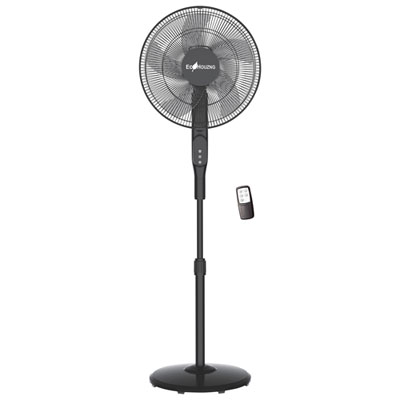
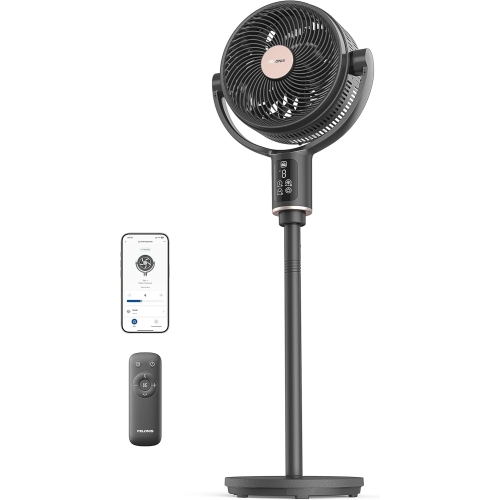
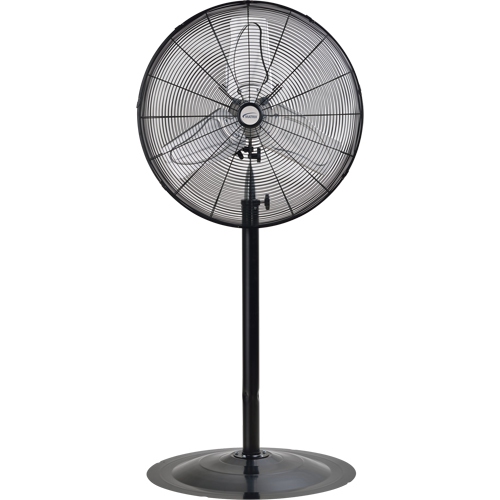
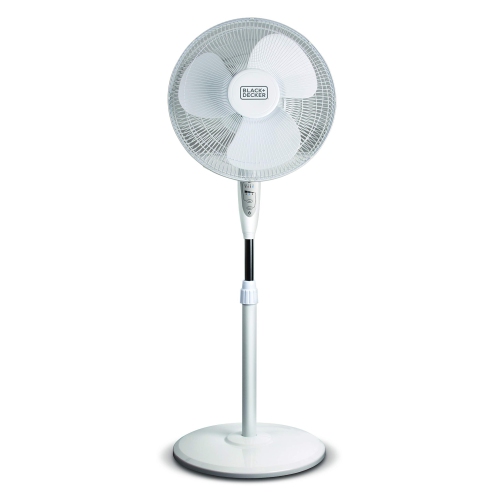
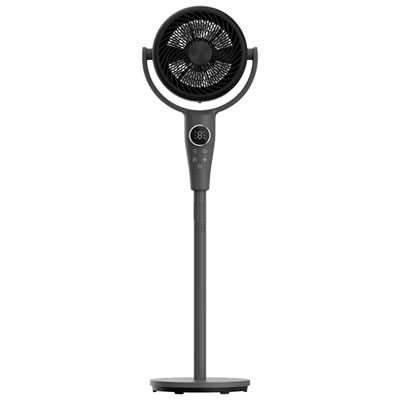
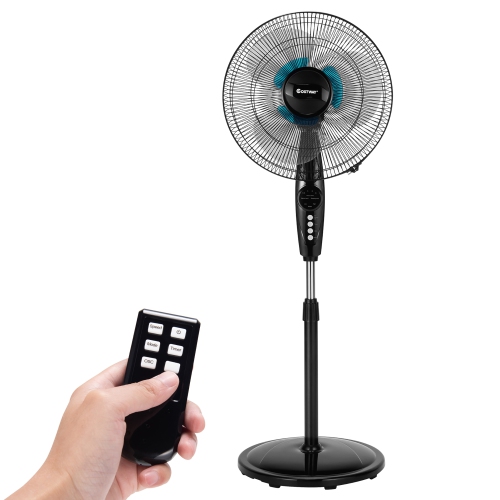
The construction and proportions of high-speed pedestal fans influence how comfortably they fit into everyday spaces. Metal blades, protective grilles, and substantial stands are common on heavy-duty designs, while other models use moulded plastic housings and blades to keep weight more manageable. Neither material alone guarantees durability or quiet operation; the motor, assembly quality, base design, and intended duty all matter. A wide, weighted base can help support a larger fan head, but its full footprint needs to fit clear of walkways, chair legs, and doors. Adjustable height is particularly useful when airflow needs to pass over the arm of a sofa or reach someone standing at a work surface. Head tilt changes the vertical direction of the stream, while horizontal oscillation sweeps it from side to side. These are separate functions, and their adjustment ranges vary by model. A stationary head can keep airflow centred on one position, whereas oscillation is useful when several people share a room. Some circulator designs also offer powered vertical movement, but this should not be assumed from the word “oscillating.” For garages, workshops, and other demanding indoor spaces, Industrial Pedestal Fans are worth considering when a sturdier build and sustained airflow matter. Even there, stronger is not always more practical: a forceful stream pointed across loose paperwork, sawdust, or small project materials can disrupt the task at hand. Positioning the fan to one side of an occupied area can make its airflow more comfortable and less intrusive. Indoor construction also does not imply protection against rain, splashes, or airborne debris. Metal housings are not automatically water-resistant, and any use in a covered outdoor area or a specialized workspace needs to match the manufacturer’s stated rating. For ordinary home use, manageable weight, a secure carrying point, and straightforward assembly can be more valuable than an oversized head that is awkward to move between rooms.
Controls, sound, and maintenance help determine how well a pedestal fan works beyond its first few uses. Multiple speed settings offer flexibility, especially when the fan serves different purposes throughout the day. A remote can be convenient from a sofa or exercise mat, while accessible controls on the fan remain useful when the remote is elsewhere. Timers can stop operation after a chosen interval, and some models include display dimming or settings intended for sleeping areas. A DC motor can offer fine speed adjustment and quiet operation at lower settings, but motor type alone does not establish how loud the complete fan will be. Air moving through the grille, blade design, oscillation mechanisms, and vibration can all contribute to sound. Published decibel figures need context because a low-speed measurement taken at a distance does not describe full-speed operation beside a desk. A steady airflow sound may be unobtrusive in a workout area yet distracting during a video call, so intended placement deserves as much attention as the maximum setting. Regular care also supports dependable performance. Dust on blades and grilles can restrict airflow and contribute to unwanted noise; unplugging the fan before cleaning and following the manual’s instructions helps protect both the user and the appliance. Removable grilles can make cleaning easier, although not every design permits the same level of disassembly. Motor housings, switches, and electrical connections should be kept dry, and lubrication should only be carried out if the manufacturer specifies it. Periodic checks of the base fasteners, height adjustment, and grille fittings can help identify looseness before it becomes a persistent rattle. A level surface, a cord routed away from foot traffic, and clear space around the intake and outlet support sensible everyday placement. Protective grilles do not make moving blades safe to touch, particularly around children or pets. With the right combination of airflow, stability, accessible controls, and manageable upkeep, a high-speed pedestal fan can serve as a practical fixture in a living space, home gym, or suitable work area.
Top selling and popular products
-
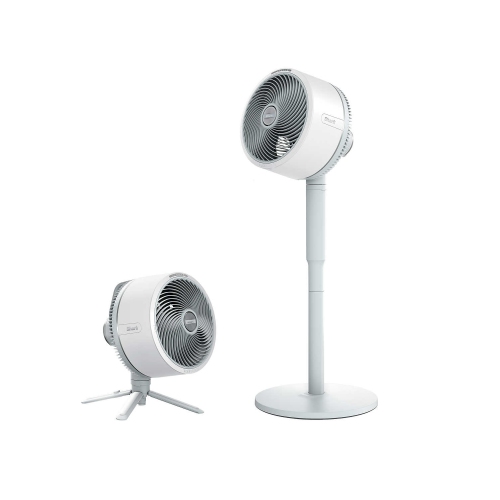 Your price for this item is $99.95
-
 Your price for this item is $136.99
-
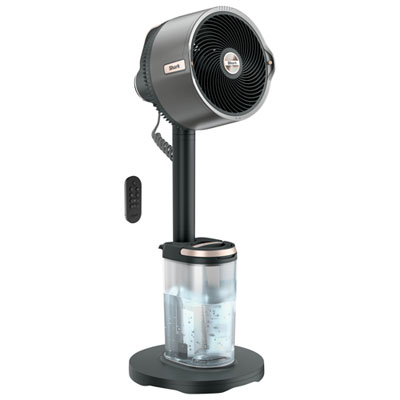 Your price for this item is $349.99
-
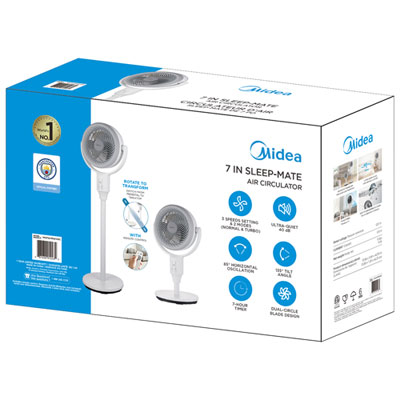 Your price for this item is $119.99
-
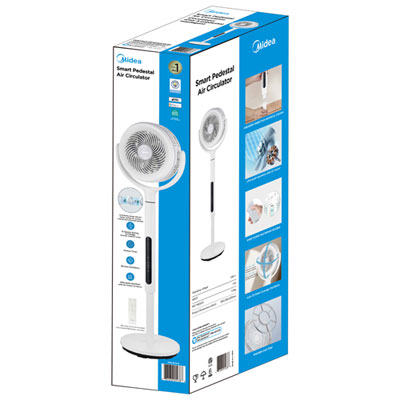 Your price for this item is $179.99
-
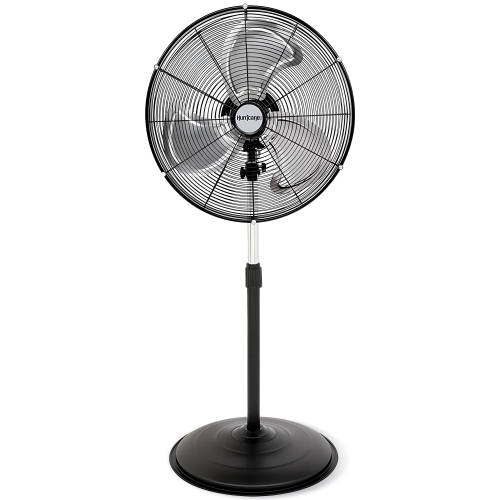 Your price for this item is $297.99
-
 Your price for this item is $199.99
-
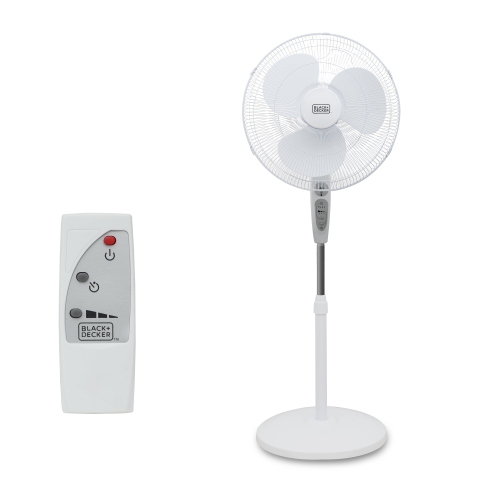 Your price for this item is $68.99
Discover more categories related to High Speed Pedestal Fans
Top Collections:
Best Black Friday Deals This Year, Best Black Friday Deals On Electronics, Kindle Devices, Pokemon Centers, Best Black Friday Deals On Apple Products, Best Cameras for Sports Photography, Dyson Airwrap, Pokémon 30th Celebration Cards, Apple iPhone 17 Pro, Canon G7X Cameras
Some products may be subject to Environmental Handling Fees
(EHF) depending on your province.
Learn more about EHFs.