Home Compact Ice Makers
Upgrade your kitchen or entertaining space with a home compact ice maker, designed to deliver convenience and efficiency for any occasion. Perfect for apartments, offices, or smaller kitchens, these ice makers offer a practical solution for keeping your drinks chilled without taking up too much space. Whether you're hosting gatherings or simply want easy access to fresh ice every day, a home compact ice maker provides reliable performance in a size that fits seamlessly into your home. Explore a variety of options to find the ideal addition to your countertop setup.
Sort
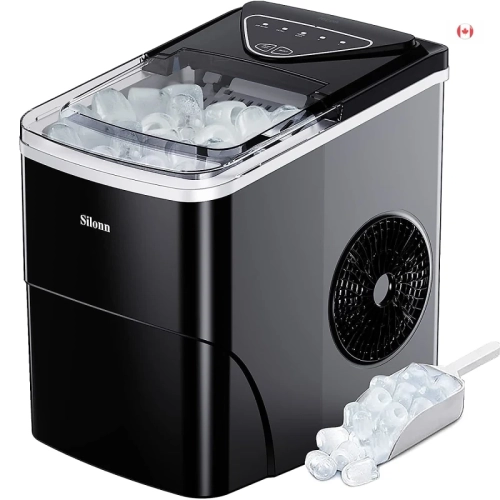
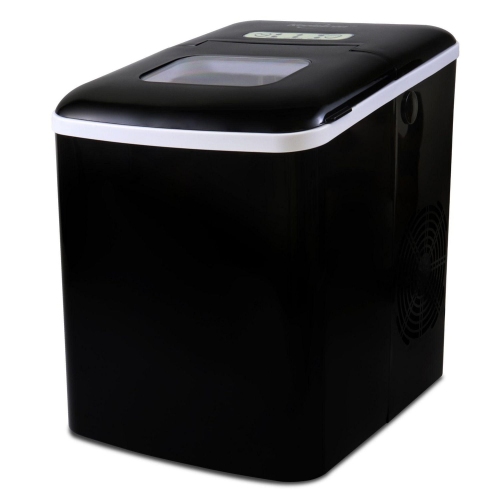
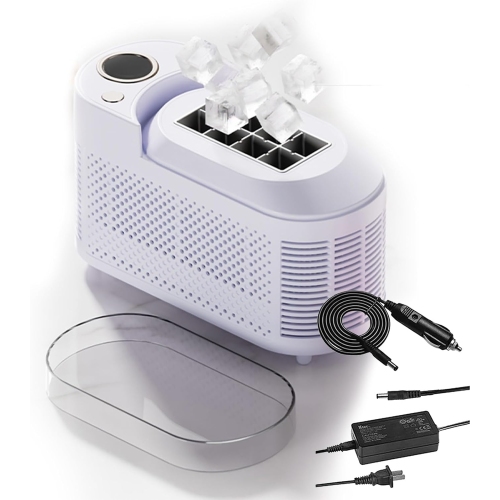
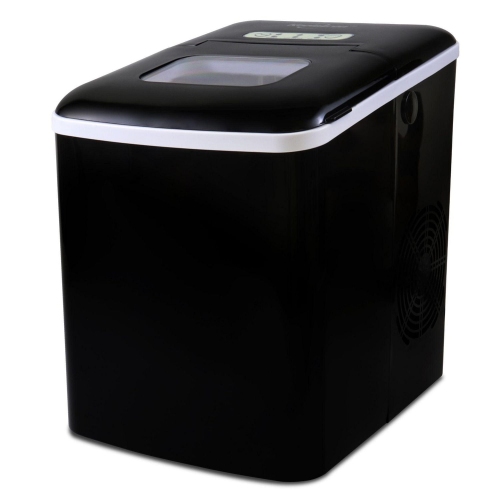
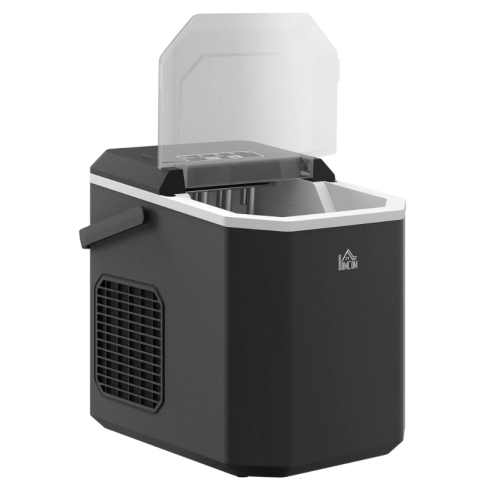
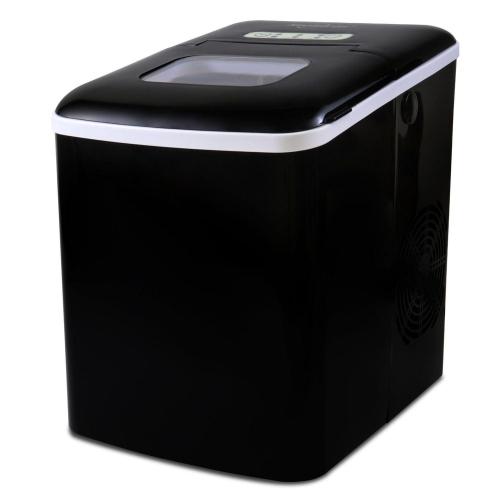
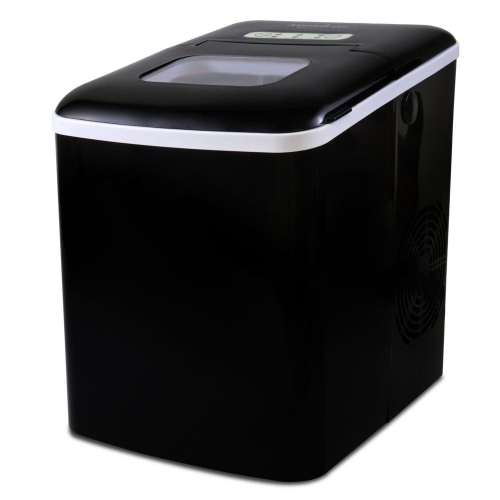
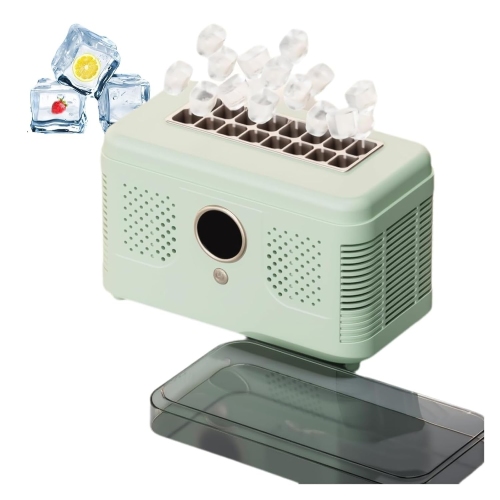
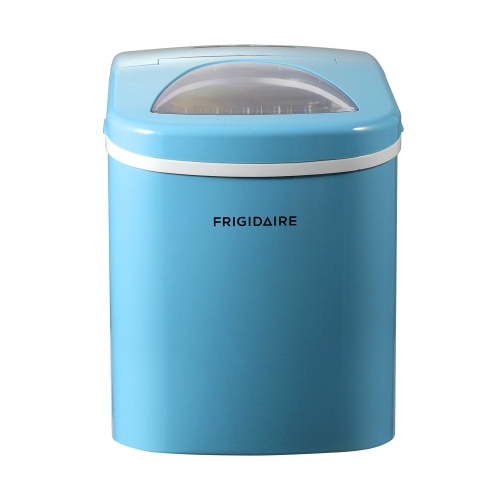
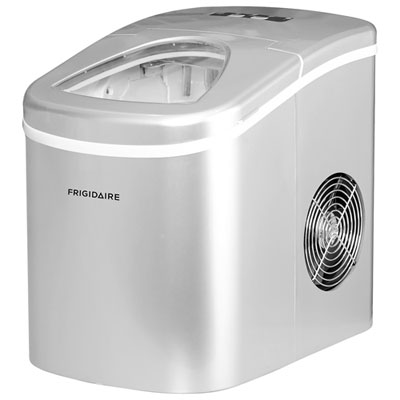
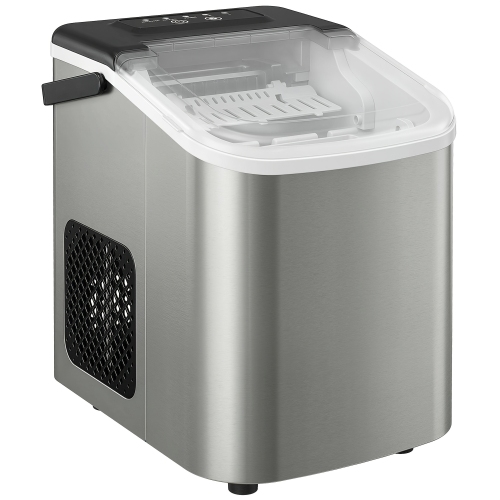
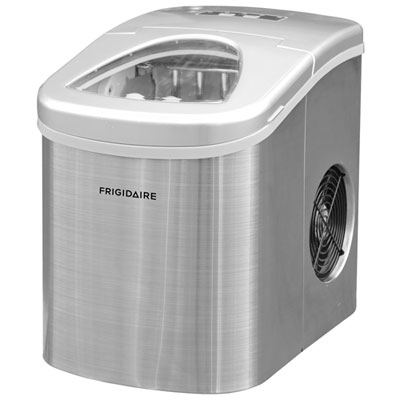
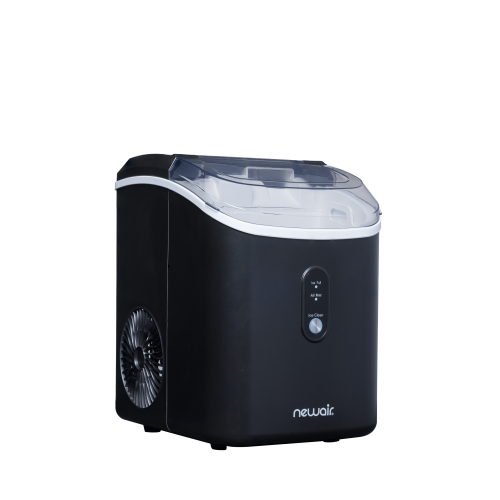
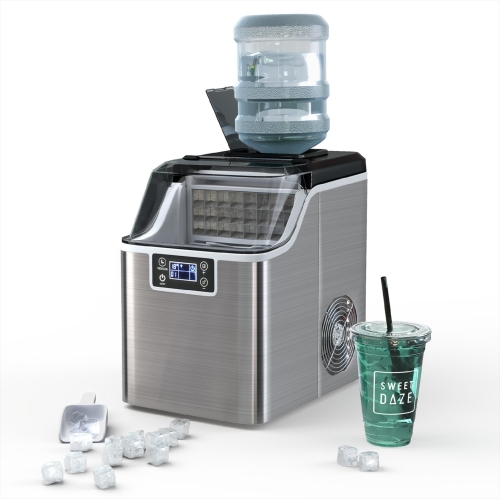
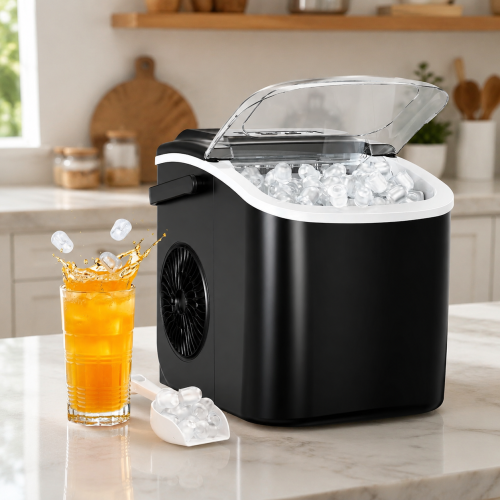
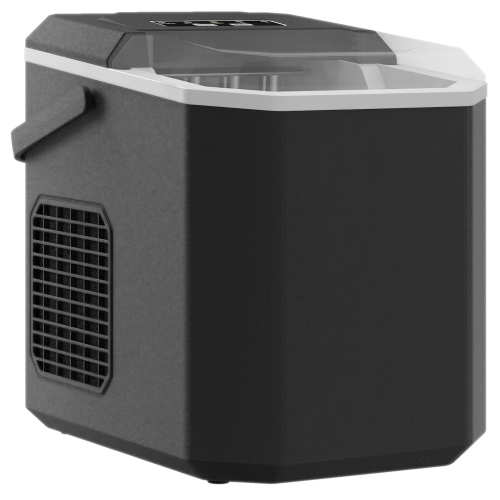
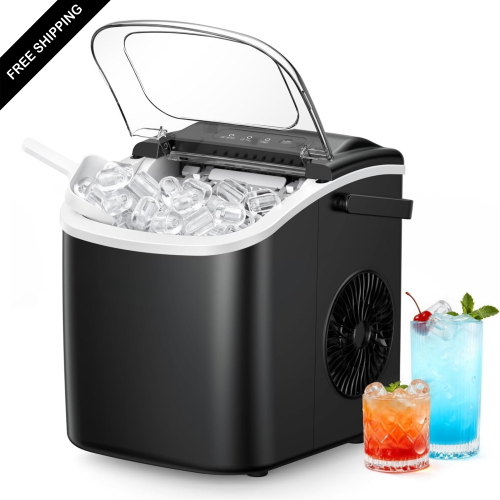
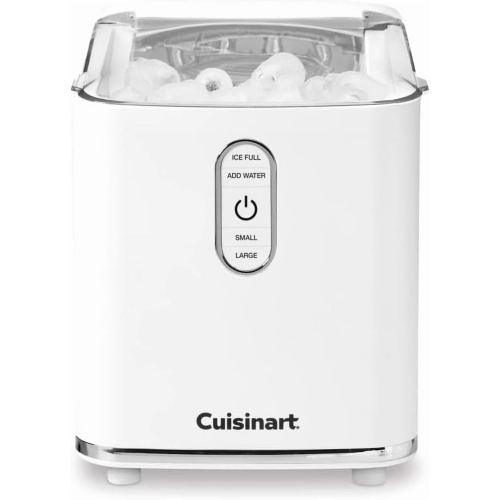

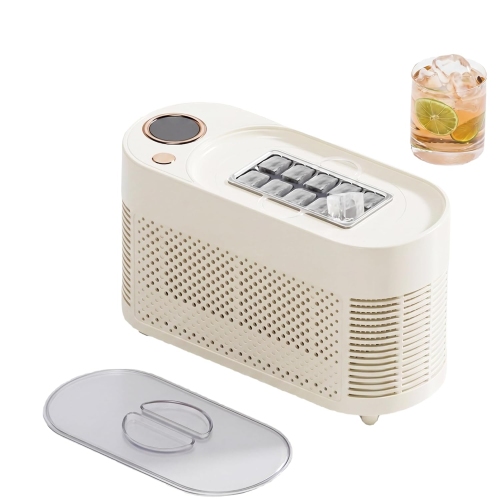
Fresh ice without freezer trays or plumbing changes
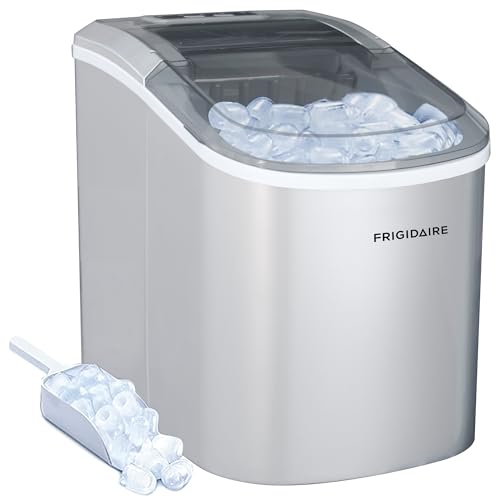
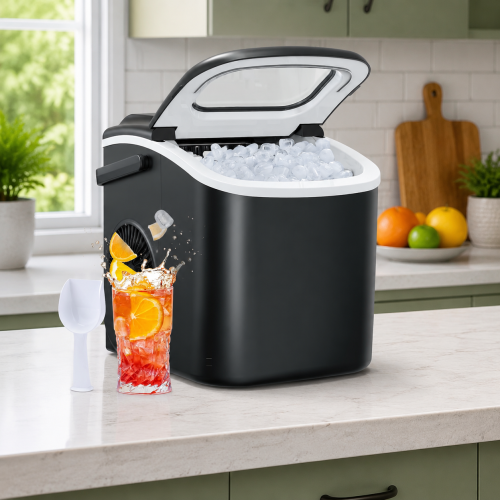
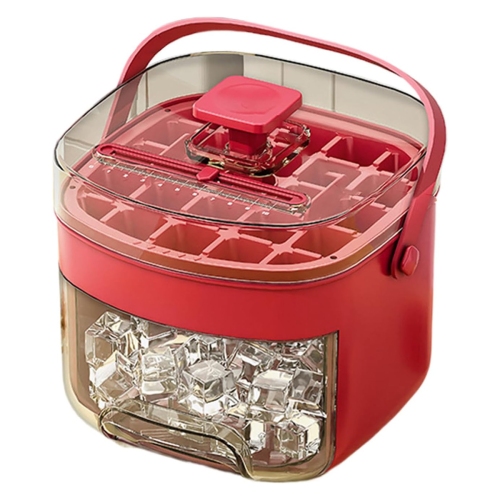
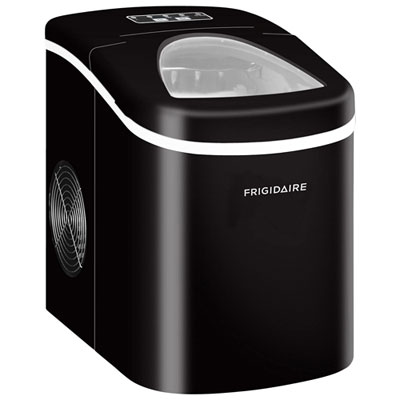
Home compact ice makers provide a convenient supply of ice without dedicating freezer space to trays or installing a built-in appliance. Most portable countertop designs have a reservoir that is filled by hand, making them suitable for kitchens without a refrigerator ice dispenser, rental homes where plumbing changes are impractical, and small entertaining spaces. Some compact models produce their first batch in approximately 6 to 15 minutes and have a stated output of around 26 pounds, or 11.8 kilograms, over 24 hours. Those figures describe different aspects of performance: a quick first batch may fill only a glass or two, while the daily rating assumes repeated ice-making cycles under specified test conditions. Actual output depends on the model, water temperature, room conditions, and how regularly the reservoir is refilled and the basket emptied. Ice shape also affects everyday enjoyment. Hollow, rounded bullet ice is common in portable machines and works well for iced coffee, sparkling water, and everyday cold drinks. Nugget ice has a softer, porous texture, while machines designed for solid cubes offer another option for serving drinks over ice. The available ice styles depend on the machine’s design; a choice of cube sizes does not necessarily mean a choice of shapes. For households comparing Countertop Ice Machines, basket capacity matters as much as production speed. A small household filling a few glasses has different needs from a host serving several drinks at once. Most compact ice makers are not freezers, so finished ice gradually melts in the collection basket. Many designs return that meltwater to the reservoir for another cycle. Transferring freshly made ice to a suitable freezer container helps build a reserve before guests arrive, although the pieces may freeze together and need separating before serving. This distinction makes a compact machine particularly useful for regular batches throughout the day rather than long-term frozen storage.
A compact footprint can make an ice maker easier to accommodate, but the space it needs extends beyond the dimensions of its base. Clearance around ventilation openings, room to lift the lid, and access to the basket all affect how comfortably it fits on a kitchen countertop. A position beneath an upper cabinet may look suitable until the lid is opened or the reservoir needs refilling. Weight also matters when the appliance will be moved between a cupboard and a work surface; portable describes the installation style, not necessarily a lightweight appliance, especially with water inside. A stable, level surface near an appropriate electrical outlet supports everyday use, while placement away from cooking appliances and direct sunlight helps avoid unnecessary heat exposure. Manufacturer requirements determine ventilation distances and electrical connections, and an indoor countertop machine should not be assumed suitable for outdoor use or travel simply because it has a carrying handle. Materials influence both appearance and upkeep. Stainless steel exterior panels can coordinate with other kitchen appliances, although some finishes show fingerprints more readily than others. Moulded plastic housings may be lighter and are often straightforward to wipe clean. Neither exterior material alone establishes durability; the quality of hinges, basket supports, handles, and controls also affects how the appliance stands up to regular handling. A removable basket and scoop make serving easier, while a viewing window lets someone check the ice level without repeatedly opening the lid. Water-level indicators and full-basket sensors can reduce the need for constant checking, though they do not replace routine attention. Sound is another practical consideration in an open-plan home: fans, pumps, and ice dropping into the basket can be noticeable beside a desk or television. A kitchen location may be less distracting than a nearby home office. Reservoir access and drain placement are equally relevant, since a machine that is awkward to empty may be less convenient to maintain.
Regular cleaning helps keep a home ice maker pleasant to use and supports reliable operation. Water sits in the reservoir and passes through internal components, so care involves more than wiping the outside. Removable baskets and scoops allow accessible surfaces to be washed separately, but dishwasher suitability varies and should never be assumed. A self-cleaning function can circulate water or an approved cleaning solution through parts of the machine; it does not necessarily remove every deposit or replace cleaning the reservoir, lid, basket, and scoop as directed. Mineral buildup can develop with repeated use, particularly where the water supply has a higher mineral content, making the specified descaling method important. Fresh potable water and compatible cleaning products help protect the appliance and the taste of the ice. Filtered water may improve flavour where permitted by the manufacturer, but it does not remove the need for cleaning, and not every machine is designed for distilled water. Accessible drain plugs make it easier to empty leftover water before storage, while drying the interior helps prevent lingering moisture and odours. Ice also deserves the same care as other food: a clean scoop is preferable to reaching into the basket by hand, and freezer storage containers should be clean, covered, and suitable for food contact. These everyday details help match the appliance to its intended household. Someone who makes iced coffee each morning may value simple controls and a modest footprint, while a household that frequently fills reusable drink bottles may place greater importance on output and easy refilling. For casual gatherings, ice can be made ahead while the machine continues supplying small batches during serving. As a housewarming or wedding gift, a compact ice maker can suit someone who regularly entertains or enjoys preparing drinks at home, provided there is space to use and store it. The most useful choice balances the preferred ice texture, realistic serving needs, countertop fit, and a care routine that feels manageable between uses.
Top selling and popular products
-
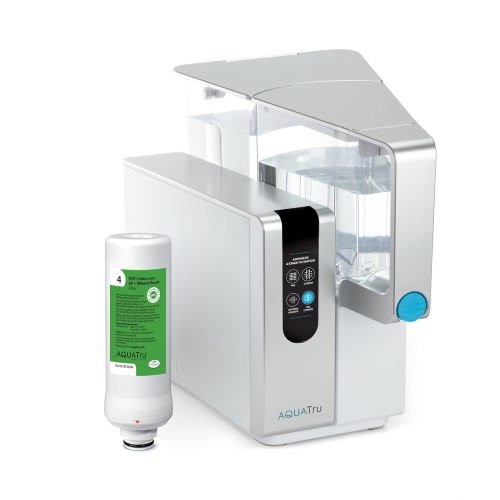 Your price for this item is $684.88
-
 Your price for this item is $744.71
-
 Your price for this item is $515.91
-
 Your price for this item is $325
-
 Your price for this item is $543.42
-
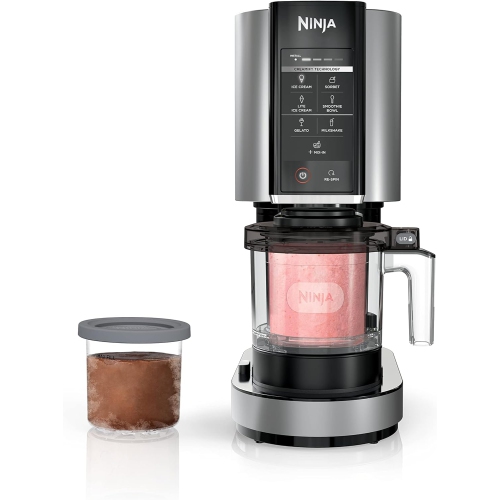 Your price for this item is $299
-
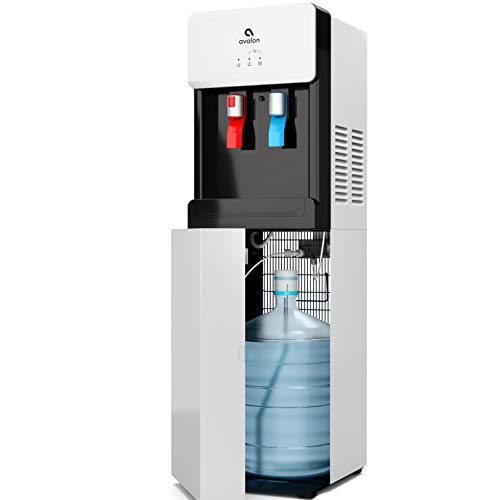 Your price for this item is $620
-
 Your price for this item is $499.99
Discover more categories related to Home Compact Ice Makers
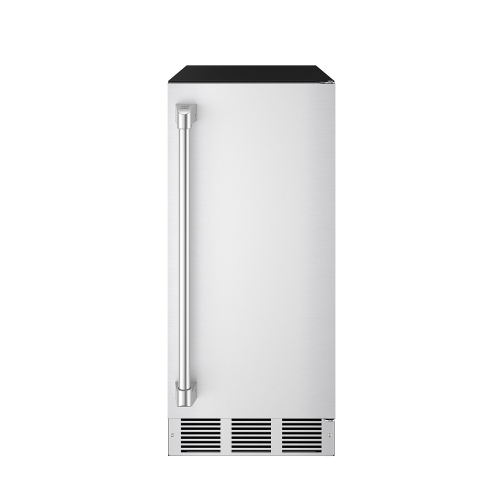
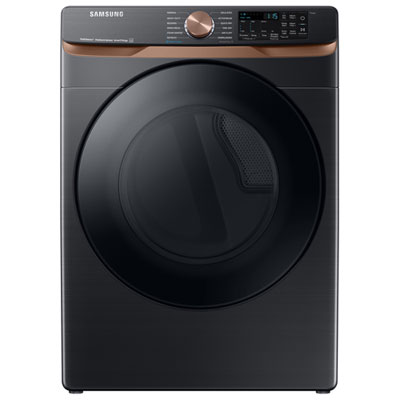
Top Collections:
Best Black Friday Deals This Year, Best Black Friday Deals On Electronics, Kindle Devices, Pokemon Centers, Best Black Friday Deals On Apple Products, Best Cameras for Sports Photography, Dyson Airwrap, Pokémon 30th Celebration Cards, Apple iPhone 17 Pro, Canon G7X Cameras
Some products may be subject to Environmental Handling Fees
(EHF) depending on your province.
Learn more about EHFs.