Honeywell Air Purifiers Filters
Honeywell Air Purifiers Filters help maintain the performance and efficiency of your air purifier, ensuring cleaner air in your home or office. Designed for easy installation and reliable compatibility, these filters are a practical solution for keeping your indoor environment fresh. Explore a variety of Honeywell Air Purifiers Filters to find the right fit for your specific model and enjoy peace of mind knowing your air purifier is operating at its best.
Sort
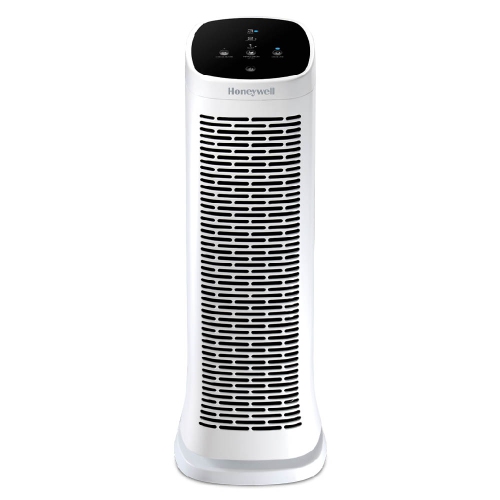
Why filter type and fit matter for your purifier
Replacement air purifier filters help an air purifier continue doing the job it was designed for: drawing in room air, trapping certain airborne particles, and returning filtered air to the space. Different filter layers perform different tasks, so the right replacement depends on both the purifier and the type of filtration it uses. A True HEPA filter rated at 99.97% efficiency captures at least 99.97% of particles measuring 0.3 microns as air passes through its media under specified test conditions. These filters can capture particles such as dust, pollen, pet dander, mould spores, and fine smoke particles, although filter efficiency is not a promise that the same percentage of particles will be removed from an entire room. Actual performance also depends on airflow, room size, placement, and how long the purifier operates. HEPA media typically consists of a dense network of fine fibres folded into pleats, creating a large filtering surface within a compact frame. A pre-filter sits earlier in the airflow path and catches larger debris, including lint, hair, and visible dust, before it reaches the finer filtration layer. Some pre-filters incorporate activated carbon, a porous material that can adsorb certain odour-causing substances. That can be useful in a home where cooking smells drift into an adjoining living room or a pet spends much of the day near a favourite chair. Carbon filtration and particle filtration serve different purposes; one does not automatically replace the other. Neither should be treated as a substitute for ventilation, cleaning, or addressing the source of smoke, dampness, or persistent odours. For bedrooms, home offices, and shared living spaces, understanding these filter roles makes it easier to choose replacements that preserve the purifier’s intended filtration setup rather than simply choosing a filter that looks similar. It also helps explain why a unit may need more than one replacement component, even when those components sit together behind the same access panel.
Compatibility is the most important starting point when choosing replacement filters. The model number printed on the purifier’s rating label, usually on the back or underside, is more reliable than its appearance or approximate size. Similar-looking units can use different filter shapes, thicknesses, attachment points, or quantities. A filter family name or letter code can help narrow the choice, but it should still be checked against the manufacturer’s compatibility information for the complete purifier model. When comparing Honeywell HEPA Filters, use that model information to confirm the required filter type and the number needed for a full replacement. Some purifiers use a single filter assembly, while others hold several separate HEPA filters alongside a larger pre-filter. A package containing multiple filters may therefore represent one complete change for a particular unit rather than several future changes. Dimensions are useful as a secondary check, especially when comparing rectangular panels, cylindrical filters, or carbon sheets, but measurements alone do not establish compatibility. The frame and any fitted gasket need to sit correctly so that air follows the intended route through the filtering media. Gaps, a bowed frame, or a cover that will not close properly are reasons to recheck the fit rather than force the filter into place. Installation details matter, too: airflow arrows, pull tabs, and the order of the filter layers should follow the purifier’s instructions. Remove any protective wrapping before operation, and keep pleated surfaces free from tears or crushing while handling them. Cut-to-fit carbon material should only be trimmed when the purifier and replacement material are designed for that approach; a rigid HEPA filter should not be cut or reshaped. For anyone maintaining more than one purifier at home, keeping a record of each model and its matching filter requirements can prevent mix-ups between rooms. This is especially useful when a bedroom unit and a larger living-room unit have similar controls but use different internal parts.
Filter life depends on the purifier’s design, the replacement material, operating time, and the amount of airborne debris moving through the unit. Some carbon pre-filters have a suggested replacement interval of about three months, while some True HEPA filters are intended to last up to twelve months under the manufacturer’s stated conditions. These are not universal schedules. A purifier running for long periods in a home with shedding pets may load its filters differently from one used occasionally in a lightly occupied room. Follow the model-specific maintenance schedule and check the filters as directed rather than relying on a general timeline alone. A replacement indicator may track operating time instead of directly measuring the remaining capacity of the filter, so it should be read alongside the instructions and any visible signs of wear or loading. Reduced airflow or a persistent odour can have several causes, including a dirty pre-filter or blocked intake, and deserves a check of the whole airflow path. Care also depends on the material. Many disposable HEPA and carbon filters must not be washed: water can damage the fibre structure, affect the frame, or interfere with the carbon layer. A permanent or washable component should only be rinsed, vacuumed, or otherwise cleaned if the manufacturer explicitly permits that method, and it must be fully dry before being reinstalled. Before opening the purifier, switch it off and unplug it. Lift out used filters gently to limit the release of collected dust, place them directly into a bag, and clean the accessible housing as instructed without pushing debris into the motor area. Install the replacements in the correct order and reset the filter indicator if required. Store unused replacements in their protective packaging in a clean, dry location, away from moisture and anything that could crush the pleats. Keeping the right replacement details handy makes routine maintenance straightforward, whether the purifier serves a quiet sleeping space, a busy family room, or a home shared with pets.
Top selling and popular products
-
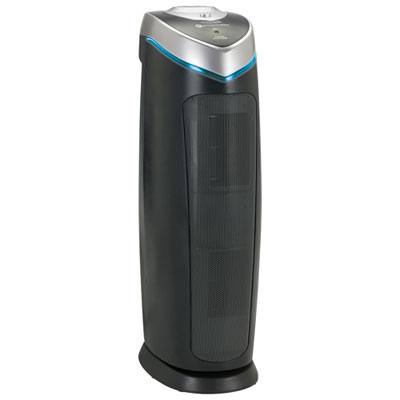 Your price for this item is $139.99
-
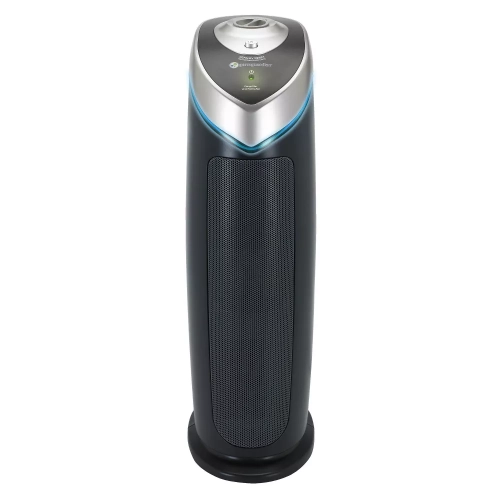 Your price for this item is $296.99
-
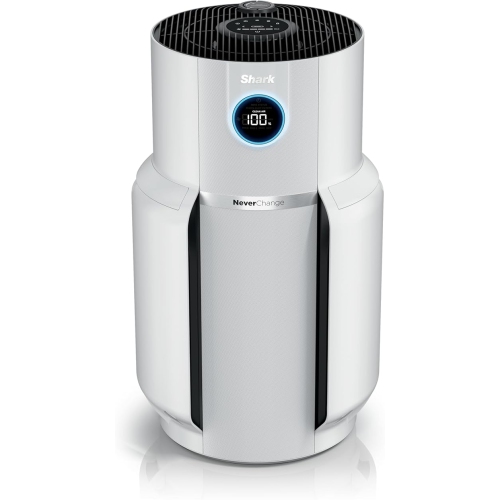 Your price for this item is $359.99
-
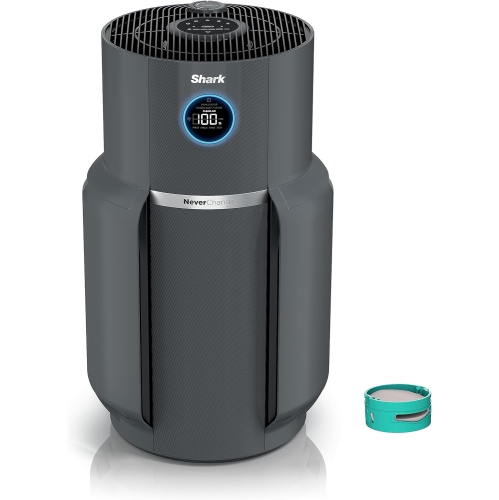 Your price for this item is $999.99
-
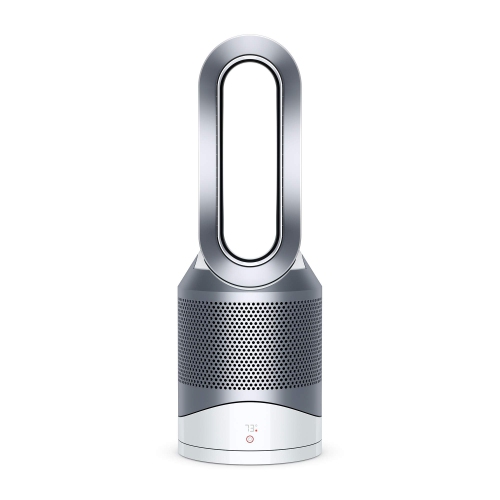 Your price for this item is $729.99
-
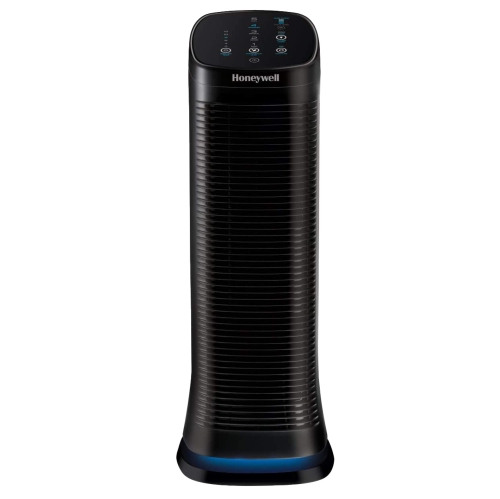 Your price for this item is $534.99
-
 Your price for this item is $659.99
-
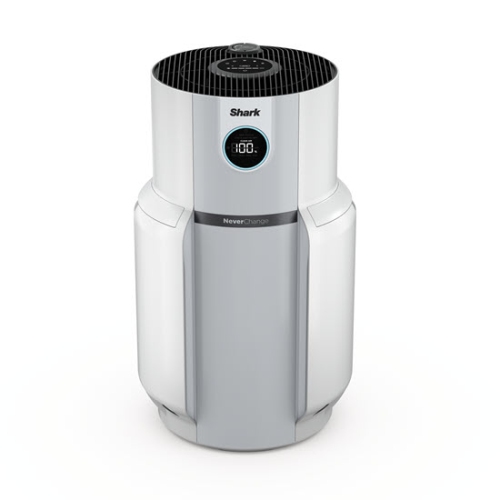 Your price for this item is $229.95
Discover more categories related to Honeywell Air Purifiers Filters
Top Collections:
Pokemon Centers, Best Black Friday Deals This Year, Best Black Friday Deals On Electronics, Kindle Devices, Best Budget Office Chairs, Best Black Friday Deals On Apple Products, Best Cameras for Sports Photography, Pokémon 30th Celebration Cards, Dyson Airwrap, Canon G7X Cameras
Some products may be subject to Environmental Handling Fees
(EHF) depending on your province.
Learn more about EHFs.