Honeywell HEPA Filters
Discover a wide selection of Honeywell HEPA Filter options designed to help keep your indoor air fresh and clean. Whether you're looking to upgrade your current air purifier or need a replacement filter, you'll find a variety of choices to fit your needs. Browse models that are compatible with different room sizes and purifiers, making it easy to maintain optimal air quality in your home or office. Shop for the right Honeywell HEPA Filter to support a comfortable environment for you and your family.
Sort



What HEPA captures and why filter fit matters
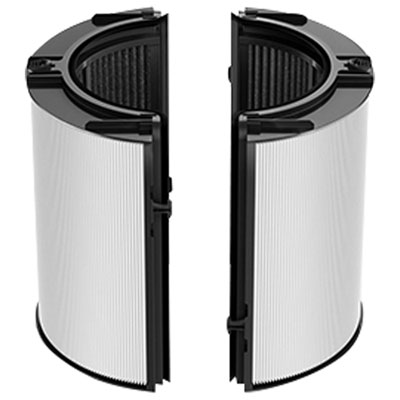
HEPA replacement filters are made to trap fine airborne particles as air moves through a compatible purifier. HEPA stands for high-efficiency particulate air, and a true HEPA filter is rated to capture at least 99.97% of particles measuring 0.3 microns under standard test conditions. That rating applies to the air that passes through the filter, not to all the air in a room. Household dust, pollen, pet dander and fine particles from smoke, including wildfire smoke, are examples of what this type of filter can capture. Most HEPA filters use a dense mat of fine fibres folded into pleats. The folds give the air more filter surface to pass through without making the cartridge much larger, while a rigid frame helps the filter hold its shape and sit snugly in the purifier. Some purifiers also use a pre-filter to catch larger debris such as lint and pet hair before it reaches the pleats. An activated carbon layer, if the purifier uses one, serves a different purpose: it can help reduce certain odours and gases. A HEPA filter on its own does not remove gases, even when it captures the fine particles in smoke. That distinction is useful in a living room where a dog naps on the rug: the purifier can pick up some of the dander stirred into the air when the dog gets up, but it won’t lift hair from the rug or replace vacuuming. The size of the room and the amount of air the purifier moves also matter. A freshly fitted filter can do its job only when air can get to it, so it helps to leave the intake and outlet clear of furniture, curtains and other obstructions.
For the right fit, start with the full model number on the purifier’s rating label and check it against the filter compatibility list or the manual. The name printed on the front of the purifier may identify a whole series, so look for any letters or numbers at the end of the model code as well. If the manual specifies a filter letter or code, use it alongside the model number rather than judging by shape alone. Two rectangular cartridges can look nearly identical on a desktop, yet a small difference in depth or frame shape can leave a gap for air to slip past the filter. The Honeywell Purifier Filters page is a place to compare filter types and pack sizes once those details are in hand. Check how many cartridges the purifier uses at once, too. Two filters in a pack may cover two changes in a purifier with one slot, but only one change in a unit with two slots. If the purifier uses a separate pre-filter, confirm whether it is included or replaced on its own schedule. During installation, switch off and unplug the purifier, remove any protective wrapping from the replacement and check for an airflow arrow or a marked side before sliding it into place. The frame should sit evenly without bending, and the cover should close without force. If a cartridge rocks in its slot or the cover won’t latch, check the orientation and fit rather than pressing harder. A spare filter can make a practical gift for someone who already uses a purifier in a bedroom, home office or shared living space, provided the full model number can be confirmed first. The filter letter and number of cartridges needed for one change are worth noting alongside that number, especially in a household with more than one purifier.
Filter life depends on how often the purifier runs and how much material it collects. Some models call for a HEPA replacement about once a year, but the manual for the purifier is the best place to check the interval for that filter. A unit running daily near a pet bed or in a room that collects a lot of dust may need attention sooner than one used occasionally in a guest room. Check the pre-filter separately: a layer of fuzz on the intake side can restrict airflow even when the HEPA filter is not due for replacement. If airflow at the outlet feels weaker at the usual fan setting, start by checking for a blocked grille or loaded pre-filter, then check the condition of the main filter and how long it has been in use. A filter light can be a useful reminder, but on some purifiers it tracks run time rather than measuring how much dust the filter holds. Follow the manual for when to reset it after a change. Most disposable HEPA cartridges are not designed to be rinsed or scrubbed; water can damage the pleated material, and brushing can tear it or push debris deeper into the folds. Clean a washable pre-filter only as directed and let it dry fully before putting it back. When taking out a used cartridge, lift it by the frame and avoid tapping it against the bin, which can send collected dust back into the room. Keep unused replacements in their original wrapping in a dry spot where the frames won’t be crushed. A filter with intact pleats and a straight frame is easier to seat properly, and jotting down the installation date makes it easier to tell how long it has been doing the work.
Top selling and popular products
-
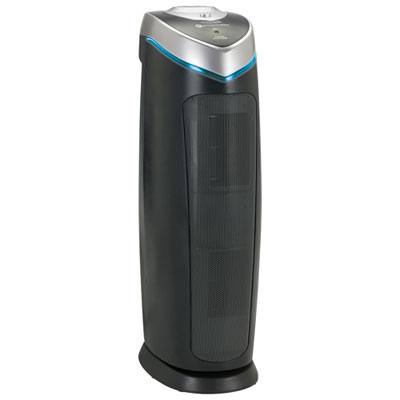 Your price for this item is $139.99
-
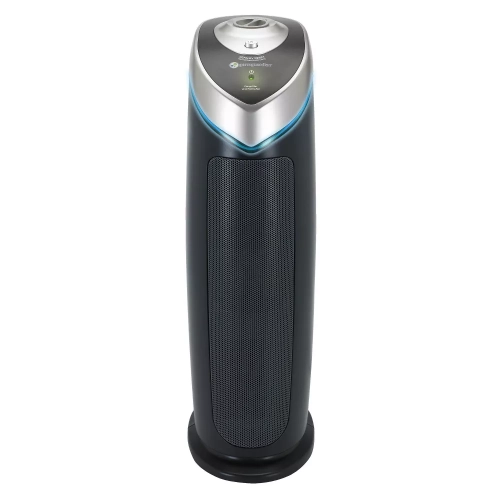 Your price for this item is $296.99
-
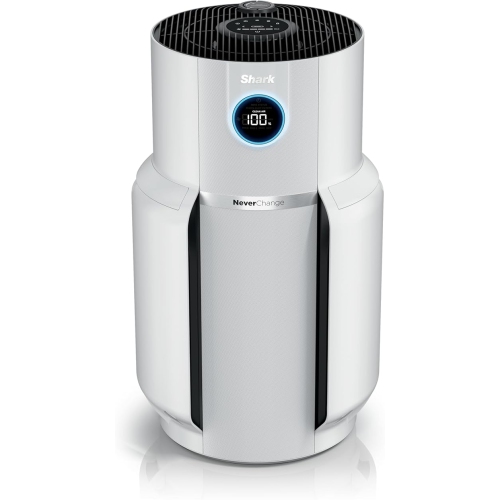 Your price for this item is $359.99
-
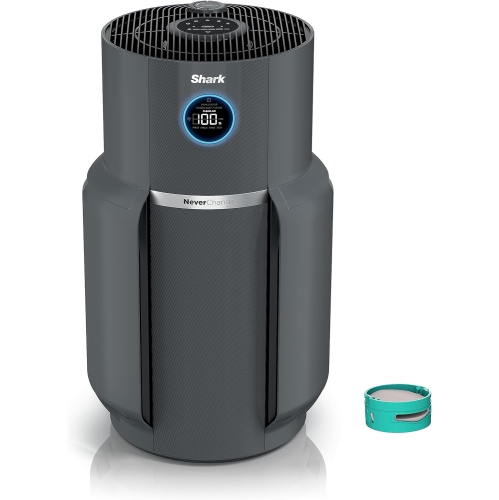 Your price for this item is $999.99
-
 Your price for this item is $729.99
-
 Your price for this item is $534.99
-
 Your price for this item is $659.99
-
 Your price for this item is $224.99
Discover more categories related to Honeywell HEPA Filters
Top Collections:
Best Black Friday Deals This Year, Best Black Friday Deals On Electronics, Kindle Devices, Pokemon Centers, Best Black Friday Deals On Apple Products, Best Cameras for Sports Photography, Dyson Airwrap, Pokémon 30th Celebration Cards, Apple iPhone 17 Pro, Canon G7X Cameras
Some products may be subject to Environmental Handling Fees
(EHF) depending on your province.
Learn more about EHFs.