Hot And Cold Packs
Whether you're nursing a sore muscle or seeking relief from a headache, hot and cold packs are versatile solutions to help alleviate discomfort and promote relaxation. These handy packs offer the convenience of targeted therapy, allowing you to apply heat or cold precisely where you need it most. From compact gel packs perfect for on-the-go use to larger options suitable for home use, there's a variety of choices available to suit your needs. Explore our selection of hot and cold packs to find the perfect remedy for your aches and pains.
Sort

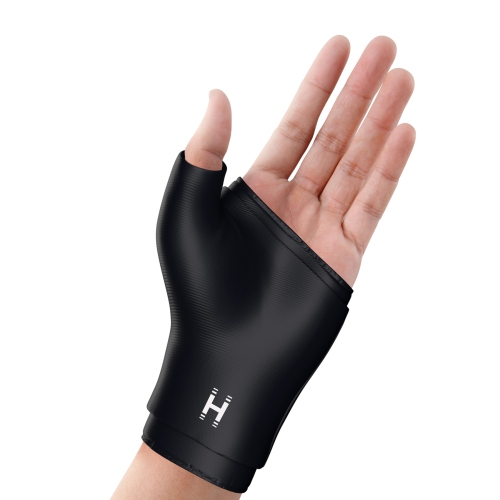
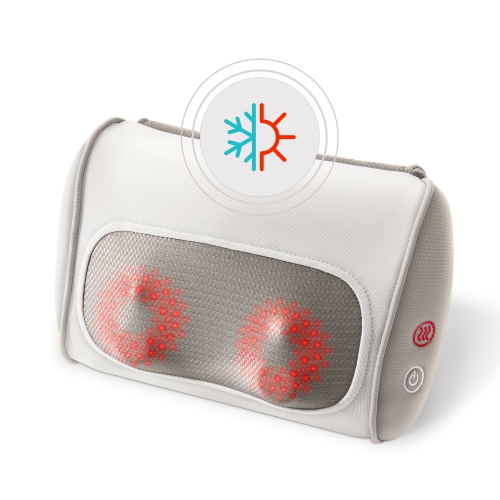
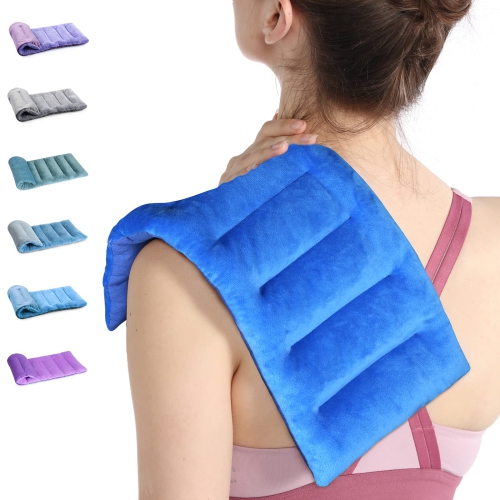
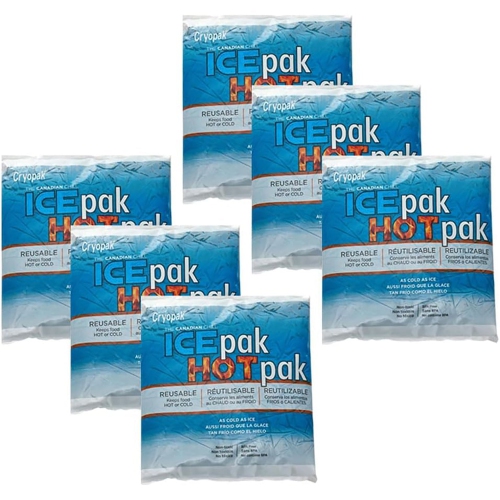


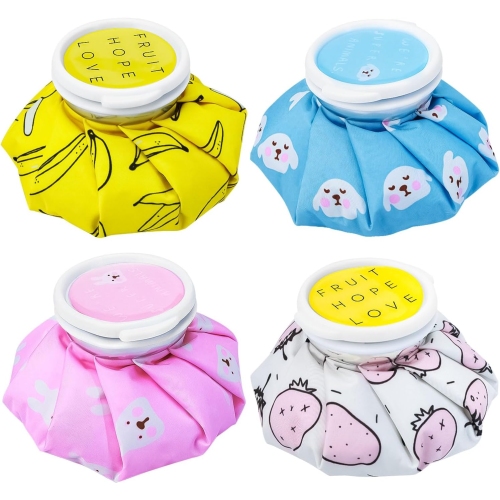
Practical guidance for comfort, recovery, and safe application
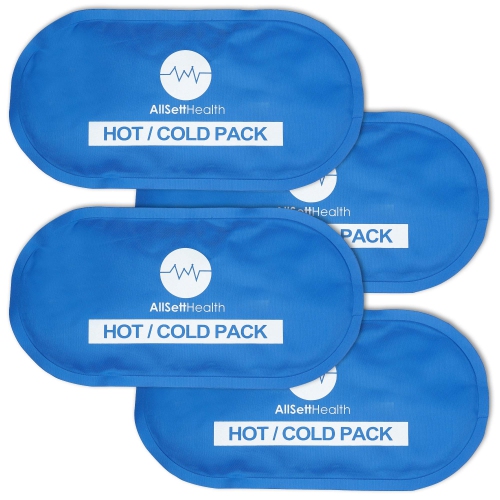
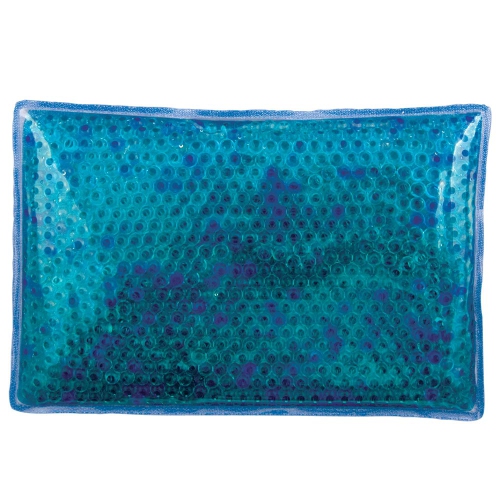
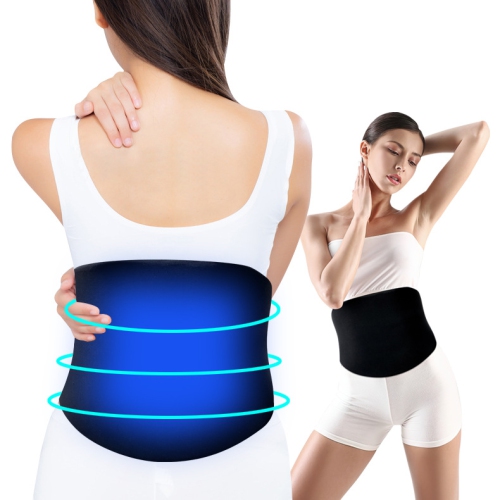
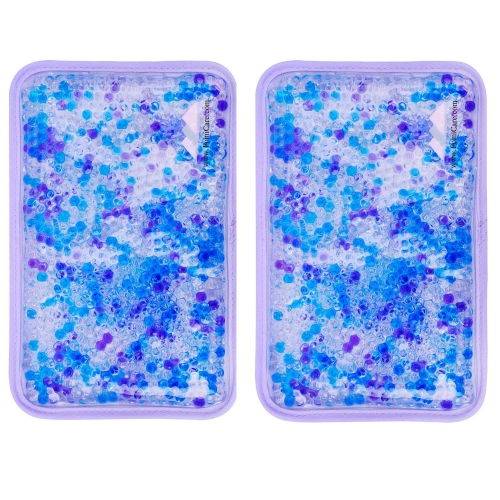
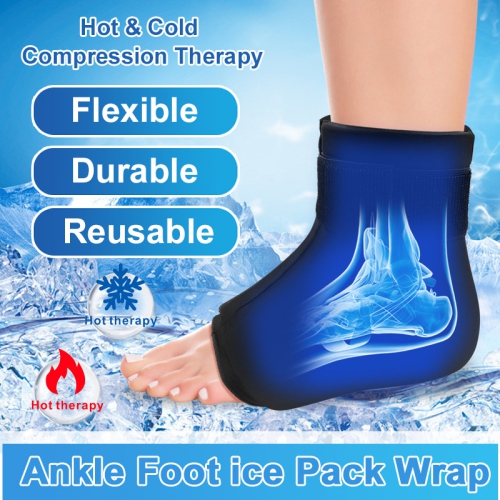
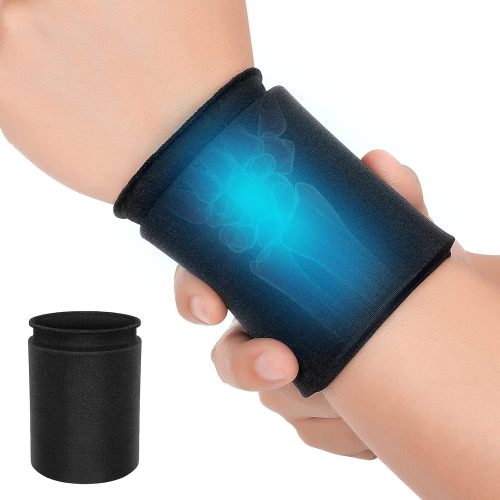
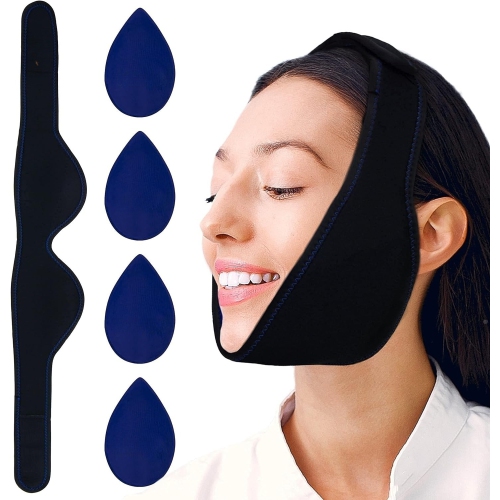
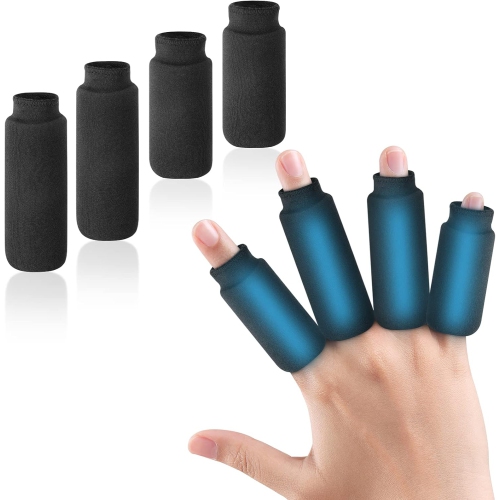
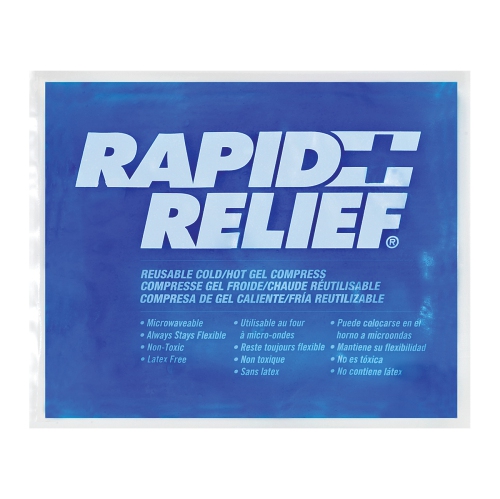
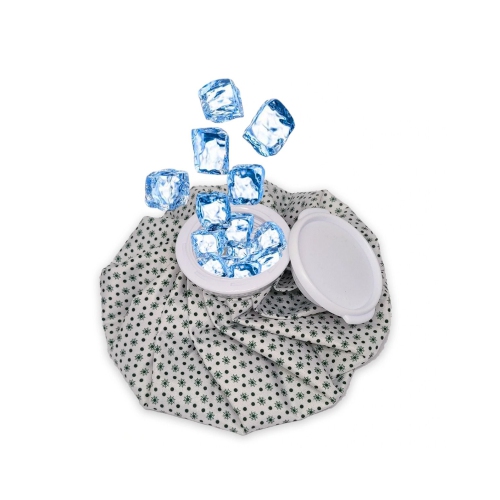
Hot and cold packs are versatile comfort and recovery tools for home, work, travel, sports bags, and bedside drawers. Many reusable designs can be chilled in a freezer for cold therapy or warmed in a microwave or hot water for heat therapy, making one pack useful for different needs. Cold therapy is commonly chosen after a recent bump, sprain, strain, bruise, or other minor injury when swelling, tenderness, or a warm sensation is present. Cooling can temporarily numb discomfort and narrow blood vessels near the application area, which may help reduce local blood flow and swelling. Heat therapy is often preferred for tight muscles, everyday stiffness, joint discomfort, or older aches that feel better with warmth. Gentle heat can relax tense tissues, increase local circulation, and make movement feel more comfortable. These products can be especially useful for active adults, people who spend long hours at a desk, travellers, gardeners, caregivers, and anyone who appreciates simple at-home comfort after a busy day. They can also make practical gifts for students moving into a residence, runners and recreational athletes, new homeowners building a first-aid drawer, or family members who enjoy keeping useful wellness essentials close at hand. For more options suited to cooling applications, browse Reusable Cold Packs and compare formats that fit your routine.
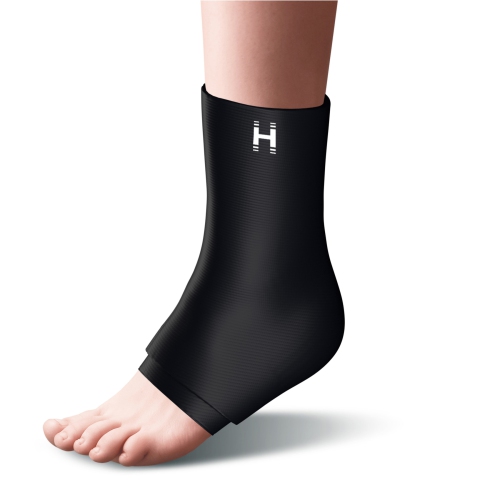
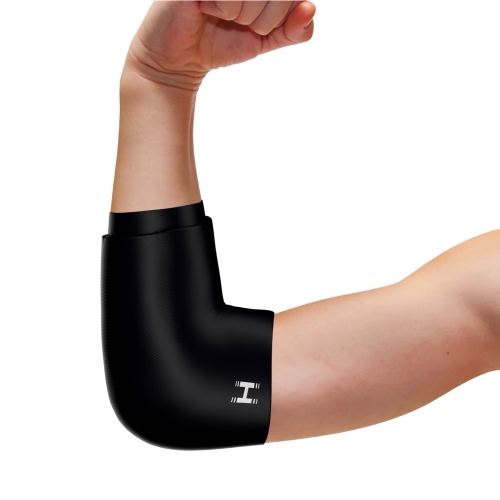
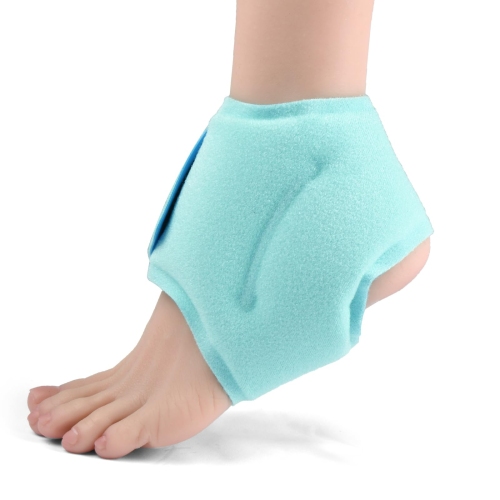
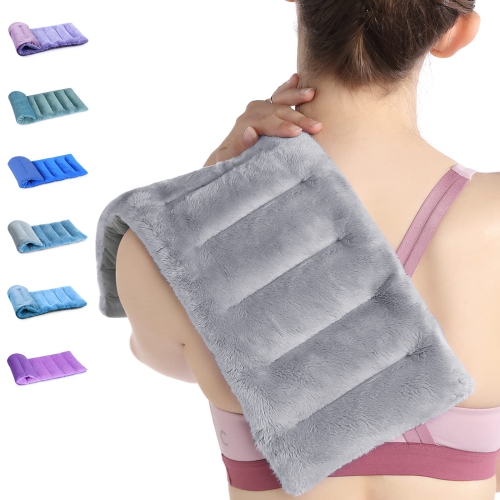
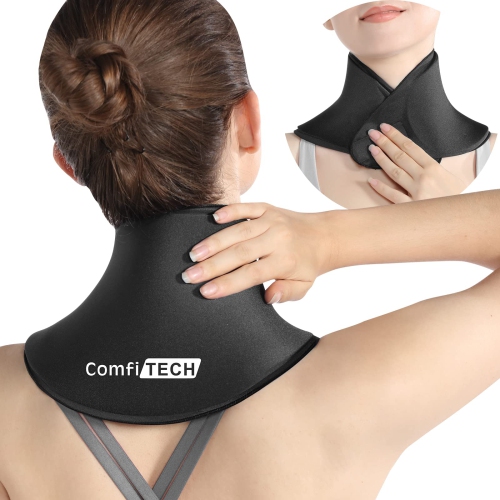
When choosing a hot and cold pack, consider how you expect to use it and where it will be stored. A flexible pack can conform more comfortably around a knee, shoulder, lower back, ankle, or wrist, while a larger style may cover broad muscle groups. Look for a size that provides useful coverage without becoming awkward to carry or difficult to position. Packs with a soft outer cover can feel more comfortable against clothing or a protective towel, while a separate washable cover may make repeated use easier. Weight matters as well: a pack that stays in place without much pressure can be convenient for resting, reading, or working at a desk, whereas a lighter design may be preferable for travel. Check the heating and cooling instructions before buying, since some packs are designed for microwave use, some for hot-water warming, and others for chilling only. Follow the manufacturer’s directions for heating time, temperature, freezer placement, and cleaning. Never heat a pack longer than recommended, and allow it to settle briefly before use so warmth is distributed evenly. For cold use, give the pack enough time to chill, but avoid placing it directly against bare skin. A compact pack is easy to keep in a gym bag or lunch cooler, while a larger home pack may be more useful after household tasks or exercise. Reusable construction can also reduce the need to replace a disposable option after every application, helping make regular routines simpler and less wasteful without taking up much storage space.
Safe application is an important part of using any hot or cold pack. Place a thin towel, cloth cover, or layer of clothing between the pack and bare skin; direct contact can cause irritation, cold injury, or burns. Test a heated pack with a light touch before applying it, and use only a comfortably warm temperature rather than intense heat. Cold packs should feel cool and soothing, not painfully icy. A common approach is to apply heat or cold for about 15 to 20 minutes at a time, then remove the pack and allow the skin to return to its usual temperature before repeating. Check the skin during and after use, and stop if you notice unusual redness, pale or blotchy skin, numbness, tingling, burning, increased pain, or other concerning changes. Do not sleep with a heated or chilled pack in place, and take extra care with children, older adults, or anyone with reduced sensation or difficulty communicating discomfort. People with circulation problems, diabetes, nerve damage, or certain medical conditions should ask a healthcare professional before using therapeutic heat or cold. Seek medical attention for severe pain, major swelling, deformity, loss of function, significant bruising, an open wound, or symptoms that do not improve. A hot and cold pack is intended to provide temporary comfort and support a care routine, not to replace professional assessment when an injury or ongoing pain needs attention.
When choosing a hot and cold pack, consider how you expect to use it and where it will be stored. A flexible pack can conform more comfortably around a knee, shoulder, lower back, ankle, or wrist, while a larger style may cover broad muscle groups. Look for a size that provides useful coverage without becoming awkward to carry or difficult to position. Packs with a soft outer cover can feel more comfortable against clothing or a protective towel, while a separate washable cover may make repeated use easier. Weight matters as well: a pack that stays in place without much pressure can be convenient for resting, reading, or working at a desk, whereas a lighter design may be preferable for travel. Check the heating and cooling instructions before buying, since some packs are designed for microwave use, some for hot-water warming, and others for chilling only. Follow the manufacturer’s directions for heating time, temperature, freezer placement, and cleaning. Never heat a pack longer than recommended, and allow it to settle briefly before use so warmth is distributed evenly. For cold use, give the pack enough time to chill, but avoid placing it directly against bare skin. A compact pack is easy to keep in a gym bag or lunch cooler, while a larger home pack may be more useful after household tasks or exercise. Reusable construction can also reduce the need to replace a disposable option after every application, helping make regular routines simpler and less wasteful without taking up much storage space.
Safe application is an important part of using any hot or cold pack. Place a thin towel, cloth cover, or layer of clothing between the pack and bare skin; direct contact can cause irritation, cold injury, or burns. Test a heated pack with a light touch before applying it, and use only a comfortably warm temperature rather than intense heat. Cold packs should feel cool and soothing, not painfully icy. A common approach is to apply heat or cold for about 15 to 20 minutes at a time, then remove the pack and allow the skin to return to its usual temperature before repeating. Check the skin during and after use, and stop if you notice unusual redness, pale or blotchy skin, numbness, tingling, burning, increased pain, or other concerning changes. Do not sleep with a heated or chilled pack in place, and take extra care with children, older adults, or anyone with reduced sensation or difficulty communicating discomfort. People with circulation problems, diabetes, nerve damage, or certain medical conditions should ask a healthcare professional before using therapeutic heat or cold. Seek medical attention for severe pain, major swelling, deformity, loss of function, significant bruising, an open wound, or symptoms that do not improve. A hot and cold pack is intended to provide temporary comfort and support a care routine, not to replace professional assessment when an injury or ongoing pain needs attention.
Top selling and popular products
-
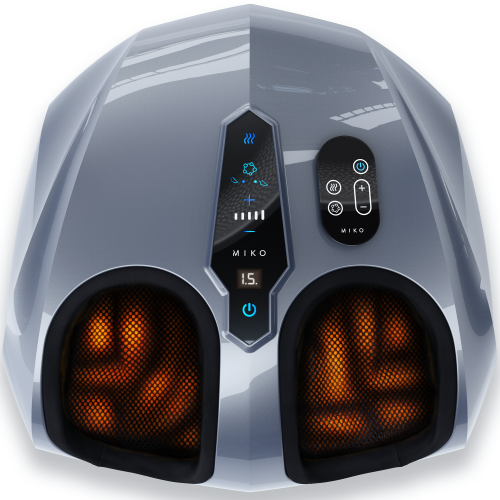 Your price for this item is $399.99
 -
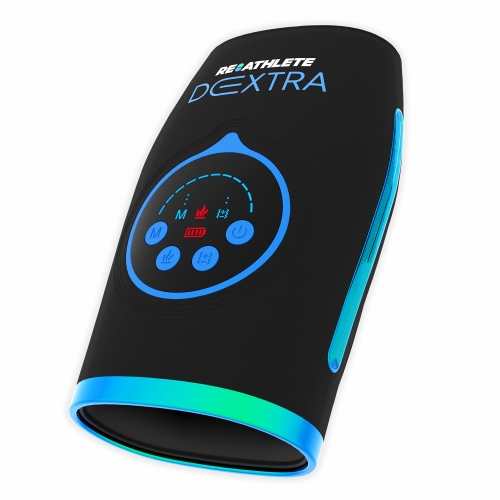 Your price for this item is $109.99
 -
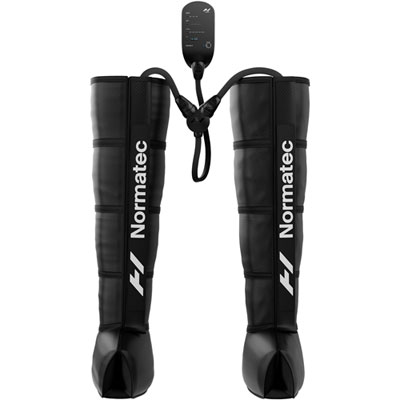 Your price for this item is $1149.99
 -
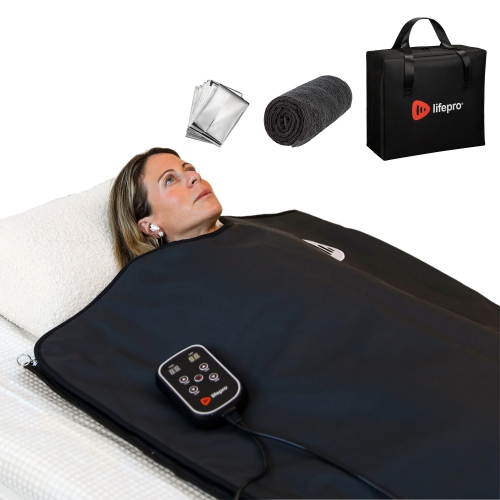 Your price for this item is $549.99
 -
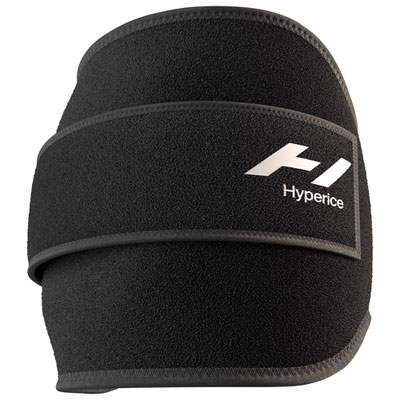 Your price for this item is $349.99
 -
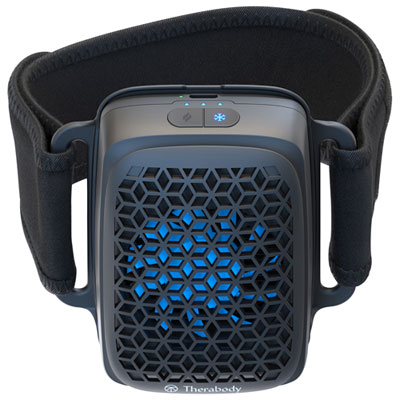 Your price for this item is $199.99
 -
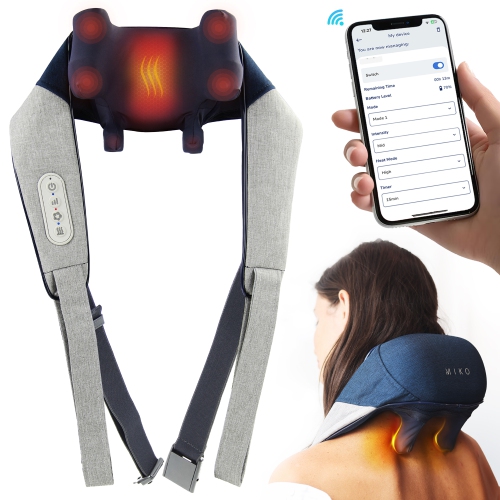 Your price for this item is $299.99
 -
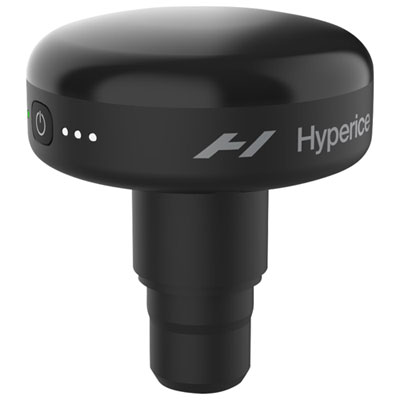 Your price for this item is $77.97
Discover more categories related to Hot And Cold Packs
Top Collections:
Pokemon Centers, Kindle Devices, Best Budget Office Chairs, Apple iPhones 16, Canon G7X Cameras, iPhone 15 Apple, Alarm Clock, Refurbished Apple Laptops, Flip Phones, Best Laptops for Writers
Some products may be subject to Environmental Handling Fees
(EHF) depending on your province.
Learn more about EHFs.