Hot Cold Therapy Device
Discover effective solutions for soothing aches and managing discomfort with a hot cold therapy device. Whether you're recovering from a workout, dealing with everyday soreness, or looking for convenient at-home relief, these versatile devices offer targeted support for your needs. Explore a selection of hot cold therapy devices designed to fit seamlessly into your daily routine, making comfort and care more accessible than ever. Find the right option to help you feel your best every day.
Sort

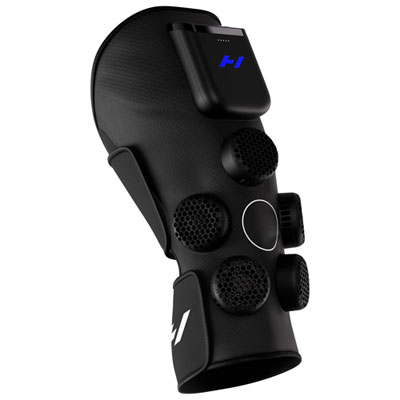
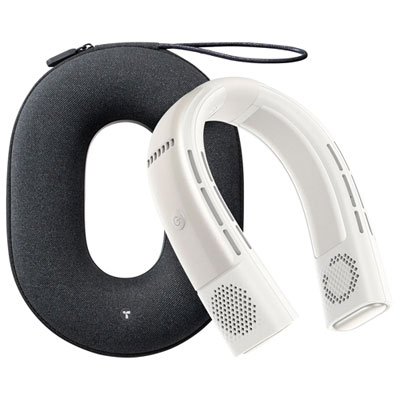
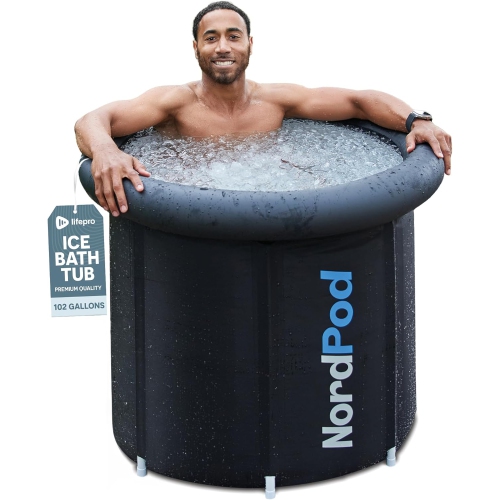
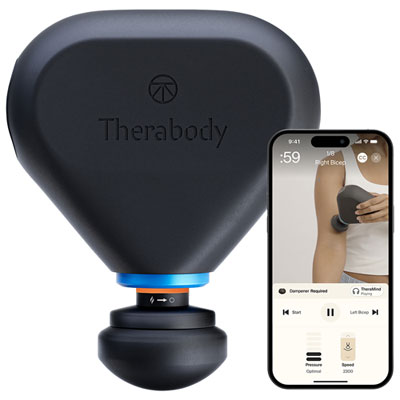
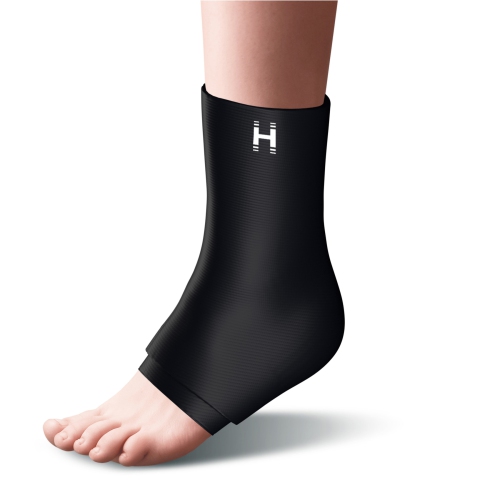
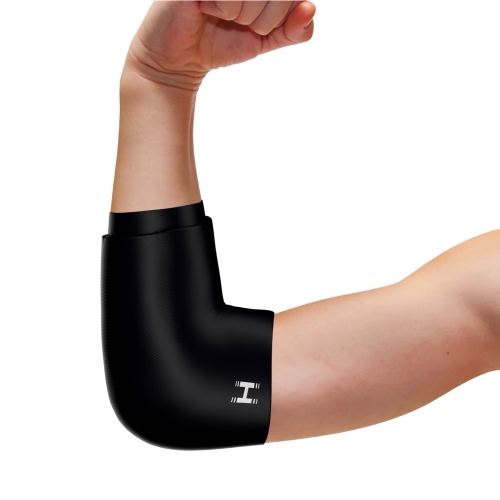
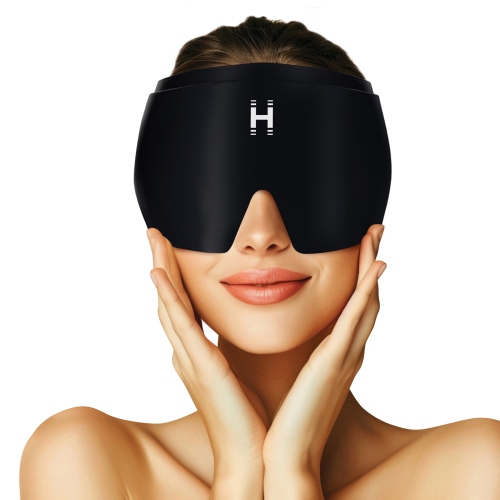
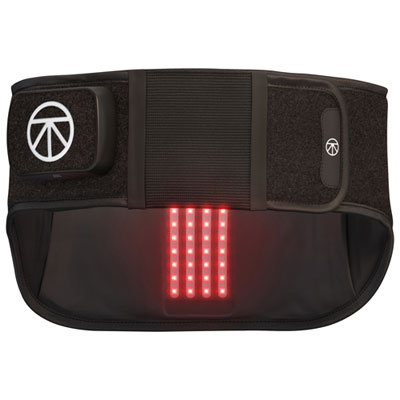
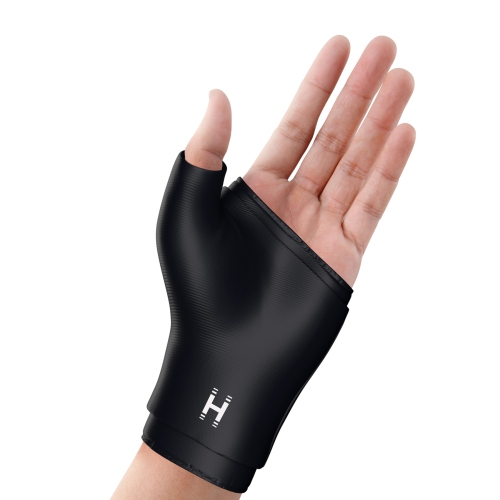
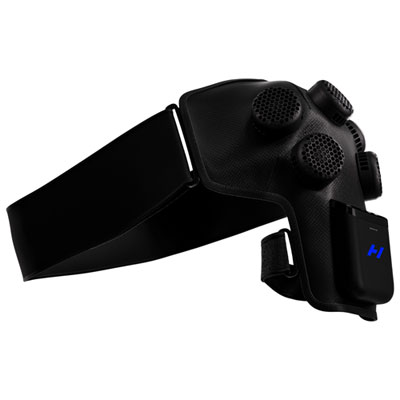
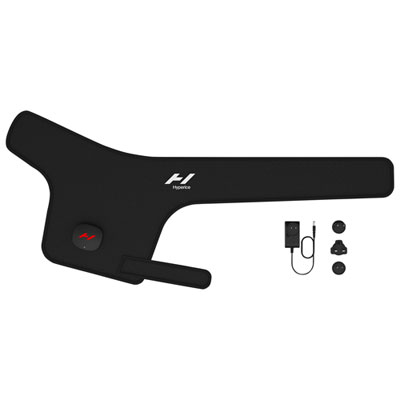
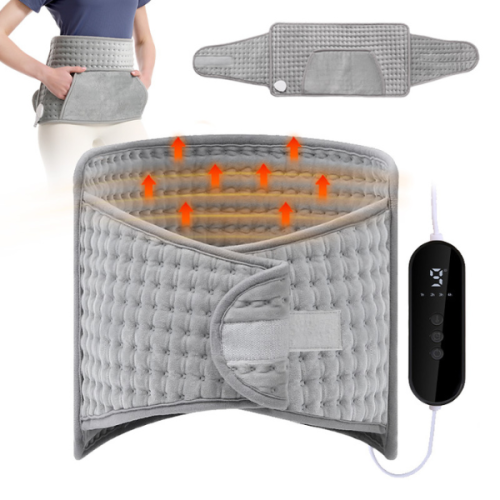
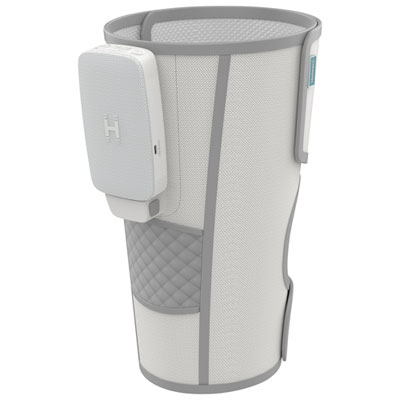
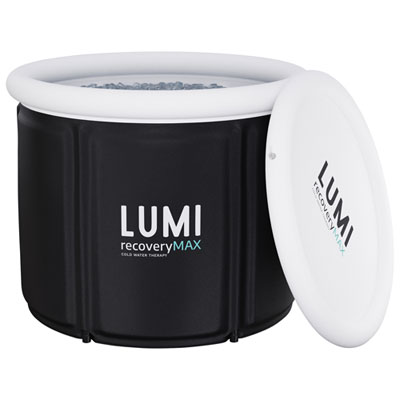
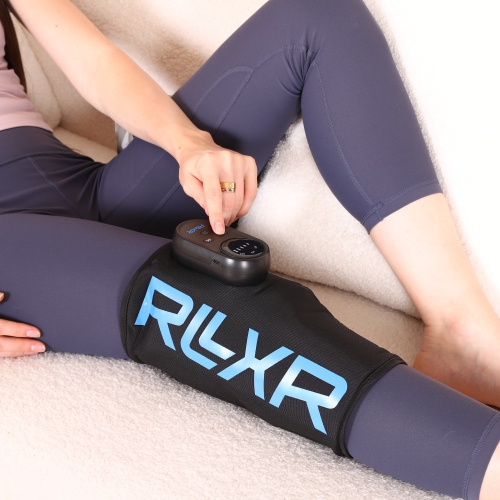
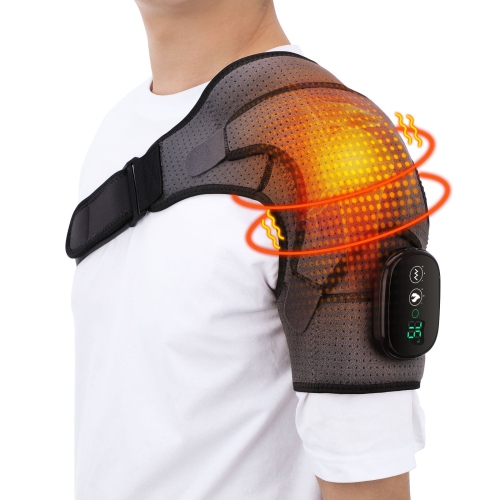
How pad fit and temperature control shape targeted comfort
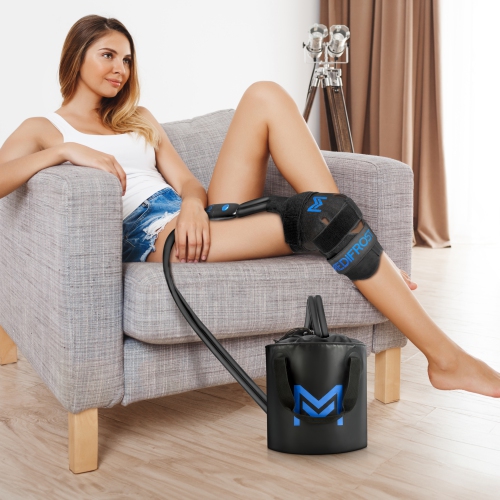
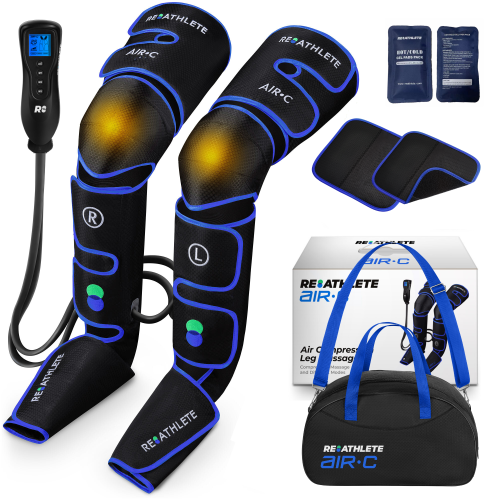
A hot and cold therapy device applies controlled cooling or warmth to a targeted area of the body, often through a flexible pad or wrap. Depending on its design, it may circulate water from a reservoir through connected tubing or use an electronic heating and cooling system built into a wearable unit. These devices are intended to make localized temperature therapy more consistent and convenient than repeatedly replacing a compress, although their functions and permitted session lengths vary. Cold therapy can help temporarily relieve pain and swelling associated with certain injuries, while heat can help soothe muscle tension and stiffness. For someone managing discomfort around a knee, shoulder, or lower back, the shape of the treatment pad and the type of temperature control can matter as much as the main unit. Water-circulating systems typically include a reservoir, pump, tubing, and a pad that rests against the treatment area, with a protective barrier where directed. Some cooling systems require ice and water; others regulate temperature electronically. Heating capability is a separate feature, so a circulating cold therapy machine should not be assumed to provide heat simply because it uses water. Dual-mode devices support both functions, while certain designs offer programmed alternation between warmth and cooling, commonly called contrast therapy. Compression, when included, is another distinct function rather than a standard part of every wrap. These differences help distinguish devices intended for occasional muscle comfort from equipment used within a clinician-directed rehabilitation plan. Adults with activity-related soreness, people who spend long periods at a desk, and those following a prescribed post-surgical care routine may have different requirements even when treating the same body area. A device can support a recommended comfort routine, but it does not diagnose an injury or replace an assessment for persistent pain. The suitability of heat, cold, or alternating treatment depends on the condition, the stage of healing, and individual medical advice.
Fit determines how comfortably a therapy pad follows the body and how evenly it contacts the intended treatment area. A contoured knee wrap, for example, needs to sit around the joint without bunching behind it, while a shoulder pad must accommodate the curve of the shoulder and remain secure when the arm is relaxed. Universal pads offer flexibility across several areas, but their dimensions and fastening arrangements still need to suit the person using them. Adjustable straps, clearly stated circumference ranges, and fastenings that are easy to reach can make everyday use simpler, particularly when bending or gripping is uncomfortable. A secure fit should not mean excessive tightness, and a wrap that fastens around a limb does not necessarily deliver regulated compression. Materials also influence comfort and upkeep. Soft fabric covers can reduce the sensation of a slick pad against the body, while flexible, sealed channels allow circulating water to move through the treatment surface. Foam backing, textile edging, and strap placement may affect how a pad feels during a seated session. For people with material sensitivities, disclosed fabric composition and latex information deserve attention rather than assumptions based on appearance. Practical details become noticeable in familiar settings: tubing needs enough reach from a stable side table to an armchair, a reservoir handle should be manageable when filled, and controls should remain readable without repeatedly leaning forward. Pump sound may matter during quiet activities, while cord routing and tubing placement affect how easily the surrounding space stays clear. Portability involves more than the weight of the empty unit; water, accessories, and the need for a nearby outlet also shape where it can be used. Wearable electronic designs may offer a different balance of movement, charging needs, and coverage. For simpler applications that do not require a powered system, Hot And Cold Packs provide another format for localized warmth or cooling. The distinction is mainly in how temperature is delivered, maintained, and adjusted, rather than a guarantee that one format is better for every situation.
Day-to-day convenience depends on controls, cleaning requirements, and the durability of the parts handled most often. Clearly marked mode settings, accessible stop controls, and adjustable session timers can make operation easier to follow. An automatic shut-off is useful where provided, but it is not a reason to leave treatment unattended or extend a session beyond the instructions. Temperature displays also need to be understood in context: a reading may describe water in the system rather than the temperature at the skin. With ice-and-water units, cooling performance can change as the ice melts, and permitted fill levels and water temperatures remain important. Reservoir openings that are easy to access, detachable covers, and straightforward drainage arrangements can reduce the effort involved after each use. Cleaning should follow the manufacturer's directions, since an outer fabric cover may have different care requirements from the pad, tubing, pump, or electronic controls. Water should be emptied and components dried as directed before storage. Tubing that is repeatedly pinched under furniture, connectors pulled by the hose, or straps fastened against delicate fabric can develop avoidable wear. Inspecting seams, closures, cables, and connections helps identify leaks or damage before another session. Compatibility matters when replacing a pad or hose; similar-looking connectors do not establish that components are designed to work together. Safe use also depends on skin protection and sensation. Follow the specified barrier requirements and session limits, check the skin regularly, and stop treatment if burning, unusual numbness, marked colour changes, or increased pain occurs. People with reduced sensation, circulation problems, or conditions that affect their response to temperature should seek medical advice before use. After surgery, the care team's instructions take priority, including whether heat is appropriate and how dressings must be protected. These devices are most useful when their intended purpose, fit, and upkeep match an established routine. If chosen as a practical gift, confirming the recipient's needs and any clinician recommendations is more thoughtful than guessing at a treatment setting or wrap size.
Fit determines how comfortably a therapy pad follows the body and how evenly it contacts the intended treatment area. A contoured knee wrap, for example, needs to sit around the joint without bunching behind it, while a shoulder pad must accommodate the curve of the shoulder and remain secure when the arm is relaxed. Universal pads offer flexibility across several areas, but their dimensions and fastening arrangements still need to suit the person using them. Adjustable straps, clearly stated circumference ranges, and fastenings that are easy to reach can make everyday use simpler, particularly when bending or gripping is uncomfortable. A secure fit should not mean excessive tightness, and a wrap that fastens around a limb does not necessarily deliver regulated compression. Materials also influence comfort and upkeep. Soft fabric covers can reduce the sensation of a slick pad against the body, while flexible, sealed channels allow circulating water to move through the treatment surface. Foam backing, textile edging, and strap placement may affect how a pad feels during a seated session. For people with material sensitivities, disclosed fabric composition and latex information deserve attention rather than assumptions based on appearance. Practical details become noticeable in familiar settings: tubing needs enough reach from a stable side table to an armchair, a reservoir handle should be manageable when filled, and controls should remain readable without repeatedly leaning forward. Pump sound may matter during quiet activities, while cord routing and tubing placement affect how easily the surrounding space stays clear. Portability involves more than the weight of the empty unit; water, accessories, and the need for a nearby outlet also shape where it can be used. Wearable electronic designs may offer a different balance of movement, charging needs, and coverage. For simpler applications that do not require a powered system, Hot And Cold Packs provide another format for localized warmth or cooling. The distinction is mainly in how temperature is delivered, maintained, and adjusted, rather than a guarantee that one format is better for every situation.
Day-to-day convenience depends on controls, cleaning requirements, and the durability of the parts handled most often. Clearly marked mode settings, accessible stop controls, and adjustable session timers can make operation easier to follow. An automatic shut-off is useful where provided, but it is not a reason to leave treatment unattended or extend a session beyond the instructions. Temperature displays also need to be understood in context: a reading may describe water in the system rather than the temperature at the skin. With ice-and-water units, cooling performance can change as the ice melts, and permitted fill levels and water temperatures remain important. Reservoir openings that are easy to access, detachable covers, and straightforward drainage arrangements can reduce the effort involved after each use. Cleaning should follow the manufacturer's directions, since an outer fabric cover may have different care requirements from the pad, tubing, pump, or electronic controls. Water should be emptied and components dried as directed before storage. Tubing that is repeatedly pinched under furniture, connectors pulled by the hose, or straps fastened against delicate fabric can develop avoidable wear. Inspecting seams, closures, cables, and connections helps identify leaks or damage before another session. Compatibility matters when replacing a pad or hose; similar-looking connectors do not establish that components are designed to work together. Safe use also depends on skin protection and sensation. Follow the specified barrier requirements and session limits, check the skin regularly, and stop treatment if burning, unusual numbness, marked colour changes, or increased pain occurs. People with reduced sensation, circulation problems, or conditions that affect their response to temperature should seek medical advice before use. After surgery, the care team's instructions take priority, including whether heat is appropriate and how dressings must be protected. These devices are most useful when their intended purpose, fit, and upkeep match an established routine. If chosen as a practical gift, confirming the recipient's needs and any clinician recommendations is more thoughtful than guessing at a treatment setting or wrap size.
Top selling and popular products
-
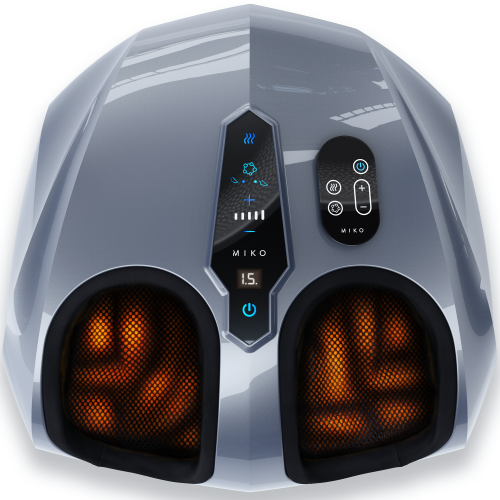 Your price for this item is $399.99
 -
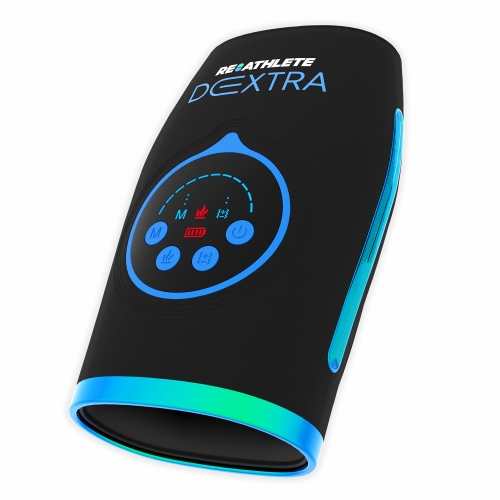 Your price for this item is $109.99
 -
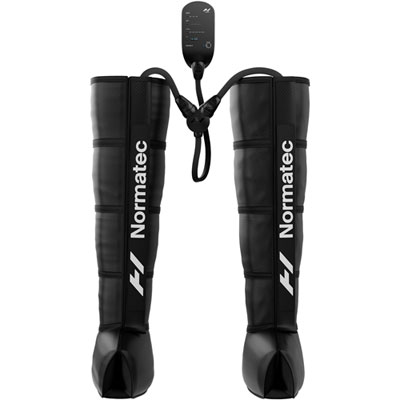 Your price for this item is $1149.99
 -
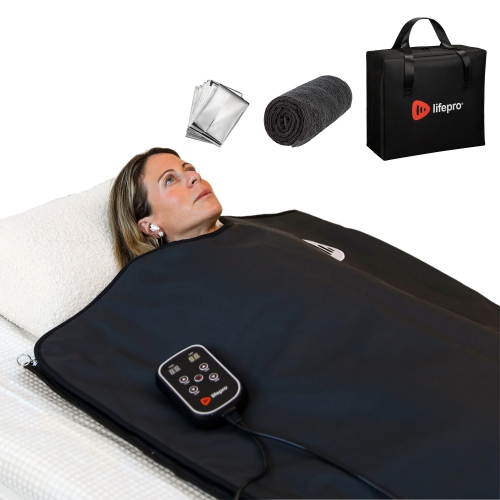 Your price for this item is $549.99
 -
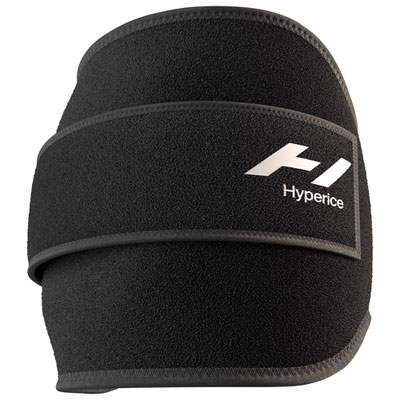 Your price for this item is $349.99
 -
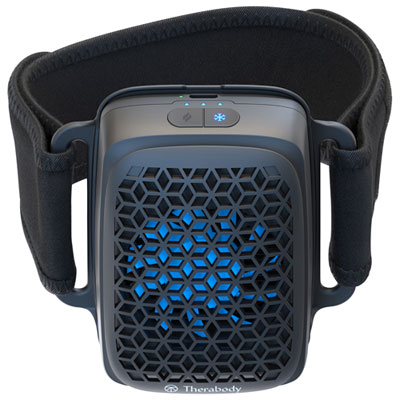 Your price for this item is $199.99
 -
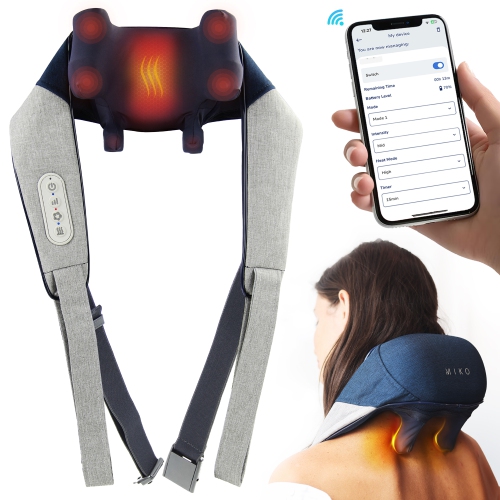 Your price for this item is $299.99
 -
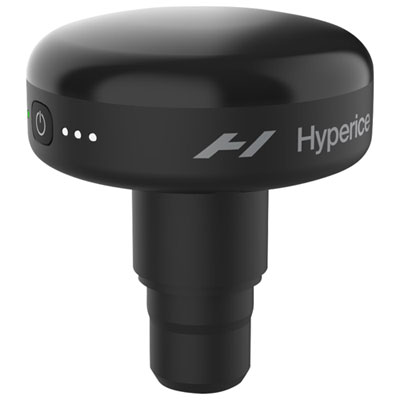 Your price for this item is $77.97
Discover more categories related to Hot Cold Therapy Device
Top Collections:
Pokemon Centers, Kindle Devices, Best Budget Office Chairs, Apple iPhones 16, Canon G7X Cameras, iPhone 15 Apple, Alarm Clock, Refurbished Apple Laptops, Flip Phones, Best Laptops for Writers
Some products may be subject to Environmental Handling Fees
(EHF) depending on your province.
Learn more about EHFs.