House Dehumidifiers
Transform your living space into a comfortable oasis with the perfect house dehumidifier. Designed to reduce excess moisture and improve air quality, these essential appliances help create a healthier environment for you and your family. Whether you're dealing with damp basements, humid climates, or just looking to maintain optimal humidity levels throughout your home, a dehumidifier can make all the difference. Explore a variety of options tailored to fit different room sizes and preferences, ensuring that you find the ideal solution to keep your home fresh and inviting year-round.
Sort
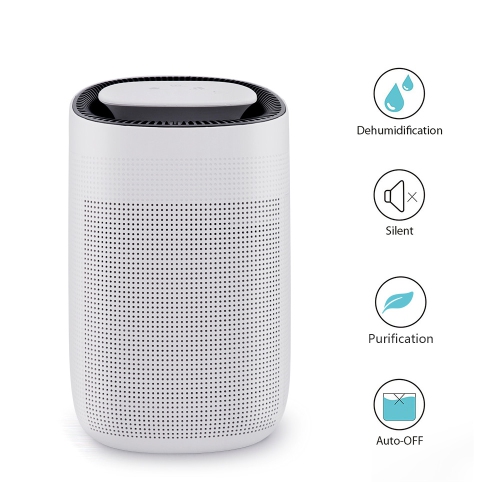
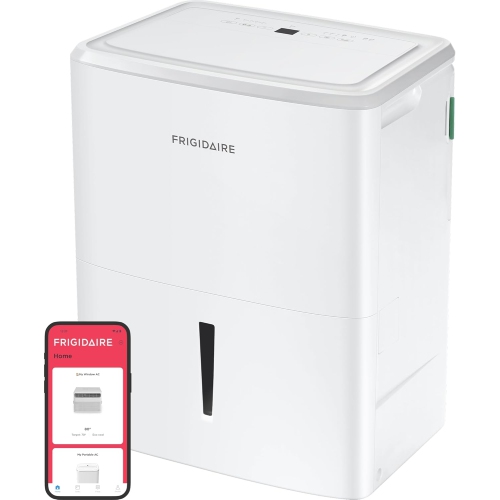
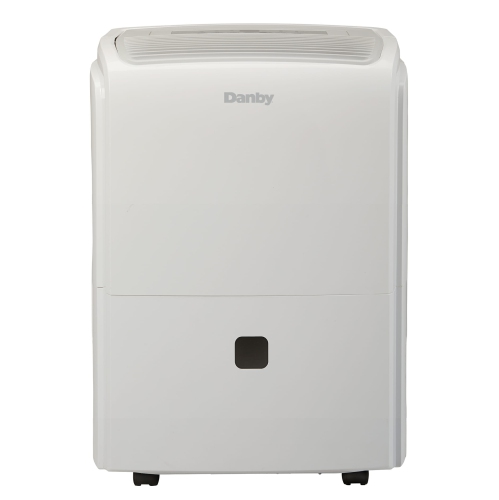
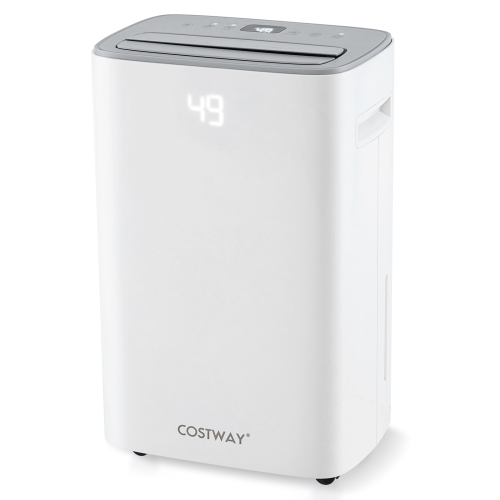
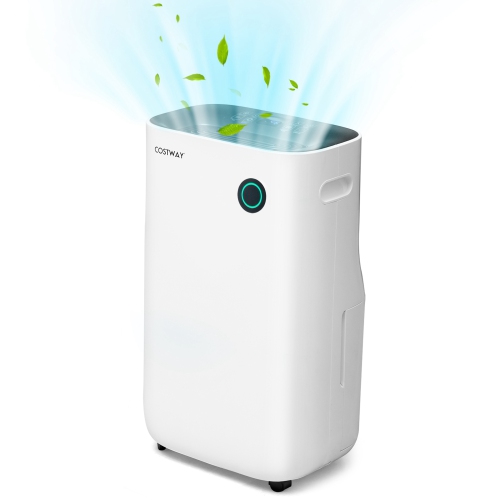
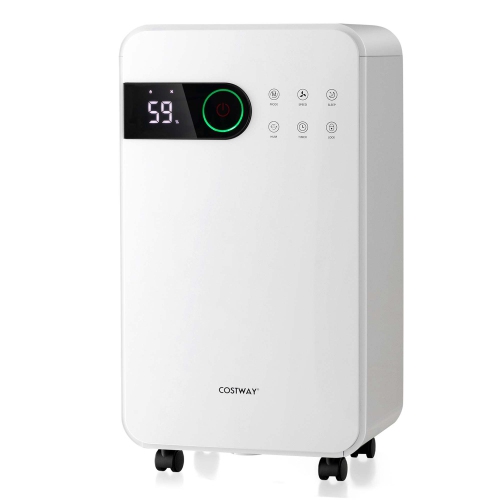
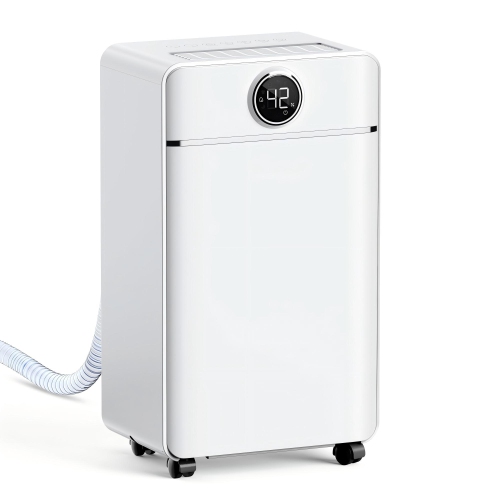
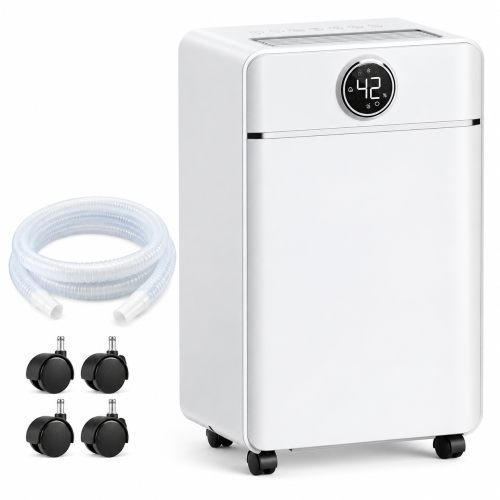
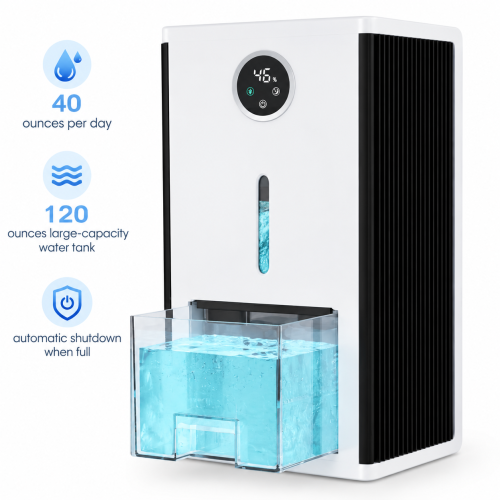
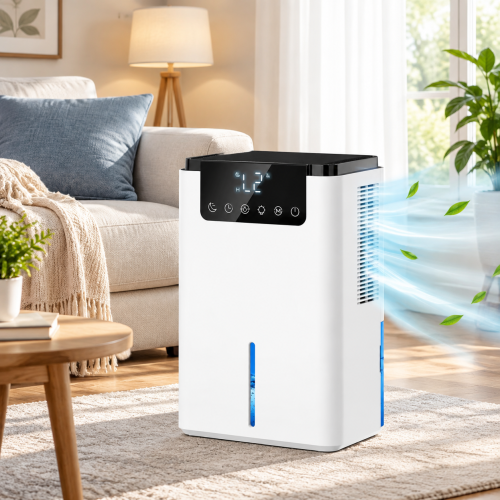
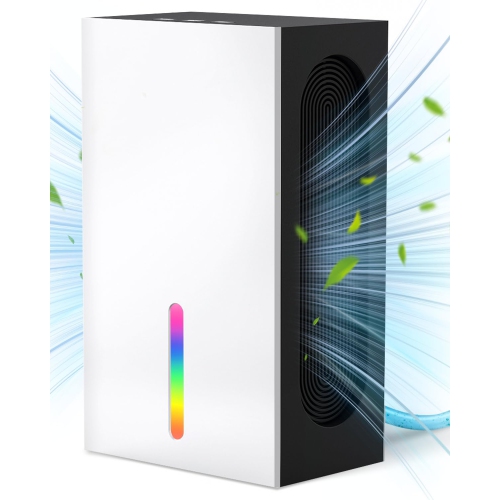
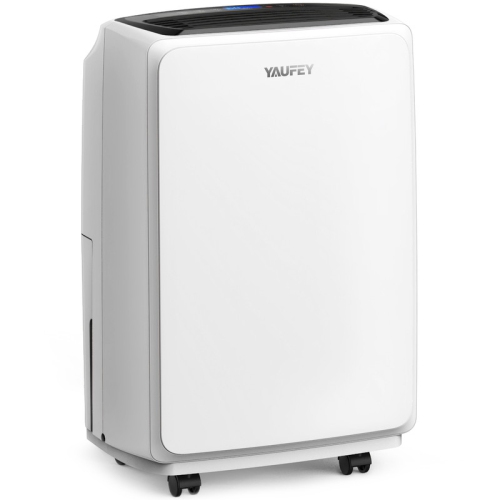
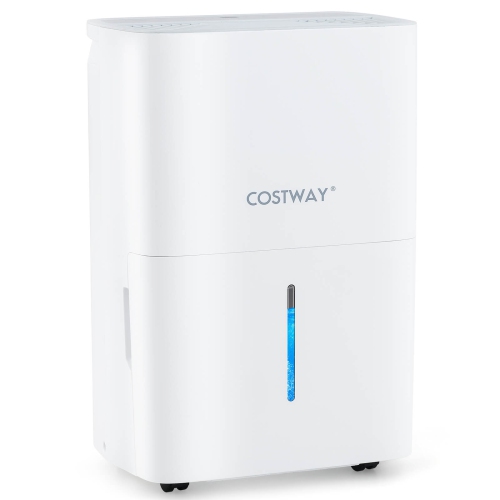
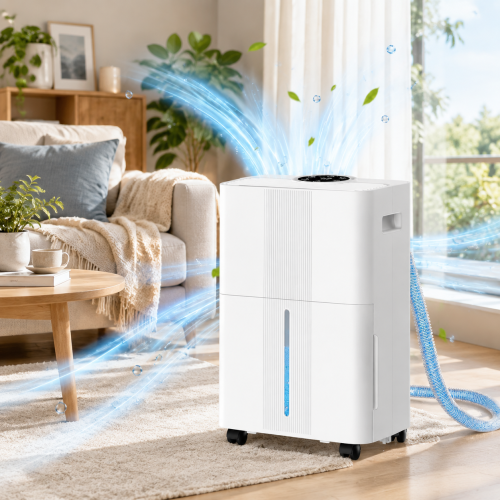
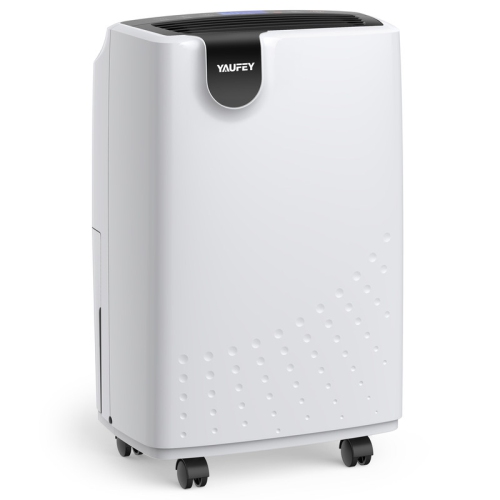
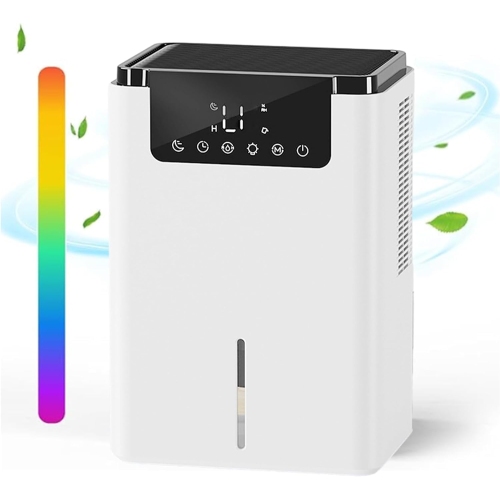
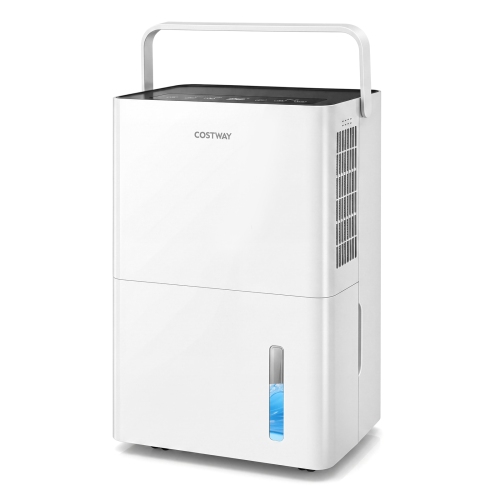
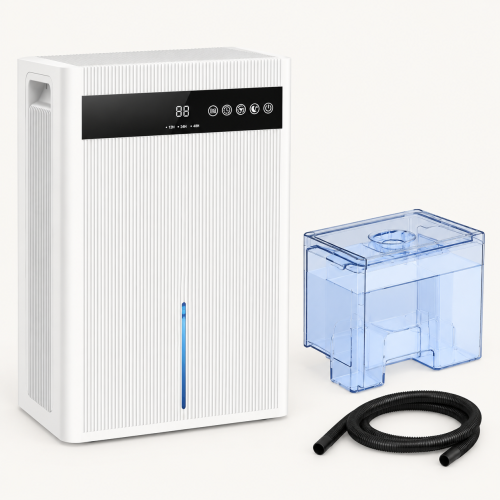
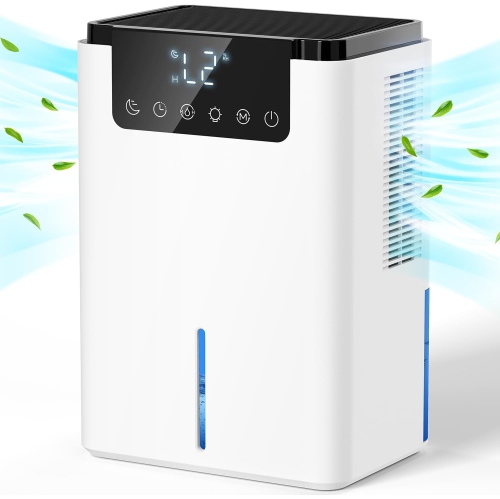
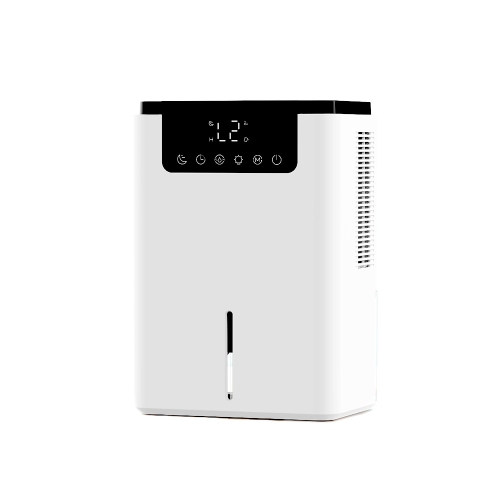
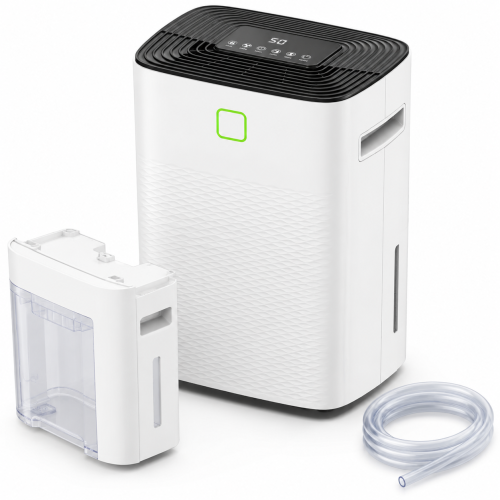
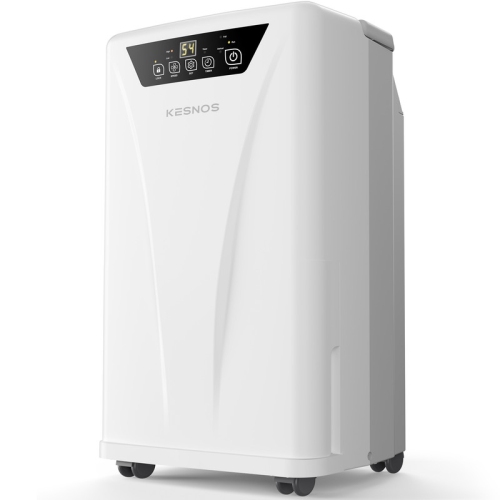
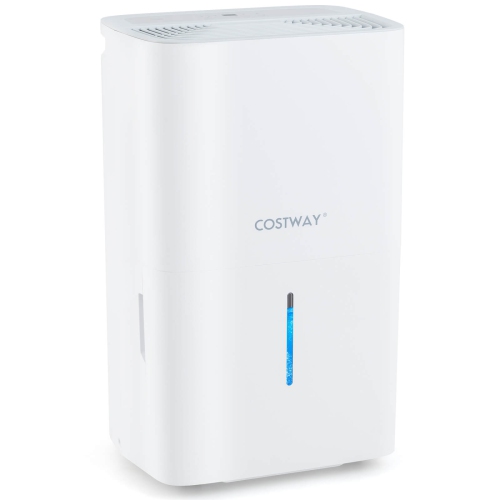
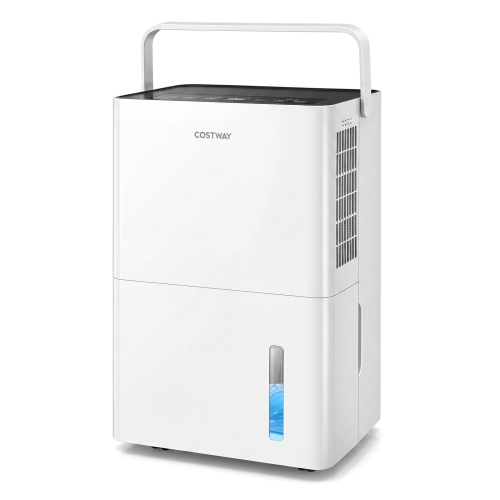

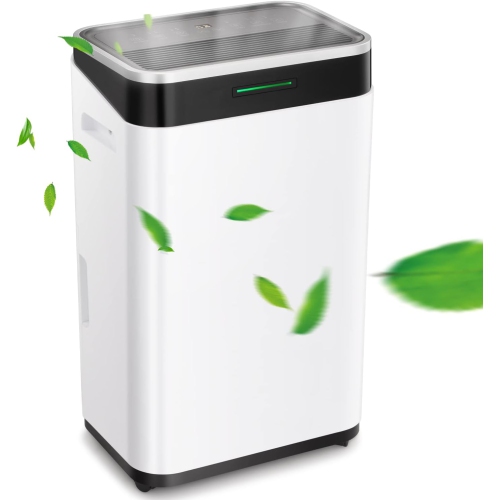
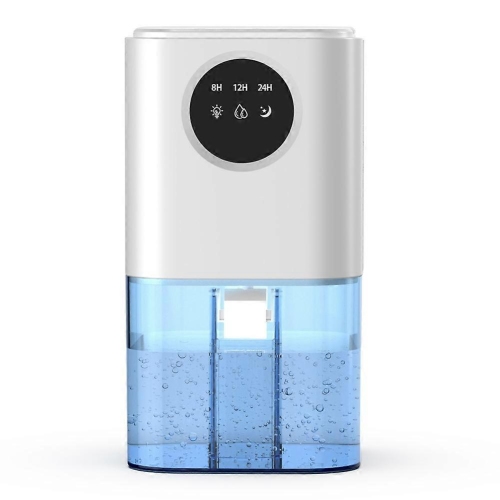
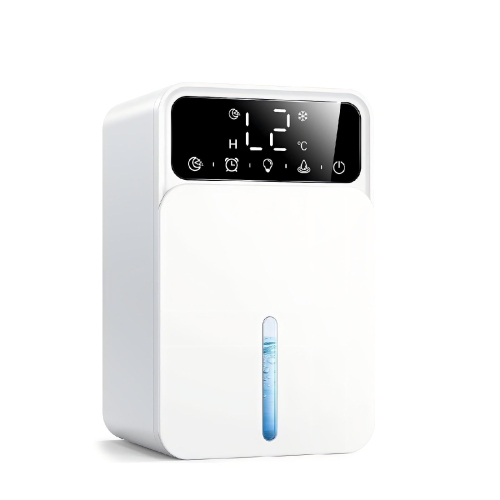
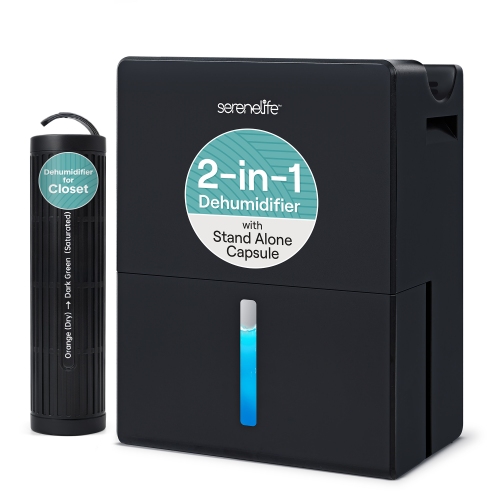
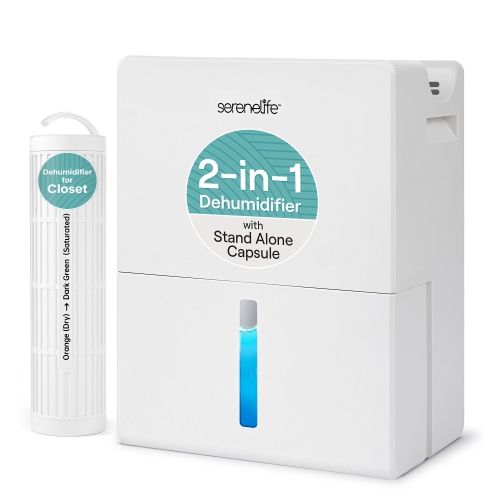
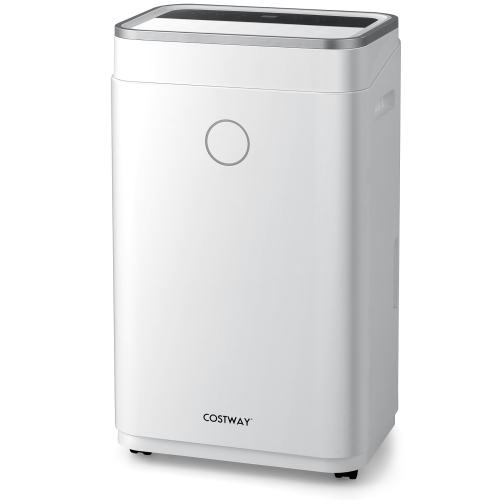
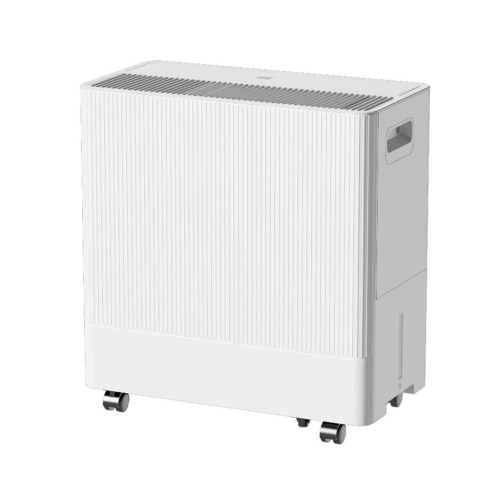
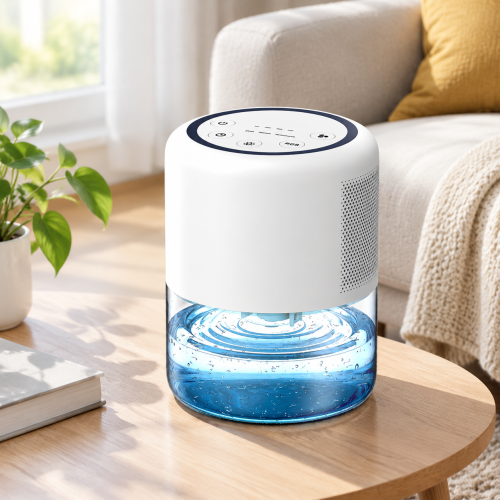
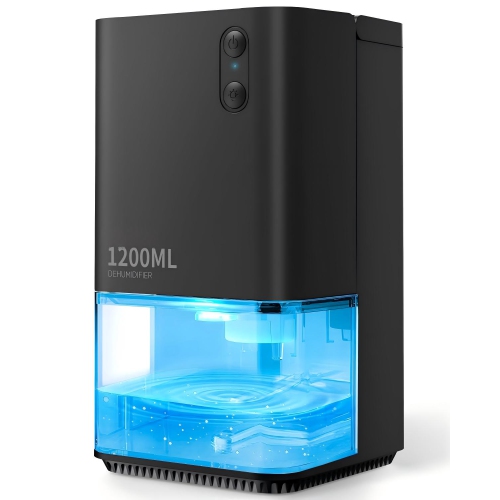
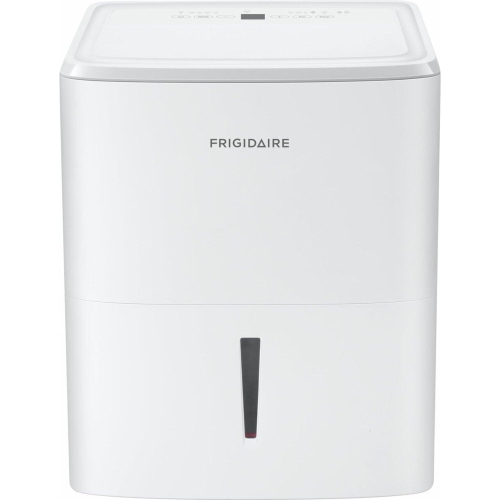
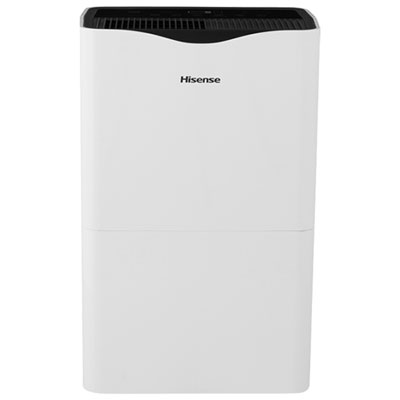
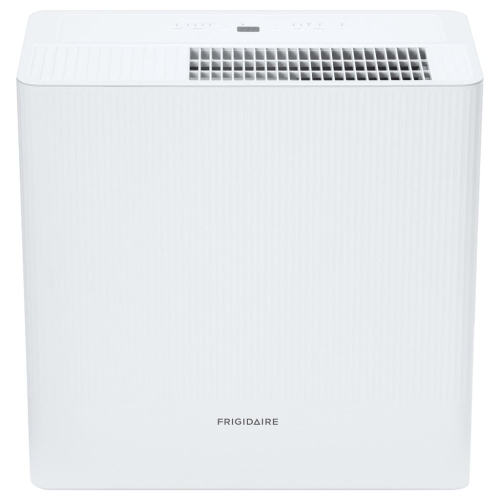
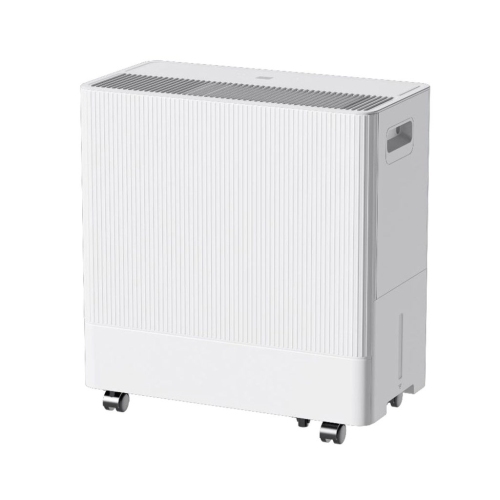
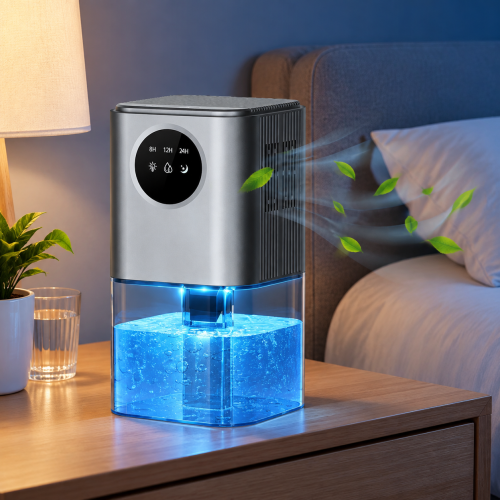
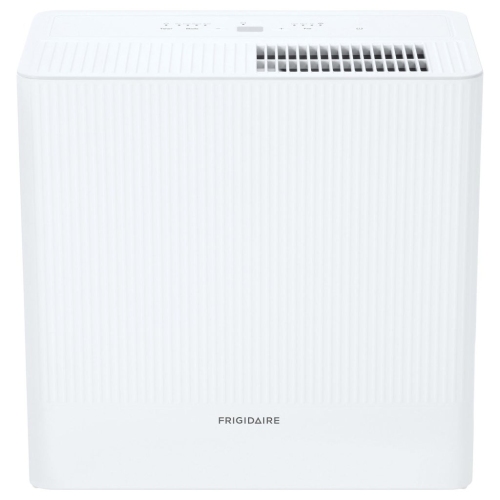
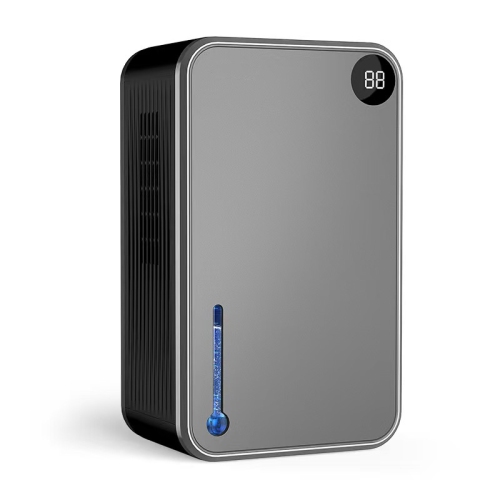
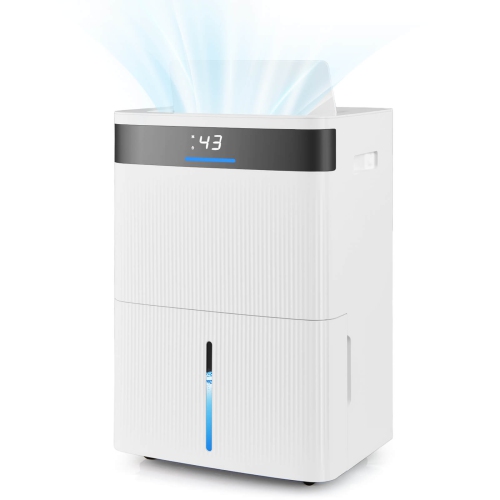
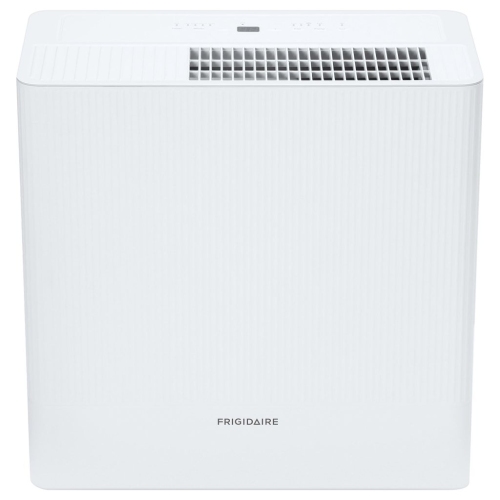
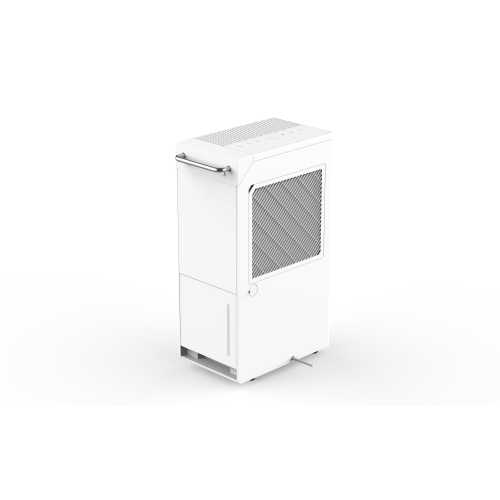
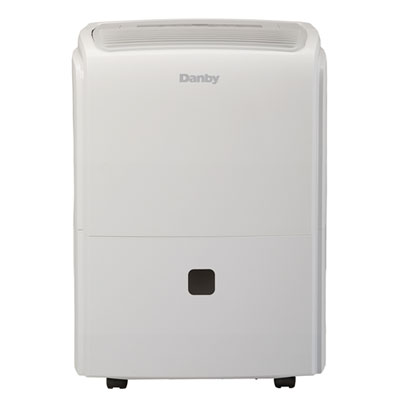
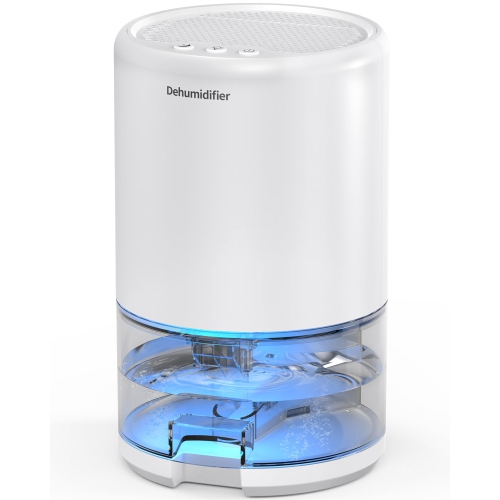
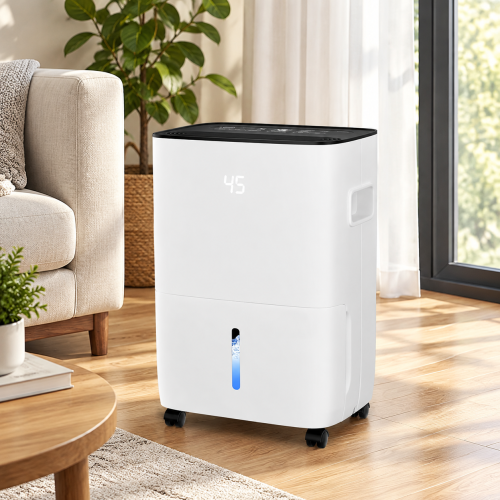
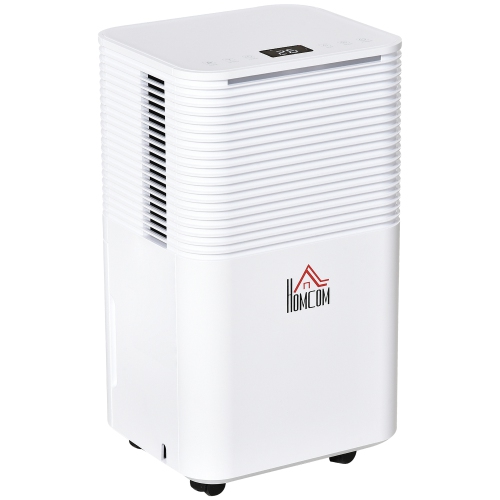
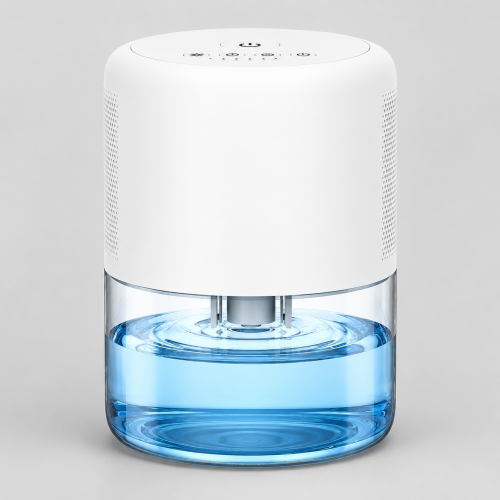
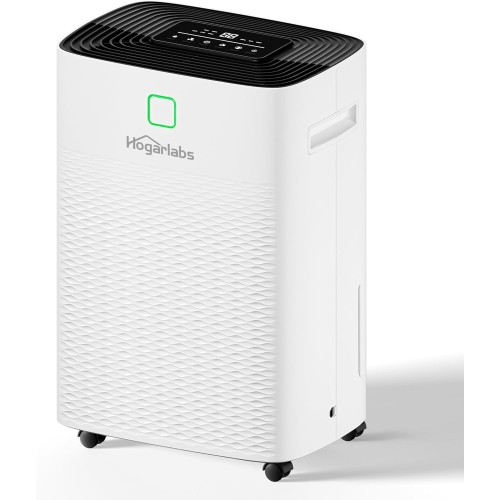
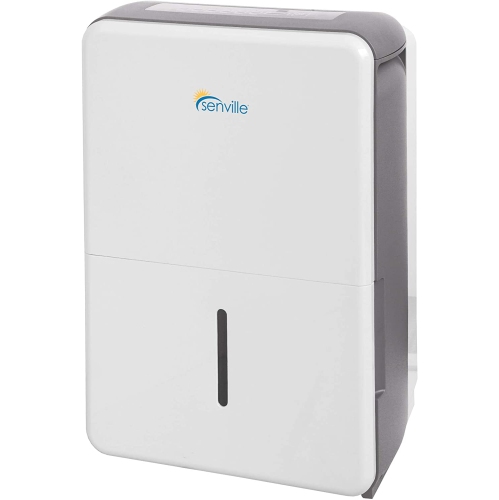
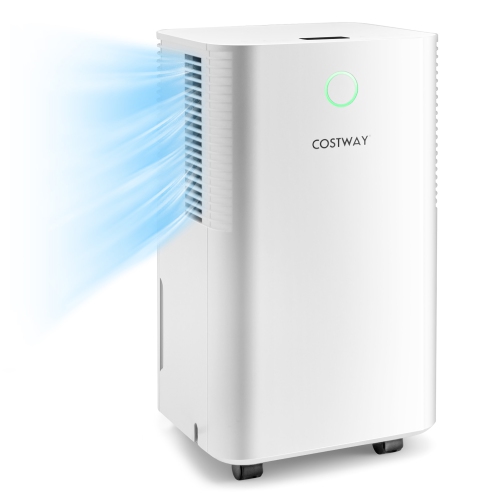
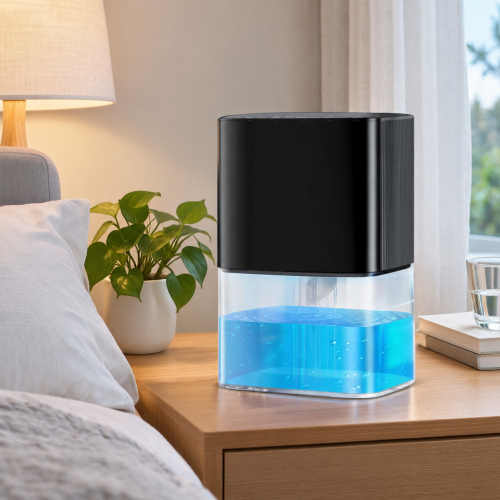
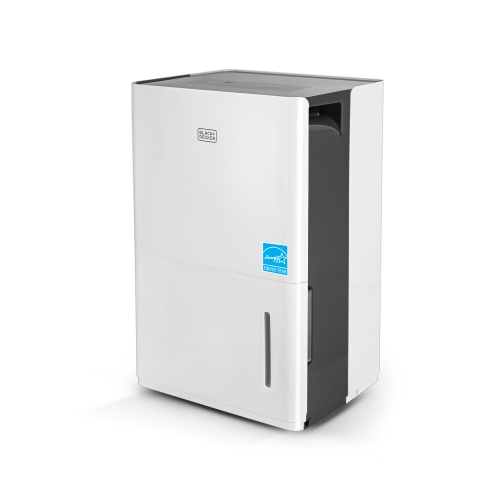
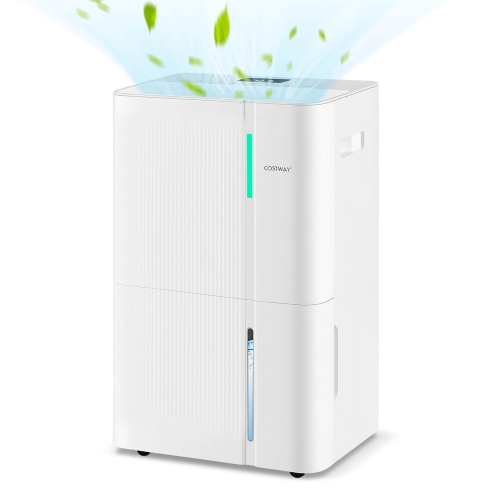
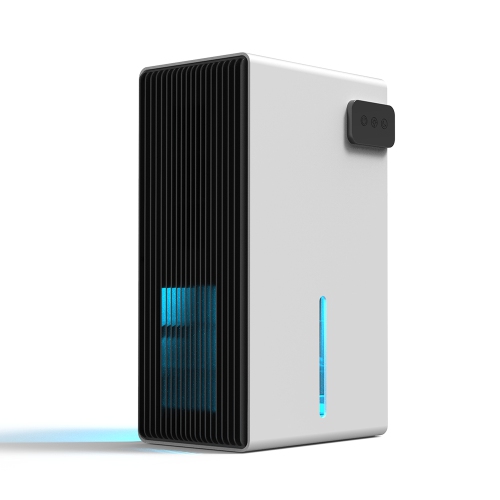
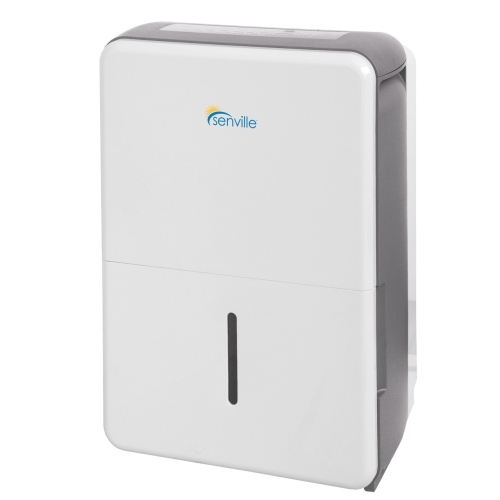
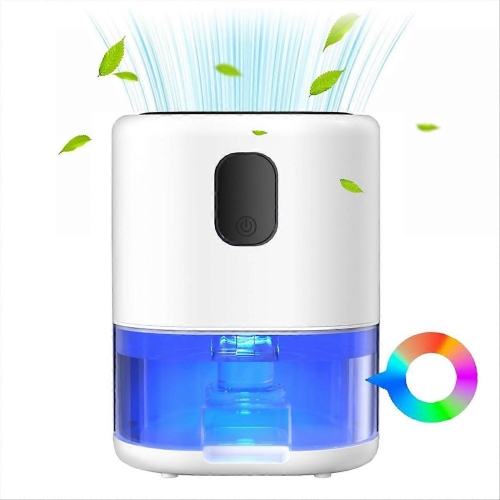
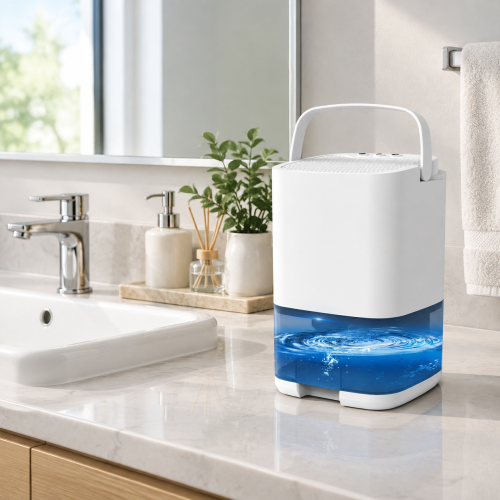
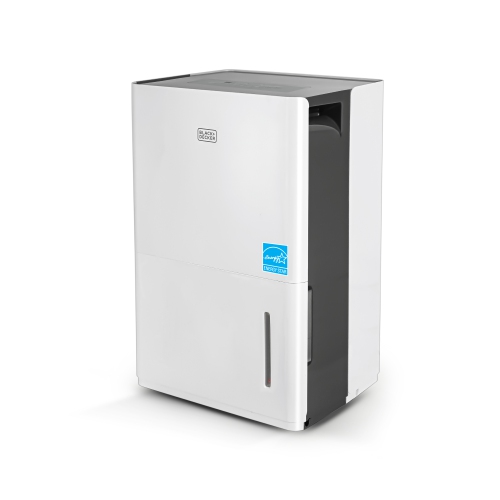
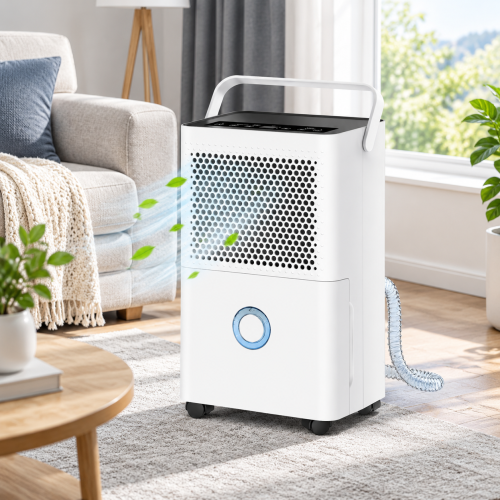
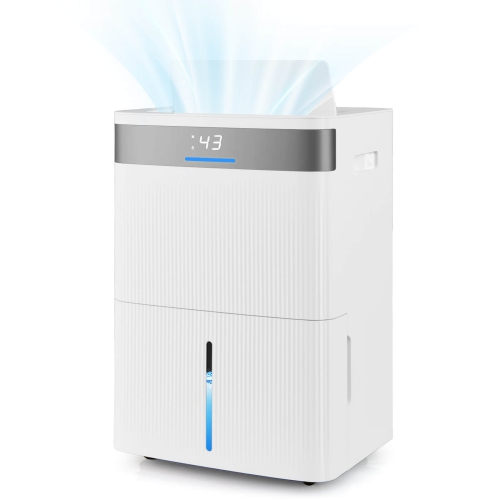
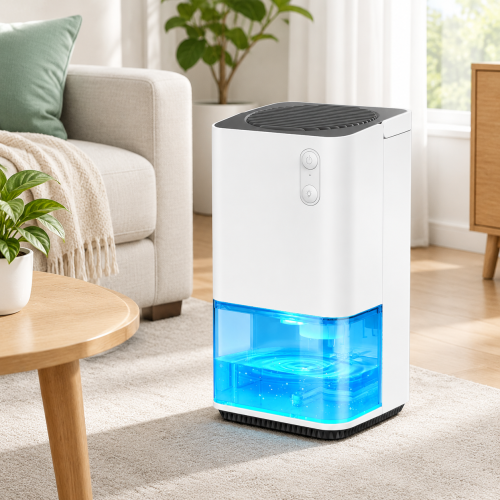
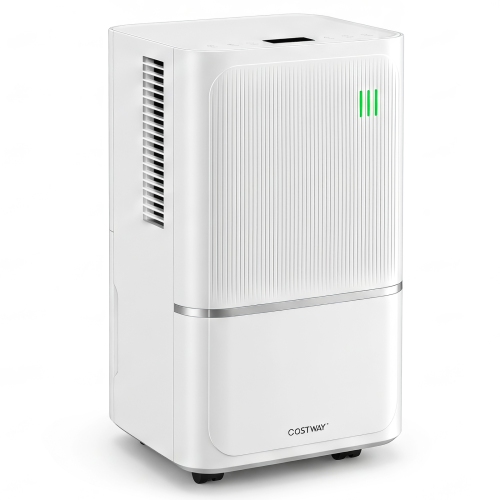
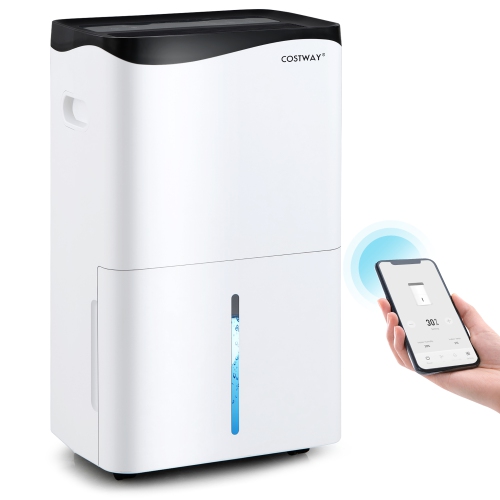
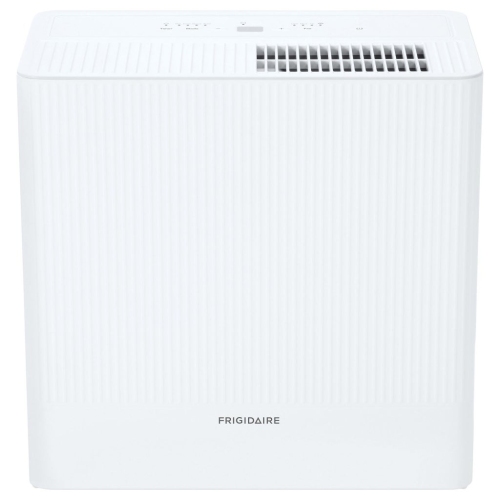
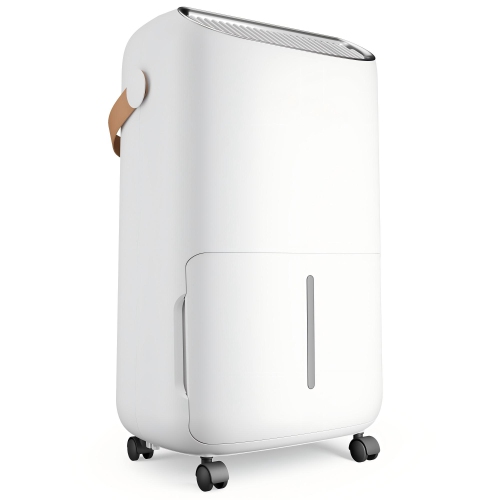
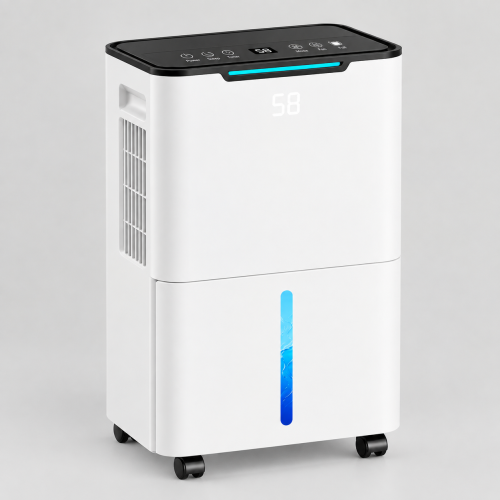
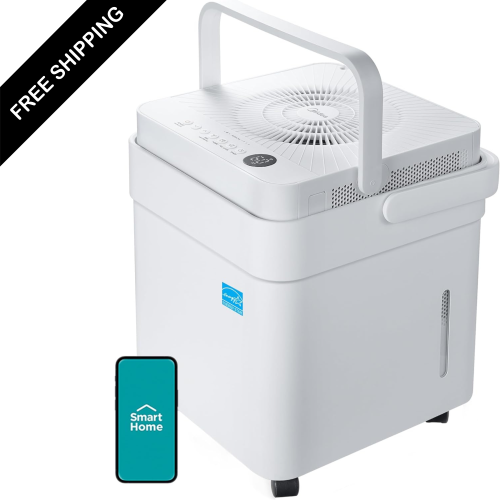
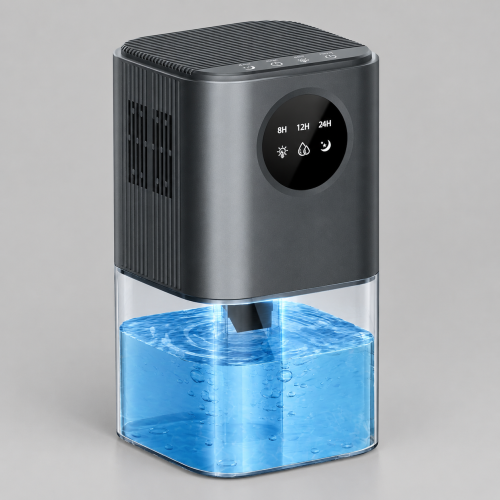
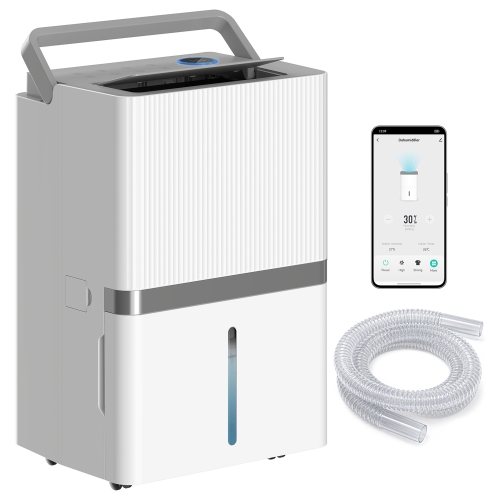
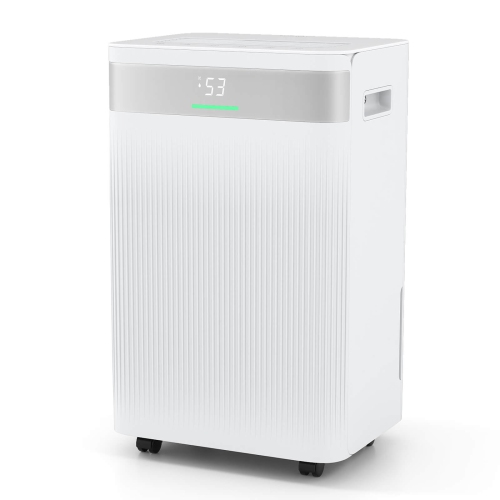
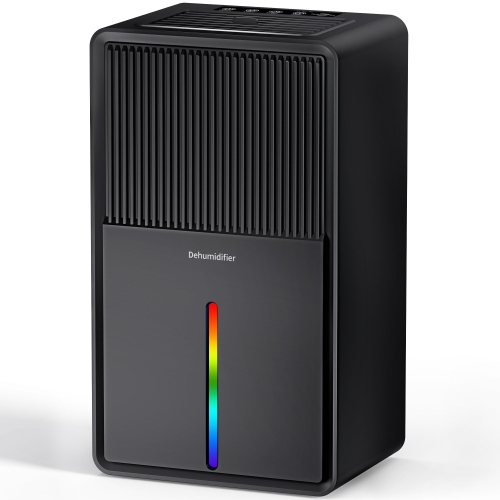
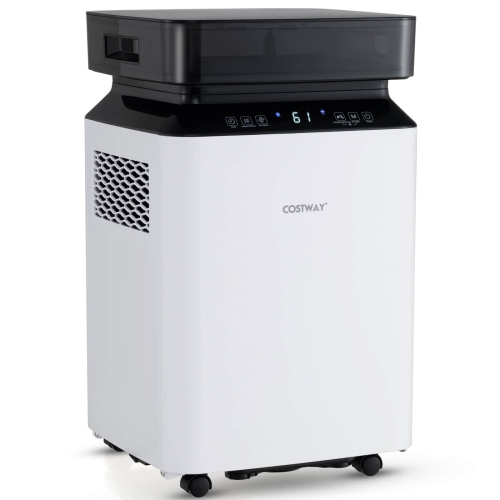
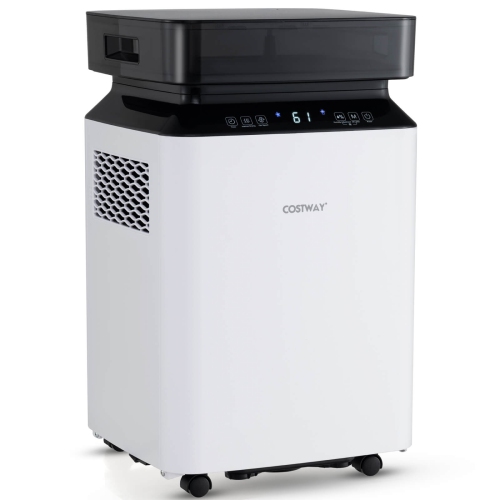
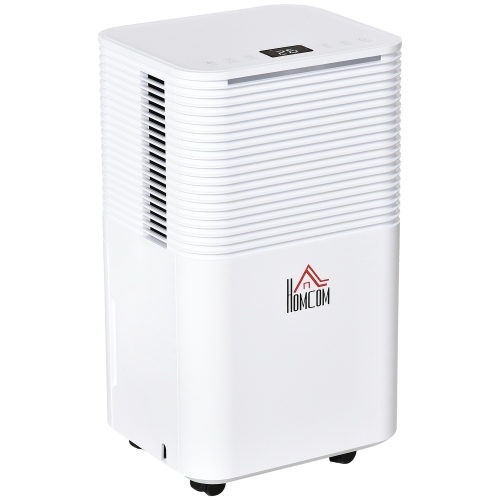
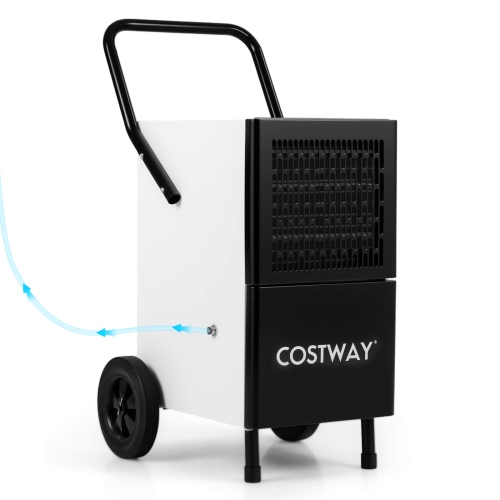
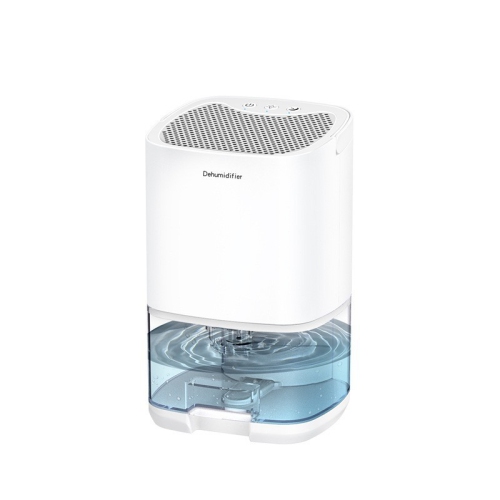
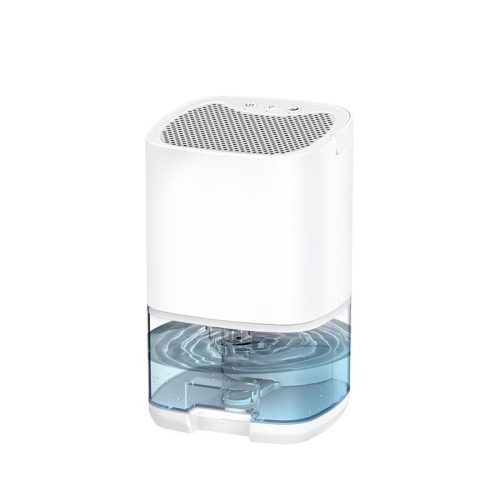
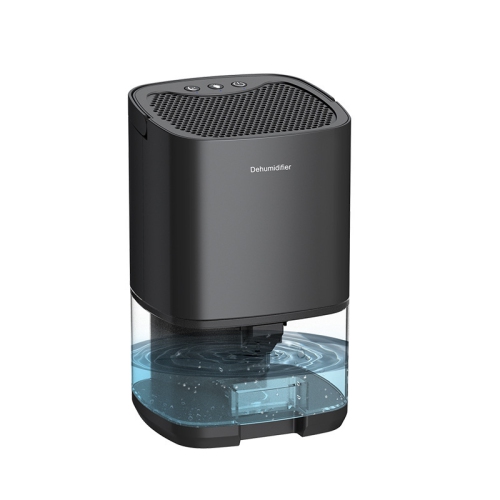
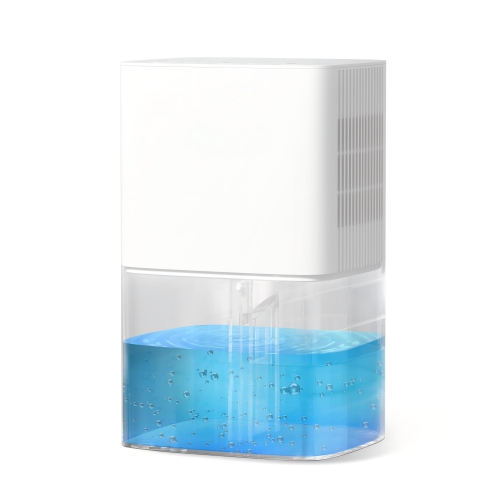
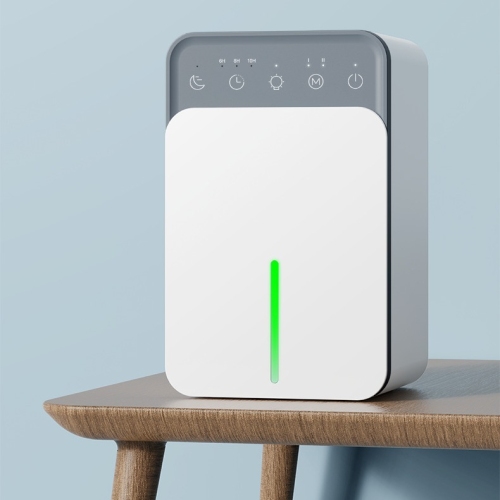
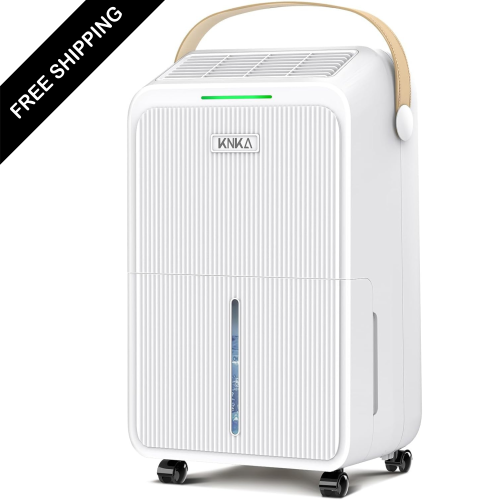
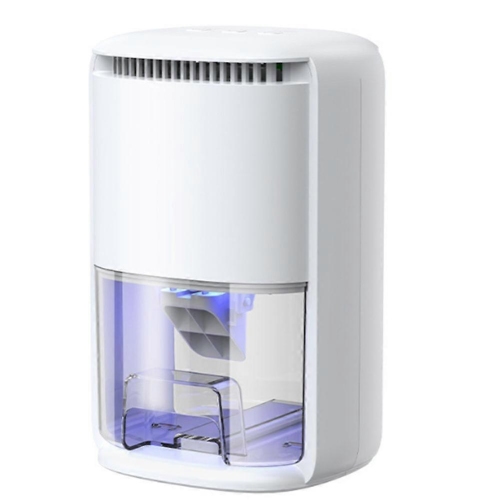
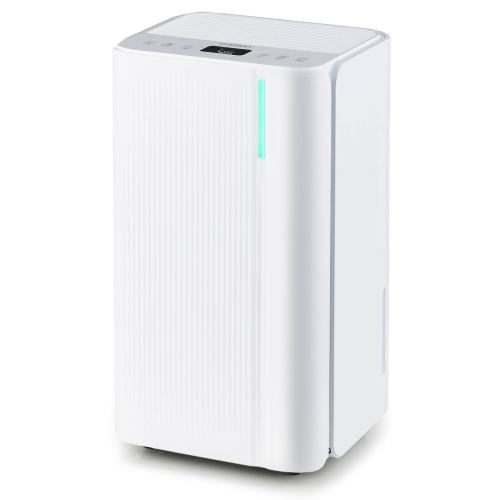
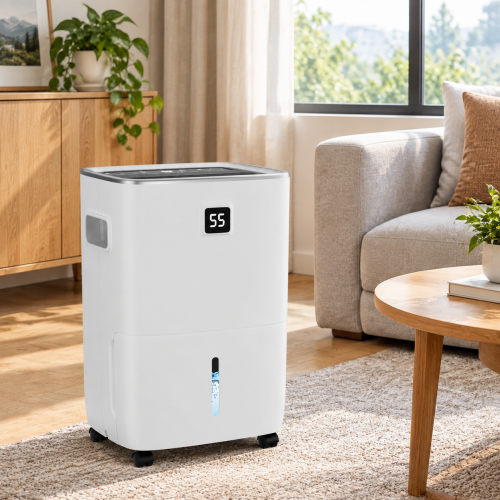
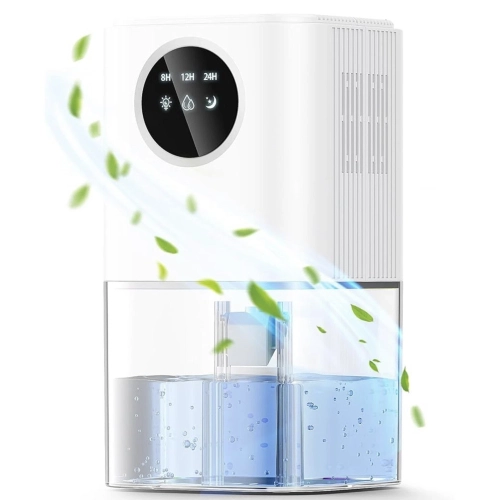

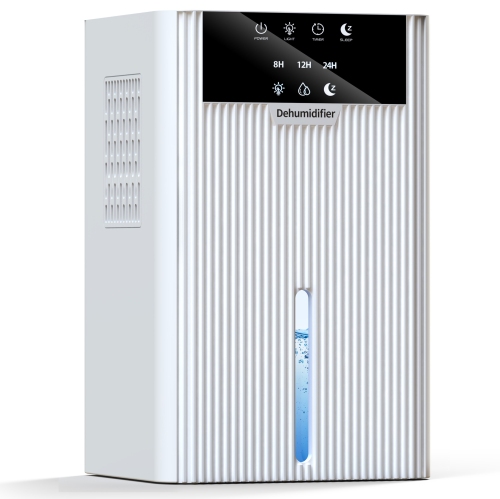
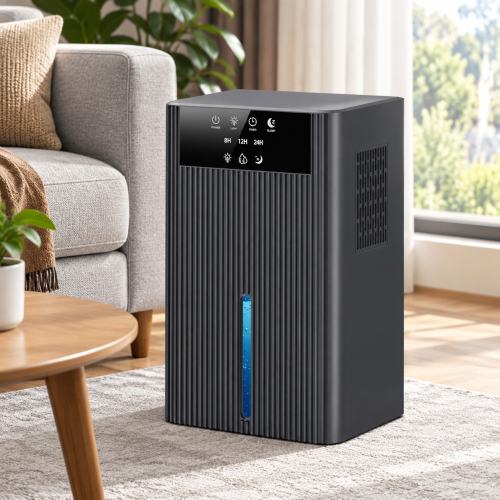
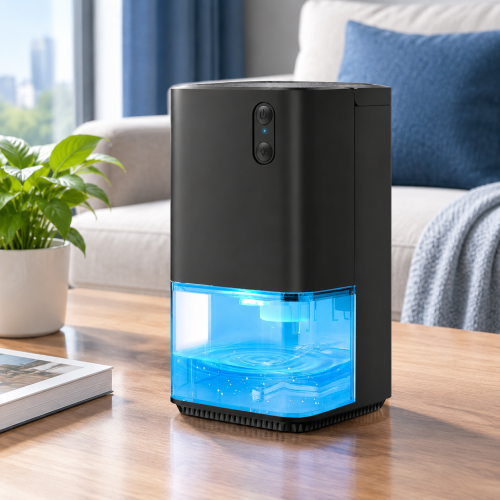
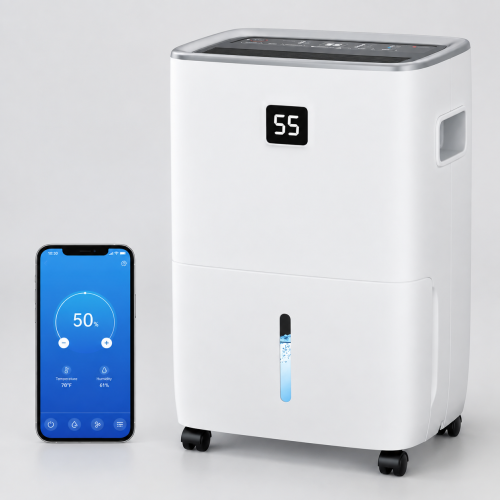
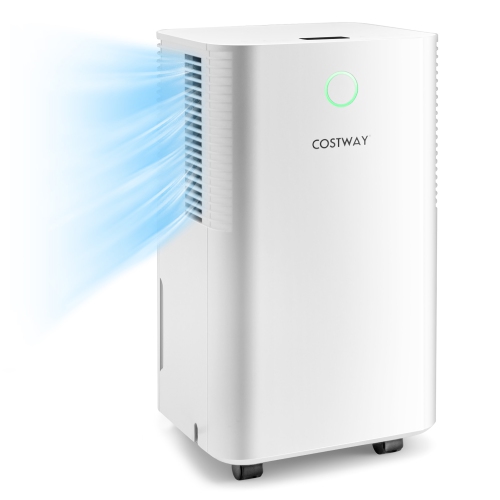
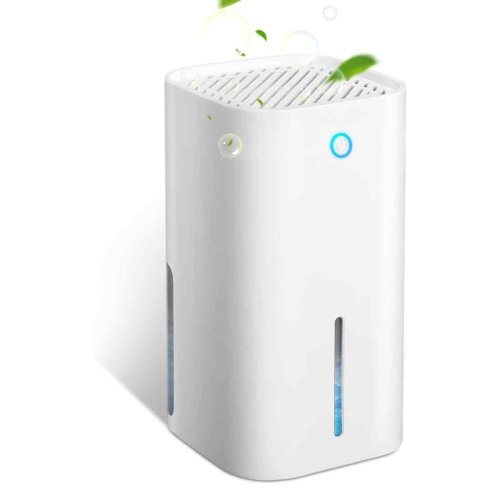
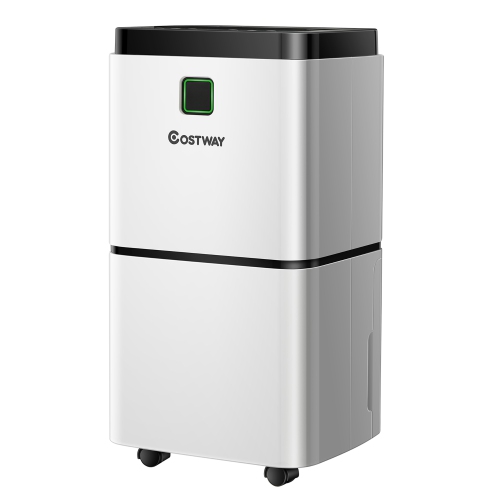
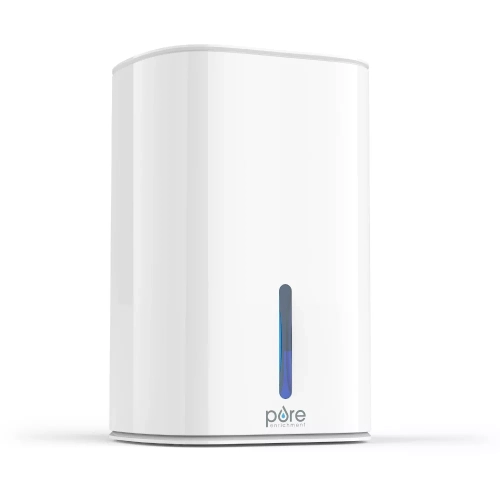
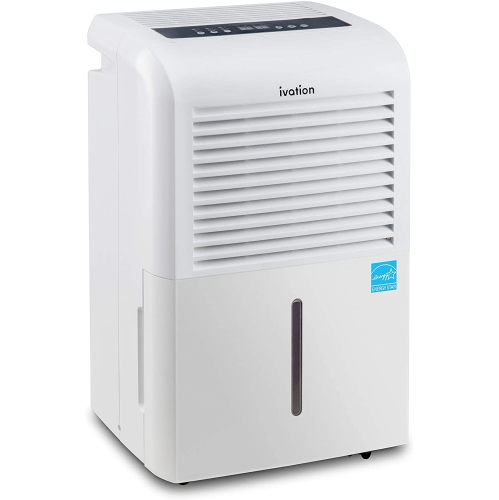
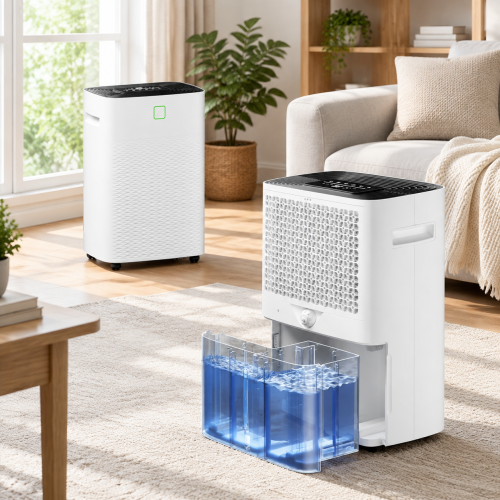
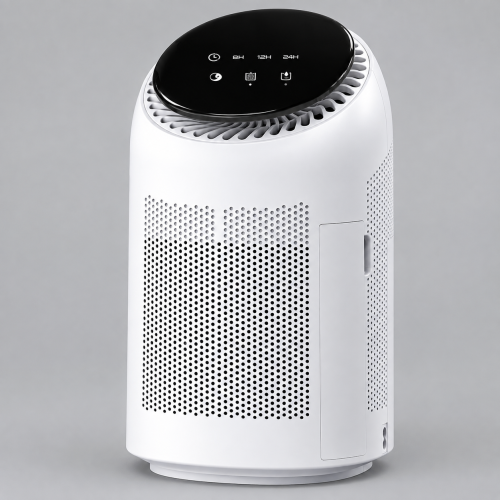
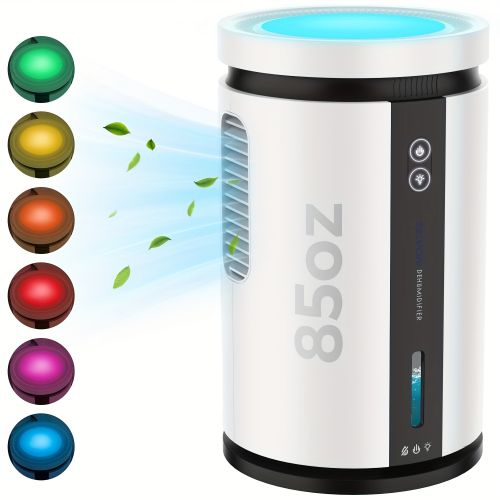
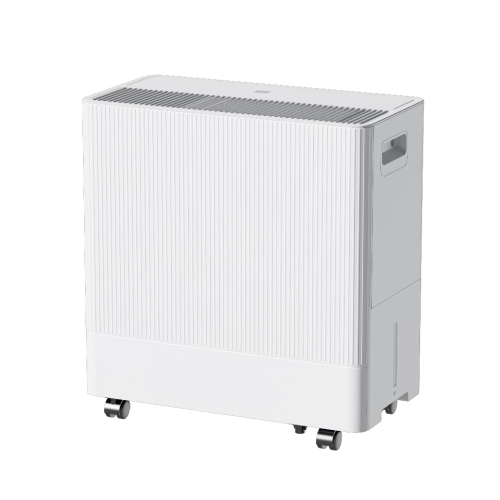
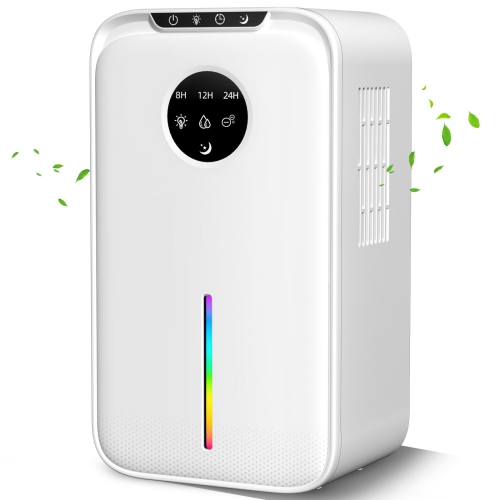
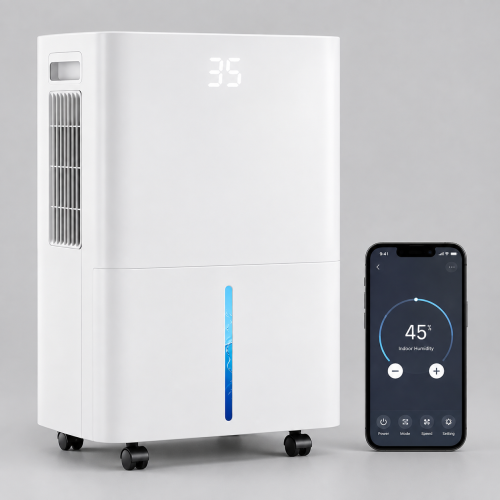
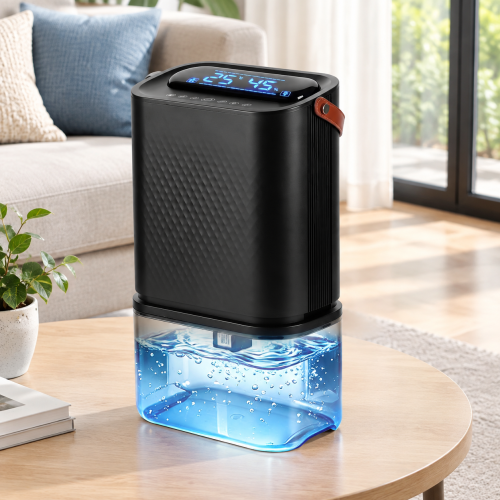
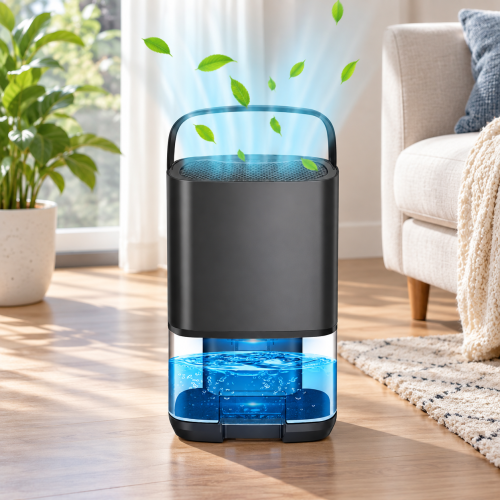
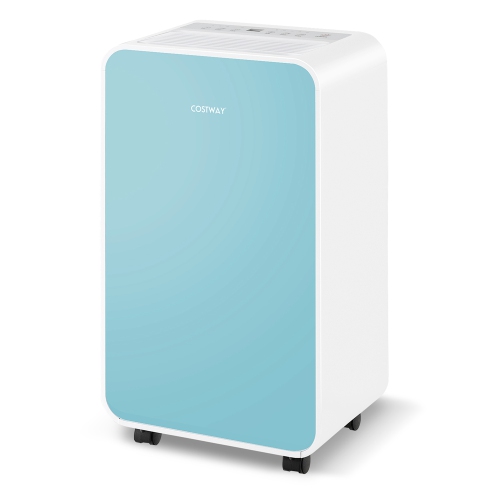
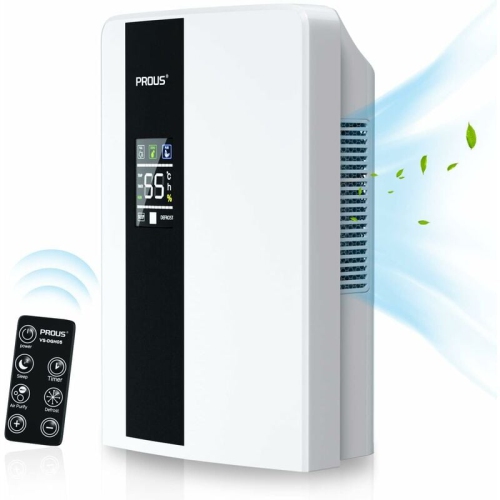
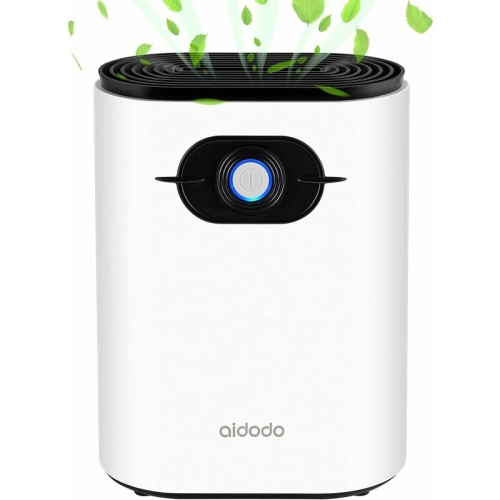
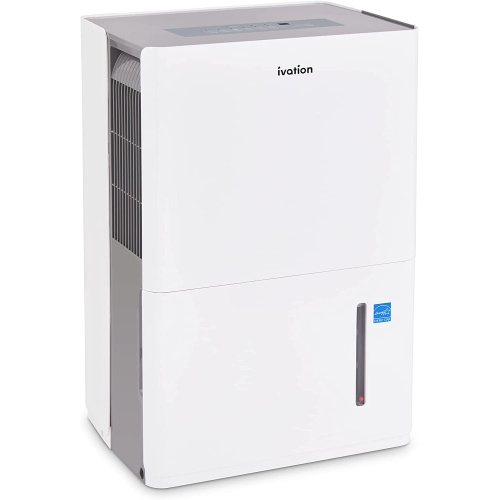
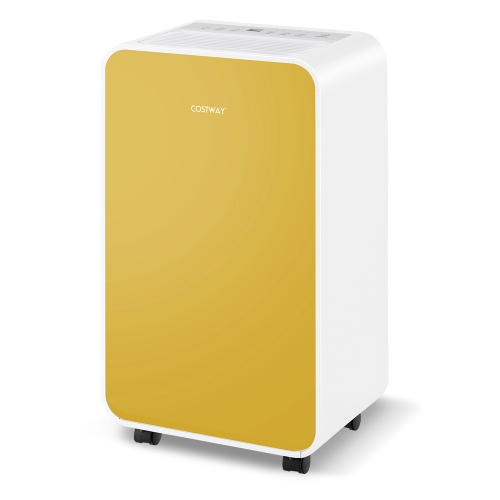
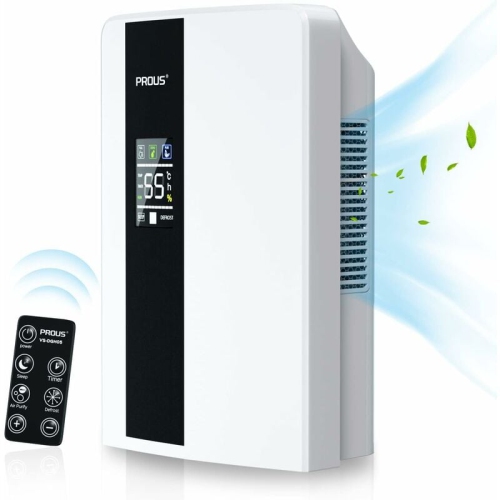
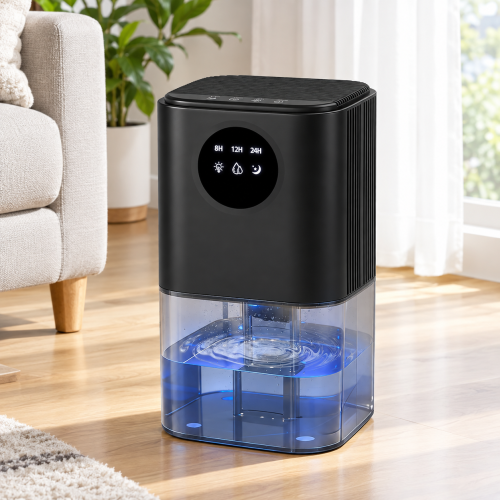
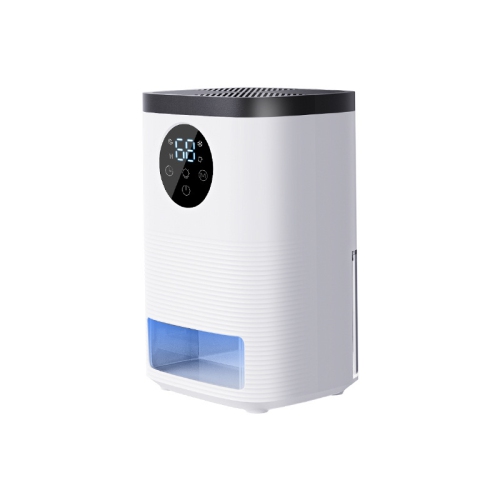
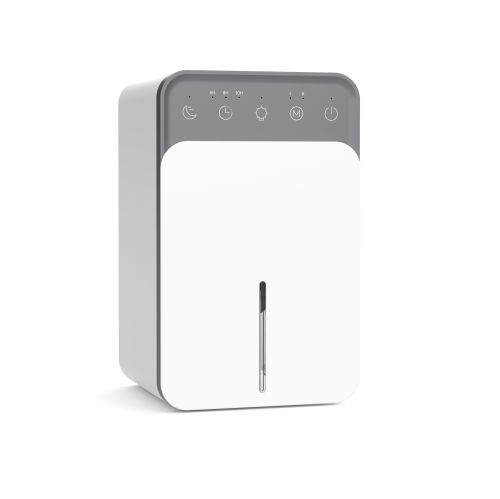
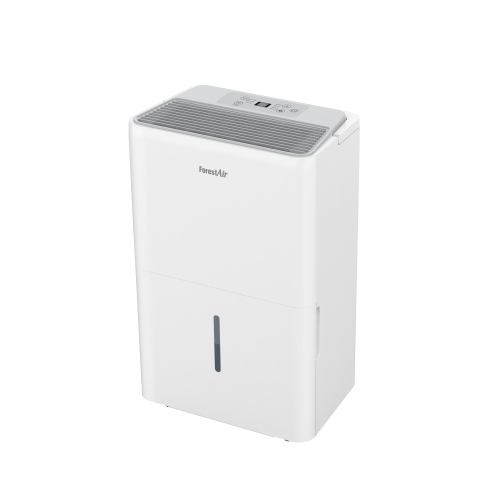
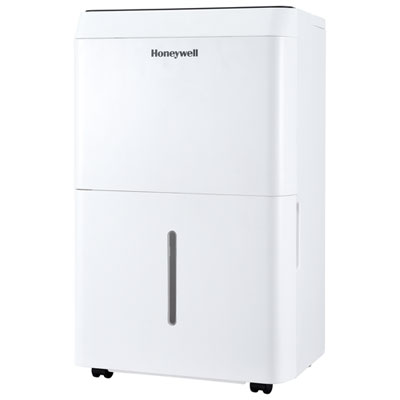
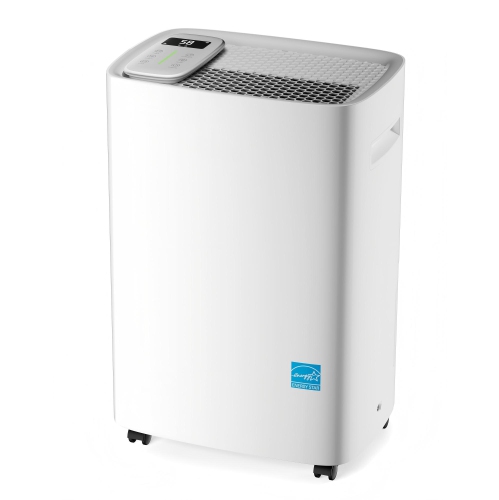
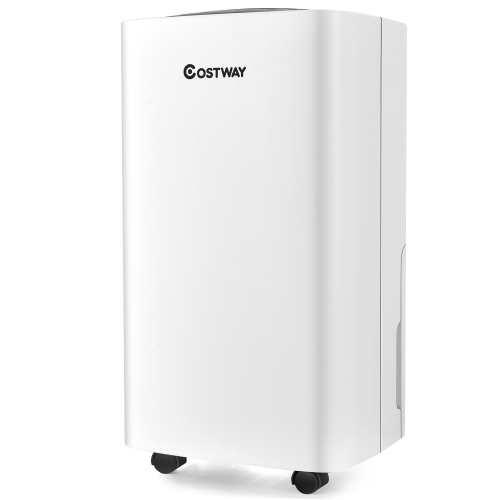
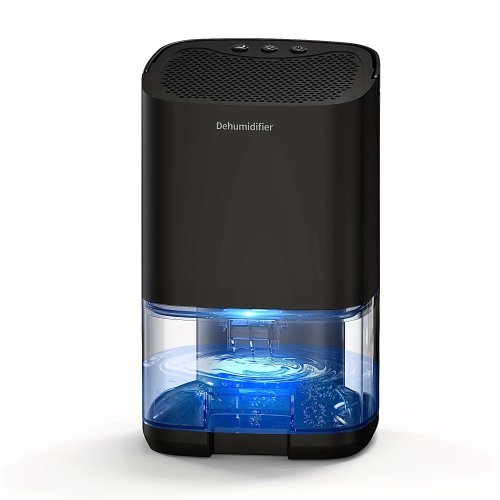
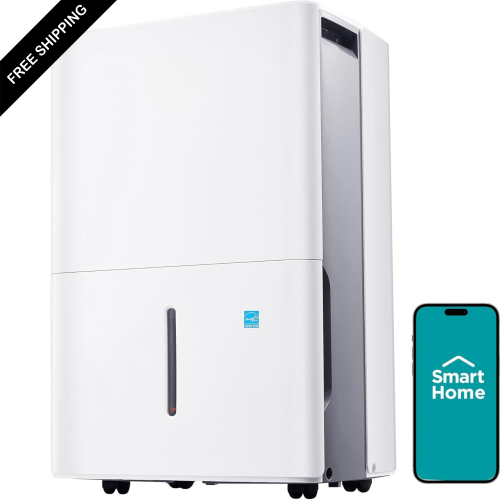
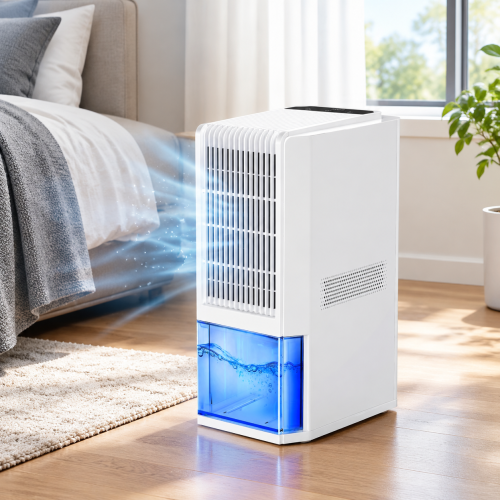
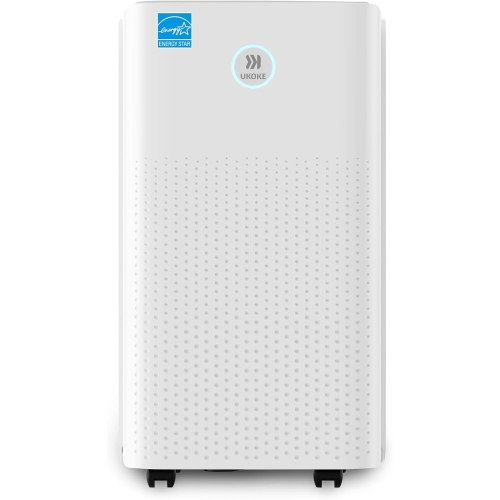
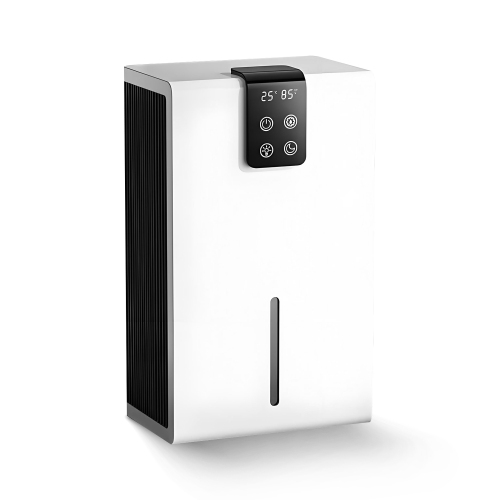
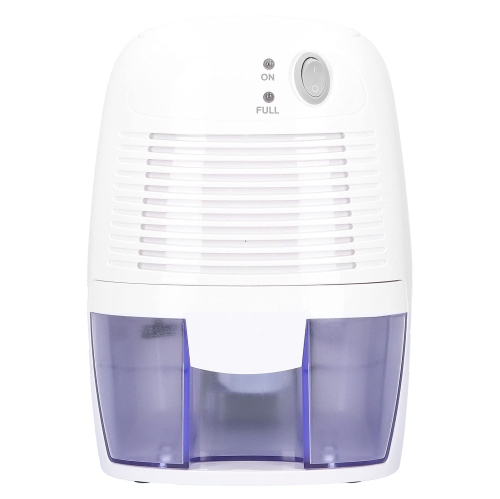
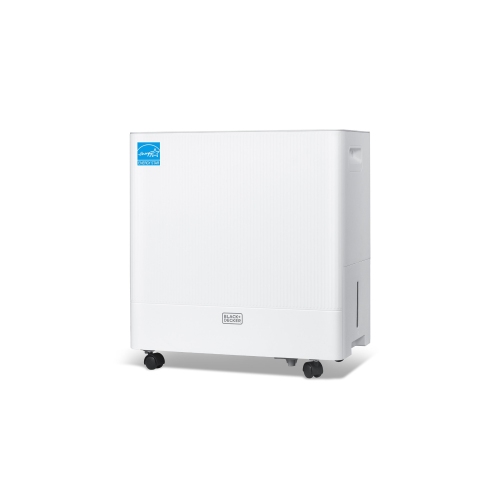
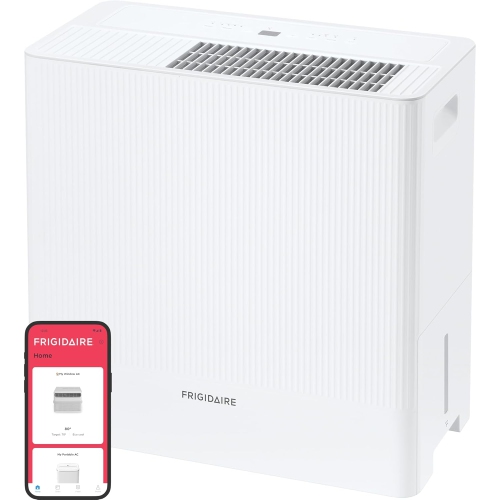
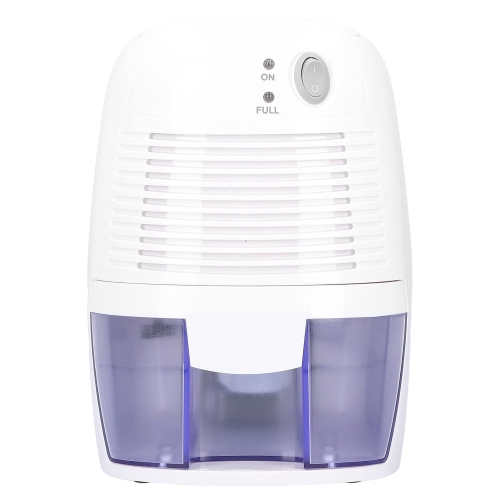
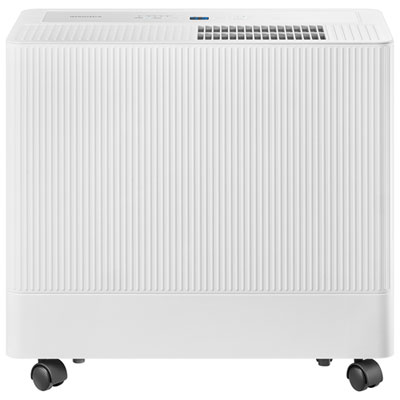
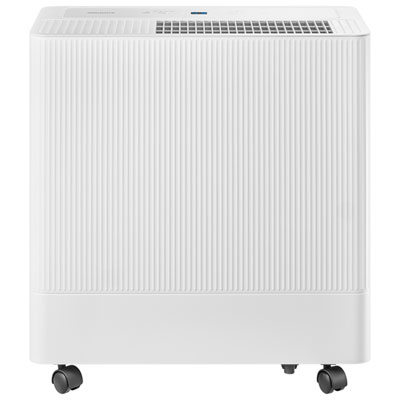
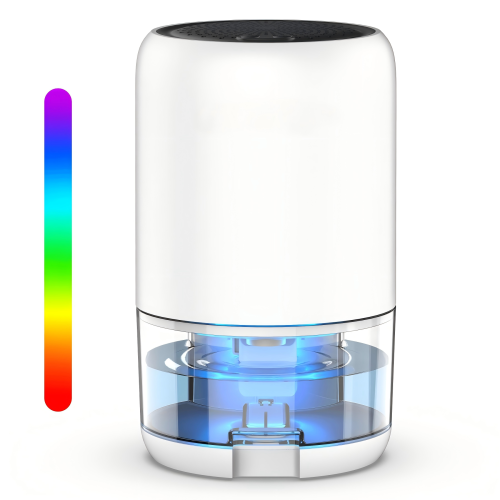
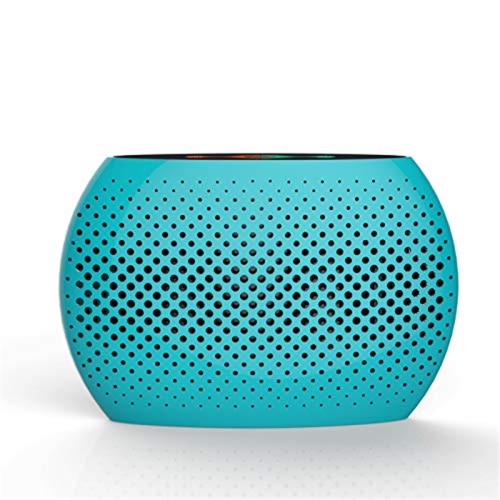
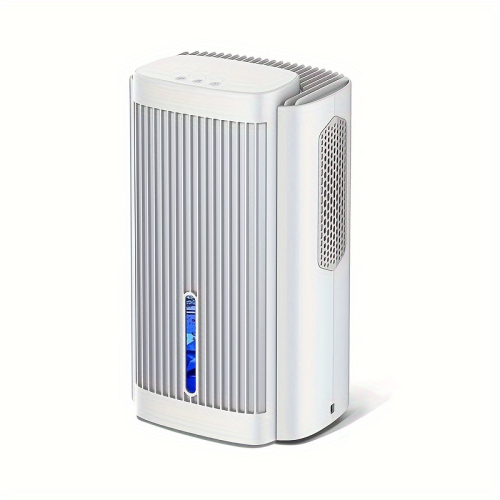
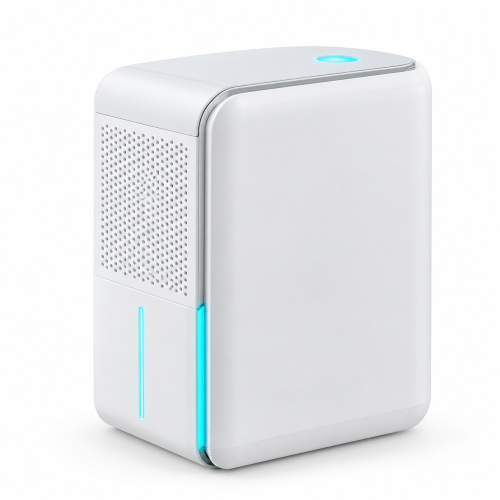
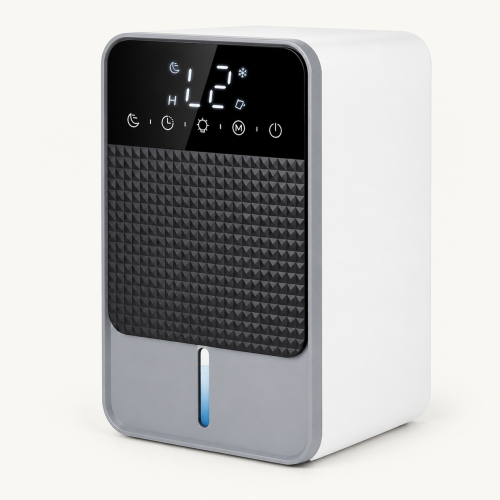
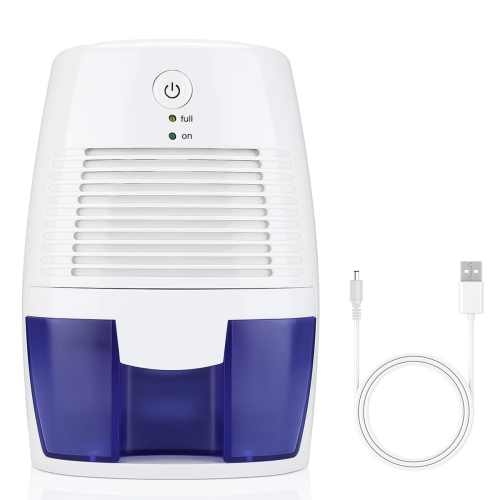
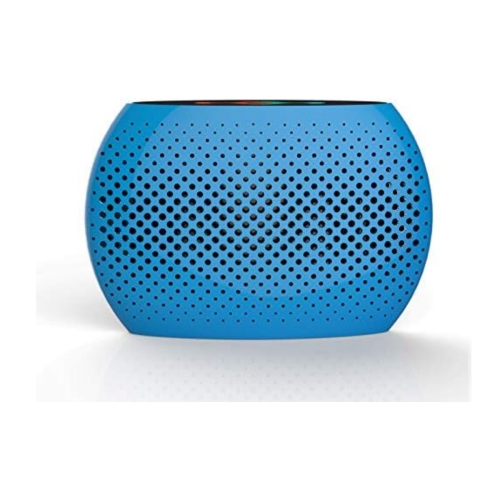
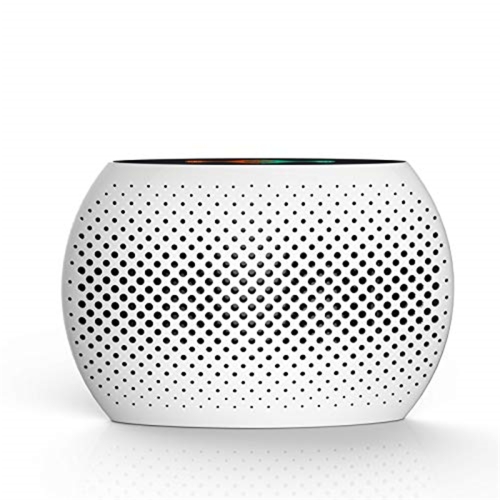
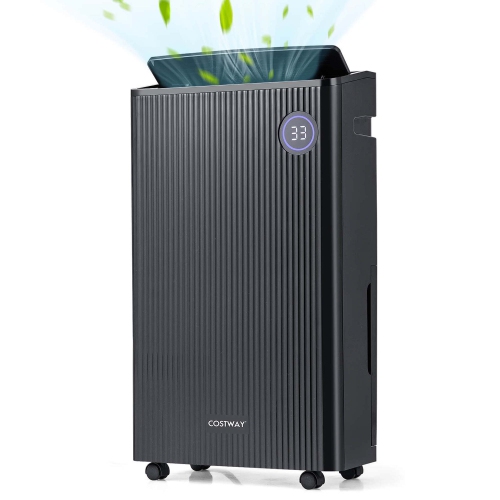
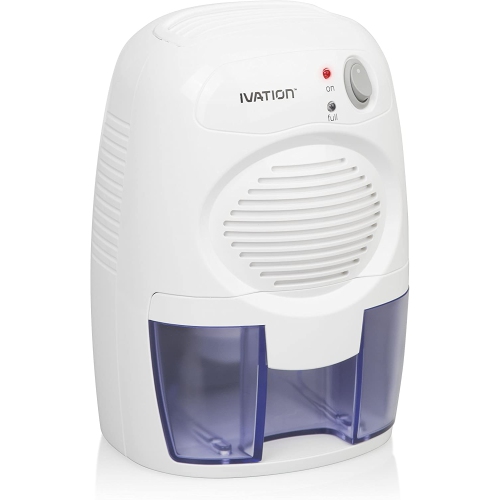
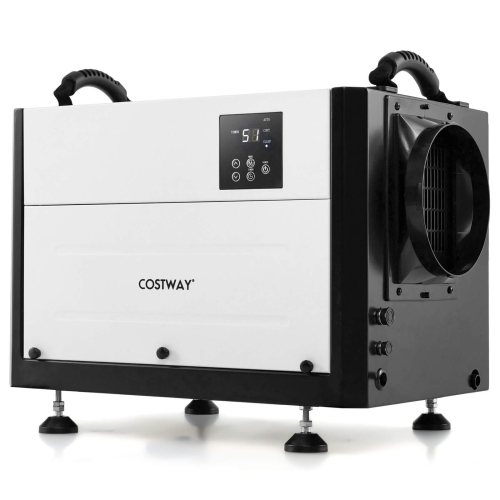
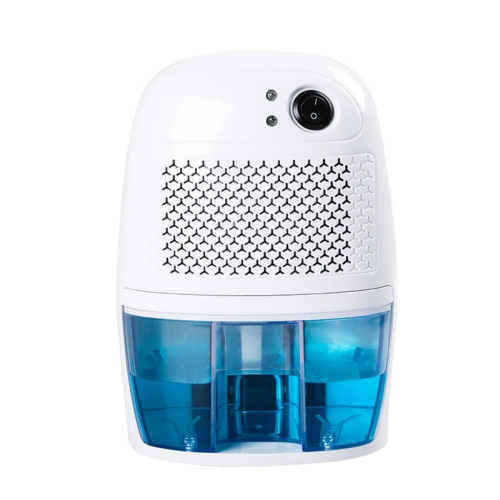

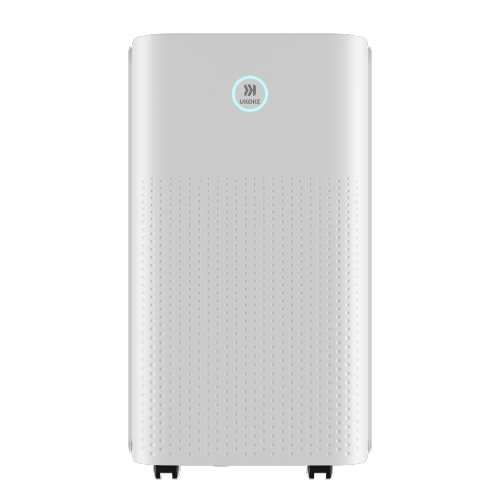

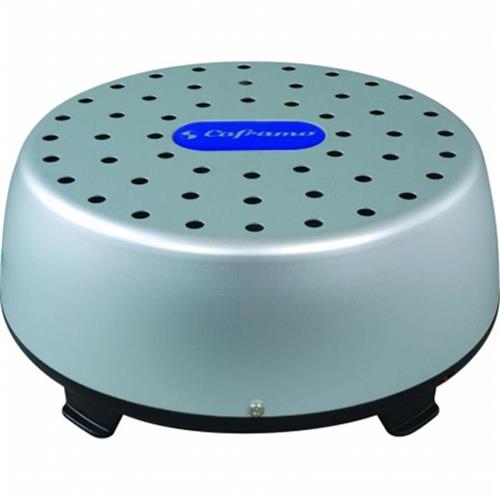
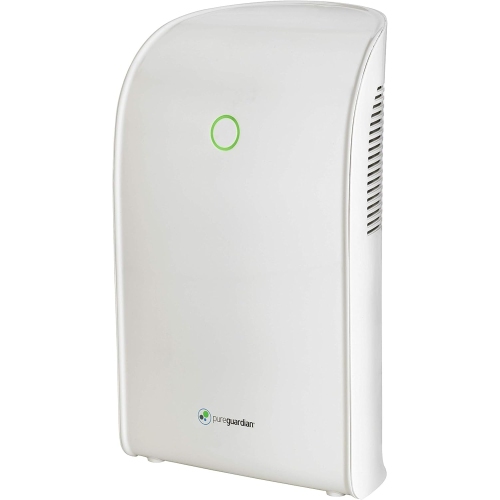
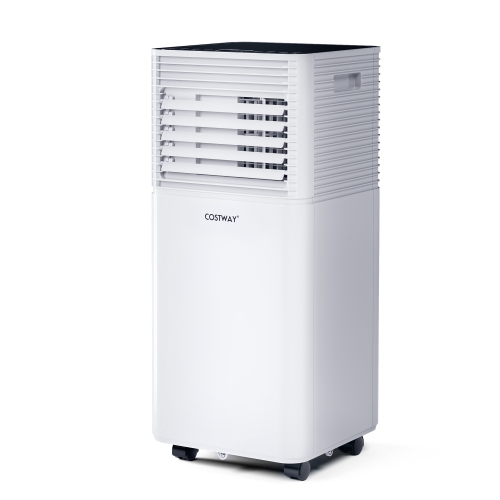
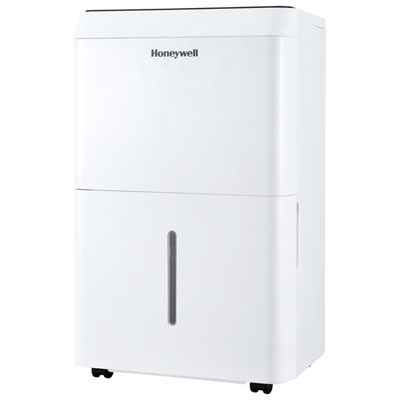
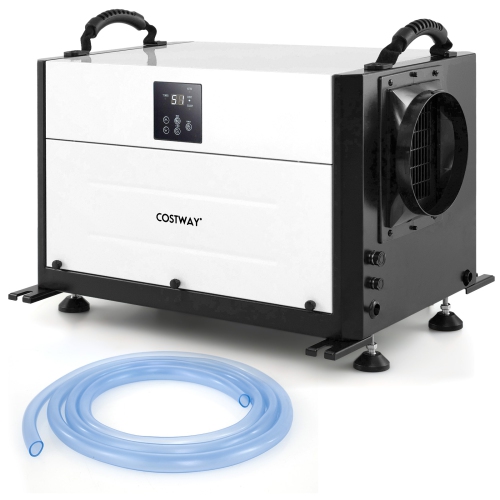
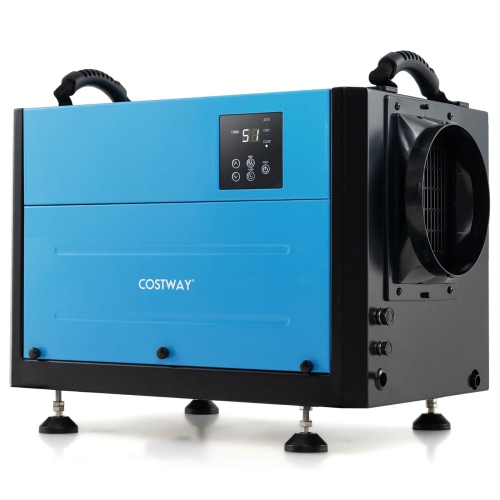
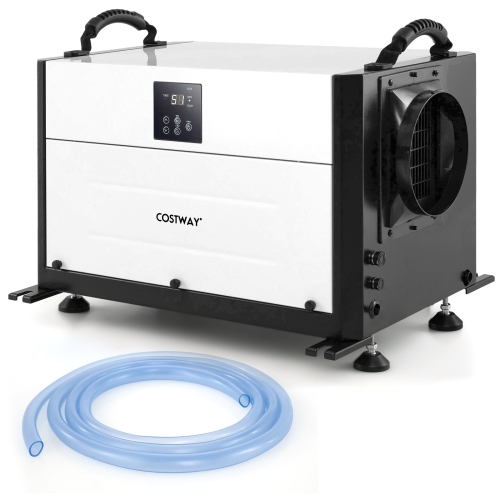
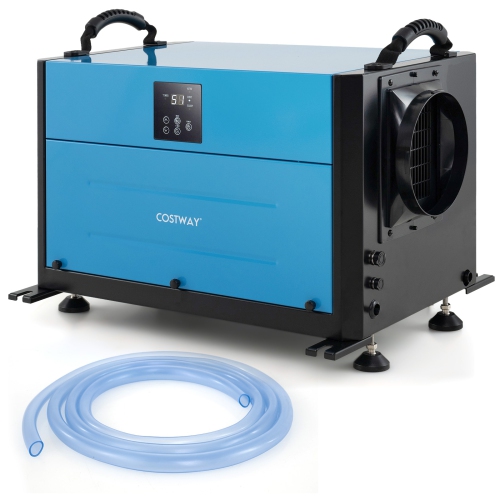


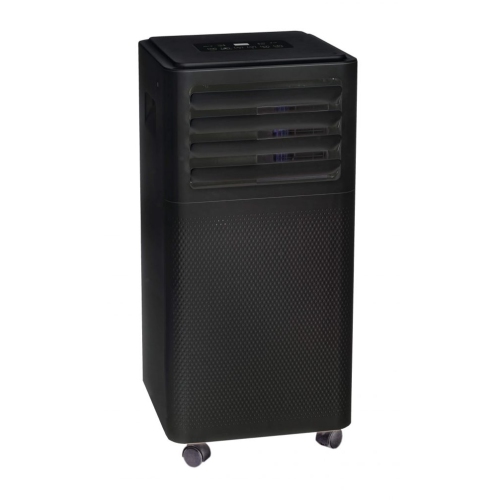
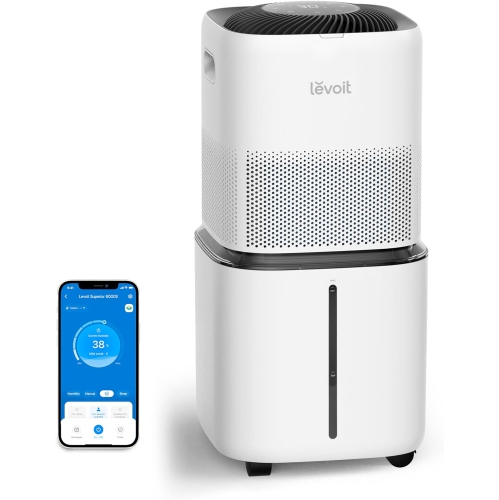
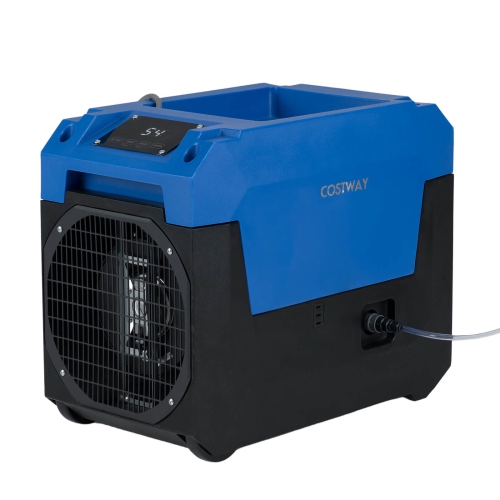

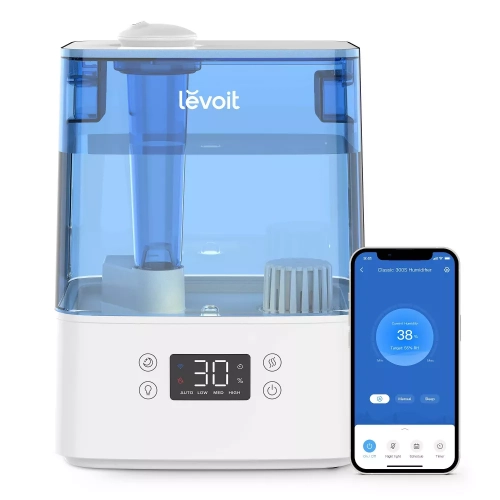
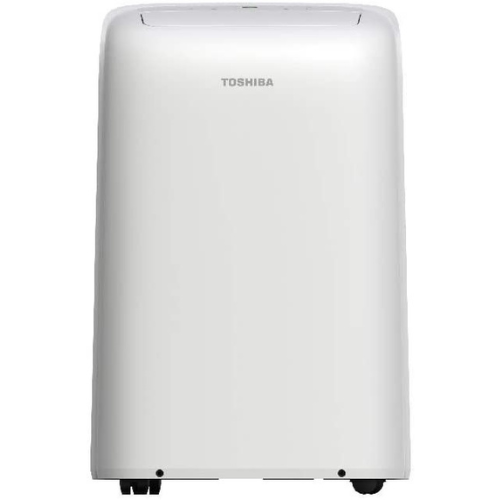
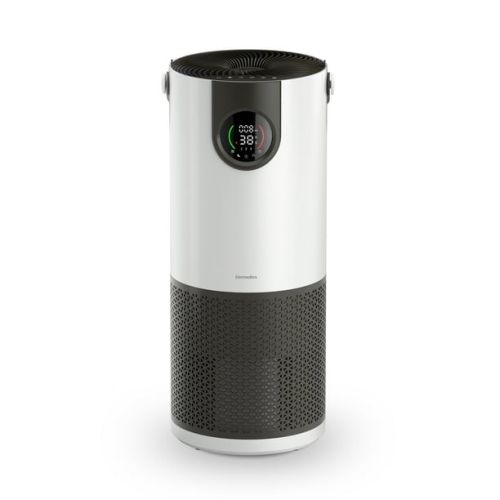
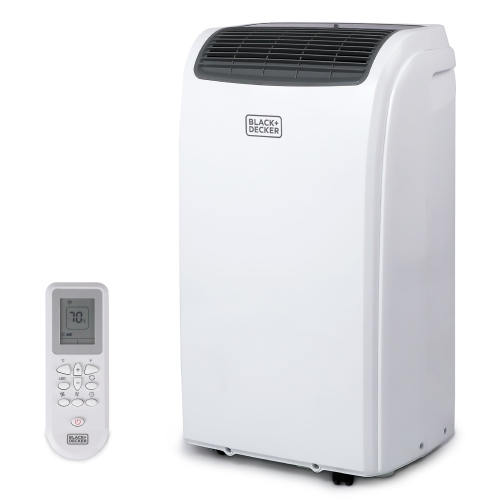
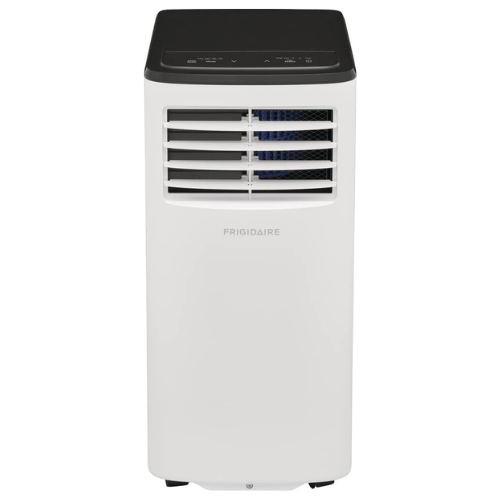
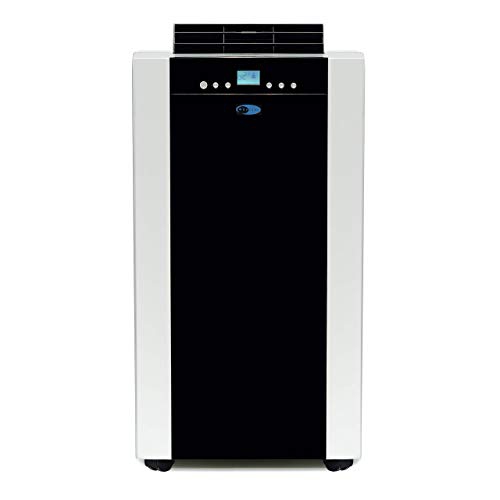
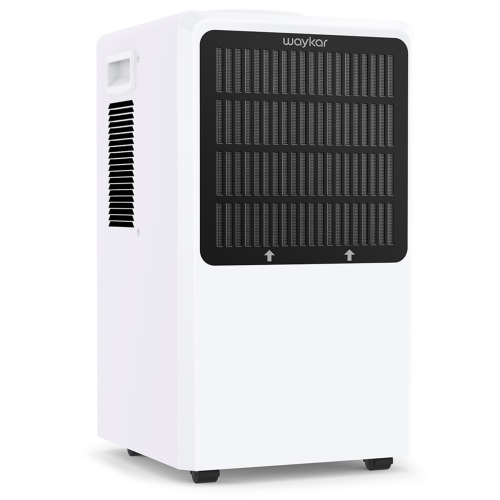
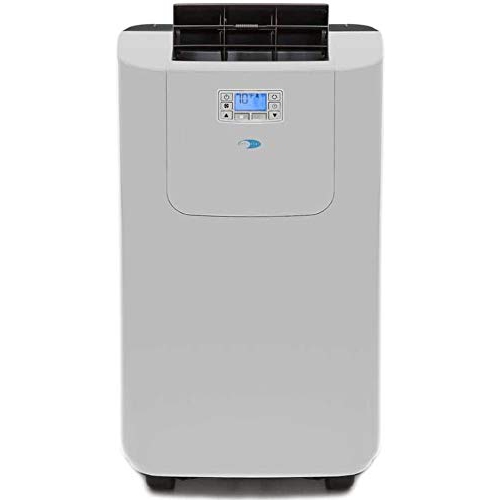
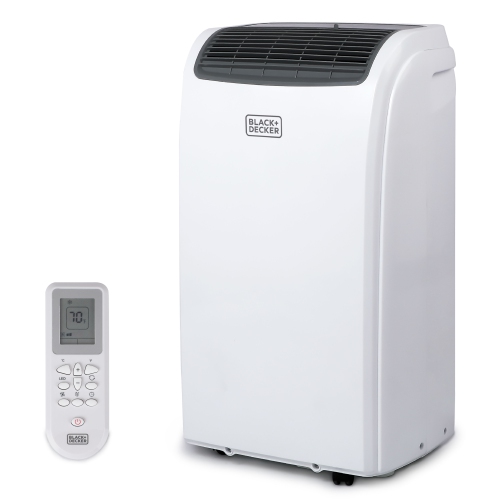
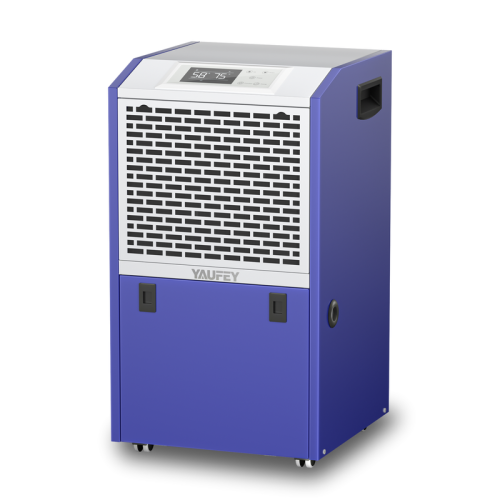
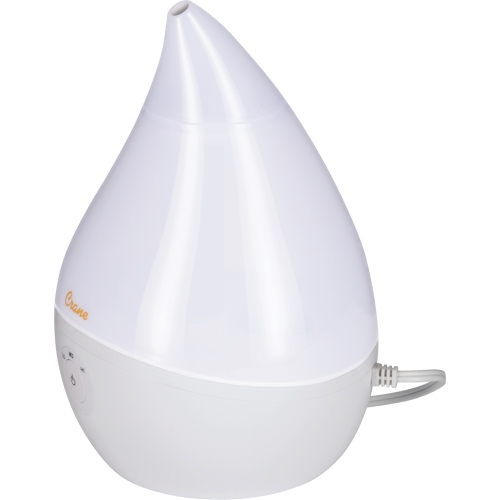
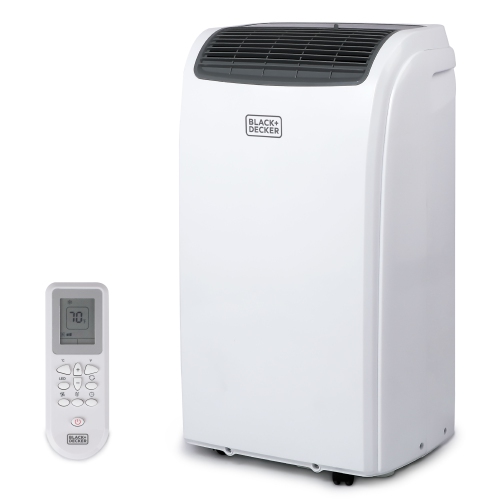
Moisture control that fits your space and routine
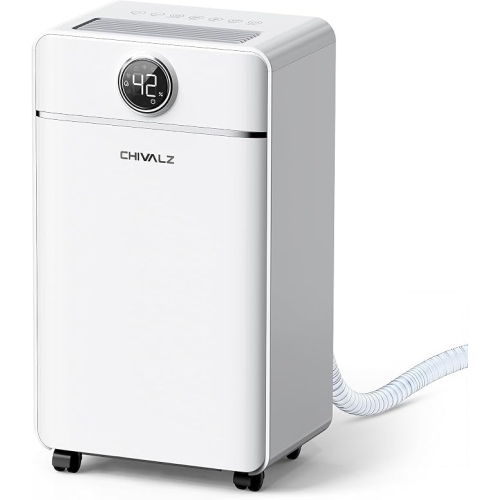
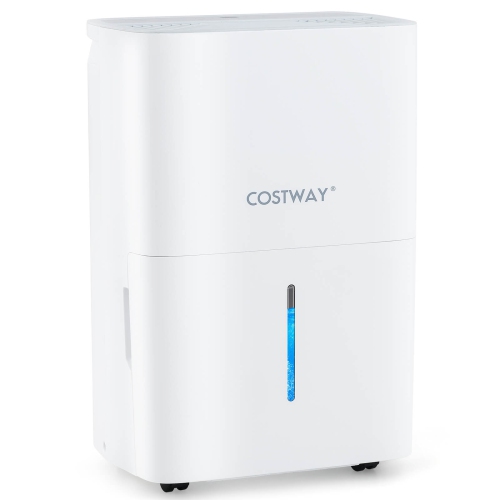
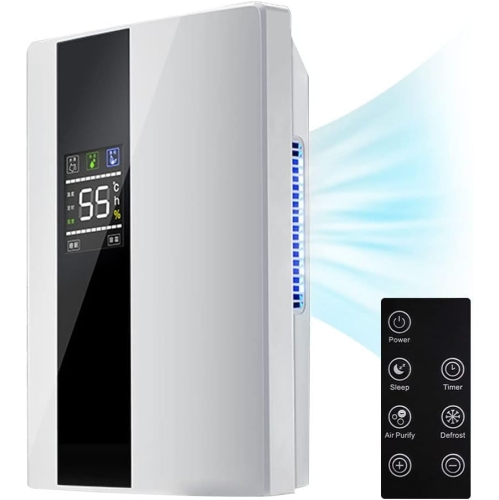
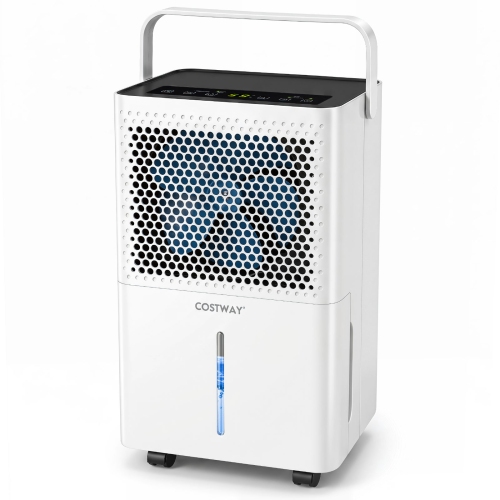
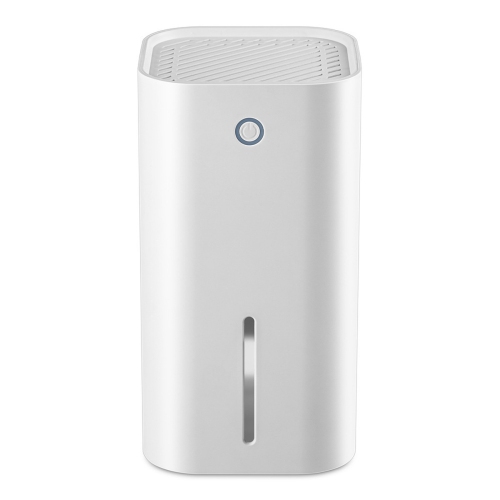
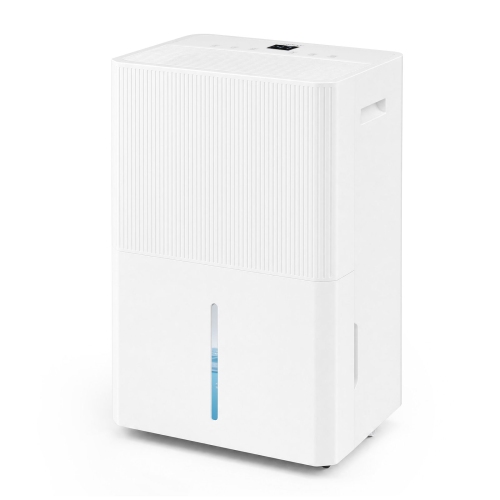
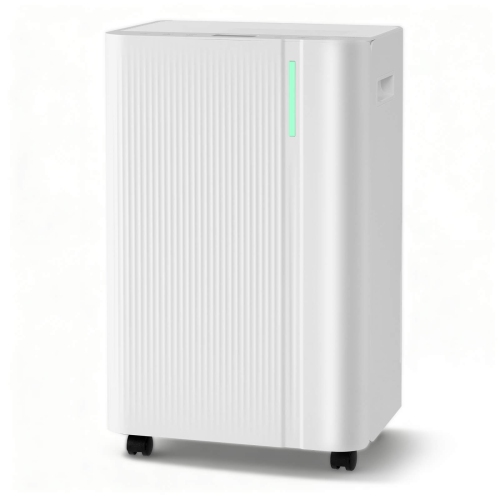
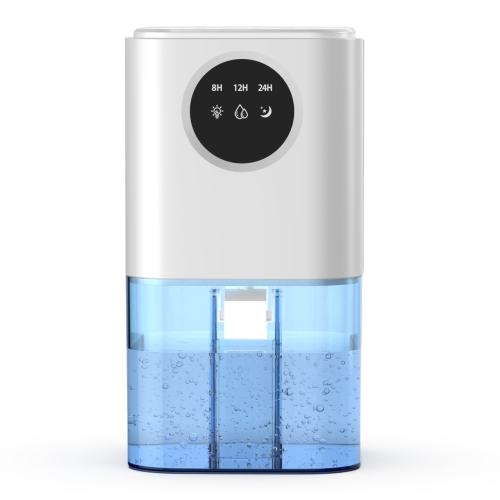
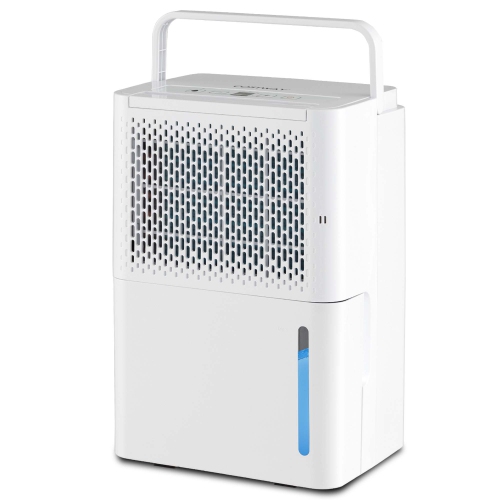
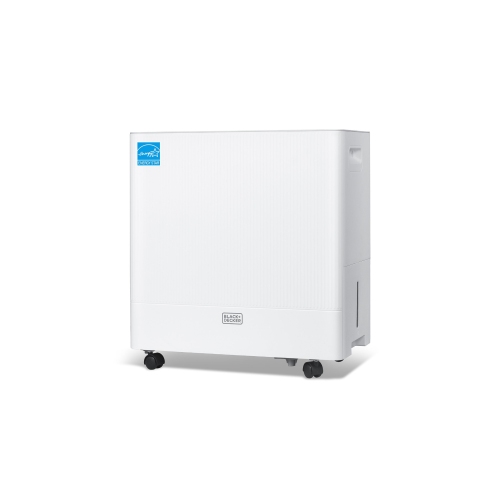
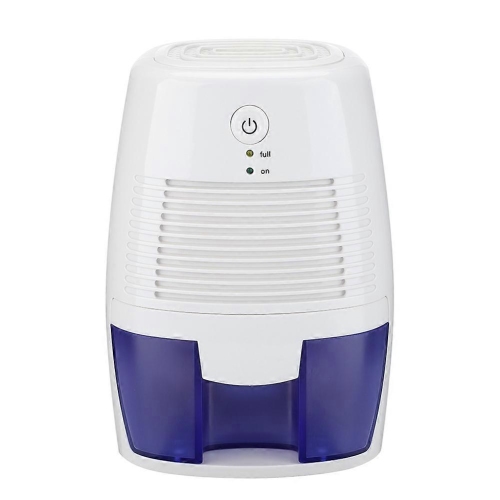
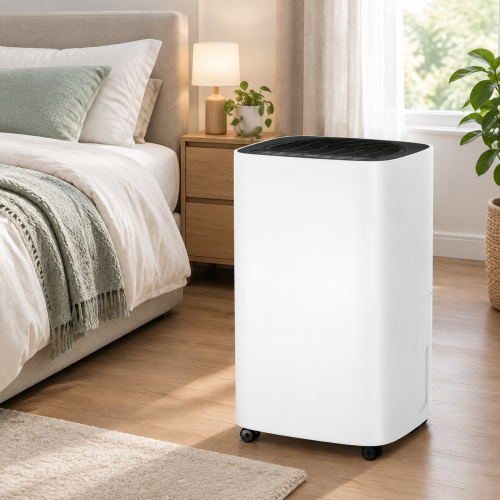
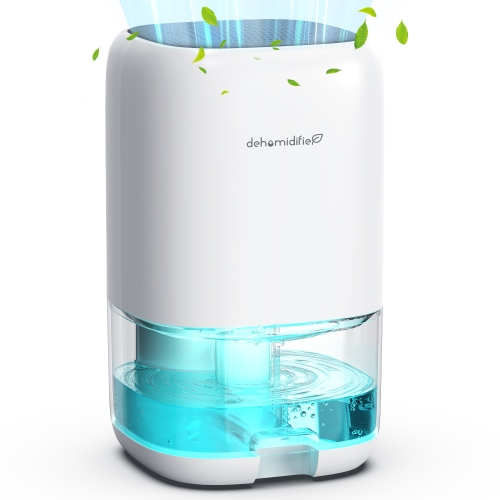
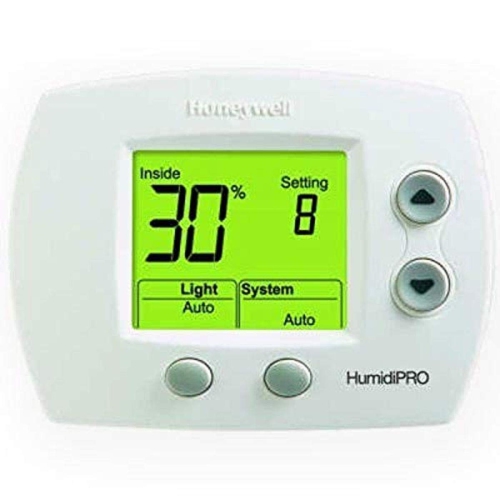
House dehumidifiers remove excess moisture from indoor air, helping make damp rooms more comfortable and easier to maintain. They are commonly used in basements, laundry areas, bedrooms, and other spaces where moisture collects on windows or leaves fabrics feeling clammy. A dehumidifier draws air through the appliance, separates out moisture, and collects the water in a tank or sends it through a drainage hose. Compressor models use cooled coils to condense water, while desiccant designs use a moisture-absorbing material. The right choice depends on the size and layout of the space, the degree of dampness, and how the collected water will be managed. Moisture-removal capacity describes how much water an appliance can extract over a specified period, usually 24 hours under stated testing conditions; it does not describe the size of the collection bucket. For example, a unit rated to remove 50 US pints per day can extract approximately 24 litres under its rated conditions, but its tank may need emptying several times to accommodate that amount. Capacities around 20 to 35 US pints per day may suit smaller or moderately damp spaces, while larger capacities can be useful for more demanding basement applications. These figures are starting points rather than guarantees: ceiling height, open doorways, moisture sources, and air circulation all affect performance. Coverage claims are most useful when considered alongside the manufacturer’s testing conditions and capacity rating. An adjustable humidistat allows a target humidity level to be set, with many households aiming for indoor relative humidity between 30% and 50%, depending on the building and room use. A separate hygrometer placed away from the appliance can help show whether the room is reaching that target. Dehumidification can discourage conditions that support mould growth, but it does not remove existing mould, repair leaks, or replace proper ventilation. Persistent dampness, water staining, or a recurring musty smell deserves attention at the source as well as moisture control.
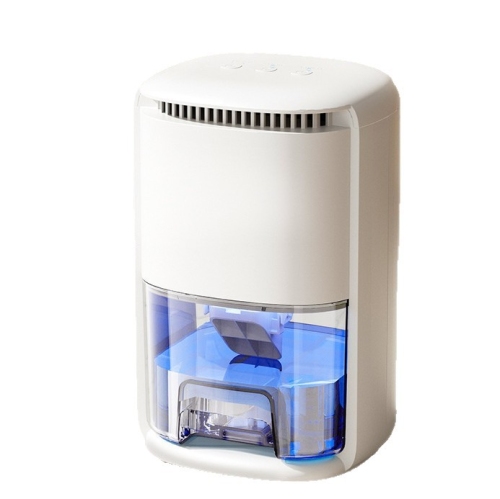
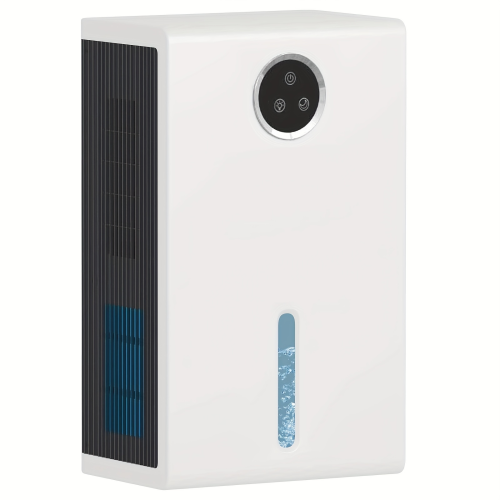
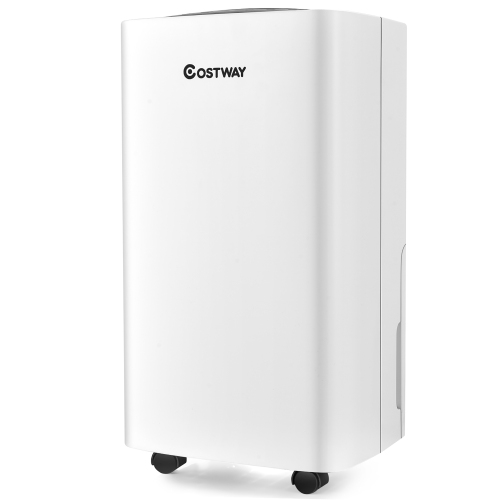
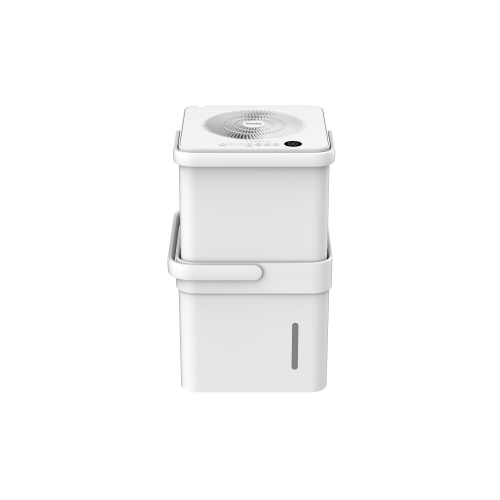
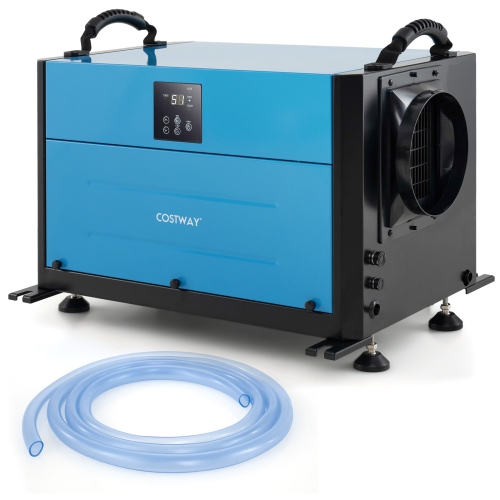
Daily convenience often comes down to drainage, placement, and sound. A removable bucket works well where there is no suitable drain, provided someone can empty it regularly. A clear water-level window, a secure handle, and an accessible tank opening make this task less awkward, particularly when carrying water from a basement room to a utility sink. A full-tank shutoff stops moisture collection when the bucket reaches its limit, helping prevent overflow while the tank is correctly installed. Continuous gravity drainage can reduce manual emptying, but the hose needs an uninterrupted downhill route to an appropriate drain. A built-in pump serves a different purpose: it can move collected water upwards within the manufacturer’s stated lift limit, which may help when a sink or drain connection sits above the unit. Hose length, connection requirements, and whether a pump or hose is included vary by design. Placement matters just as much as drainage. Air inlets and outlets need the specified clearance from furniture, walls, and curtains, and the appliance should stand upright on a stable, level surface. A tucked-away corner behind a sofa may look tidy but can restrict airflow and make bucket access difficult. In a bedroom or home office, published sound ratings, lower fan settings, and the ability to dim display lights can be more useful than a long list of controls. Timers and automatic humidity settings let operation follow household routines, while Wi-Fi connectivity on compatible designs can offer remote adjustments or alerts. Portability also deserves a practical look: castors are helpful across a level floor, but carrying a unit upstairs depends on its weight, handle design, and the user’s ability to lift it safely. The outside dimensions should allow room not only for the appliance itself but also for withdrawing the bucket and reaching the filter. For households with children or pets, routing the power cord and drain hose away from walkways helps keep the setup orderly, and controls with a lock function can help prevent unintended changes.
House dehumidifiers range from portable room appliances to systems intended for broader household moisture control. A portable unit can be a practical fit for a finished basement used for exercise, a laundry space where indoor drying adds moisture, or a spare room containing upholstered furniture and stored linens. However, an advertised coverage area does not mean air will circulate freely through several closed rooms or between floors. Homes with dampness across multiple connected spaces may benefit from exploring Whole Home Dehumidifiers, including options that may require professional installation or integration with existing ductwork. The distinction is especially relevant when choosing between treating one problem area and managing moisture throughout a house. Construction and maintenance affect how well any setup holds up to regular use. Portable appliances commonly have wipe-clean outer housings and removable water tanks, while filters, coils, fan assemblies, and drainage components all need the care specified in the manual. A sturdy bucket handle, smoothly fitting panels, and accessible service points can make routine upkeep easier. Washable filters should be cleaned as directed and allowed to dry before refitting; filters intended for replacement should not be treated as washable. Emptying and cleaning the tank helps limit residue and odours, and checking hoses for kinks, buildup, or loose connections helps keep drainage reliable. Collected water is not drinking water and should be discarded appropriately. Before storing or moving the appliance, unplug it, drain it, and follow the manufacturer’s handling instructions. Durability is also worth considering through warranty terms, service access, and replacement-filter requirements rather than appearance alone. Energy-efficiency ratings can help compare electricity use, particularly for an appliance expected to run frequently, although actual consumption depends on settings and room conditions. For renters, homeowners, and anyone maintaining a frequently used basement, the most useful fit balances moisture-removal capacity with manageable care. A unit that suits the room, drains conveniently, and operates comfortably alongside everyday activities is better positioned to become a dependable part of household upkeep.
Top selling and popular products
-
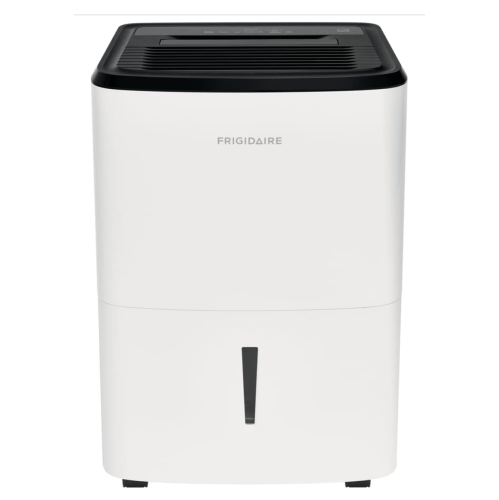 Your price for this item is $879.99
-
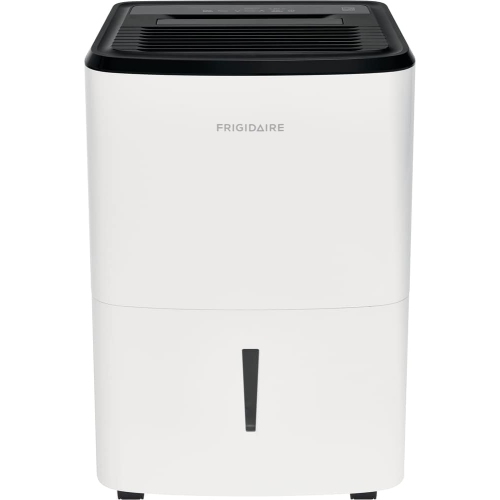 Your price for this item is $750
-
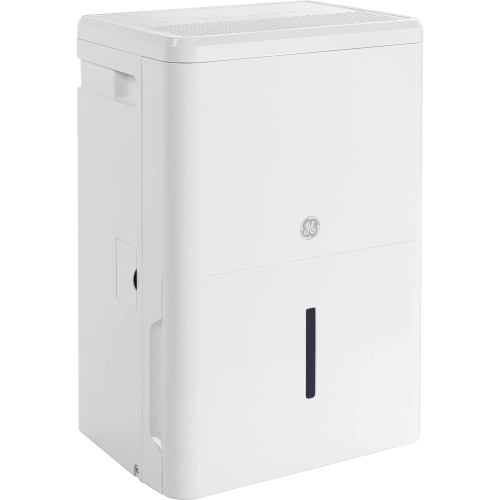 Your price for this item is $637.99
-
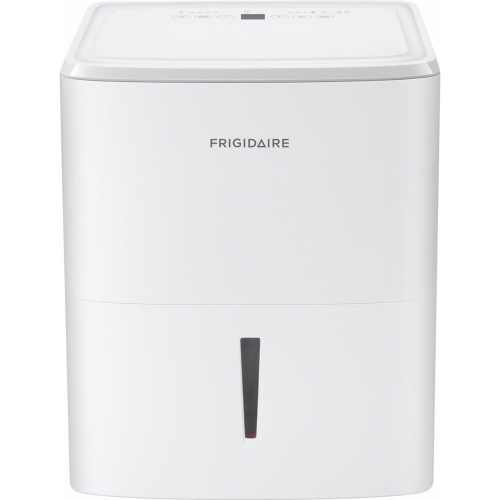 Your price for this item is $599.99
-
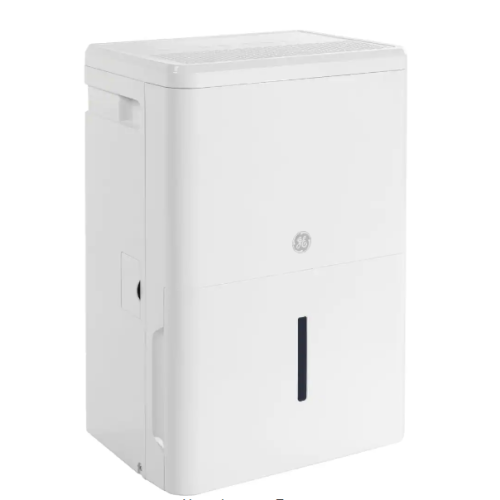 Your price for this item is $539.99
-
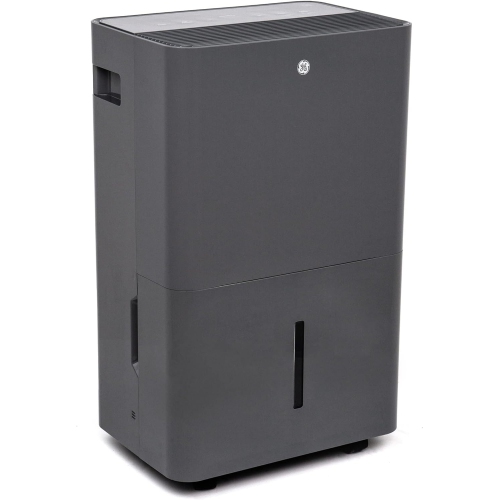 Your price for this item is $945.99
-
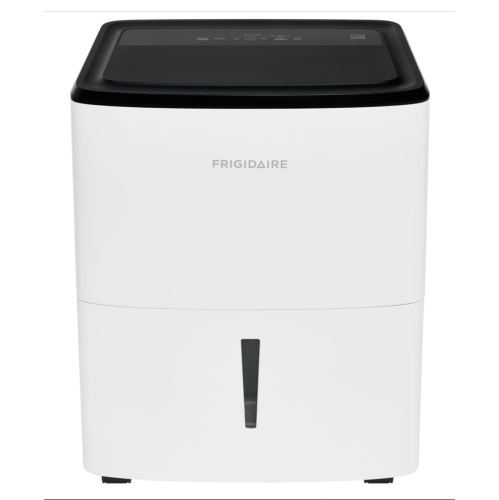 Your price for this item is $582.99
-
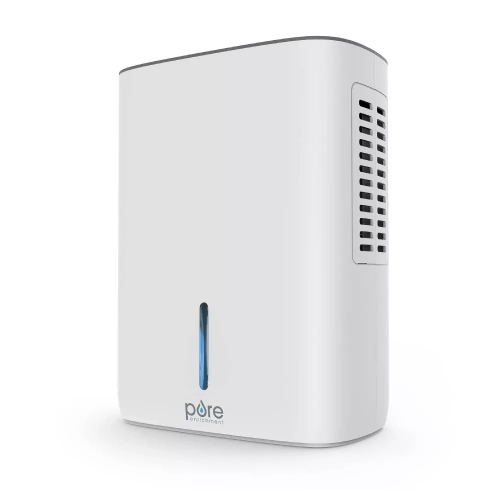 Your price for this item is $329.99
Discover more categories related to House Dehumidifiers
Top Collections:
Pokemon Centers, Kindle Devices, Best Budget Office Chairs, Canon G7X Cameras, Apple iPhones 16, Samsung Galaxy Phones, Refurbished Apple Laptops, Laptops for Students, iPhone 15 Apple, Budget Smartphones
Some products may be subject to Environmental Handling Fees
(EHF) depending on your province.
Learn more about EHFs.