Indoor Ceiling Fans
When it comes to keeping your home cool and comfortable, indoor ceiling fans are a stylish and practical solution. Whether you're looking to enhance the airflow in your living room, bedroom, or home office, ceiling fans come in a variety of styles and sizes to suit any space. With energy-efficient options available, you can stay cool while also saving on your electricity bill. Upgrade your home's interior with a sleek and functional indoor ceiling fan that not only provides relief from the heat but also adds a decorative touch to your living space.
Sort
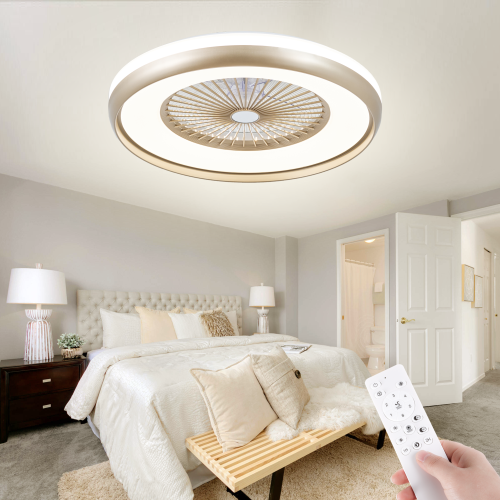

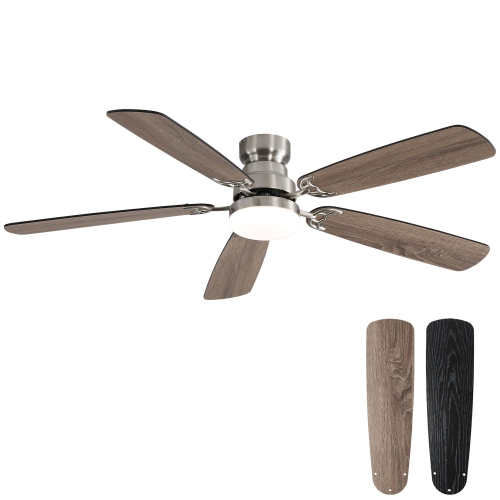
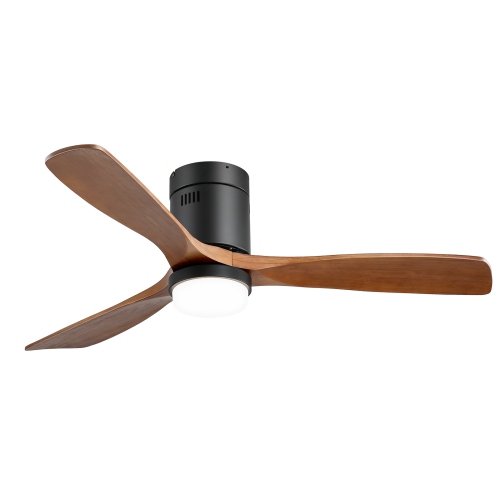
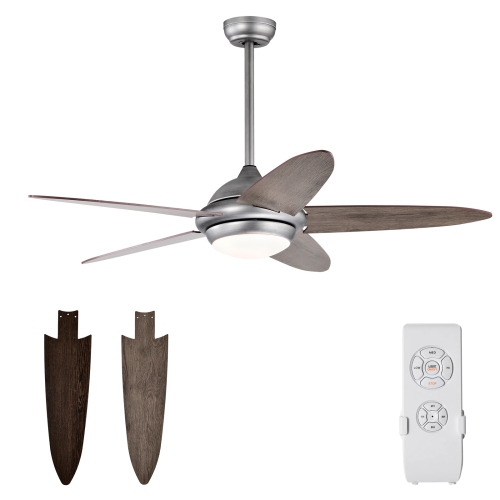




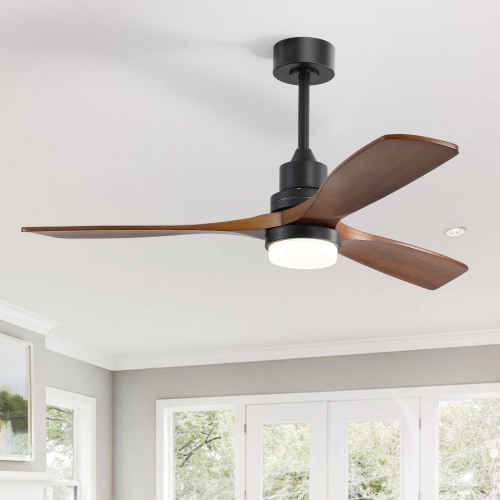
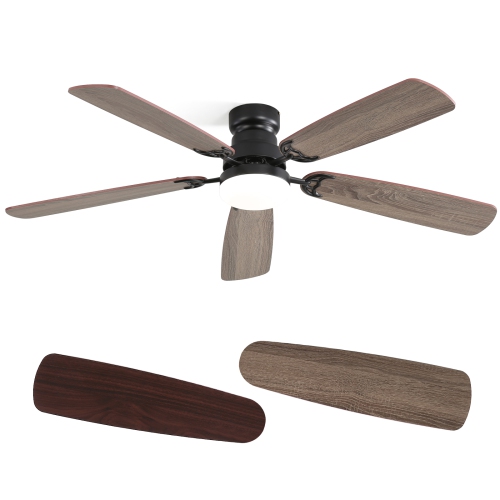
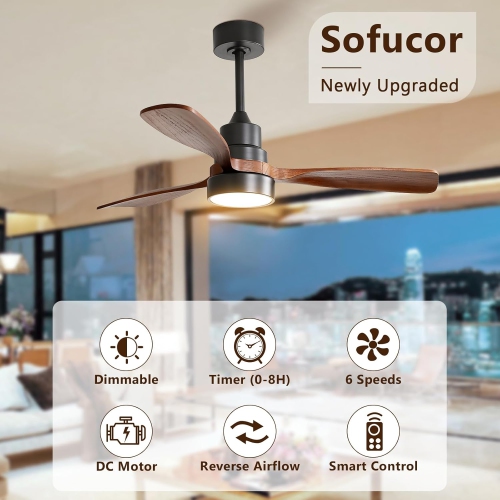
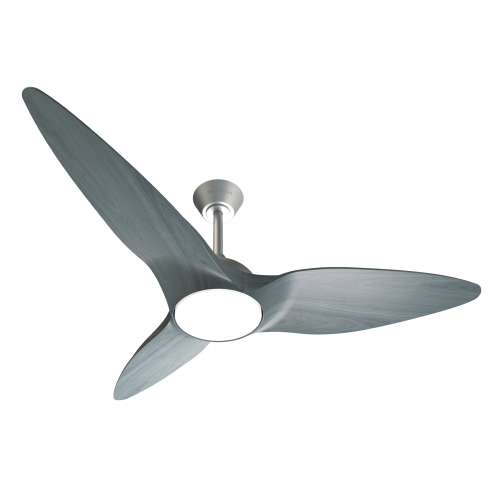

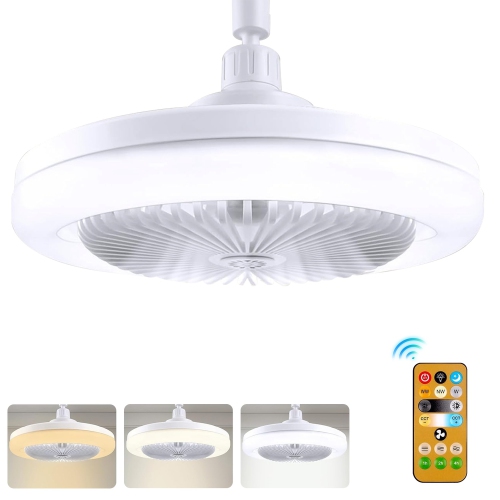
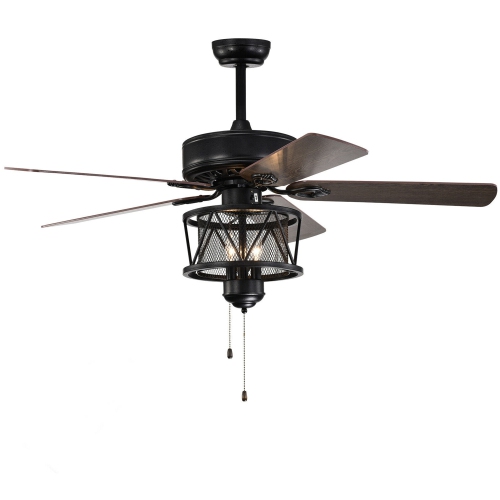
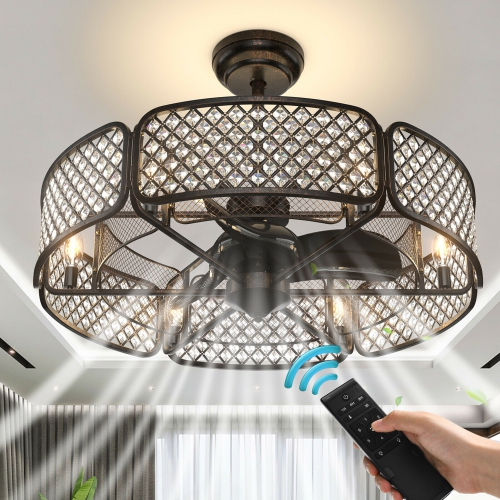
Practical guidance for sizing, mounting, controls, and comfort
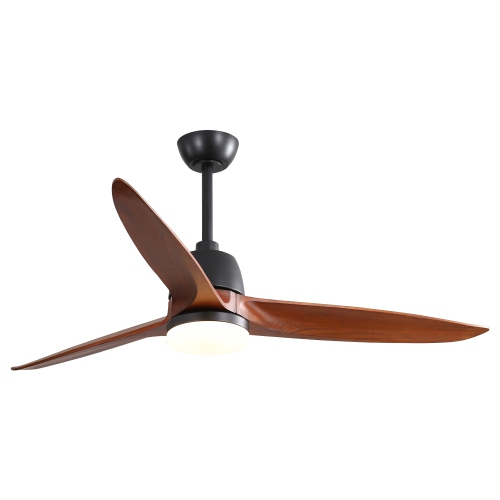
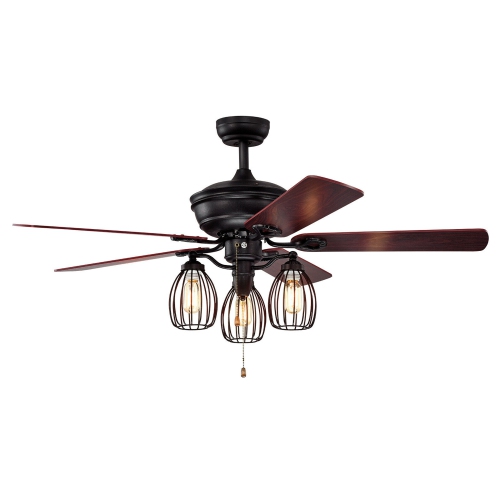
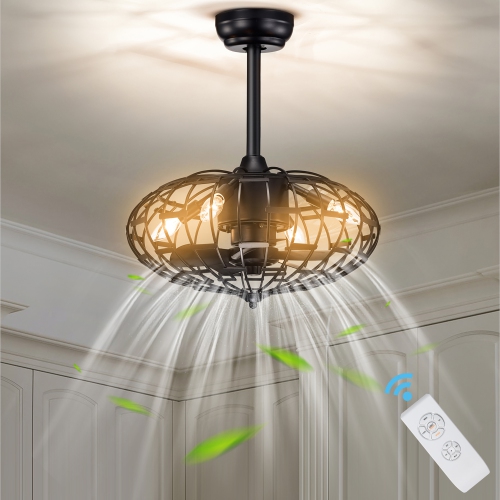
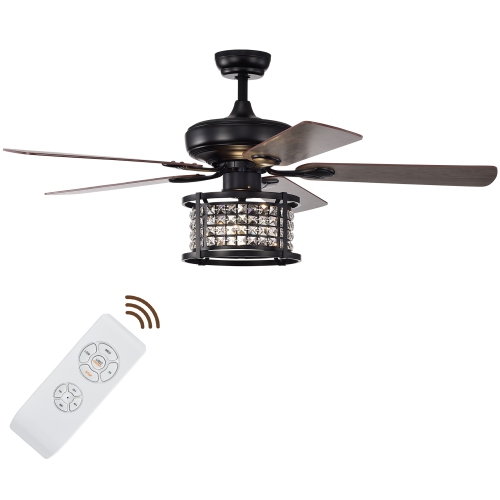
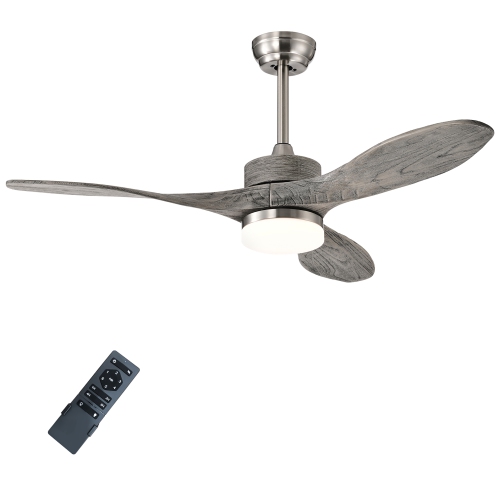
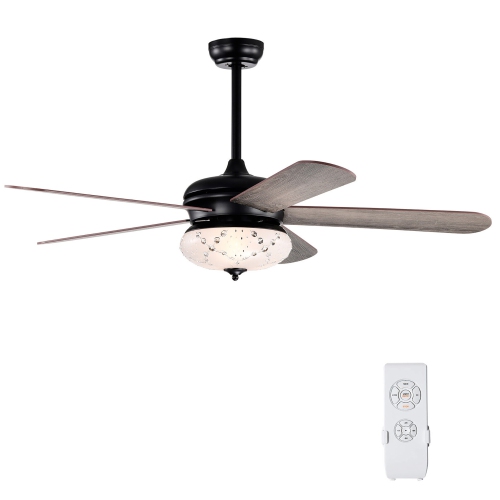
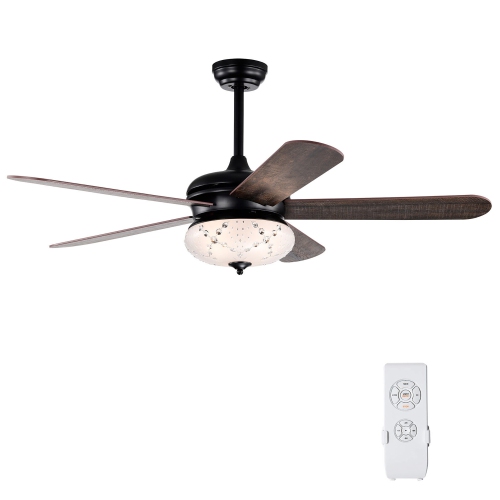
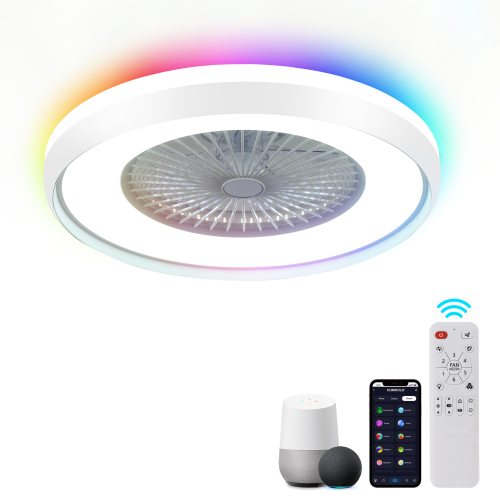
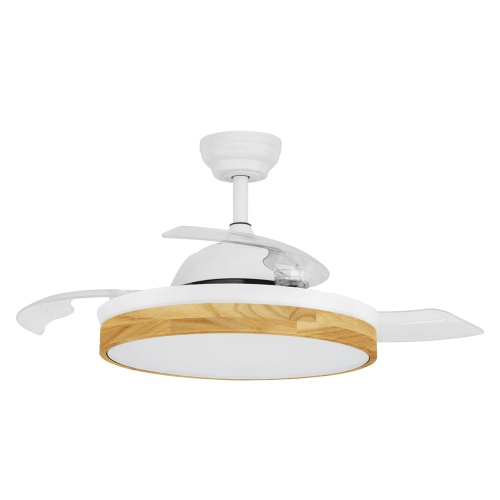
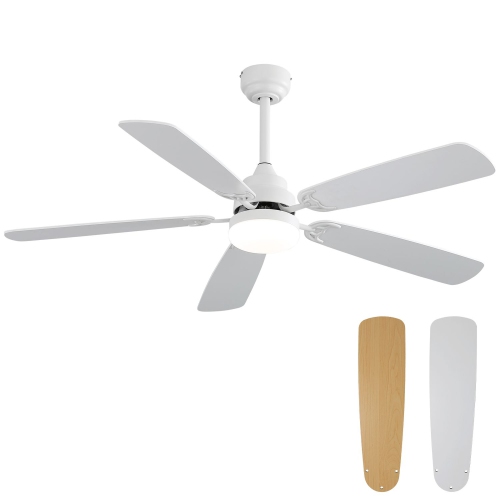
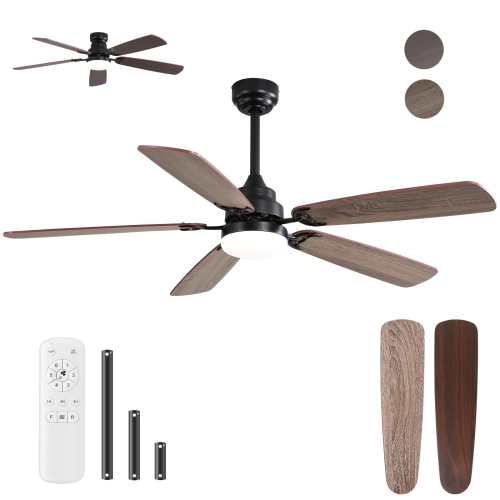
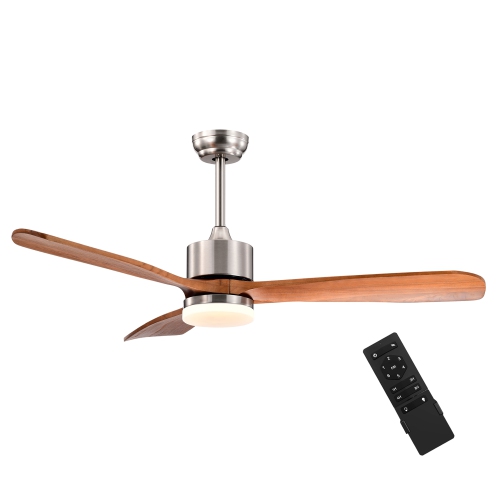
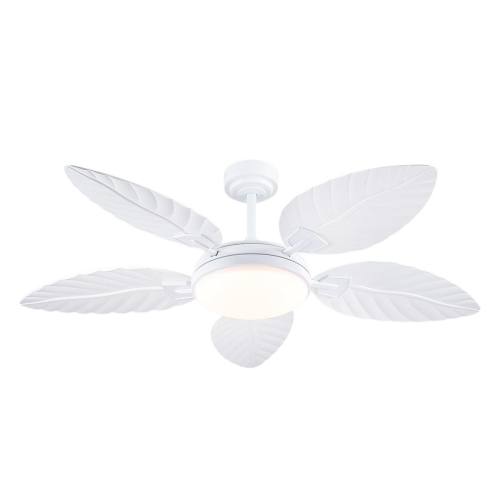
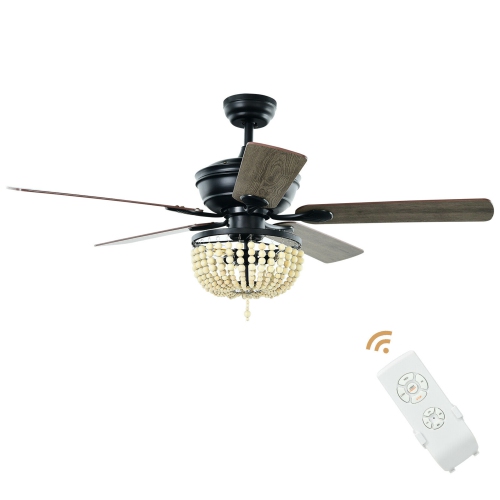
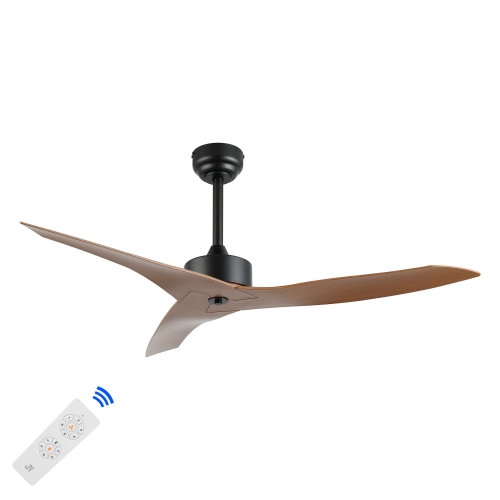
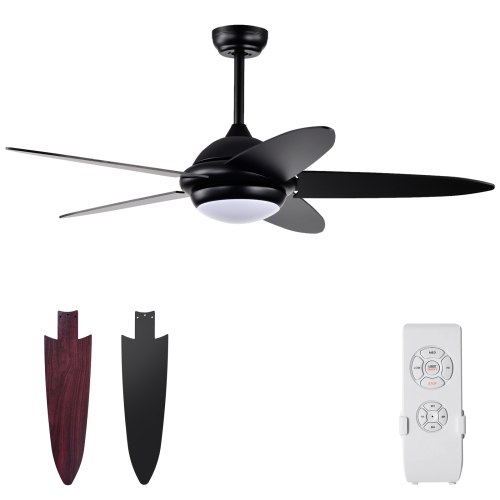
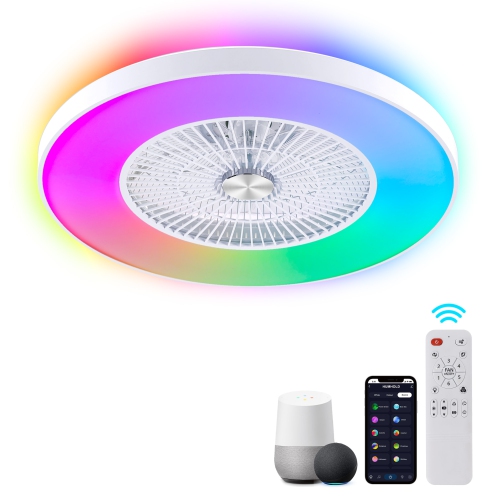
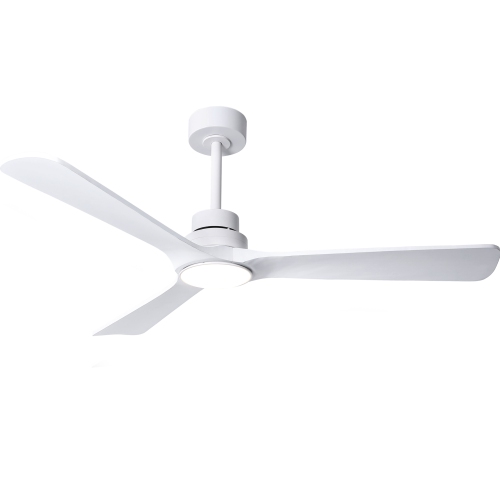
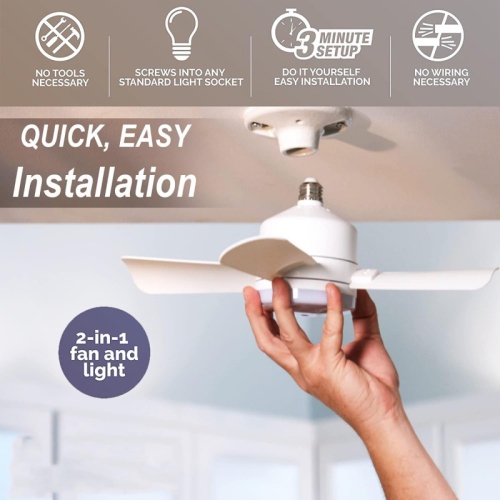
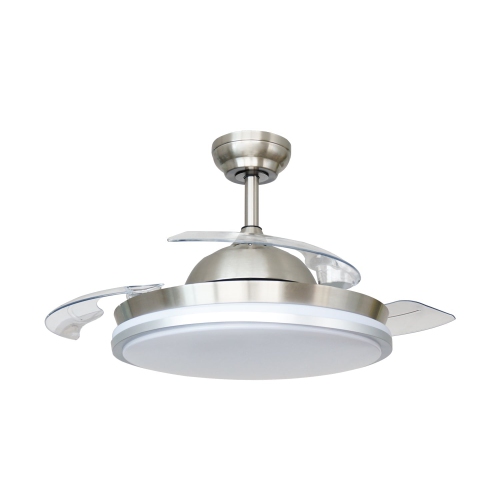
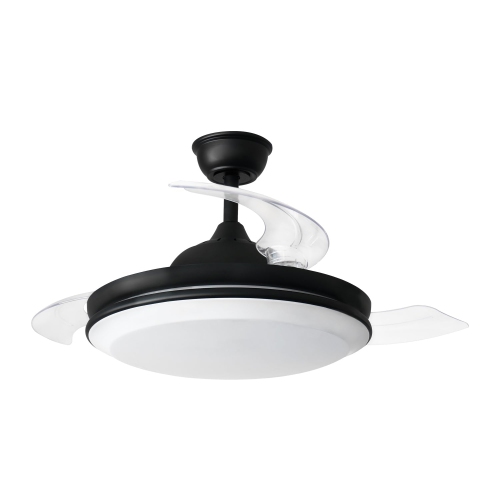
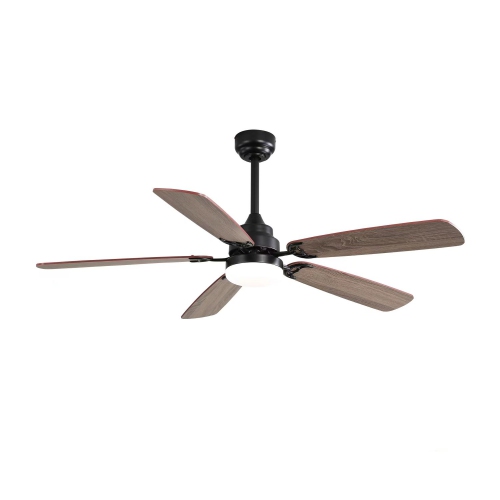
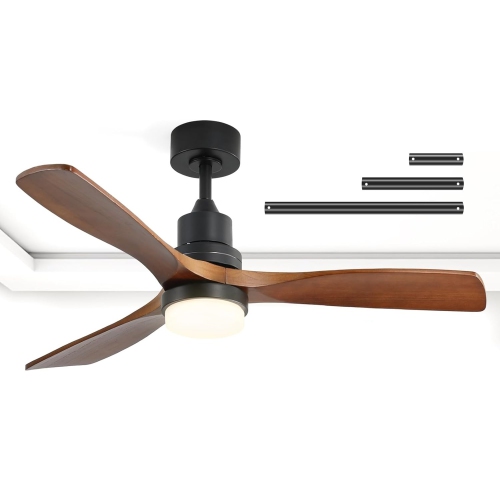
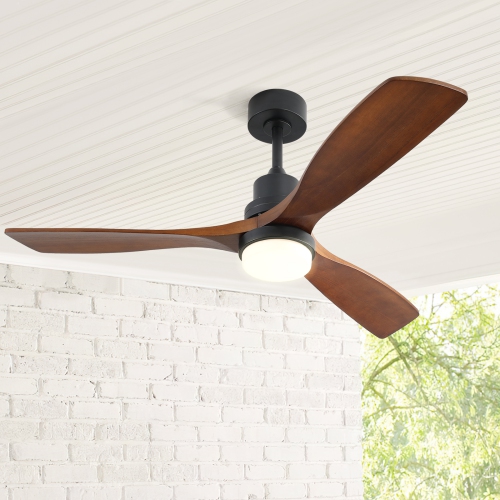
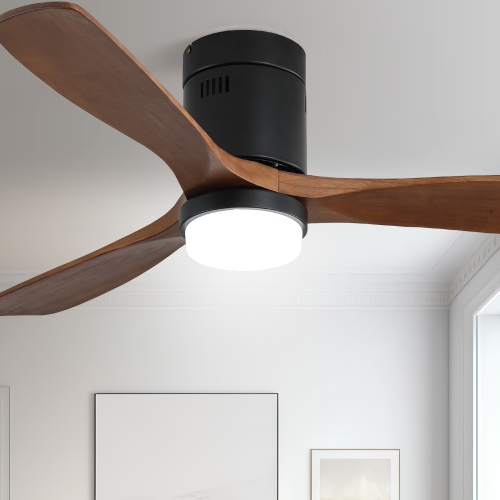
Indoor ceiling fans are a practical way to improve comfort and airflow in bedrooms, living rooms, dining areas, home offices, basements, and other finished spaces. Rather than lowering the temperature of a room, a ceiling fan creates a cooling breeze that helps moisture evaporate from your skin, making the room feel more comfortable while your heating or cooling system handles the actual air temperature. Many people enjoy the gentle movement of air while reading in a living room, working at a desk, relaxing in bed, or gathering around the dining table. During the warmer part of the year, set the blades to rotate counterclockwise when viewed from below so air is pushed directly down into the room. During the cooler months, a reversible motor can run at a low speed in the opposite direction, drawing cooler air upward and helping circulate warm air that has collected near the ceiling. This makes an indoor ceiling fan useful across a broad range of seasons, particularly in rooms with high ceilings, open layouts, or areas that tend to feel stuffy. Fan size is one of the most important considerations. For a small room measuring under 100 square feet, a 36- to 44-inch fan can provide comfortable airflow without overwhelming the space. Rooms from approximately 100 to 400 square feet, including many bedrooms, family rooms, and open-concept areas, are often well suited to a 52-inch fan. Measure the room and consider the furniture layout before choosing a size, since the goal is to circulate air evenly without placing the blades too close to walls, tall cabinets, or light fixtures. A larger room may benefit from more than one fan, while a compact room generally feels better with a smaller, appropriately scaled design.
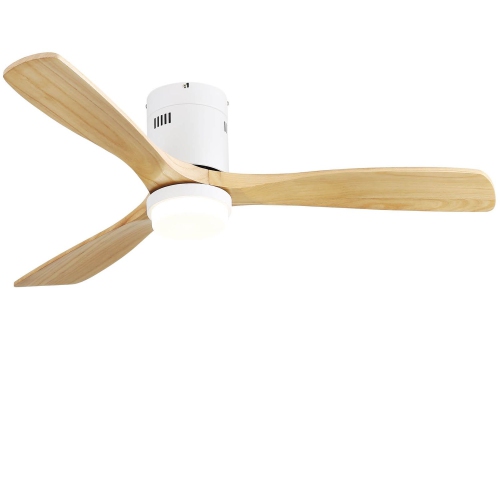
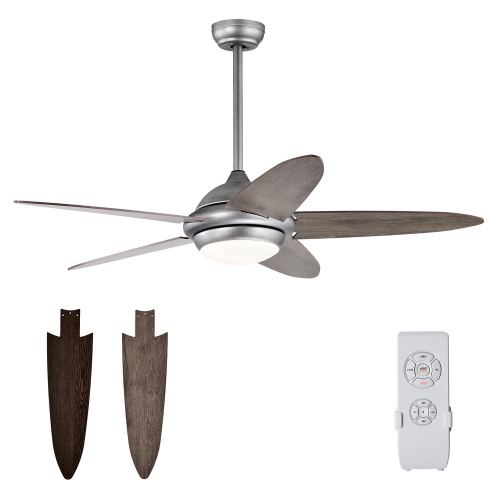
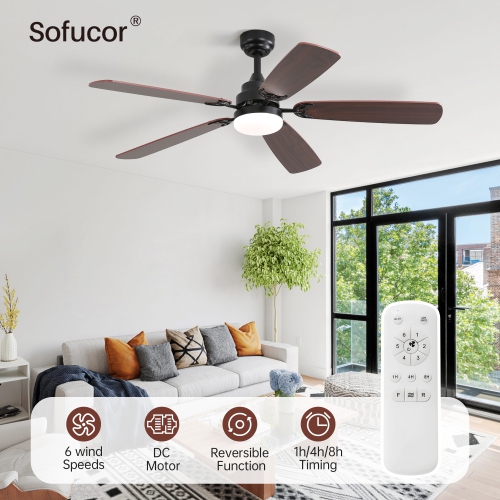
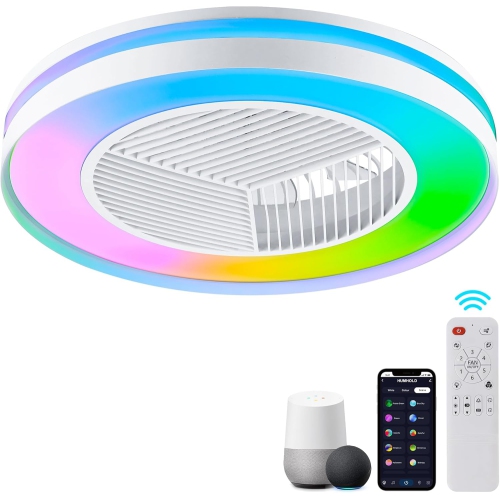
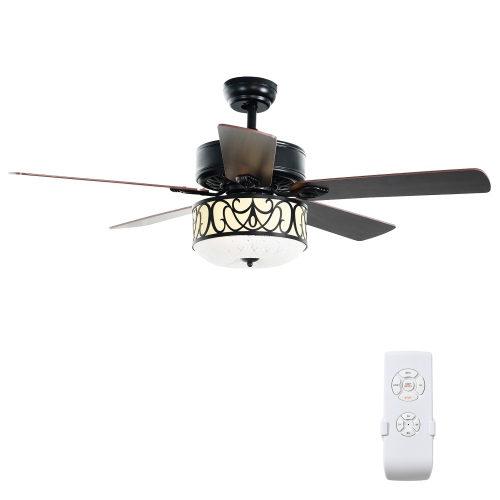
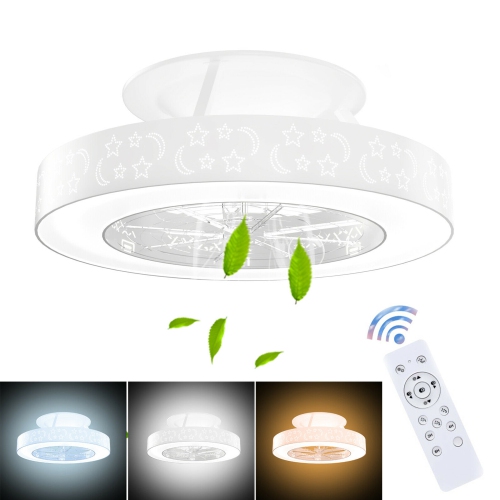
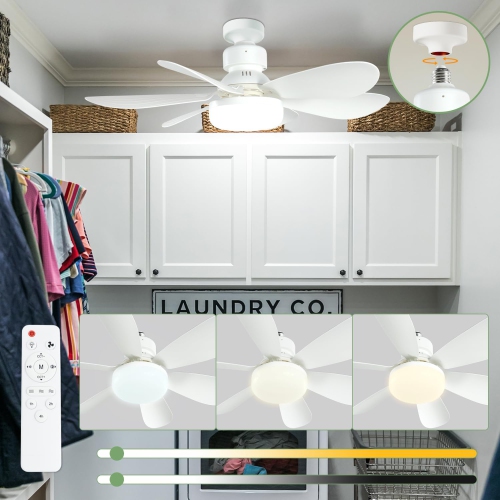
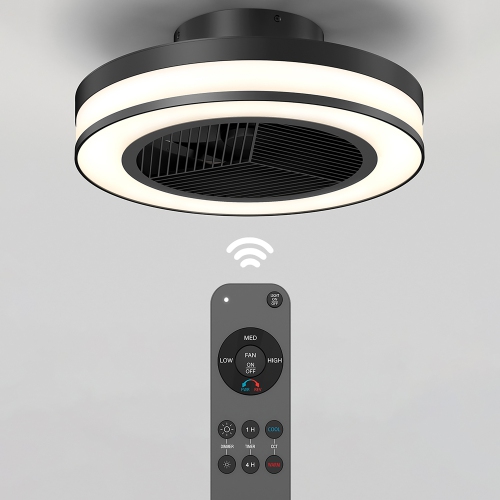
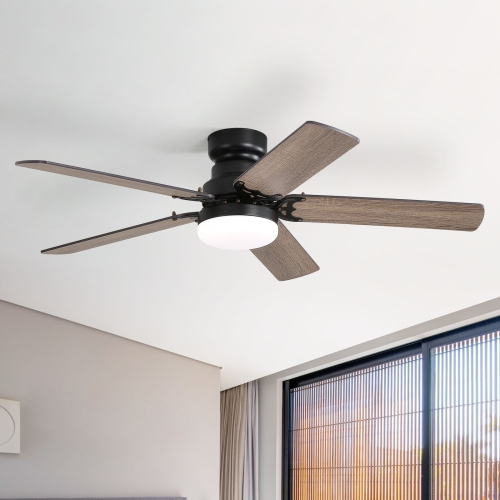
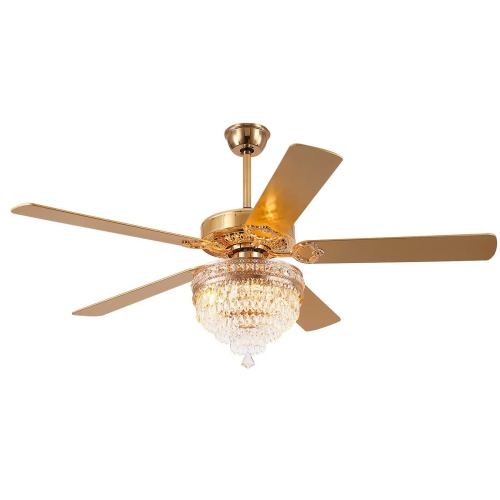
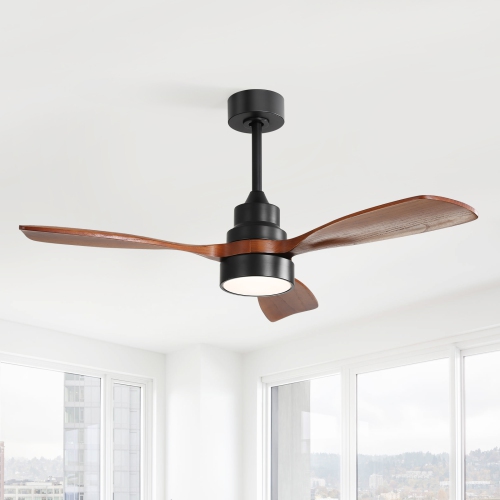
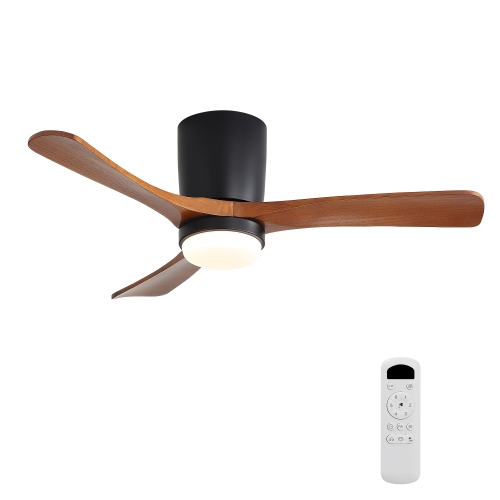
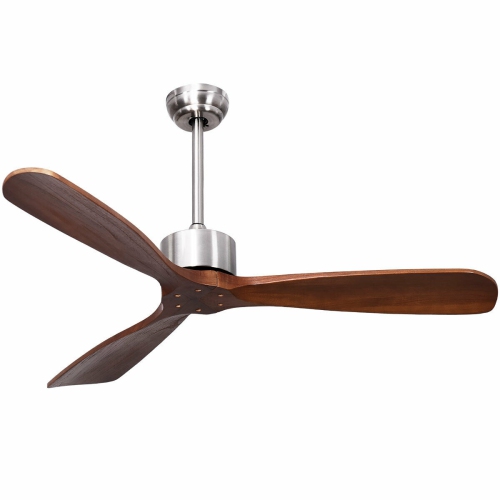
Ceiling height and installation style also play a major role in choosing an indoor ceiling fan. Flush-mount or hugger designs sit close to the ceiling and are a sensible choice for rooms with low ceilings, where a longer hanging fixture could feel intrusive or place the blades too close to people below. For standard or higher ceilings, a downrod can position the fan at a more effective height, generally keeping the blades about 8 to 9 feet above the floor. A downrod may also help distribute air more evenly in a room with a vaulted or cathedral ceiling. Check the mounting requirements before purchase and confirm that the ceiling box is rated to support a fan, especially when replacing a light fixture. Control options range from traditional pull chains to wall controls, handheld remotes, and smart features that allow speed, direction, lighting, or scheduling adjustments from a compatible app or voice assistant. A remote can be especially convenient in a bedroom, where reaching a wall switch at night is less appealing, while a wall control can provide a permanent, easy-to-find option in a busy family room. Some fans include quiet DC motors, which are well suited to nurseries, bedrooms, study areas, and any space where background noise can become distracting. DC motor designs can use up to 75% less electricity than standard AC motor designs, while also offering smooth speed adjustments and quiet operation. Integrated LED lighting is another useful feature, particularly when a ceiling fan is replacing an existing overhead fixture. Look for dimming capability and adjustable colour temperatures if you want bright, cool-toned light for activities and a warmer glow for relaxing. Blade material, finish, and overall shape should complement the room without becoming a visual obstacle; a streamlined design can suit a contemporary apartment, while a more decorative fixture may bring warmth to a dining room or main living area.
Indoor ceiling fans are useful for homeowners, renters with approved fixtures, and anyone furnishing a room where airflow and overhead lighting need to work together. They can also be a thoughtful housewarming gift for someone moving into a first home, setting up a nursery, renovating a basement, or creating a more comfortable home office. A fan with a light can be particularly helpful in a room that needs both illumination and air circulation but has limited ceiling space for separate fixtures. When selecting one as a gift, consider the recipient’s room dimensions, ceiling height, preferred décor, and comfort with different control systems. A simple remote-controlled model may be ideal for a guest room, while app-connected controls may appeal to someone building a smart home. For bedrooms, focus on quiet operation, dimmable lighting, and a reversible motor. For kitchens and dining areas, choose a design that fits the room’s proportions and offers enough airflow without interfering with cabinets, pendant lights, or sightlines. In open-concept spaces, pay attention to the fan’s airflow rating and placement so the breeze reaches the areas where people sit rather than being blocked by a high-backed sofa or kitchen island. Regular care is straightforward: dust the blades with a soft cloth or extendable duster, check that the screws and light fittings remain secure, and follow the manufacturer’s instructions for cleaning and seasonal direction changes. If the fan will be installed in a covered outdoor location rather than inside the home, browse Outdoor Ceiling Fans for designs intended for exterior conditions. With the right size, mounting style, motor, lighting, and controls, an indoor ceiling fan can become a quiet, useful part of a room’s everyday comfort rather than simply another overhead fixture.
Ceiling height and installation style also play a major role in choosing an indoor ceiling fan. Flush-mount or hugger designs sit close to the ceiling and are a sensible choice for rooms with low ceilings, where a longer hanging fixture could feel intrusive or place the blades too close to people below. For standard or higher ceilings, a downrod can position the fan at a more effective height, generally keeping the blades about 8 to 9 feet above the floor. A downrod may also help distribute air more evenly in a room with a vaulted or cathedral ceiling. Check the mounting requirements before purchase and confirm that the ceiling box is rated to support a fan, especially when replacing a light fixture. Control options range from traditional pull chains to wall controls, handheld remotes, and smart features that allow speed, direction, lighting, or scheduling adjustments from a compatible app or voice assistant. A remote can be especially convenient in a bedroom, where reaching a wall switch at night is less appealing, while a wall control can provide a permanent, easy-to-find option in a busy family room. Some fans include quiet DC motors, which are well suited to nurseries, bedrooms, study areas, and any space where background noise can become distracting. DC motor designs can use up to 75% less electricity than standard AC motor designs, while also offering smooth speed adjustments and quiet operation. Integrated LED lighting is another useful feature, particularly when a ceiling fan is replacing an existing overhead fixture. Look for dimming capability and adjustable colour temperatures if you want bright, cool-toned light for activities and a warmer glow for relaxing. Blade material, finish, and overall shape should complement the room without becoming a visual obstacle; a streamlined design can suit a contemporary apartment, while a more decorative fixture may bring warmth to a dining room or main living area.
Indoor ceiling fans are useful for homeowners, renters with approved fixtures, and anyone furnishing a room where airflow and overhead lighting need to work together. They can also be a thoughtful housewarming gift for someone moving into a first home, setting up a nursery, renovating a basement, or creating a more comfortable home office. A fan with a light can be particularly helpful in a room that needs both illumination and air circulation but has limited ceiling space for separate fixtures. When selecting one as a gift, consider the recipient’s room dimensions, ceiling height, preferred décor, and comfort with different control systems. A simple remote-controlled model may be ideal for a guest room, while app-connected controls may appeal to someone building a smart home. For bedrooms, focus on quiet operation, dimmable lighting, and a reversible motor. For kitchens and dining areas, choose a design that fits the room’s proportions and offers enough airflow without interfering with cabinets, pendant lights, or sightlines. In open-concept spaces, pay attention to the fan’s airflow rating and placement so the breeze reaches the areas where people sit rather than being blocked by a high-backed sofa or kitchen island. Regular care is straightforward: dust the blades with a soft cloth or extendable duster, check that the screws and light fittings remain secure, and follow the manufacturer’s instructions for cleaning and seasonal direction changes. If the fan will be installed in a covered outdoor location rather than inside the home, browse Outdoor Ceiling Fans for designs intended for exterior conditions. With the right size, mounting style, motor, lighting, and controls, an indoor ceiling fan can become a quiet, useful part of a room’s everyday comfort rather than simply another overhead fixture.
Top selling and popular products
-
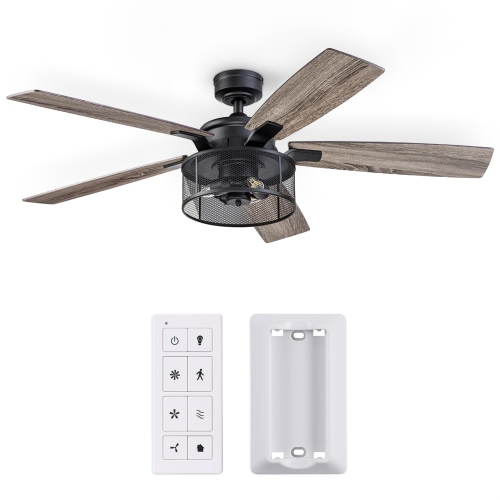 Your price for this item is $255.99
 -
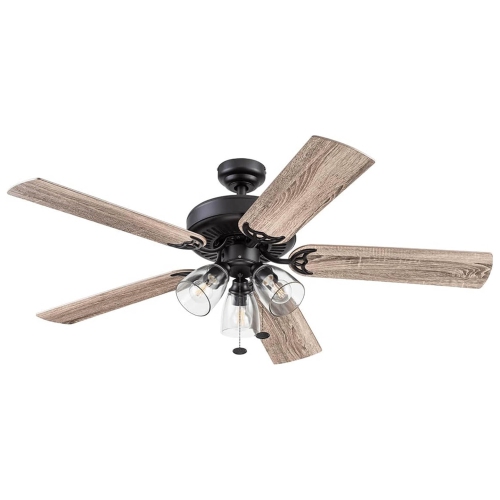 Your price for this item is $234.99
 -
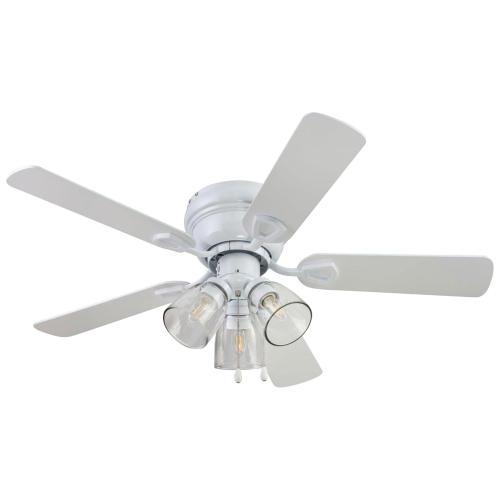 Your price for this item is $204.99
 -
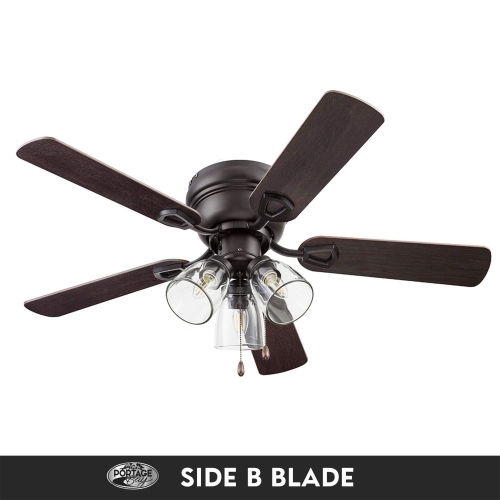 Your price for this item is $190.99
 -
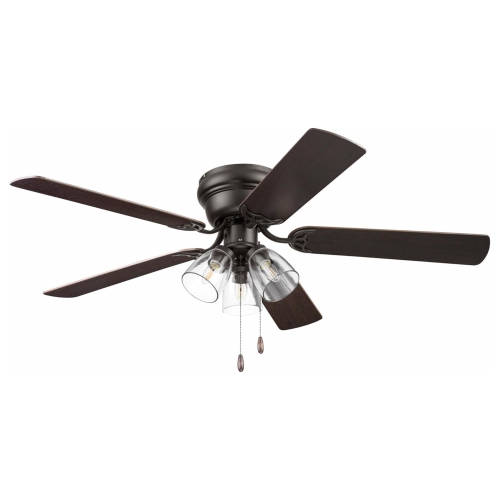 Your price for this item is $229.99
 -
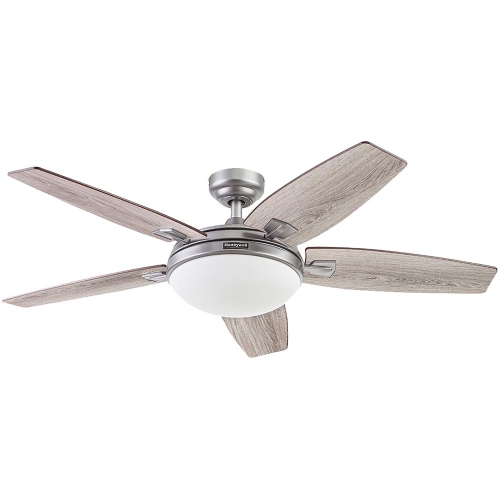 Your price for this item is $285.99
 -
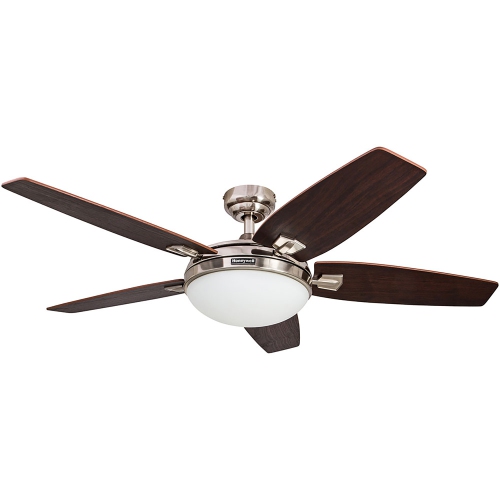 Your price for this item is $265.99
 -
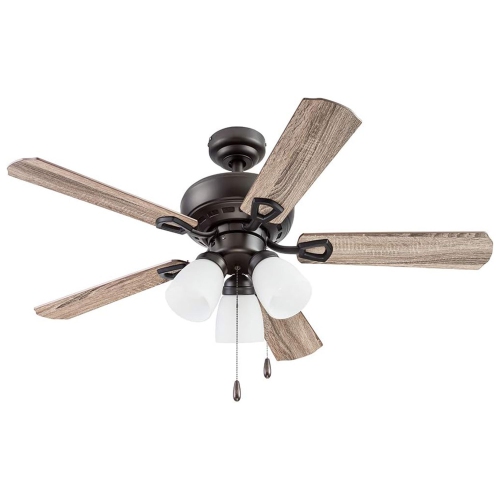 Your price for this item is $208.99
Discover more categories related to Indoor Ceiling Fans
Top Collections:
Best Laptops for Video Editing, Pokemon Centers, Samsung Z Fold, Kindle Devices, Best Cell Phones Under $300, Best Laptops for Writers, Best Budget Office Chairs, Best Cell Phones Under $500, Best Laptop Computers for Students, iPhone 15 Apple
Some products may be subject to Environmental Handling Fees
(EHF) depending on your province.
Learn more about EHFs.