Commercial Ceiling Fans
When it comes to keeping large spaces cool and comfortable, commercial ceiling fans are a practical and efficient solution. Designed to circulate air effectively in areas such as warehouses, offices, retail stores, and more, these fans are built to withstand heavy usage while providing optimal airflow. With a variety of sizes and styles available, finding the right commercial ceiling fan to meet your specific needs is easy.
Sort
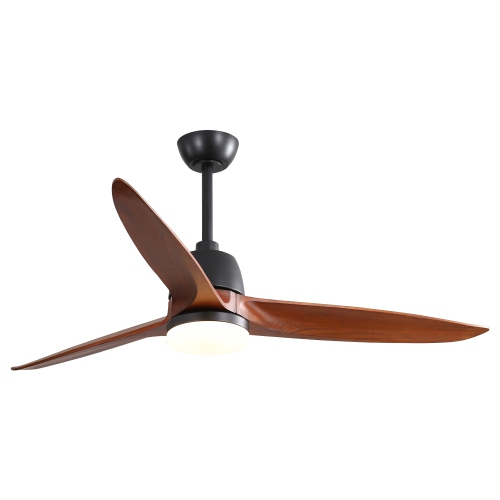
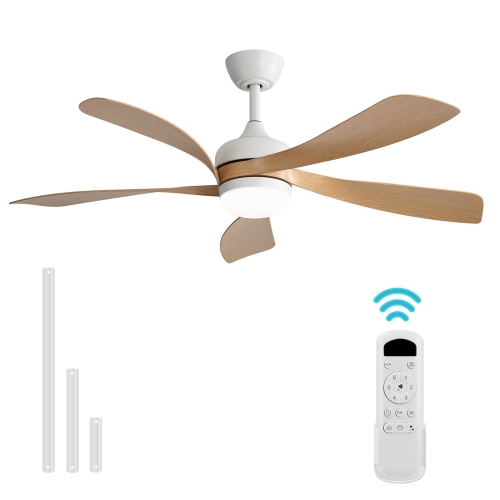

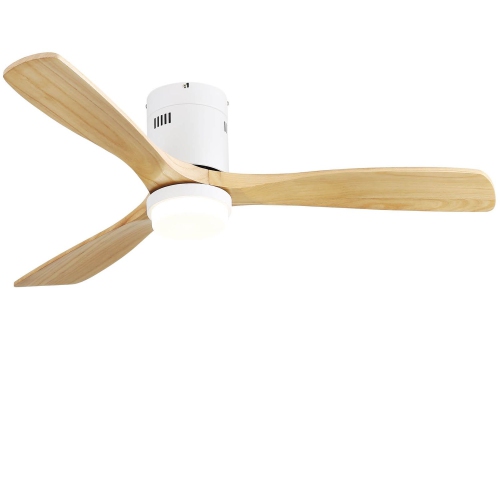
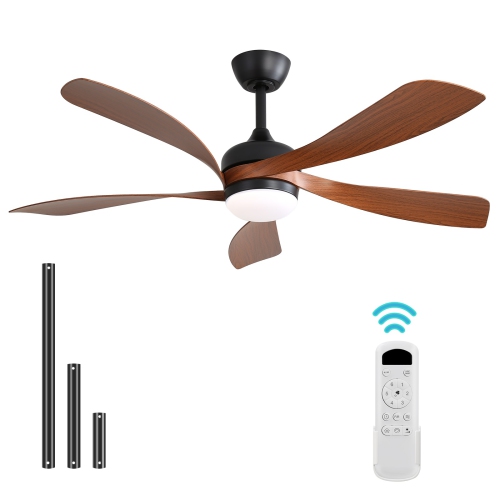
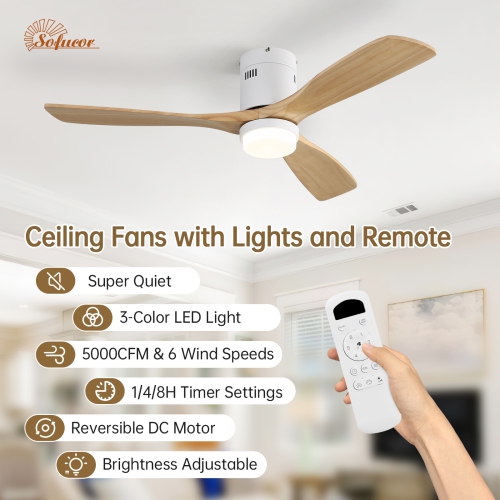
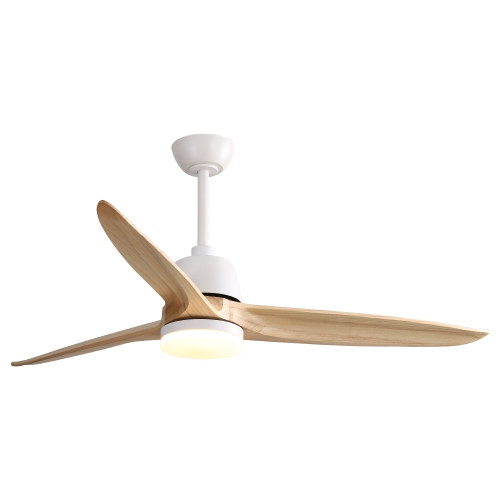
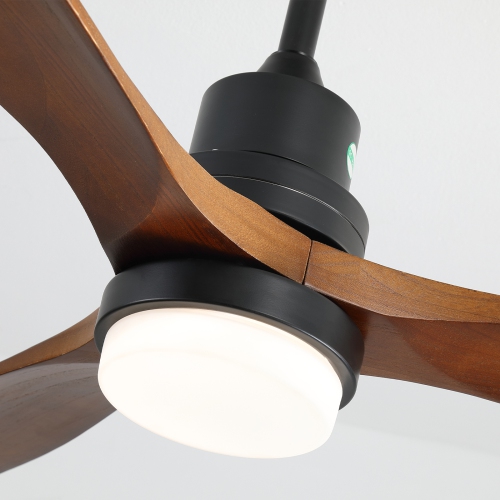
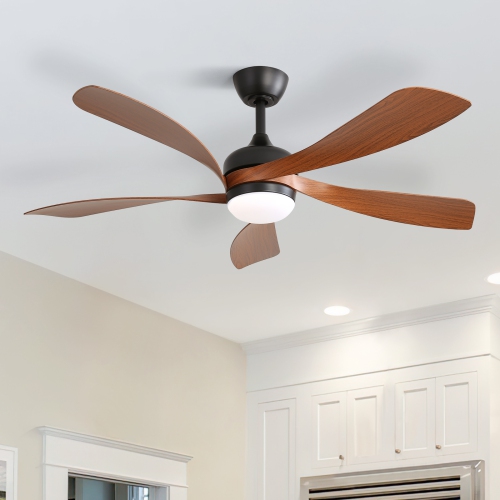
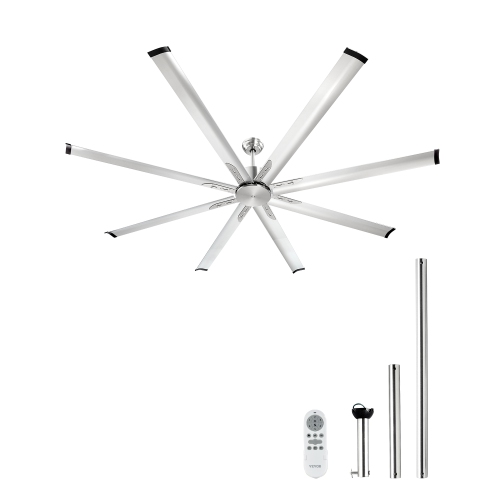
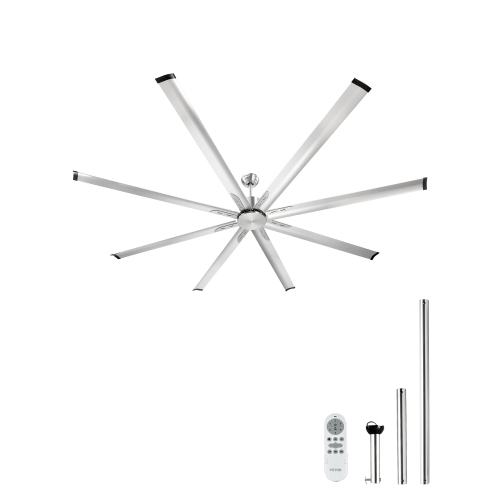
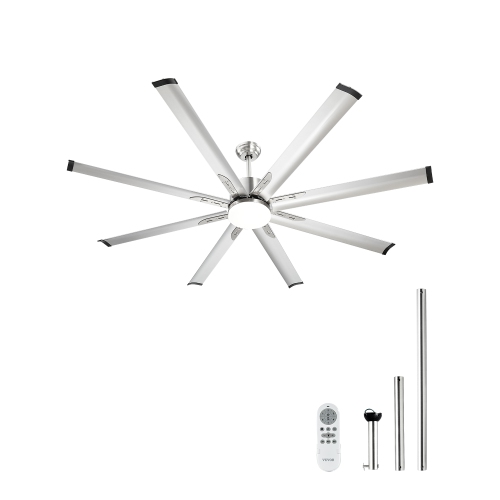
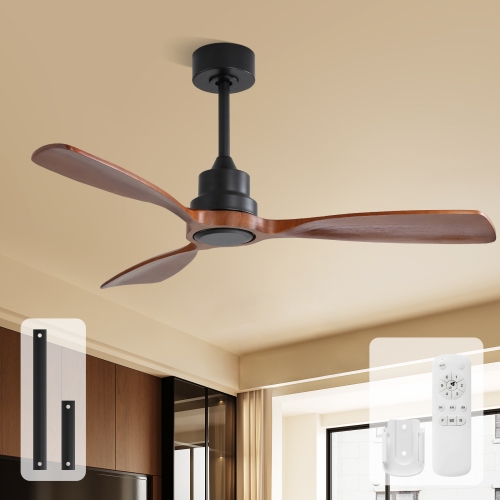
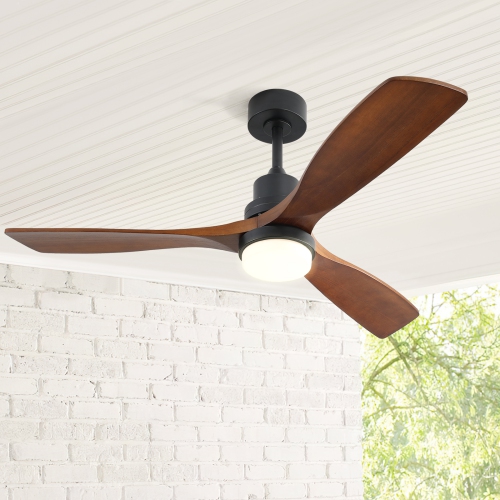
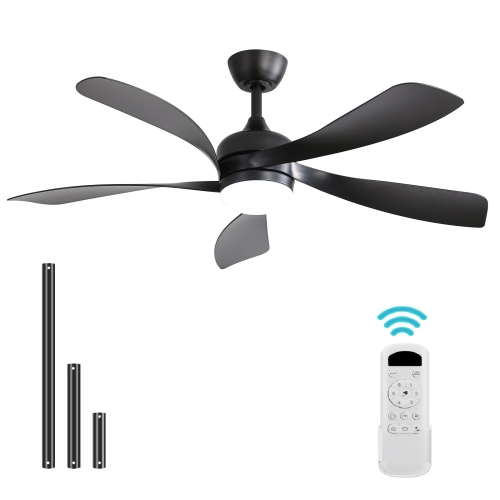
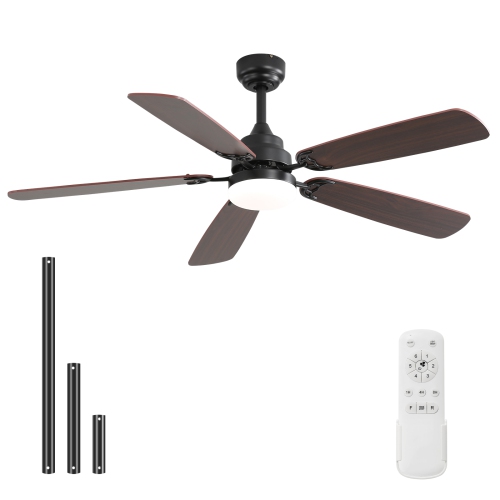

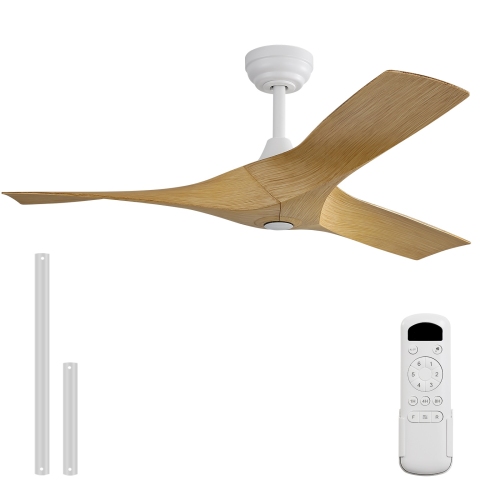
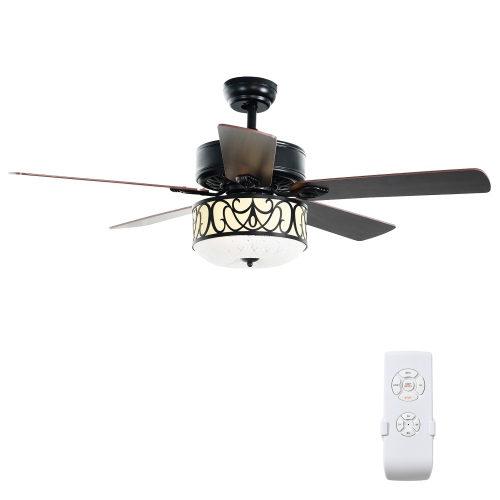
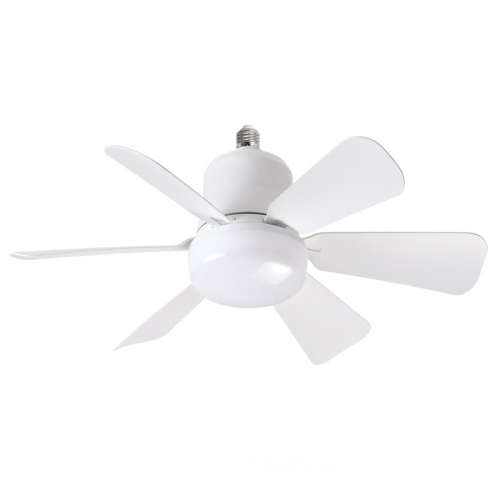
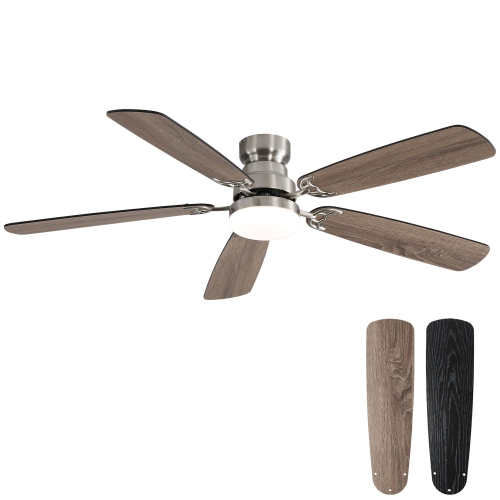
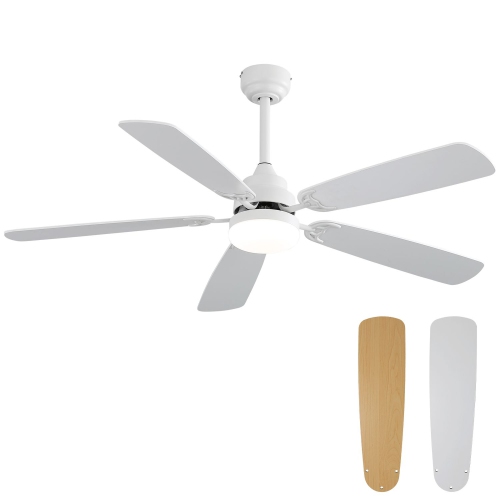
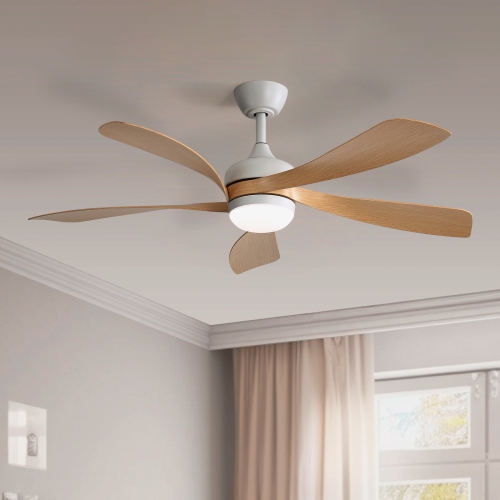

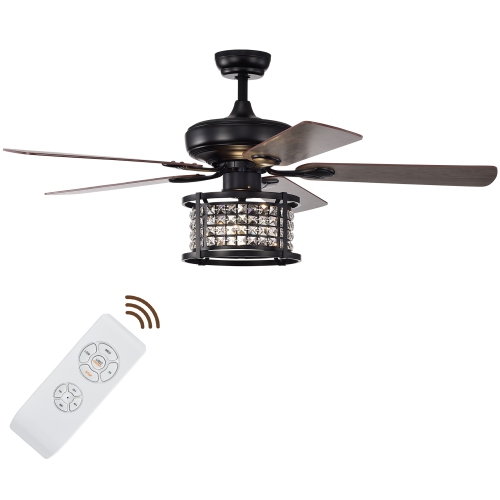
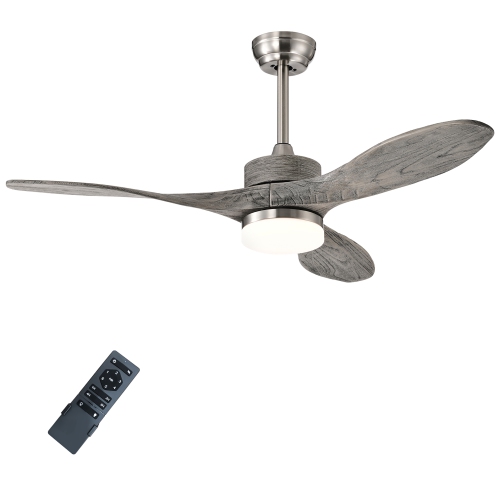
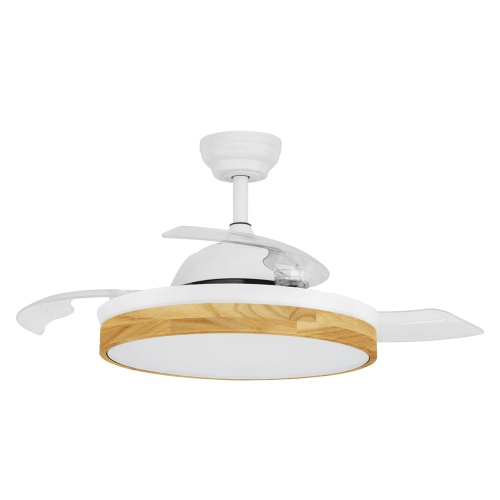
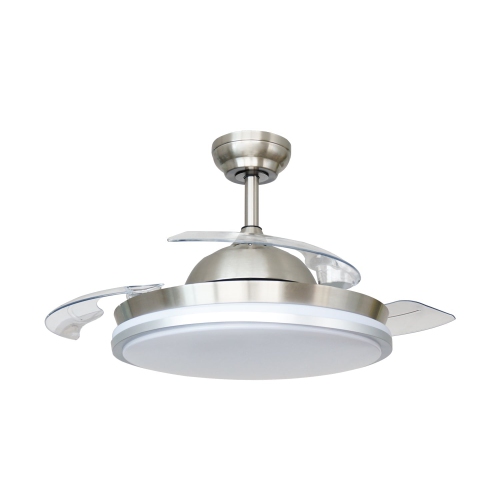
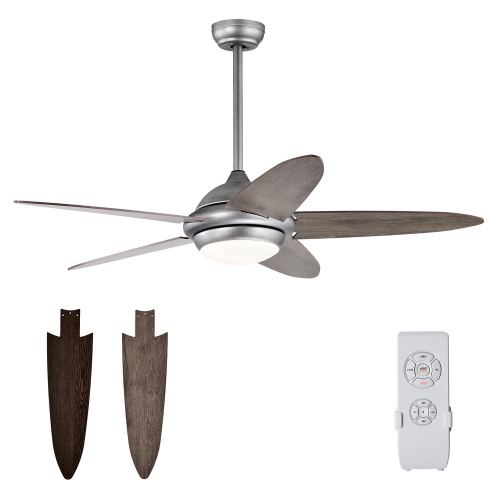

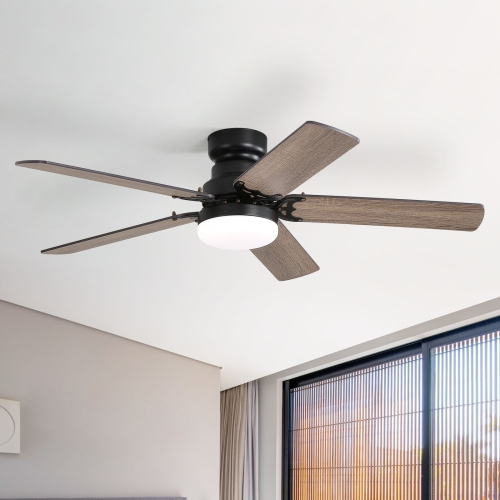
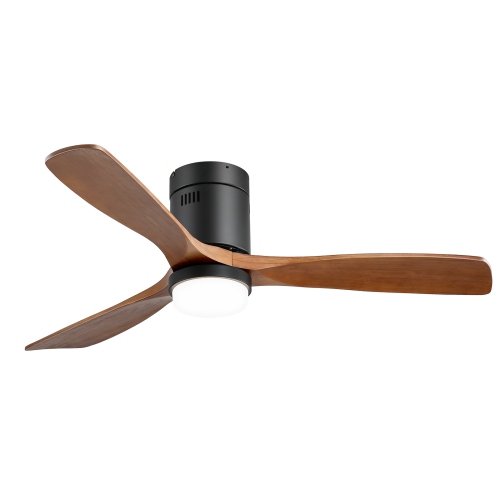



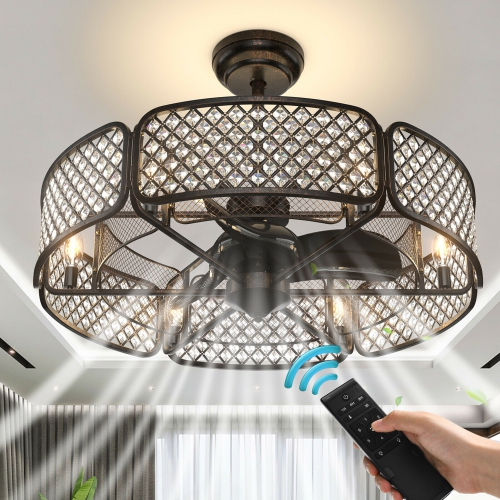
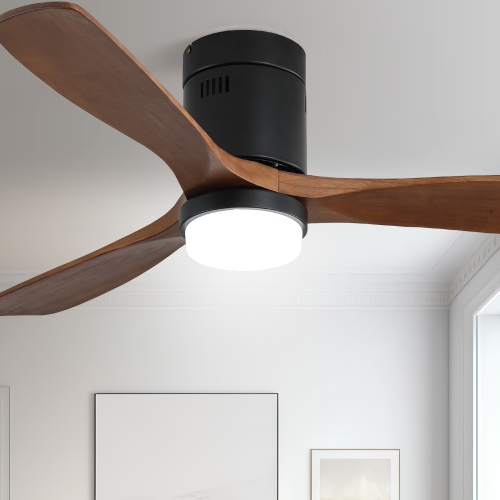
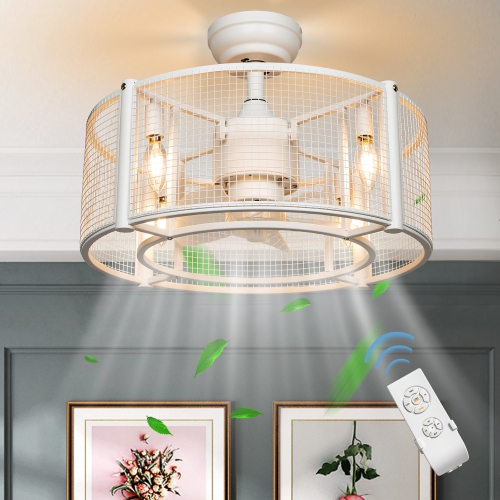
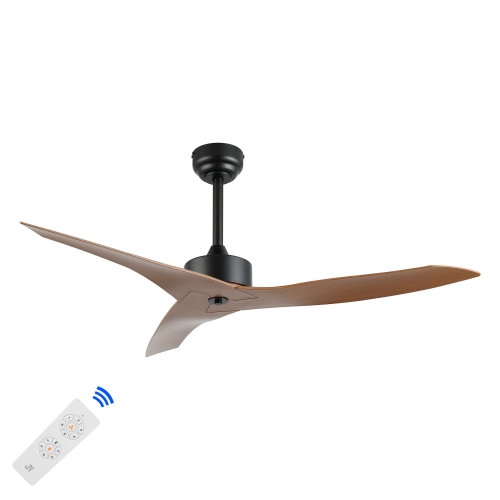
What to consider for comfortable airflow in busy spaces
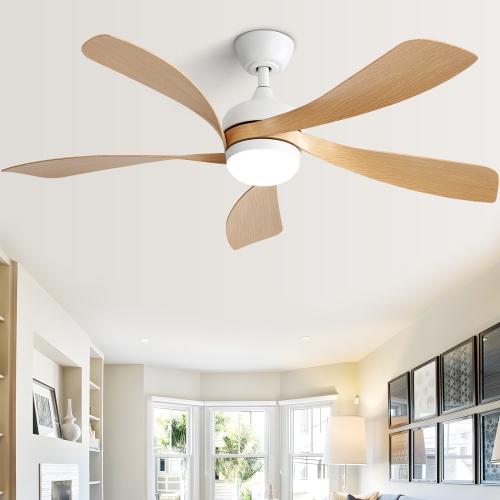
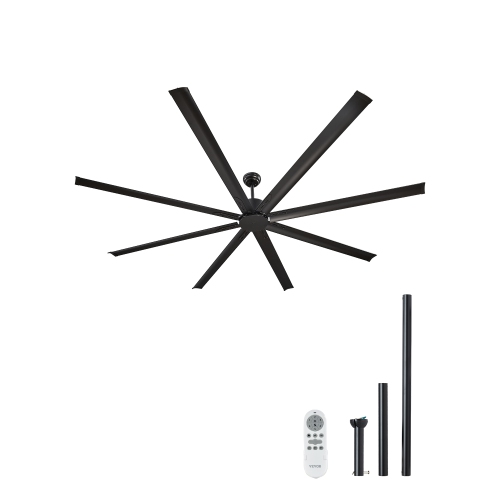
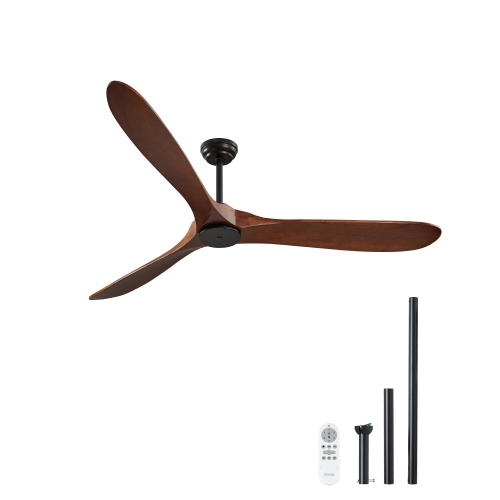
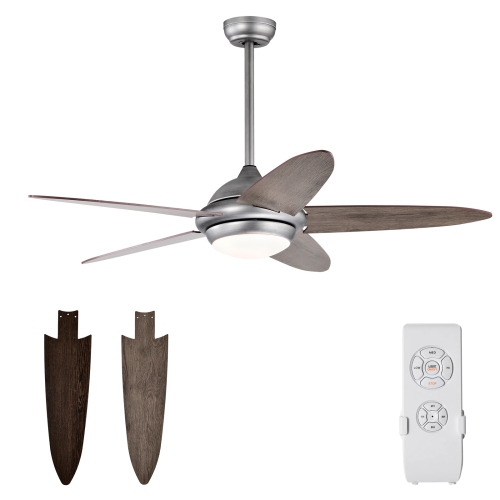
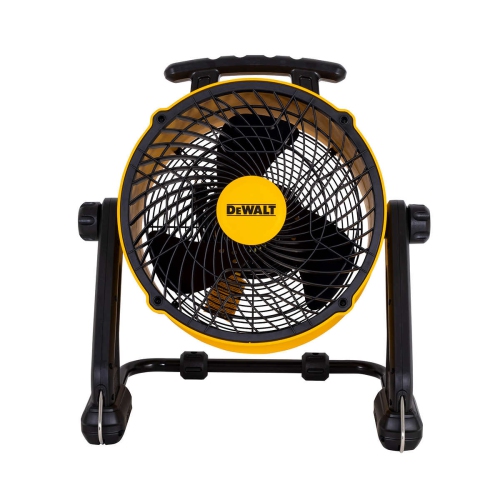
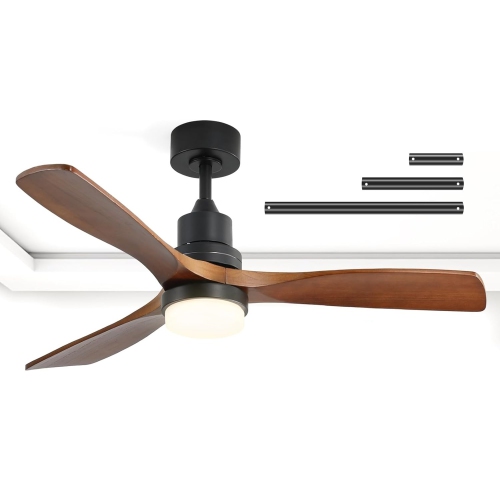
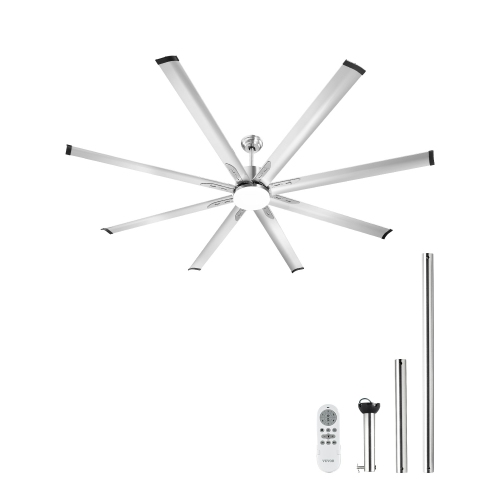
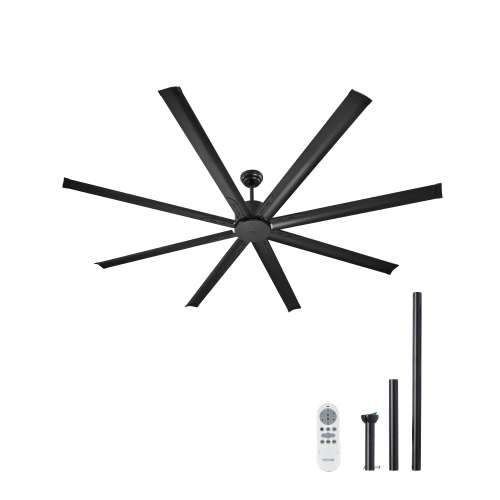
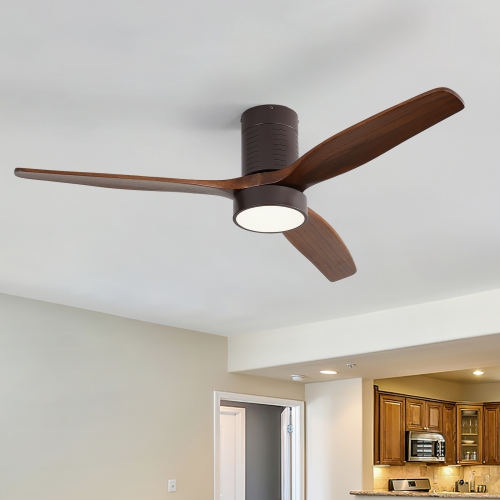
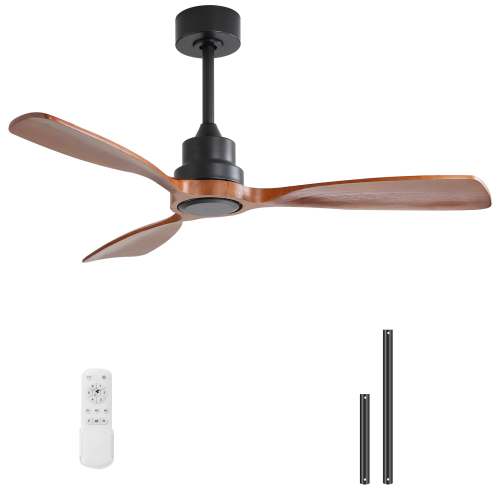
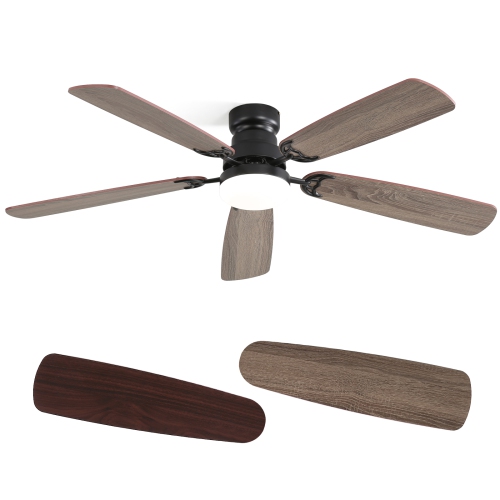
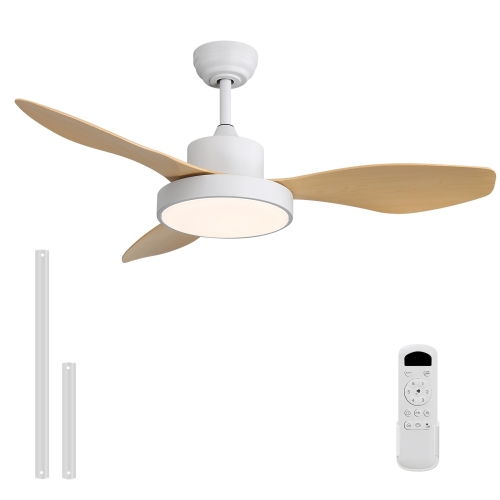
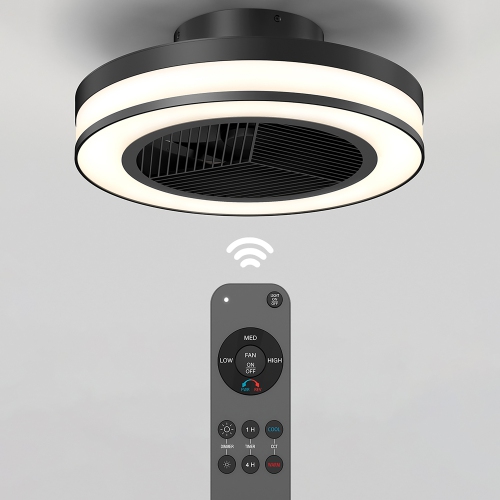
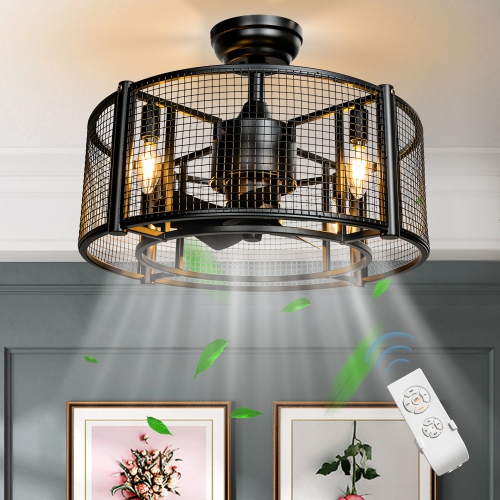
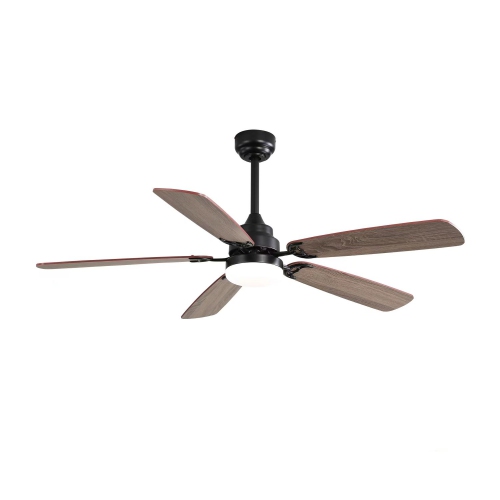
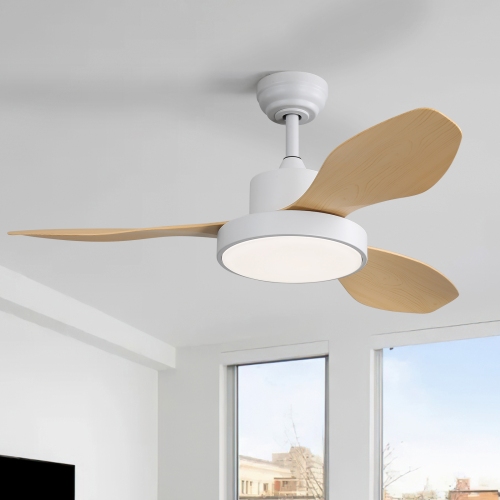
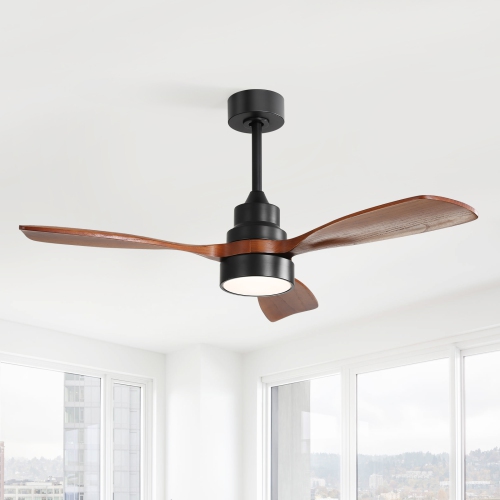
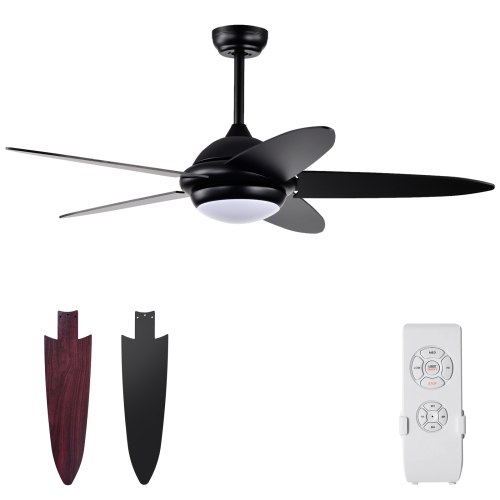
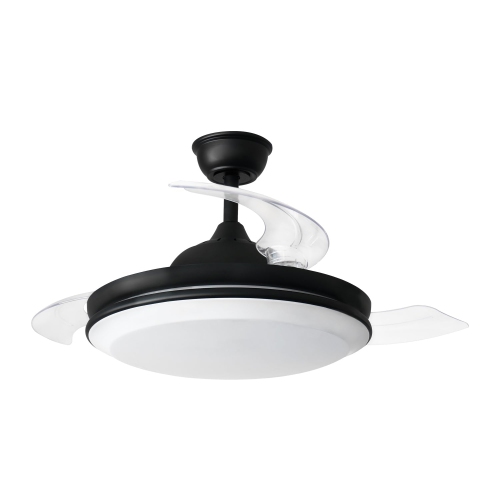
Commercial ceiling fans are designed to move air effectively through larger, busier spaces where a residential fan may not provide enough coverage. They are commonly used in restaurants, retail stores, workshops, warehouses, gyms, studios, offices, community halls, reception areas, and other commercial settings with high ceilings or open floor plans. By circulating air from above, they can help reduce stuffiness, disperse warm or cool air more evenly, and create a more comfortable environment for employees, customers, guests, and visitors. In a café, for example, a properly sized ceiling fan can keep the air moving gently between tables without creating an uncomfortable breeze. In a workshop or warehouse, stronger airflow can help prevent stagnant pockets of air from forming around shelving, machinery, or storage areas. Commercial ceiling fans can also be useful in covered patios, entryways, and seasonal work areas where natural airflow changes throughout the day. When comparing options, begin with the size and layout of the room. Fan diameter, blade design, motor strength, and mounting height all affect the amount of air a fan can circulate. A compact model may be suitable for a smaller reception area or enclosed office, while a broad, high-capacity design may be better for a large sales floor, gymnasium, or warehouse. Reviewing the recommended room coverage and airflow specifications can help match the fan to the space rather than relying on appearance alone. Ceiling height is another important consideration, particularly in buildings with exposed beams, tall rafters, or suspended ceilings. Downrod lengths and compatible mounting systems can help position the blades at an appropriate height, while low-profile mounting may be useful where overhead clearance is limited. Always account for doors, lights, sprinklers, signage, shelving, and other equipment that could affect installation or safe operation.
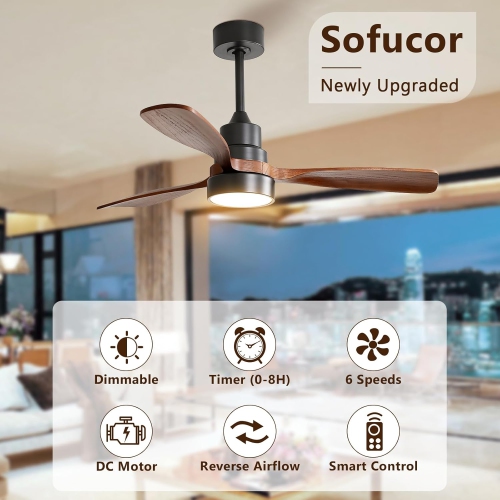
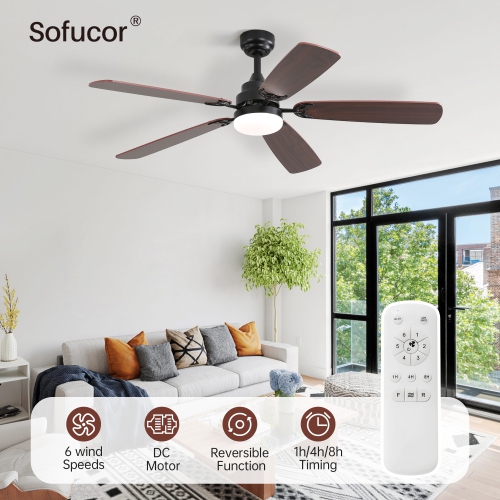
The environment where the fan will be installed should guide the choice of materials, ratings, and controls. A fan intended for a dry indoor office may have different construction and protection than one installed in a covered outdoor dining area, loading zone, garage, or workshop where moisture, dust, or changing temperatures may be present. Check whether the fan is rated for dry, damp, or wet locations, and confirm that the rating suits the actual installation area rather than the intended use alone. Blade material and finish can also matter in commercial spaces. Easy-to-clean surfaces are useful in restaurants, salons, fitness facilities, and other locations where dust or residue may collect over time. A durable housing and well-sealed motor can be helpful in active work areas, while a quieter motor may be a priority in libraries, offices, clinics, studios, or hospitality settings where conversation and concentration are important. Control options deserve careful attention as well. Wall controls, pull chains, remote controls, and compatible smart controls can offer different levels of convenience, but the best choice depends on who operates the fan and how accessible the control point needs to be. Multi-speed settings make it easier to adjust airflow as the weather warms, during the cooler months, or when a room fills with people. Reversible airflow can also help circulate warm air that gathers near the ceiling, which may be useful in spaces with tall ceilings or upper-level seating. If several fans will be installed, consider whether they can be operated independently or grouped together. Independent control can be useful when a dining area, storage section, and entrance have different comfort needs, while grouped control may simplify operation across one open room. Before purchasing, review electrical requirements, mounting hardware, ceiling compatibility, and installation instructions. Larger commercial ceiling fans may require professional installation, additional structural support, or dedicated wiring, especially when mounted to a high ceiling or an exposed structure. Measuring the room and confirming the ceiling condition in advance can help prevent delays and ensure that the selected fan is appropriate for the space.
Choosing the right commercial ceiling fan is ultimately about balancing airflow, coverage, comfort, appearance, and day-to-day practicality. A busy restaurant may benefit from a design that blends into the ceiling, runs quietly, and offers several speed settings for changing occupancy levels. A fitness studio may place greater emphasis on broad air movement, sturdy construction, and controls that can be adjusted quickly between classes. In a retail setting, the fan should support a comfortable shopping environment without interfering with displays, lighting, or the visual character of the space. A workshop or garage may call for rugged materials, strong circulation, and a rating suited to dust or moisture. For facilities managers, property owners, contractors, and small business operators, it can be helpful to map the room before ordering: note the length and width, measure ceiling height, identify structural beams, mark the position of lights and sprinklers, and consider where people spend the most time. This simple sketch can reveal whether one fan will provide adequate coverage or whether multiple fans would create a more even pattern of airflow. The look of the fan also matters in customer-facing spaces, where the finish, blade shape, and overall profile can complement modern, industrial, traditional, or minimalist interiors. For especially large rooms, exploring Large Ceiling Fans may help identify options intended for broader coverage. Once installed, occasional dusting, inspection of fasteners, and checking for unusual noise or vibration can help keep the fan operating smoothly. In a commercial environment, these small maintenance habits are especially valuable because the fan may run for long periods and serve many people each day. With the right measurements, location rating, mounting plan, and control setup, a commercial ceiling fan can become a quiet, practical part of a comfortable workplace or public space.
The environment where the fan will be installed should guide the choice of materials, ratings, and controls. A fan intended for a dry indoor office may have different construction and protection than one installed in a covered outdoor dining area, loading zone, garage, or workshop where moisture, dust, or changing temperatures may be present. Check whether the fan is rated for dry, damp, or wet locations, and confirm that the rating suits the actual installation area rather than the intended use alone. Blade material and finish can also matter in commercial spaces. Easy-to-clean surfaces are useful in restaurants, salons, fitness facilities, and other locations where dust or residue may collect over time. A durable housing and well-sealed motor can be helpful in active work areas, while a quieter motor may be a priority in libraries, offices, clinics, studios, or hospitality settings where conversation and concentration are important. Control options deserve careful attention as well. Wall controls, pull chains, remote controls, and compatible smart controls can offer different levels of convenience, but the best choice depends on who operates the fan and how accessible the control point needs to be. Multi-speed settings make it easier to adjust airflow as the weather warms, during the cooler months, or when a room fills with people. Reversible airflow can also help circulate warm air that gathers near the ceiling, which may be useful in spaces with tall ceilings or upper-level seating. If several fans will be installed, consider whether they can be operated independently or grouped together. Independent control can be useful when a dining area, storage section, and entrance have different comfort needs, while grouped control may simplify operation across one open room. Before purchasing, review electrical requirements, mounting hardware, ceiling compatibility, and installation instructions. Larger commercial ceiling fans may require professional installation, additional structural support, or dedicated wiring, especially when mounted to a high ceiling or an exposed structure. Measuring the room and confirming the ceiling condition in advance can help prevent delays and ensure that the selected fan is appropriate for the space.
Choosing the right commercial ceiling fan is ultimately about balancing airflow, coverage, comfort, appearance, and day-to-day practicality. A busy restaurant may benefit from a design that blends into the ceiling, runs quietly, and offers several speed settings for changing occupancy levels. A fitness studio may place greater emphasis on broad air movement, sturdy construction, and controls that can be adjusted quickly between classes. In a retail setting, the fan should support a comfortable shopping environment without interfering with displays, lighting, or the visual character of the space. A workshop or garage may call for rugged materials, strong circulation, and a rating suited to dust or moisture. For facilities managers, property owners, contractors, and small business operators, it can be helpful to map the room before ordering: note the length and width, measure ceiling height, identify structural beams, mark the position of lights and sprinklers, and consider where people spend the most time. This simple sketch can reveal whether one fan will provide adequate coverage or whether multiple fans would create a more even pattern of airflow. The look of the fan also matters in customer-facing spaces, where the finish, blade shape, and overall profile can complement modern, industrial, traditional, or minimalist interiors. For especially large rooms, exploring Large Ceiling Fans may help identify options intended for broader coverage. Once installed, occasional dusting, inspection of fasteners, and checking for unusual noise or vibration can help keep the fan operating smoothly. In a commercial environment, these small maintenance habits are especially valuable because the fan may run for long periods and serve many people each day. With the right measurements, location rating, mounting plan, and control setup, a commercial ceiling fan can become a quiet, practical part of a comfortable workplace or public space.
Top selling and popular products
-
 Your price for this item is $149.99
 -
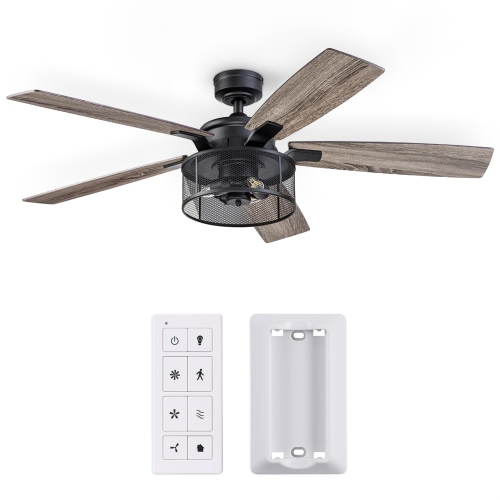 Your price for this item is $250.99
 -
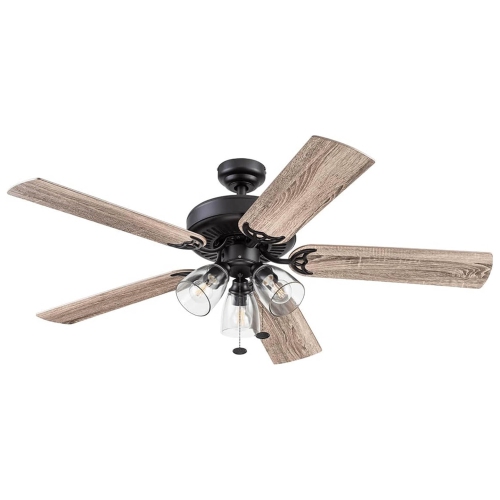 Your price for this item is $238.99
 -
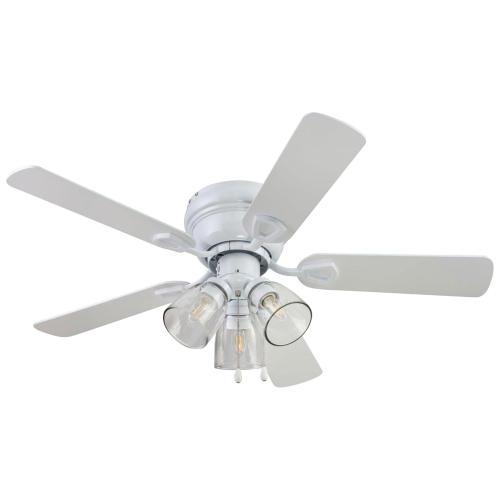 Your price for this item is $219.99
 -
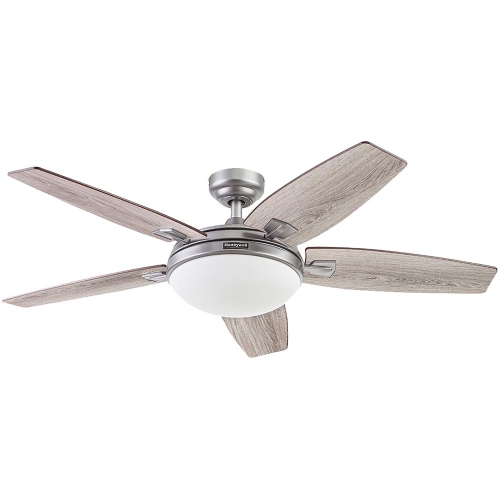 Your price for this item is $288.99
 -
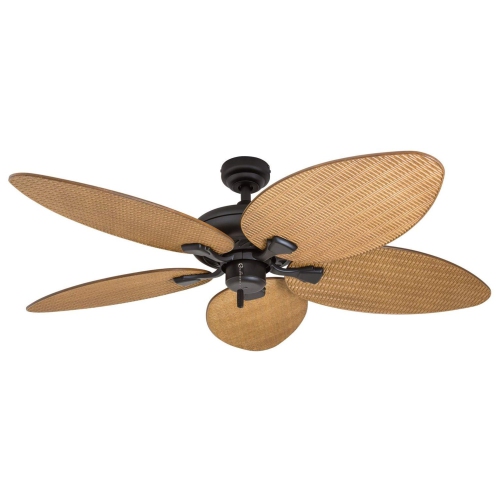 Your price for this item is $294.99
 -
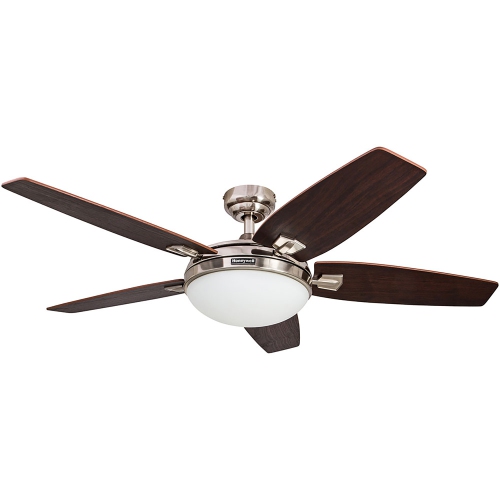 Your price for this item is $266.99
 -
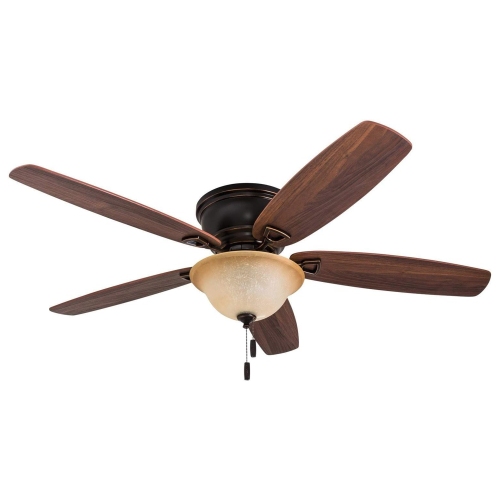 Your price for this item is $254.99
Discover more categories related to Commercial Ceiling Fans
Top Collections:
Pokemon Centers, Kindle Devices, Best Budget Office Chairs, Apple iPhones 16, Best Laptops for Writers, iPhone 15 Apple, Canon G7X Cameras, Refurbished Apple Laptops, Alarm Clock, Motorola Razr Phones
Some products may be subject to Environmental Handling Fees
(EHF) depending on your province.
Learn more about EHFs.