Industrial Ceiling Fans With Remote
Industrial Ceiling Fans With Remote offer a convenient and efficient way to enhance airflow in large spaces such as warehouses, workshops, or commercial settings. Designed for powerful air circulation, these ceiling fans are ideal for maintaining comfort in expansive areas. The addition of remote control functionality makes it easy to adjust settings from anywhere in the room, delivering effortless operation at your fingertips. Explore a wide selection of Industrial Ceiling Fans With Remote to find the perfect fit for your space and enjoy improved air movement with modern convenience.
Sort

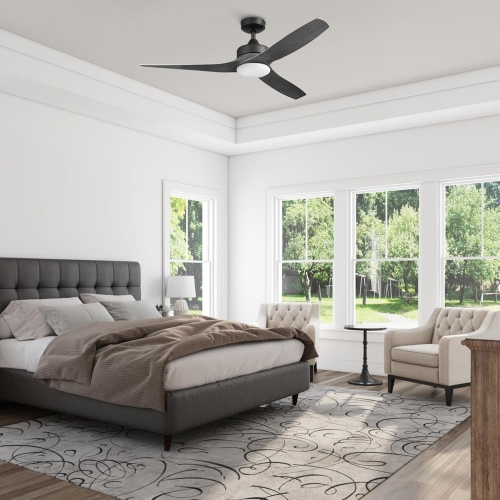
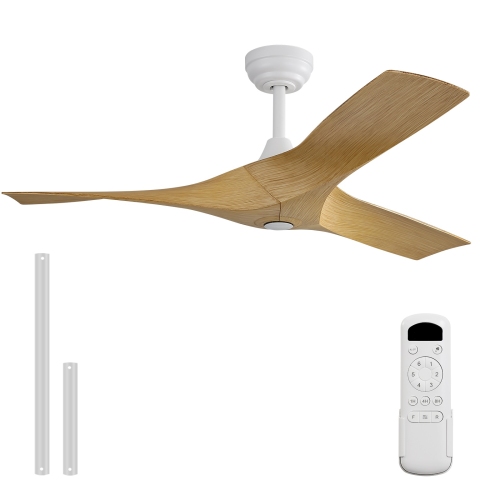

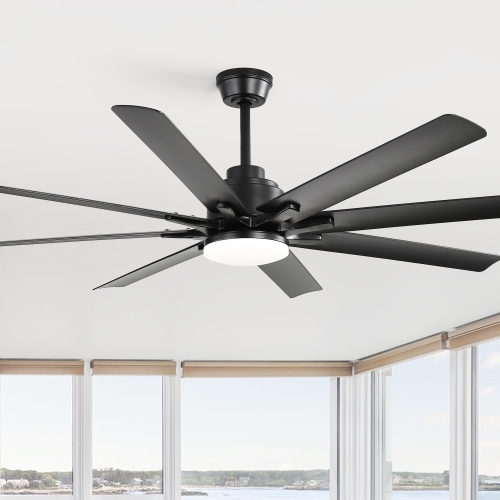
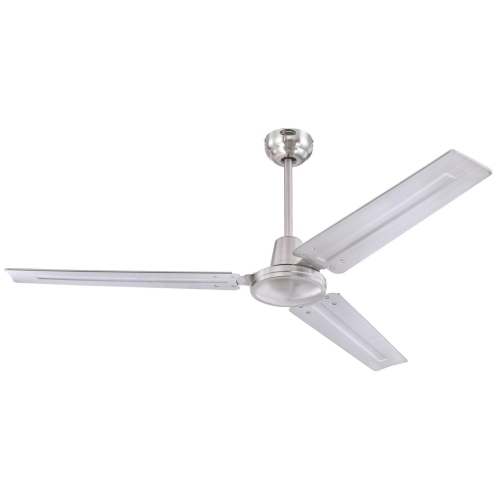
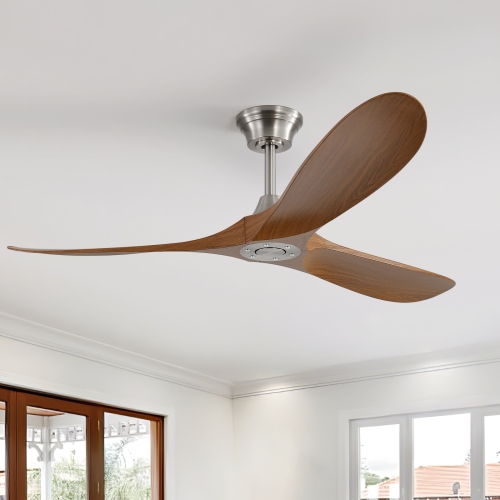

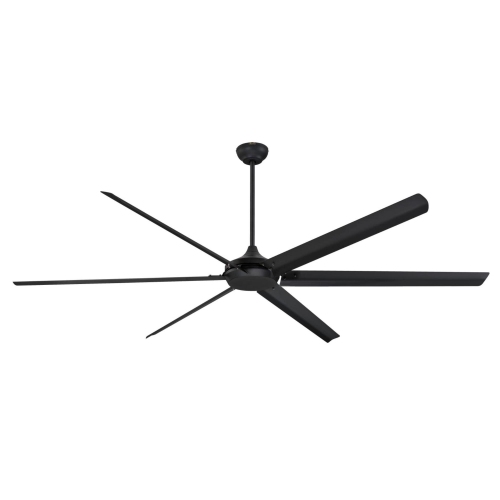
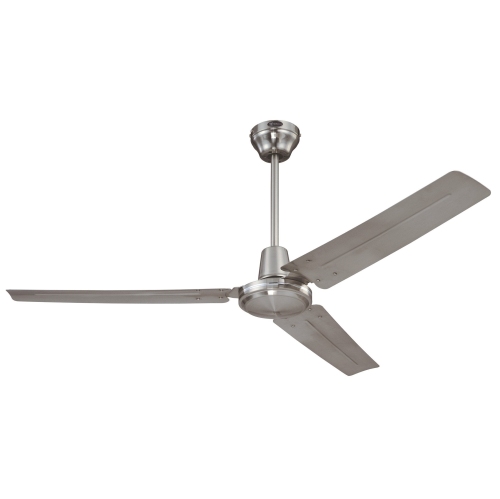

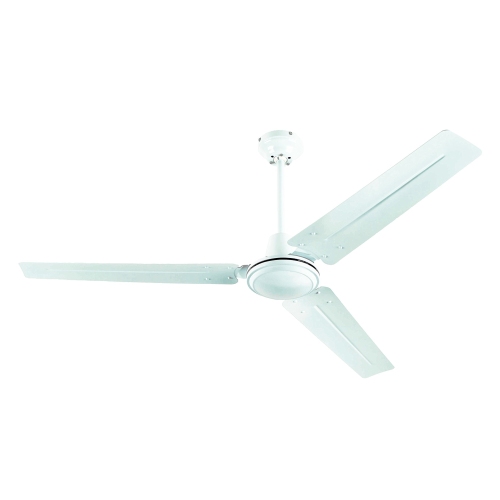

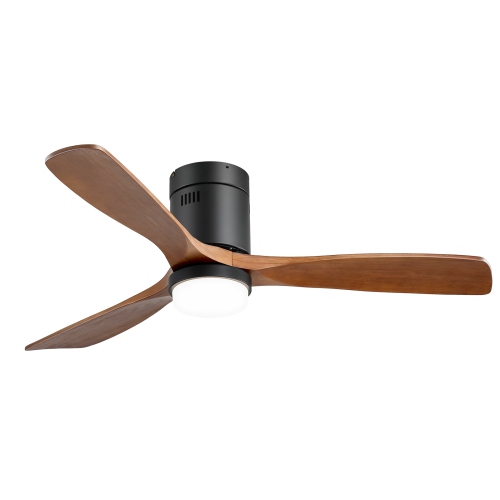

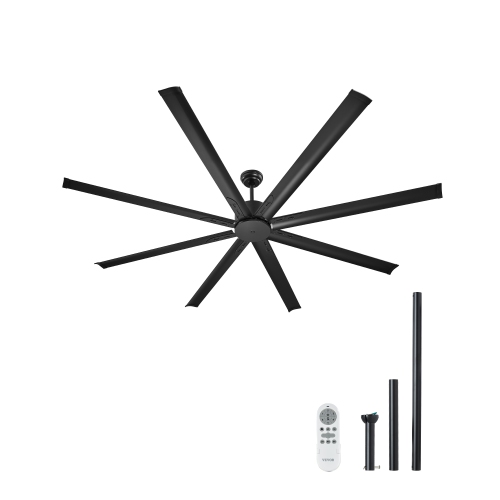
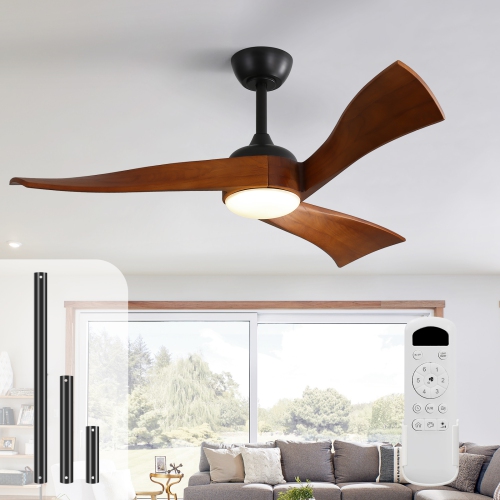
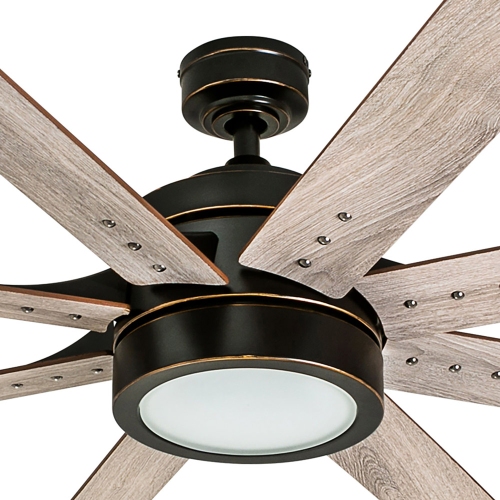


Airflow for spacious rooms with control within reach
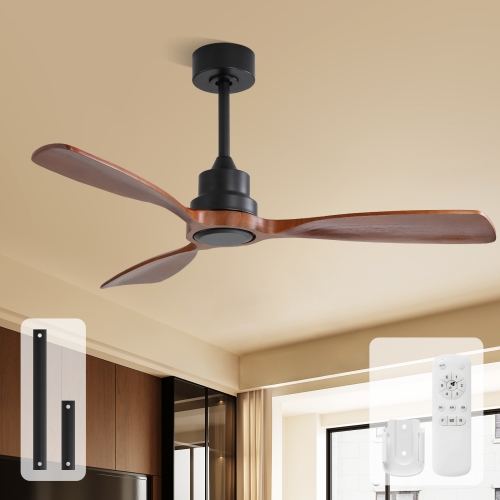
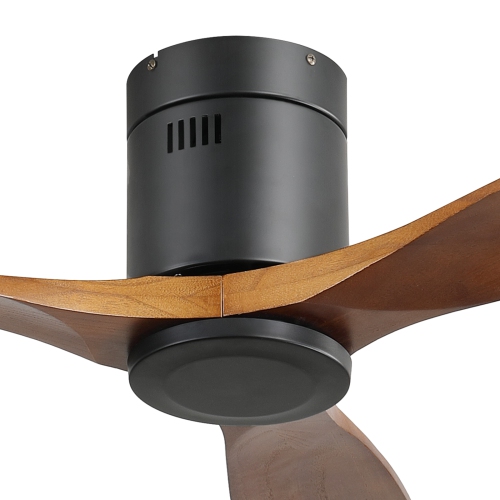
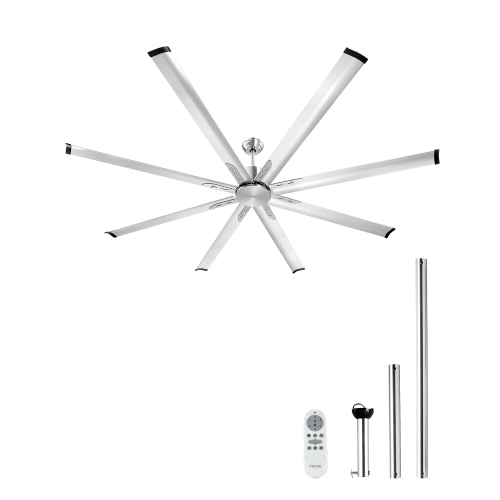
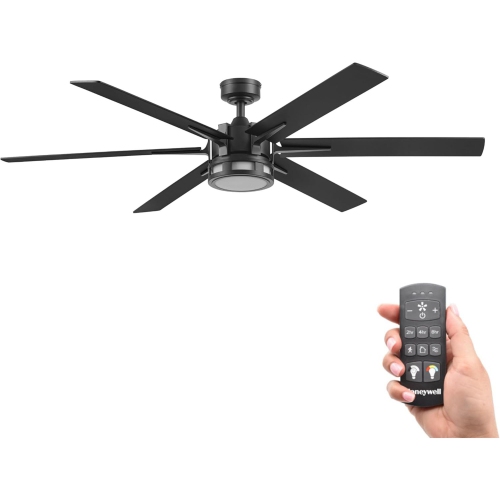
Industrial ceiling fans with remotes combine broad air circulation with convenient control, making them well suited to spacious rooms, open-plan interiors, workshops, and certain commercial settings. Their defining features often include a generous blade span, a substantial motor housing, and straightforward finishes that complement exposed beams, brick walls, metal shelving, and polished concrete. A remote makes everyday adjustments more accessible when the fan sits above a seating area, workbench, or high ceiling where a pull chain would be impractical. Within this category, industrial describes both a visual style and, in some cases, equipment designed for demanding applications. An industrial-style fan intended for a living room is not necessarily suitable for a warehouse, continuous commercial operation, or an area with airborne contaminants. The manufacturer’s intended use and installation requirements matter more than appearance alone. For a loft living area, the appeal may be a bold silhouette that feels proportionate to the room; for a studio or workshop, the priority may be airflow across a larger occupied area without taking up floor space. Blade materials influence both appearance and maintenance. Aluminum, steel, engineered wood, and moulded composite blades offer different combinations of weight, rigidity, finish, and moisture tolerance, so an all-metal appearance should not be treated as proof of greater durability. Painted and powder-coated surfaces can provide a clean, understated look, while wood-look finishes soften the contrast between a large fan and residential furnishings. A fan’s suitability for indoor, damp, or wet locations must be explicitly stated rather than inferred from its construction. Ordinary ceiling fans are also not substitutes for equipment approved for hazardous locations containing combustible dust or flammable vapours. In an appropriate setting, a well-proportioned industrial ceiling fan can become part of the room’s architecture, with its blade shape, mounting height, and finish contributing as much to the space as its air movement.
Remote control is especially useful with larger ceiling fans because it puts routine functions within reach without requiring access to the fan itself. Depending on the design, a handheld controller may offer several speed settings, a timer, separate light control, or a motor-reversing function. These features are not universal, and a reversible motor does not always mean that its direction can be changed from the remote. Clearly labelled buttons and a dedicated wall holder can make the controller easier to use in a shared studio, family room, or workspace where several people adjust the fan. Some remotes use radio-frequency signals, while others require a clearer path to the receiver; usable range depends on the control system, building materials, and placement. In rooms with more than one fan, separately paired controls can help keep adjustments independent, provided the system supports that arrangement. A compatible wall control may offer another convenient access point, but a standard lighting dimmer should not be assumed suitable for regulating a ceiling fan motor. Motor design also affects the experience. DC motors often support a wider selection of speeds and smooth adjustments, although sound levels and airflow still depend on the complete fan assembly, blade design, and installation. A low setting that feels unobtrusive during conversation can be just as valuable as a higher setting for a busy activity area. For rooms that also need overhead illumination, LED Ceiling Fans With Remote bring lighting and air circulation together in one ceiling fixture. Light output, dimming capability, and light colour deserve separate attention: a fan with a light is not automatically bright enough to illuminate a broad room on its own. Integrated LED assemblies and replaceable bulbs have different maintenance needs, and separate fan and light controls allow either function to operate without the other. Optional connected features should likewise be assessed separately from the supplied handheld remote, since remote operation alone does not imply Wi-Fi connectivity or app control.
Fit and installation are central to how an industrial ceiling fan performs. Blade span should suit the usable room area, but diameter alone does not establish coverage. Ceiling height, mounting position, furniture placement, partitions, and the fan’s published airflow rating all influence how air reaches the people below. Airflow figures expressed in cubic feet per minute, or CFM, are most useful when compared alongside the relevant speed setting and other specifications. A broad fan turning at a measured pace can create a different experience from a smaller fan operating faster, and the highest speed is not necessarily the setting that best suits a desk, dining table, or conversation area. High ceilings may require an approved downrod to place the fan at an effective height while maintaining the manufacturer’s required clearance above the floor. Sloped ceilings may need a compatible mounting adapter, and beams, cupboard doors, shelving, and nearby fixtures must remain outside the blade path. The ceiling structure and electrical box must be rated to support a ceiling fan and its operating loads; a box intended only for a light fixture may be unsuitable. Installation by a qualified electrician helps address secure support, wiring, control compatibility, and applicable local requirements. Recognized Canadian electrical safety certification is another important detail when assessing suitability. Once installed, a fan should run steadily without persistent wobbling, scraping, or unexpected vibration. Accurate assembly, secure fasteners, and balanced blades all contribute to smoother operation, particularly with a large blade span. Routine care generally involves switching off power as directed, removing dust with a soft cloth, and following the manufacturer’s cleaning instructions for the blade material and finish. Excess moisture, abrasive cleaners, and pressure applied unevenly to blades can damage surfaces or affect balance. Motors should not be lubricated unless the instructions specifically call for it. Accessible replacement remotes, compatible receivers, and serviceable lighting components can also make long-term ownership simpler. For a renovated loft, a creative studio, or a properly equipped work area, the strongest fit brings together suitable airflow, dependable mounting, manageable upkeep, and controls that are comfortable to use every day.
Top selling and popular products
-
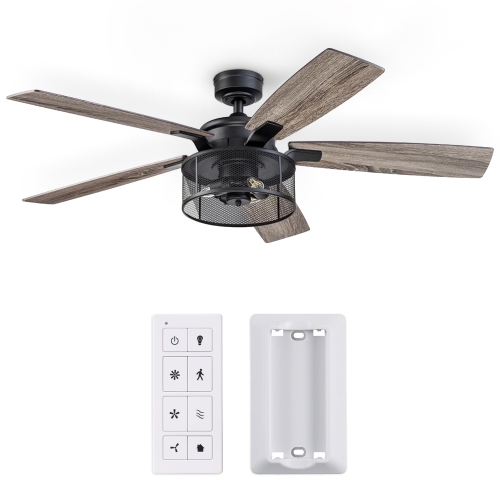 Your price for this item is $256.99
-
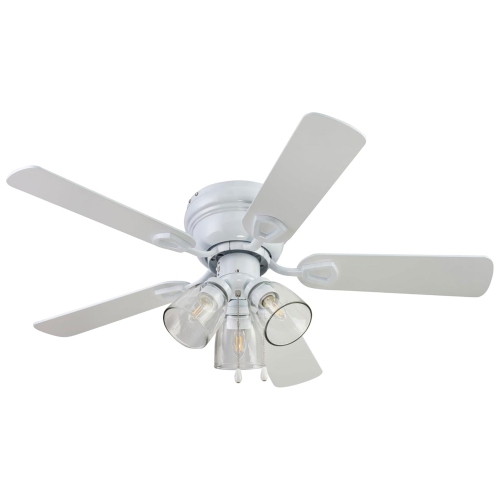
 Your price for this item is $238.99
-
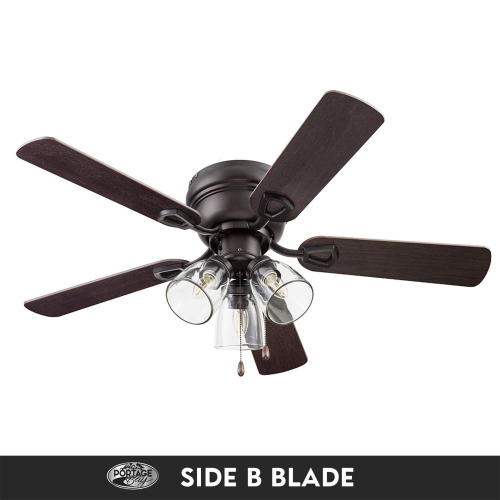
 Your price for this item is $232.99
-
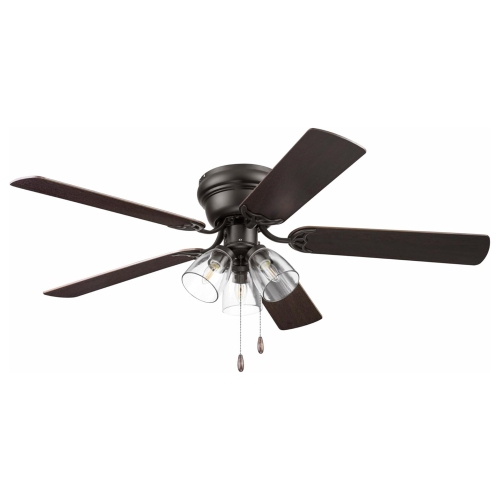
 Your price for this item is $165.99
-
 Your price for this item is $228.99
-
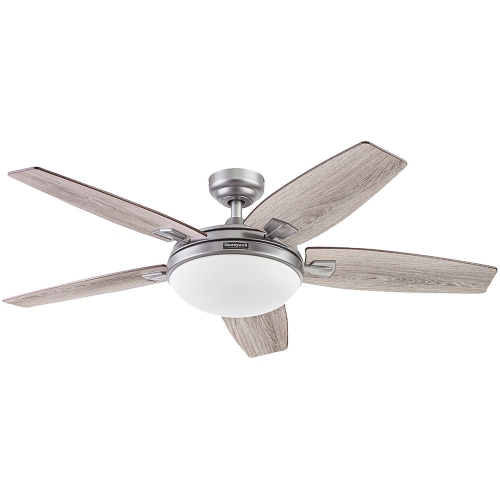 Your price for this item is $286.99
-
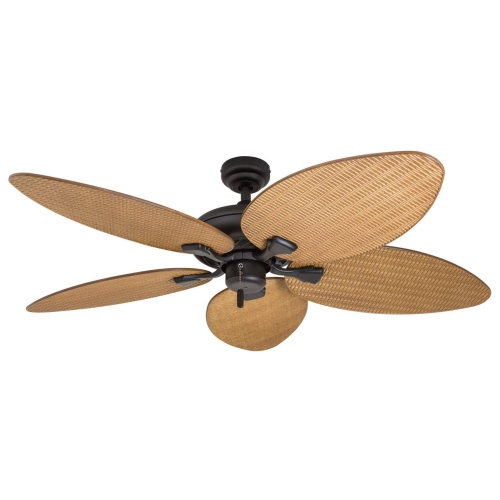 Your price for this item is $308.99
-
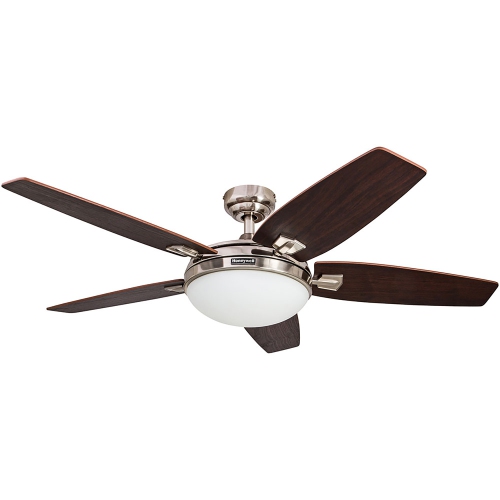 Your price for this item is $277.99
Discover more categories related to Industrial Ceiling Fans With Remote
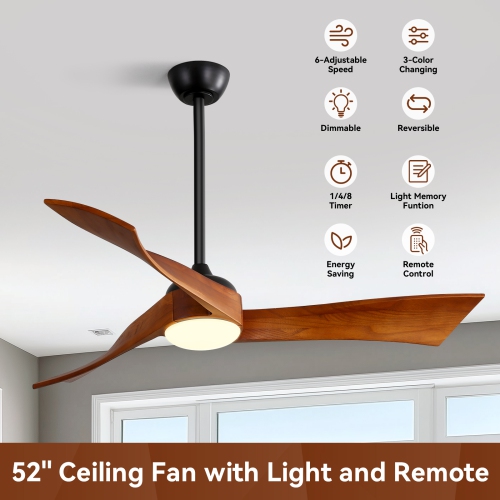

Top Collections:
Pokemon Centers, Kindle Devices, Best Cameras for Sports Photography, Pokémon 30th Celebration Cards, Apple iPhones 16, Canon G7X Cameras, iPhone 15 Apple, Flip Phones, Samsung Galaxy Phones, Alarm Clock
Some products may be subject to Environmental Handling Fees
(EHF) depending on your province.
Learn more about EHFs.