Industrial Waffle Makers
Looking to bring a touch of culinary creativity to your breakfast menu? Look no further than our selection of industrial waffle makers. These powerful machines are designed to handle high-volume production while consistently delivering perfectly golden and fluffy waffles. Whether you're running a bustling restaurant, catering business, or simply love hosting breakfast gatherings, our range of industrial waffle makers offers the durability and performance you need to satisfy even the most discerning waffle connoisseurs. With advanced features and sleek designs, these waffle makers are sure to make a statement in your kitchen while elevating your breakfast game to new heights.
Sort


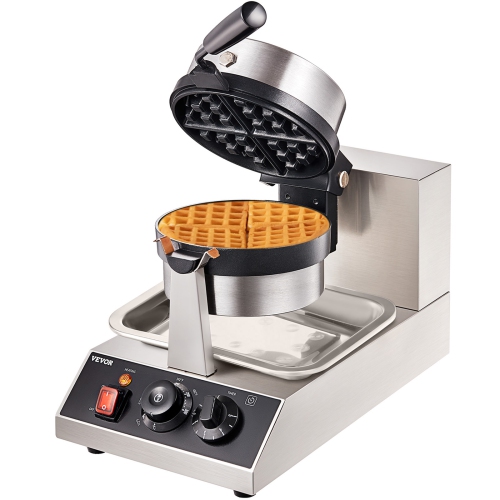


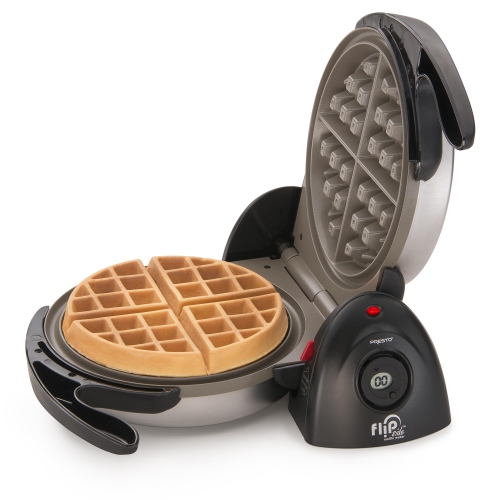

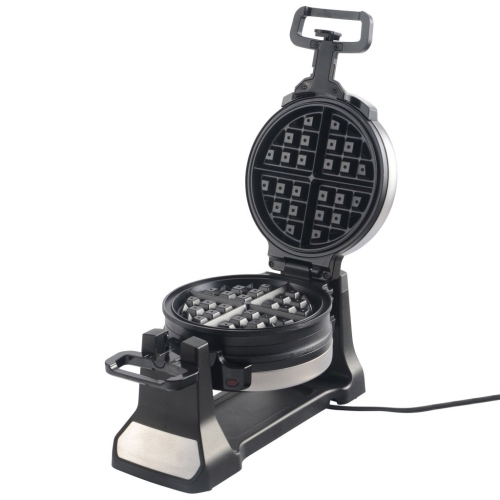

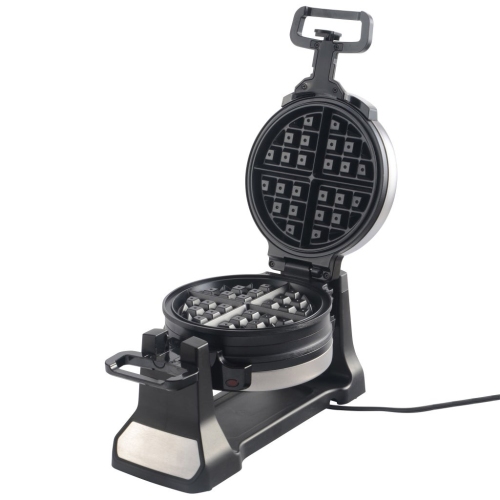
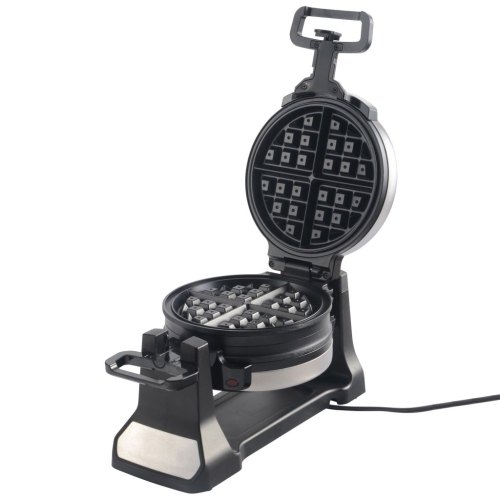
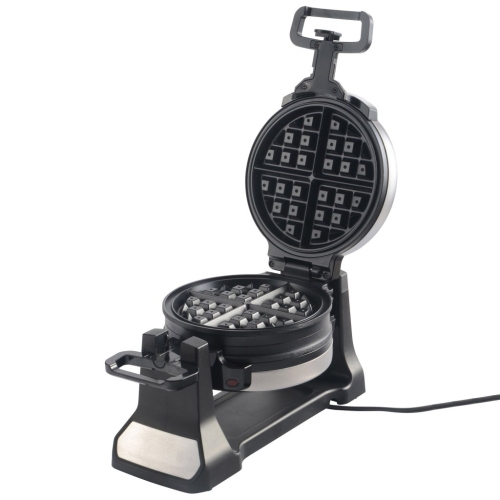

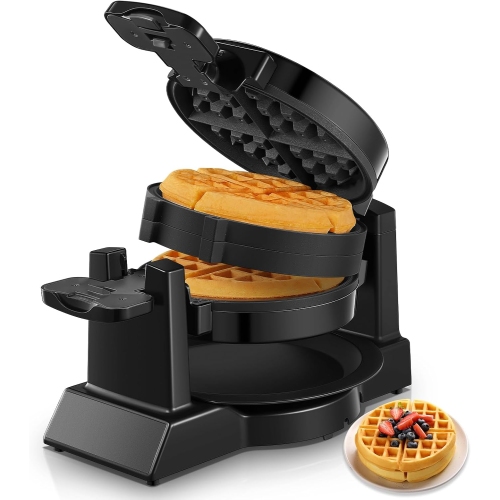
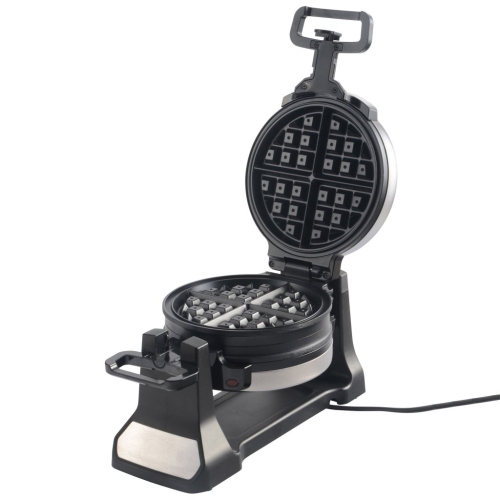


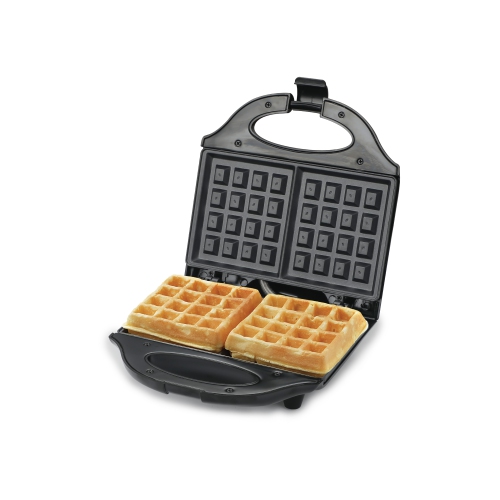

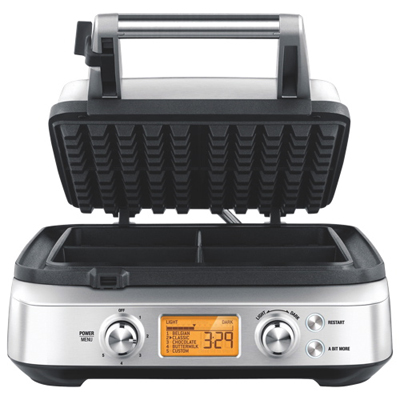


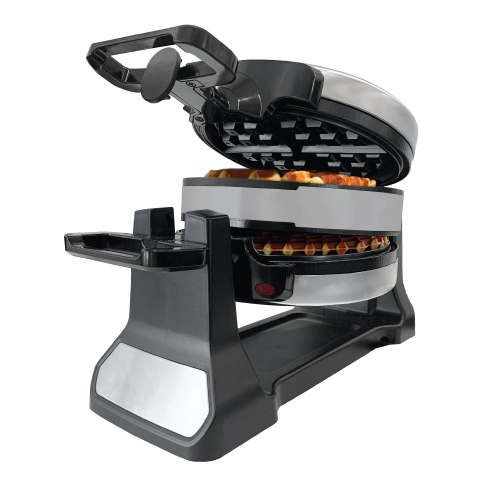
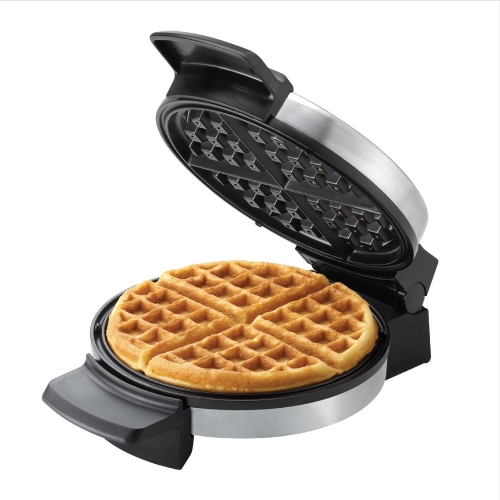
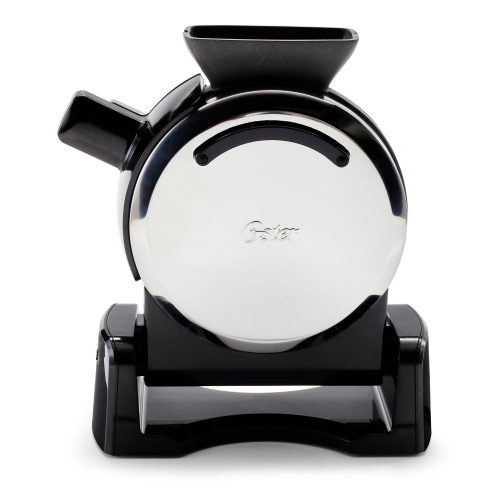
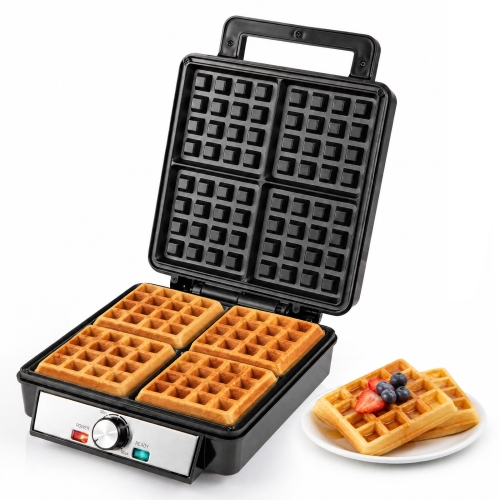
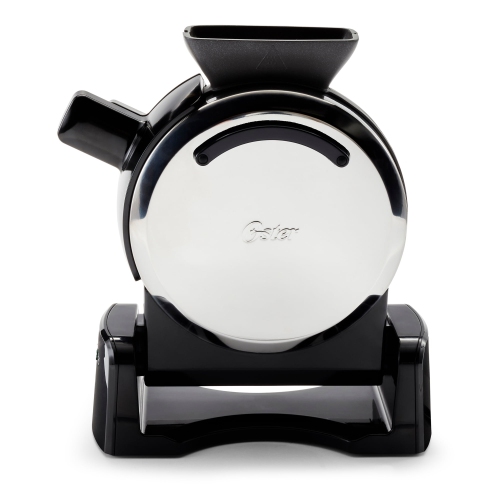

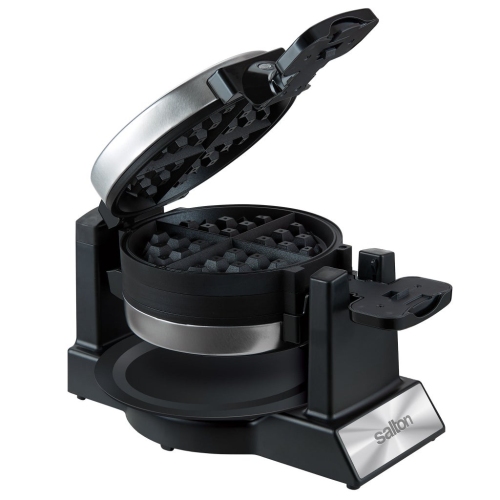
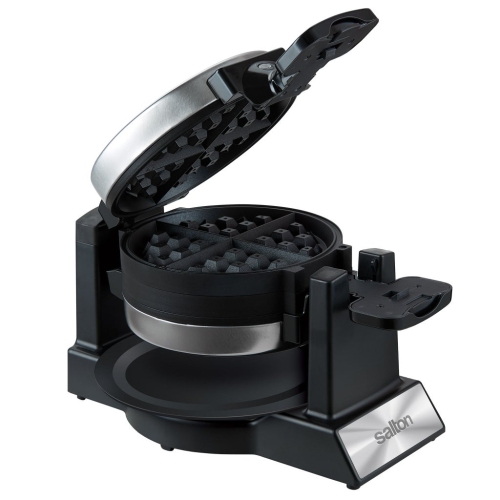
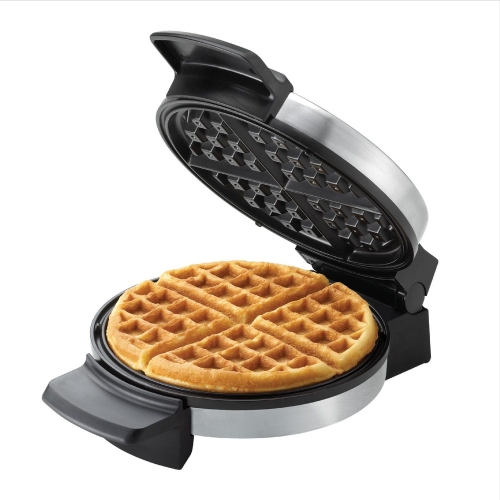

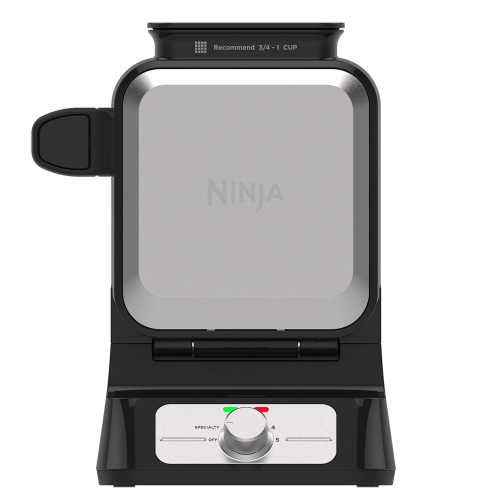
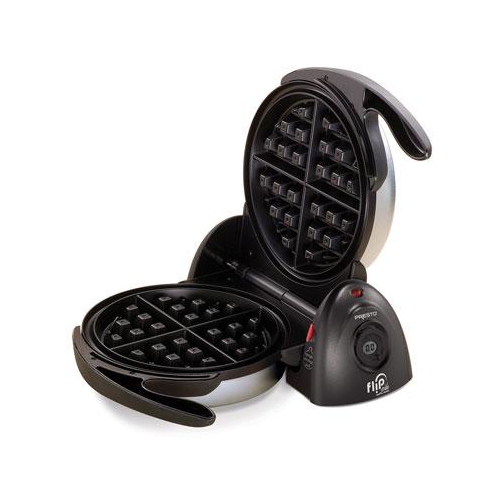
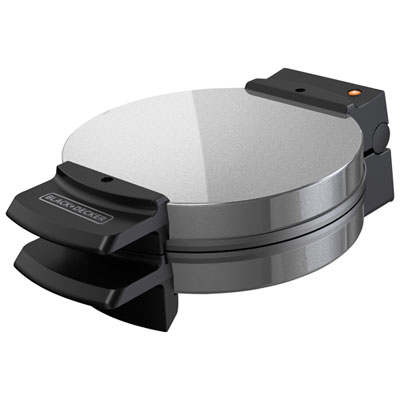
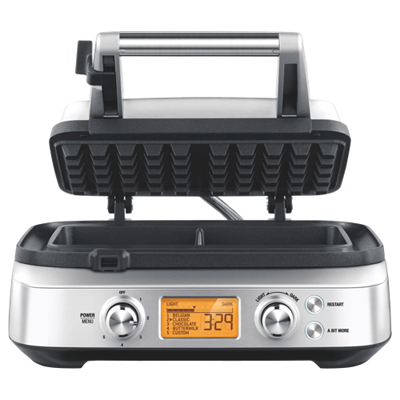


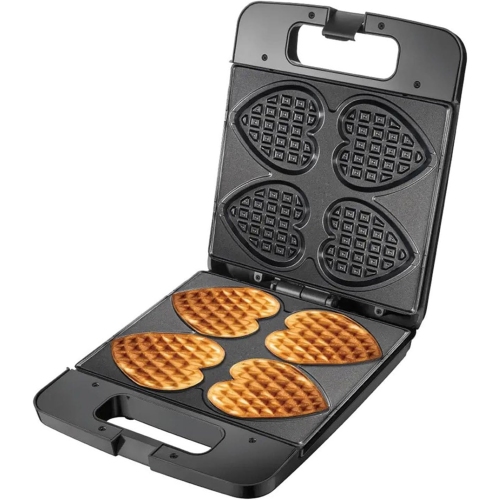
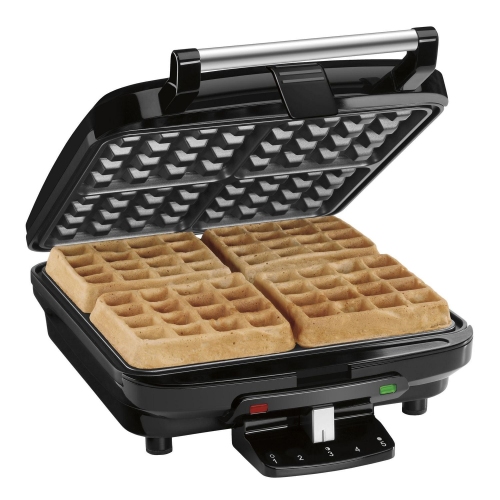
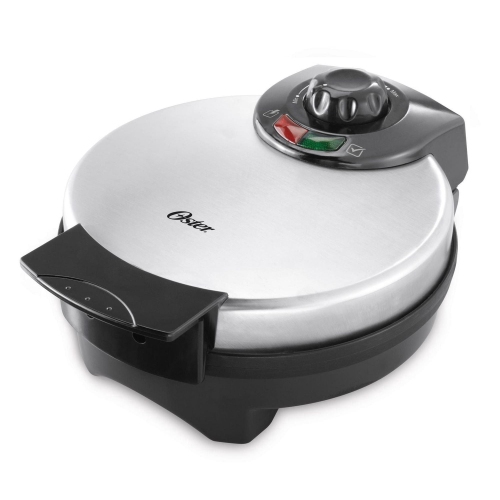
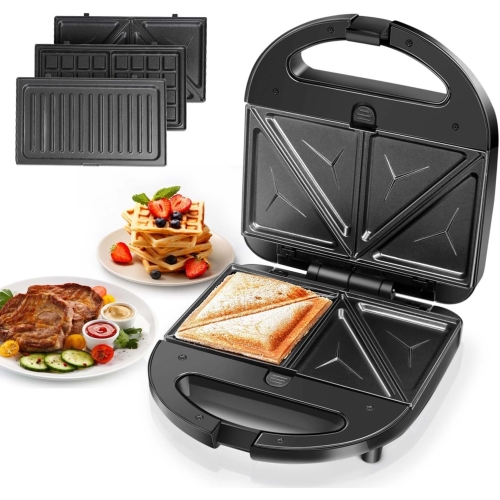
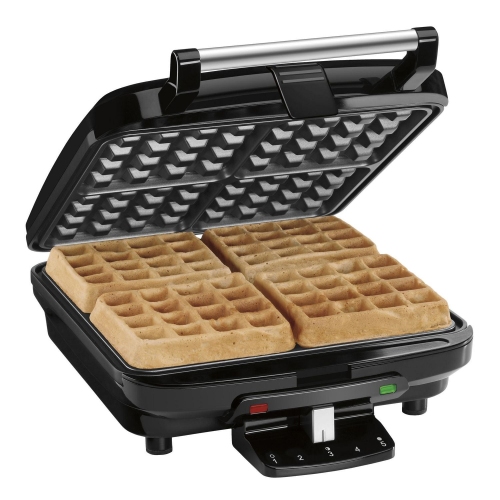

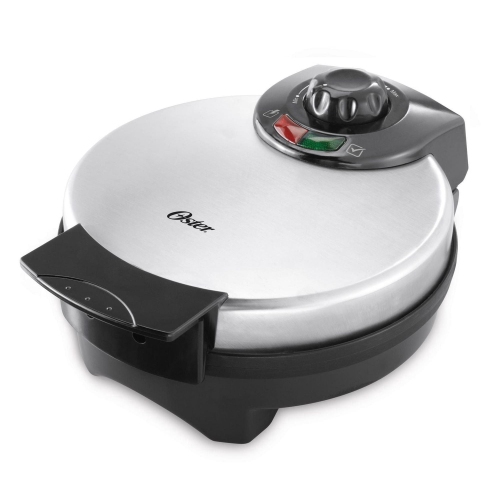


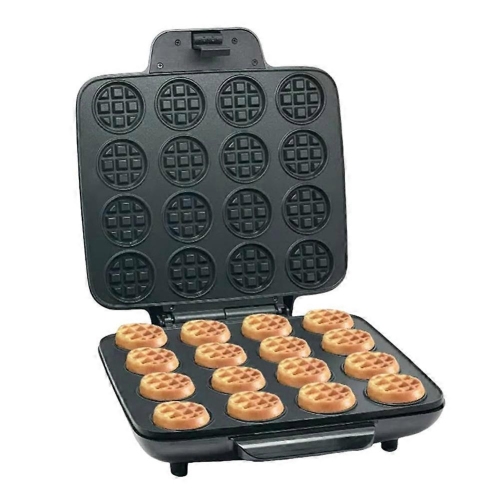
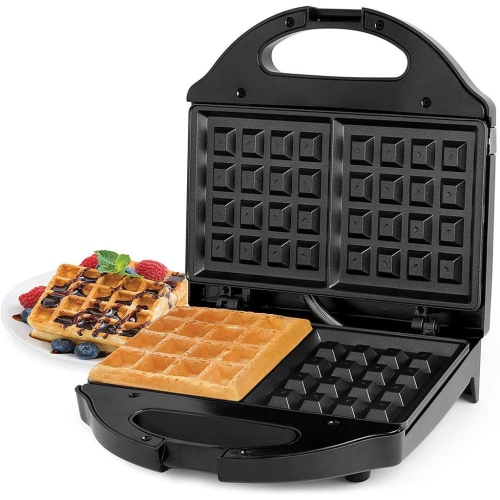

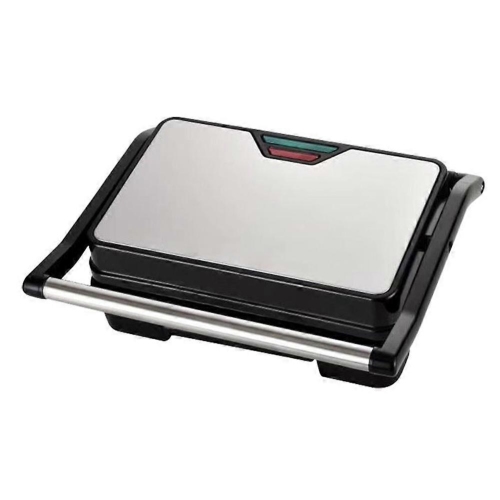
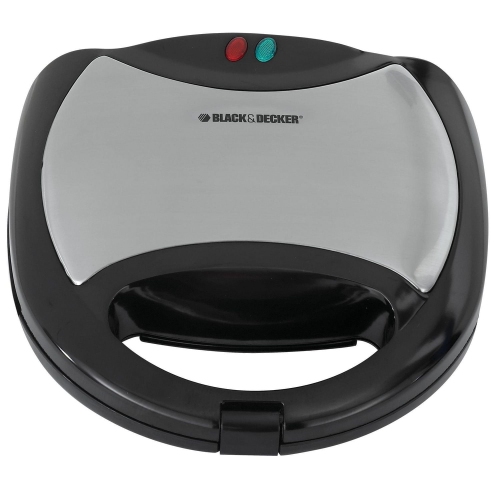
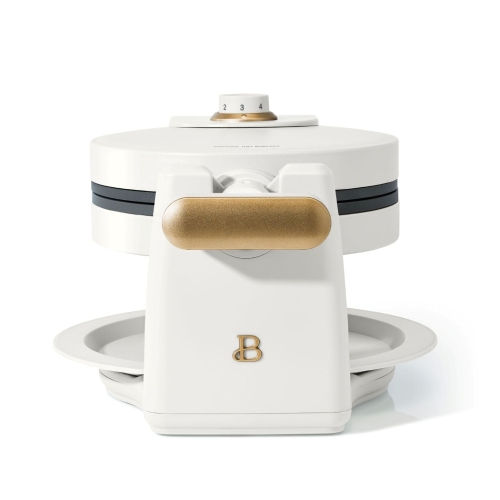
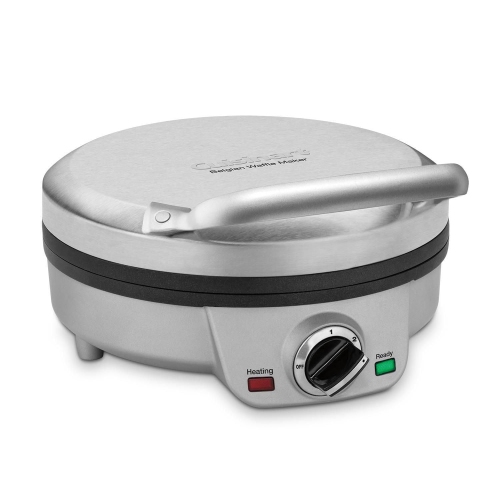
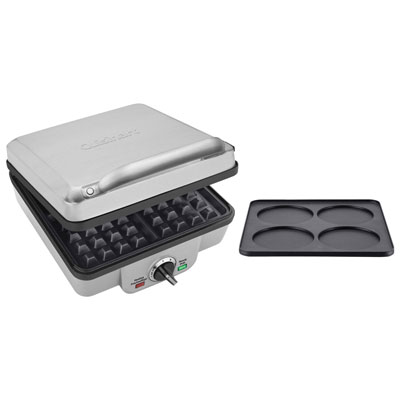
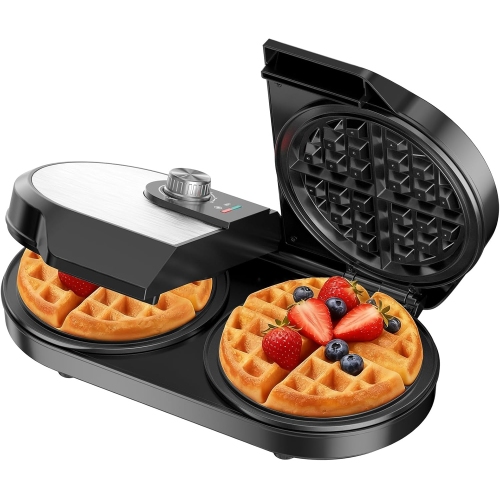
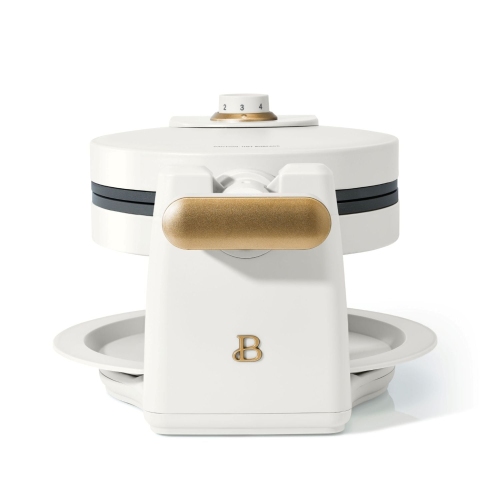


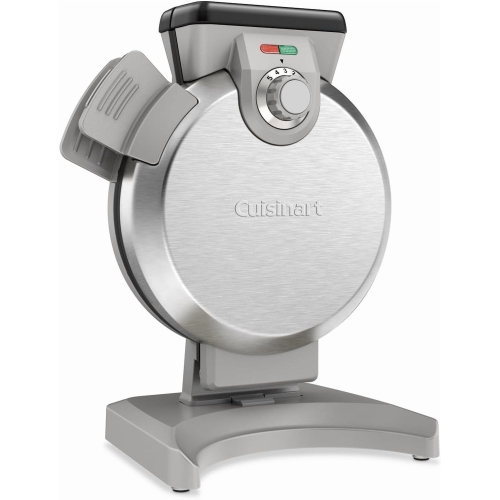
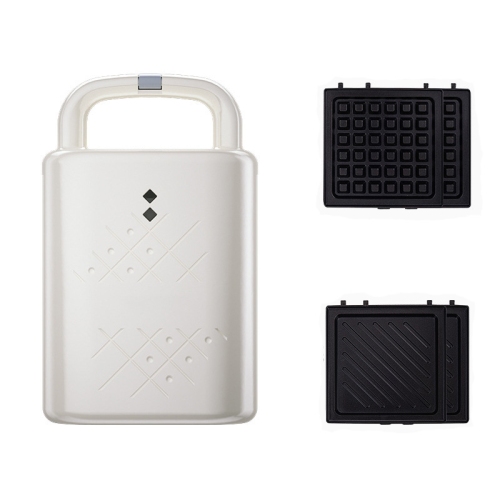

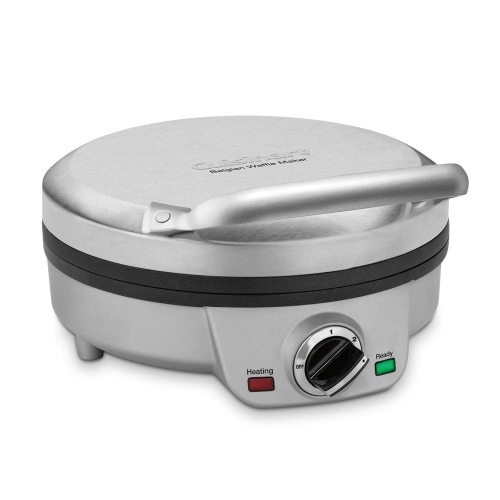
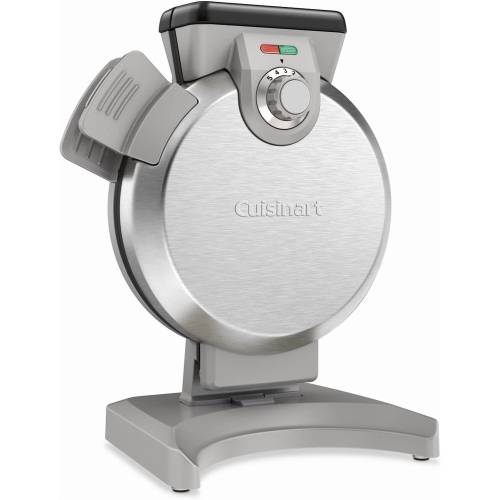
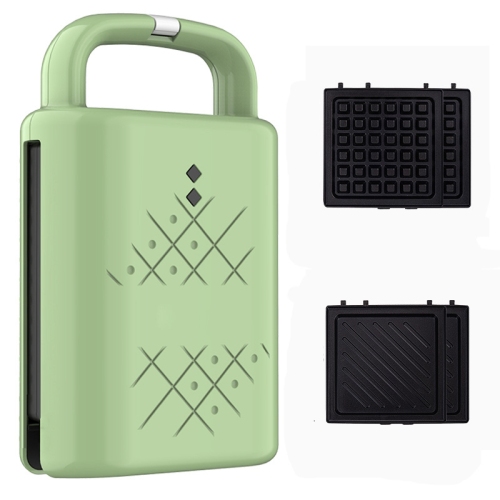
Consistent waffles start with equipment that fits your service
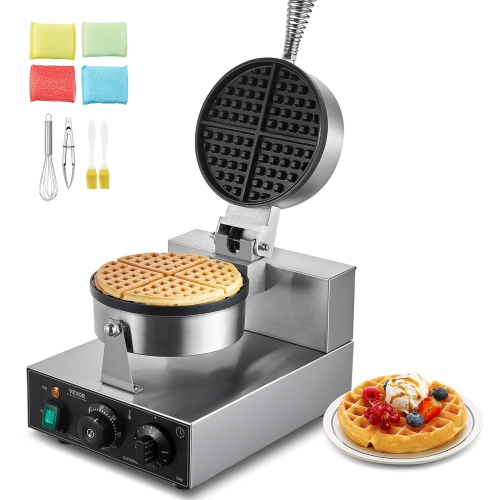
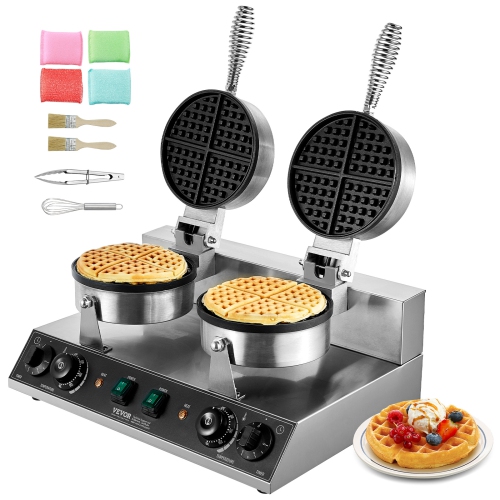
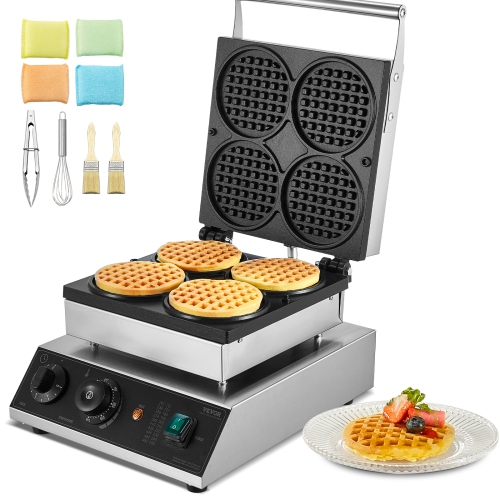
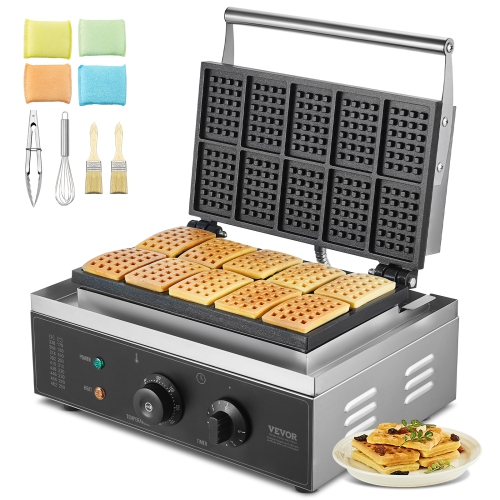
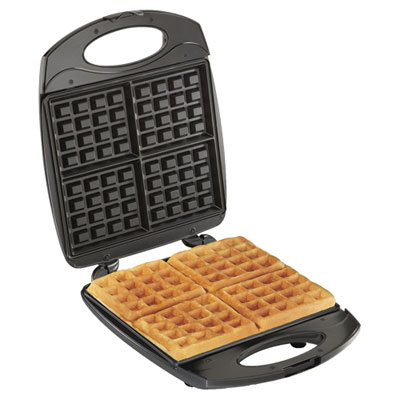
Industrial waffle makers are heavy-duty cooking appliances designed for repeated use in cafés, restaurants, hotels, catering operations, and other food-service settings. Often described as commercial waffle makers, they pair heated cooking plates with controls that help staff produce waffles with consistent colour, texture, and shape across multiple batches. Their role goes beyond making a crisp breakfast: a café may serve a deep-pocketed Belgian waffle with fruit, while a dessert counter may use a thinner waffle as the base for ice cream and sauces. Plate depth, grid pattern, and portion size determine how well the finished waffle suits the menu. Deep grids hold generous toppings, while shallower patterns create a different balance of crisp edges and soft interior. Round waffles divide neatly into wedges; square or rectangular waffles can be easier to portion for plated meals and takeaway containers. Single-head machines suit operations where waffles are an occasional order, while dual-head designs allow more than one waffle to cook at a time. Independently controlled heads can also give staff flexibility when orders arrive at different intervals. Rotary designs turn the cooking assembly to help distribute batter across the plates, although results still depend on batter consistency, portioning, and the cooking cycle. Output should be assessed against the actual service pattern rather than a maximum hourly figure alone. A hotel breakfast station facing several orders at once has different needs from a small coffee shop preparing one waffle between drink orders. Published production rates may reflect particular recipes and operating conditions, so loading, unloading, topping, and cleaning time also matter. For most countertop food-service applications, the practical distinction is between a household appliance intended for occasional batches and equipment specifically rated by its manufacturer for commercial duty. Large-scale automated waffle production is a separate equipment category, with requirements beyond those of a typical café countertop. For a staffed service counter, dependable batch-to-batch performance and an arrangement that fits the daily workflow are usually more useful than capacity that rarely gets used.
Construction, heating performance, and controls shape how an industrial waffle maker handles a busy shift. Stainless steel housings are common because they stand up well to routine wiping and the demands of a working kitchen, but the exterior material does not identify the cooking-plate material underneath. Depending on the design, plates may be cast iron, aluminium, or a coated metal surface, each with its own handling and care requirements. Heavier plates can retain substantial heat, while other designs emphasize faster heating and easier handling; actual performance depends on the complete heating system. Non-stick surfaces can make waffle release and cleanup easier, but they need utensils and cleaning methods that protect the coating. Uncoated cast iron may require seasoning when specified by the manufacturer. Even heat across the grid helps limit pale centres or overly dark edges, and the ability to return to the set cooking temperature between batches is particularly important when cold batter is added repeatedly. Adjustable temperature controls allow staff to tune browning for the recipe, while timers and audible signals help keep cycles consistent during a rush. A timer does not necessarily switch off the heat, so its function needs to be clear to everyone using the station. Power requirements also deserve close attention. Commercial countertop waffle makers may require a 120 V supply or a higher-voltage connection, depending on the model; wattage alone does not establish plug compatibility or cooking capacity. The appliance rating, plug configuration, circuit capacity, and installation instructions should all match the intended location. Where electrical suitability is uncertain, a qualified electrician can assess the connection. Physical fit includes more than the footprint on the counter. There must be room to lift the lid, turn a rotary assembly where applicable, reach the controls, and remove hot waffles without crossing another workstation. A stable, heat-resistant surface, suitable clearance, and a sensible position for the power cord help make the appliance easier to use during service. Electrical approvals and sanitation certifications should be checked against the requirements that apply to the premises and local authorities.
Daily usability often becomes clearest in the small tasks repeated throughout a shift: measuring batter, opening the lid, lifting a finished waffle, and wiping away a spill before it hardens. Handles designed to limit heat transfer, clearly marked controls, and accessible drip trays can make these tasks more manageable, although hot plates, escaping steam, and nearby metal surfaces still require care. Overflow channels help contain excess batter, but accurate portioning is the better starting point. A measured ladle or dispenser helps staff fill the grid consistently without forcing batter over the edges. Batter thickness, sugar content, and resting time can all affect spread, browning, and release, so a dependable recipe matters as much as the machine. Rich batters and added ingredients may leave more residue, and any inclusions should be suitable for the plate design and permitted by the appliance instructions. Between services, cleaning should follow the manufacturer’s procedure, including switching off, disconnecting power, and allowing the unit to cool as directed. Electrical assemblies should not be immersed, and removable plates should only go in a dishwasher if explicitly approved for that method. Soft brushes, cloths, and suitable non-abrasive tools help remove crumbs from grid corners without damaging cooking surfaces. Abrasive pads, metal utensils, and unapproved sprays can shorten the useful life of a coating. Durable ownership also depends on practical service details, such as access to replacement trays, handles, or other manufacturer-supported parts, along with warranty terms that cover the intended commercial use. In shared kitchens, clear procedures for batter storage, utensils, and cleaning are important when recipes contain allergens such as wheat, milk, or eggs; separate equipment may be necessary where cross-contact controls require it. For households and occasional entertaining, Electric Waffle Irons provide a related category to explore, with each appliance’s intended use worth checking. In a commercial setting, the strongest fit is a waffle maker whose plate style, working capacity, electrical needs, and care requirements support the menu without complicating the station around it.
Top selling and popular products
-
 Your price for this item is $744.71
-
 Your price for this item is $684.88
-
 Your price for this item is $325
-
 Your price for this item is $543.42
-
 Your price for this item is $550
-
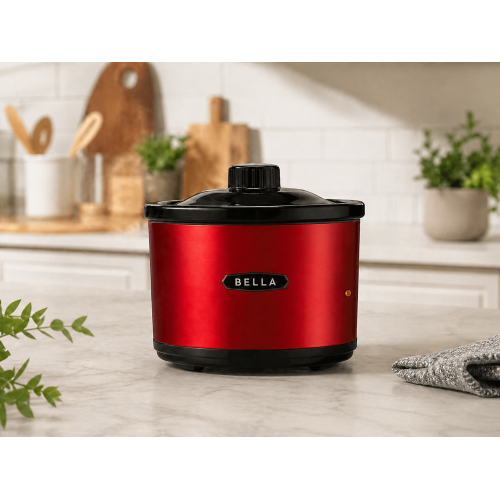 Your price for this item is $69.99
-
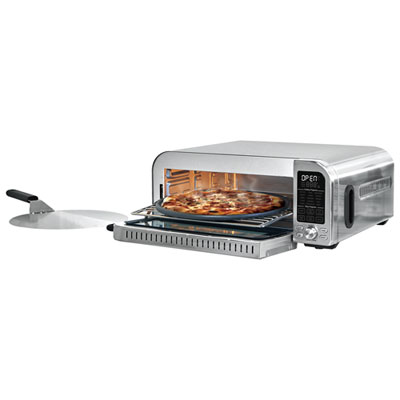 Your price for this item is $449.99
-
 Your price for this item is $245.68
Discover more categories related to Industrial Waffle Makers
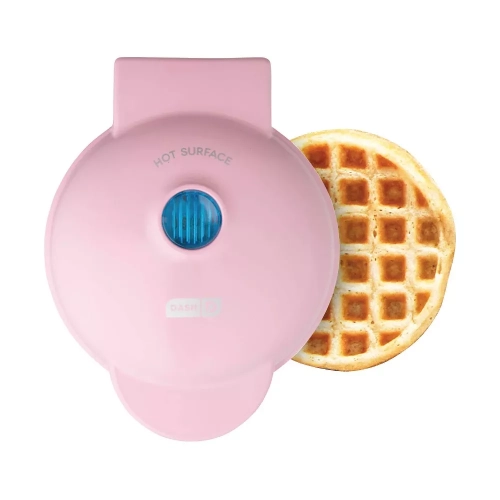
Top Collections:
Pokemon Centers, Best Cameras for Sports Photography, Kindle Devices, Samsung Galaxy Phones, Canon G7X Cameras, Pokémon 30th Celebration Cards, Refurbished Apple Laptops, iPhone 15 Apple, Laptops for Students, Budget Smartphones
Some products may be subject to Environmental Handling Fees
(EHF) depending on your province.
Learn more about EHFs.