Kitchen Air Vent
Create a fresh and inviting atmosphere in your kitchen with a high-quality kitchen air vent. Designed to effectively remove cooking odors, smoke, and steam, these essential appliances keep your space clean and comfortable. Whether you're a culinary enthusiast or simply enjoy spending time in the heart of your home, a kitchen air vent is an excellent addition to any modern kitchen. Browse our selection of sleek and efficient models to find the perfect match for your cooking needs.
Sort





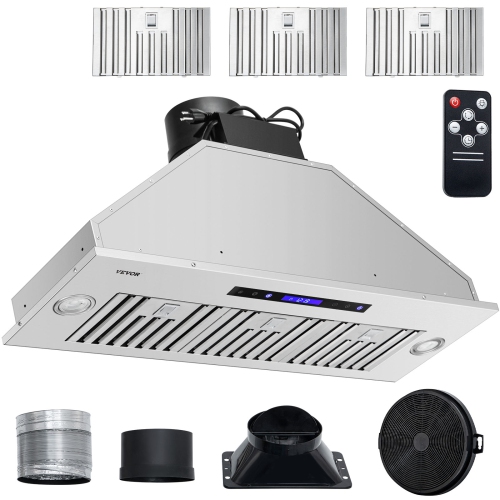


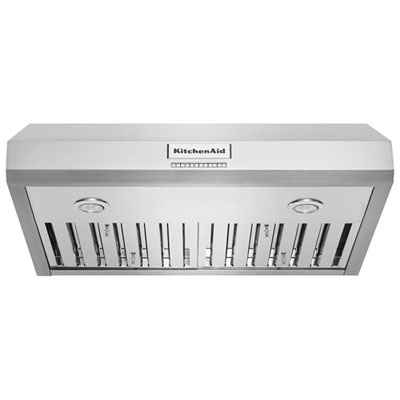
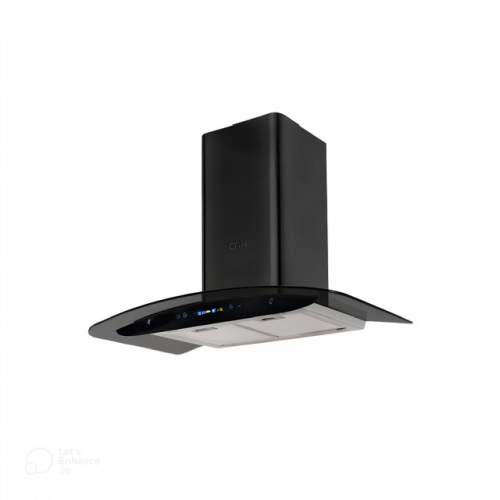
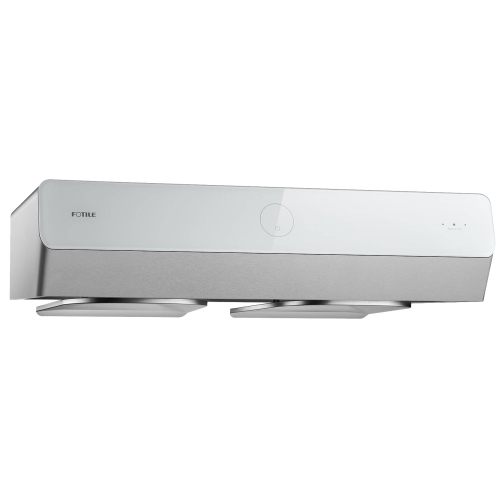
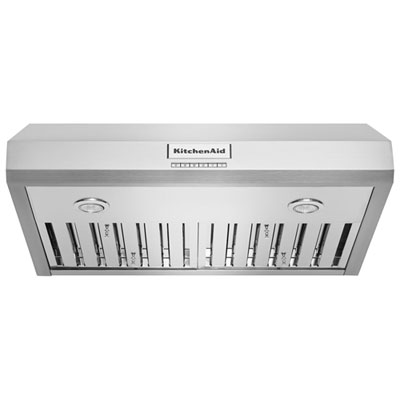
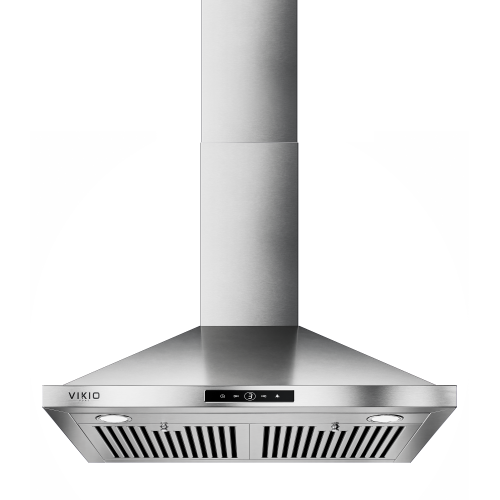


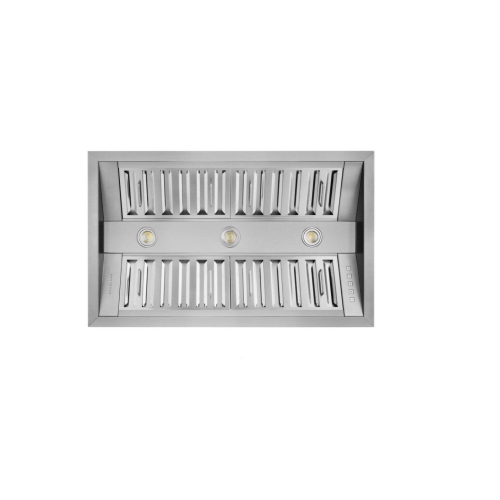
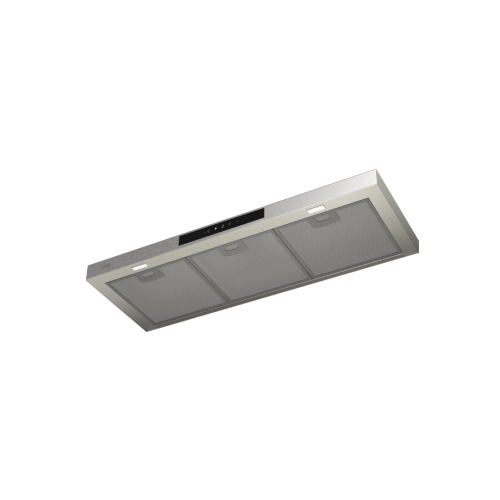


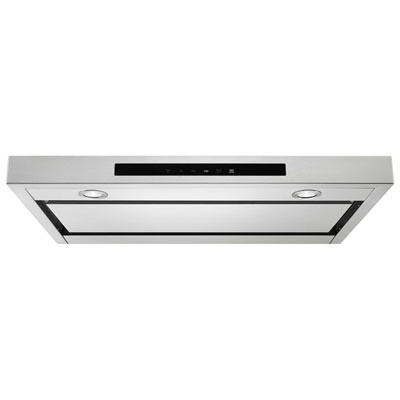

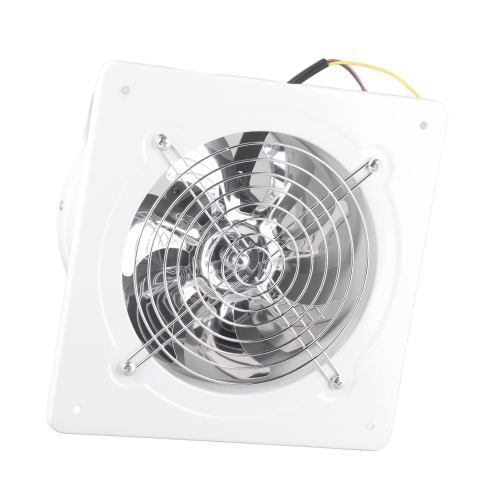
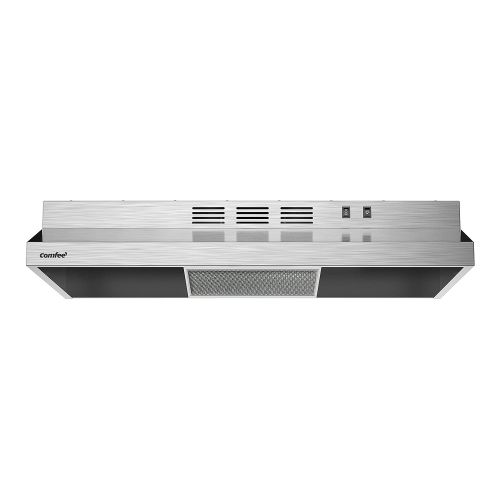
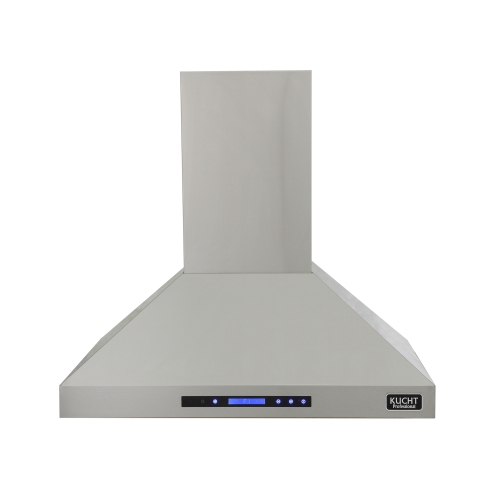



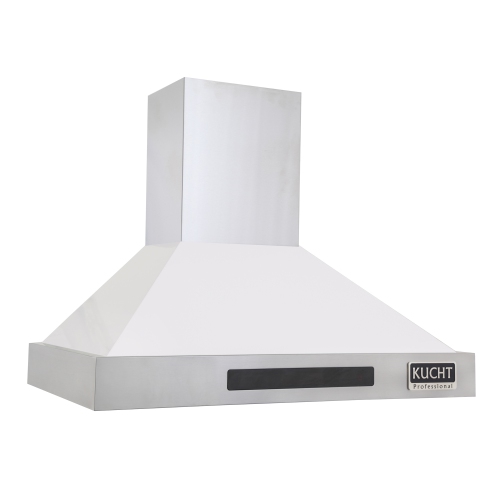

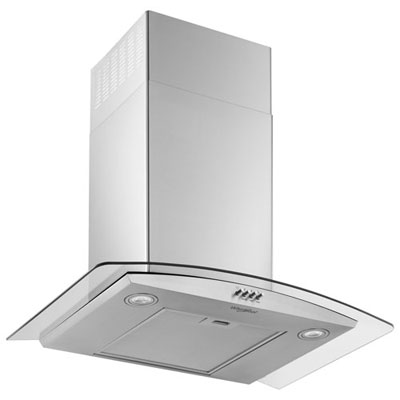
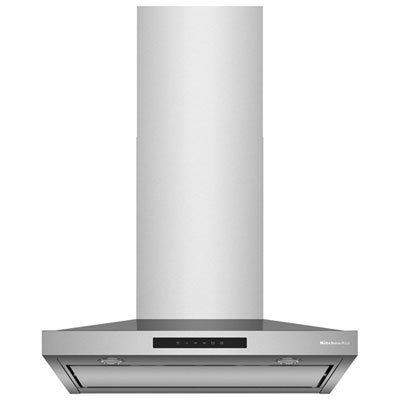
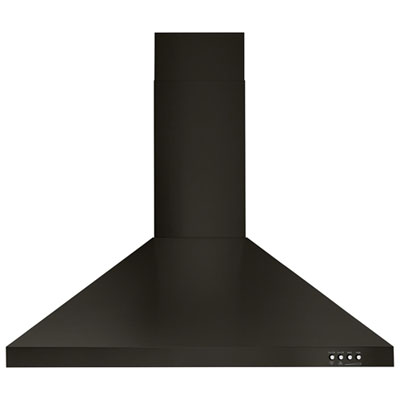
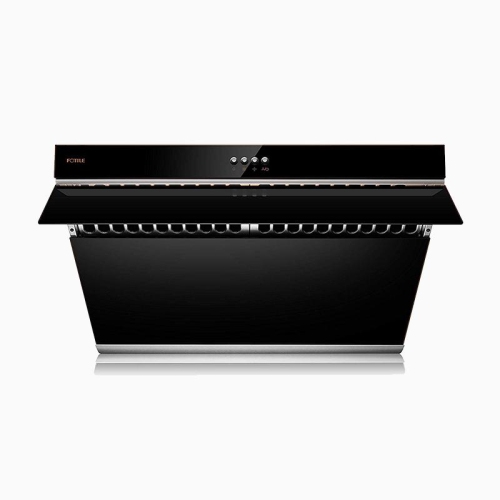


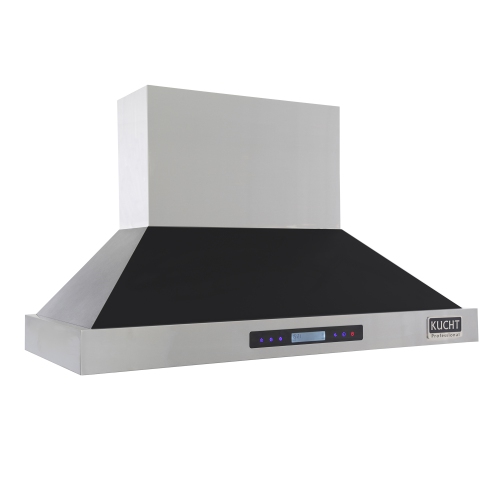
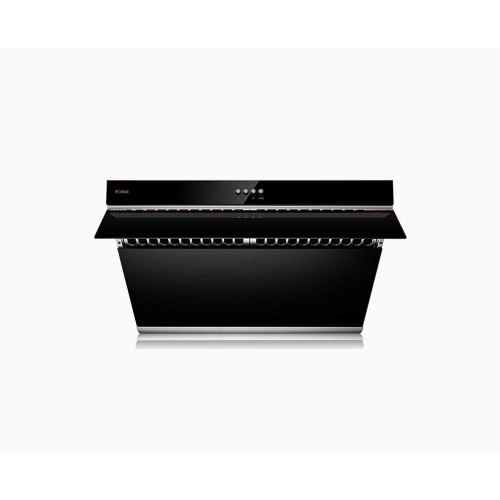

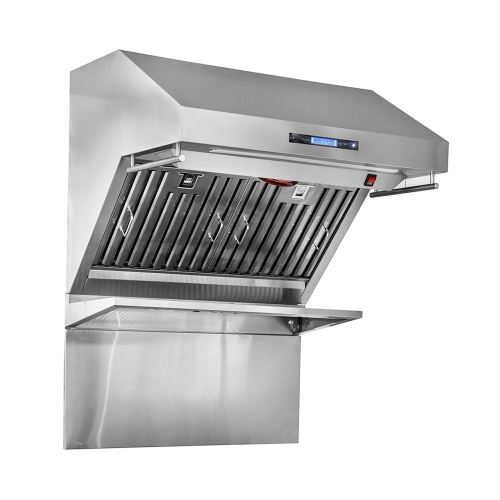








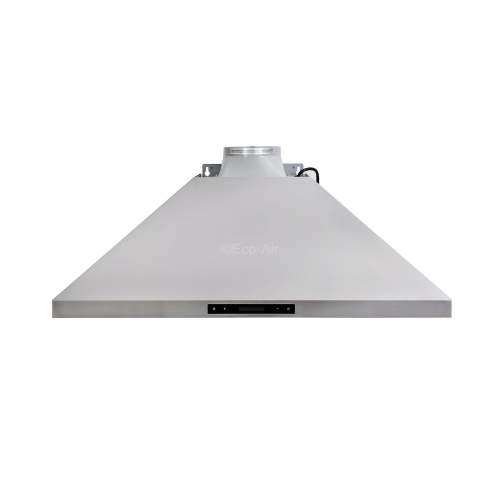
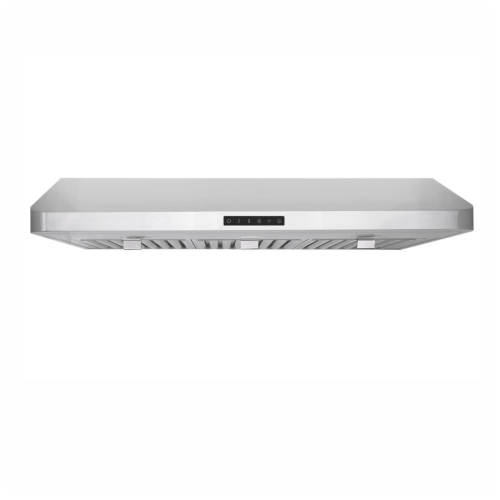
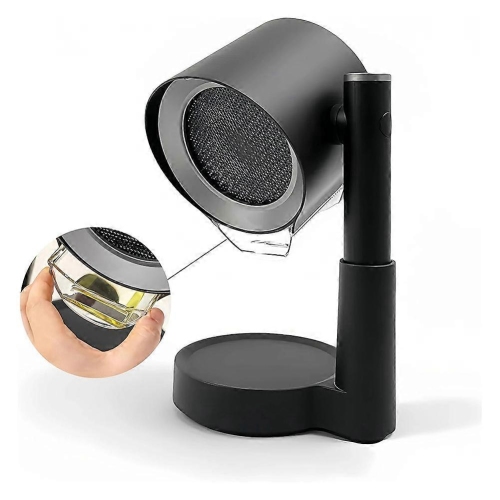
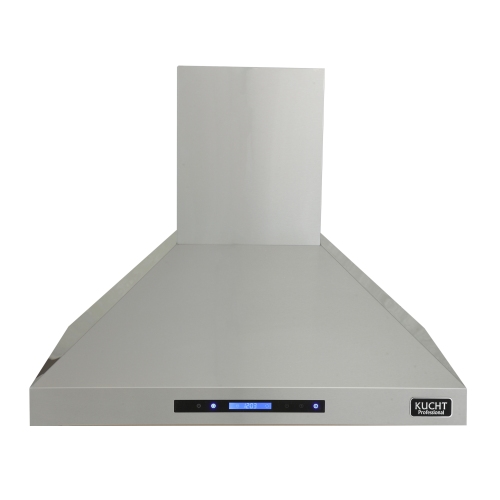


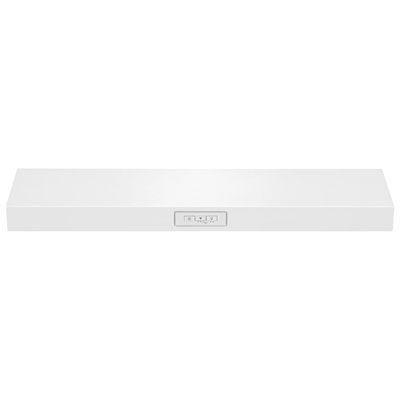

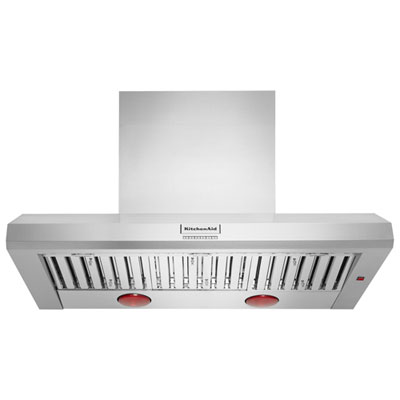
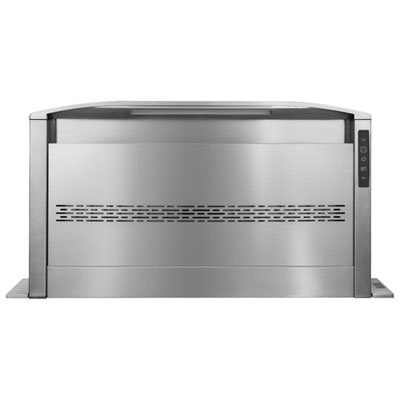
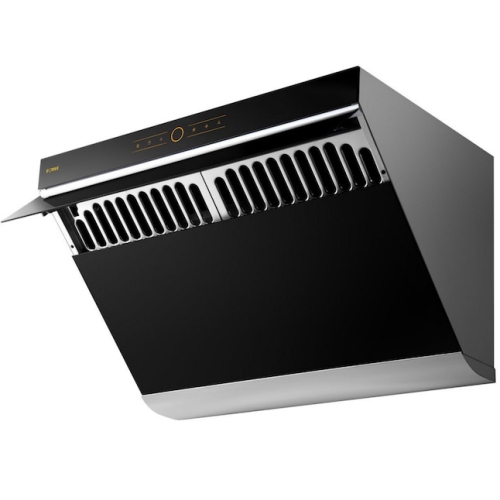







Understand venting options, sizing and installation requirements
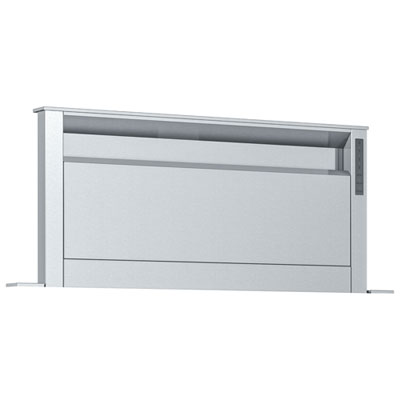
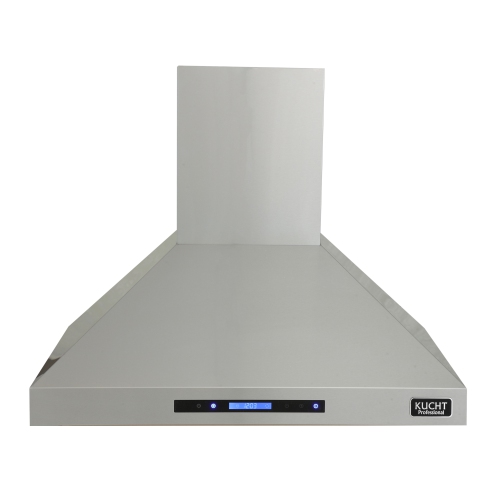
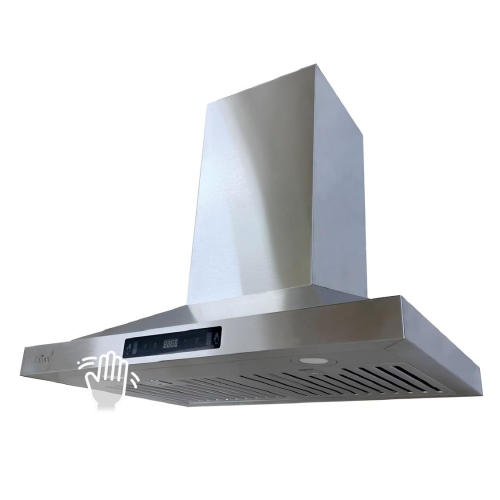
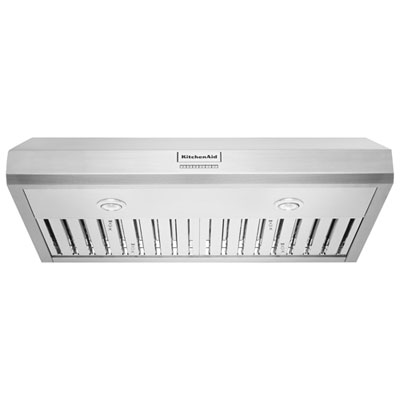
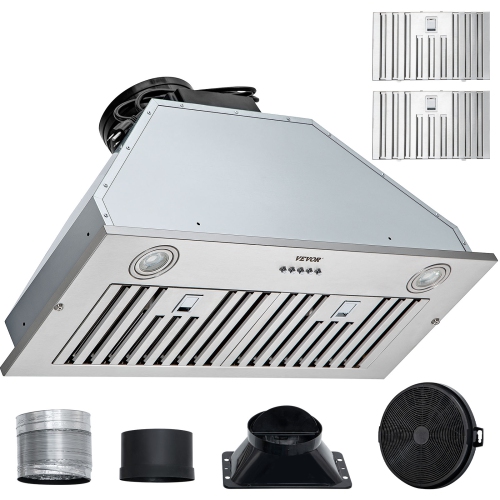
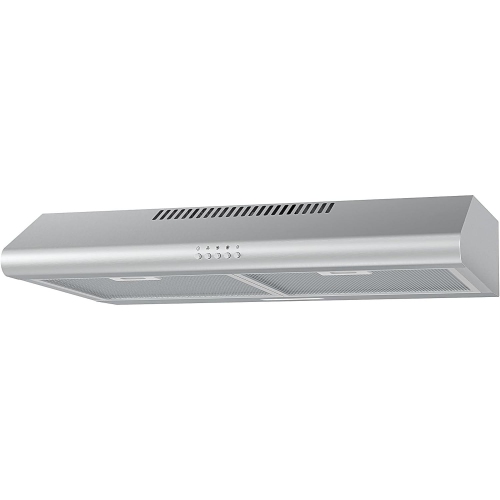
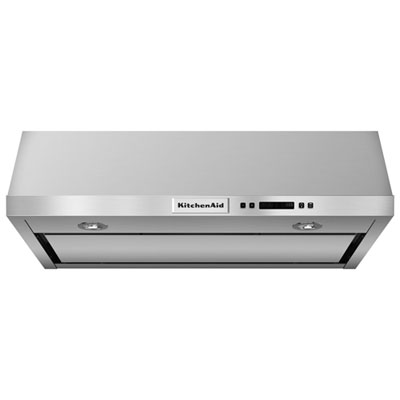
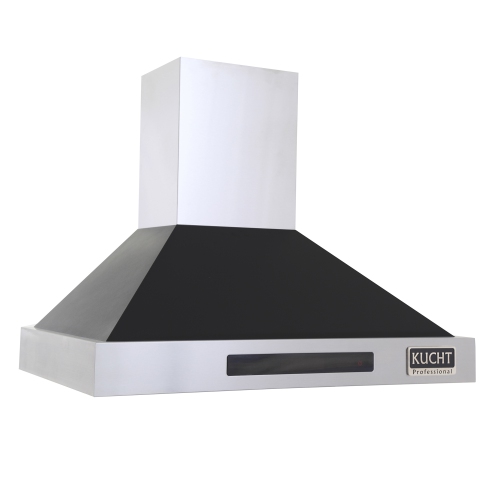
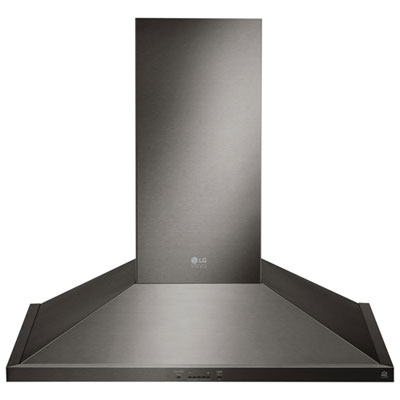
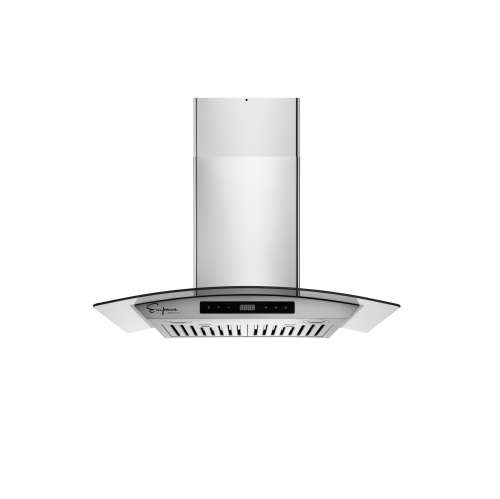
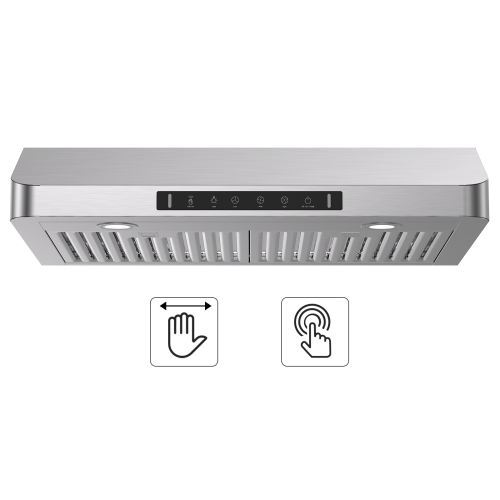
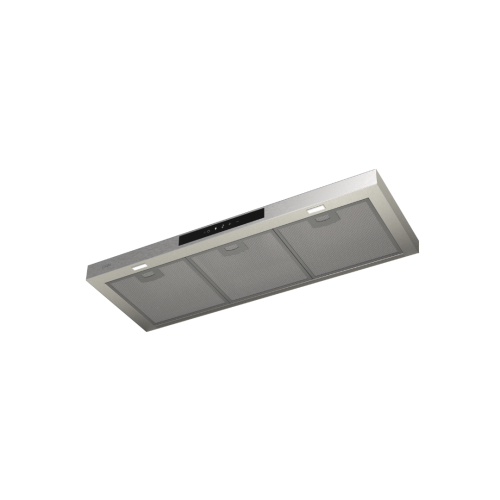
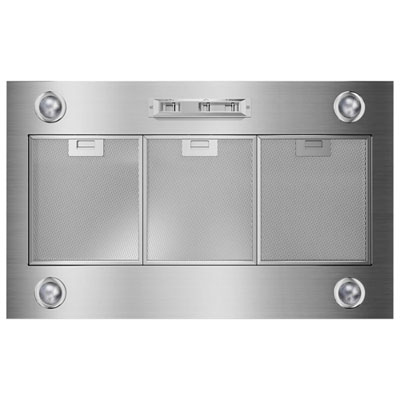
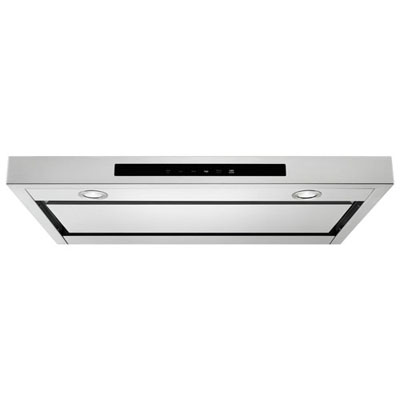
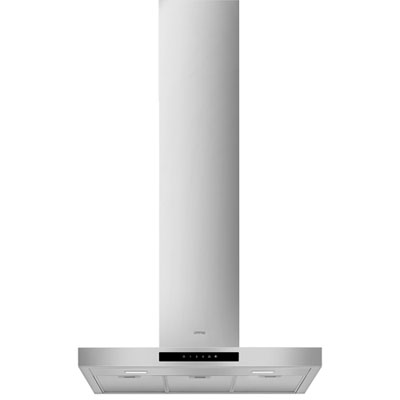
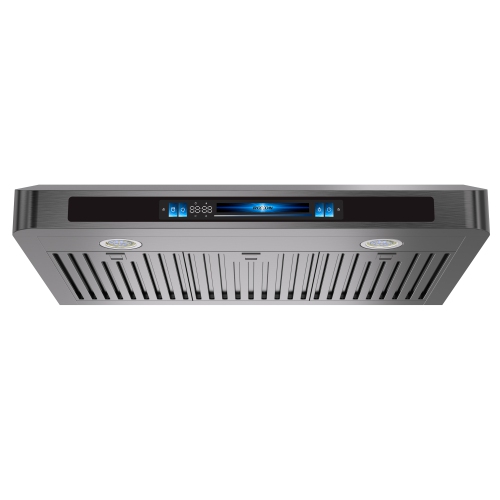
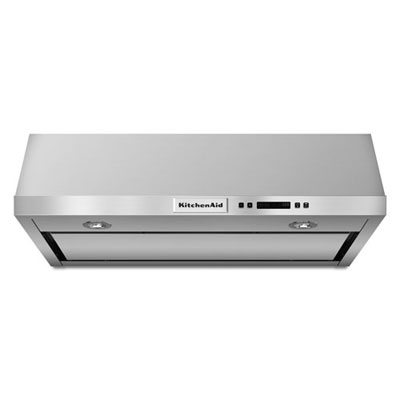
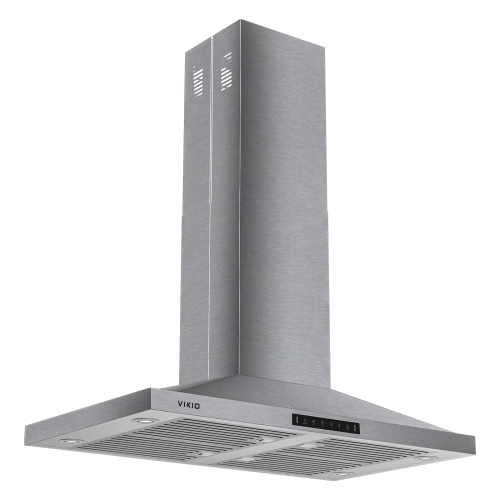
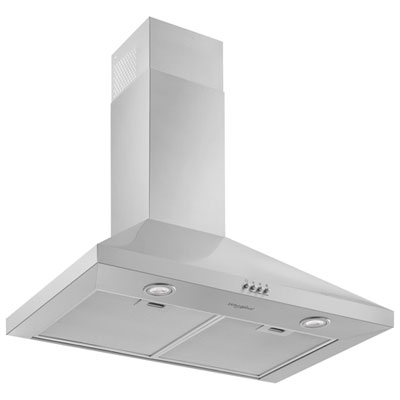
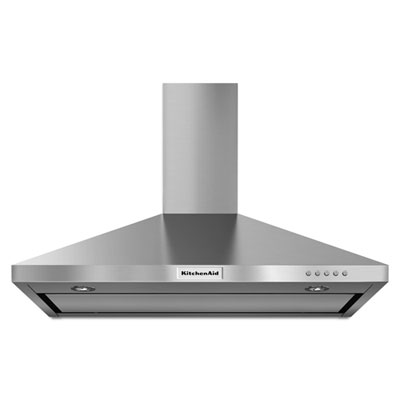
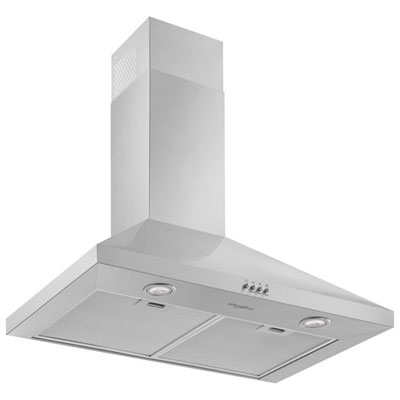
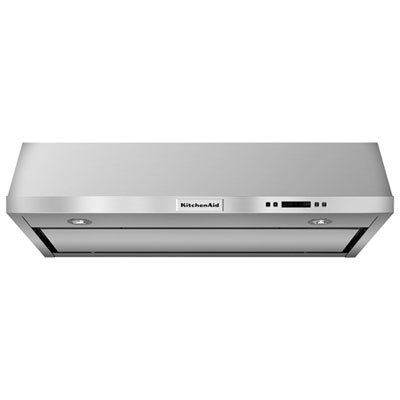
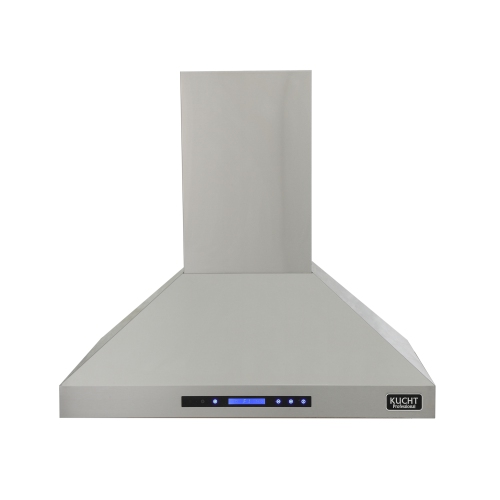
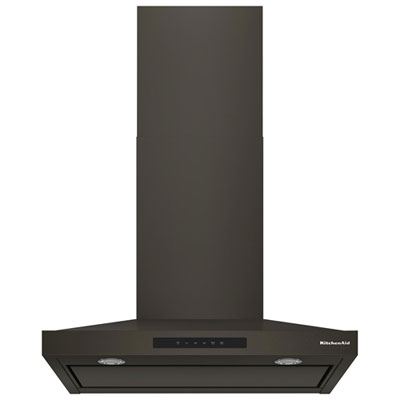
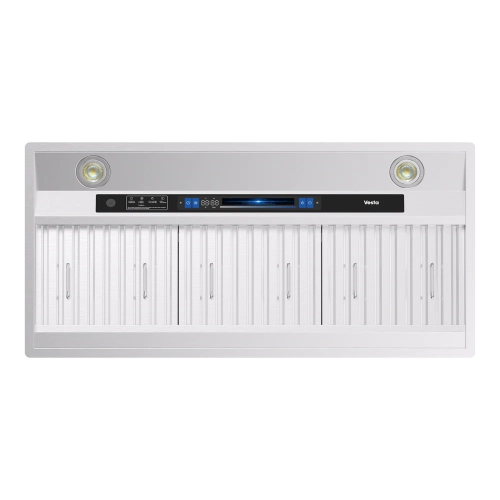
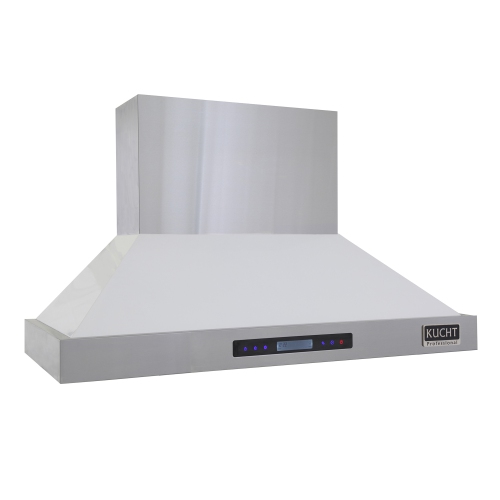
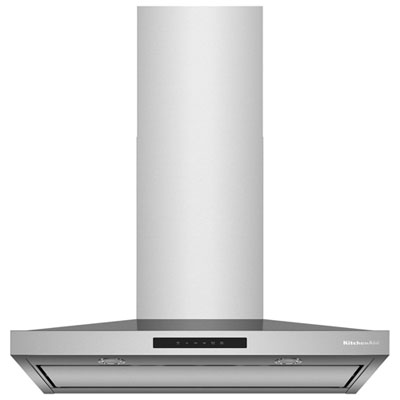
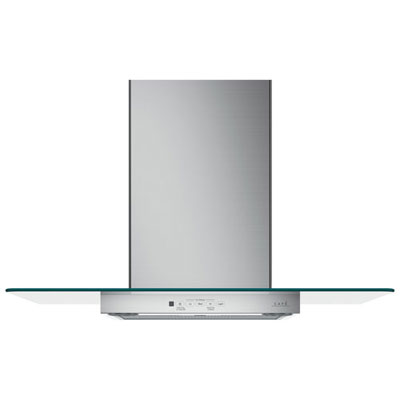
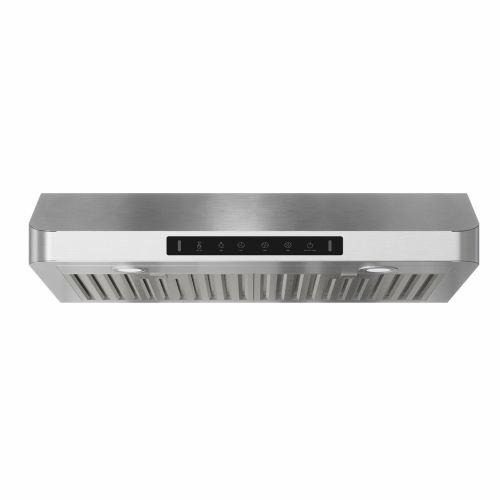
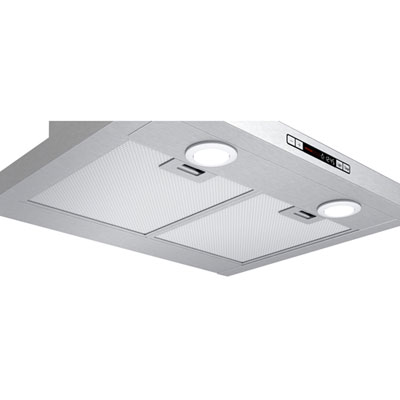
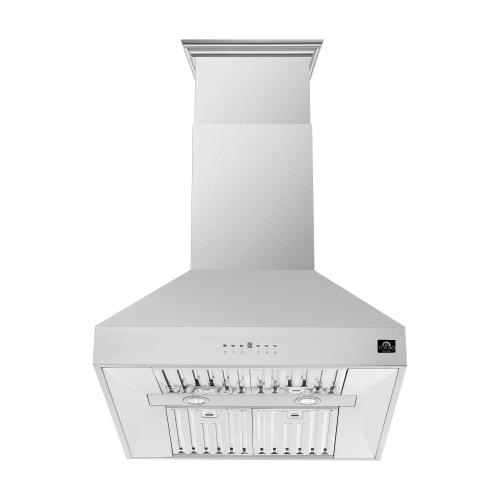
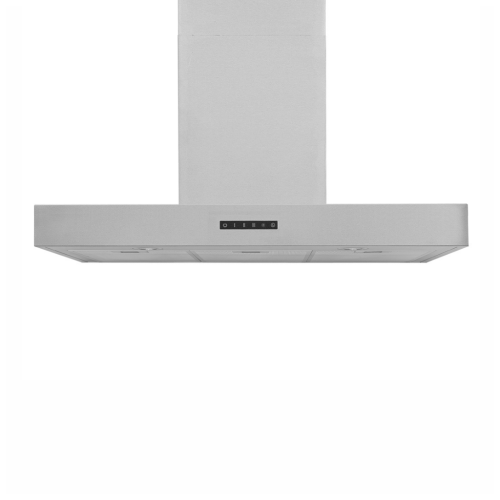
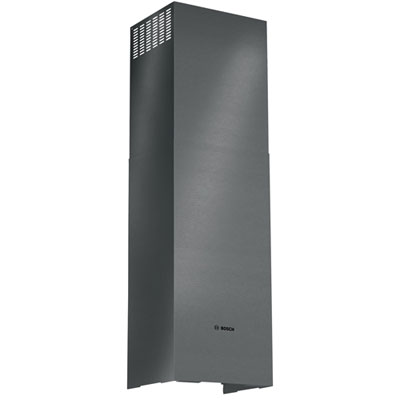
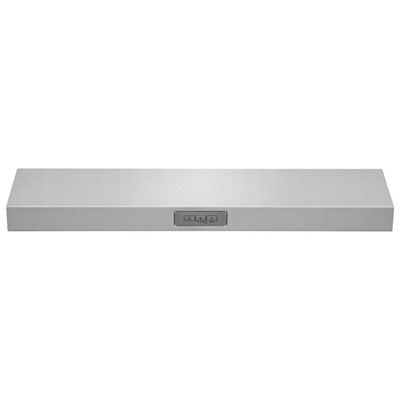
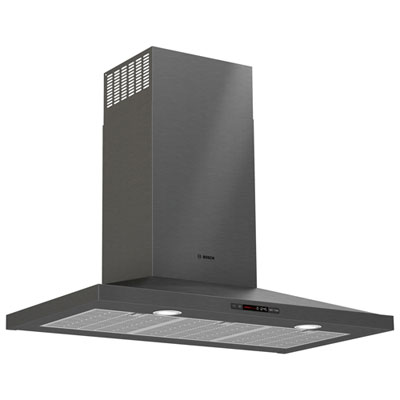
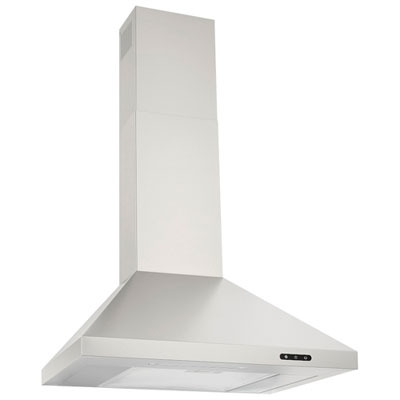
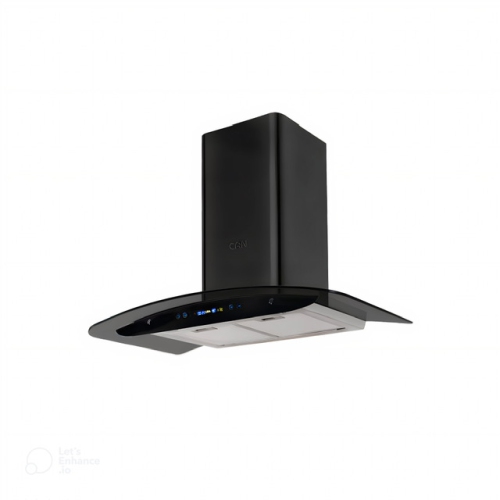
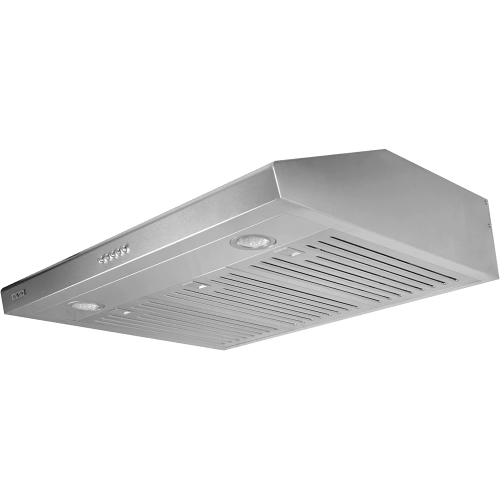
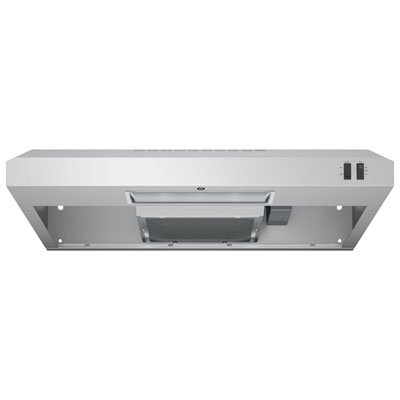
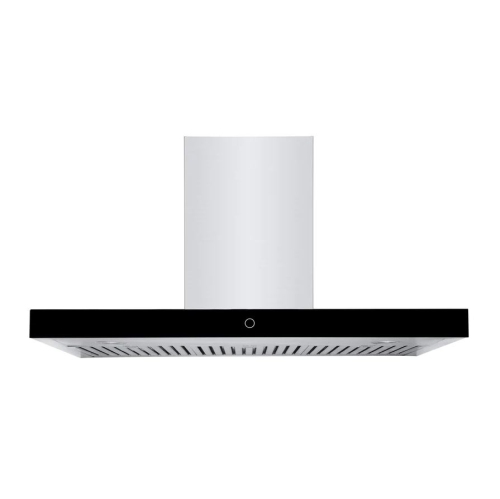
Kitchen air vents help keep cooking spaces more comfortable by removing smoke, steam, heat, grease and lingering food odours. Often called range hoods or kitchen exhaust hoods, these appliances sit above a cooktop or range and draw airborne particles away from the cooking surface before they spread through the room. This can be especially helpful when searing meat, frying foods, boiling pasta or preparing dishes with strong aromas. A well-chosen kitchen air vent can also help reduce the buildup of grease on nearby cabinets and walls, while improving visibility around the cooking area. When selecting one, begin by considering the width of your cooktop or range. The hood should generally be at least as wide as the cooking surface so it can capture rising vapour effectively, while a wider hood may provide additional coverage for larger ranges or high-heat cooking. The style of your kitchen matters as well. Under-cabinet vents fit neatly beneath existing upper cabinets and are often a practical choice for compact kitchens or straightforward replacements. Wall-mounted chimney-style vents can make a strong visual statement above a freestanding range, while island canopy vents are designed for cooking surfaces positioned away from a wall. Slim, integrated options may suit a streamlined kitchen where you want the ventilation system to blend into the cabinetry. Before purchasing, measure the available space carefully, including the distance between the cooking surface and the cabinets or ceiling. Check the installation requirements, power connection and recommended clearance for your particular kitchen layout. It is also useful to consider the controls, lighting and sound level. Easy-to-reach buttons, touch controls or slider settings can make it simpler to adjust airflow while cooking, and built-in lighting can brighten pots and pans without relying only on overhead room lights. Since kitchen air vents may be used several times a day, a design that is simple to operate and clean can make a noticeable difference over time.
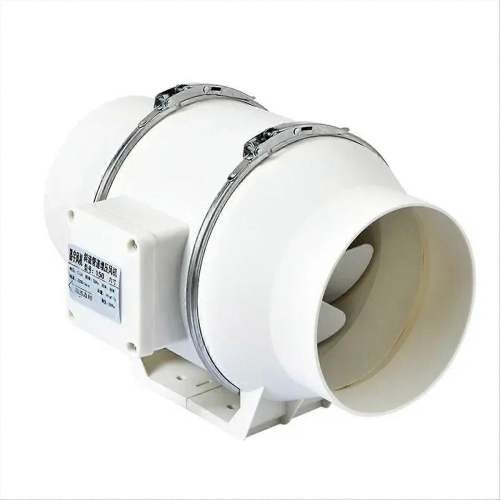
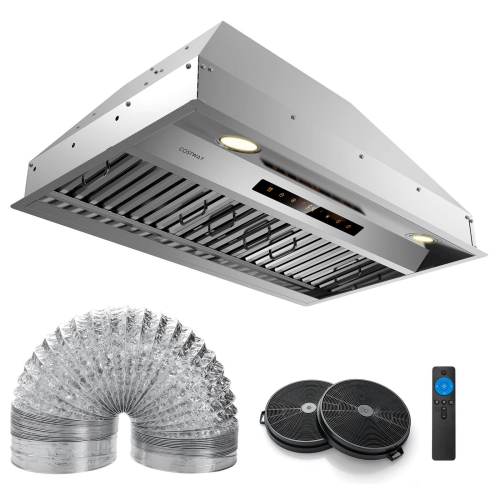
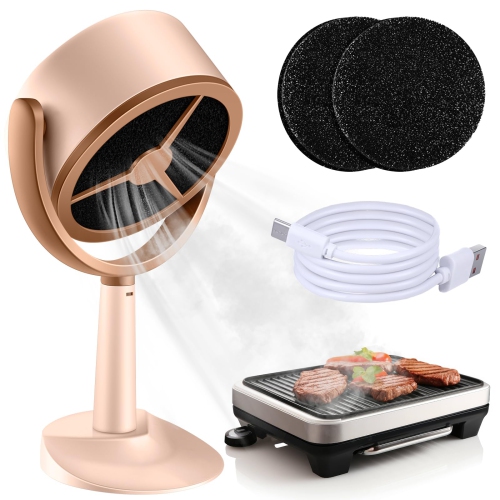
The most important decision is how the kitchen air vent handles the air it collects. A ducted, or externally vented, system pushes air through ductwork and out of the home. This is generally the most effective arrangement for removing moisture, heat, smoke and concentrated cooking odours, especially in kitchens where frying, grilling or high-temperature cooking is common. It does, however, require a suitable duct route through a wall, cabinet or ceiling, and installation may involve adjustments to the existing kitchen structure. A ductless, or recirculating, vent draws air through filters, captures grease and some odours, and returns the filtered air to the room. This configuration can be a useful solution in apartments, condos, older homes or kitchens where exterior ductwork is not available. It does not remove heat or moisture from the room in the same way as external venting, so regular filter maintenance is particularly important. Charcoal filters used in recirculating systems usually need to be replaced according to the manufacturer’s instructions, while washable mesh or grease filters should be cleaned regularly to prevent residue from accumulating. Convertible kitchen air vents offer flexibility by supporting either external venting or recirculation, depending on the installation and the available accessories. This can be helpful during a renovation, when a kitchen layout may change, or for homeowners who want more than one installation option. Airflow ratings are another useful comparison point. A higher airflow setting may be appropriate for frequent high-heat cooking, but a greater capacity can also mean more operating noise, so look for a balance that suits your habits and room size. Someone who mainly reheats meals or prepares light breakfasts may have different needs from a home cook who regularly sears, sautés or uses a wok. If your kitchen is part of an open-concept living area, sound level may be especially important because the vent can be heard from nearby dining or seating areas. For combination cooking and ventilation setups, shoppers may also want to explore Microwaves With Vent To Outside, which can help save counter and wall space while providing a built-in cooking and exhaust solution.
Kitchen air vents are useful for homeowners updating a busy family kitchen, renters looking for a suitable recirculating option where permitted, and anyone replacing an older vent that no longer captures smoke or odours effectively. They can also be a thoughtful housewarming gift for someone moving into a new home, renovating a kitchen or setting up a first apartment, although installation compatibility should be confirmed before purchasing. A vent that fits the space but cannot connect to the available ductwork may not perform as expected, so review the installation details and consult a qualified installer when electrical work, new ducting or exterior wall changes are involved. Think about the everyday routine in the room: if several people cook together, controls on the front or underside may be easier to access; if the cooktop sits below open shelving, a compact design may preserve storage space; and if the kitchen has a central island, an island-rated canopy with suitable mounting support may be required. Lighting, filter access and cleaning surfaces deserve attention as well. Removable filters that can be washed in accordance with the care instructions make routine upkeep less demanding, while smooth surfaces tend to be easier to wipe after cooking. A kitchen air vent should complement the size and character of the cooking area without obstructing sightlines, cabinet doors or nearby work zones. During the cooler months, when windows may stay closed more often, dependable ventilation can be particularly valuable for managing cooking vapour and indoor odours. With the right width, installation type, airflow capacity and maintenance plan, a kitchen air vent can make daily cooking more pleasant and help the kitchen feel fresher after meals are prepared.
Top selling and popular products
-
 Your price for this item is $199.99
-
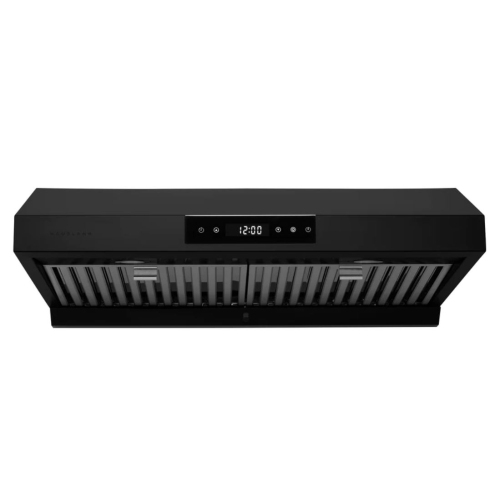 Your price for this item is $598.49
-
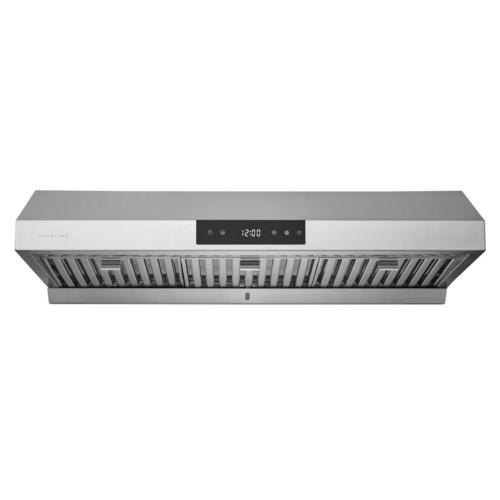 Your price for this item is $645.99
-
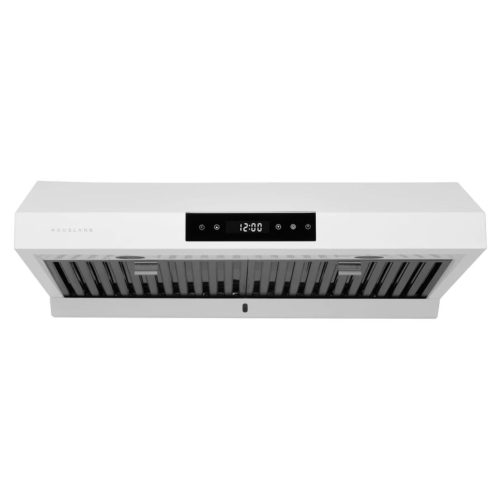 Your price for this item is $598.49
-
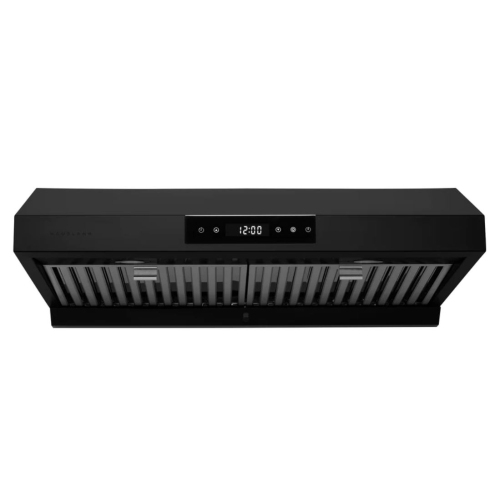 Your price for this item is $645.99
-
 Your price for this item is $645.99
-
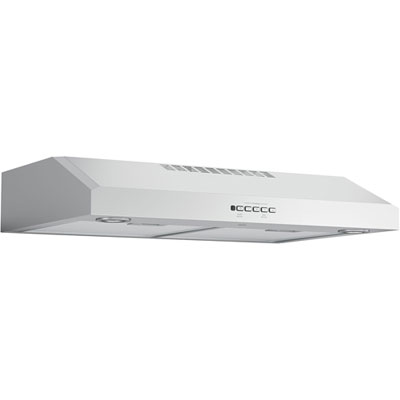 Your price for this item is $249.99
-
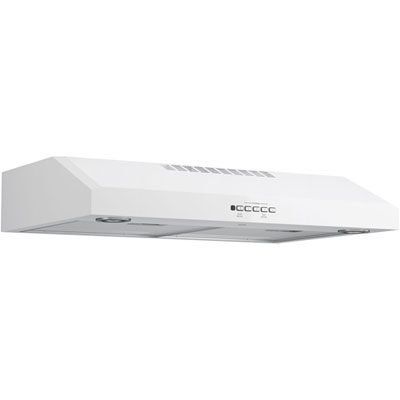 Your price for this item is $259.99
Discover more categories related to Kitchen Air Vent
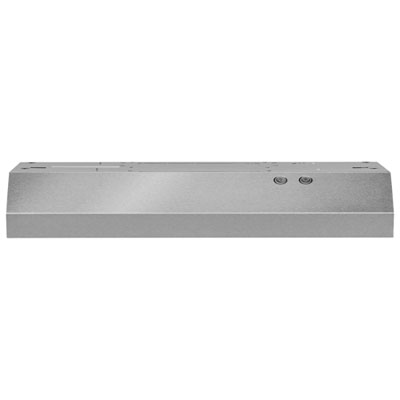
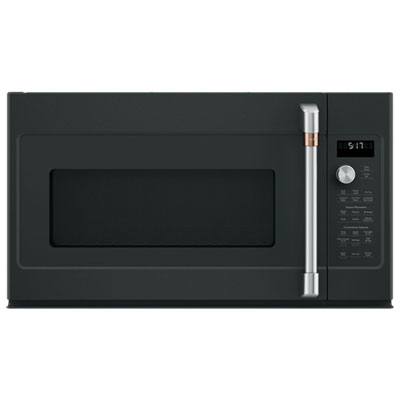
Top Collections:
Pokemon Centers, Kindle Devices, Best Budget Office Chairs, Canon G7X Cameras, Apple iPhones 16, Samsung Galaxy Phones, Refurbished Apple Laptops, Laptops for Students, iPhone 15 Apple, Budget Smartphones
Some products may be subject to Environmental Handling Fees
(EHF) depending on your province.
Learn more about EHFs.