Cooktop Hood Vent
A hood vent is a device that allows the user to direct the smoke and fumes from their cooktop away from the kitchen. It can be used in conjunction with any type of cooktop, including gas, electric, and induction. A hood vent can also be installed as an alternative to a ductless mini-split system. Here are some great options available today.
Sort






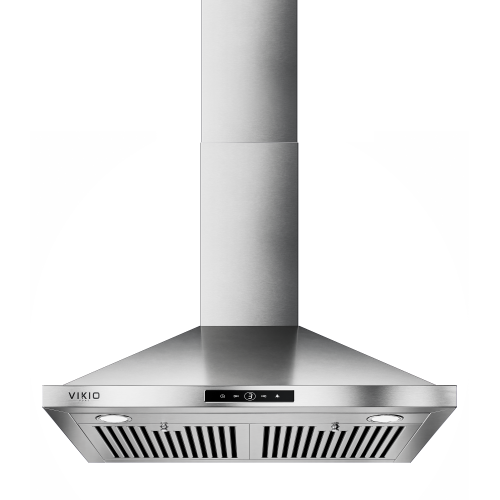
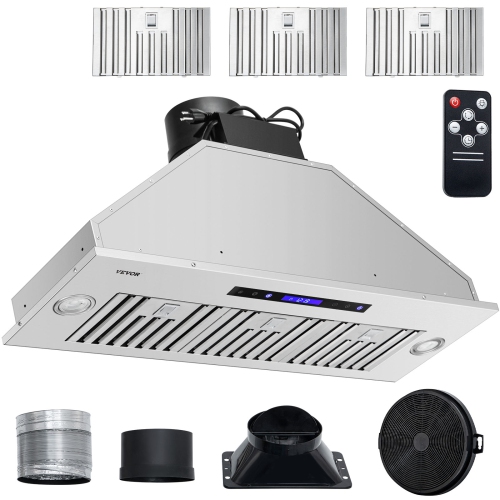

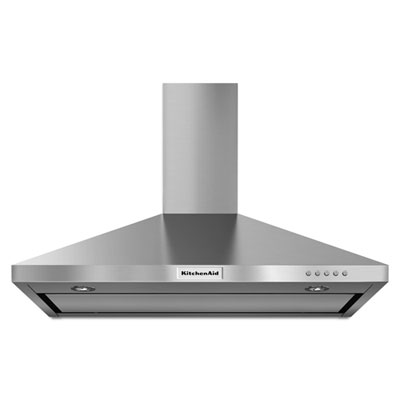
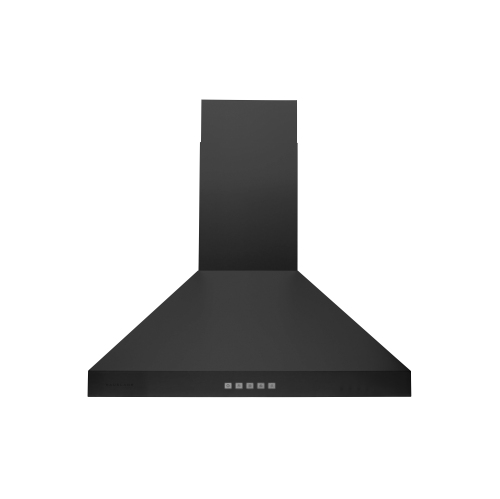
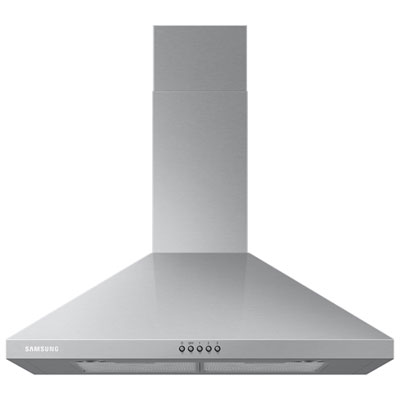

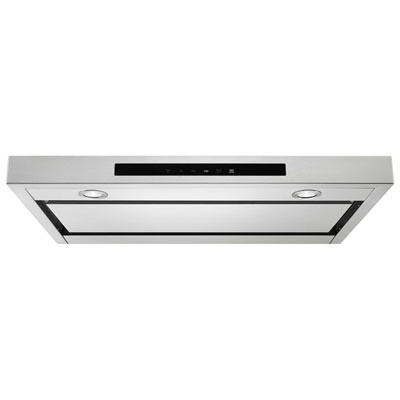


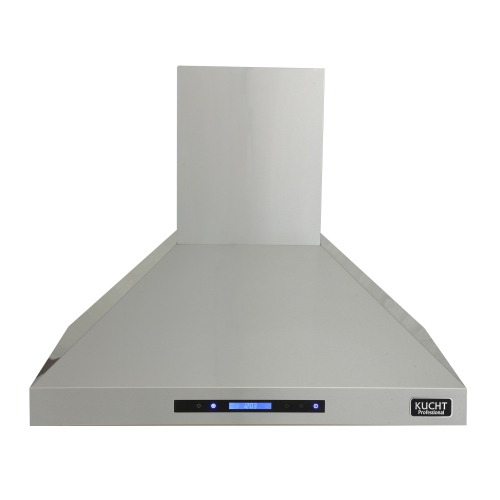
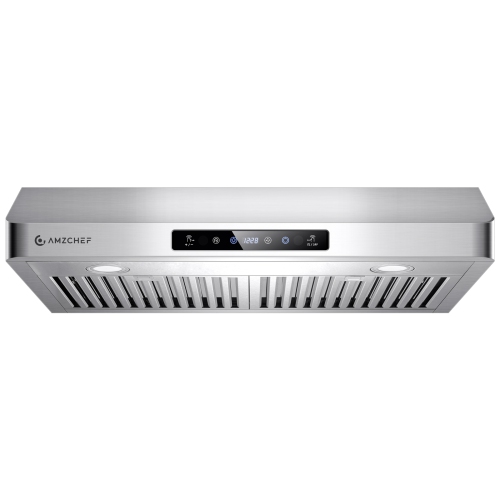

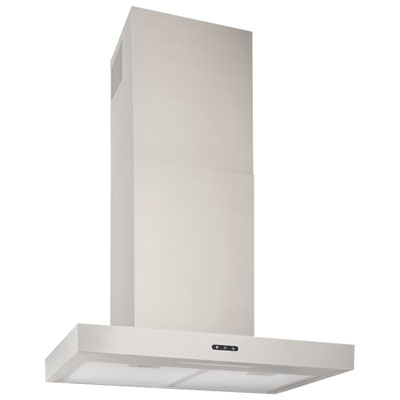
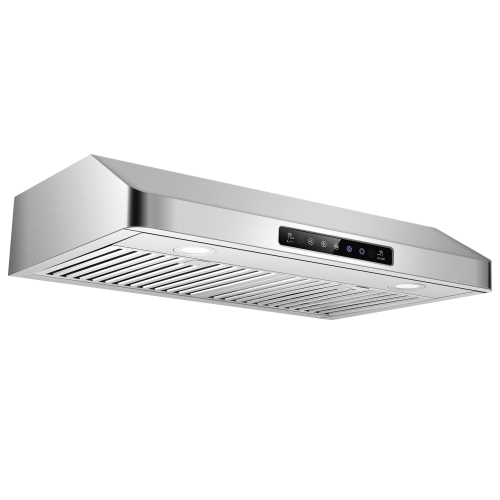
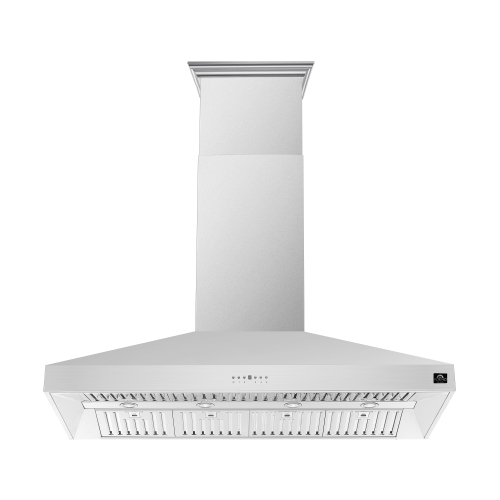
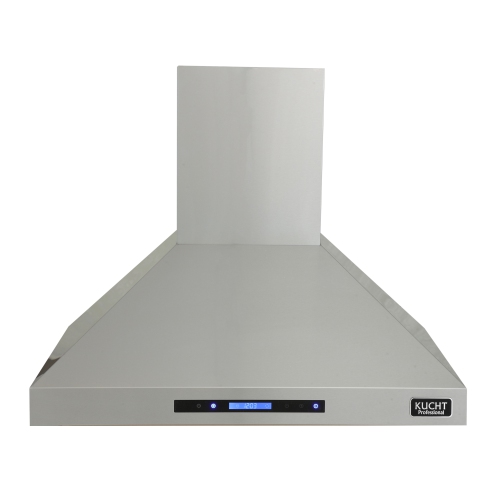


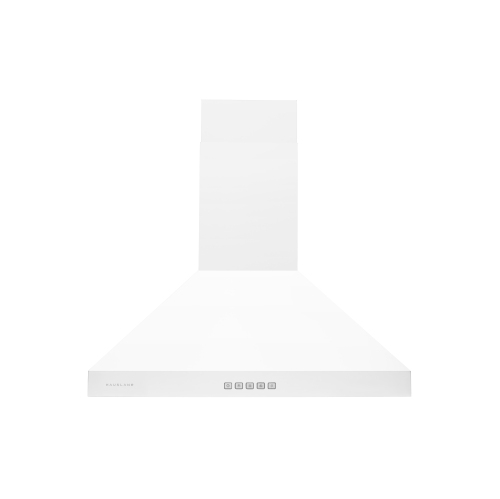
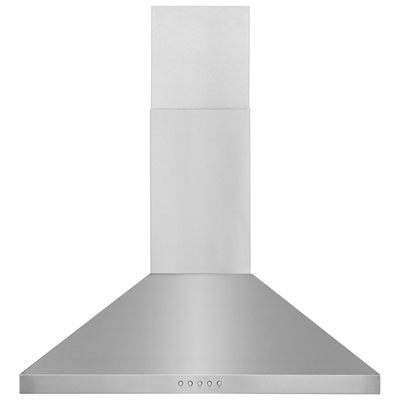
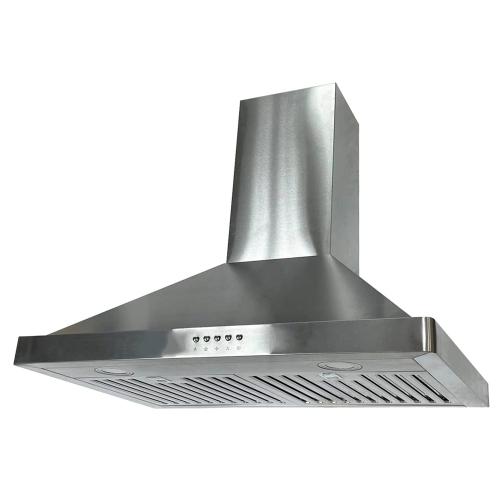
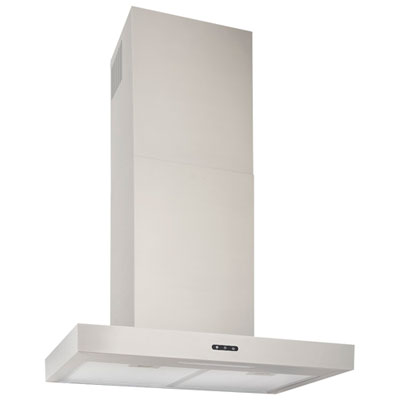


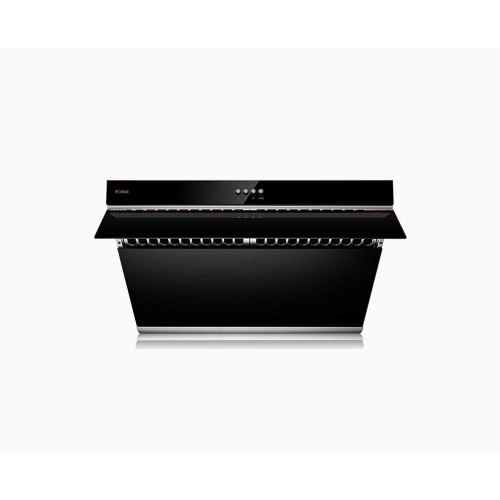
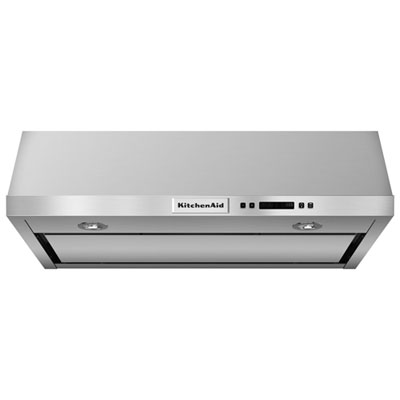
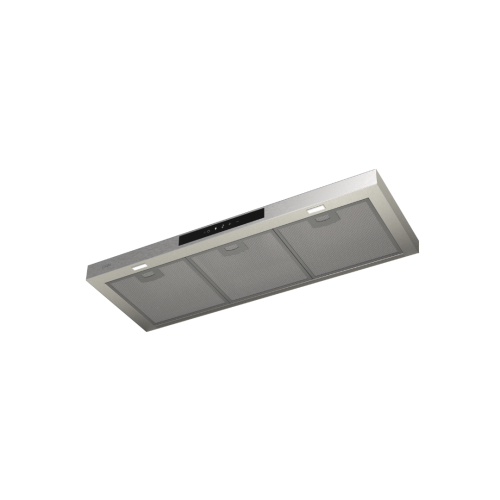
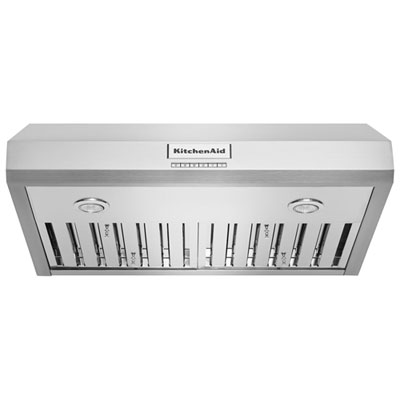
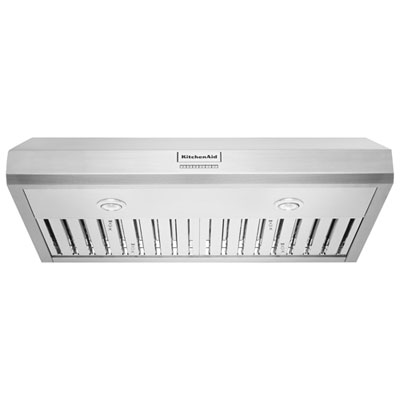

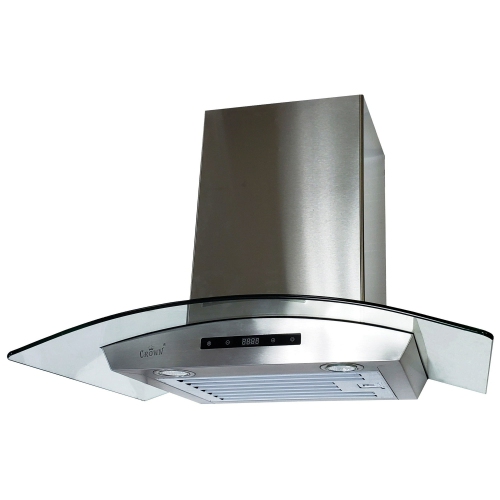

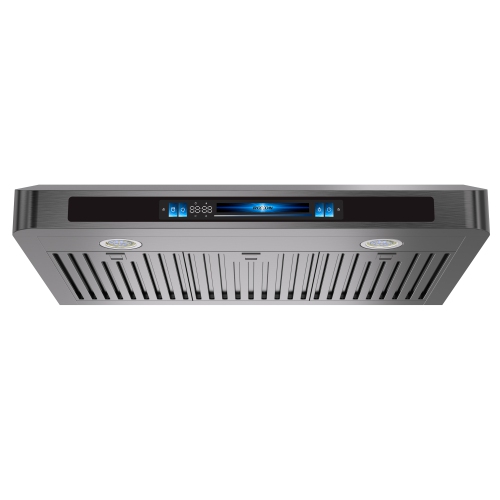

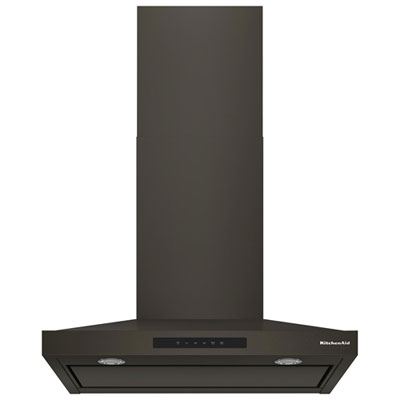
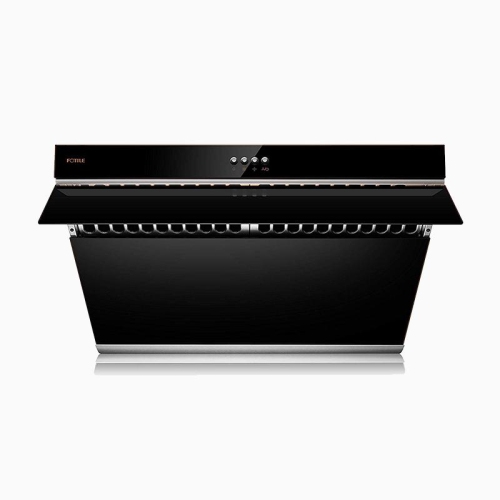
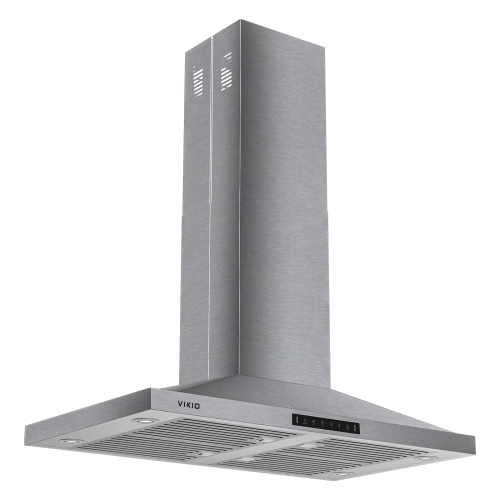
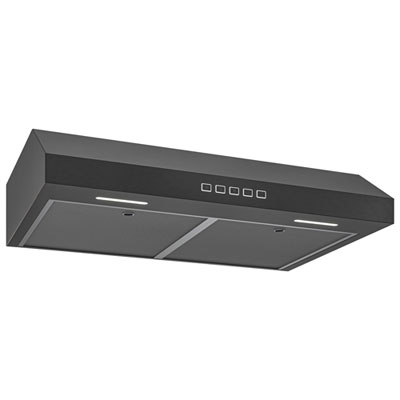


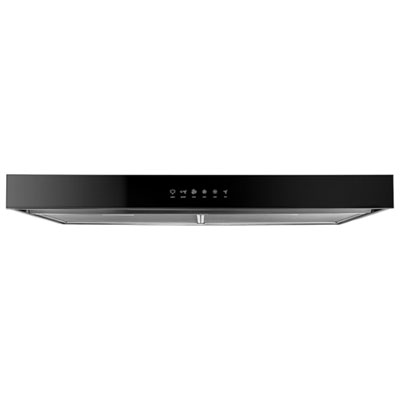
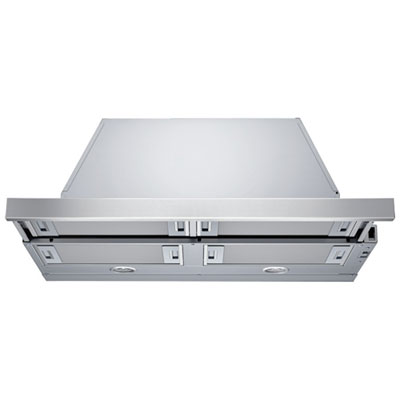
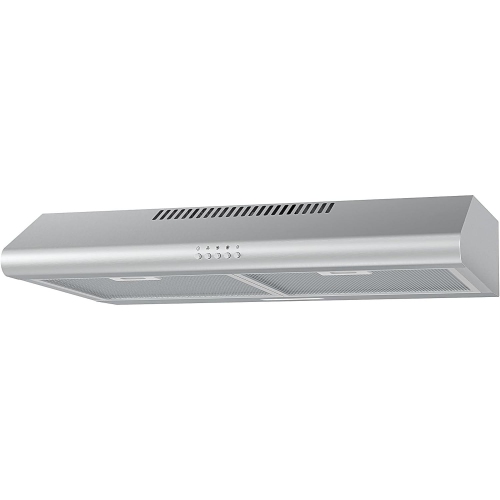
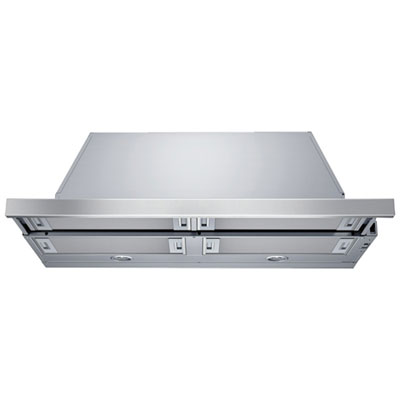
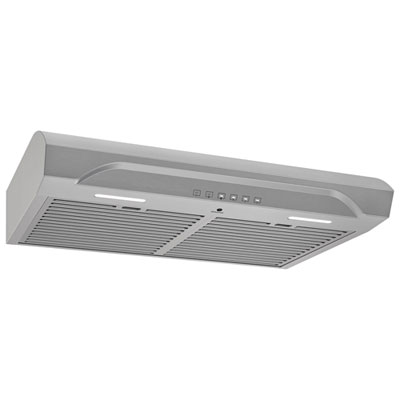
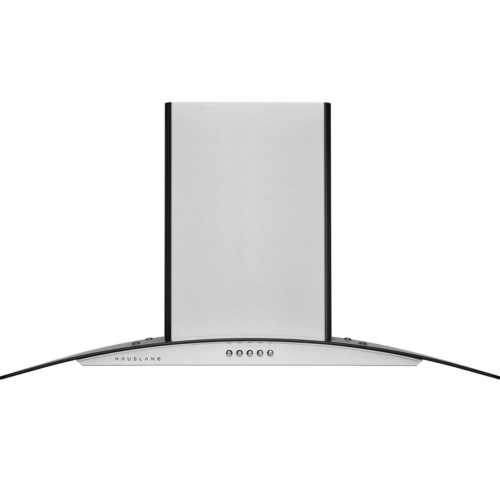
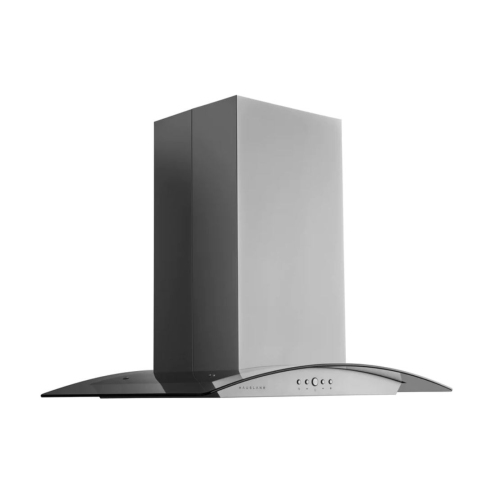
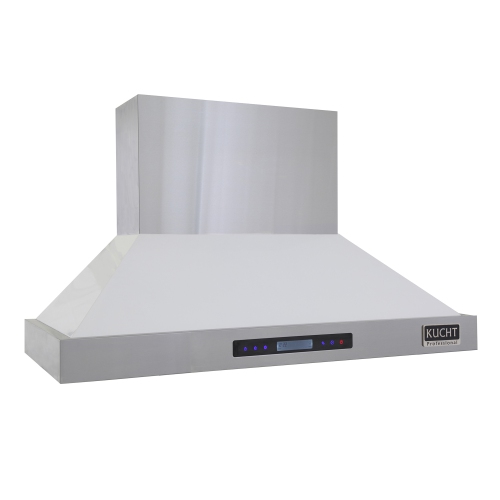
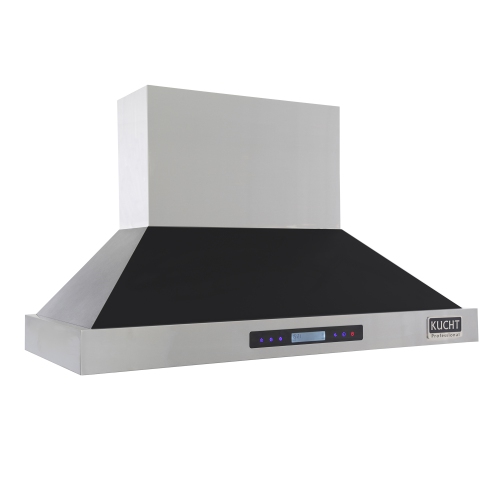


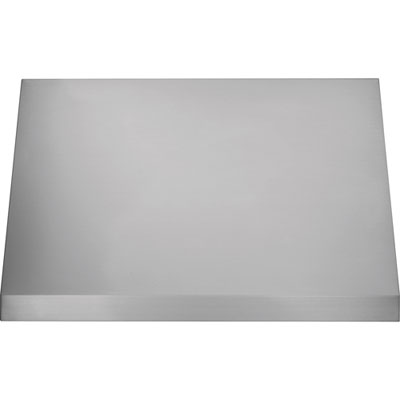
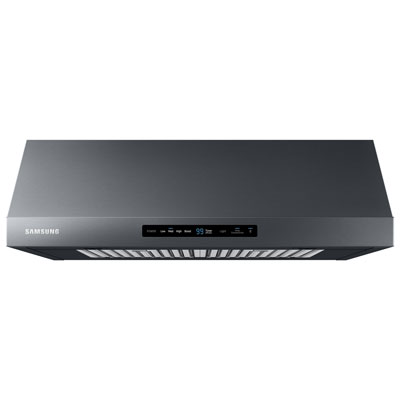
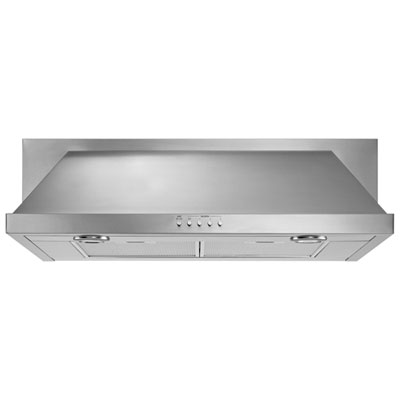
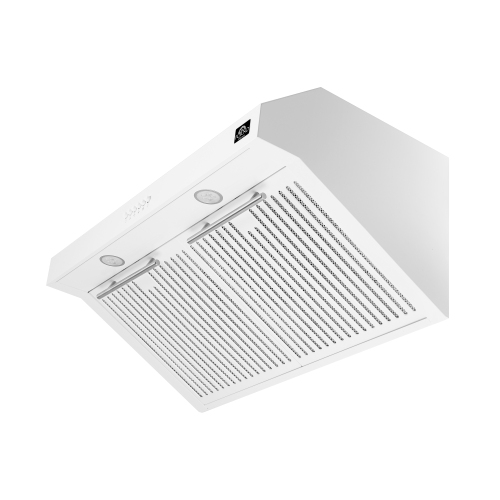
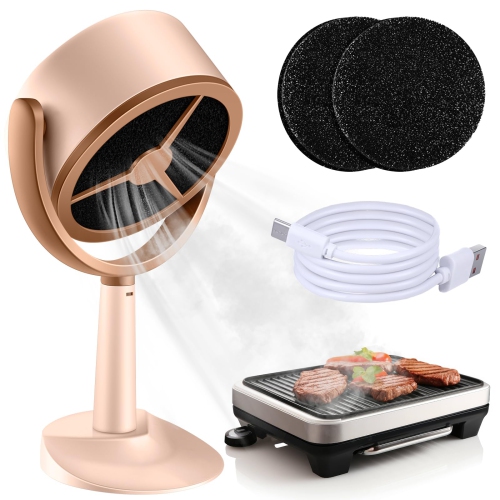

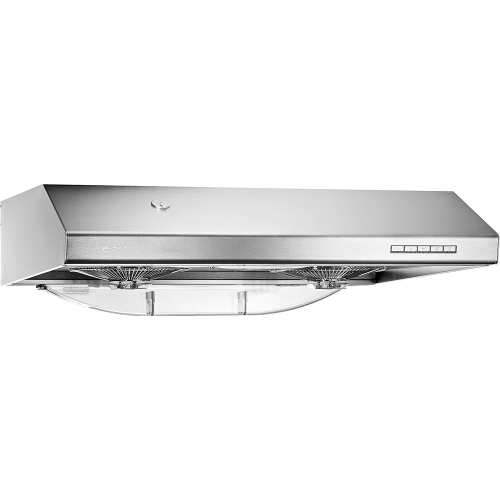
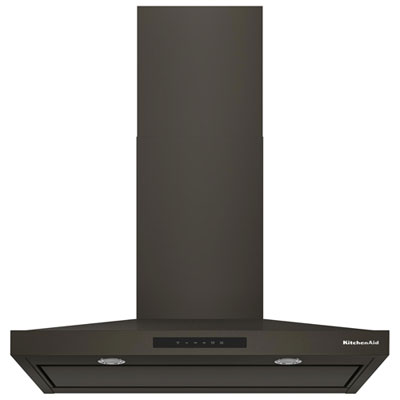
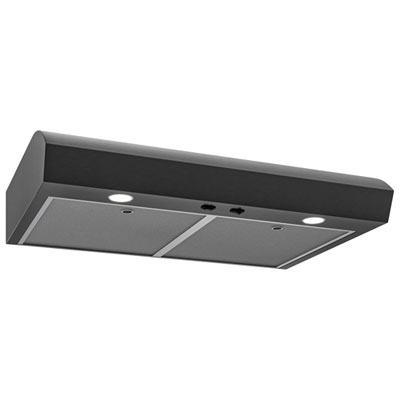
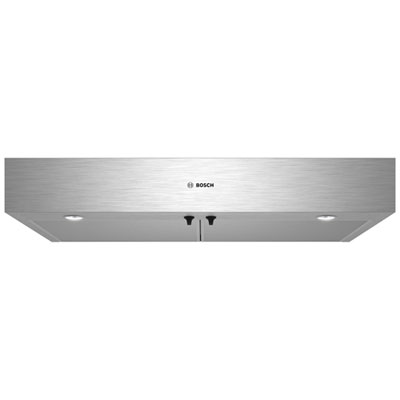
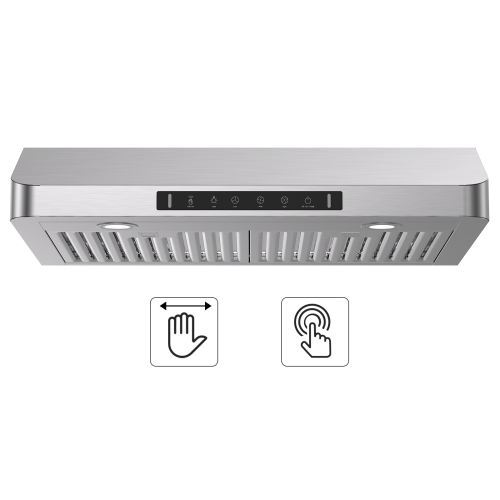
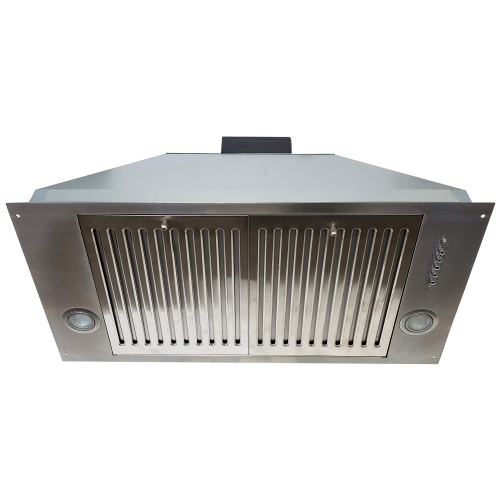

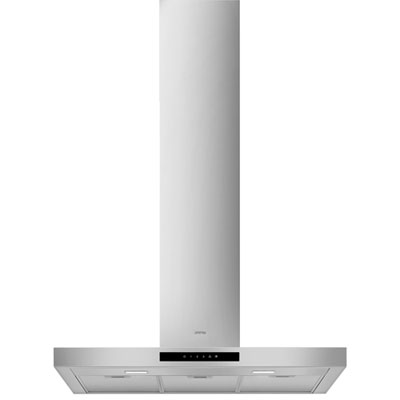

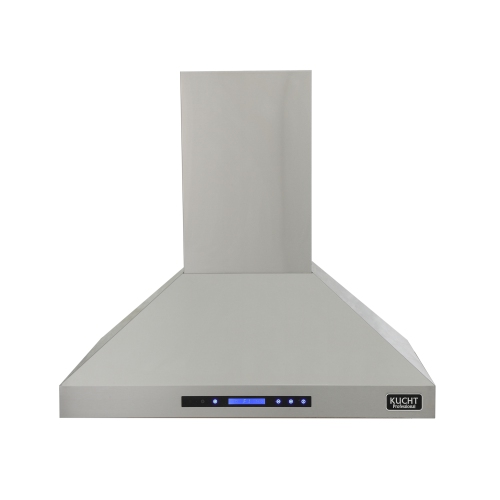


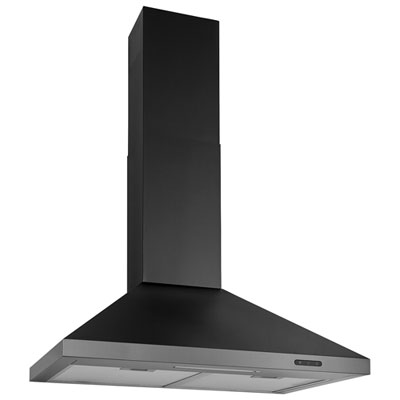

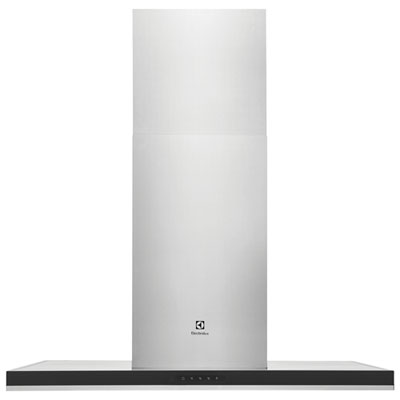

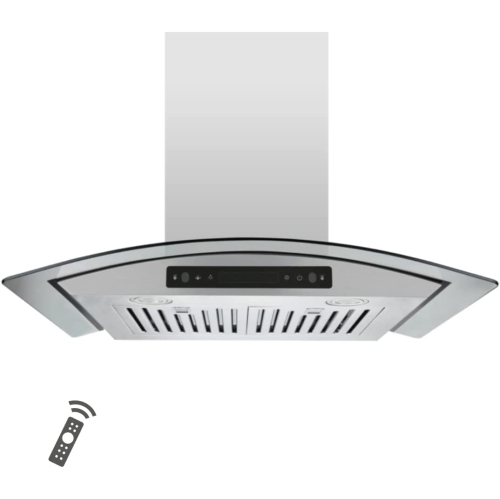
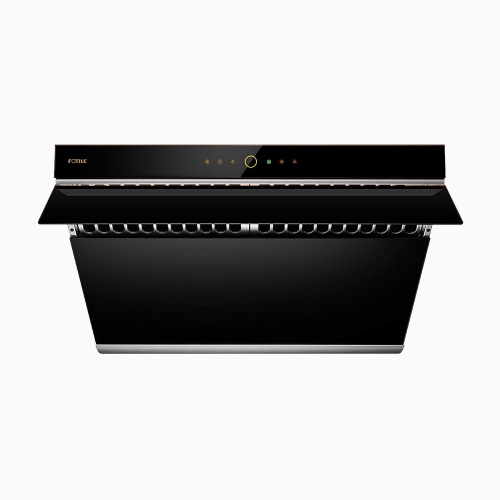


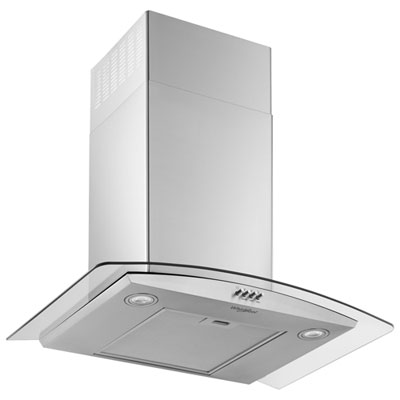

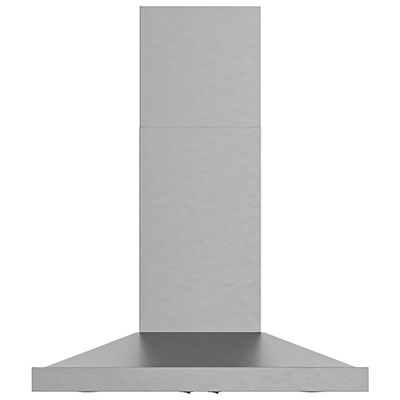
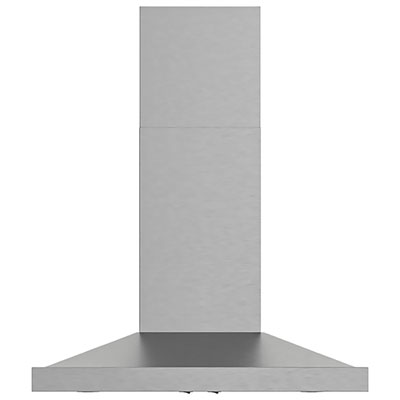


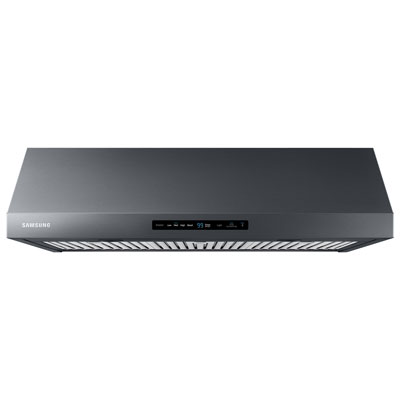
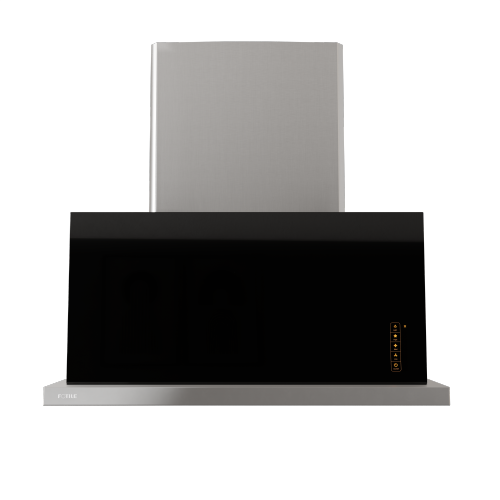


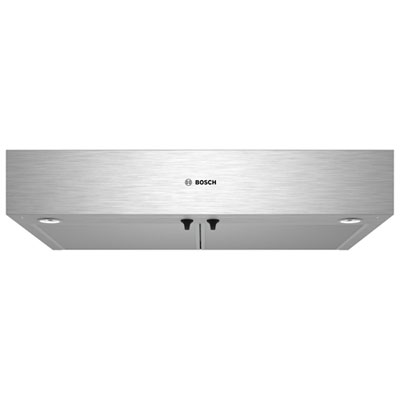
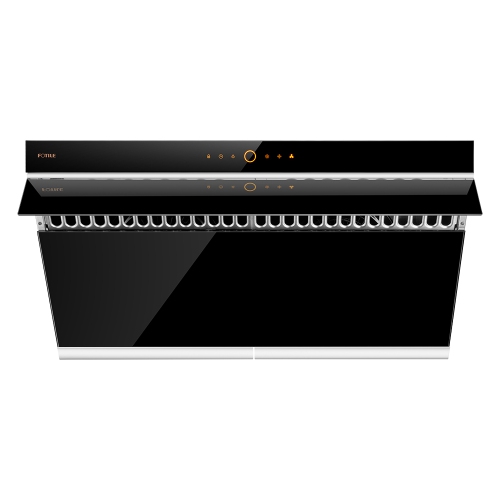

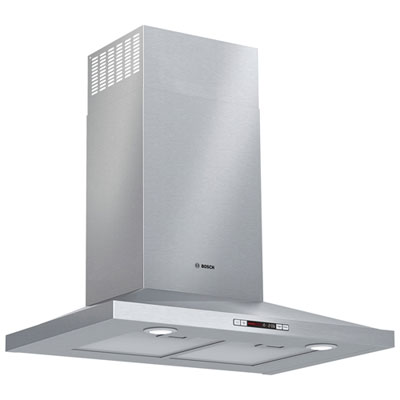
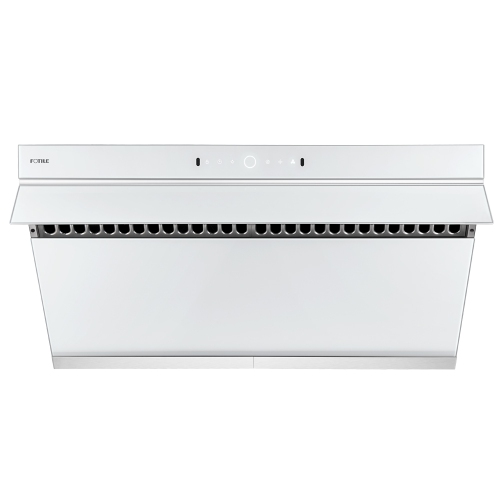
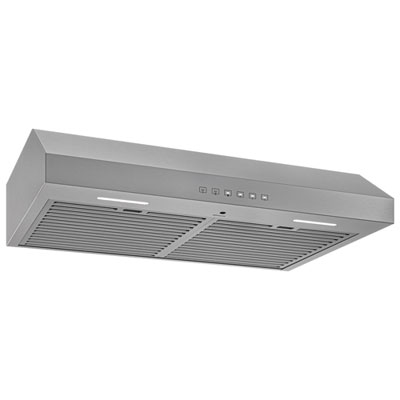
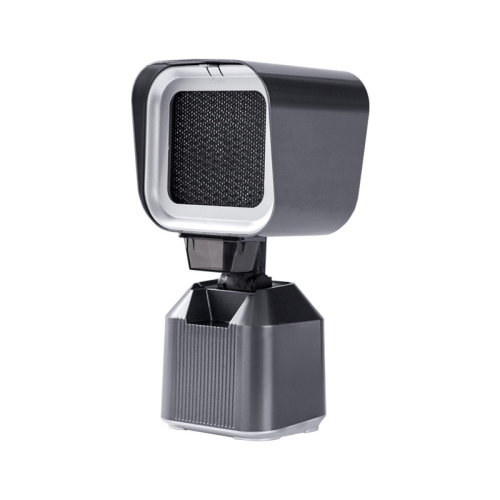




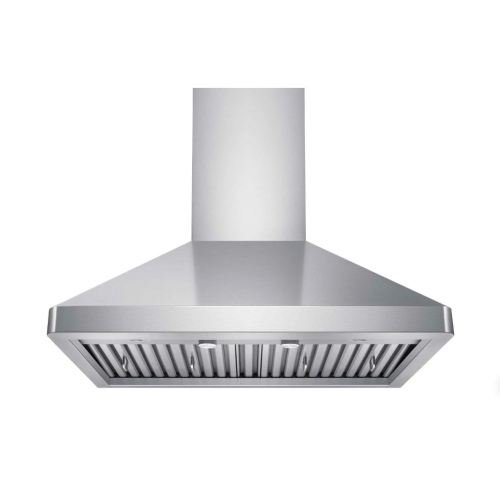

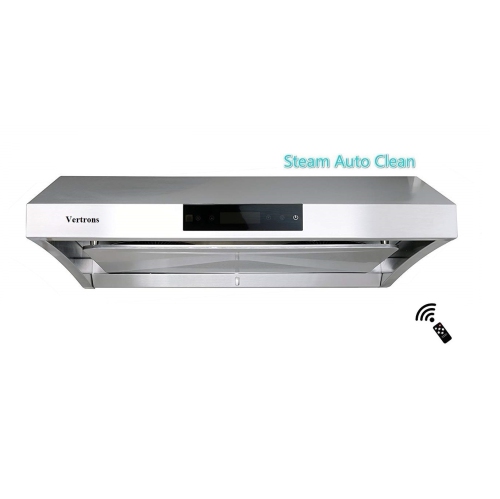
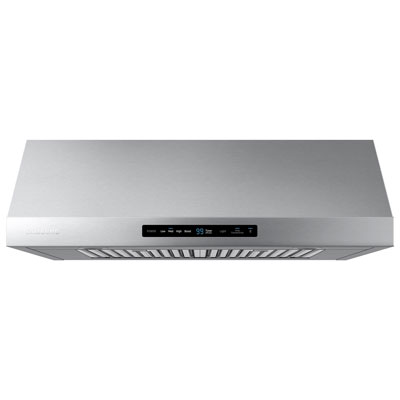
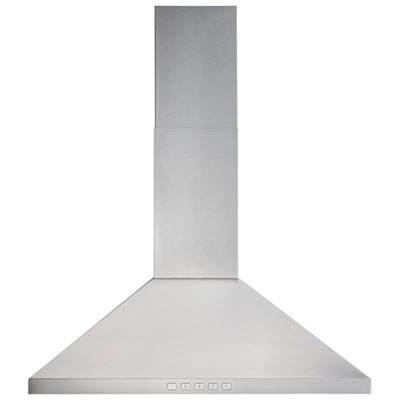

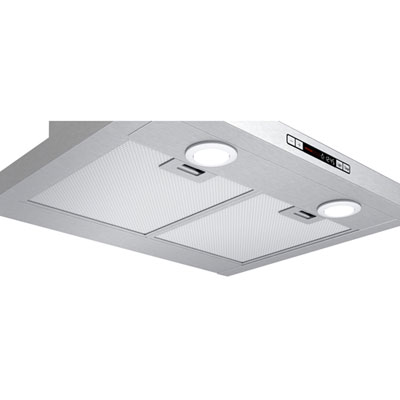
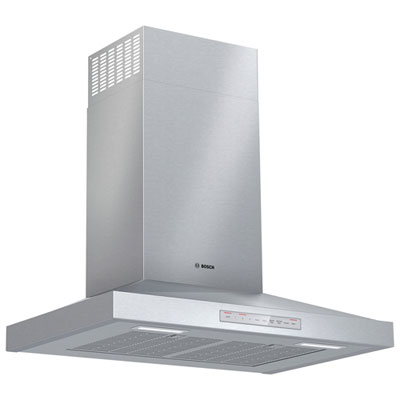

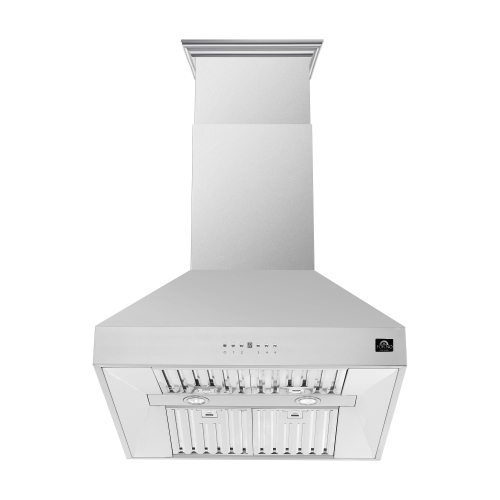
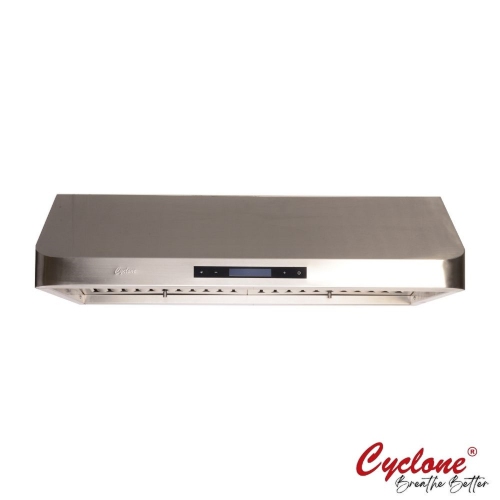


Kitchen ventilation that fits your space and cooking habits
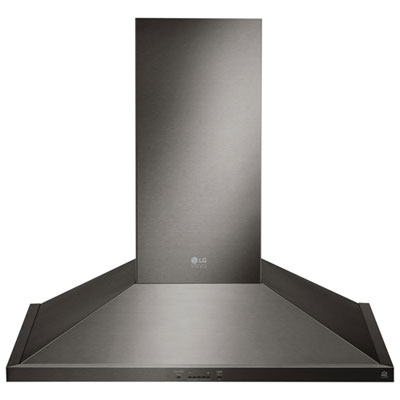
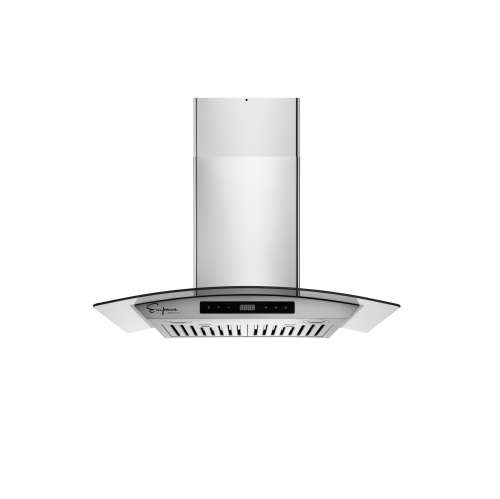
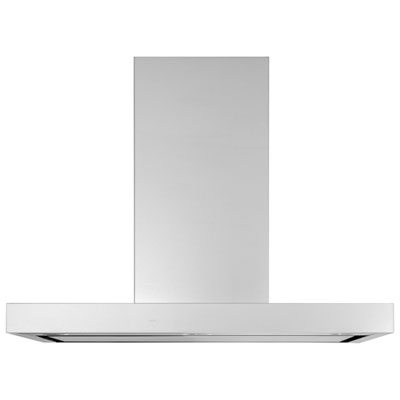
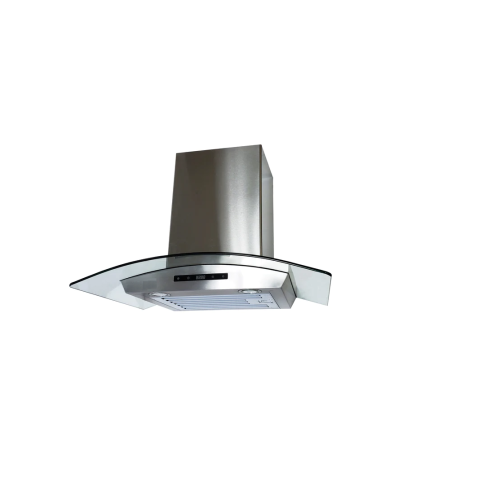
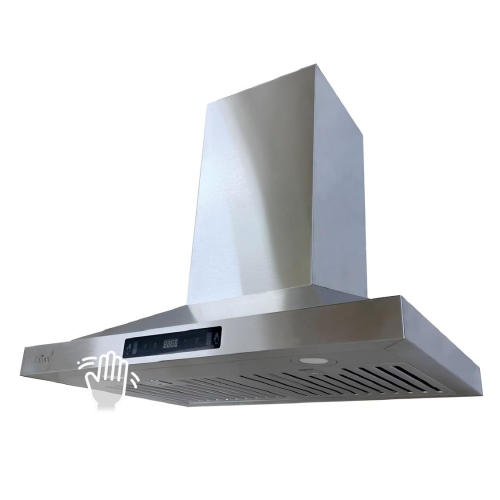
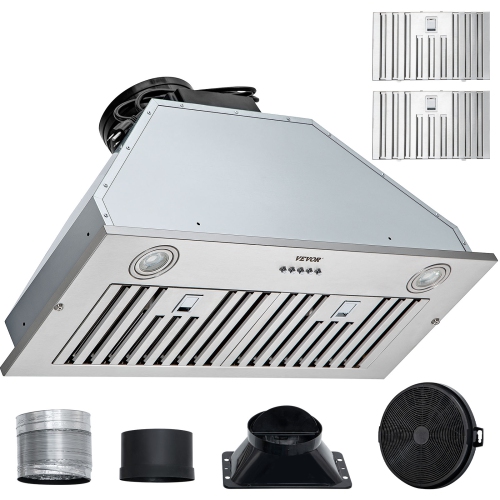
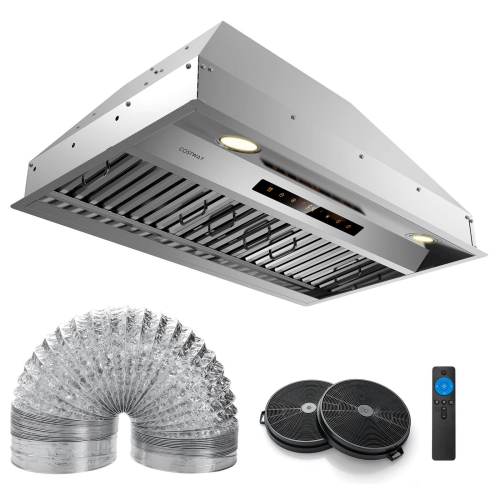
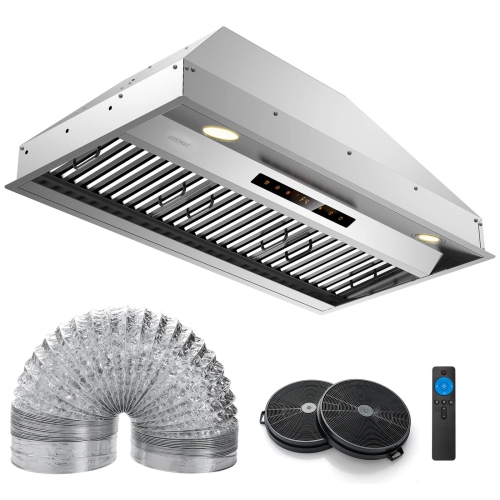
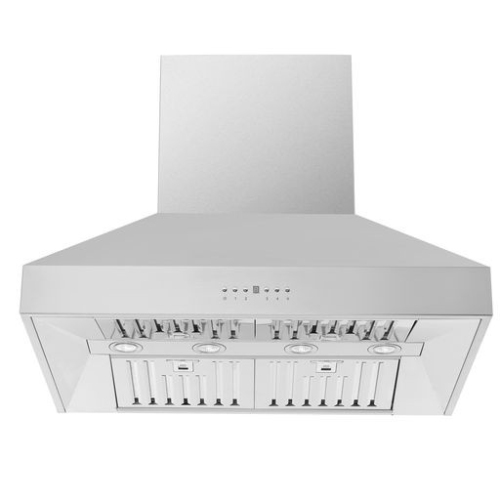
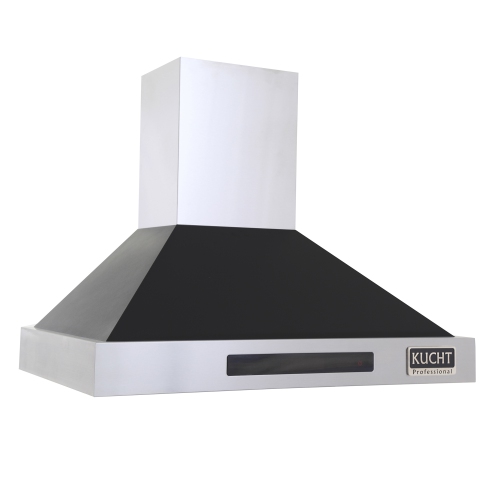
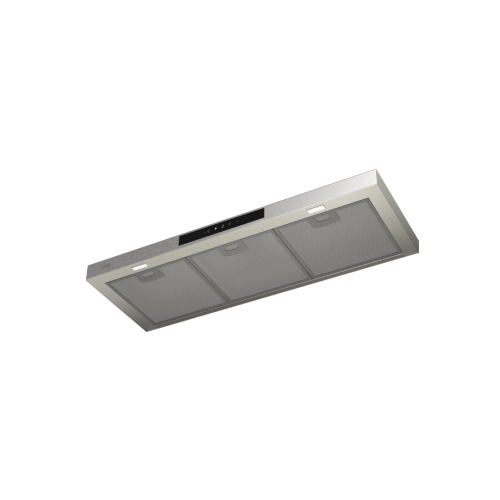
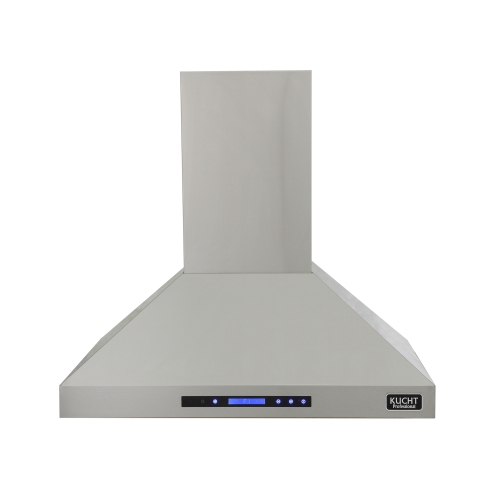
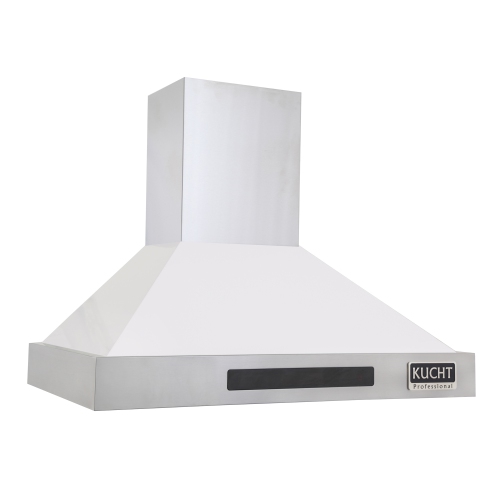
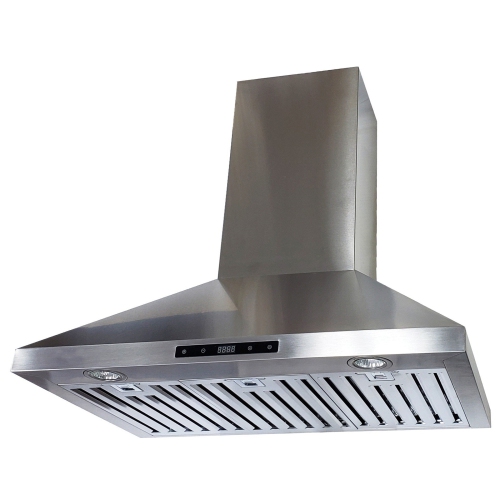
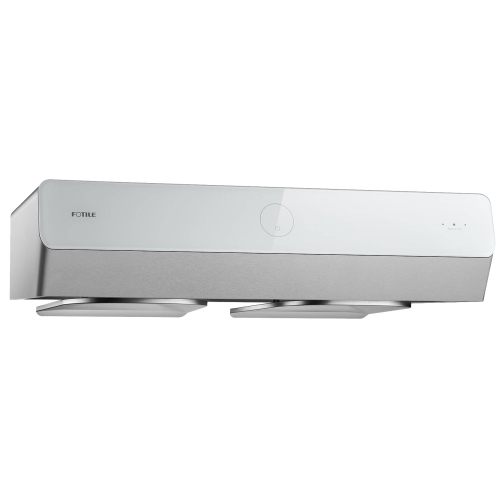
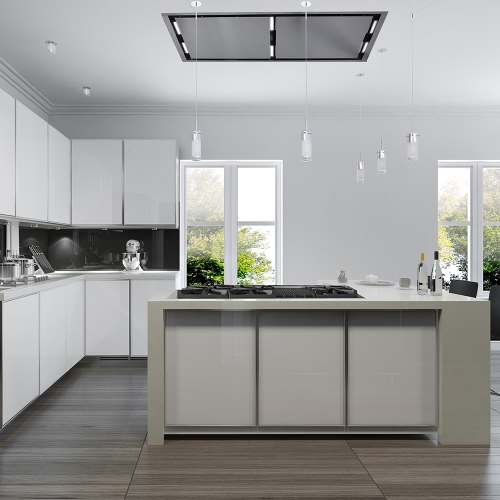
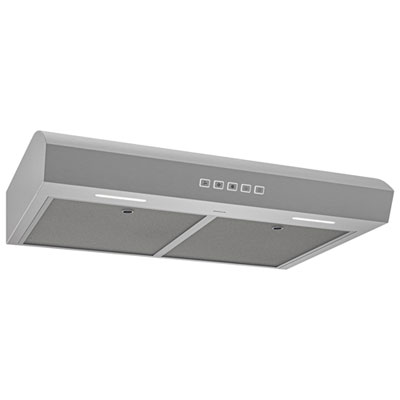
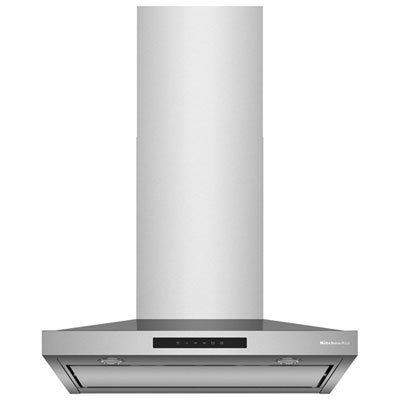
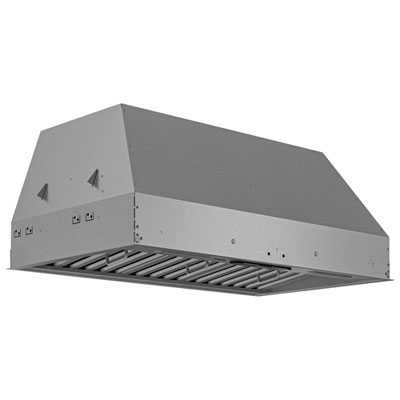
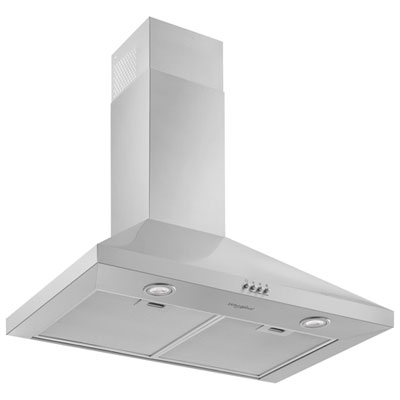
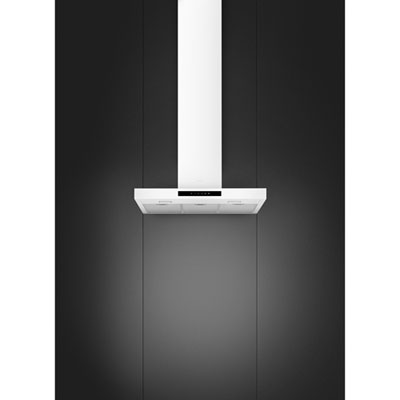
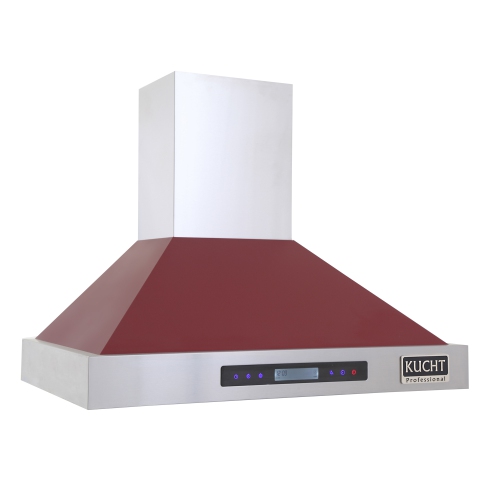
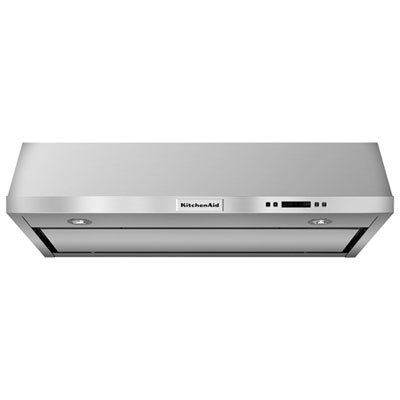
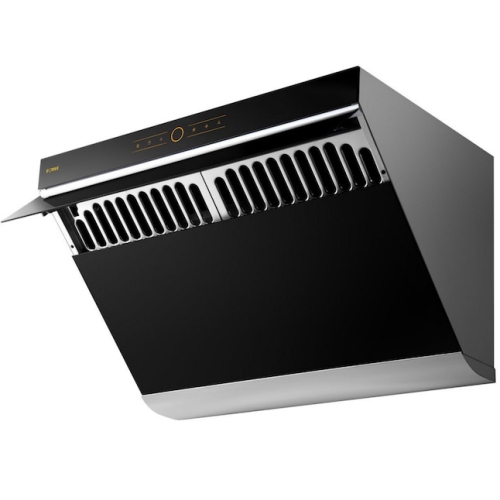
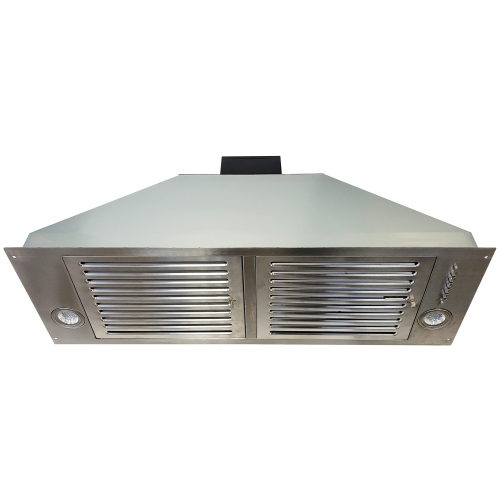
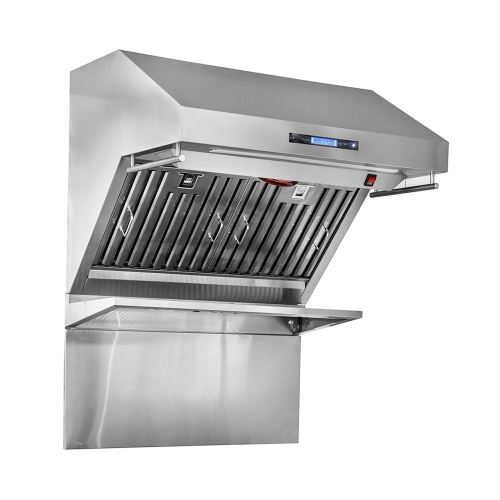
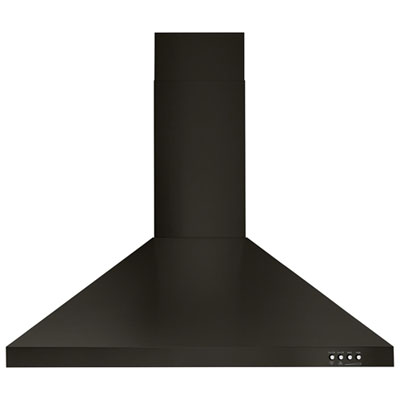
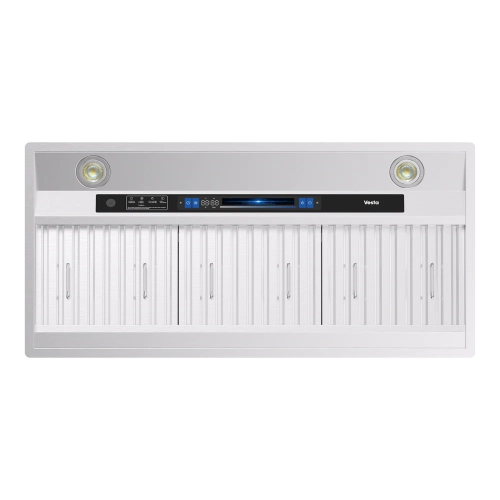
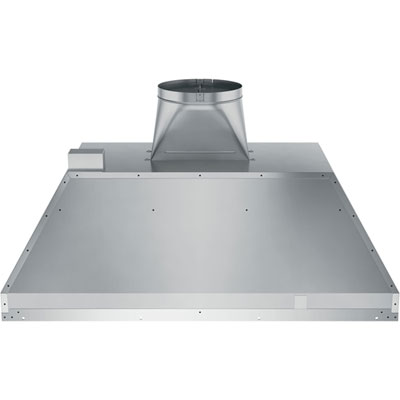
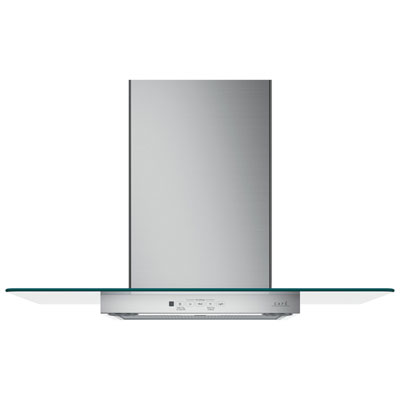
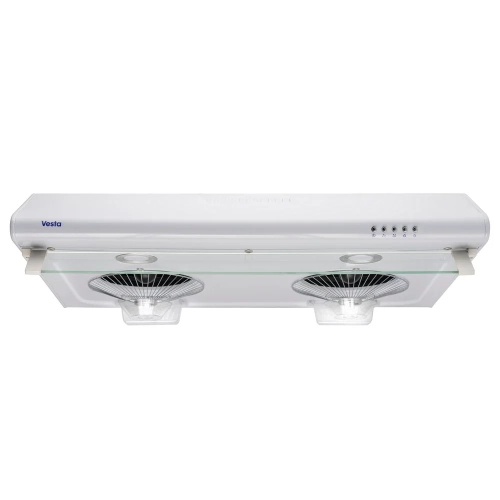
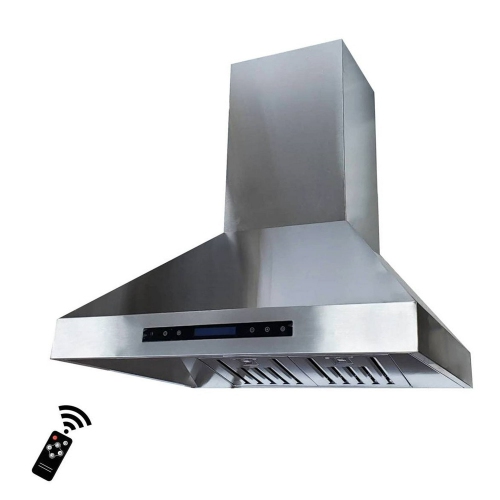
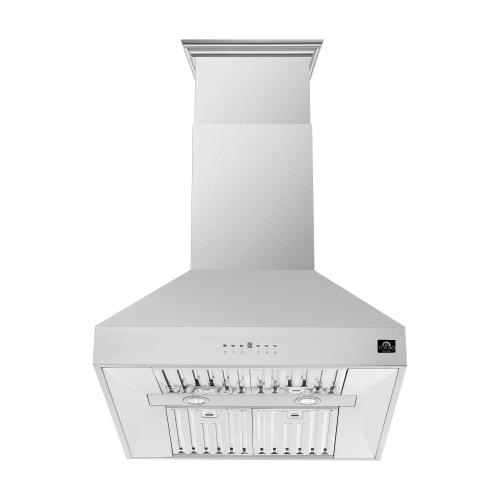
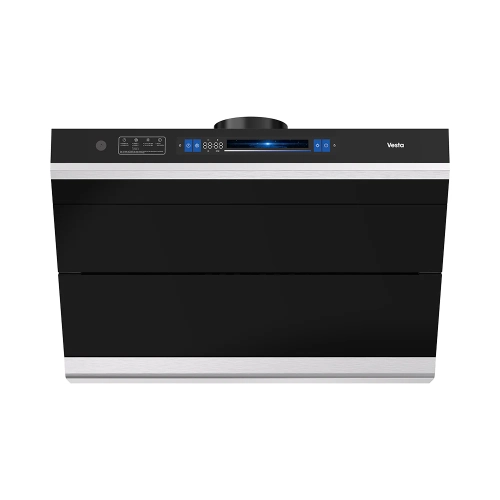
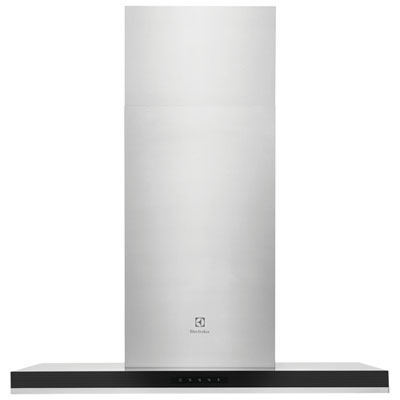
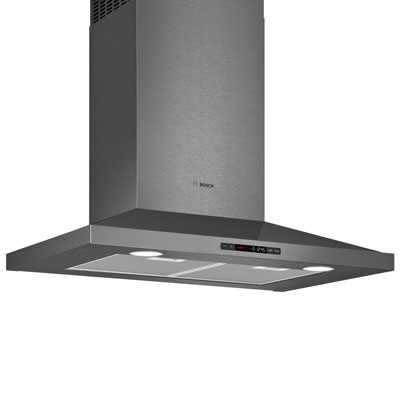
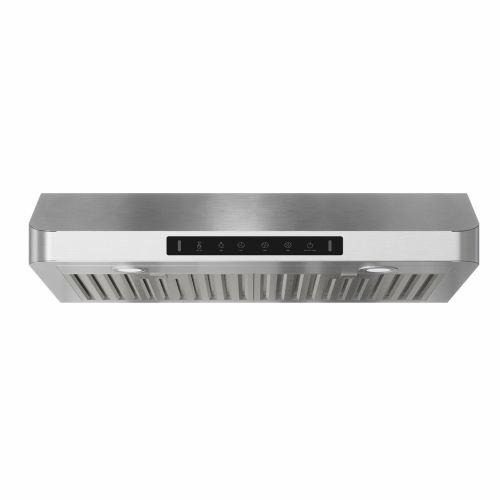
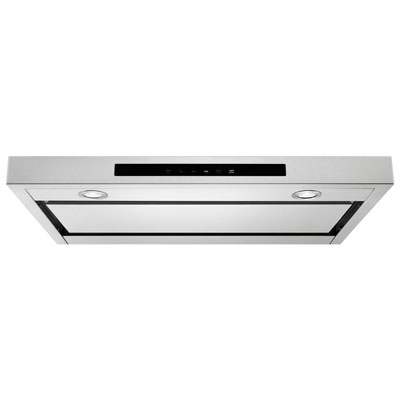
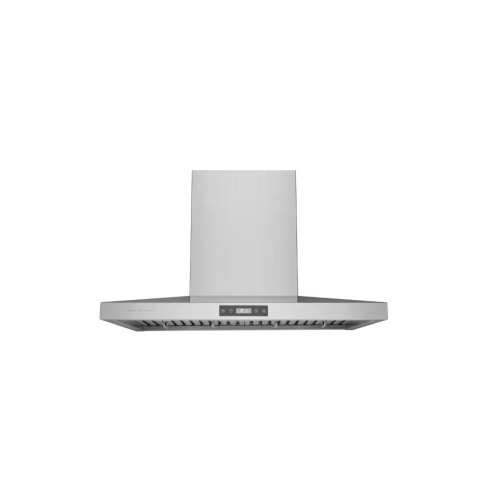
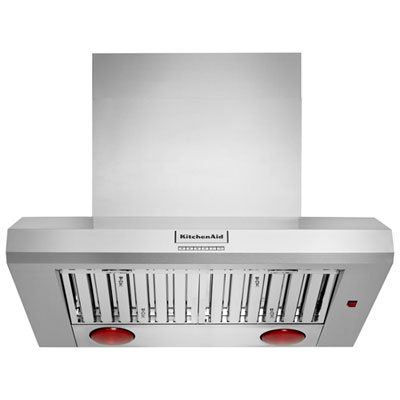
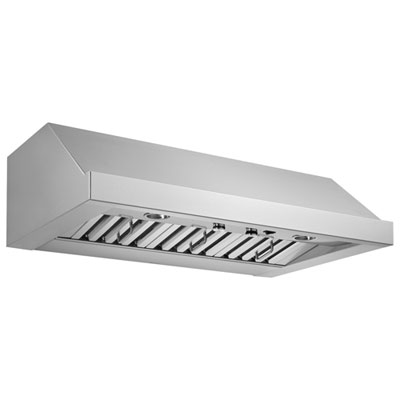
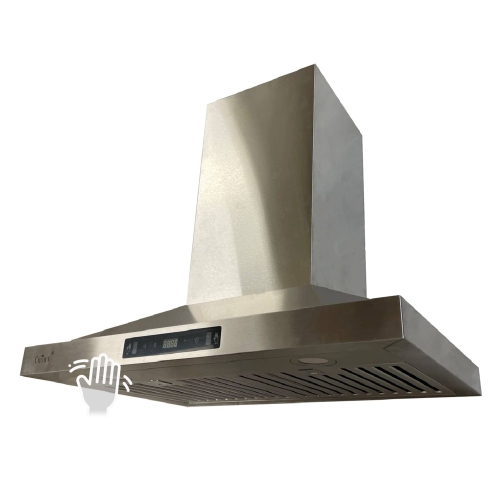
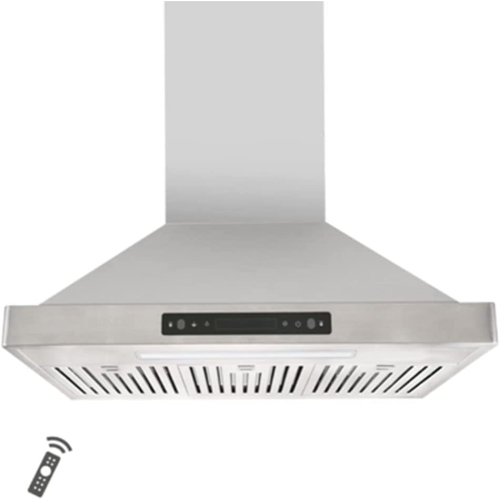
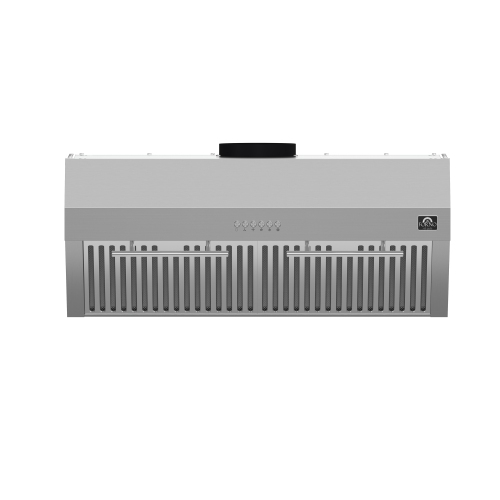
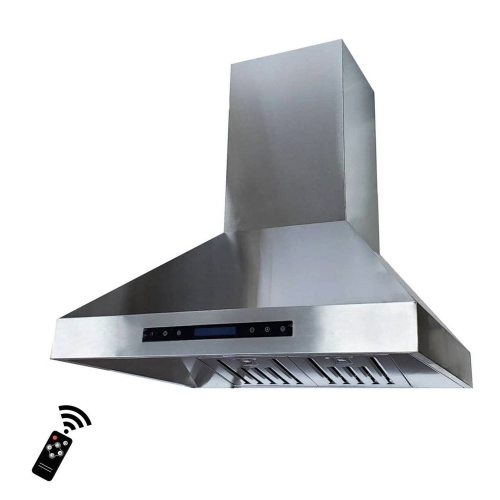
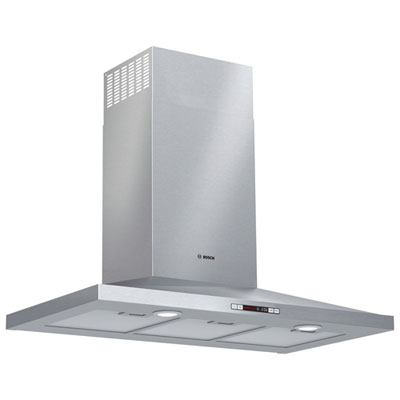
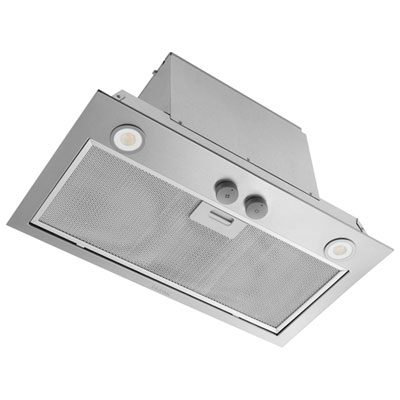
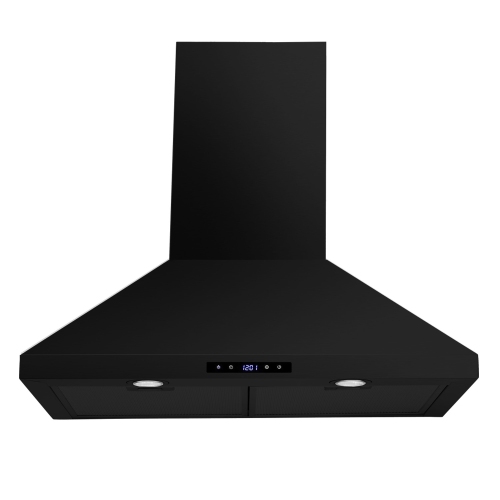
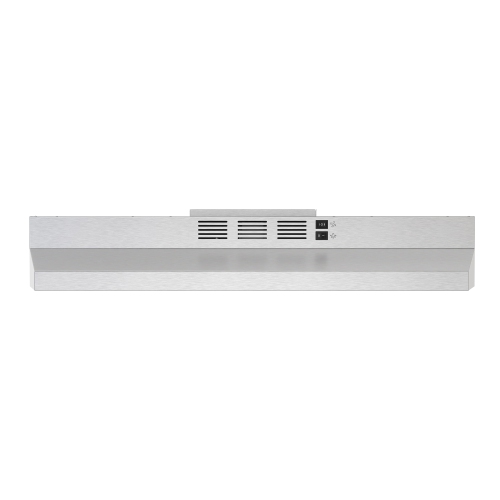
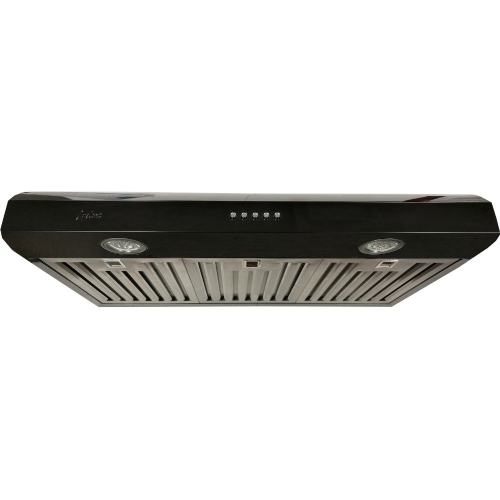
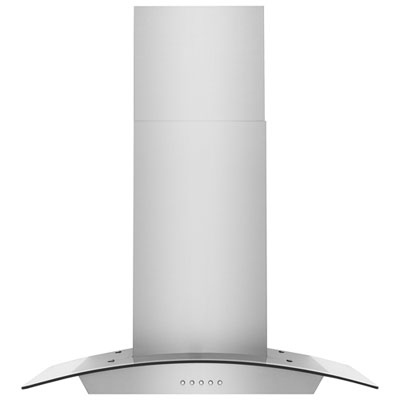
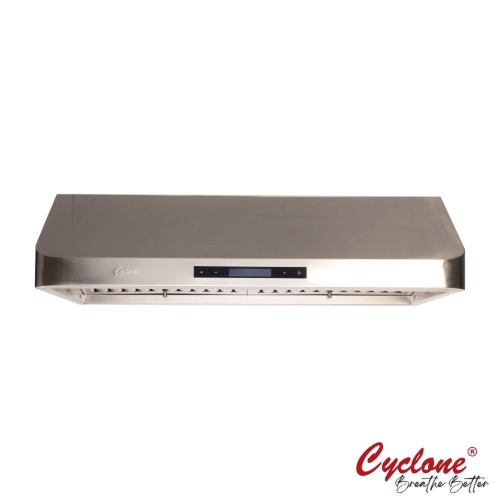
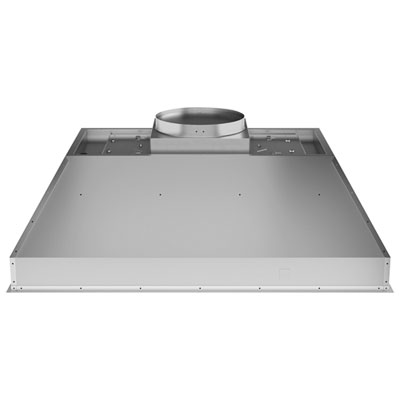
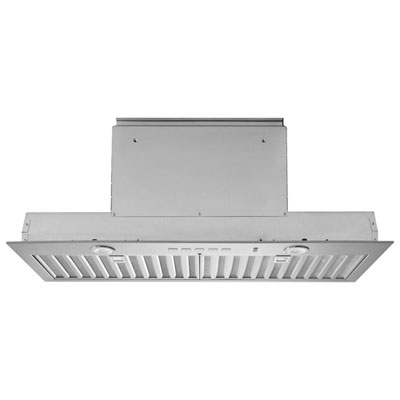
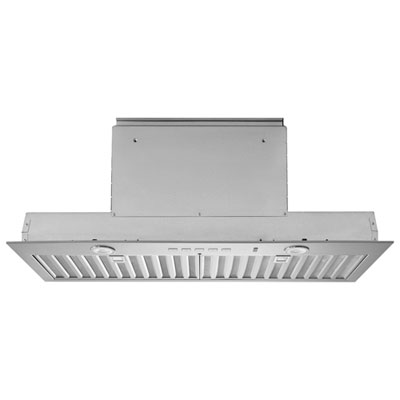
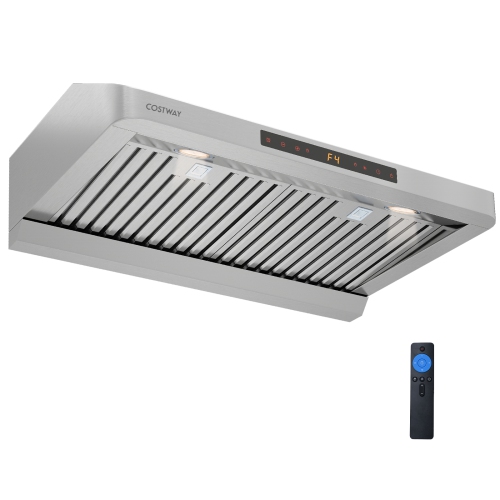
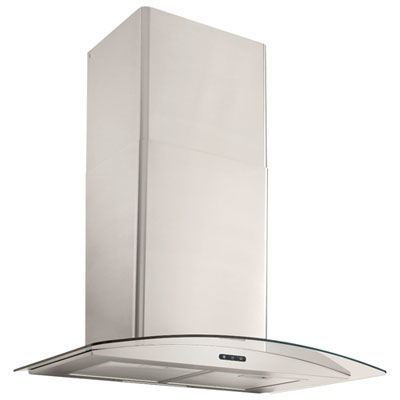
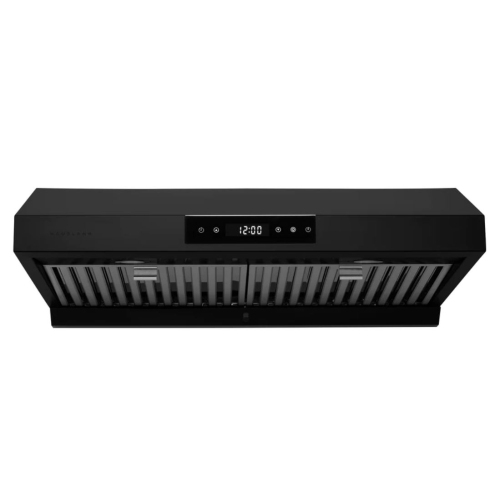
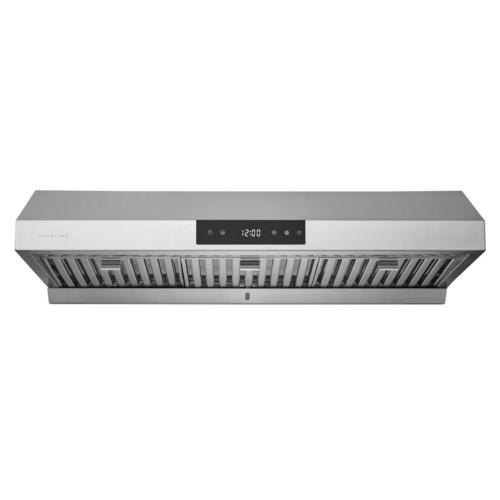
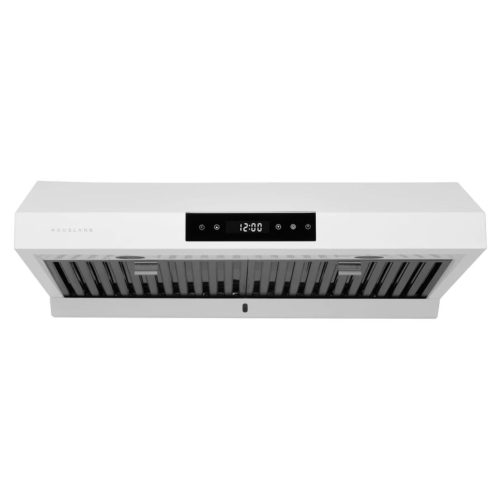
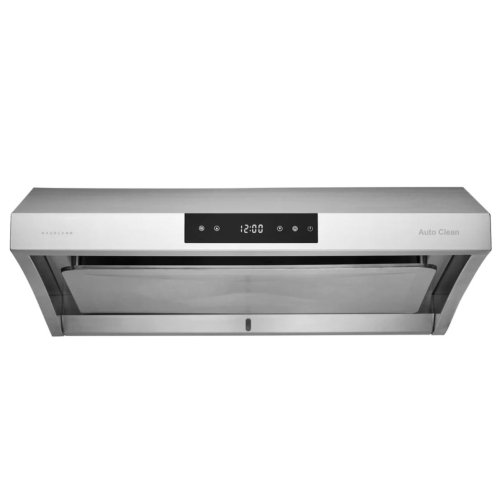
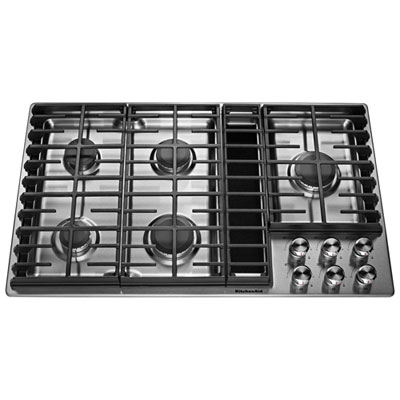
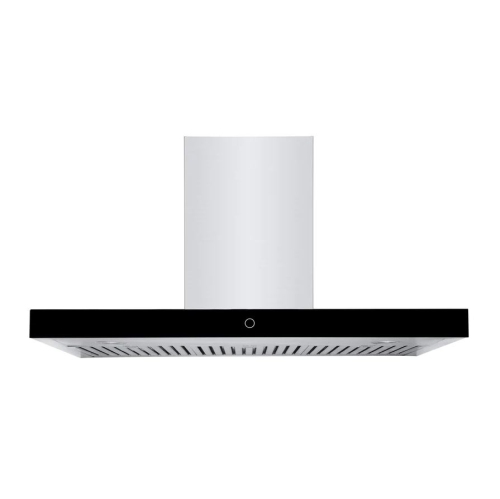
A cooktop hood vent, also called a range hood, uses a fan and filters to capture airborne grease and help manage cooking smoke and odours above a cooking surface. It serves a practical purpose whether dinner involves simmering tomato sauce, frying fish or searing a steak in a cast-iron pan. The main formats suit different kitchen layouts. Under-cabinet hoods mount beneath upper cabinetry, keeping the space above the cooktop compact and functional. Wall-mount chimney hoods sit against a wall without a cabinet directly overhead, with an exposed chimney cover that becomes part of the kitchen’s design. Island hoods hang from the ceiling above an island cooking surface, where rising vapours are more exposed to cross-drafts. Hood inserts fit inside a compatible custom enclosure, allowing cabinetry or a decorative surround to define the appearance. For layouts where an overhead hood is not practical, a downdraft cooktop vent draws cooking vapours towards an intake at or near countertop level; some designs retract when not in use. Vent placement and air treatment are separate considerations. A ducted hood sends captured air outdoors through a suitable duct, helping remove cooking odours, heat and moisture from the kitchen. A ductless hood passes air through grease filters and an odour-filtering medium, often activated carbon, before returning it to the room. Recirculation can reduce grease and some odours, but it does not exhaust heat, humidity or combustion gases outdoors. Convertible hoods support either arrangement when fitted with the required components, although a recirculation kit or filters may be separate. The appropriate configuration depends on the building, the cooking appliance and the route available for ductwork. A kitchen with an existing exterior exhaust connection has different requirements from a condo kitchen where changes to walls, ceilings or shared building systems may be restricted. For gas cooking in particular, ventilation arrangements need to meet the appliance manufacturer’s requirements and applicable local rules.
Fit involves more than matching a hood’s stated width to a cooktop. Common 30-inch and 36-inch formats provide a starting point, but the hood’s capture area, depth and mounting position also affect how well it catches rising steam and grease. A shallow hood may leave front burners less covered, while a wider canopy can offer more capture area where the installation permits it. Island installations often call for additional coverage because there is no wall behind the cooking surface to help contain vapours. Required clearance above the burners varies by hood and cooking appliance, so both sets of installation specifications matter. Ceiling height, cabinet depth, chimney-cover adjustment and the position of the duct outlet can all influence whether a particular style fits the space properly. Airflow is commonly expressed in cubic feet per minute, or CFM, but the largest rating is not automatically the best match. Cooking habits, appliance output, hood coverage and duct resistance all contribute to performance. Frequent high-heat frying places different demands on ventilation than reheating soup or preparing a small pot of pasta. Long duct runs, tight bends and unsuitable duct sizes can restrict airflow, even with a powerful fan. Higher-capacity exhaust systems may also require make-up air under local building rules. Sound is another everyday consideration, especially in an open-plan kitchen beside a dining area or living room. Where sound ratings are provided, comparisons are most useful at similar airflow settings rather than between one hood’s lowest speed and another’s highest. Multiple fan speeds offer flexibility for gentle simmering and more intensive cooking, while accessible controls make adjustments easier with a pan on the stove. Integrated lighting can brighten the cooking surface and make it easier to see browning, bubbling or spills. Push buttons, sliders and touch controls each have a different feel, and timer or delayed-shutoff functions can keep ventilation running briefly after cooking without requiring another trip back to the kitchen.
Materials and upkeep influence how a cooktop hood vent looks and performs over years of regular use. Stainless steel suits many appliance finishes and tolerates routine kitchen cleaning, although fingerprints, grease streaks and abrasive scratches can still show. Painted metal finishes offer another visual option, while glass accents create a more open appearance but make splashes and dust noticeable. Smooth surfaces, accessible corners and removable filters make cleaning less awkward, particularly above a deep cooking surface. Grease filters need regular attention because a heavy build-up can restrict airflow and create a fire hazard. Metal mesh filters capture grease across layers of fine screening, while baffle filters use shaped channels to separate grease from the passing air. Some metal filters are dishwasher-safe, but care instructions determine the suitable cleaning method, detergent and drying requirements. Activated-carbon filters generally need replacement at the specified interval unless they are expressly designed for cleaning and reuse. Filter access matters just as much as filter type: a secure release and manageable filter size can make routine care easier. Harsh abrasives can damage finishes, and moisture should stay away from electrical controls and connections. Durability also depends on appropriate installation, secure mounting and keeping the ventilation path clear. Replacement-filter compatibility and access to the fan or lighting components are practical considerations for long-term ownership. For a household that cooks most meals at home, reliable capture, comfortable sound levels and straightforward cleaning may matter more than a dramatic silhouette. In a compact kitchen, an under-cabinet design can preserve a familiar cabinet arrangement; in a kitchen with custom millwork, an insert can keep the focus on the surrounding cabinetry. A ceiling-mounted hood requires suitable structural support, while a downdraft installation needs room for its mechanism and ducting below or behind the countertop. The most useful cooktop ventilation combines an appropriate layout with coverage that suits the cooking surface and maintenance requirements that fit everyday routines.
Top selling and popular products
-
 Your price for this item is $566.99
-
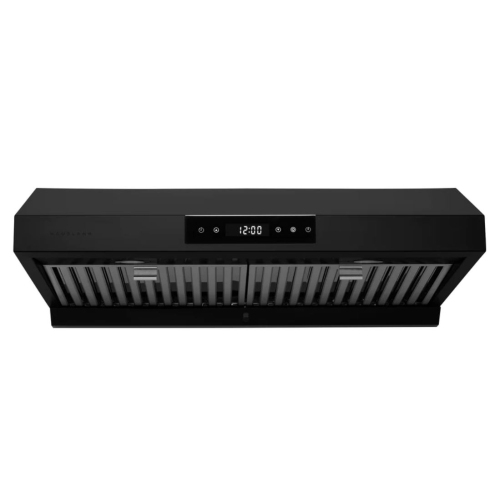 Your price for this item is $611.99
-
 Your price for this item is $566.99
-
 Your price for this item is $611.99
-
 Your price for this item is $611.99
-
 Your price for this item is $566.99
-
 Your price for this item is $701.99
-
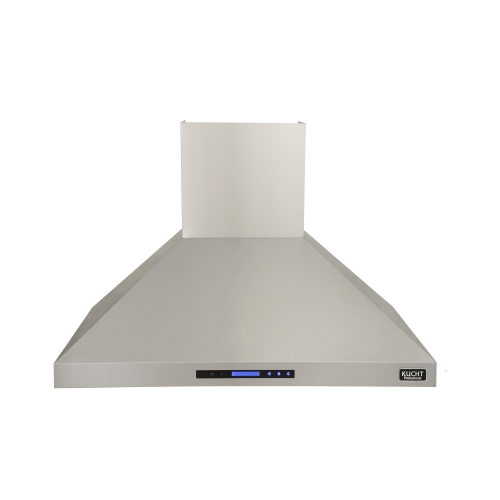 Your price for this item is $2455
Discover more categories related to Cooktop Hood Vent
Top Collections:
Best Black Friday Deals This Year, Best Black Friday Deals On Electronics, Kindle Devices, Pokemon Centers, Best Black Friday Deals On Apple Products, Best Cameras for Sports Photography, Dyson Airwrap, Pokémon 30th Celebration Cards, Apple iPhone 17 Pro, Canon G7X Cameras
Some products may be subject to Environmental Handling Fees
(EHF) depending on your province.
Learn more about EHFs.