Lightweight Steam Mops for Spring Cleaning
Lightweight steam mops for spring cleaning offer an effortless way to refresh your floors and tackle seasonal chores with ease. Designed for convenience and mobility, these versatile tools help you keep your home looking its best as you transition into the warmer months. With a range of options available, finding the perfect lightweight steam mop can make your spring cleaning routine more efficient and enjoyable. Explore the selection to discover solutions that fit your needs and help you achieve a sparkling clean home.
Sort
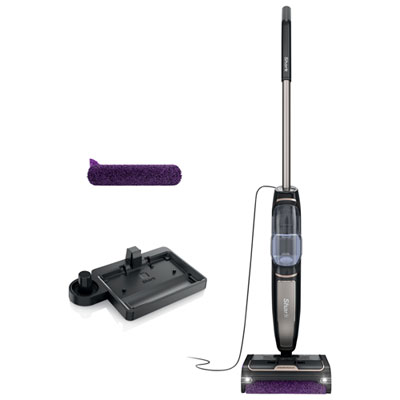
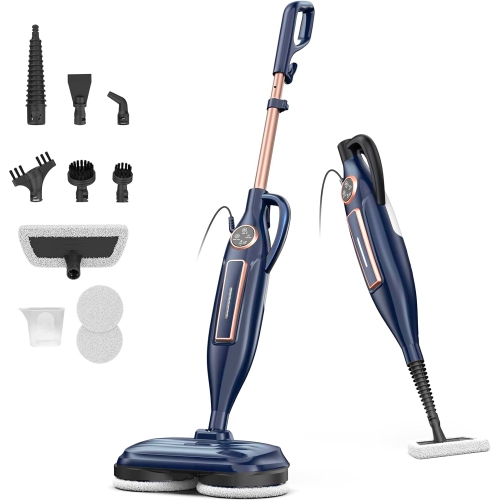
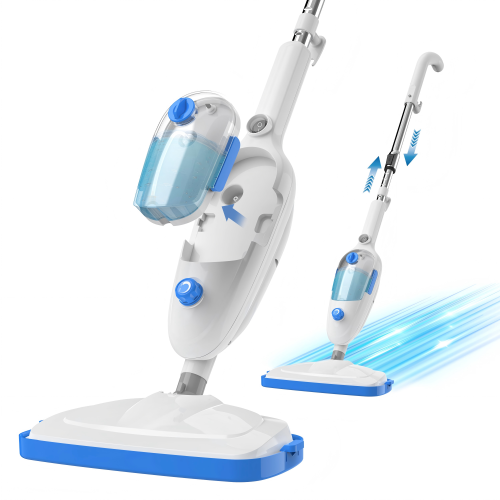

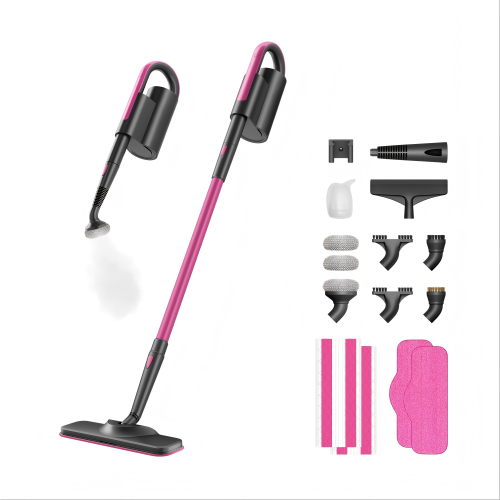
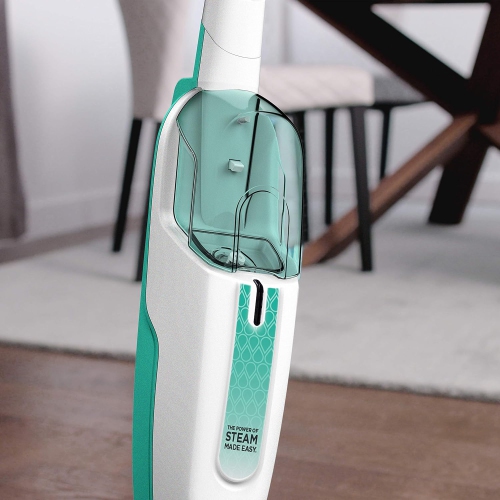
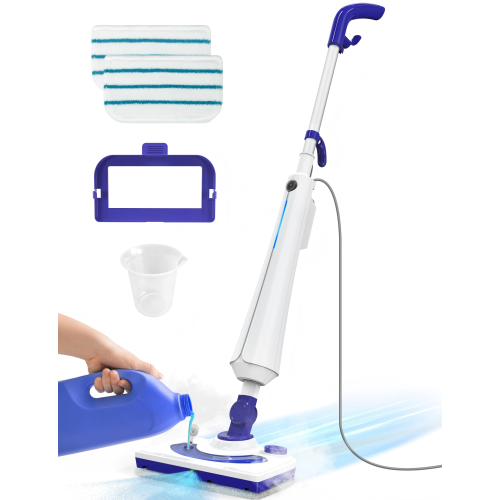
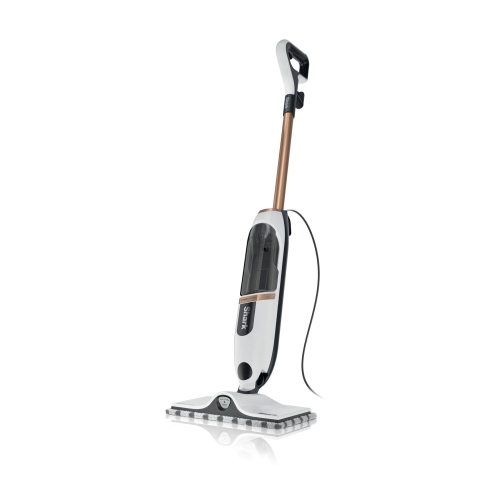
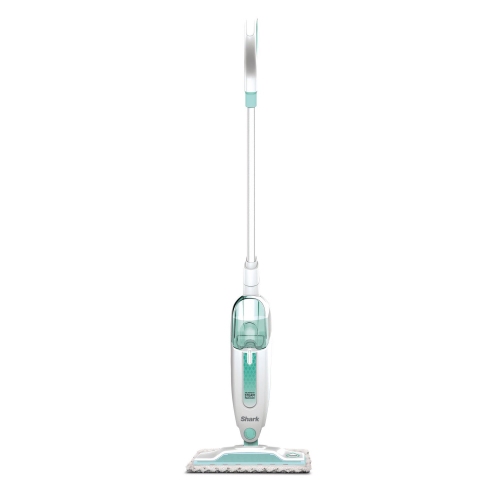
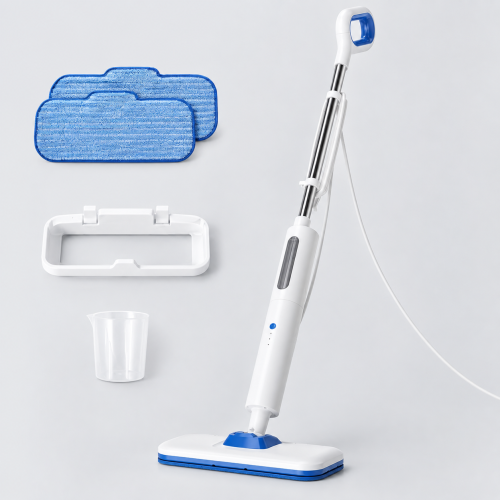

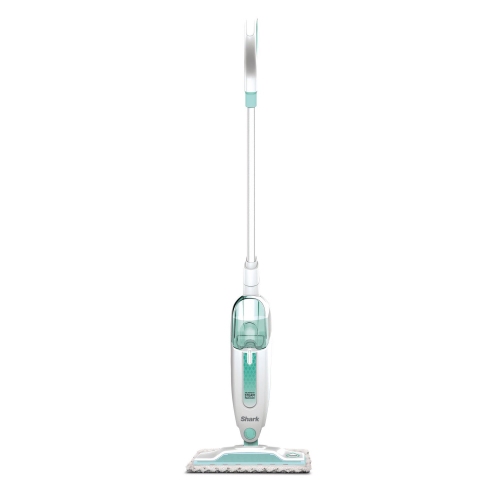
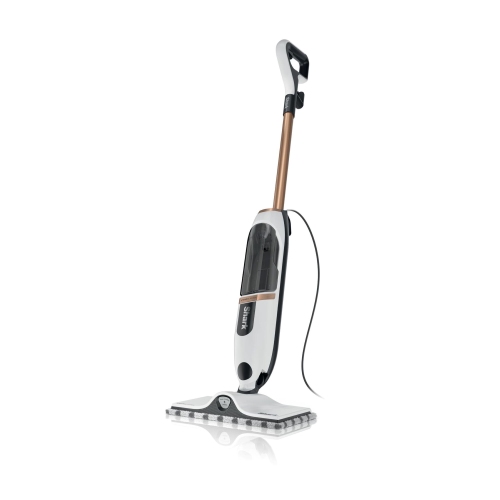

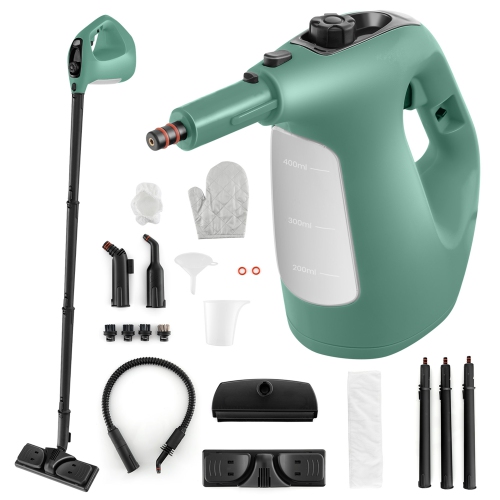
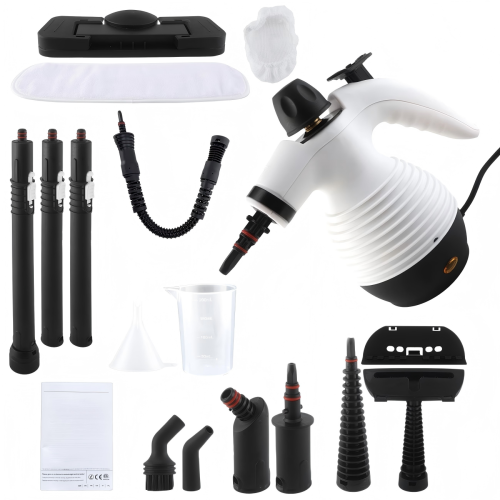
There’s more to steam mopping than low weight
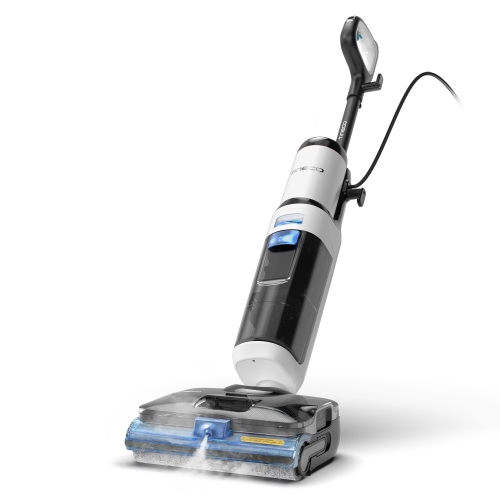
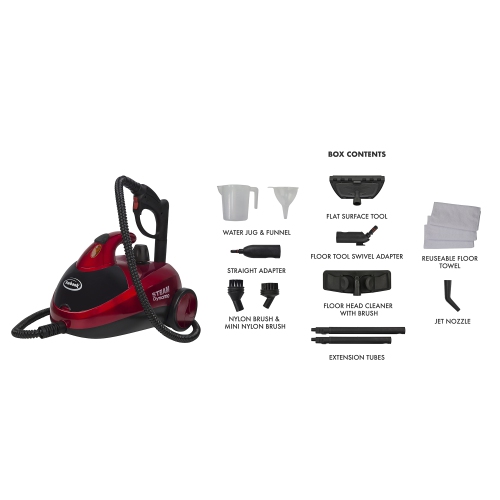
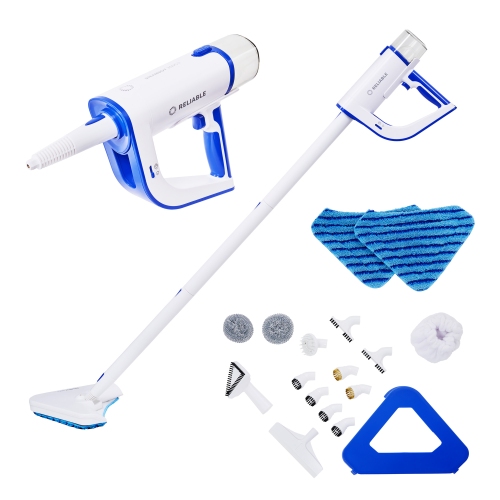
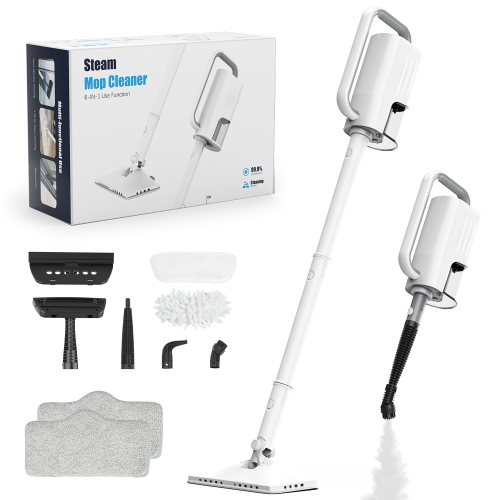
Lightweight steam mops for spring cleaning use heated water to loosen everyday grime on compatible hard floors, making them useful for a thorough refresh without the handling demands of a heavier floor-cleaning machine. Steam helps soften dried spills and greasy residue, while an attached cleaning pad lifts and holds the loosened dirt. That combination can be helpful around a kitchen table, along a busy hallway, or in a bathroom where marks tend to collect near the vanity. A steam mop is not a vacuum, however, so loose crumbs, hair, and grit need to be swept or vacuumed away first. Removing that debris gives the pad better contact with the floor and helps prevent abrasive particles from being dragged across the finish. Floor compatibility matters more than the appearance of the surface: a glossy finish does not necessarily mean a floor can tolerate steam. Some sealed tile floors may be suitable, while hardwood, laminate, vinyl, and other materials can have restrictions that vary by manufacturer and installation. Both the flooring instructions and the mop instructions should permit steam cleaning before use. Damaged finishes, open seams, and lifting edges deserve particular caution because heat and moisture may reach beneath the surface. For suitable floors, a lightweight design can make it easier to work through several rooms, navigate around dining chairs, and return to a small patch that needs another pass. Spring cleaning often includes moving lighter furniture and reaching areas missed during routine upkeep, so a manageable mop can be especially practical for cleaning beneath an accessible table or along an unobstructed baseboard. It still needs to stay within its intended use: a floor-only model is not designed for walls, upholstery, or countertops. Carpet attachments, where supported, also have a different purpose from deep carpet cleaning. The most useful fit is a mop suited to the home’s actual flooring and cleaning tasks, rather than one chosen on steam output or low weight alone.
How a steam mop feels in use depends on more than its listed weight. An empty water tank makes a machine lighter to lift, but its working weight increases once filled, and the position of that tank can affect how balanced the handle feels. A compact tank can suit a condo kitchen or a small bathroom, while a larger one may reduce refill interruptions across a more extensive hard-floor area. Neither arrangement is automatically better; the practical difference is whether easier lifting or longer cleaning sessions matter more. Swivel steering can help a mop turn around chair legs, and a low-profile head may reach beneath furniture where clearance allows. Head width also changes the experience. A wider pad covers an open room in fewer passes, while a narrower head can be easier to position beside a toilet or between closely spaced furniture. Cord length deserves attention in rooms with widely spaced outlets, particularly when the route passes through doorways. The cord should remain clear of the cleaning path and be managed according to the appliance instructions. Handle height, grip shape, and the effort needed to keep the head moving all influence comfort, especially for someone who finds a bulky bucket-and-mop routine tiring. Lightweight does not mean effortless, and repeated pushing, bending, or carrying between floors may still be demanding. Adjustable steam settings can be useful when different approved surfaces require different treatment, but more steam is not necessarily better. Excess moisture and lingering heat can be unsuitable even when a floor looks sturdy. Where sanitizing performance is claimed, the specified surface, setting, and contact time matter; a quick pass should not be assumed to deliver that result. For ordinary cleaning, steady movement and a clean pad help avoid redistributing loosened dirt. A stubborn mark may need another permitted pass rather than leaving the hot head stationary. These details make a meaningful difference in homes with children, pets, or frequent foot traffic, where floor cleaning often involves both broad open areas and small, well-used spots.
Pad materials, maintenance, and storage help determine whether a lightweight steam mop remains convenient beyond a single spring clean. Microfibre pads are common because their fine fibres can collect loosened soil, while some designs use textured sections for more persistent residue. Any scrubbing material still needs to be appropriate for the floor finish; a tougher texture is not suitable for every surface. Pad shape and attachment style matter too, since a securely fitted pad should stay flat beneath the head rather than bunching at the edges. Having a clean replacement pad ready can be useful when moving from a heavily soiled entryway to another room, although pads should only be changed once the appliance is safely switched off and cool enough to handle as directed. Washable pads need care according to their labels, including any restrictions on fabric softener, bleach, or drying temperatures. They should be fully dry before storage, and worn pads with thinning areas or damaged fastenings may need replacement. The appliance itself also benefits from routine attention. Water choice should follow the manufacturer’s directions, especially in areas with hard water where mineral buildup can affect performance. Cleaning solution, fragrance, vinegar, and other additives should not go into the tank unless expressly approved. Durable construction involves more than a rigid handle: secure joints, a sound tank closure, and well-fitting pad attachments all support dependable everyday use. After cleaning, the mop needs time to cool before emptying, removing the pad, or putting it away as instructed. It should not be left resting hot on a finished floor. Compact storage can be valuable in a small utility cupboard, but a freestanding position is only appropriate when the design supports it safely. The Steam Mops for Spring Home Cleaning collection puts the focus on this seasonal task, with lightweight designs offering particular appeal for households that value manageable handling, straightforward care, and a tool dedicated to compatible hard floors.
Top selling and popular products
-
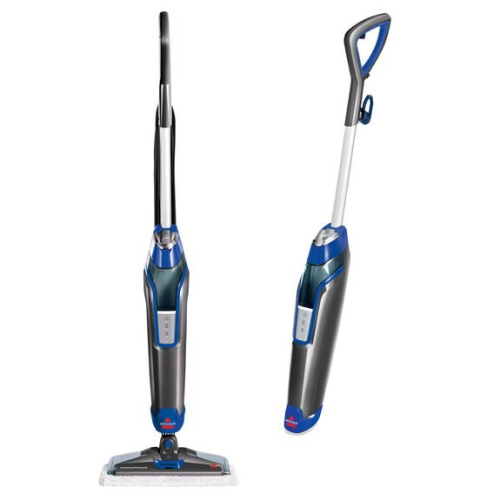 Your price for this item is $204.73
-
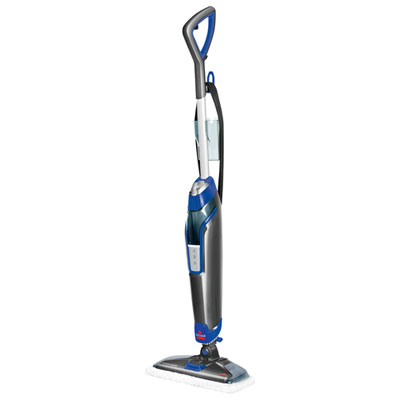 Your price for this item is $149.99
-
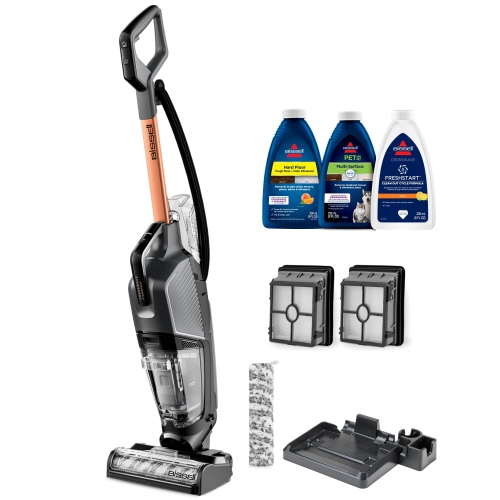 Your price for this item is $397.99
-
 Your price for this item is $399.99
-
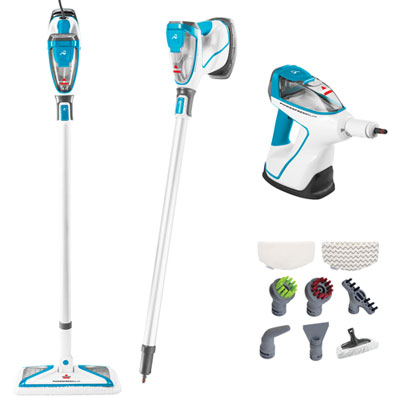 Your price for this item is $199.99
-
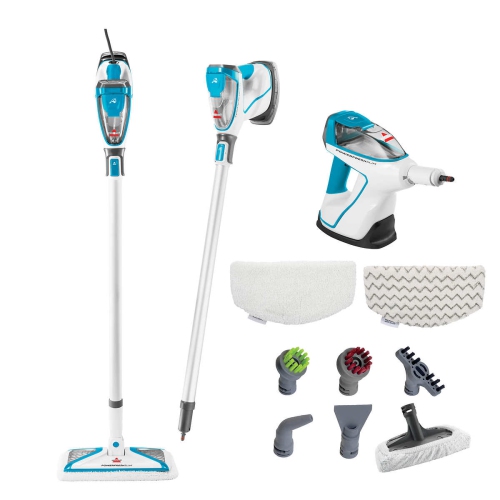 Your price for this item is $218.38
-
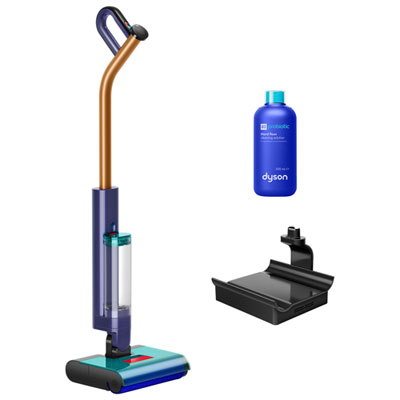 Your price for this item is $699.99
-
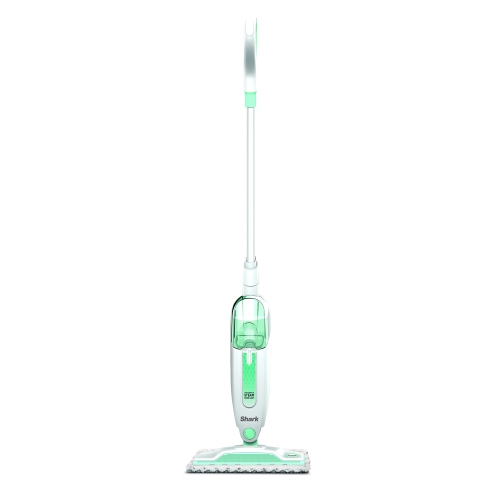 Your price for this item is $105.68
Discover more categories related to Lightweight Steam Mops for Spring Cleaning
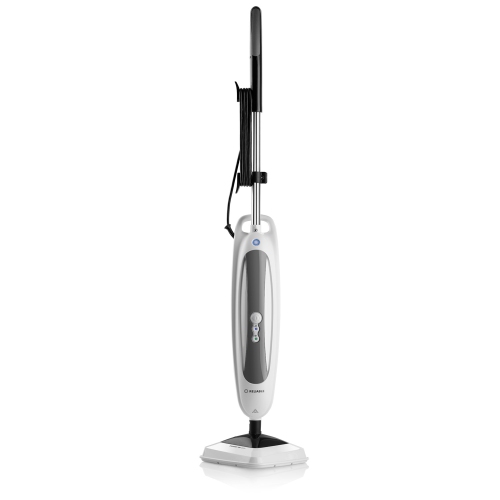
Top Collections:
Best Black Friday Deals This Year, Best Black Friday Deals On Electronics, Kindle Devices, Pokemon Centers, Best Black Friday Deals On Apple Products, Best Cameras for Sports Photography, Dyson Airwrap, Pokémon 30th Celebration Cards, Apple iPhone 17 Pro, Canon G7X Cameras
Some products may be subject to Environmental Handling Fees
(EHF) depending on your province.
Learn more about EHFs.