Steam Mops for Kitchen Spring Cleaning
Refresh your kitchen floors with ease using steam mops for kitchen spring cleaning. Designed to tackle everyday messes, these versatile cleaning tools help you achieve sparkling results throughout your kitchen space. Whether you're looking to maintain tile, laminate, or hardwood surfaces, steam mops offer a convenient way to keep your floors looking their best during your spring cleaning routine. Explore a range of options to find the perfect fit for your home and make kitchen cleaning more efficient than ever.
Sort
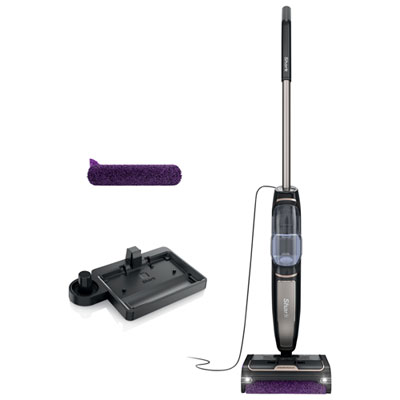
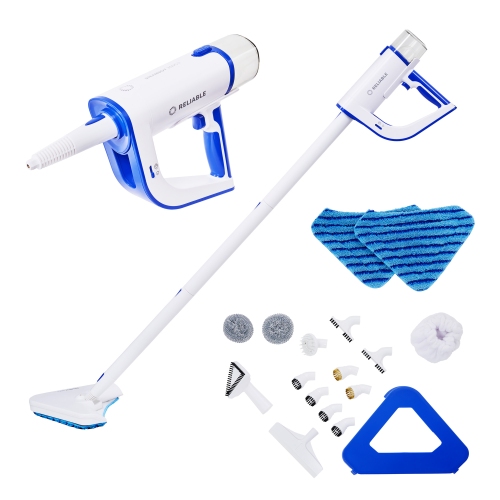

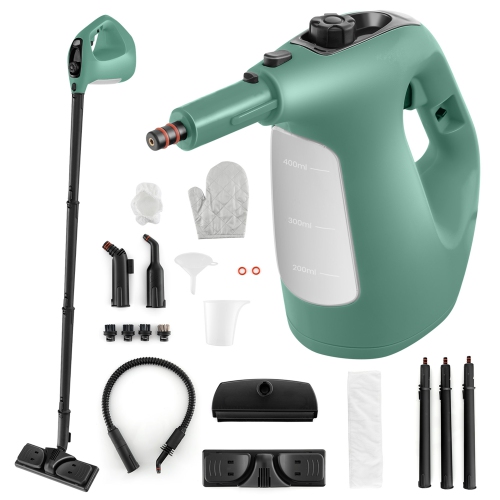
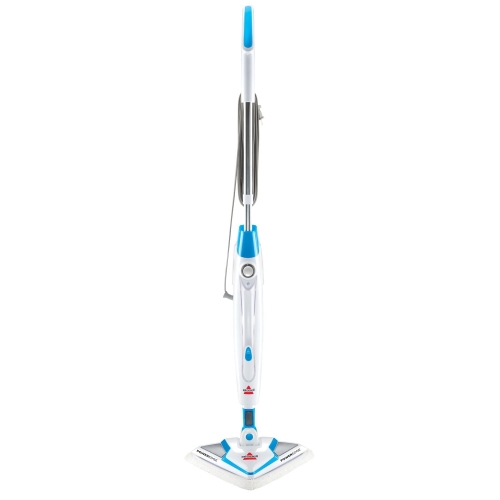



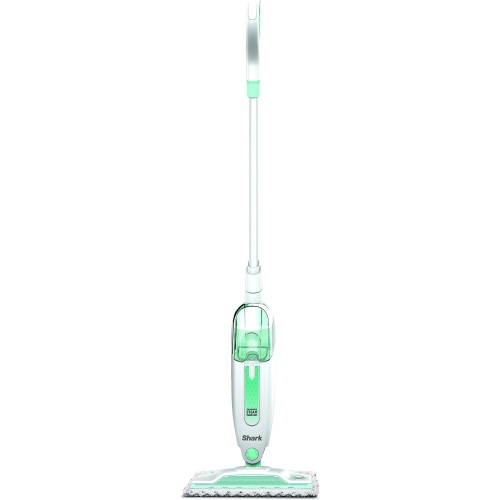

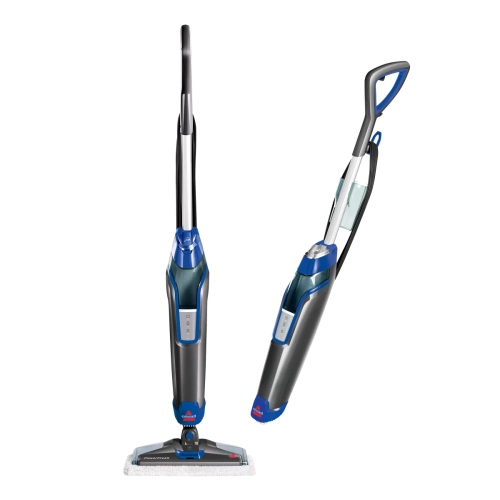

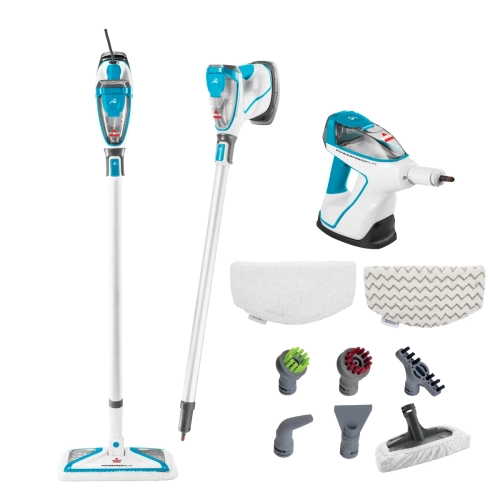
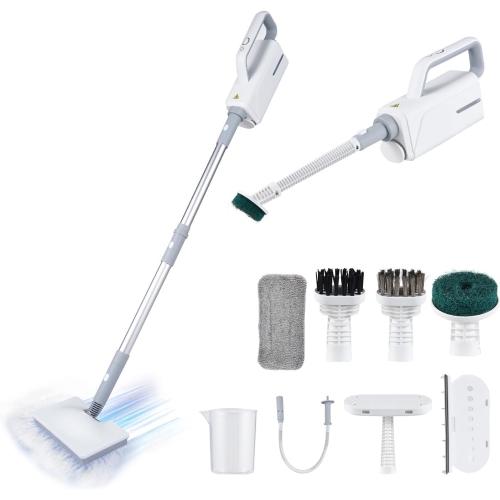
Why kitchen floors can still feel sticky after wiping
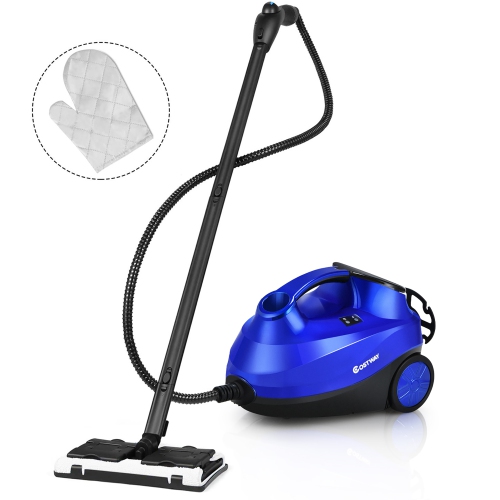
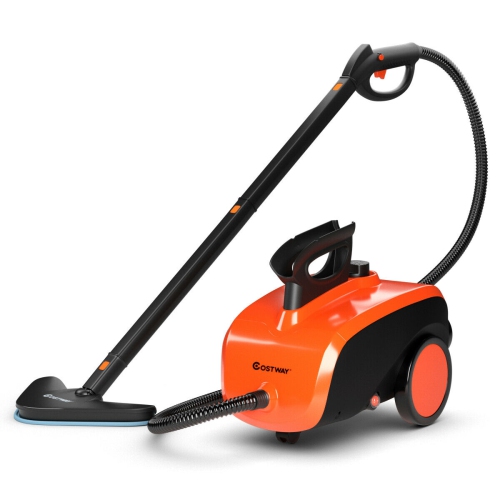
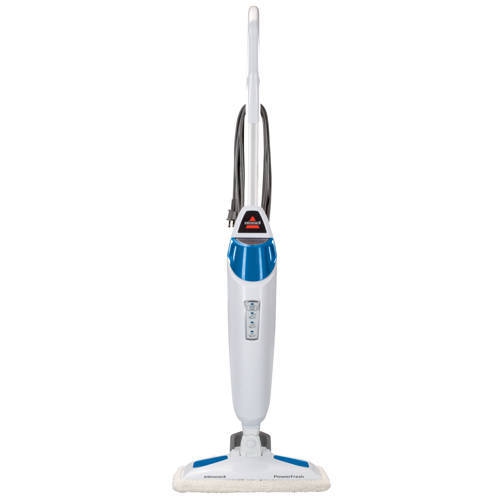
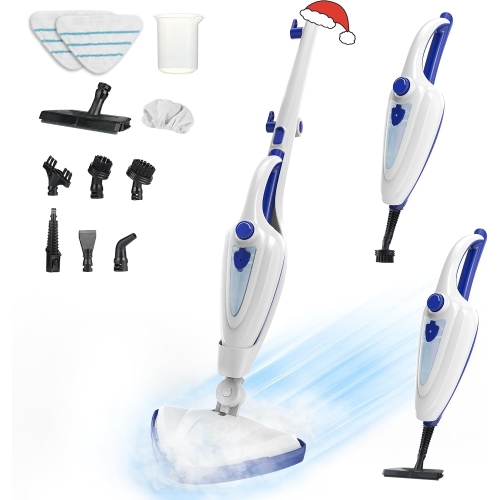
Steam mops for kitchen spring cleaning use hot water vapour and a cleaning pad to loosen and collect everyday floor residue, including sticky drink spills, dried food marks and light grease tracked away from the cooking area. They can be a practical choice for a deeper kitchen refresh, particularly around dining chairs, beside the sink and along the paths between the fridge, stove and countertop. Unlike a traditional mop dipped repeatedly into a bucket, a steam mop delivers steam through its cleaning head while the pad gathers loosened dirt. That distinction matters in a kitchen, where a faint film from cooking can mingle with crumbs and leave the floor feeling tacky even after obvious spills have been wiped away. Steam is not a substitute for removing loose debris, however; crumbs, grit and pet hair are best swept or vacuumed before the pad touches the floor. Surface compatibility is the most important consideration. Tile may be suitable when its finish, grout and installation are approved for steam cleaning, but sealed flooring is not automatically steam-safe. Wood, laminate, vinyl, adhesive-backed flooring and damaged finishes may be vulnerable to heat or moisture, so both the flooring manufacturer’s care instructions and the mop’s stated uses need to agree. Cracked grout, lifting edges and worn coatings deserve particular caution because moisture can reach beneath the surface. Steam mops generally clean with water rather than an added floor-cleaning solution, and detergent, fragrance or other additives should stay out of the tank unless the appliance instructions expressly permit them. Some models also have tested sanitizing capabilities, but those claims depend on specified surfaces, operating conditions and contact times. A quick pass should not be assumed to sanitize a floor, and holding a hot cleaning head in place longer than directed can damage the finish. For ordinary kitchen upkeep, the most useful benefit is controlled steam paired with a clean pad that lifts residue without leaving a trail of dirty wash water.
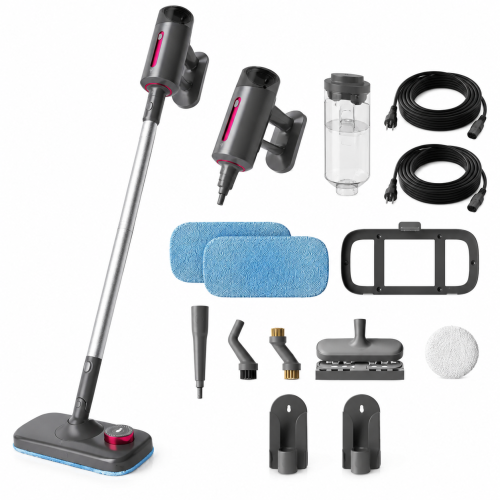
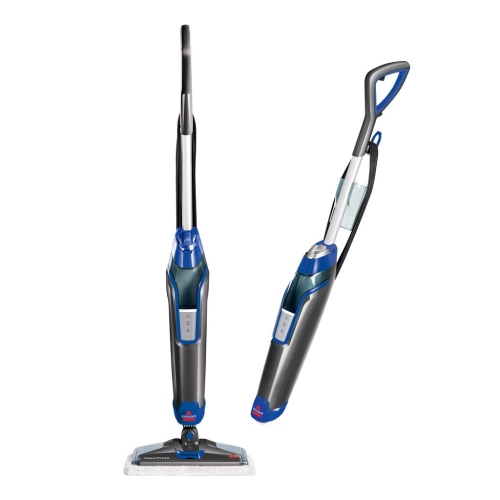
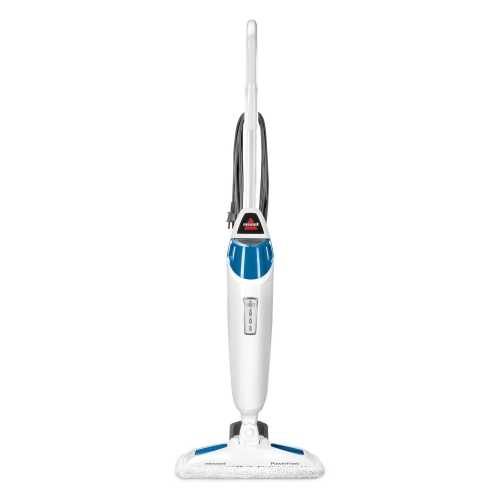
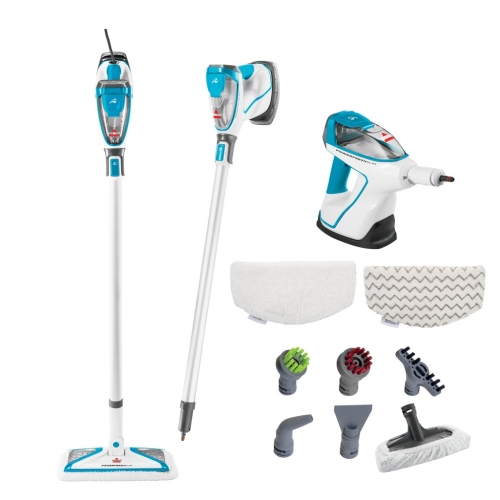
The right fit depends as much on the kitchen layout and the person using the mop as on its steam output. A compact cleaning head can move more easily between chair legs and into the narrow strip beside a kitchen island, while a wider head covers an open kitchen and dining area with fewer passes. A swivelling joint helps with changes in direction around cabinets, although the head’s height still determines whether it can reach beneath a low toe kick. Weight deserves attention beyond the number listed for an empty appliance: a full water tank adds weight, and carrying the mop between floors can feel different from steering it across tile. A comfortable grip, a handle that suits the user’s height and controls that are easy to reach can make a noticeable difference during a longer spring-cleaning session. Tank capacity involves a similar trade-off. A larger reservoir may reduce interruptions across a spacious floor, while a smaller one can keep the appliance easier to manoeuvre in an apartment kitchen. A removable tank can simplify filling, provided it locks securely into place, and a clear water-level window makes it easier to see when a refill is needed. Cord length and outlet placement affect reach, especially in kitchens where an island interrupts the route across the floor; the cord should remain clear of the hot head and walking paths. Adjustable steam settings offer flexibility where the appliance and flooring instructions allow it, but a higher setting is not automatically better for a stubborn mark. Pad design also changes the experience. Soft microfibre pads can gather fine residue, while textured sections may help loosen dried splashes on compatible surfaces. A broad, absorbent pad can be useful after a busy family breakfast, whereas a head with a tapered front may be easier to position along cabinet edges. Detachable handheld functions and included brushes can add versatility, but each attachment needs an approved use; a floor-safe setting does not establish that painted cabinetry, appliance finishes or countertop materials can tolerate steam.
Care and construction help determine how well a steam mop performs beyond the first kitchen refresh. Secure handle connections, a smoothly moving swivel, a well-fitting tank cap and pad fastenings that hold firmly all contribute to dependable everyday use. Washable pads are especially useful in kitchens because a pad loaded with cooking residue can begin spreading a dull film instead of collecting it. Having clean pads ready makes it easier to change them when moving from the area beside the stove to a less soiled dining space. Their care requirements matter, too: washing instructions vary, and fabric softener can interfere with the absorbency of some microfibre materials. Pads should be washed as directed and dried fully before storage, rather than left damp against the mop head or resting on the floor. Water quality is another practical detail. Mineral deposits can affect steam delivery over time, so the recommended water type and any approved maintenance procedure are worth checking before filling the reservoir. Descaling mixtures should never be improvised, since an unsuitable solution may damage internal parts. After use, the appliance needs time to cool before the pad is removed or the mop is put away, with any remaining water handled according to its instructions. A tidy storage space should keep the cord organized and the hot head away from children and pets. For households planning a refresh beyond the kitchen, Steam Mops for Spring Home Cleaning brings the broader household theme into focus, while surface compatibility remains essential from room to room. In the kitchen itself, a steam mop is best understood as one part of a practical cleaning routine: loose debris is removed separately, heavy grease may need a suitable surface-approved cleaner, and the steam mop handles compatible floor areas. Matching the cleaning head, water capacity, pad material and handling to the space makes the appliance more useful for both a thorough spring clean and the smaller spills that follow.
Top selling and popular products
-
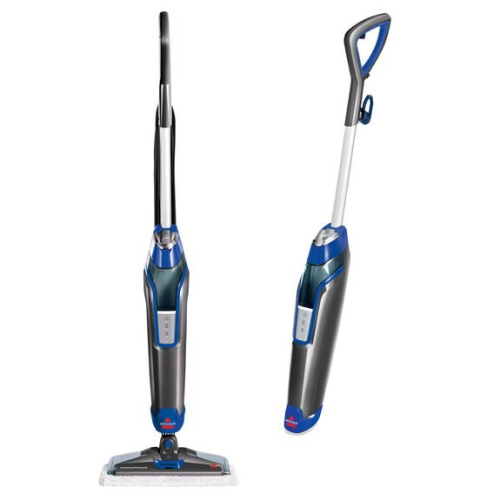 Your price for this item is $204.73
-
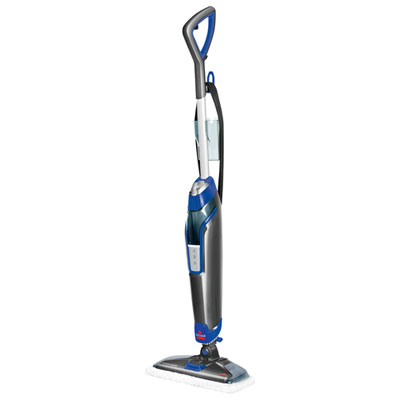 Your price for this item is $149.99
-
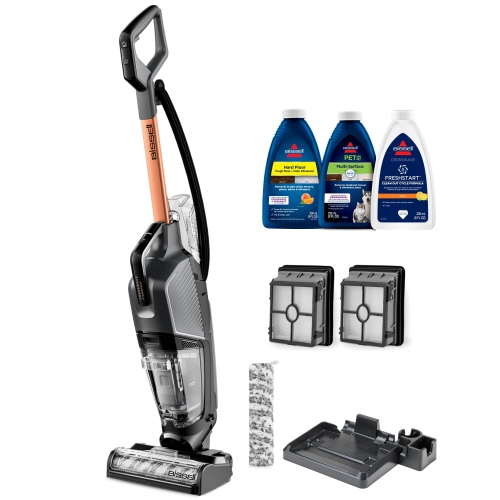 Your price for this item is $397.99
-
 Your price for this item is $399.99
-
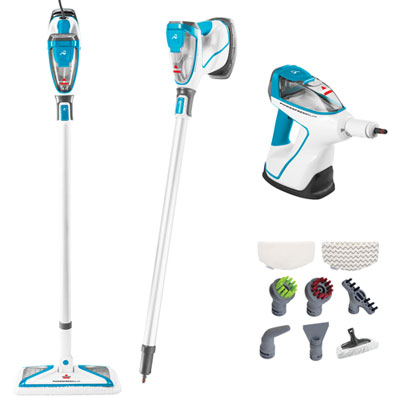 Your price for this item is $199.99
-
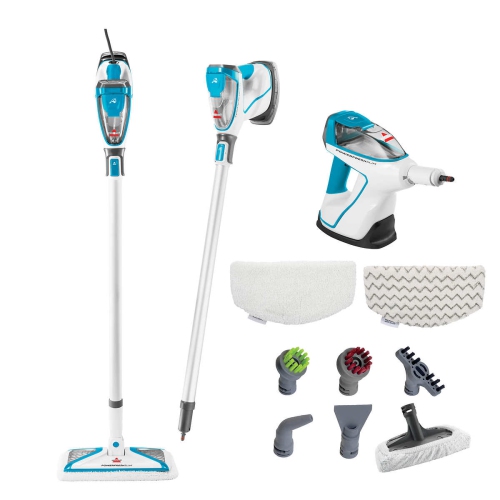 Your price for this item is $218.38
-
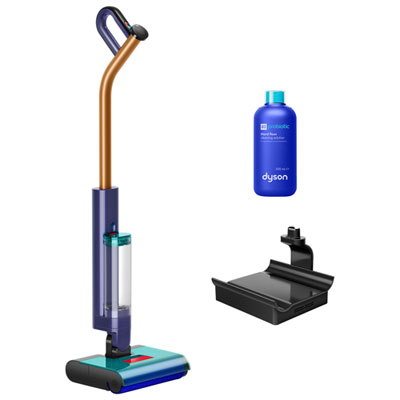 Your price for this item is $699.99
-
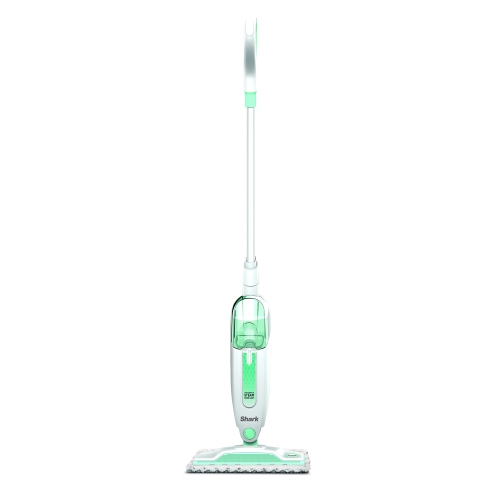 Your price for this item is $105.68
Discover more categories related to Steam Mops for Kitchen Spring Cleaning
Top Collections:
Best Black Friday Deals This Year, Best Black Friday Deals On Electronics, Kindle Devices, Pokemon Centers, Best Black Friday Deals On Apple Products, Best Cameras for Sports Photography, Dyson Airwrap, Pokémon 30th Celebration Cards, Apple iPhone 17 Pro, Canon G7X Cameras
Some products may be subject to Environmental Handling Fees
(EHF) depending on your province.
Learn more about EHFs.