Milk Frothers for Coffee Drinks
Milk frothers for coffee drinks are the perfect addition to any kitchen setup, making it easy to create café-style beverages at home. Whether you enjoy a creamy latte, a classic cappuccino, or a rich macchiato, these handy tools help you achieve smooth, velvety milk with minimal effort. Explore a wide selection of milk frothers for coffee drinks to find the ideal option that fits your routine and elevates your daily cup.
Sort

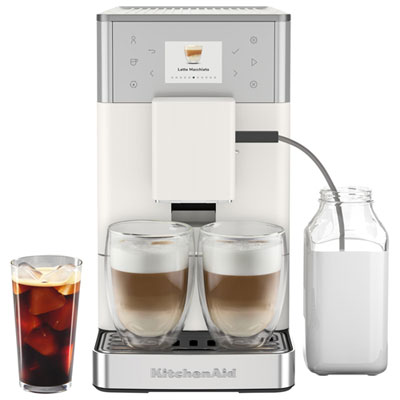
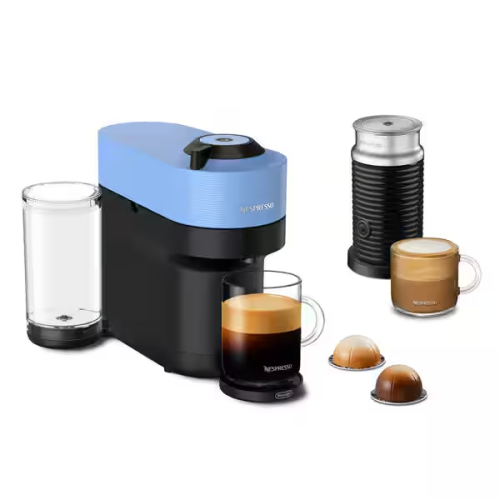

How your favourite drink shapes your frother choice
Milk frothers for coffee drinks turn milk into a lighter, aerated topping or a smooth, pourable foam for lattes, cappuccinos, and other café-style favourites. The main distinction between frother types is whether they simply introduce air into milk or also heat it. Handheld frothers use a small rotating whisk and generally require milk to be warmed separately for hot drinks. Automatic countertop frothers combine a vessel with a powered whisk, and many offer heating and frothing in the same cycle. Manual frothing pitchers use a plunger or mesh screen to aerate milk by hand, with heating options dependent on the pitcher’s materials and design. When comparing Milk Frothers, the most useful starting point is the type of drink being prepared and how much milk it needs. A cappuccino benefits from a deeper layer of airy foam, while a latte usually calls for more warm milk with a thinner, smoother layer on top. Flat whites favour fine-textured milk with very small bubbles, a result that not every standalone frother can reproduce. A frother can add texture to coffee made with an espresso machine, capsule brewer, moka pot, or drip coffee maker, although it does not change the brewing method or turn regular coffee into espresso. For someone who makes one coffee before leaving home, a compact wand offers a straightforward way to froth milk directly in a suitable jug. For a household preparing several drinks, an automatic vessel may make the process more consistent, provided its working capacity matches the number of servings. Frothing capacity is often lower than heating capacity because aerated milk expands. Separate fill markings are therefore more meaningful than the vessel’s total volume. Cold-froth settings, adjustable texture options, and heat-only functions can also broaden the range of drinks a frother supports, but these features vary by design. A familiar daily order is a useful reference: the right frother should suit that drink rather than add functions that rarely get used.
The milk itself has a noticeable effect on the finished drink. Dairy milk contains proteins that help support bubbles, while fat influences richness and how the foam feels on the tongue. Whole milk often produces a creamy texture suited to lattes, whereas lower-fat milk can create a lighter, more voluminous foam. Results also depend on freshness, starting temperature, and the frother’s action, so a taller foam is not necessarily a smoother one. Oat, soy, almond, and other plant-based beverages vary considerably in their ability to froth. Formulations labelled for barista use are designed with coffee preparation in mind and may produce a more cohesive texture than other versions, though performance still differs between recipes and appliances. Compatibility with a preferred milk is worth checking in the manufacturer’s information, particularly when it is part of a daily routine. For iced lattes, a frother with a cold setting can create foam without adding heat to the drink. A handheld wand can also aerate cold milk, with the result depending on the milk and technique. For hot coffee drinks, controlled warming matters as much as aeration: overheated milk can develop a cooked flavour, and excessive heat can affect the texture. Automatic temperature control can simplify this part of preparation, while a separate warming vessel gives handheld users more control over the process. Neither approach guarantees the glossy microfoam associated with a well-operated steam wand. Foam intended for spooning onto a cappuccino is different from the fluid texture needed for detailed latte art. A narrow pouring spout can help direct milk into a cup, but the fineness and consistency of the foam remain important. There is also a practical difference between frothing enough milk for a small espresso drink and filling a large travel mug. Matching the working volume to the usual cup helps avoid repeated batches, leftover milk, or a thin layer of foam spread across a much larger drink.
Materials, handling, and cleaning shape how comfortably a milk frother fits into everyday use. Stainless steel is common in whisks and vessels because it offers a sturdy food-contact surface, while glass pitchers make it easier to see the milk level and the developing foam. Glass needs careful handling around sinks and hard countertops, and stainless steel exteriors may show fingerprints or water marks. Some automatic vessels have an interior coating intended to make milk residue easier to remove; gentle utensils and non-abrasive cleaning help protect that surface. A comfortable handle and a well-shaped spout matter when pouring hot milk, especially into smaller cups. The lid should be easy to position and remove, and detachable whisk components should be accessible without awkward handling. For a small kitchen or shared coffee station, the appliance’s footprint, cord placement, and storage needs can be just as relevant as its drink settings. A handheld frother occupies little space, but its exposed whisk benefits from a stand or protective storage arrangement. Battery-powered and rechargeable designs have different upkeep needs, while a countertop model requires a suitable outlet and room for its base. Care requirements deserve attention because milk residue can cling to whisks, seals, and the bottom of a jug. Removable parts can make cleaning easier, but dishwasher suitability depends on the individual component and should never be assumed. Electrical bases and motor housings need to remain out of water unless the manufacturer expressly specifies otherwise. Prompt cleaning, once the parts are safe to handle, helps prevent residue from drying onto the surfaces. These details also matter when choosing a frother as a gift for a coffee enthusiast, a new homeowner, or someone setting up a first kitchen. A recipient who enjoys hands-on preparation may appreciate a compact wand, while someone who values a repeatable morning routine may prefer an automatic heating-and-frothing vessel. Matching the frother to their preferred drinks, milk choice, serving size, and willingness to clean separate parts makes it a more thoughtful addition to their coffee setup.
Top selling and popular products
-
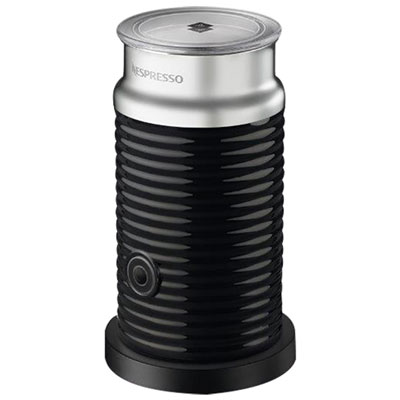 Your price for this item is $79.99
-
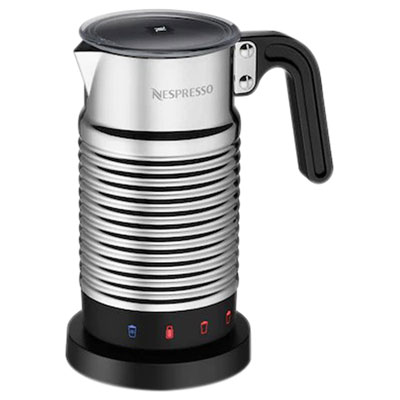 Your price for this item is $129.98
-
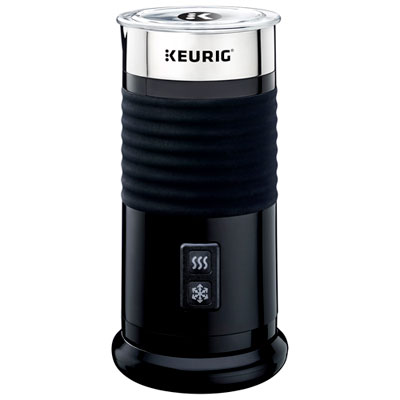 Your price for this item is $59.98
-
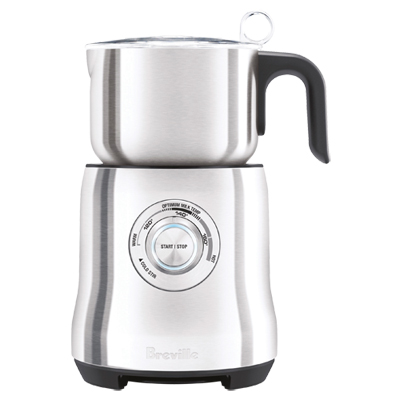 Your price for this item is $229.99
-
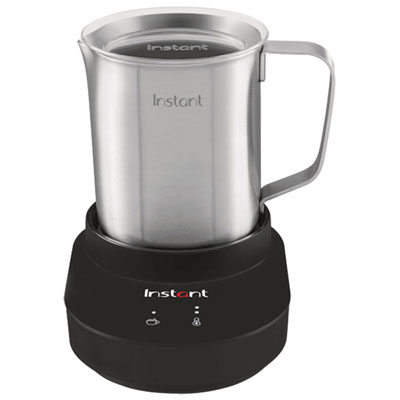 Your price for this item is $74.99
-
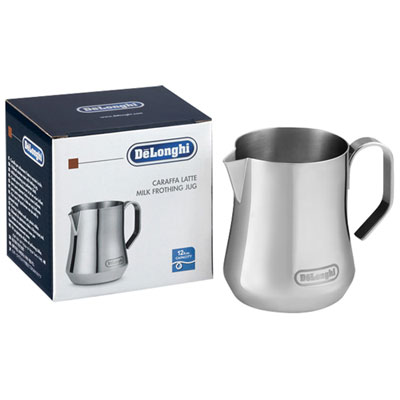 Your price for this item is $24.99
-
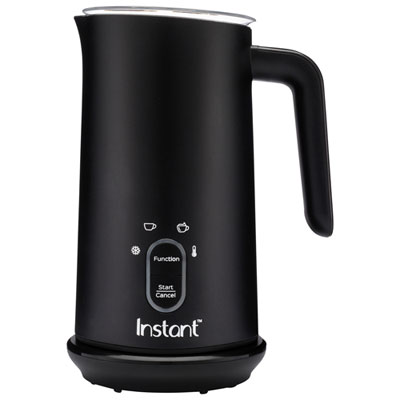 Your price for this item is $49.99
-
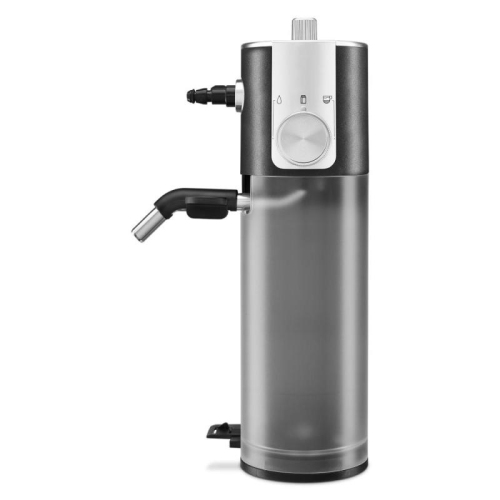 Your price for this item is $129.99
Discover more categories related to Milk Frothers for Coffee Drinks

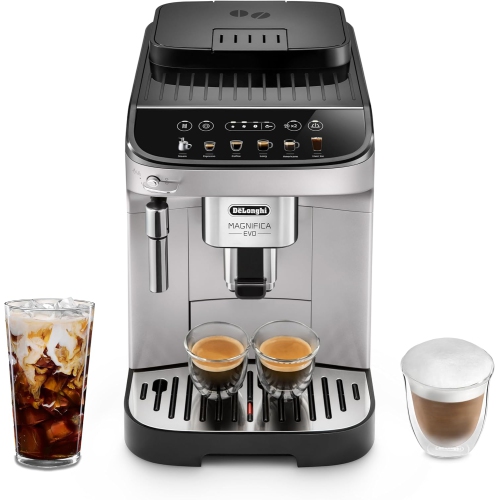
Top Collections:
Best Black Friday Deals This Year, Best Black Friday Deals On Electronics, Kindle Devices, Pokemon Centers, Best Black Friday Deals On Apple Products, Best Cameras for Sports Photography, Dyson Airwrap, Pokémon 30th Celebration Cards, Apple iPhone 17 Pro, Canon G7X Cameras
Some products may be subject to Environmental Handling Fees
(EHF) depending on your province.
Learn more about EHFs.