Mini Fridges for Milk Storage
Storing milk can be a hustle at times. So a mini fridge is a great option. This small appliance can be in the corner of the kitchen or living room, and they're perfect for keeping drinks and leftovers cool without taking up too much space. Here are the best quality mini-fridges for your milk!
Sort

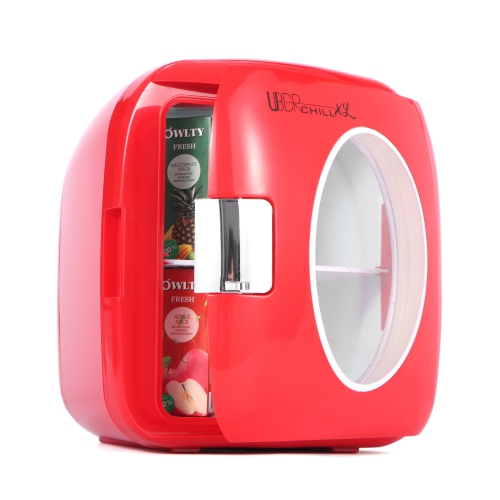
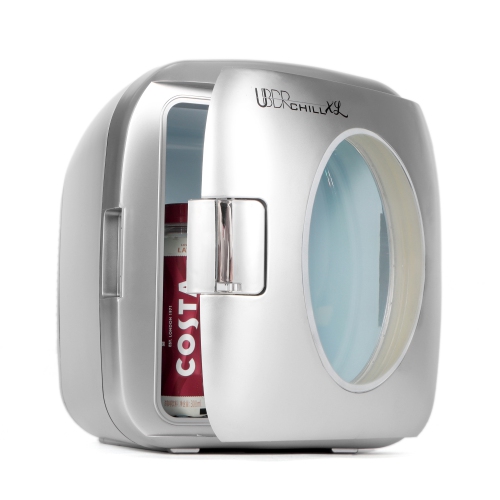
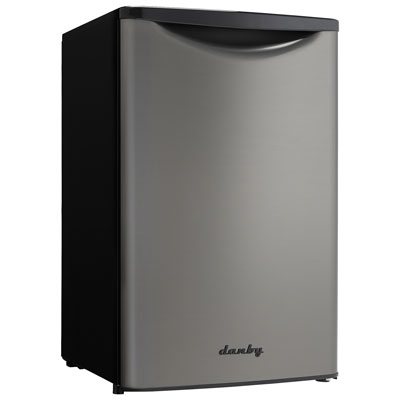
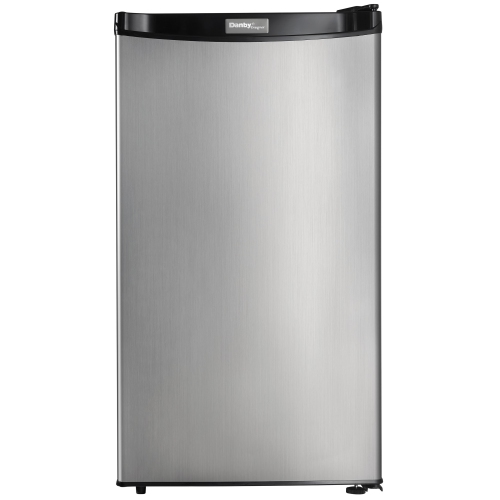
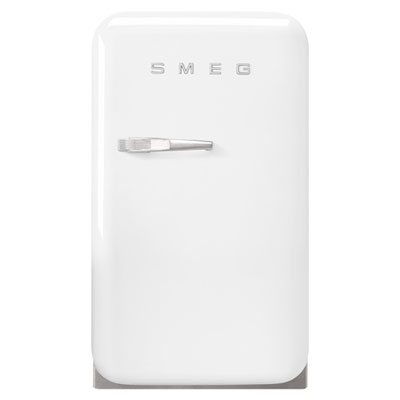
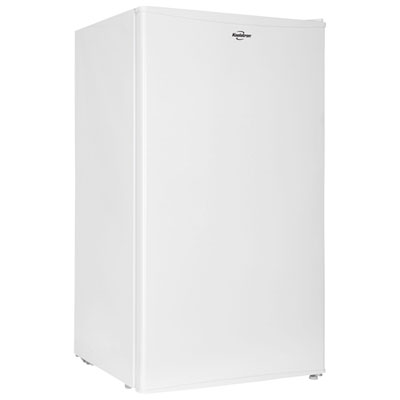
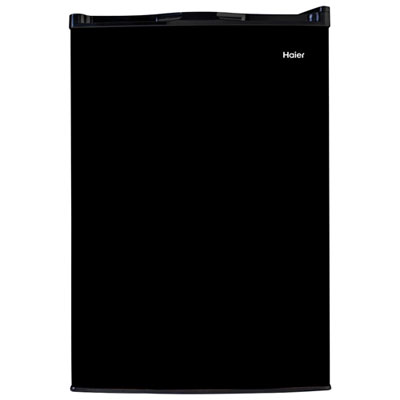
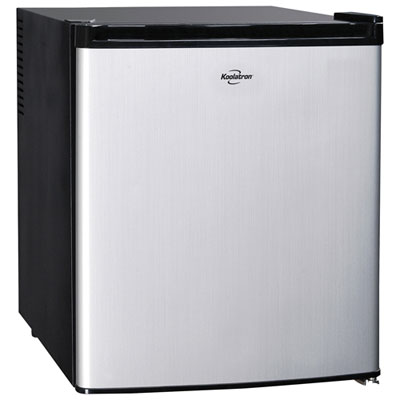
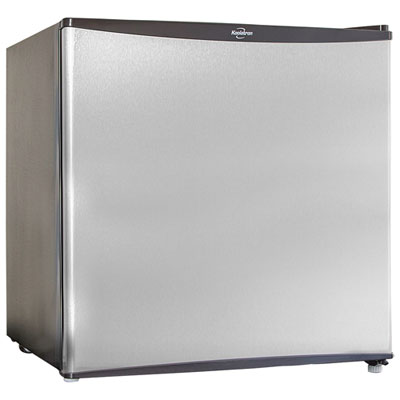
Safe milk storage starts with the right cooling system
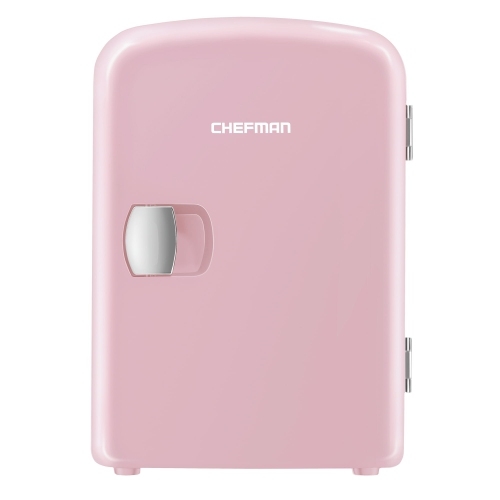
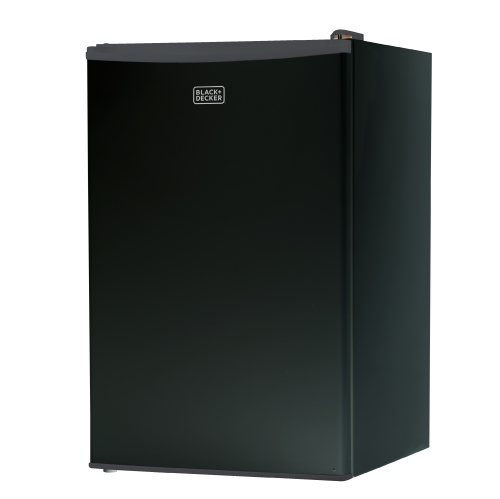
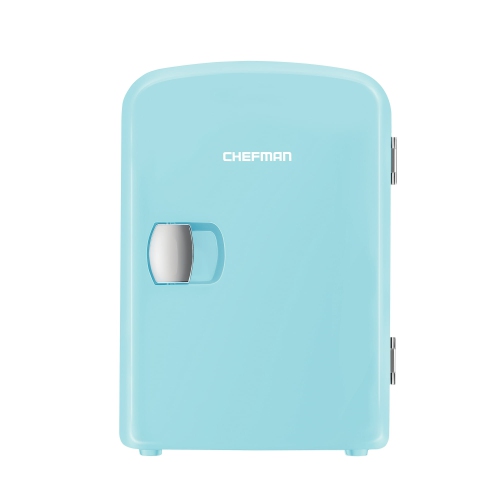
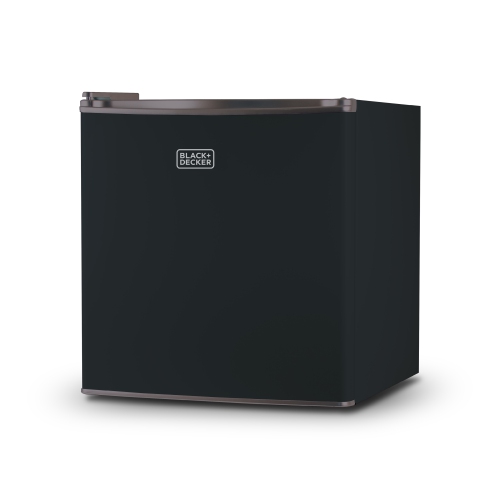
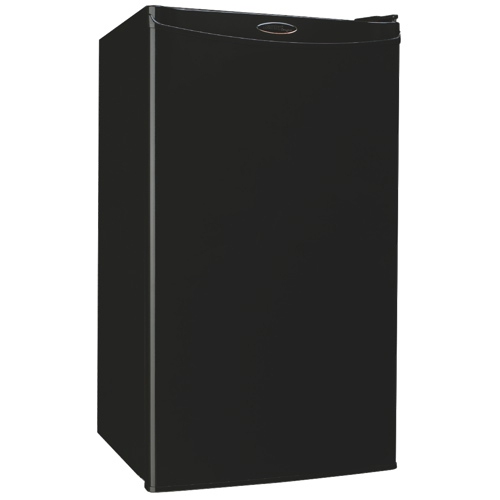
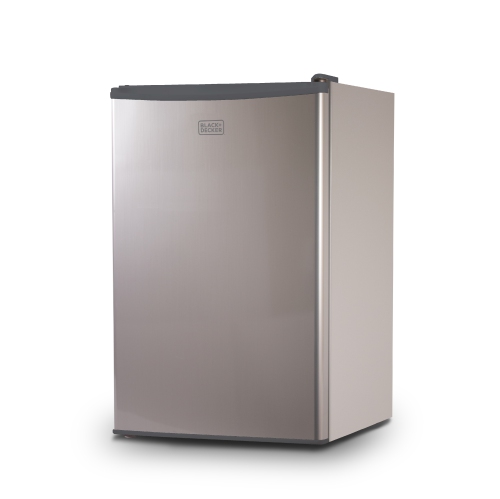
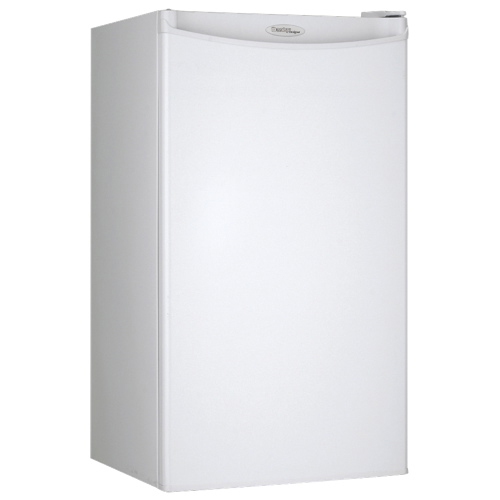
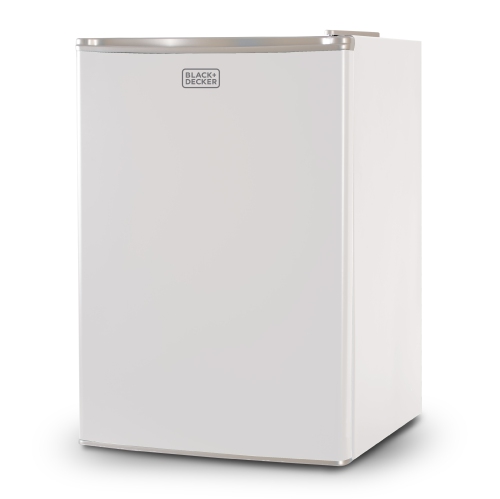
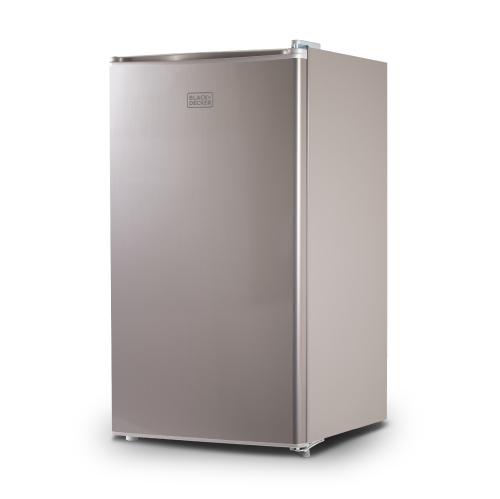
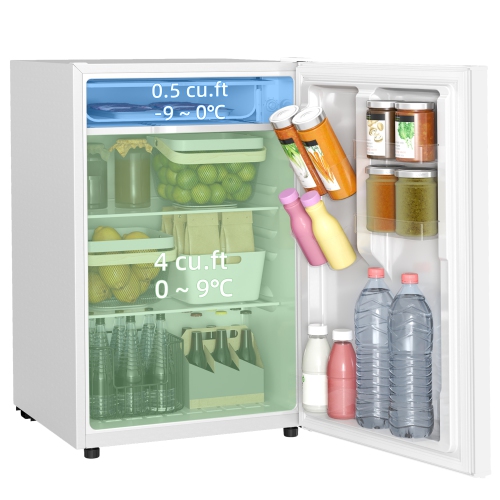
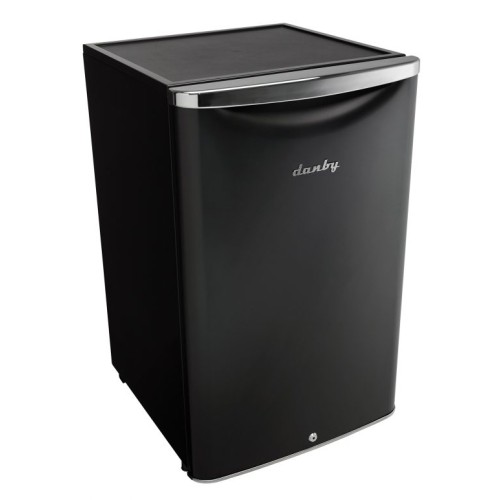
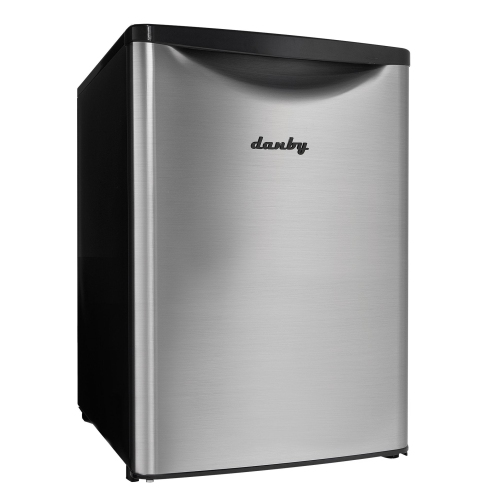
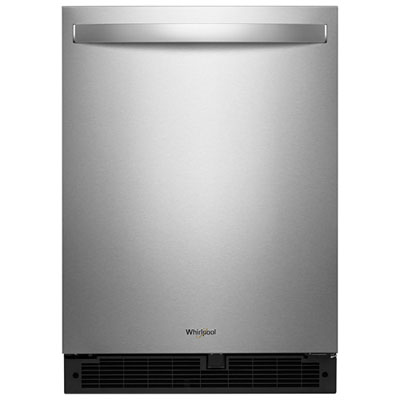
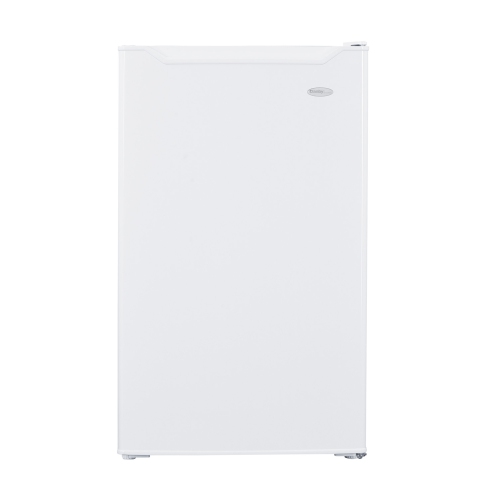
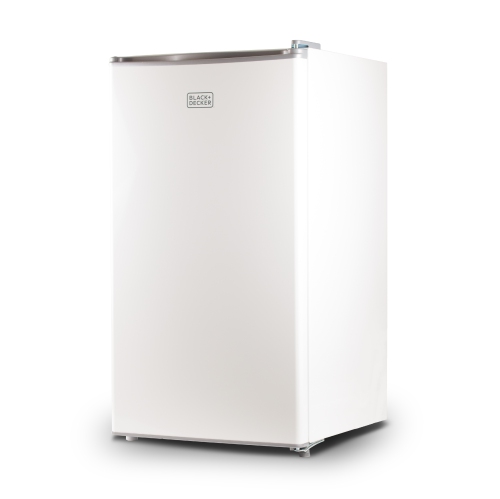
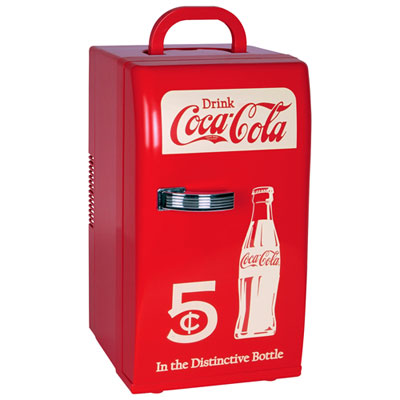
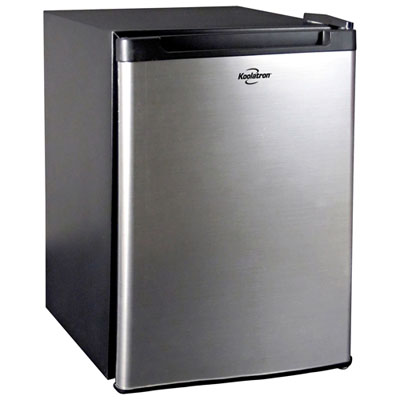
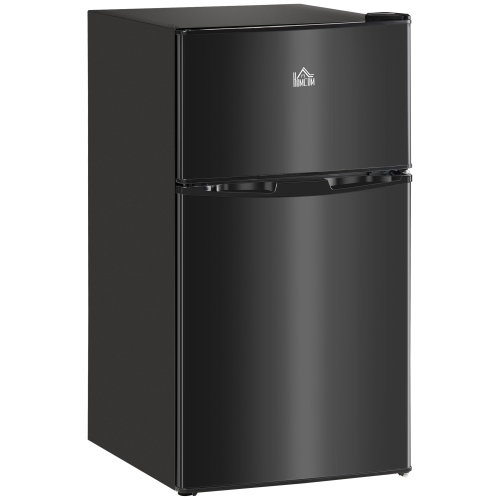
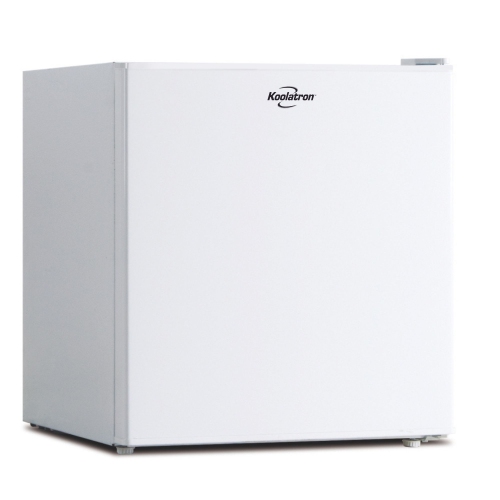
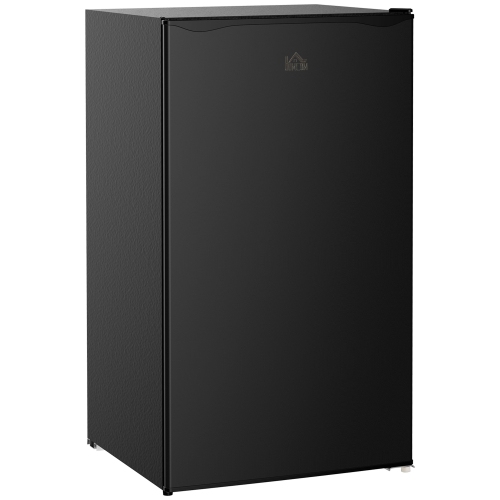
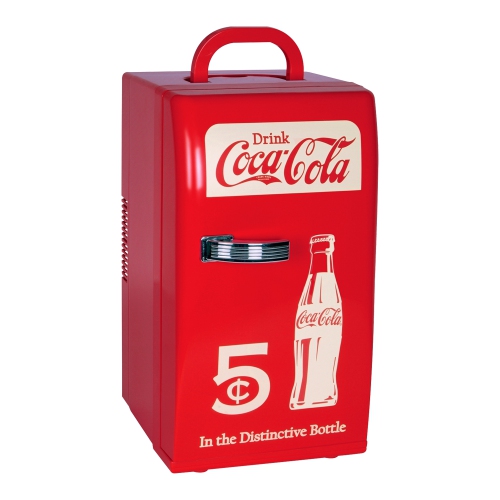
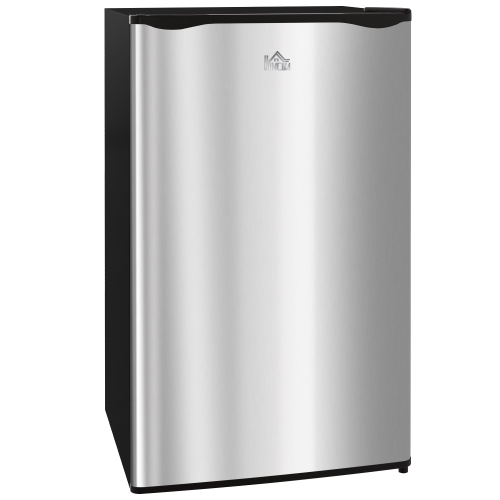
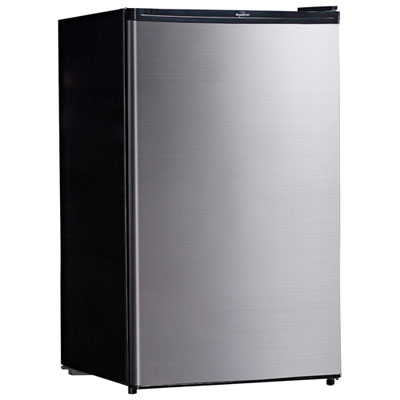
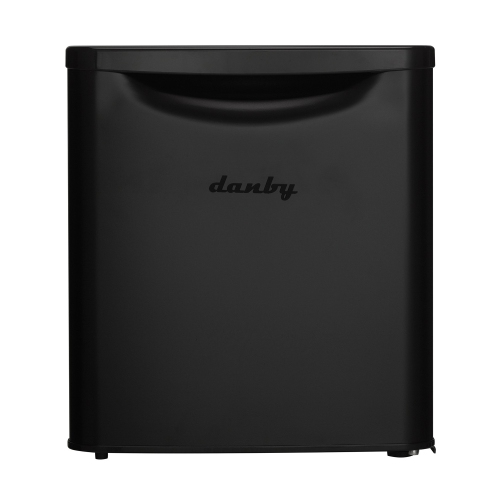
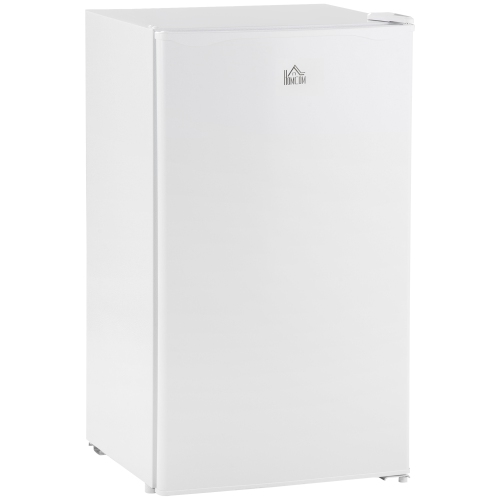
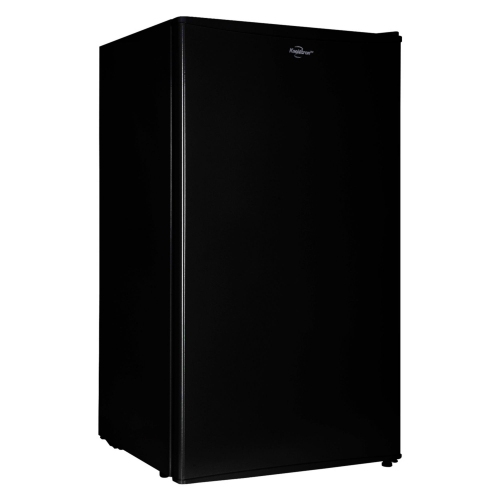
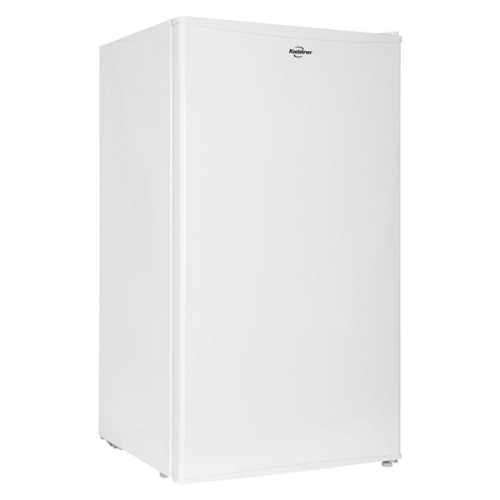
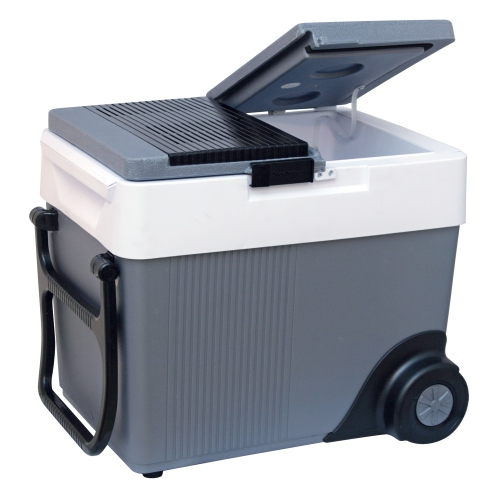
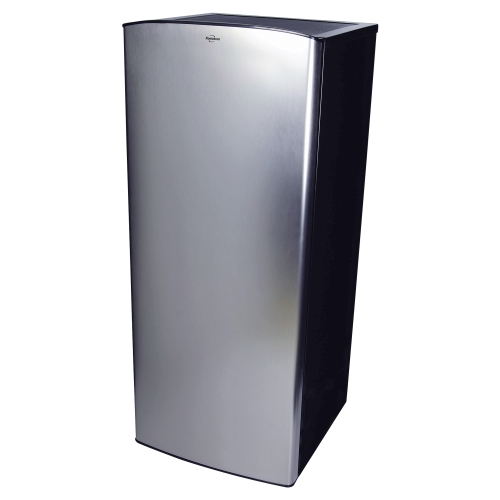
Mini fridges for milk storage offer a convenient way to keep dairy milk, expressed breast milk, formula, and other chilled essentials close at hand without making frequent trips to a full-size refrigerator. They can be useful in a nursery, home office, bedroom, basement, guest room, dorm room, cottage, or shared workplace where space is limited or access to the main kitchen is inconvenient. A compact refrigerator can also make a thoughtful and practical gift for new parents, caregivers, students, shift workers, and anyone setting up a dedicated refreshment area. When choosing a unit, start by confirming that it is designed for food storage and uses a compressor cooling system. Compressor refrigerators actively cool the interior and are generally better suited to maintaining the consistent, food-safe temperatures required for milk. By contrast, thermoelectric coolers, beauty fridges, and cosmetic chillers usually lower the interior temperature by a set amount below the surrounding room temperature. Their performance can vary considerably with room conditions, and many are not designed to hold milk at a reliably safe temperature. A true mini refrigerator may take up a little more room, but its cooling method, adjustable thermostat, and food-storage design make it a more suitable choice for milk. For a closer look at available options, explore Mini Milk Fridges and compare the features that fit your space and routine.
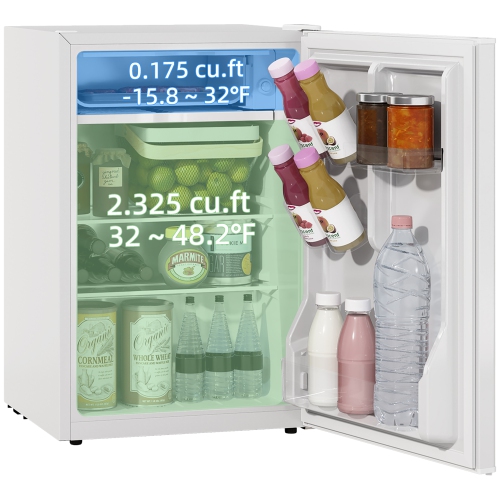
Temperature control is the most important consideration when storing milk. The refrigerator compartment should consistently remain at 4°C or colder, which is the commonly recommended upper limit for safely chilled milk. Since the setting on a compact appliance does not always match the actual temperature inside, place an independent appliance thermometer on a middle shelf and check it after the fridge has had time to cool fully. This simple step can be especially helpful in a nursery or office, where the door may be opened often or the room temperature may change throughout the day. Avoid relying only on a digital display or a numbered dial, as these features indicate the selected setting rather than necessarily showing the temperature around the bottles. Keep milk in sealed containers that are clearly labelled with the contents and date, and place them on an interior shelf rather than in the door, where temperatures can fluctuate more readily. Leave enough space around containers for cool air to circulate, while avoiding overfilling the compartment. A unit with adjustable shelving can accommodate bottles, cartons, small pitchers, and pumping or feeding accessories more easily than a cooler with a fixed interior. For expressed breast milk or prepared formula, follow current guidance from Health Canada, your healthcare provider, or the instructions provided by your feeding specialist, including recommended storage times and handling practices. Use clean, closed containers intended for milk storage, wash removable shelves and trays regularly, and wipe up spills promptly so the interior remains hygienic and easy to inspect.
Capacity and everyday layout can make a noticeable difference, particularly when a mini fridge is used several times a day. A compact interior may be enough for a few bottles and small containers, while a larger mini fridge can hold multiple servings, larger cartons, snacks, and feeding supplies. Measure the available area before buying, including the height beneath cabinets, the space needed to open the door, and the clearance required around the appliance for ventilation. A flat, stable surface is important for countertop models, while freestanding units should be positioned according to the manufacturer’s instructions and kept away from heat sources. Think about the rhythm of use as well: a parent recovering from a late-night feeding may value quiet operation and a convenient location, while someone storing milk at work may prefer adjustable shelves and a compact footprint that fits beneath a desk or inside a break-room area. A dedicated refrigerator can help separate personal milk storage from crowded shared shelves, but it should still be checked regularly for temperature and cleanliness. During the cooler months, avoid assuming that a chilly room will keep milk safe if the appliance loses power, and keep the door closed as much as possible during an outage. A mini fridge is not a replacement for proper storage practices, but a well-sized, compressor-cooled model with verified temperature control can provide dependable access to properly chilled milk wherever a full-size refrigerator is not within easy reach.
Temperature control is the most important consideration when storing milk. The refrigerator compartment should consistently remain at 4°C or colder, which is the commonly recommended upper limit for safely chilled milk. Since the setting on a compact appliance does not always match the actual temperature inside, place an independent appliance thermometer on a middle shelf and check it after the fridge has had time to cool fully. This simple step can be especially helpful in a nursery or office, where the door may be opened often or the room temperature may change throughout the day. Avoid relying only on a digital display or a numbered dial, as these features indicate the selected setting rather than necessarily showing the temperature around the bottles. Keep milk in sealed containers that are clearly labelled with the contents and date, and place them on an interior shelf rather than in the door, where temperatures can fluctuate more readily. Leave enough space around containers for cool air to circulate, while avoiding overfilling the compartment. A unit with adjustable shelving can accommodate bottles, cartons, small pitchers, and pumping or feeding accessories more easily than a cooler with a fixed interior. For expressed breast milk or prepared formula, follow current guidance from Health Canada, your healthcare provider, or the instructions provided by your feeding specialist, including recommended storage times and handling practices. Use clean, closed containers intended for milk storage, wash removable shelves and trays regularly, and wipe up spills promptly so the interior remains hygienic and easy to inspect.
Capacity and everyday layout can make a noticeable difference, particularly when a mini fridge is used several times a day. A compact interior may be enough for a few bottles and small containers, while a larger mini fridge can hold multiple servings, larger cartons, snacks, and feeding supplies. Measure the available area before buying, including the height beneath cabinets, the space needed to open the door, and the clearance required around the appliance for ventilation. A flat, stable surface is important for countertop models, while freestanding units should be positioned according to the manufacturer’s instructions and kept away from heat sources. Think about the rhythm of use as well: a parent recovering from a late-night feeding may value quiet operation and a convenient location, while someone storing milk at work may prefer adjustable shelves and a compact footprint that fits beneath a desk or inside a break-room area. A dedicated refrigerator can help separate personal milk storage from crowded shared shelves, but it should still be checked regularly for temperature and cleanliness. During the cooler months, avoid assuming that a chilly room will keep milk safe if the appliance loses power, and keep the door closed as much as possible during an outage. A mini fridge is not a replacement for proper storage practices, but a well-sized, compressor-cooled model with verified temperature control can provide dependable access to properly chilled milk wherever a full-size refrigerator is not within easy reach.
Top selling and popular products
-
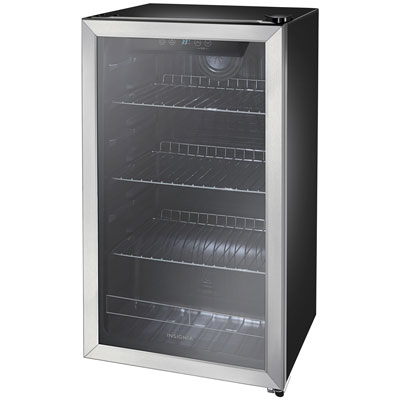 Your price for this item is $349.99
 -
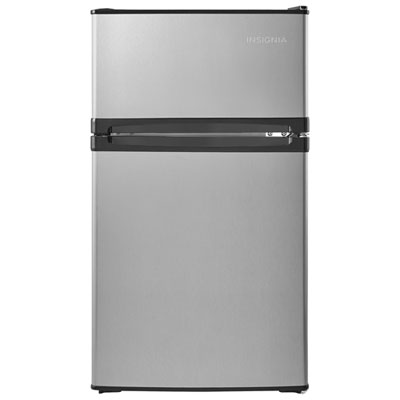 Your price for this item is $299.99
 -
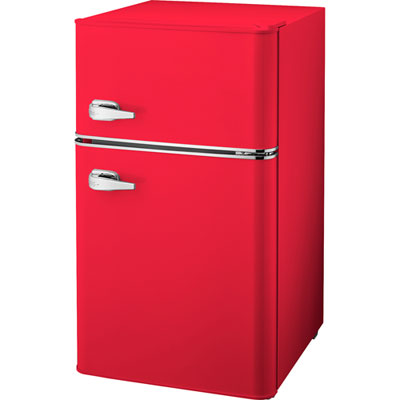 Your price for this item is $199.97
 -
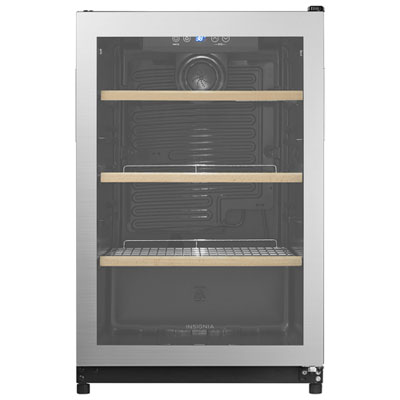 Your price for this item is $329.99
 -
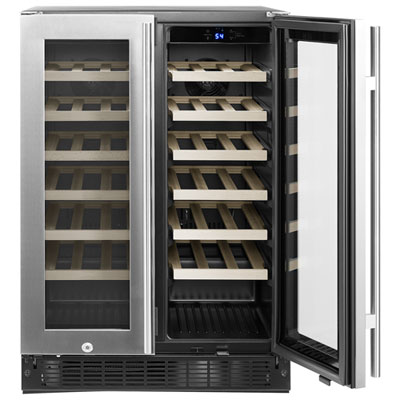 Your price for this item is $999.99
 -
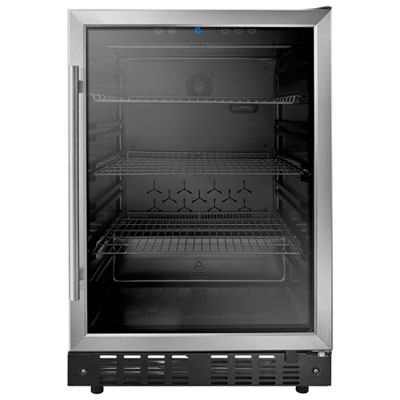 Your price for this item is $699.99
 -
 Your price for this item is $599.99
 -
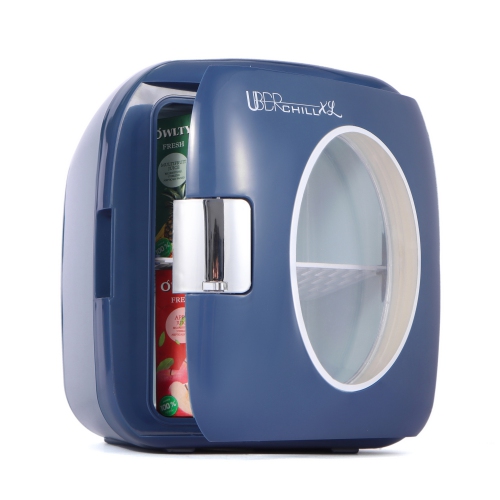 Your price for this item is $169.99
Discover more categories related to Mini Fridges for Milk Storage
Top Collections:
Pokemon Centers, Kindle Devices, Best Budget Office Chairs, Apple iPhones 16, Best Laptops for Writers, iPhone 15 Apple, Canon G7X Cameras, Refurbished Apple Laptops, Alarm Clock, Motorola Razr Phones
Some products may be subject to Environmental Handling Fees
(EHF) depending on your province.
Learn more about EHFs.