Mini Freezers for Breast Milk Storage
A mini-freezer is a great tool for storing and preserving breast milk. It can be used to store breast milk for later use or to store frozen breast milk for when your baby needs feeding. A mini freezer can also be used to store other food items such as baby food, ice cream, and yogurt. Here are some great mini-freezers for breast milk available today.
Sort
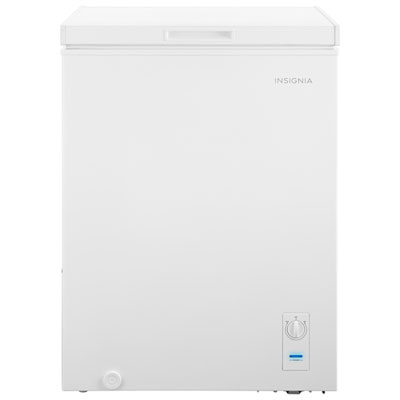
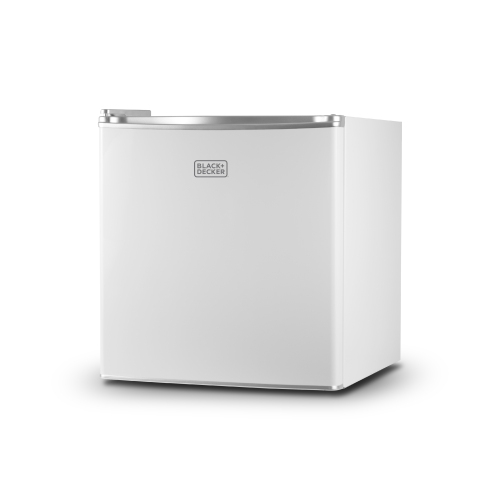
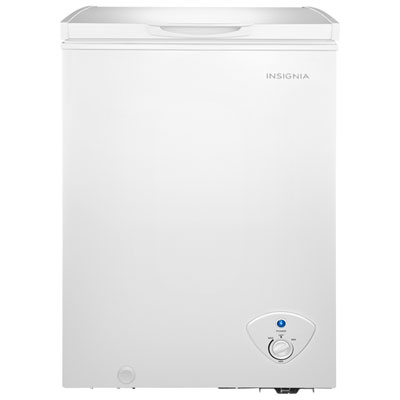
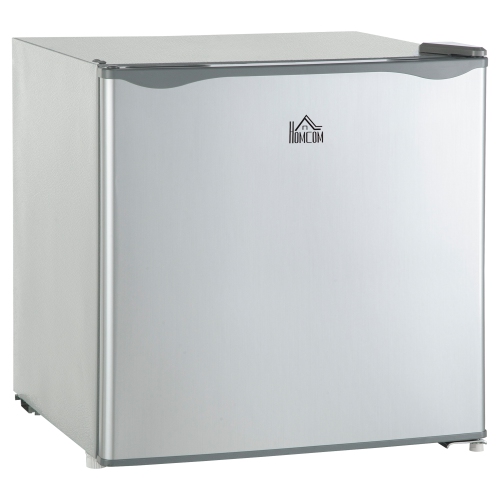
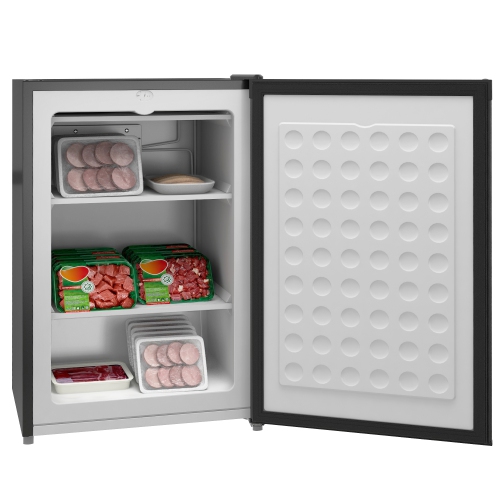
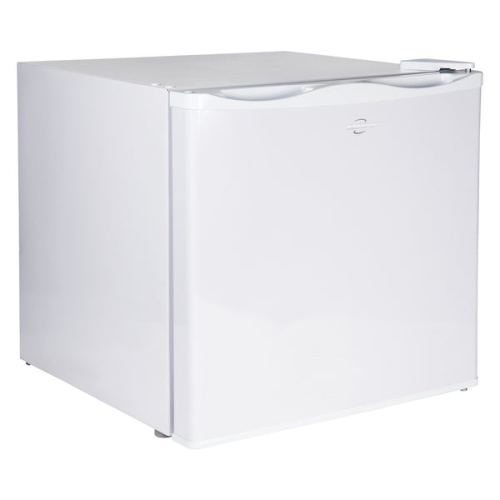
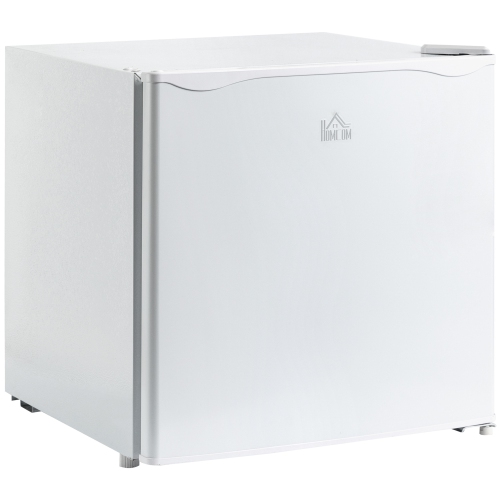
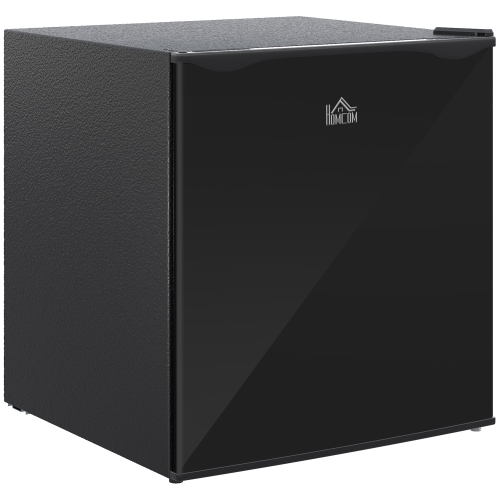
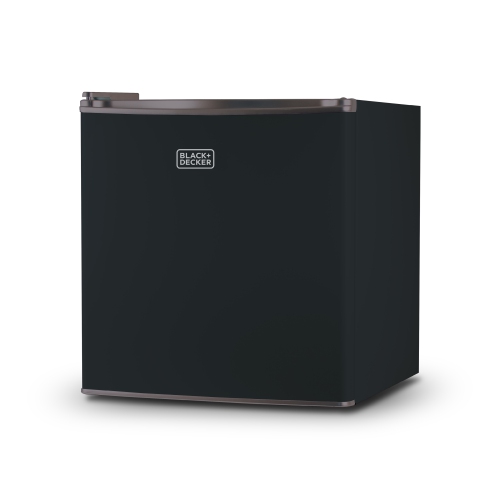
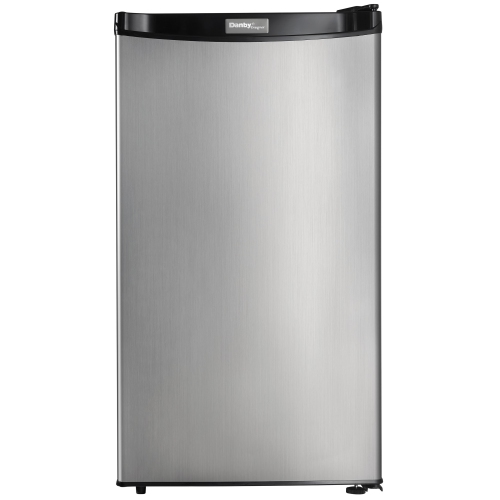

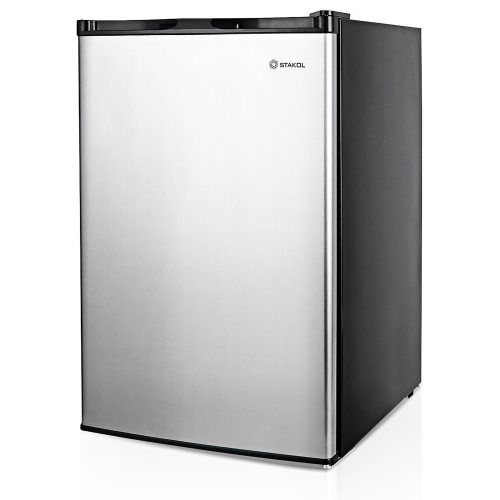
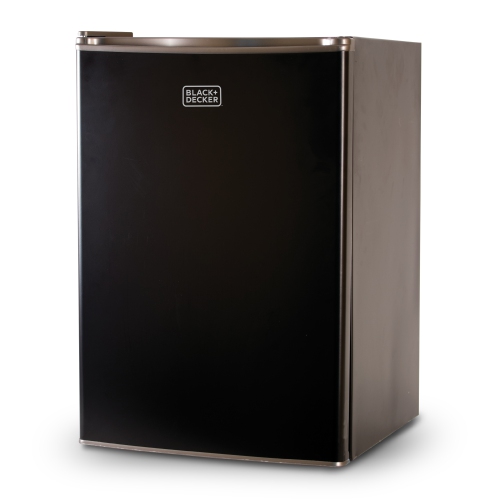
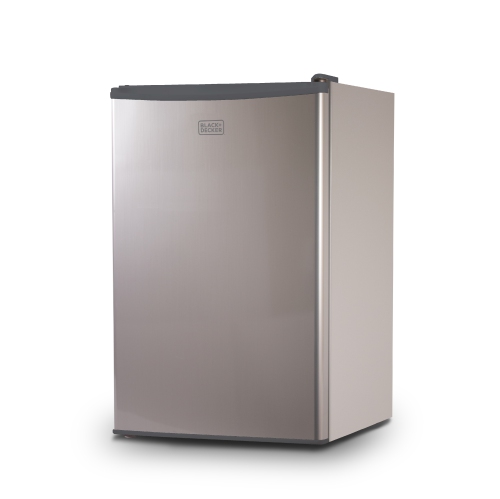
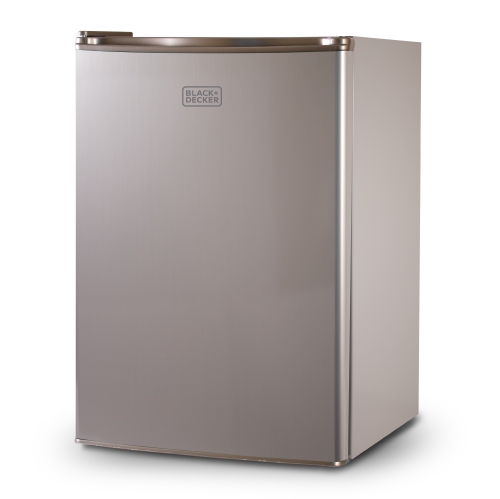
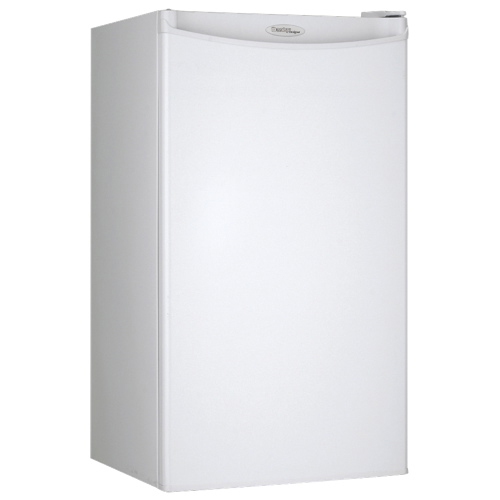
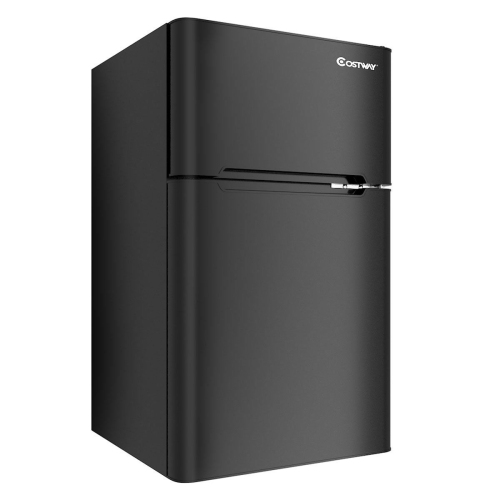
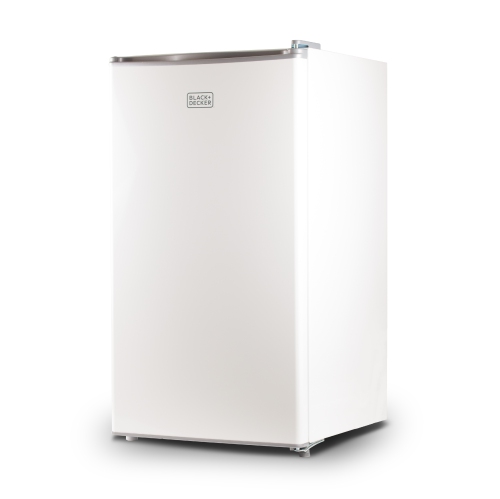
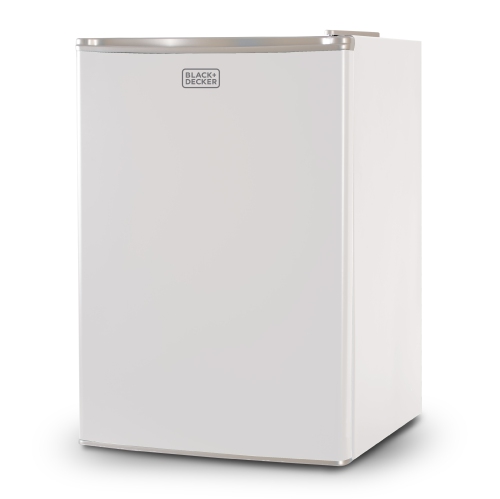
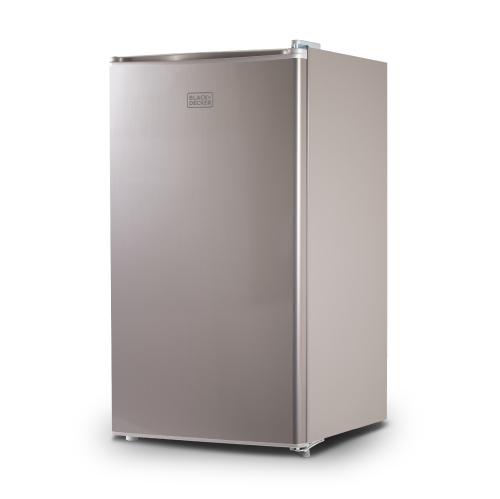
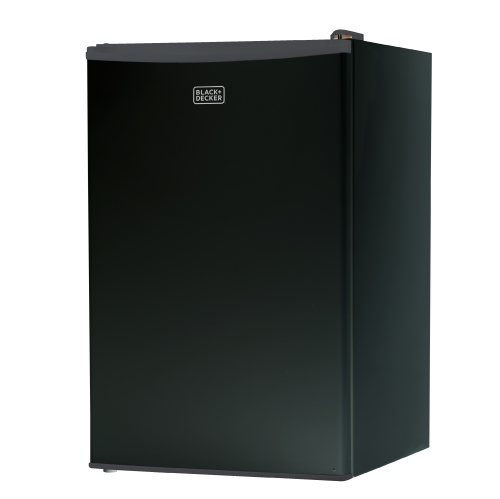
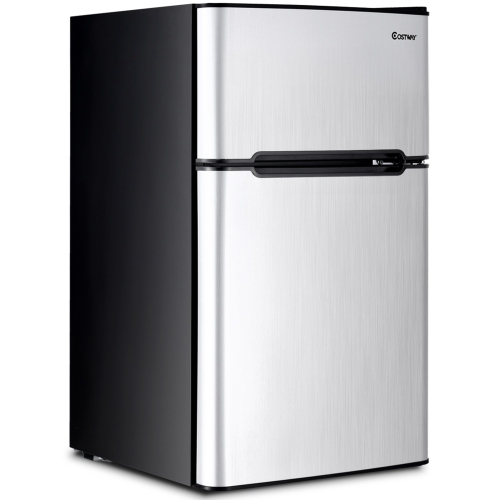
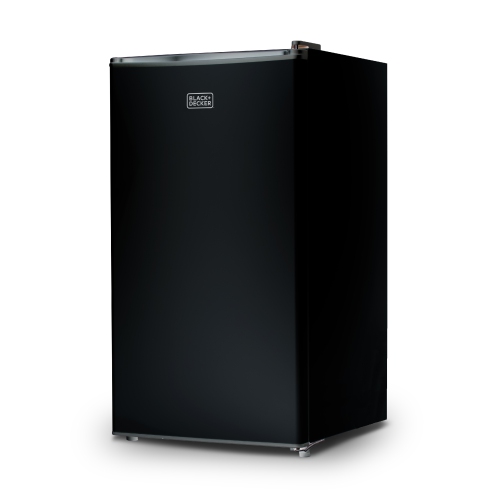

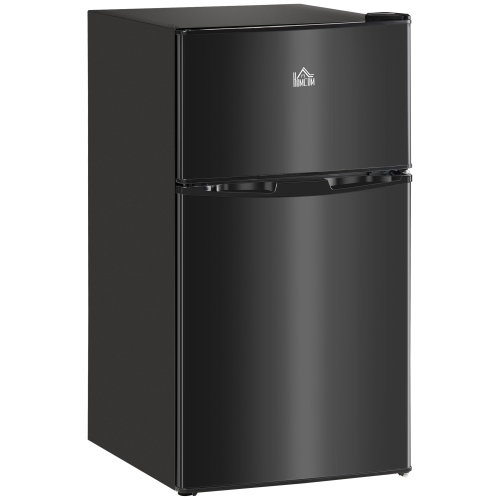
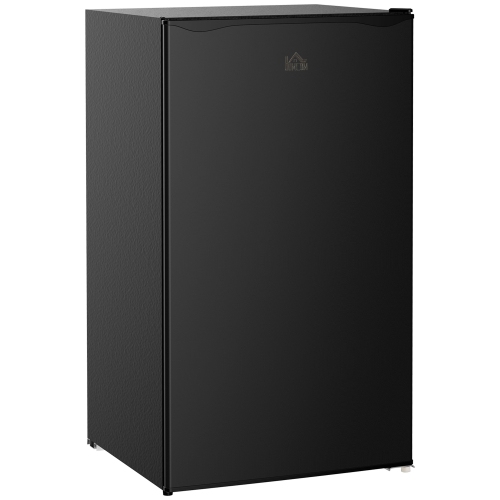
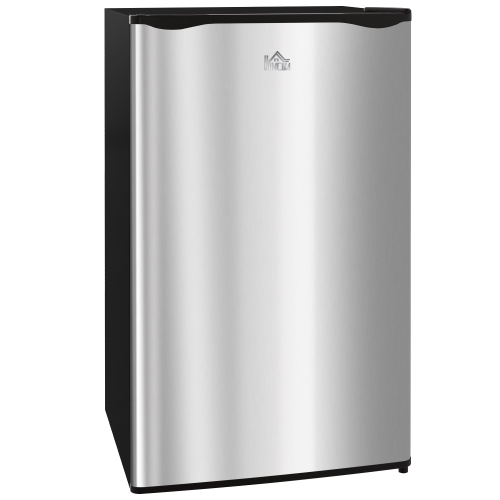
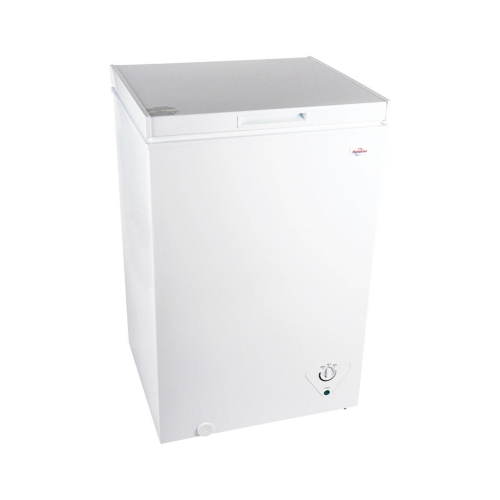
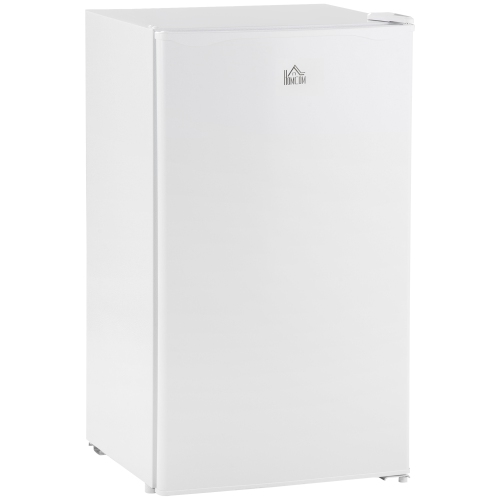
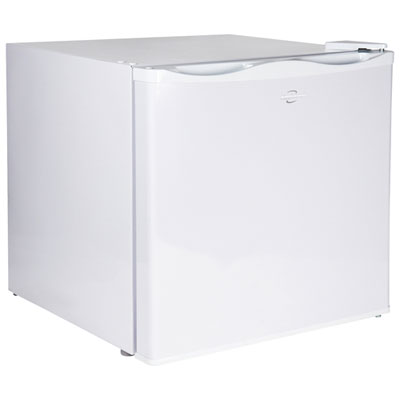
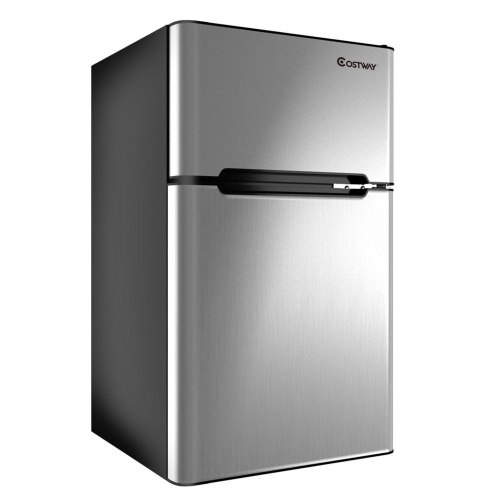
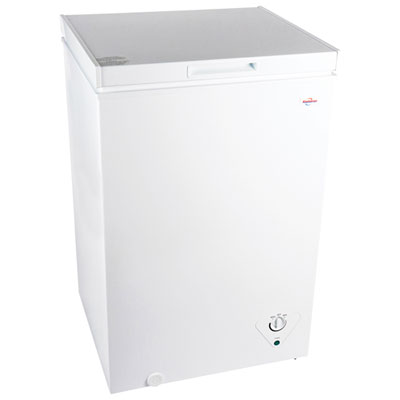
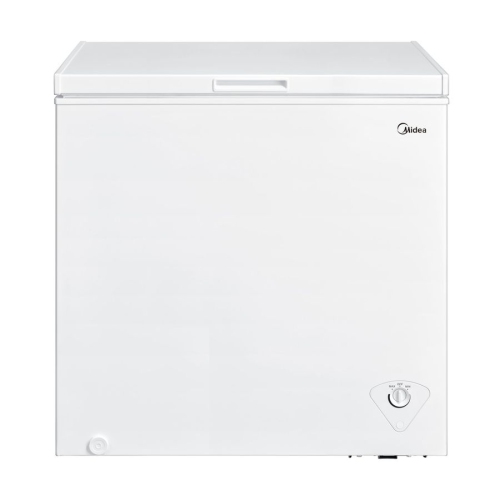
More organized milk storage without crowding the family freezer
Mini freezers for breast milk storage provide a dedicated place for expressed milk without taking over the family’s main freezer. For parents who pump regularly, share feeding responsibilities or prepare portions for childcare, a separate appliance can make daily routines more organized. Labelled bags remain together, bottles have their own space, and the next feed is easier to find among neatly arranged portions rather than frozen groceries. The essential consideration is reliable freezing: breast milk should be stored in a freezer that maintains −18°C or colder. A compact refrigerator’s small ice compartment is not automatically equivalent to a separate freezer, and a portable cooler should not be assumed to freeze milk simply because it keeps drinks cold. An adjustable thermostat and an independent freezer thermometer make it easier to check that the appliance is operating at the appropriate temperature. Capacity matters, but usable interior space can be more meaningful than the exterior size or stated volume alone. Flat storage bags, upright bottles and small organizing bins each occupy space differently. A parent freezing a few portions between feeds may need a different layout from someone building a larger supply before returning to work. Leaving room to reach the oldest portions also helps prevent newer bags from hiding milk that should be used first. For healthy, full-term infants, commonly used breast milk storage guidance considers frozen milk best used within six months, with up to twelve months acceptable when continuously stored at −18°C or colder; freezing does not mean quality stays unchanged indefinitely. Families caring for a premature or medically vulnerable baby should follow their care team’s storage instructions. A dedicated mini freezer supports an organized feeding routine, but safe storage still depends on clean handling, suitable containers, clear dates and a consistently maintained freezing temperature.
When comparing Mini Freezers for this purpose, the shape of the cabinet and the arrangement inside it deserve as much attention as overall capacity. Compact upright designs can provide a clear view of dated portions on shelves or in drawers, while top-opening designs may suit households that prefer grouped storage in removable baskets. A deep compartment can hold plenty of milk but may make individual bags harder to retrieve unless portions are separated by date. Removable or adjustable shelves offer flexibility for taller bottles, although their placement must follow the appliance instructions and leave any required airflow paths clear. Before choosing a footprint, account for the door swing, ventilation clearances and the space needed to pull out a drawer or lift a basket comfortably. A freezer that fits neatly beneath a counter is not necessarily approved for built-in installation; many freestanding models need open space around the cabinet to release heat. Countertop placement likewise requires a stable surface that can support the appliance’s loaded weight. A reversible door can be useful in a small kitchen or feeding preparation area, particularly where a nearby cupboard would otherwise block access. Noise also matters when the proposed location is close to a bedroom, since compressor cycling may be noticeable in a quiet room. For an office or shared space, consider access to a suitable electrical outlet and whether the freezer can remain securely positioned without obstructing a walkway. Portable compressor freezers serve a different role from stationary appliances: they may suit certain travel or work arrangements, but their freezing range, power requirements and ability to maintain temperature during the intended use need careful checking. Portability alone does not guarantee uninterrupted frozen storage. For any format, a temperature display, an open-door alert or a high-temperature alarm can be useful features where included, while an accessible thermometer provides a straightforward way to verify conditions inside.
The practical details of construction and care become especially noticeable when a mini freezer is opened repeatedly during a busy feeding routine. Smooth interior liners, removable drawers and accessible corners make cleaning simpler, while sturdy shelves and baskets help support filled containers without awkward stacking. Exterior finishes are largely a matter of preference, but a surface that wipes clean easily can be helpful near a milk preparation area. A well-fitting door gasket is more important than appearance: it should seal evenly, stay free of trapped bags and be checked for damage as part of regular care. Storage containers do their own important work inside the appliance. Purpose-made breast milk freezer bags and food-safe containers intended for freezing should be used according to their instructions, with room left for expansion rather than filling them to the brim. Smaller portions, often around 60 to 120 mL, can make it easier to thaw an amount suited to a feed and reduce leftover milk, although the most useful portion size depends on the baby’s needs. Where container instructions allow, bags frozen flat can later be arranged upright in a bin so their dates remain visible. Bottles need sufficient shelf height and a stable base, and neither format should be packed so tightly that it prevents the door from closing properly. Keeping milk towards the back rather than in door storage helps limit exposure to temperature changes when the freezer is opened. A simple oldest-first arrangement can be particularly helpful when several caregivers share feeding duties: a clearly marked bin at the front saves searching while holding a hungry baby. Manual-defrost designs require occasional planned defrosting, with milk transferred to another suitable freezer so it remains frozen throughout the process. Automatic-defrost designs can reduce that maintenance task, but still need regular cleaning and temperature checks. Gentle cleaning methods specified by the manufacturer help protect liners and seals; sharp tools should never be used to chip away ice. For a household gift, a dedicated freezer can be a thoughtful contribution when the recipient has expressed a need for one, provided its dimensions, placement and preferred feeding routine are confirmed first. The most suitable choice is an appliance whose size, layout and everyday upkeep fit naturally into the home, keeping expressed milk organized without adding unnecessary work.
When comparing Mini Freezers for this purpose, the shape of the cabinet and the arrangement inside it deserve as much attention as overall capacity. Compact upright designs can provide a clear view of dated portions on shelves or in drawers, while top-opening designs may suit households that prefer grouped storage in removable baskets. A deep compartment can hold plenty of milk but may make individual bags harder to retrieve unless portions are separated by date. Removable or adjustable shelves offer flexibility for taller bottles, although their placement must follow the appliance instructions and leave any required airflow paths clear. Before choosing a footprint, account for the door swing, ventilation clearances and the space needed to pull out a drawer or lift a basket comfortably. A freezer that fits neatly beneath a counter is not necessarily approved for built-in installation; many freestanding models need open space around the cabinet to release heat. Countertop placement likewise requires a stable surface that can support the appliance’s loaded weight. A reversible door can be useful in a small kitchen or feeding preparation area, particularly where a nearby cupboard would otherwise block access. Noise also matters when the proposed location is close to a bedroom, since compressor cycling may be noticeable in a quiet room. For an office or shared space, consider access to a suitable electrical outlet and whether the freezer can remain securely positioned without obstructing a walkway. Portable compressor freezers serve a different role from stationary appliances: they may suit certain travel or work arrangements, but their freezing range, power requirements and ability to maintain temperature during the intended use need careful checking. Portability alone does not guarantee uninterrupted frozen storage. For any format, a temperature display, an open-door alert or a high-temperature alarm can be useful features where included, while an accessible thermometer provides a straightforward way to verify conditions inside.
The practical details of construction and care become especially noticeable when a mini freezer is opened repeatedly during a busy feeding routine. Smooth interior liners, removable drawers and accessible corners make cleaning simpler, while sturdy shelves and baskets help support filled containers without awkward stacking. Exterior finishes are largely a matter of preference, but a surface that wipes clean easily can be helpful near a milk preparation area. A well-fitting door gasket is more important than appearance: it should seal evenly, stay free of trapped bags and be checked for damage as part of regular care. Storage containers do their own important work inside the appliance. Purpose-made breast milk freezer bags and food-safe containers intended for freezing should be used according to their instructions, with room left for expansion rather than filling them to the brim. Smaller portions, often around 60 to 120 mL, can make it easier to thaw an amount suited to a feed and reduce leftover milk, although the most useful portion size depends on the baby’s needs. Where container instructions allow, bags frozen flat can later be arranged upright in a bin so their dates remain visible. Bottles need sufficient shelf height and a stable base, and neither format should be packed so tightly that it prevents the door from closing properly. Keeping milk towards the back rather than in door storage helps limit exposure to temperature changes when the freezer is opened. A simple oldest-first arrangement can be particularly helpful when several caregivers share feeding duties: a clearly marked bin at the front saves searching while holding a hungry baby. Manual-defrost designs require occasional planned defrosting, with milk transferred to another suitable freezer so it remains frozen throughout the process. Automatic-defrost designs can reduce that maintenance task, but still need regular cleaning and temperature checks. Gentle cleaning methods specified by the manufacturer help protect liners and seals; sharp tools should never be used to chip away ice. For a household gift, a dedicated freezer can be a thoughtful contribution when the recipient has expressed a need for one, provided its dimensions, placement and preferred feeding routine are confirmed first. The most suitable choice is an appliance whose size, layout and everyday upkeep fit naturally into the home, keeping expressed milk organized without adding unnecessary work.
Top selling and popular products
-
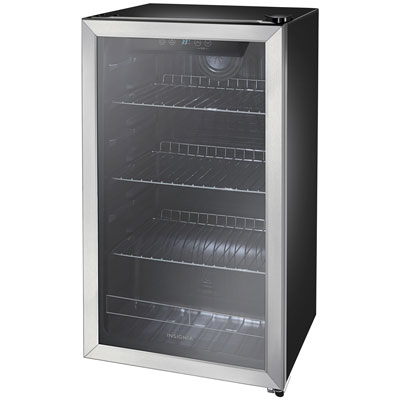 Your price for this item is $349.99
 -
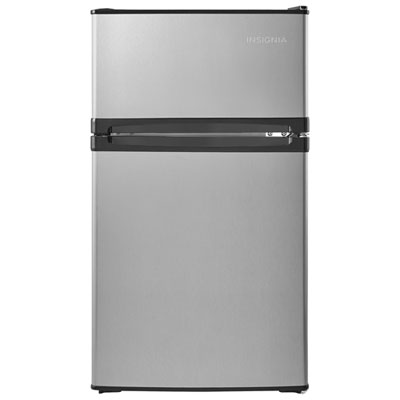 Your price for this item is $299.99
 -
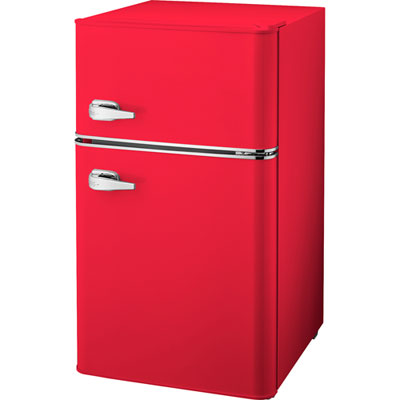 Your price for this item is $199.97
 -
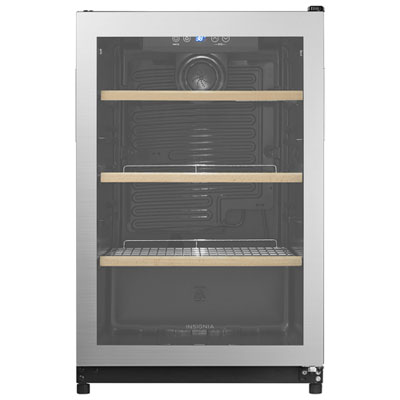 Your price for this item is $329.99
 -
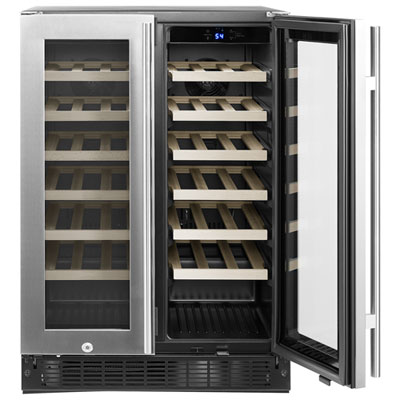 Your price for this item is $999.99
 -
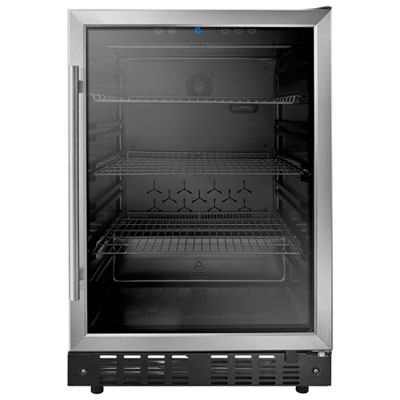 Your price for this item is $699.99
 -
 Your price for this item is $599.99
 -
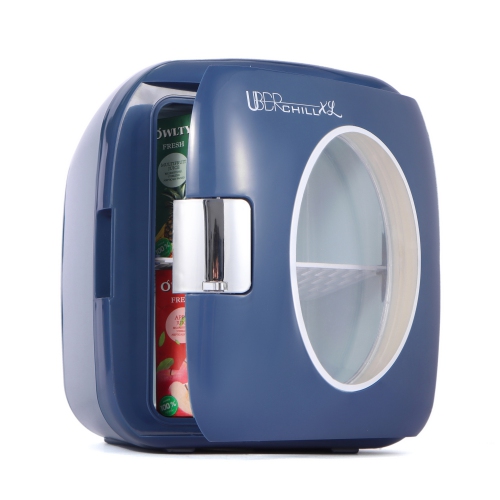 Your price for this item is $169.99
Discover more categories related to Mini Freezers for Breast Milk Storage
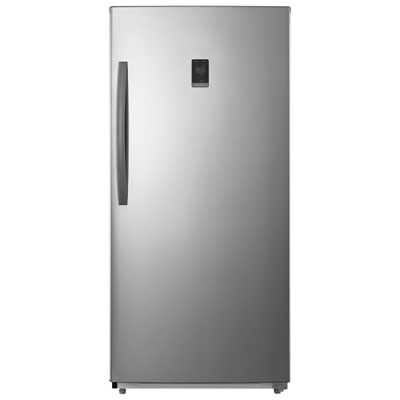
Top Collections:
Pokemon Centers, Kindle Devices, Best Budget Office Chairs, Apple iPhones 16, Best Laptops for Writers, iPhone 15 Apple, Canon G7X Cameras, Refurbished Apple Laptops, Alarm Clock, Motorola Razr Phones
Some products may be subject to Environmental Handling Fees
(EHF) depending on your province.
Learn more about EHFs.