Mini Fridges For Dorm
Mini Fridges For Dorm offer a convenient solution for keeping snacks, drinks, and essentials close at hand in your college living space. Perfect for fitting into compact areas, these mini fridges help make the most of limited room while providing easy access to refreshments. Whether you’re looking to store leftovers or keep beverages chilled, Mini Fridges For Dorm are designed to meet the needs of student life and busy schedules. Find the right option to suit your dorm setup and enjoy added convenience throughout the school year.
Sort
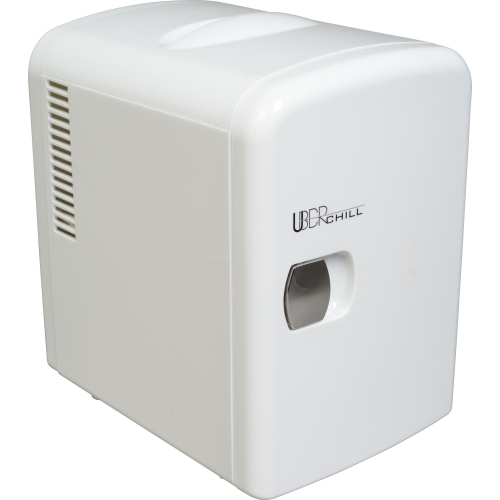

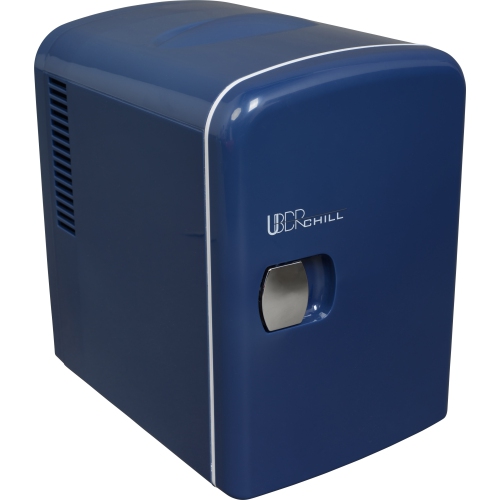
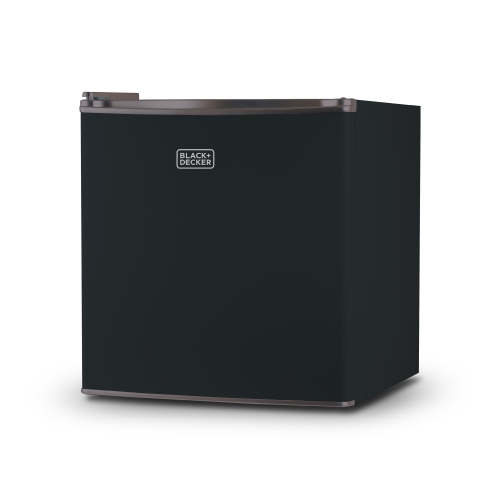
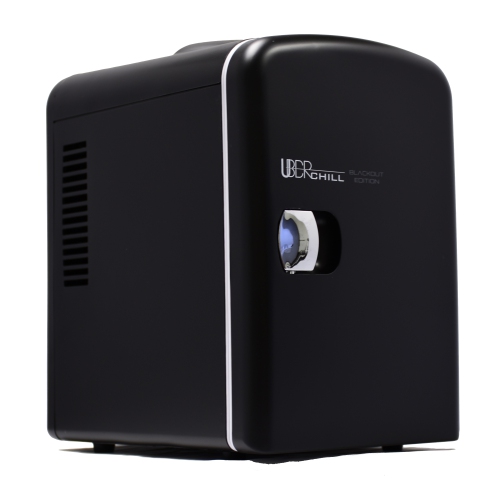
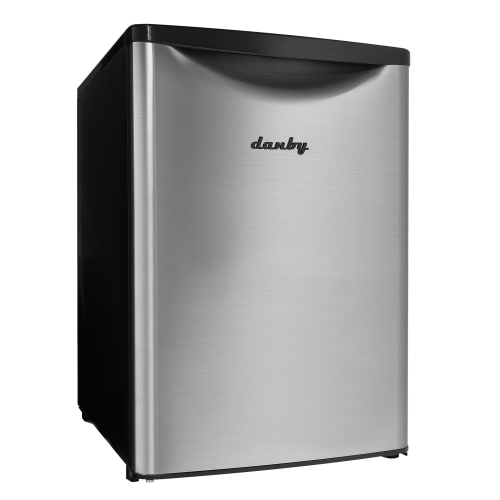
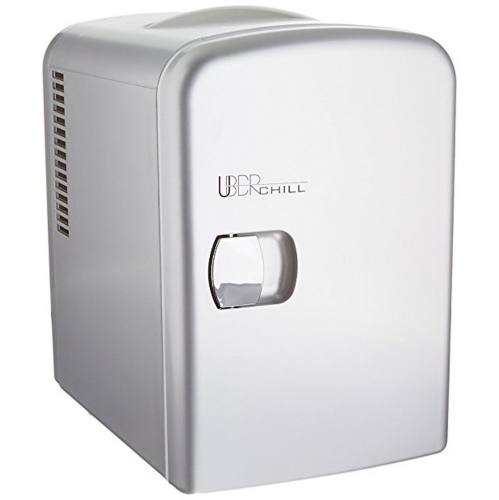
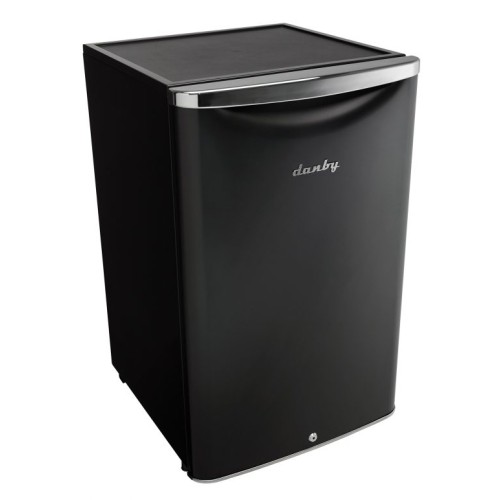

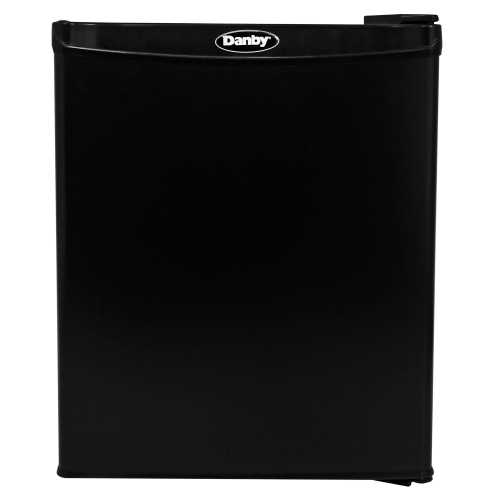
How much fridge fits your room and routine
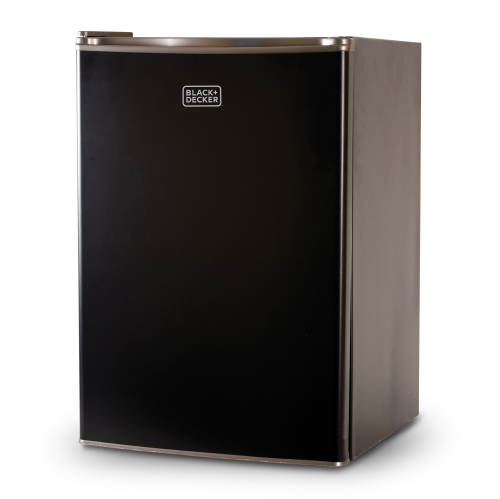
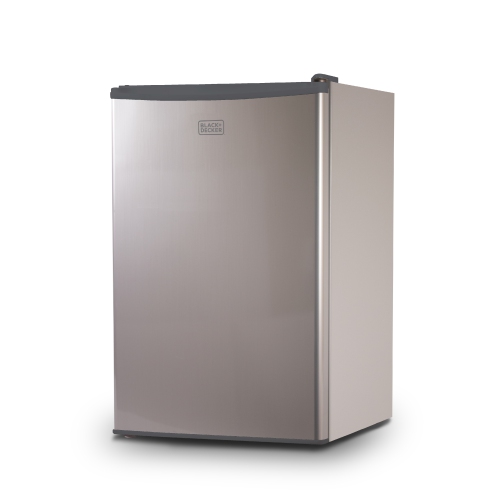
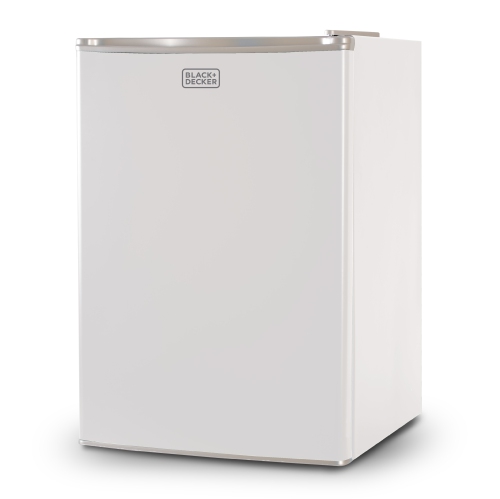
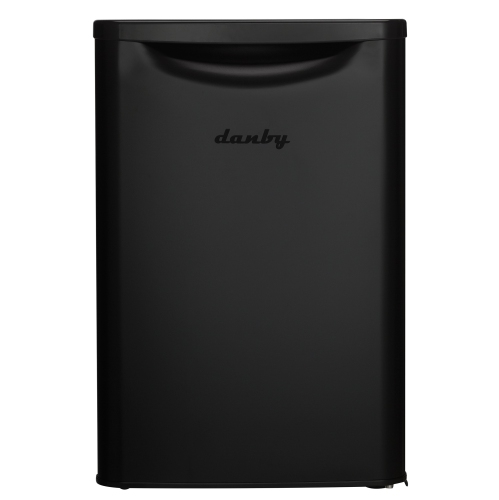
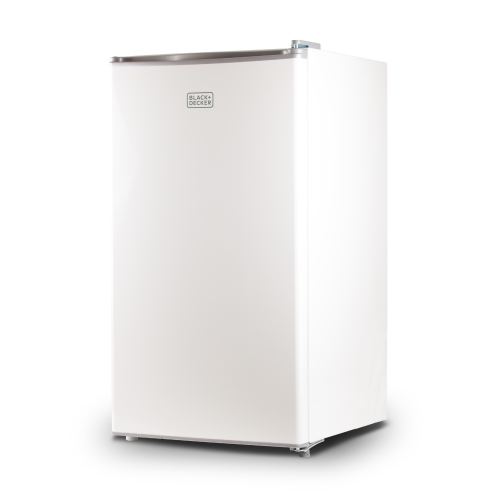
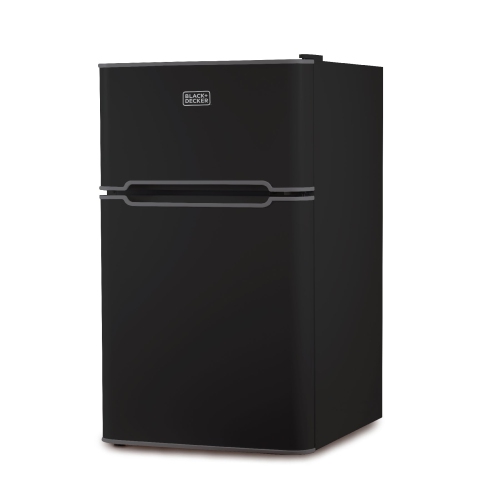
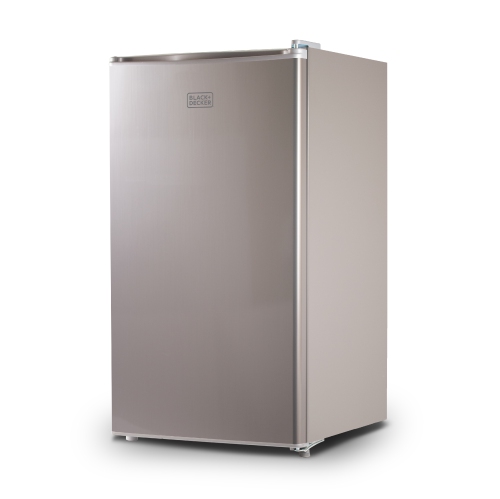
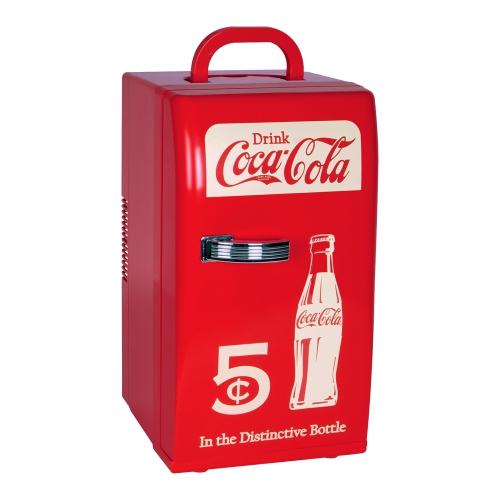
A mini fridge for a dorm room gives students a place to keep breakfast, snacks and leftovers close at hand, especially when the kitchen is down the hall or shared by an entire floor. A compact fridge around 1.6 cu. ft. (45 L) can work well for one person who mainly needs room for yogurt, drinks and the occasional takeout container. A roomier fridge around 3.2 cu. ft. (91 L) can make more sense for two roommates or for a student who brings several meals back from home at once. Capacity tells only part of the story. A removable shelf can make room for a tall milk carton, while a split shelf can leave space for that carton without giving up a spot for a bowl of fruit. A door rack that holds a bottle upright may be more useful than a row of can slots for someone who rarely buys canned drinks. It helps to picture the groceries that will actually go inside: a stack of shallow meal containers is easier to fit than a wide takeout box, even when both hold the same amount of food. The distinction between a chiller and a freezer matters, too. A small chiller compartment may be handy for keeping drinks extra cold, but it should not be counted on to store frozen food unless the manufacturer specifies that it can. A two-door mini fridge with a dedicated freezer makes more sense for students who regularly keep frozen meals or want room for ice without rearranging the fridge shelves. For milk, leftovers and other perishables, look for a refrigerator designed to hold food at 4°C or below; a compact cooler meant only for beverages is not necessarily suitable for that job.
Residence rules can narrow the choice before shelf layouts and finishes come into play. Some colleges and universities limit fridge capacity, exterior dimensions or wattage, and some allow only one fridge per room. For students comparing Compact Mini Fridges for School Dorm, the most useful measurements are the ones taken with the room laid out as it will actually be used. A fridge might fit at the end of a desktop with its door shut but bump into the bed frame when opened, or leave too little room to pull out the bottom drawer. Measure the width, height and depth of the intended spot, including any baseboard that pushes the fridge forward, and account for the handle, hinges and ventilation clearances specified in the manual. A reversible door can help in a tight corner, particularly when the only spot is beside a wardrobe or against a wall. An open spot under a desktop may work if it leaves the required space for airflow; a freestanding fridge should not be tucked into a closed cabinet unless it is designed for that installation. The cord also needs to reach a suitable wall outlet without crossing a walkway or getting pinched behind furniture. Sound is another practical detail in a room that doubles as a study and sleeping space. Compressor fridges can hum or click as they cycle, so a spot away from the head of the bed can be preferable. Setting the fridge on a firm, level surface can help reduce rattling. In a shared room, settling on a location and dividing up the shelf space before move-in can spare both roommates from shifting furniture or moving each other’s food later.
The materials and layout inside a dorm mini fridge make a difference over a school year of spills, grocery runs and cleanouts. Smooth plastic liners and removable door bins are easy to wipe after a leaky dressing container or a carton that drips down the side. Solid glass shelves can catch small spills before they reach the food below, while wire shelves let air pass through and leave less surface to wipe. On the outside, a coated metal cabinet is generally easy to clean with a soft cloth, though it still pays to use the cleaner specified in the manual. Shelf supports and door bins take much of the day-to-day wear, so check their load limits before putting several heavy bottles on the same rack. Keeping crumbs and sticky residue off the door gasket helps it close properly, and leaving a little space around containers makes it easier for air to circulate. A small fridge thermometer is useful when the dial has numbers but no temperature markings. Models with a manual-defrost compartment also need occasional care: follow the manual when frost builds up rather than scraping it away with a sharp utensil. When a fridge is taken out of use between terms, emptying it, cleaning it and letting the interior dry with the door propped open can prevent lingering odours. How a student eats is often the best clue to which features will matter. Someone on a meal plan may need little more than a shelf for breakfast and a spot for a water bottle, while a student who comes back from an evening lab or shift after the dining hall closes may rely on it to hold a few ready-to-heat dinners. A mini fridge can also be a practical gift for a student moving into residence. Confirming the housing rules and checking whether a roommate is already bringing one makes that gift more likely to earn its floor space.
Top selling and popular products
-
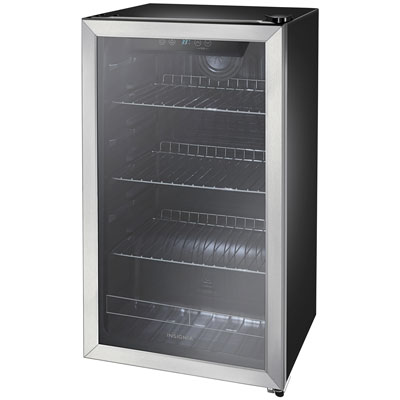 Your price for this item is $249.99
-
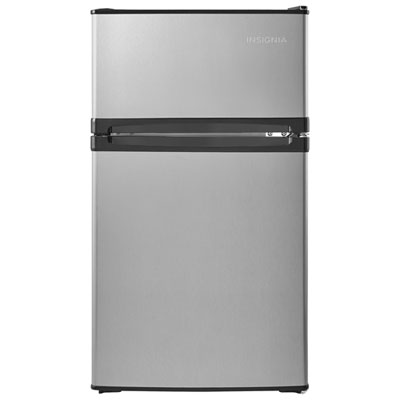 Your price for this item is $179.99
-
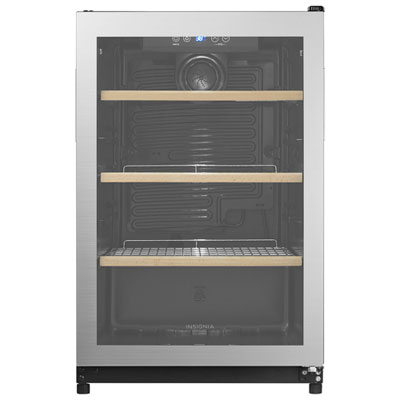 Your price for this item is $349.99
-
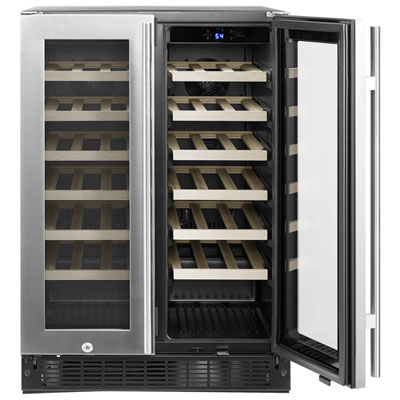 Your price for this item is $649.99
-
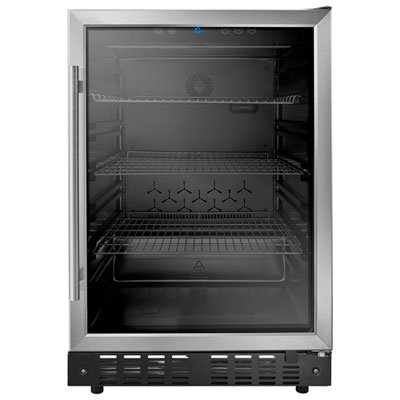 Your price for this item is $399.99
-
 Your price for this item is $699.99
-
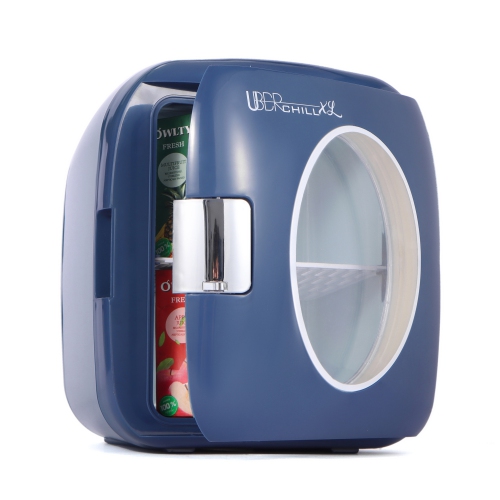 Your price for this item is $169.99
-
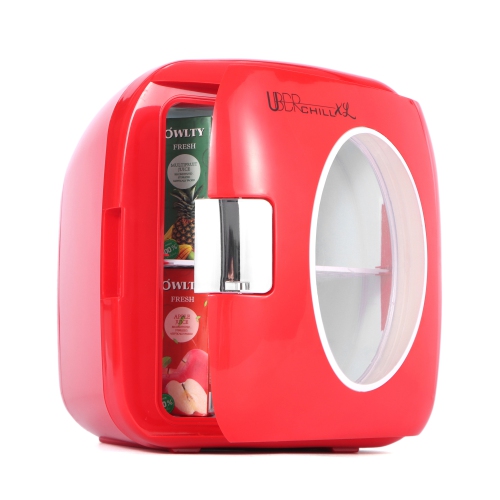 Your price for this item is $169.99
Discover more categories related to Mini Fridges For Dorm
Top Collections:
Best Black Friday Deals This Year, Best Black Friday Deals On Electronics, Kindle Devices, Pokemon Centers, Best Black Friday Deals On Apple Products, Best Cameras for Sports Photography, Dyson Airwrap, Pokémon 30th Celebration Cards, Apple iPhone 17 Pro, Canon G7X Cameras
Some products may be subject to Environmental Handling Fees
(EHF) depending on your province.
Learn more about EHFs.