Modern Kitchen Essentials
Transform your culinary space with modern kitchen essentials designed to elevate both style and functionality. Whether you're preparing daily meals or entertaining guests, the right tools and appliances can make all the difference. Explore a curated selection of innovative gadgets, sleek cookware, and versatile accessories that bring convenience and sophistication to your kitchen. Discover how modern kitchen essentials can help you create a seamless cooking experience while complementing any contemporary home décor.
Sort
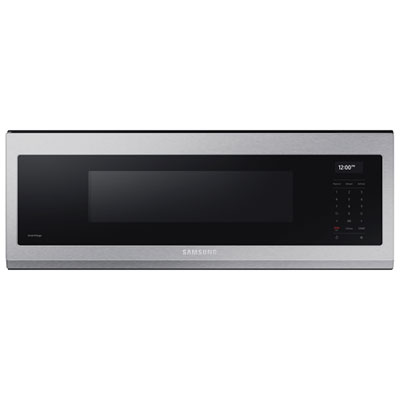
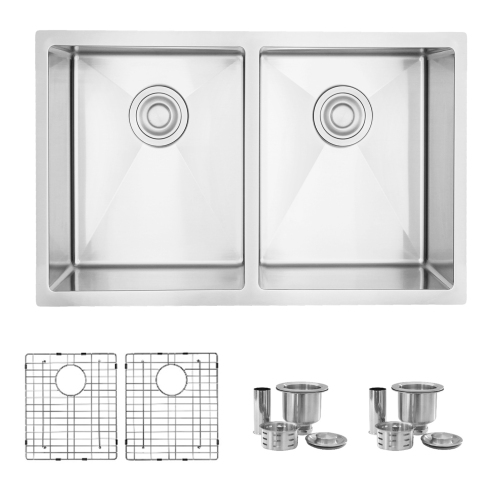


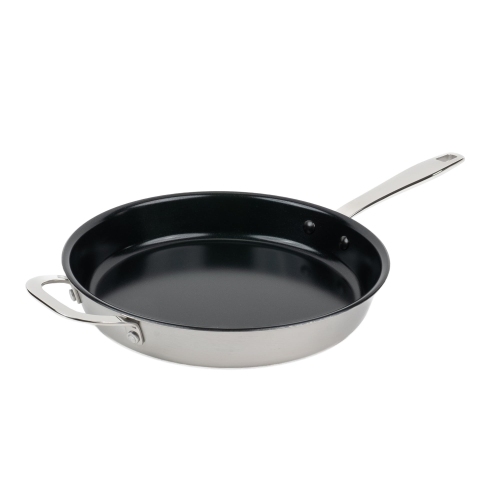


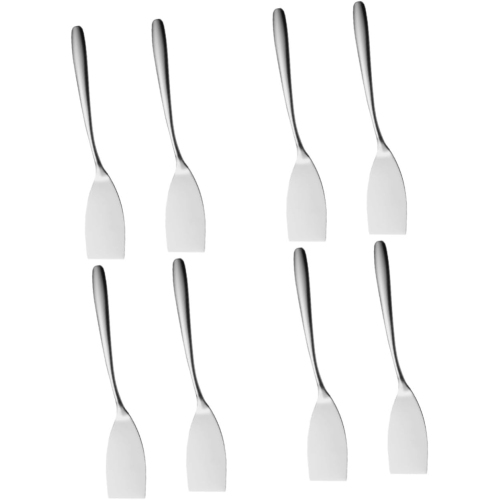

Everyday cooking starts with pieces that earn their place
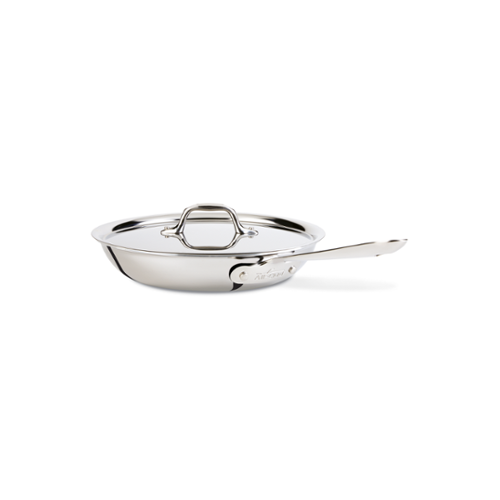
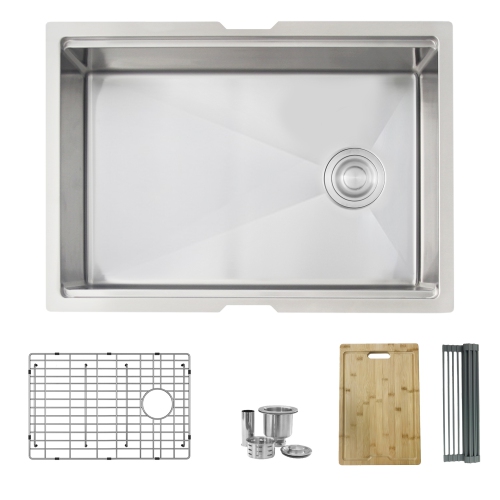
Modern kitchen essentials bring together versatile cookware, dependable preparation tools, compact appliances, and practical storage that make everyday cooking feel less cluttered. The emphasis is on pieces that earn their place: a pan that moves from sautéing vegetables to finishing a sauce, a mixing bowl with enough room to toss a salad, or utensils that feel comfortable through a full evening of meal preparation. A modern look can include clean lines, coordinated finishes, and neatly arranged counters, but usefulness matters just as much as appearance. Cookware materials play a large part in that balance. Stainless steel offers a durable cooking surface for browning and deglazing, while an aluminum or copper core can help distribute heat more evenly. Cast iron retains heat well for searing and slow cooking, although its weight makes secure handles especially important. Enamelled cast iron adds a coated surface that does not require the same seasoning routine as bare cast iron. Non-stick cookware suits delicate foods such as eggs and fish, with care requirements that typically include gentle cleaning and utensils compatible with the coating. Carbon steel offers another option for high-heat cooking, developing a seasoned surface with appropriate use and maintenance. Compatibility is essential: induction cooktops require suitable magnetic cookware, and oven use depends on the stated limits of the entire piece, including its handles and lid. Size also affects everyday convenience. A broad cooking surface gives ingredients room to brown, while deeper sides help contain sauces and larger batches. For smaller households, manageable pieces may be more useful than oversized cookware that takes up most of the sink. Close-fitting lids, balanced handles, and shapes that stack neatly can make a noticeable difference in a busy kitchen. Multi-use designs are especially practical where cupboard space is limited, provided their dimensions and cooking performance suit the meals being made. Heat-resistant utensils and suitable trivets complete the setup, helping protect cooking surfaces and counters while keeping the journey from stovetop to table straightforward.
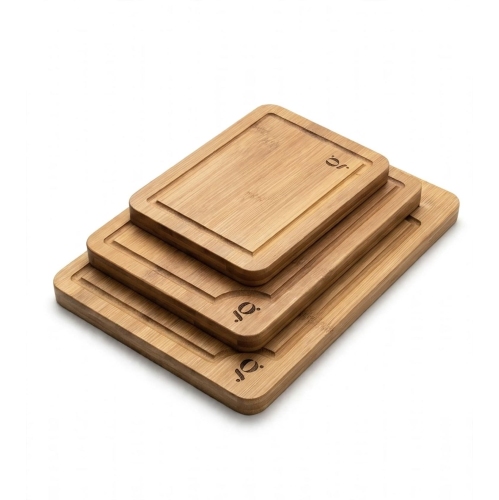
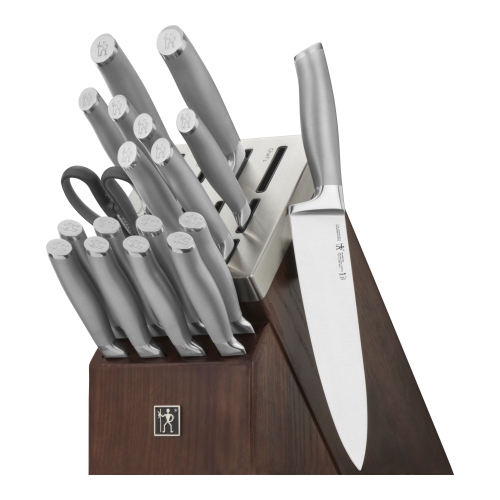
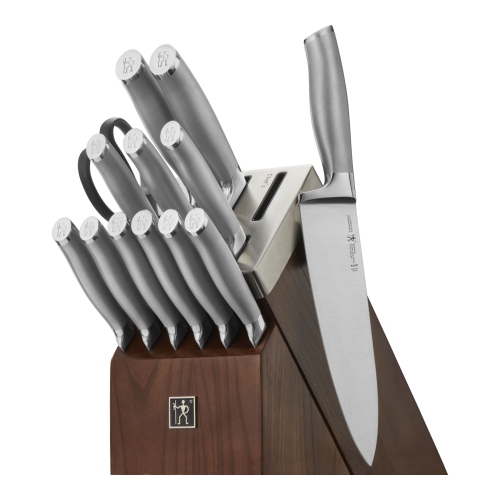
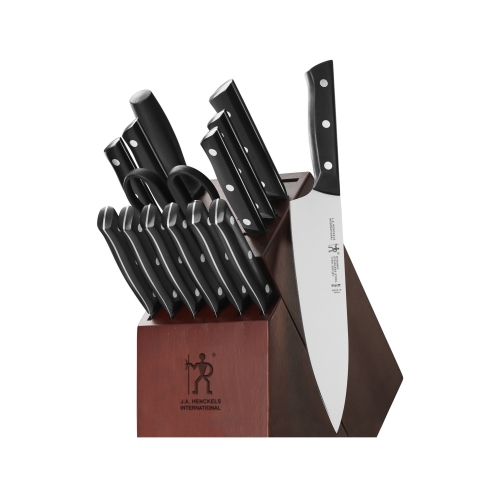
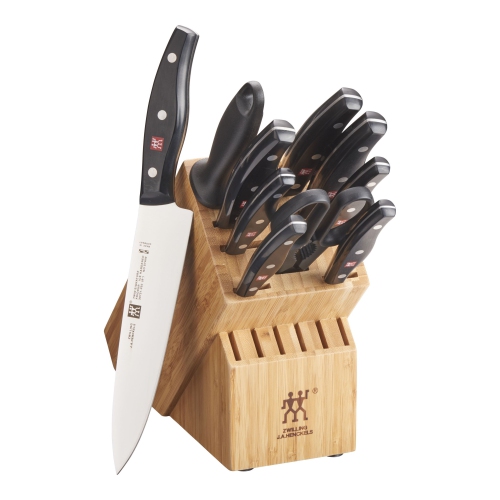
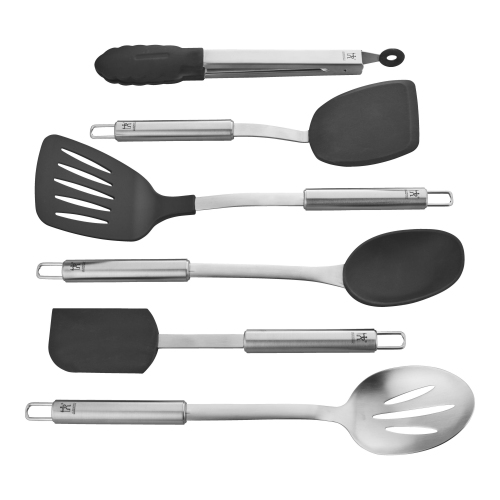
Preparation tools support the quieter work behind a good meal: chopping onions, measuring flour, draining pasta, and scraping the last spoonful of batter from a bowl. A comfortable chef’s knife can handle much of the slicing and chopping involved in everyday cooking, while smaller blades suit more detailed tasks. Handle shape, grip, and balance matter as much as blade length, particularly for someone who prepares several meals at home each day. Safe storage protects both the cutting edge and the person reaching into a drawer; a fitted tray, protective sheath, or securely installed magnetic holder can keep blades separated from loose utensils. Cutting boards need a stable working surface and enough room for ingredients without crowding the counter. Wood requires appropriate washing, drying, and occasional conditioning according to its care instructions, while some plastic boards offer dishwasher-compatible convenience. Separate boards for raw proteins and ready-to-eat foods help reduce cross-contamination, and deeply scored boards can become harder to clean thoroughly. Mixing bowls, measuring cups, and spoons bring consistency to baking and cooking, particularly when markings are easy to read and bases remain steady during use. Nesting shapes save cupboard space, though enough clearance between pieces makes them easier to lift out without rearranging everything. Glass allows a clear view of contents, stainless steel is durable and relatively light, and plastic can be convenient where weight is a concern; suitability for microwaves, freezers, or dishwashers varies by design. Small details often determine which tools get used most. Tongs with a comfortable spring action, a flexible spatula that follows the curve of a bowl, and a whisk that fits inside a saucepan make familiar tasks easier. A fine grater handles citrus zest, ginger, and hard cheese, while a food thermometer helps assess doneness without relying on colour alone. Readable displays, accessible controls, and straightforward cleaning are useful qualities across these tools, especially when several dishes are underway at once.
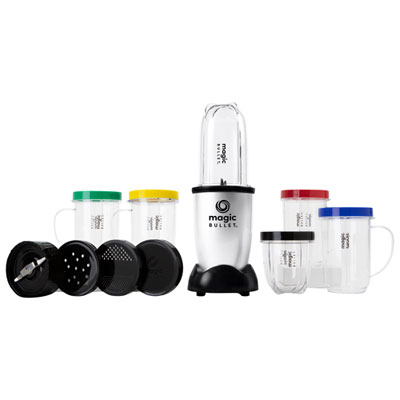
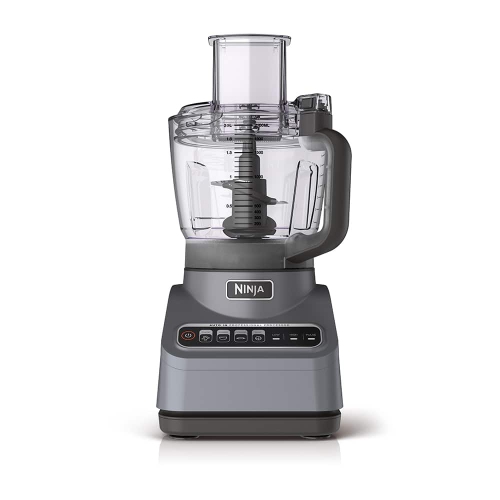
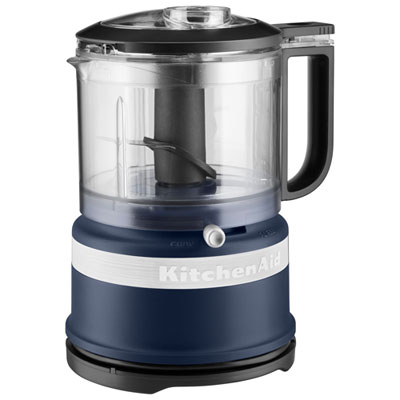
Small appliances and organized storage extend that same practical approach beyond the stovetop. Coffee preparation, blending, toasting, and food processing each place different demands on counter space, so the most useful setup reflects actual household routines. Someone making breakfast before an early commute may value simple controls and parts that rinse clean quickly, while an enthusiastic home cook may appreciate adjustable settings and attachments that support a wider range of recipes. Capacity should match typical portions rather than the largest meal imaginable. A generous container can be helpful for family preparation, but a smaller one may handle individual servings more conveniently. Physical fit matters, too: appliances need suitable space around them, access to an appropriate outlet, and enough overhead clearance to open lids or remove containers. Removable parts and clearly stated cleaning instructions can make regular maintenance easier, while replacement components may help extend useful life where the manufacturer offers them. Storage brings the collection together. Food containers with well-fitting lids help keep ingredients contained, and transparent sides make leftovers easier to identify before another container gets opened. Drawer dividers separate frequently used utensils, shelf organizers make better use of cupboard height, and a dedicated place for lids reduces the familiar search for a matching pair. Durable construction, smooth edges, and surfaces that are easy to wipe down are worthwhile qualities for pieces handled every day. Coordinating colours and finishes can create a cohesive appearance without requiring every object to match; brushed metal, clear glass, warm wood, and understated colour can work together comfortably. These essentials also suit thoughtful gifts for a first apartment, a new home, or an established cook replacing well-used tools. The best fit depends on the recipient’s available space, preferred meals, and willingness to maintain particular materials, rather than appearance alone. For another collection of preparation and serving ideas, explore Spring Kitchen Essentials.
Top selling and popular products
-
 Your price for this item is $130
-
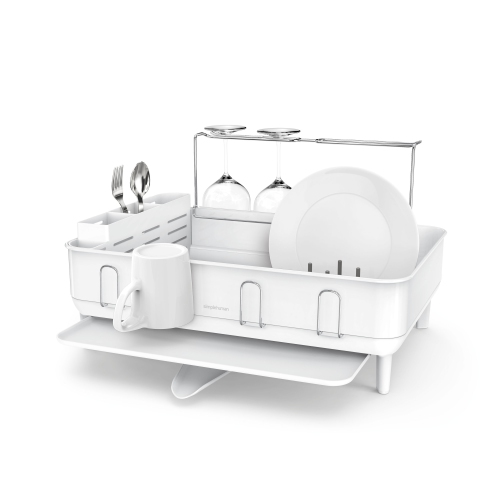 Your price for this item is $150
-
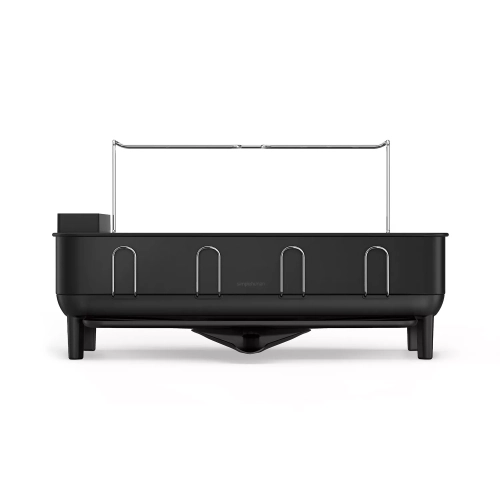 Your price for this item is $150
-
 Your price for this item is $109.99
-
 Your price for this item is $79.99
-
 Your price for this item is $87.99
-
 Your price for this item is $100
-
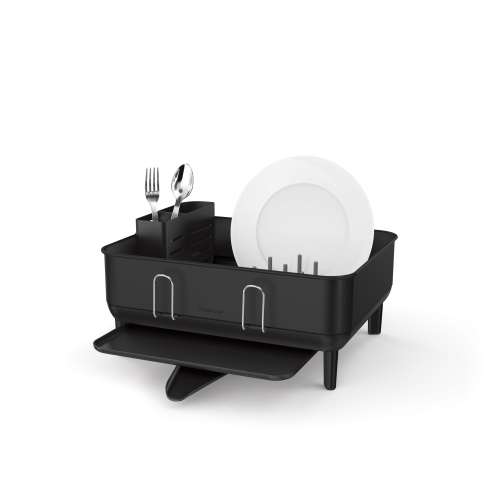 Your price for this item is $120
Discover more categories related to Modern Kitchen Essentials
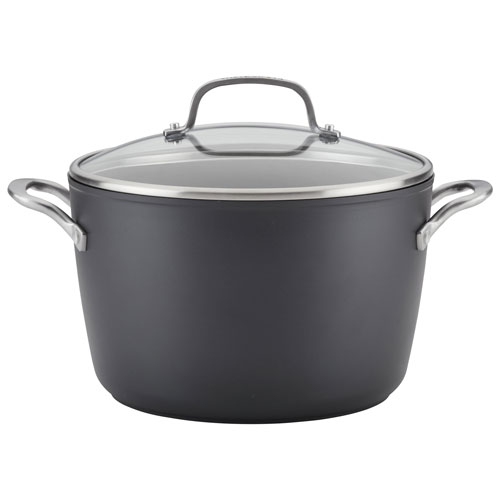

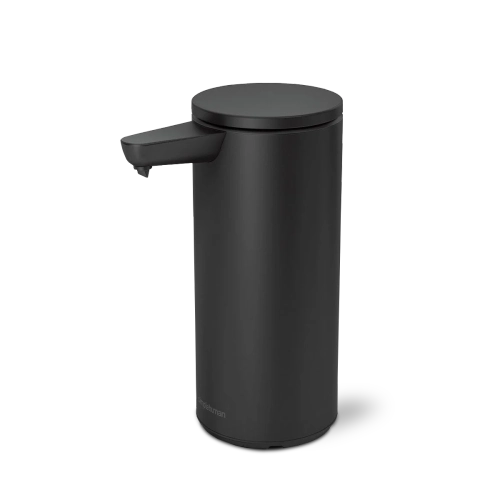
Top Collections:
Pokemon Centers, Best Black Friday Deals This Year, Best Black Friday Deals On Electronics, Kindle Devices, Best Budget Office Chairs, Best Black Friday Deals On Apple Products, Best Cameras for Sports Photography, Pokémon 30th Celebration Cards, Dyson Airwrap, Canon G7X Cameras
Some products may be subject to Environmental Handling Fees
(EHF) depending on your province.
Learn more about EHFs.