Everyday Kitchen Essentials
Everyday Kitchen Essentials are designed to make meal preparation, cooking, and cleanup simple and efficient. Whether you’re outfitting a new space or upgrading your current setup, the right tools can help you tackle everything from quick breakfasts to family dinners with ease. Explore a wide selection of must-have items that bring convenience and versatility to any kitchen, making it easy to enjoy delicious homemade meals every day.
Sort





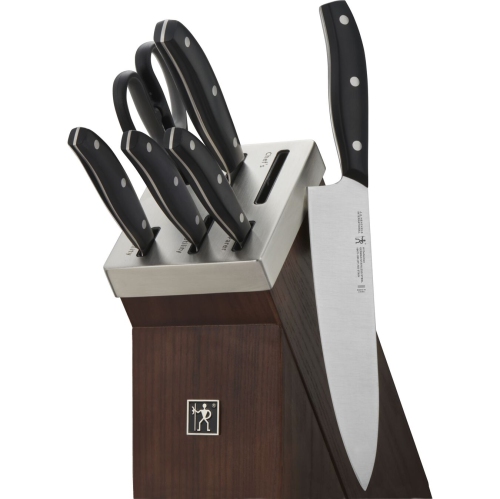


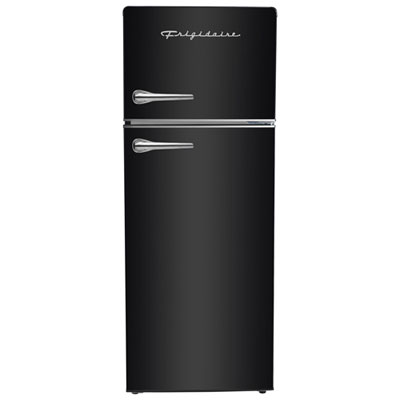
Small details that make kitchen tools easier to use
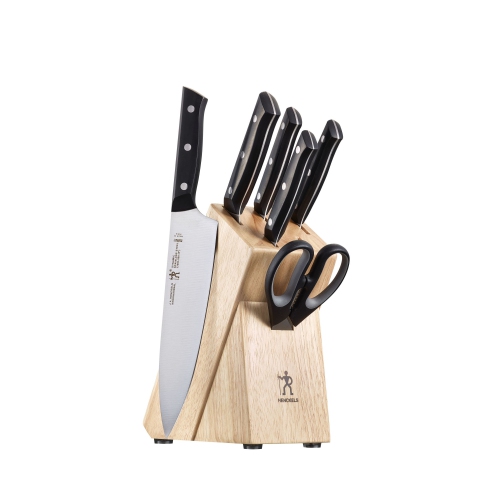
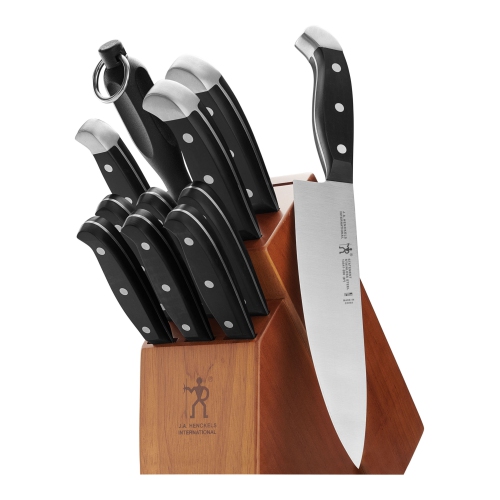
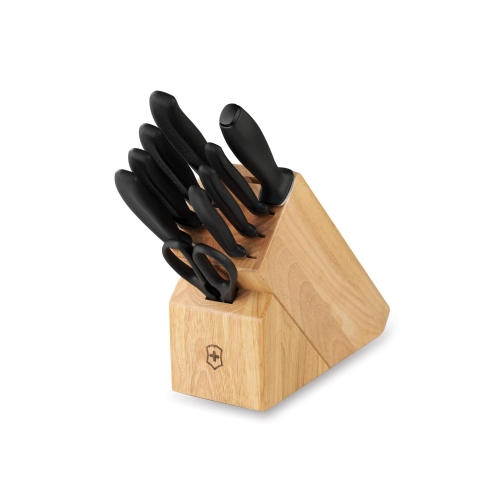
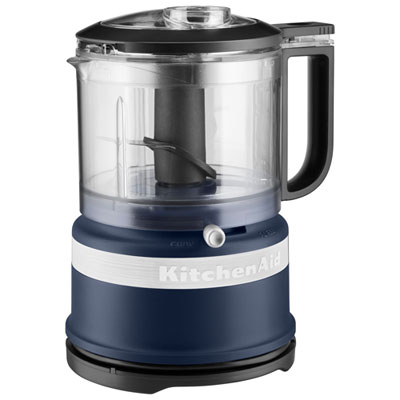
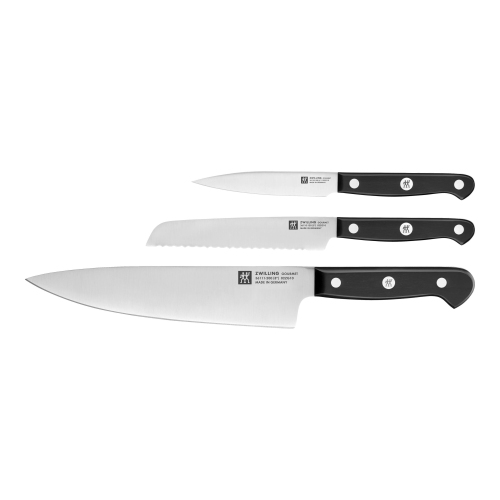
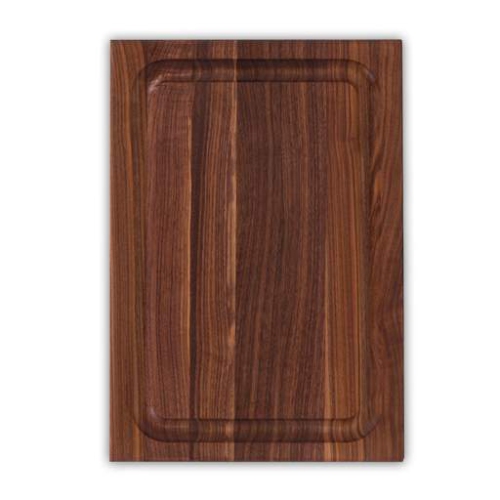
Everyday kitchen essentials are the everyday tools and cookware used to prepare, cook, serve, and store food, including dependable knives, sturdy cutting boards, measuring tools, mixing bowls, and versatile pots and pans. Their value comes from how comfortably they fit into ordinary routines: slicing fruit for breakfast, portioning ingredients for a familiar recipe, or bringing a simple dinner from stovetop to table. Preparation tools tend to get frequent handling, so balance, grip, and stability matter as much as appearance. A comfortable knife handle leaves room for the fingers without pressing into the palm, while a blade suited to the task makes controlled cutting easier. Cutting boards need enough usable space for ingredients without crowding the countertop, and a stable base helps keep preparation predictable. Wood boards benefit from prompt cleaning, thorough drying, and occasional conditioning as directed; dishwasher-safe plastic boards can suit households that prefer machine washing. Separate boards for raw meat and ready-to-eat ingredients help keep preparation areas organized and support food safety. Measuring tools with clear, lasting markings are useful for everything from baking to portioning rice, while mixing bowls with rounded interiors make whisking and scraping more straightforward. Lighter bowls are easier to lift and empty, whereas heavier bowls can feel steadier when stirring thicker mixtures. Stainless steel is practical for frequent handling, glass makes contents visible from the side, and silicone bases can help reduce sliding. Nesting shapes make better use of cupboard space, although a little clearance between pieces makes them easier to lift out. For anyone who cooks regularly, these small details become noticeable: a handle that remains comfortable during a longer preparation session, a bowl that pours neatly, or a board that fits in the sink without an awkward angle. A useful kitchen collection supports those repeated movements rather than adding extra steps, and often includes a few well-matched pieces that can handle several familiar tasks.
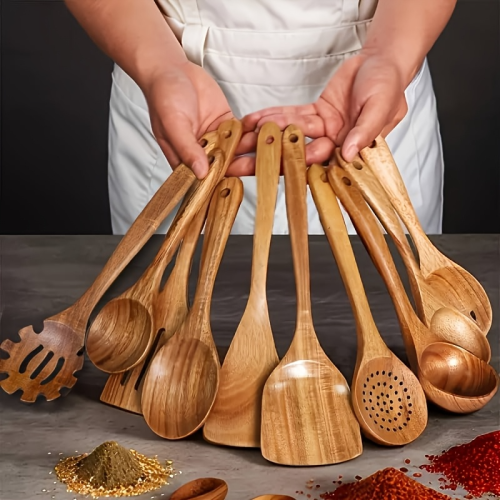
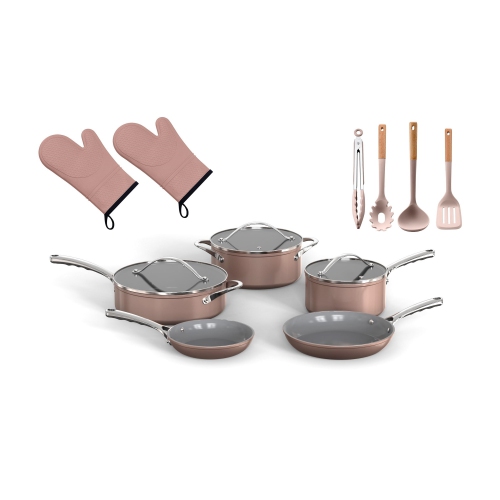
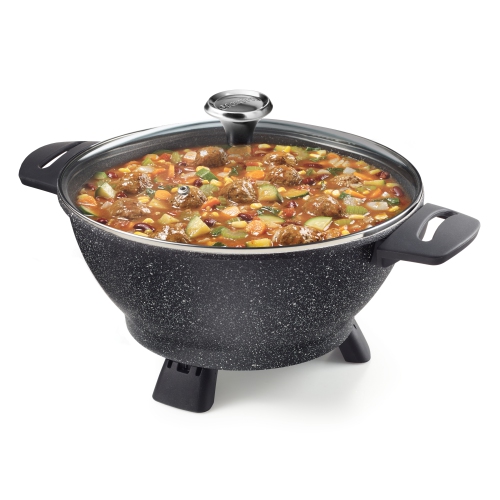
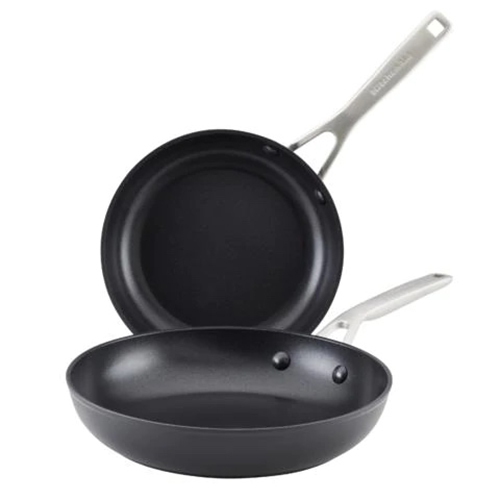
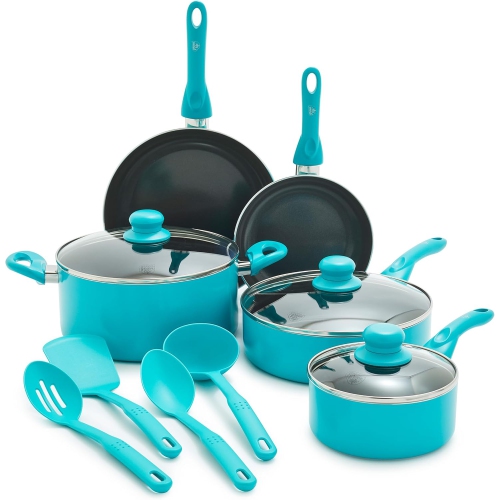
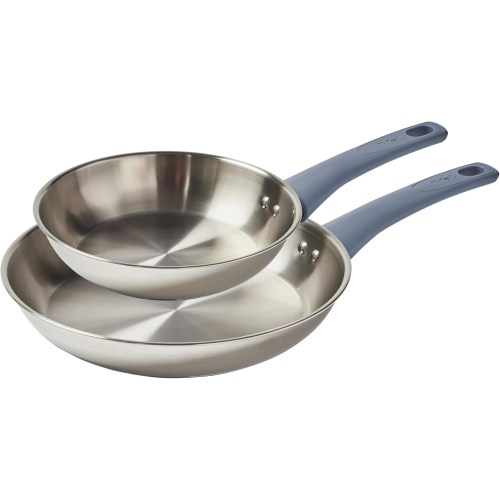
Cookware brings a different set of considerations, especially around cooking surfaces, weight, and the kinds of meals prepared most often. Stainless steel is durable and useful for browning and simmering, though cooking technique and cleaning habits affect how readily food releases. Cast iron retains heat well and can move between suitable stovetop and oven uses, but its weight and care requirements deserve consideration. Non-stick surfaces can simplify cooking delicate foods and make cleanup easier when used within the manufacturer’s temperature limits and with compatible utensils. Across materials, a flat, stable base helps cookware sit securely, while comfortable handles make lifting and pouring more manageable. A pot filled with water weighs much more than an empty one, so handle shape and placement matter during everyday use. Well-fitting lids help contain splashes and manage moisture, and transparent lids allow a quick look at food without lifting the cover. Cooktop compatibility is equally important: induction cooking requires a compatible base, and oven suitability depends on the entire piece, including handles and lids. The right dimensions relate to both the cooking surface and the household. Smaller cookware can suit individual portions, while broader cooking surfaces provide room to spread ingredients rather than pile them together. Utensils also work best when matched to the cookware: wood and suitable silicone can be gentler on coated surfaces, while heat ratings help establish where a utensil can safely rest or stir. Beyond cooking, everyday food storage benefits from containers that close securely, stack neatly, and suit the intended use. Clear sides make leftovers easier to identify, and shapes that fit fridge shelves reduce awkward gaps. Freezer, microwave, and dishwasher suitability should be confirmed rather than assumed, particularly for lids and seals. Durable kitchen essentials are not necessarily the heaviest or most elaborate choices; they are pieces whose materials, construction, and cleaning requirements suit the way a household actually cooks.
The most useful assortment also reflects the space around it. A compact kitchen may benefit from nesting cookware, stackable containers, and preparation tools that fit comfortably inside a drawer instead of occupying the countertop. In a shared kitchen, clearly organized storage helps different people find what they need and return it to the same place. Cupboard depth, drawer height, sink dimensions, and dishwasher clearance can all influence whether something feels convenient after the first few uses. Long handles need room, larger boards need a place to dry, and deep bowls need enough space above them for mixing. Easy-to-read measurements, non-slip grips, and manageable weights can make daily tasks more comfortable for a wide range of cooks, including those who find heavy lifting or tight grips difficult. Care requirements are worth matching to household habits as well. Smooth surfaces and simple shapes generally leave fewer corners to clean, while removable seals or components need to be accessible for washing and drying. Knife edges last better with suitable cutting surfaces and protective storage, and cookware coatings benefit from utensils and cleaning methods that do not scratch them. Manufacturer care directions help clarify the differences between pieces that look similar but tolerate different treatment. A related collection of Essential Kitchen Tools offers another way to explore the preparation and cooking categories that support a practical setup. For a first apartment, a shared household, or a gift for someone establishing a kitchen, familiar cooking habits provide useful context: frequent baking calls for dependable measuring and mixing, while regular batch cooking places more emphasis on capacity and storage. Gifts are often most useful when their size, care needs, and intended purpose fit the recipient’s home. Coordinating colours can create a tidy appearance, but comfortable handling, dependable construction, and straightforward upkeep are the qualities that keep everyday kitchen essentials in regular use.
Top selling and popular products
-
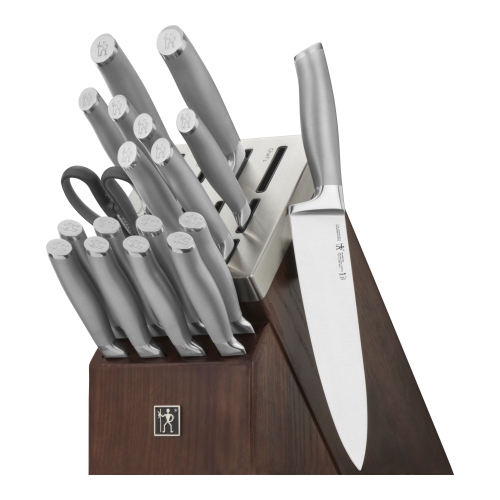 Your price for this item is $489.99
-
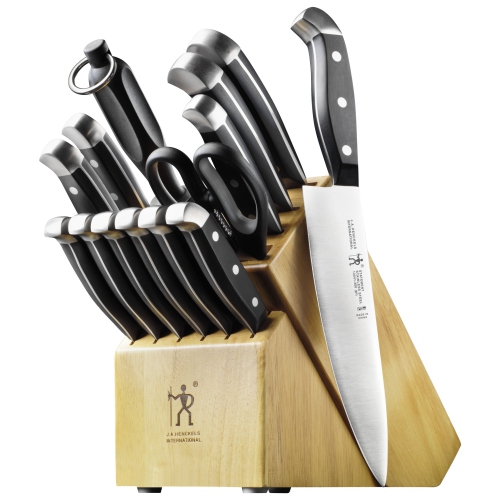 Your price for this item is $239.99
-
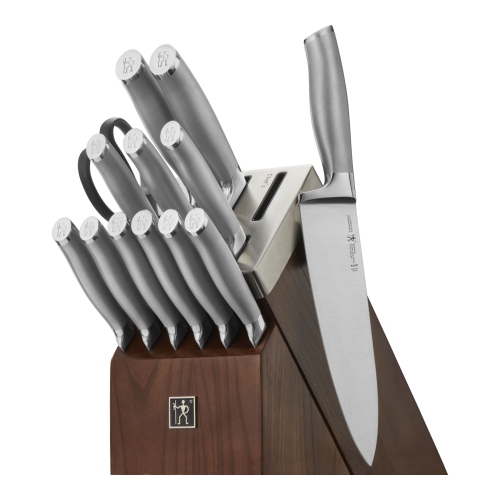 Your price for this item is $229.99
-
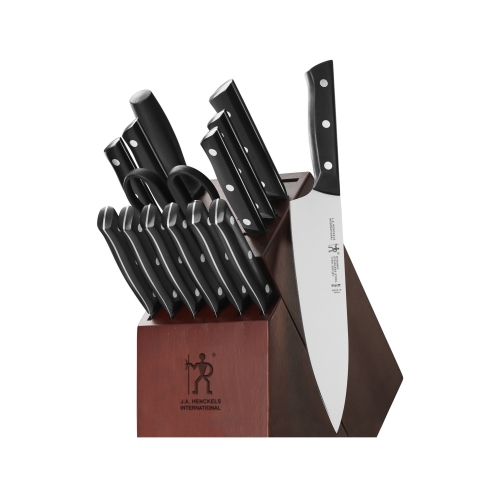 Your price for this item is $214.99
-
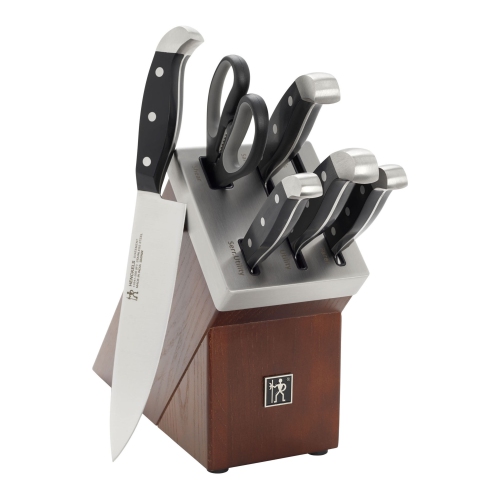 Your price for this item is $179.99
-
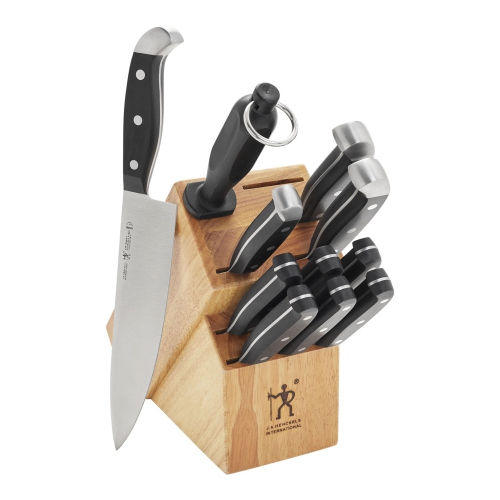 Your price for this item is $179.99
-
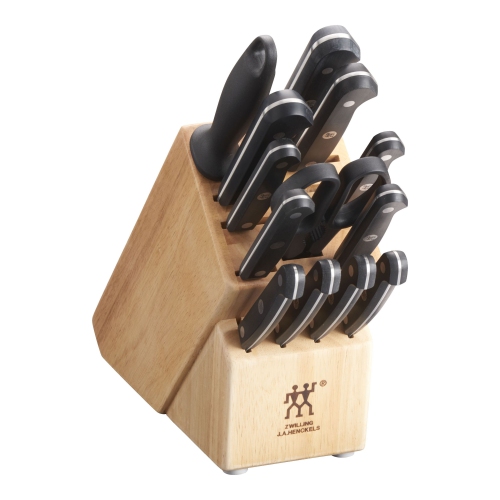 Your price for this item is $479.99
-
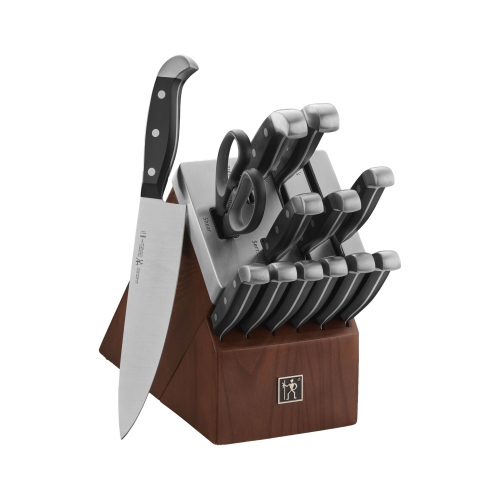 Your price for this item is $279.99
Discover more categories related to Everyday Kitchen Essentials
Top Collections:
Pokemon Centers, Best Black Friday Deals This Year, Best Black Friday Deals On Electronics, Kindle Devices, Best Budget Office Chairs, Best Black Friday Deals On Apple Products, Best Cameras for Sports Photography, Pokémon 30th Celebration Cards, Dyson Airwrap, Canon G7X Cameras
Some products may be subject to Environmental Handling Fees
(EHF) depending on your province.
Learn more about EHFs.