Modern Water Dispensers
Upgrade your home or office hydration experience with a Modern Water Dispenser. Combining sleek design with convenient functionality, these dispensers offer a stylish solution for accessing fresh water whenever you need it. Perfect for kitchens, break rooms, or shared spaces, a Modern Water Dispenser adds both elegance and practicality to any environment. Explore a variety of options to find the ideal fit for your lifestyle and space requirements.
Sort
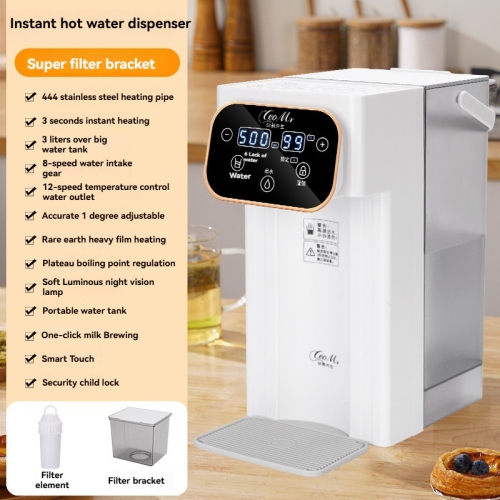
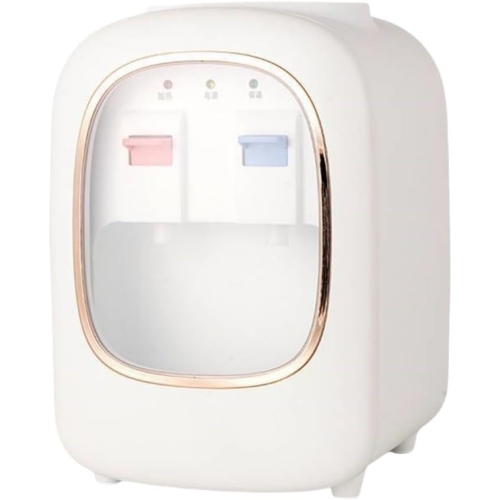
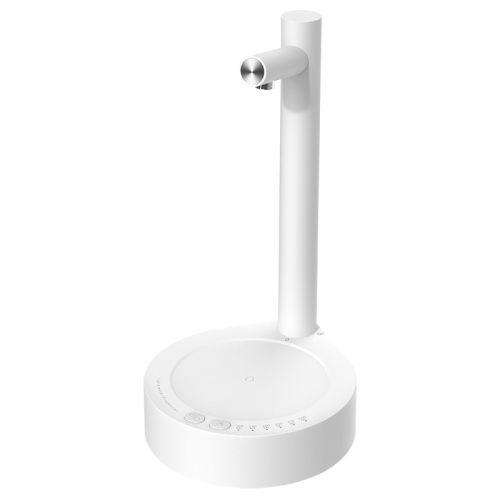
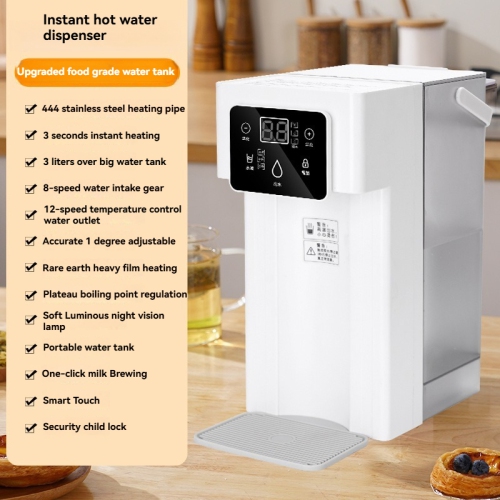
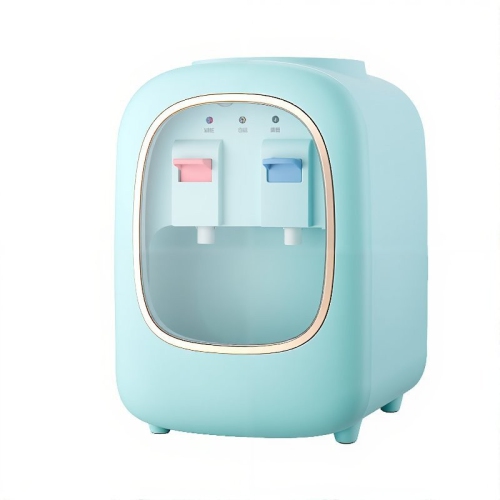
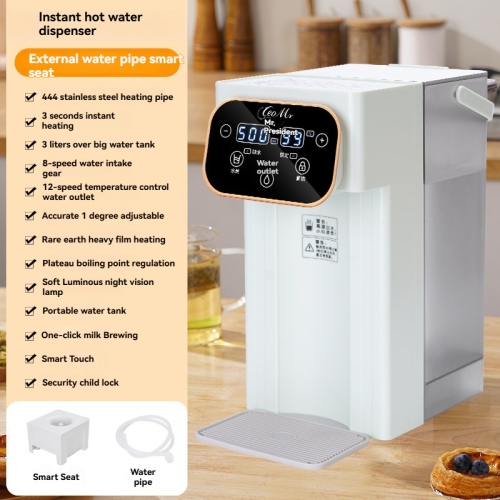
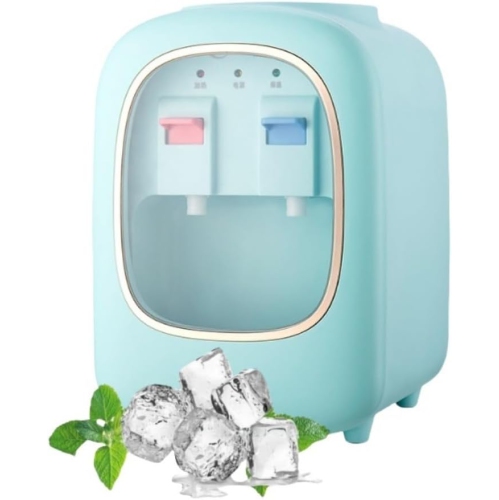
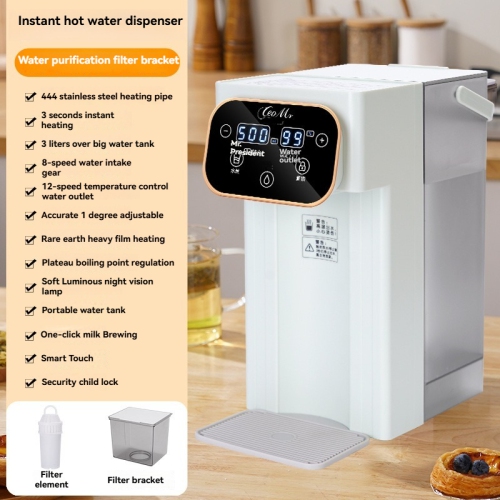
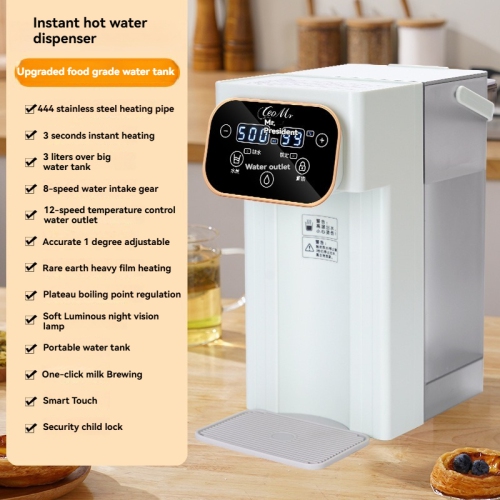
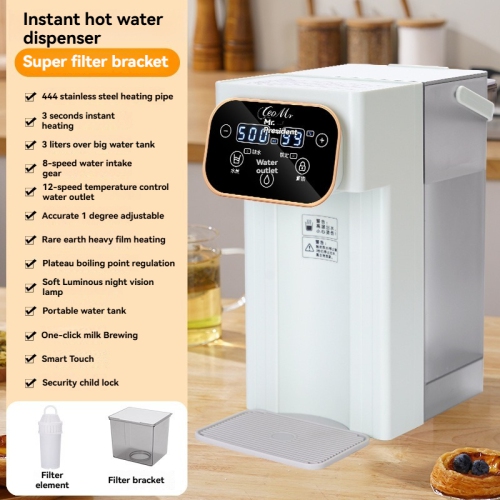
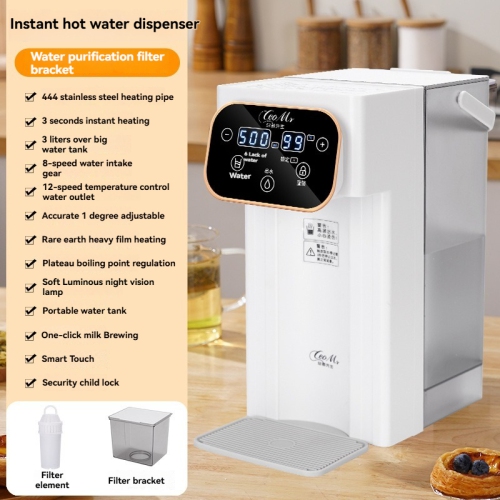
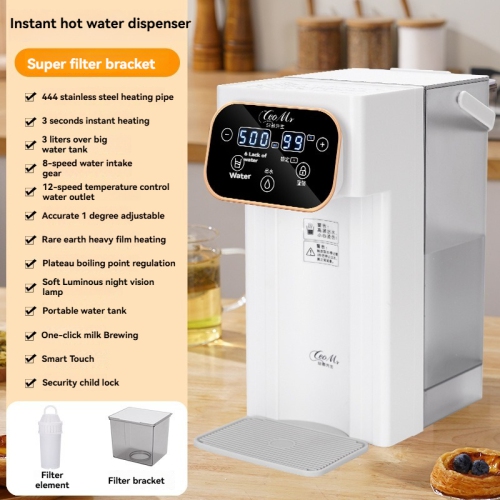
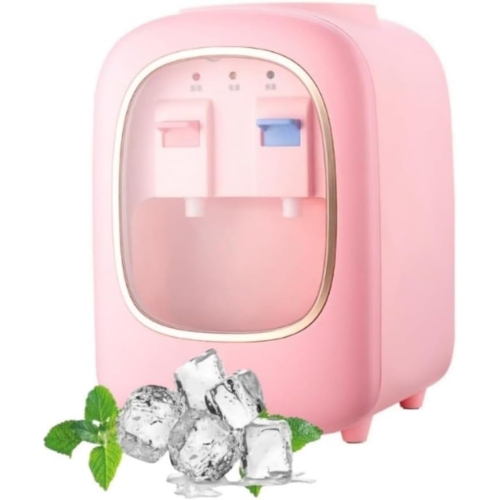
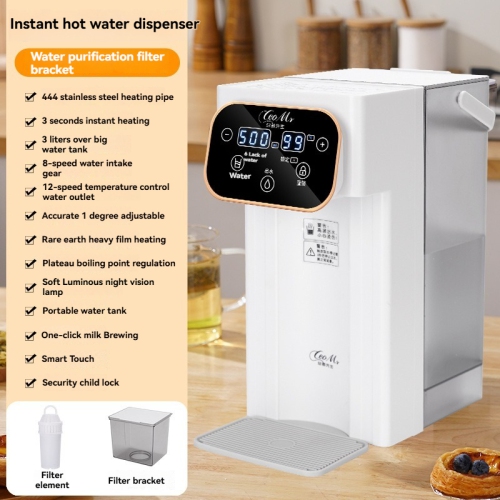
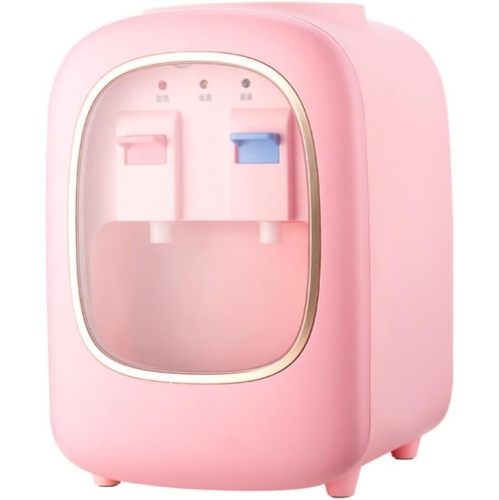


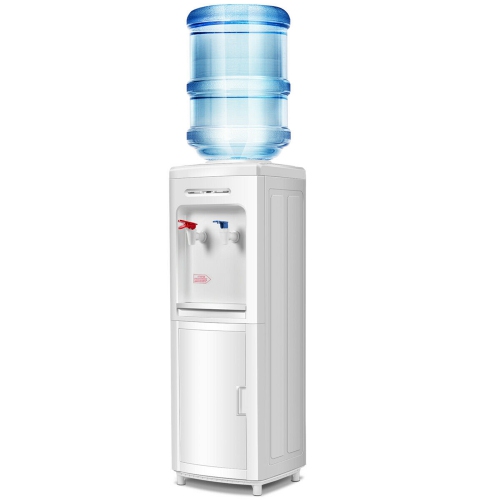
Thoughtful dispenser design goes beyond hot and cold
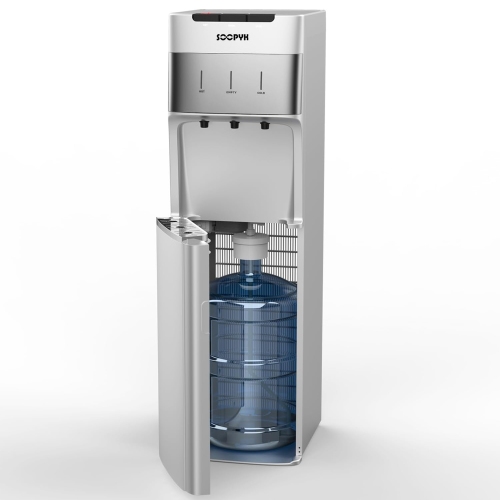
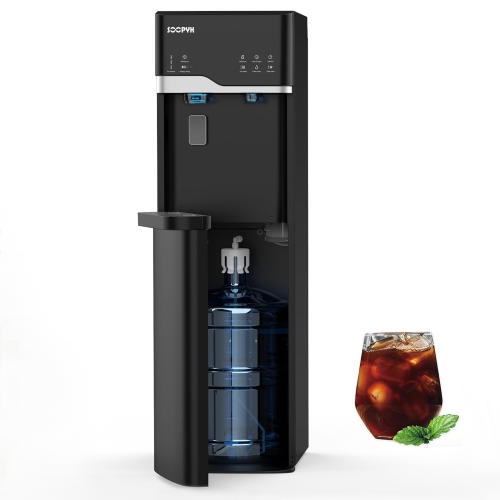
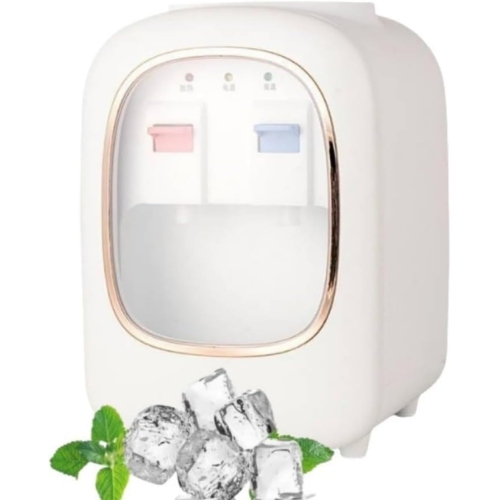
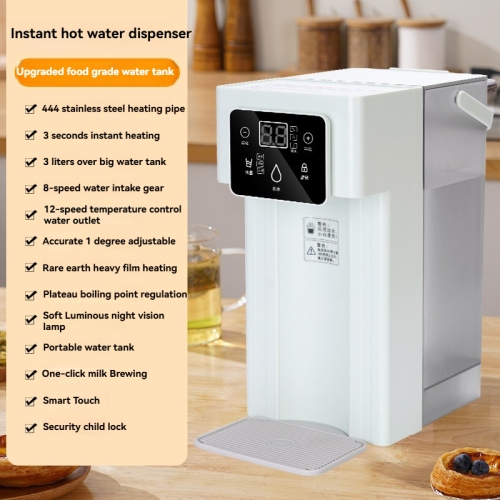
Modern water dispensers bring drinking water into the rhythm of a home or shared space, with designs that feel at home beside kitchen cabinetry, in a dining nook, or near a busy office break area. Their appeal is practical: a dedicated place to fill a glass, top up a reusable bottle, or prepare a warm drink without repeatedly moving between the sink, fridge, and kettle. Depending on the design, a dispenser may provide chilled, room-temperature, or hot water through separate taps or clearly marked controls. A clean-lined cabinet, recessed dispensing area, and neatly integrated drip tray can make the appliance feel less intrusive, especially where it remains visible from an adjoining living room. Stainless steel, painted metal, and moulded plastic housings offer different looks and care requirements. Brushed finishes can coordinate with kitchen appliances, while smooth white cabinetry creates a lighter appearance against pale walls or wood shelving. The White Water Dispensers collection offers another way to explore that understated look. Materials also influence everyday upkeep: textured surfaces, glossy panels, and exposed metal can show fingerprints or water marks differently. Floor-standing formats give the dispenser its own place in a room, while countertop designs suit spaces where an elevated dispensing point is more convenient. A countertop unit still needs a stable, level surface with enough depth to support its entire base, rather than a narrow ledge or crowded corner. The appliance’s footprint is only part of its fit; room for ventilation, access to the bottle compartment, and space above a top-loading design all matter. A nearby electrical outlet and a clear approach help keep the dispensing area comfortable to use. In compact homes, those details can make the difference between a dispenser that blends into daily life and one that obstructs a cupboard door or a frequently used walkway. A bottle-filling station near the kitchen entrance can also keep routine drink preparation away from the main food preparation area.
The way a water dispenser receives its water shapes much of the experience. Top-loading designs keep the bottle visible, making the remaining water level easy to see, but changing a full bottle involves lifting and positioning it above the cabinet. Bottom-loading designs conceal the bottle behind a lower door and draw water upward with a pump, reducing the height to which a replacement bottle must be lifted. The bottle still needs to be moved into place, so the position of the compartment and the space in front of it remain relevant for anyone with limited strength or mobility. Bottle-free dispensers connect to a water supply instead, with installation requirements that depend on the appliance and the plumbing arrangement. Where filtration is included, its purpose and replacement schedule vary; dispensing water does not, on its own, mean an appliance removes particular substances. Treatment claims belong to the specific filtration system and its documented capabilities. Beyond the water source, everyday convenience often comes down to the dispensing opening and controls. A tall recess can accommodate a travel mug or sports bottle more comfortably, while a broad opening leaves room to angle a jug beneath the outlet. Push buttons, paddles, and touch controls each have a different feel, particularly when someone is filling a bottle with one hand. Clearly separated hot and cold controls reduce confusion in shared spaces. Where hot water is provided, a child-resistant control adds a useful safeguard, although it does not replace adult supervision or careful placement. Hot-water output also varies, and it should not be assumed to reach a full boil. Chilling and heating capacity affect how well a dispenser suits repeated use: several people filling large bottles in quick succession place different demands on it than one person taking an occasional glass. Some designs provide indicators for heating, cooling, or an empty bottle, making their status easier to understand at a glance. Pump sounds and cooling cycles may be more noticeable beside a quiet desktop than in an active kitchen, so placement contributes to comfort as much as the controls do.
Long-term satisfaction with a modern water dispenser often rests on the details touched every day. A removable drip tray is easier to empty and wash after a hurried bottle fill, and a dispensing recess with accessible corners is simpler to wipe clean than one with tight grooves. Durable hinges, a steady cabinet, and controls that feel secure contribute to a reassuring experience, especially in a shared household where the dispenser is used throughout the day. Stainless steel water reservoirs are common in some designs, but reservoir material alone does not determine how the whole appliance will perform; seals, tubing, taps, and regular care also matter. Cleaning requirements vary by construction, and the manufacturer’s directions remain important for suitable cleaning methods, rinsing, and any sanitizing process. Exterior wiping is separate from cleaning the internal water path. Even designs with an automated cleaning feature can still require attention to the bottle connection, dispensing outlet, drip tray, and surrounding surfaces. Where filters are used, timely replacement helps maintain their intended function, while mineral buildup may call for additional care in accordance with the appliance’s instructions. Keeping the area around the base dry also makes stray drips easier to spot and helps protect adjacent flooring. These practical considerations connect directly to intended use. A family kitchen may benefit most from intuitive controls and enough clearance for tall school bottles; a home office may favour a compact footprint and convenient room-temperature water; a shared break area may need straightforward refilling and a tray that is easy to remove for washing. For someone setting up a new home, a dispenser can be a useful housewarming gift when its size, water source, and upkeep suit the recipient’s space and preferences. The best fit is not necessarily the design with the most settings. It is the one whose proportions, finish, dispensing height, and maintenance needs make sense where it will stand, whether that means a discreet corner beside the pantry or an accessible spot where several people pause for a drink.
Top selling and popular products
-
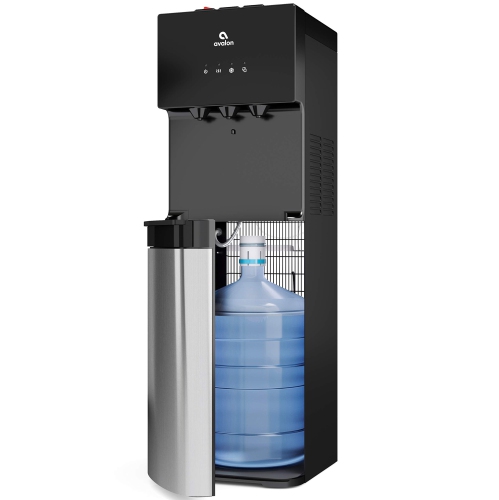 Your price for this item is $404.5
-
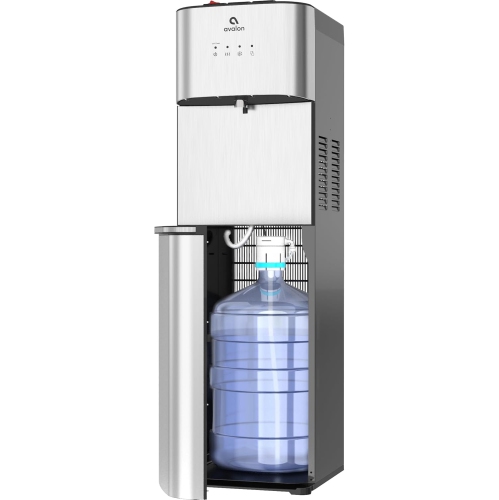 Your price for this item is $561.17
-
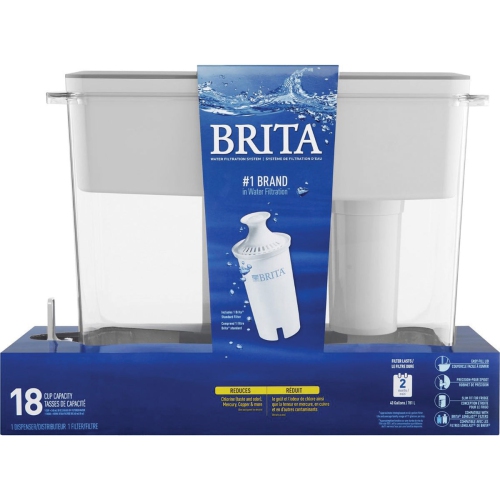 Your price for this item is $47.99
-
 Your price for this item is $32.99
-
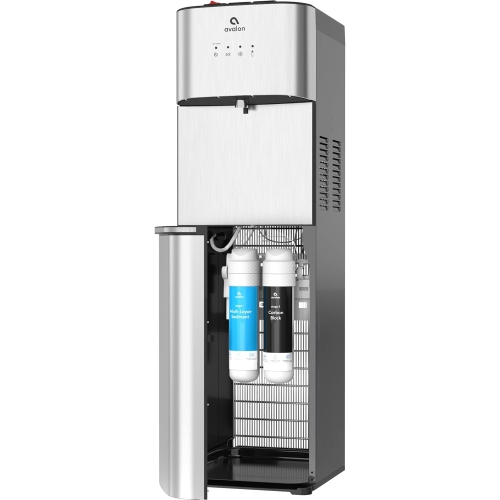 Your price for this item is $561.17
-
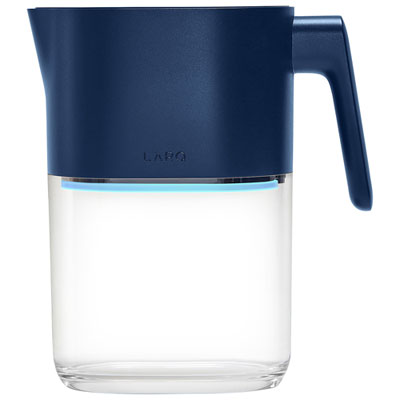 Your price for this item is $129.99
-
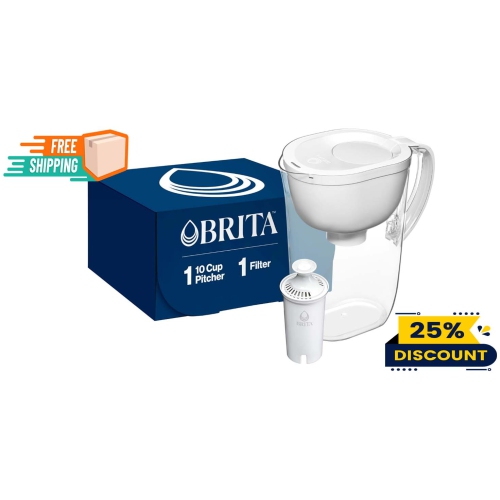 Your price for this item is $74.99
-
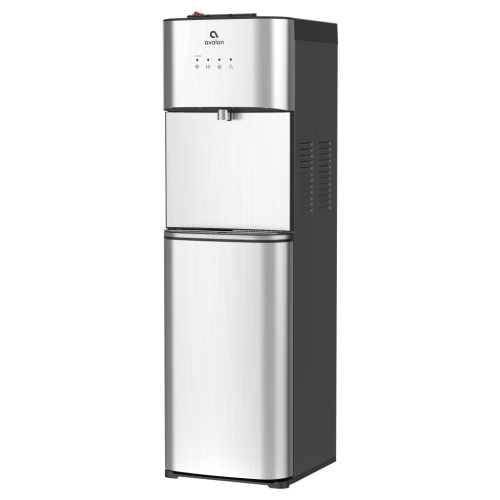 Your price for this item is $561.17
Discover more categories related to Modern Water Dispensers

Top Collections:
Best Black Friday Deals This Year, Best Black Friday Deals On Electronics, Kindle Devices, Dyson Airwrap, Best Cameras for Sports Photography, Best Budget Office Chairs, Canon G7X Cameras, PS5 Pro Consoles, Best Black Friday Deals On Apple Products, XBOX One S Consoles
Some products may be subject to Environmental Handling Fees
(EHF) depending on your province.
Learn more about EHFs.