Portable Water Dispensers
Portable Water Dispenser options are designed to make staying hydrated easy and convenient wherever you go. Whether you’re at home, in the office, or on the move, these compact solutions help you access fresh water without hassle. Perfect for travel, outdoor activities, or everyday use, a portable water dispenser is a practical addition to any lifestyle. Explore a variety of designs and capacities to find the ideal match for your needs.
Sort
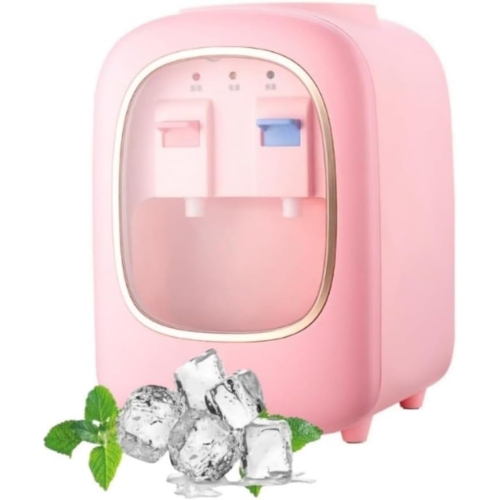
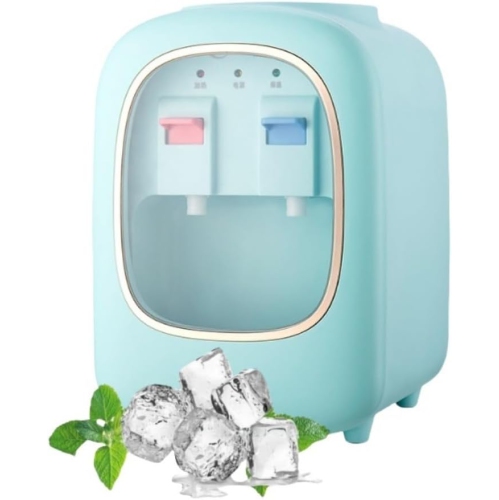
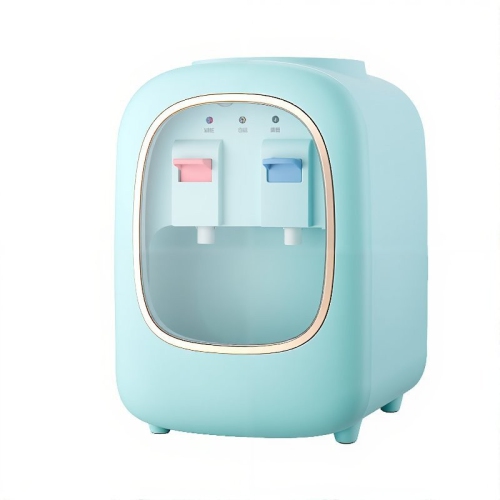
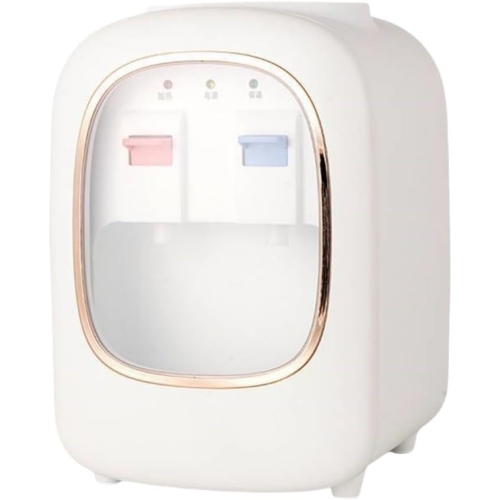
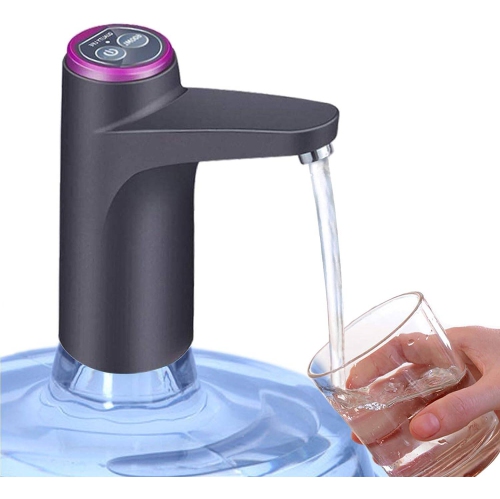
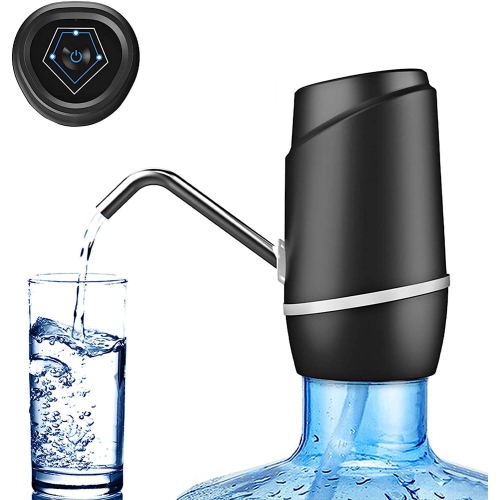
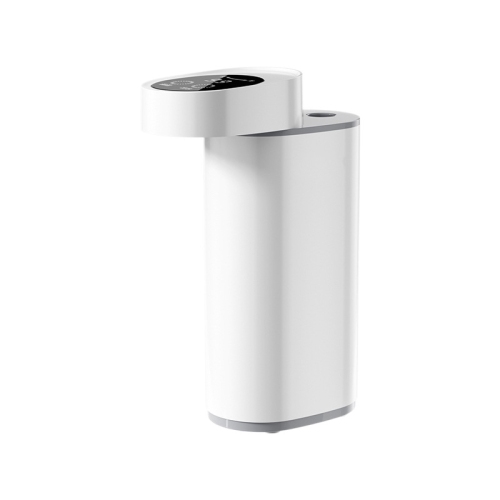
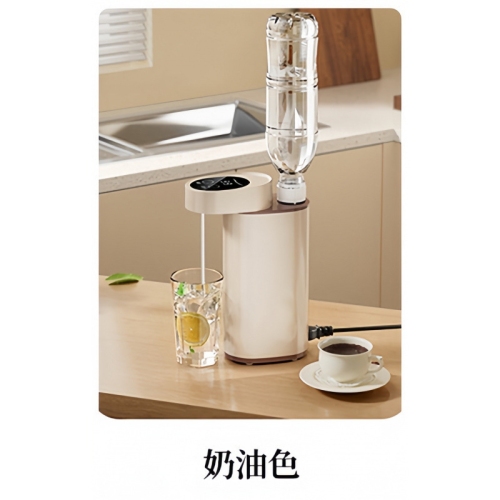

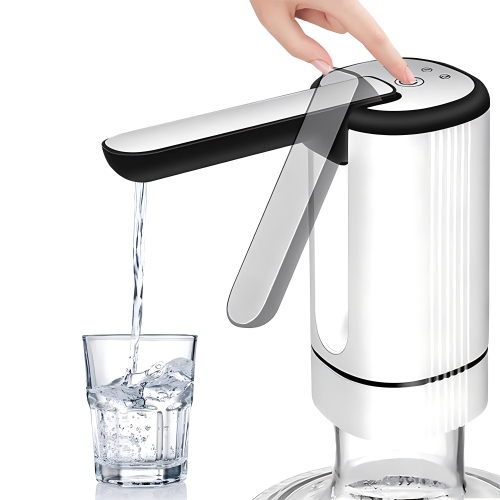
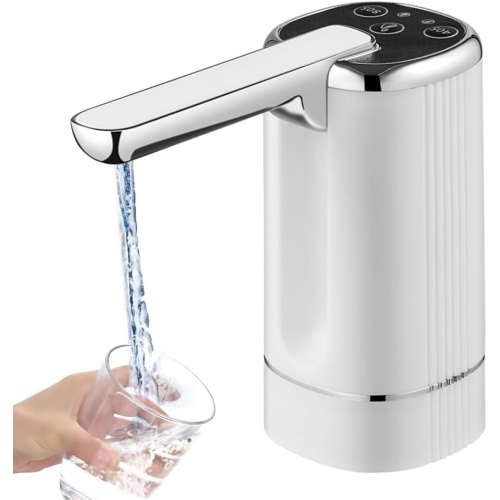
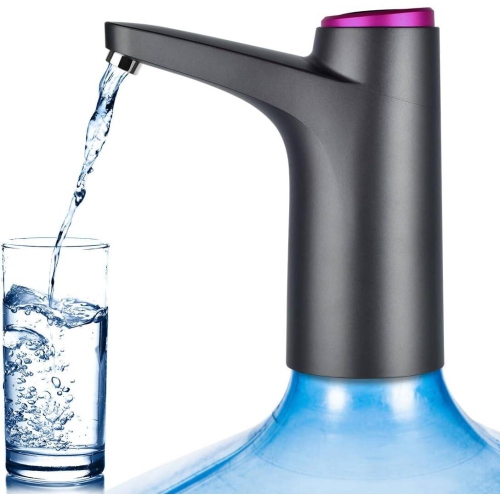
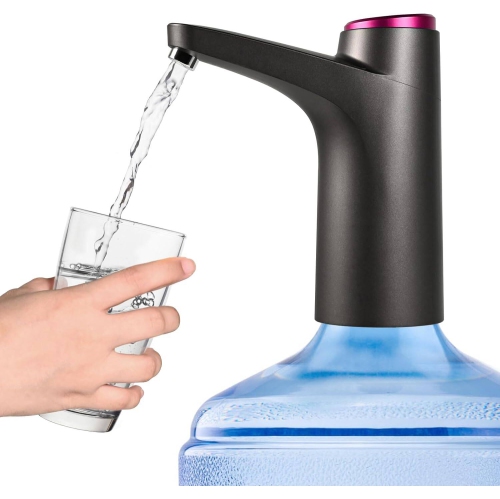
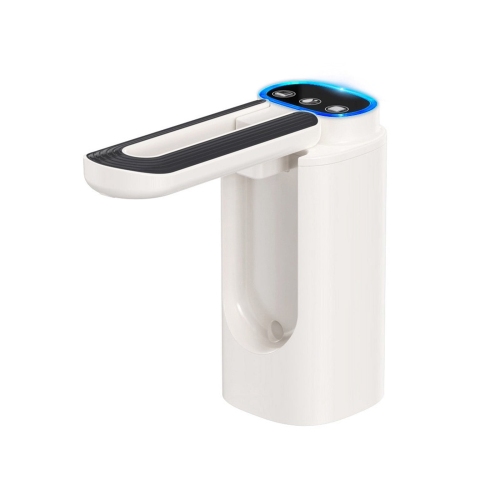
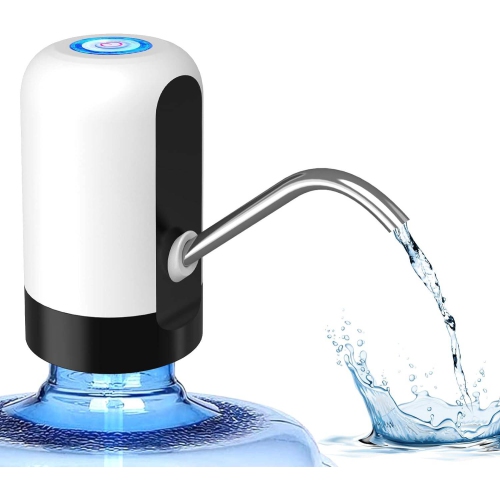
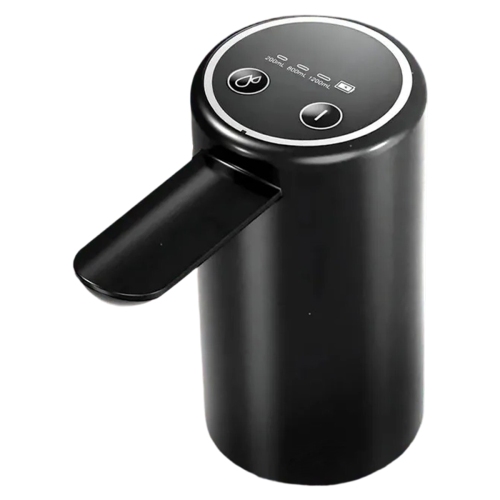
Water by the glass without tipping heavy jugs
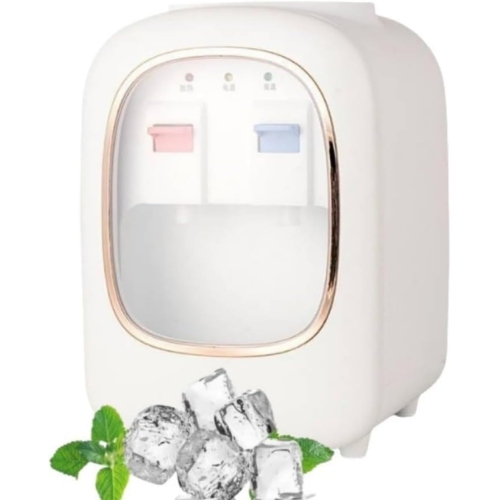
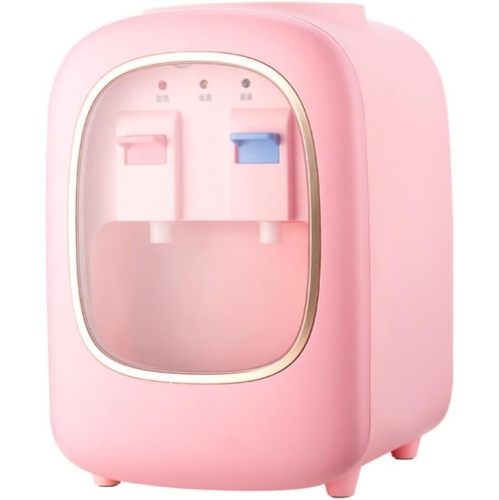
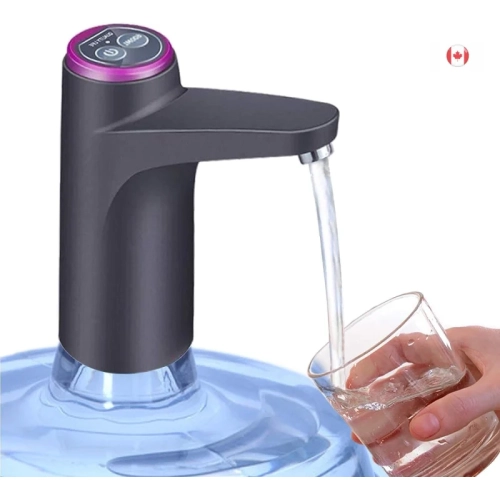
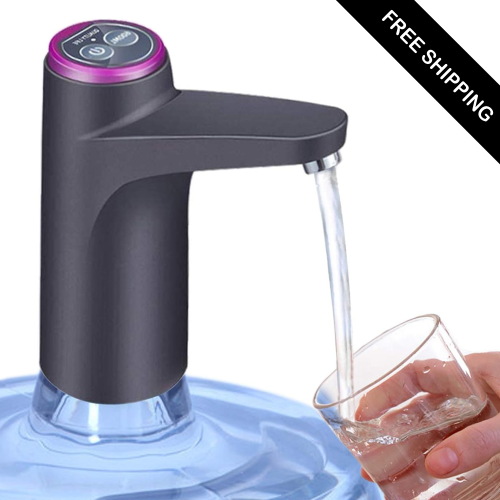
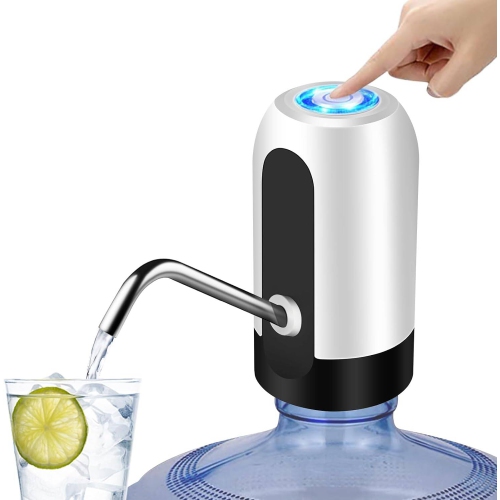
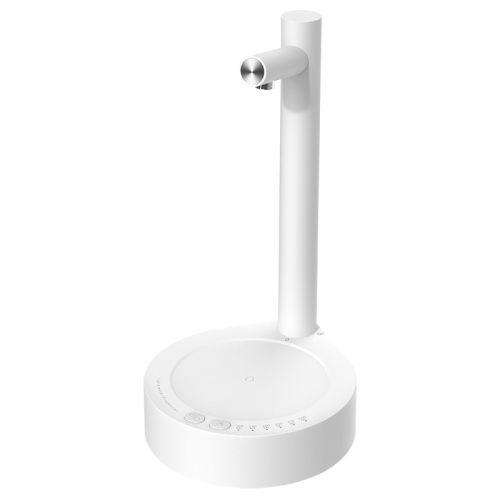
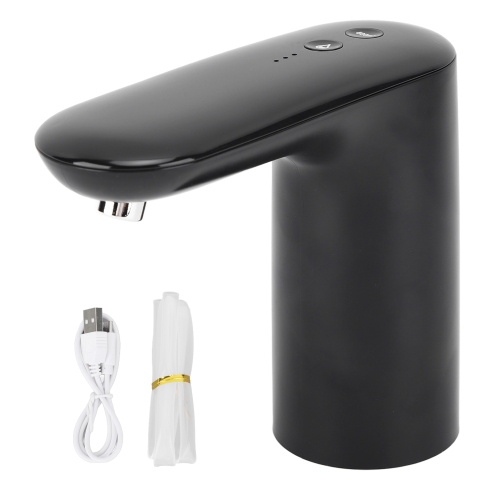
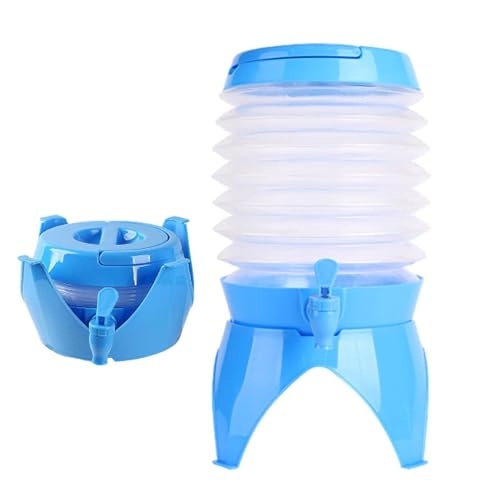
Portable water dispensers provide a convenient way to serve drinking water from a bottle or refillable reservoir without a permanent plumbing connection. They can make it easier to fill a glass, reusable bottle, or kettle without repeatedly lifting and tipping a heavy water jug. Common designs include manual bottle pumps, rechargeable electric pumps, and compact dispensers with their own containers. A manual pump draws water through a tube using a push-down or similar hand-operated mechanism, making it useful where access to electricity is limited. A rechargeable dispenser uses a small electric pump to move water through a spout, often with a button to start and stop the flow. Some designs also offer measured dispensing, although the available settings and accuracy depend on the dispenser. Gravity-fed containers work differently, releasing water through a tap positioned near the bottom of a raised reservoir. Each format suits a slightly different routine: a bottle pump can serve a shared kitchen, while a container with a built-in tap can create a self-contained drinking station for a gathering or campsite. For a home office, a compact dispenser can keep drinking water within easy reach without taking over the work surface. In a workshop or shared break area, a designated filling spot helps keep cups and bottles away from busy preparation areas. Portability does not necessarily mean that a full setup is lightweight, however. The water container often accounts for most of the weight, so its filled capacity matters just as much as the size of the dispensing attachment. A small pump may be easy to carry between locations, while the jug still needs careful handling. Portable dispensers also differ from full-size water coolers: a basic pump dispenses the water already in the container and should not be assumed to heat, chill, or filter it. Any additional treatment or heating function needs to be expressly included in the dispenser’s specifications.
Bottle compatibility is one of the most important considerations because a pump that looks suitable may not seal securely on every jug. Neck diameter, cap style, collar shape, and the need for an adapter can all affect the fit. The intake tube also needs to reach sufficiently far into the bottle without folding or pressing tightly against the bottom, which can interrupt water flow. Where a dispenser is intended to draw from a jug placed below a countertop, the permitted tube length and pumping height matter; not every compact pump can move water over that distance. Around the spout, allow enough clearance for the containers used most often. A short drinking glass needs less room than a tall travel bottle, and a fixed spout may be less convenient than a swivelling or extended outlet in a tight space. Controls should be easy to reach, with a clear way to stop dispensing before a cup overfills. For someone who finds repeated hand pumping tiring, a powered option may reduce the effort needed to serve water, although replacing a full jug remains a separate task. For rechargeable designs, useful details include the charging connection, stated battery runtime, charging indicators, and whether operation while charging is permitted. Battery life varies with dispensing volume and frequency, so a charge indicator can be helpful in a shared space. Materials deserve equal attention, particularly along the water path. Food-contact components may include plastic housings, flexible silicone tubing, and stainless steel spouts, with the exact construction varying by design. Smooth, accessible surfaces and removable parts can make routine cleaning simpler. Durability also depends on secure connections, a stable base or bottle attachment, and controls that tolerate regular handling. A carry handle, protective spout cover, or drip tray can be useful, but these features serve different purposes: a handle helps with transport, a cover helps shield the outlet between uses, and a tray catches small drips rather than preventing spills altogether.
Regular care helps a portable water dispenser remain pleasant to use, especially when it moves between a kitchen, office, and travel setup. Begin with drinking water from a suitable source, since dispensing alone does not make untreated water safe. A pump or tap without a dedicated treatment system should not be relied on to remove microorganisms, sediment, or dissolved substances. When water treatment is also part of the setup, Portable Water Filters serve a different purpose and need to be selected for the source water and the contaminants they are designed to address. For the dispenser itself, follow the manufacturer’s cleaning and sanitizing directions, including guidance for the tube, spout, seals, and reservoir. Electrical housings generally require different handling from removable water-contact parts, and dishwasher suitability should never be assumed. Keep the outlet from touching bottle rims, used cups, or hands, and avoid leaving the intake tube on a countertop while changing jugs. If the dispenser will be packed away, drain it and allow washable components to dry as directed before storage. During transport, secure the water container separately and protect the dispensing parts from dirt and impact. At the serving location, choose a level, sturdy surface with enough room to place a cup comfortably and wipe up splashes. A gravity-fed container may need an elevated position for tap clearance, while a bottle-mounted pump needs a jug that will not tip when the controls are pressed. These practical details help determine whether a setup suits a small apartment, a shared workplace, a recreational vehicle, or a group outing. Capacity should reflect both the number of people using it and how easily the container can be refilled and moved. For someone furnishing a first apartment or organizing a portable refreshment station, a dispenser can also be a useful gift when its bottle fit, power needs, and cleaning requirements match the recipient’s routine. The most useful design is one that makes everyday filling straightforward without adding awkward lifting, difficult cleaning, or unnecessary setup.
Top selling and popular products
-
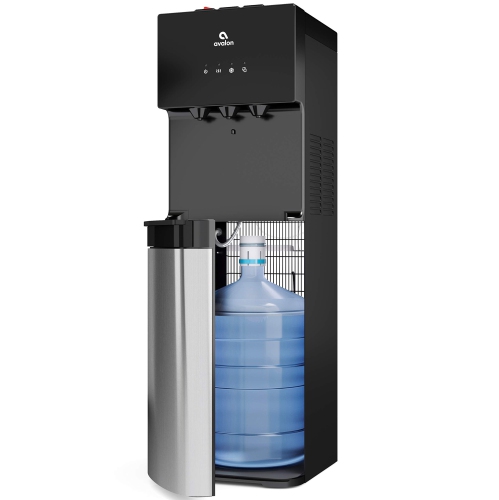 Your price for this item is $404.5
-
 Your price for this item is $561.17
-
 Your price for this item is $47.99
-
 Your price for this item is $32.99
-
 Your price for this item is $561.17
-
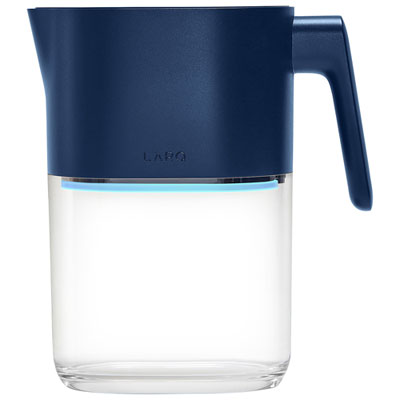 Your price for this item is $129.99
-
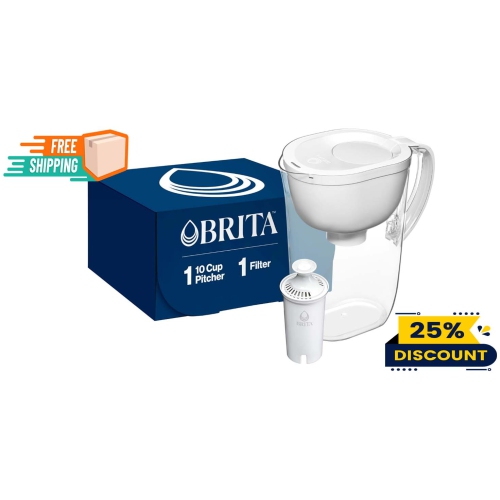 Your price for this item is $74.99
-
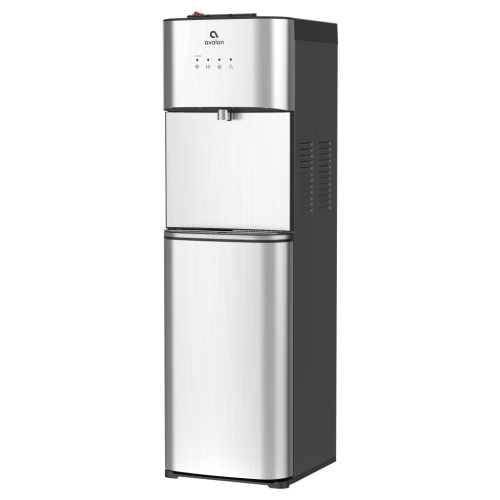 Your price for this item is $561.17
Discover more categories related to Portable Water Dispensers


Top Collections:
Best Black Friday Deals This Year, Best Black Friday Deals On Electronics, Kindle Devices, Dyson Airwrap, Best Cameras for Sports Photography, Best Budget Office Chairs, Canon G7X Cameras, PS5 Pro Consoles, Best Black Friday Deals On Apple Products, XBOX One S Consoles
Some products may be subject to Environmental Handling Fees
(EHF) depending on your province.
Learn more about EHFs.