Ninja Air Fryer Ovens
Elevate your kitchen with the versatile Ninja Air Fryer Oven, designed to simplify meal preparation and inspire delicious results. Perfect for home cooks seeking convenience and efficiency, this appliance offers a modern approach to everyday cooking. Discover options that fit seamlessly into your lifestyle and make it easy to prepare snacks, family dinners, and everything in between. Find the right Ninja Air Fryer Oven for your needs and enjoy a new level of culinary creativity.
Sort
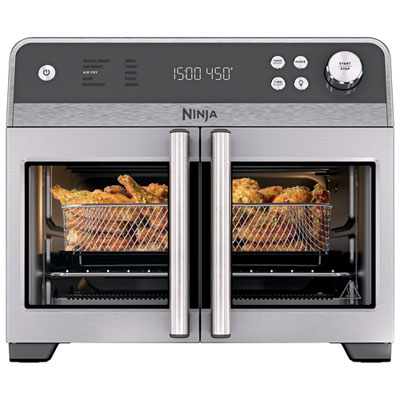
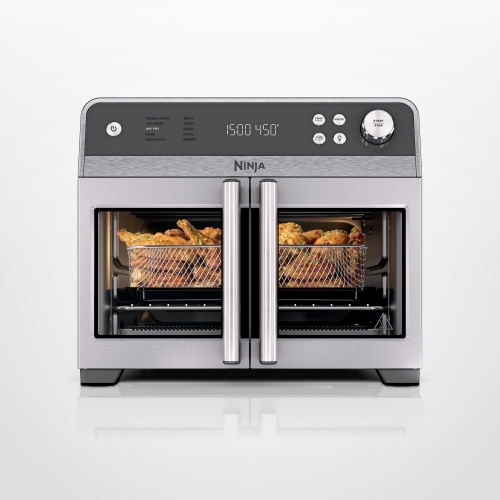
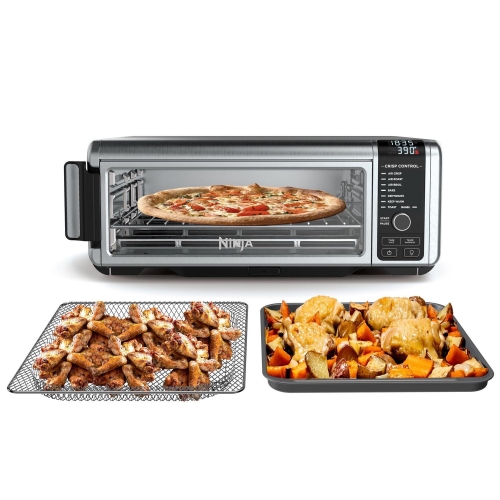

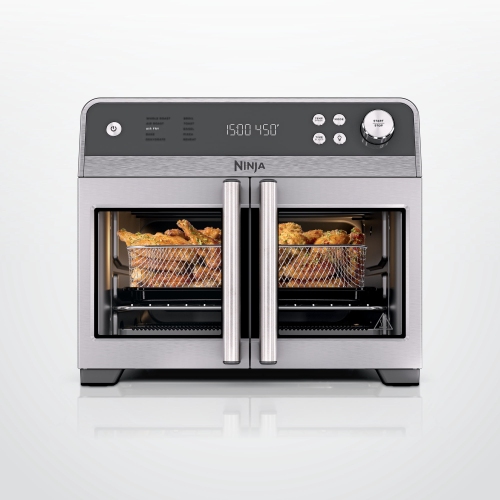
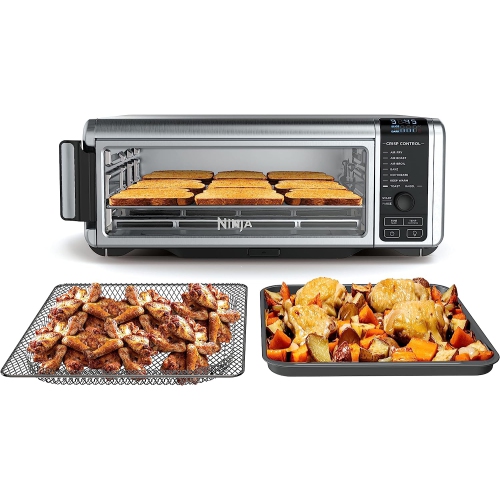

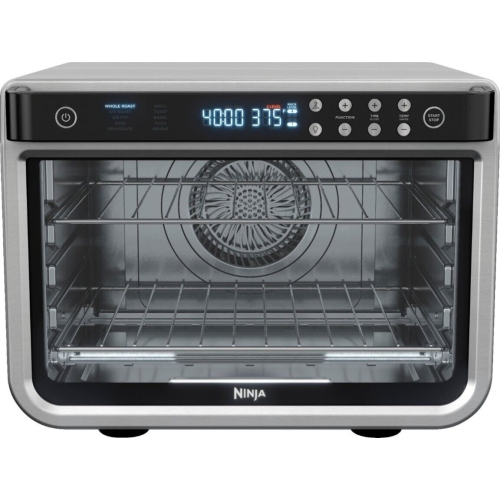
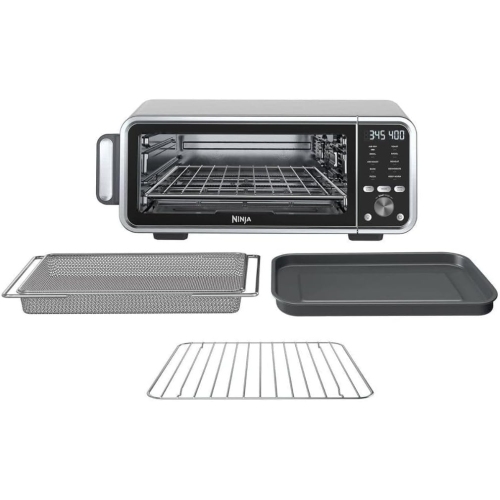
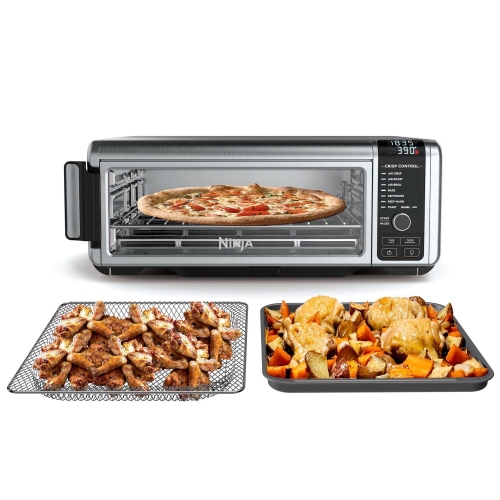


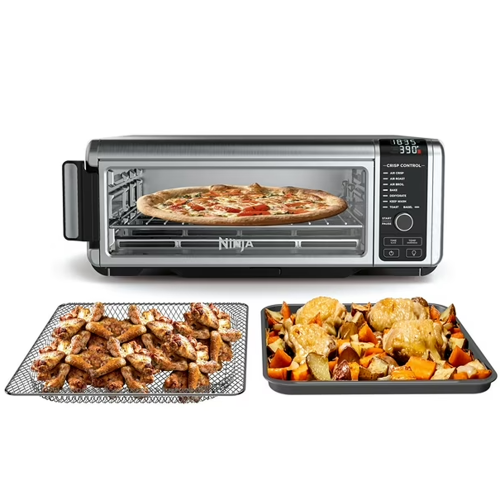
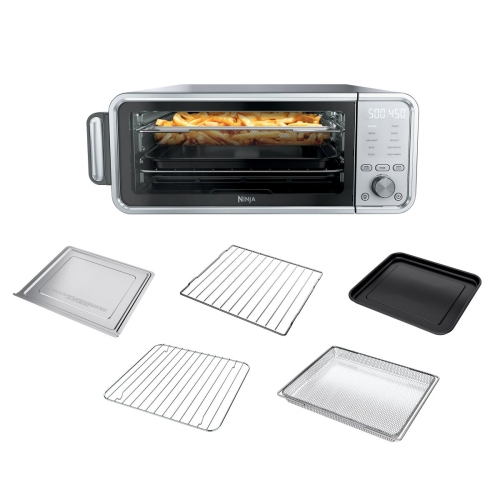
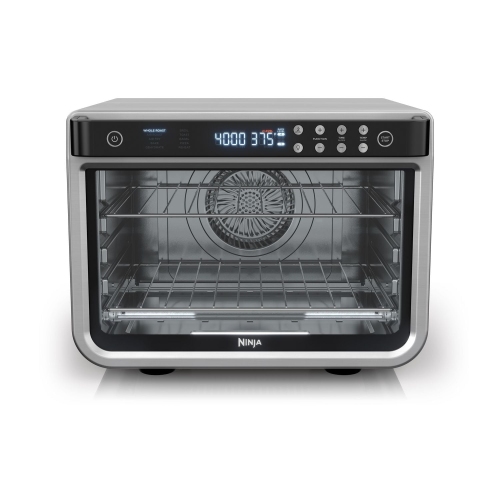
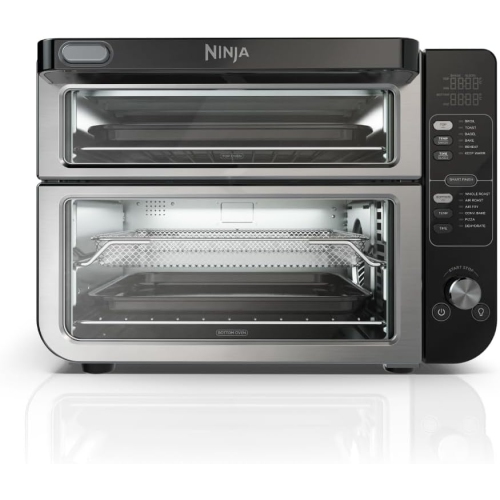
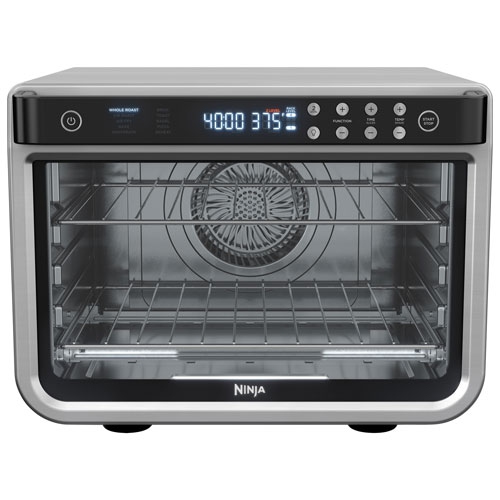
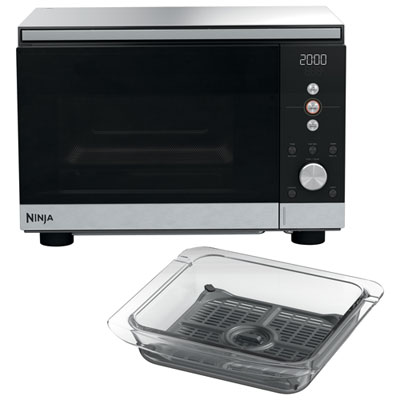
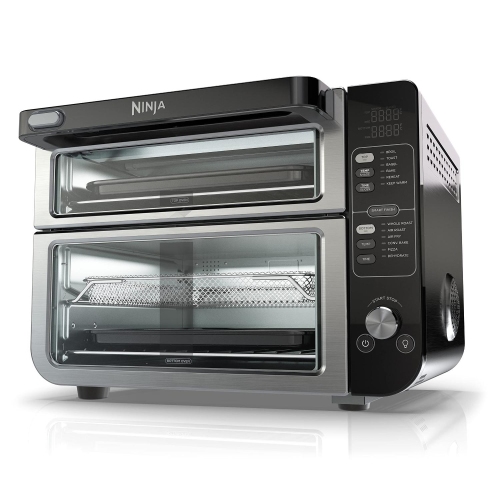
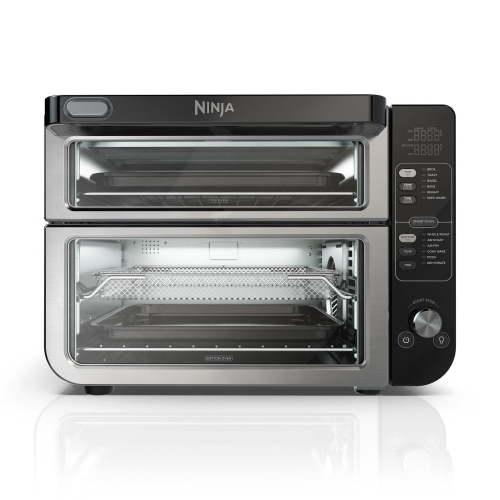
Crispier everyday meals with room to spread out
Air fryer ovens combine the crisping action of circulating hot air with the familiar layout of a countertop oven. Food rests on a basket, rack, or tray inside an enclosed cooking cavity, where heating elements and a fan work together to brown exposed surfaces. That arrangement suits everything from potato wedges and breaded cauliflower to salmon fillets, roasted vegetables, and reheated pizza with a firmer base. Compared with a deep fryer, an air fryer oven generally needs much less added oil, although the amount depends on the food and recipe. Compared with a basket-style air fryer, its wider cooking area can make it easier to spread food in a shallow layer or accommodate flatter dishes. The related category of Ninja Toaster Oven Air Fryers brings air frying and toaster-oven cooking together for kitchens where one appliance needs to handle several everyday tasks. Depending on the model, cooking functions may include air fry, roast, bake, broil, toast, bagel, reheat, dehydrate, and keep warm. These settings are not interchangeable: toast emphasizes browning bread, broil directs strong heat towards the surface, and dehydration uses lower heat over a longer period. Controls may provide adjustable cooking times, temperature settings, toast shades, or rack-position recommendations. Some ovens support cooking on more than one level, while divided-cavity designs may offer separate settings for two dishes and a feature that coordinates their finishing times. Those capabilities vary by model rather than defining every air fryer oven. For everyday meals, the appeal is flexibility: a tray of vegetables can accompany a protein, leftover flatbread can regain some crispness, and a small batch of muffins can bake without occupying a full-size oven. Results still depend on food thickness, spacing, rack placement, and the cooking instructions for the appliance. A tray crowded with overlapping fries behaves differently from one with room for air to pass between the pieces, even when the same cooking function is selected.
Capacity is most useful when understood as usable cooking space rather than simply the size of the appliance. A broad, shallow interior may suit pizza, toast, and sheet-pan meals, while a taller cavity can provide room for deeper bakeware or thicker foods. Neither shape automatically means more practical capacity for every household. The dimensions of the included basket, the distance between rack positions, and the clearance above a baking dish all affect what fits comfortably. A couple preparing two portions may value a compact footprint, while a household cooking several components at once may find multiple rack positions or separate cooking compartments more useful. Countertop fit also includes the space needed around the oven, not just the surface beneath it. Ventilation clearances, nearby cupboards, the position of a backsplash, and room to open the door matter during use. Drop-down doors require space in front, while French-door designs have a different opening path that needs to remain unobstructed. Certain low-profile designs can be stored upright after cooling, but that feature is model-specific and does not remove the need for operating clearance. A stable, heat-resistant surface and access to a suitable outlet are important parts of the setup. Construction details influence both handling and upkeep: metal racks support bakeware, mesh baskets expose more of the food to moving air, and solid trays catch drips or hold foods that need a flat base. Stainless steel finishes, glass viewing doors, and non-stick accessories may appear in different combinations. A viewing window and interior light can make it easier to check browning without repeatedly opening the door. Handles, rack supports, and removable crumb trays also deserve attention because they are touched or moved regularly. For durability, care needs to match the material; a coated tray should not be treated like an uncoated metal rack, and dishwasher suitability should be confirmed separately for each removable accessory.
In daily use, air fryer ovens can suit busy households, smaller kitchens, people preparing individual portions, and cooks who want extra oven space alongside a main range. Their usefulness often comes from ordinary routines rather than elaborate recipes: toast before work, an open-faced sandwich at lunch, or a tray of roasted broccoli and chicken pieces for dinner. Reheating is another practical use, particularly for foods whose texture suffers in a microwave. Dry circulating heat can help restore a crisp exterior to pizza or breaded foods, though delicate fillings and exposed toppings still need attention to avoid excessive browning. Baking performance depends on the cavity size, pan dimensions, and heat pattern, so recipes written for a full-size oven may need adjustments based on the appliance manual. When two racks are in use, the instructions may call for rotating trays or changing their positions; a model designed for multi-level cooking may handle that differently. A food thermometer remains the reliable way to check that meat, poultry, and other foods have reached a safe internal temperature, rather than judging doneness by a browned surface alone. After cooking, letting the appliance cool before cleaning makes routine care more manageable. Crumbs, grease, and food residue should be removed regularly so they do not accumulate around trays or heating areas. Removable accessories can be washed as directed, while the interior and door generally need gentle cleaning methods appropriate to their surfaces. Abrasive pads and metal utensils can damage some coatings, and liners or foil should only be used where the manufacturer permits them without obstructing airflow or touching heating elements. Keeping vents clear and allowing washed accessories to dry thoroughly also supports regular upkeep. As a gift, this type of countertop appliance can be useful for someone setting up a kitchen or replacing several small cooking appliances, provided their counter space and cooking habits suit it. The strongest everyday match is an oven whose shape, controls, accessories, and cleaning requirements fit naturally into the meals a household already enjoys.
Top selling and popular products
-
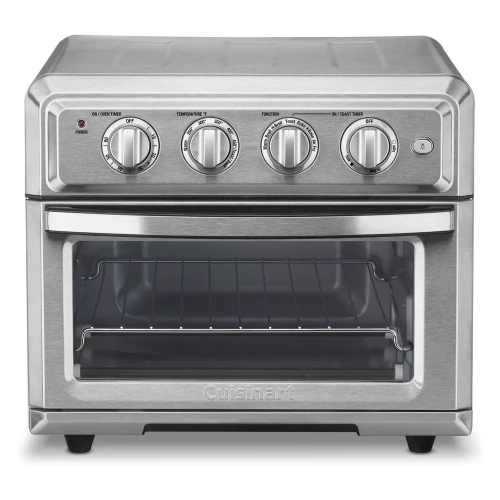 Your price for this item is $395.99
-
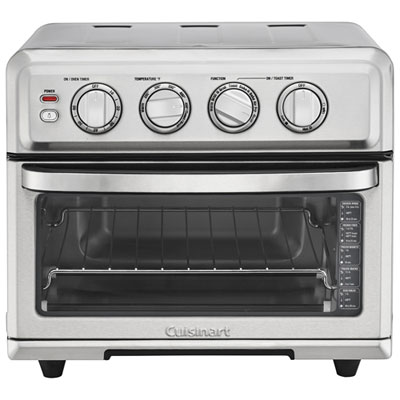 Your price for this item is $499.99
-
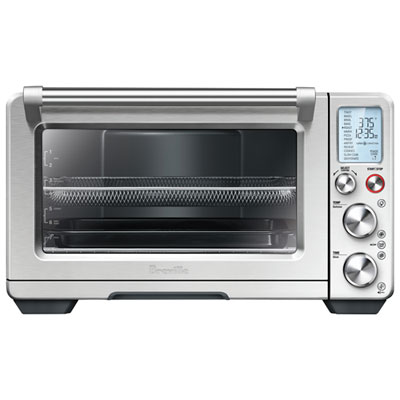 Your price for this item is $479.99
-
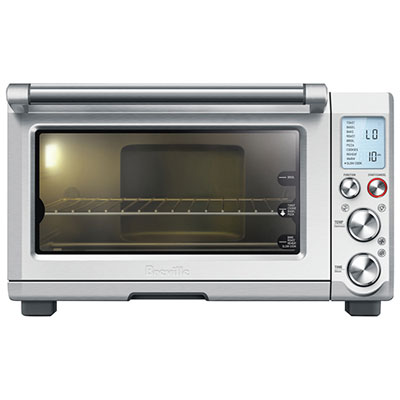 Your price for this item is $399.99
-
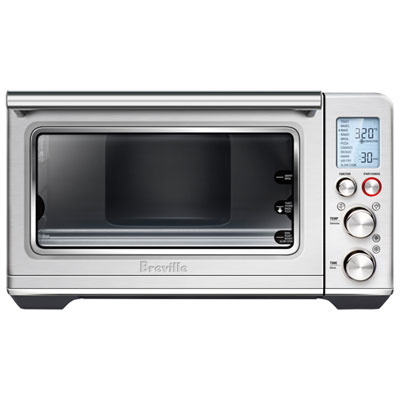 Your price for this item is $399.99
-
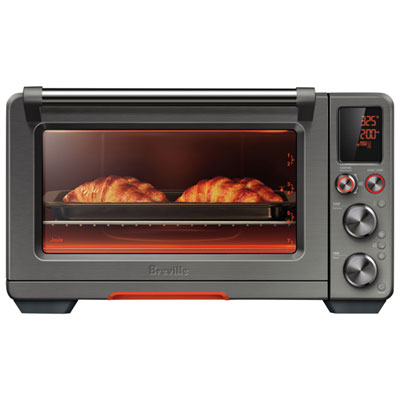 Your price for this item is $799.99
-
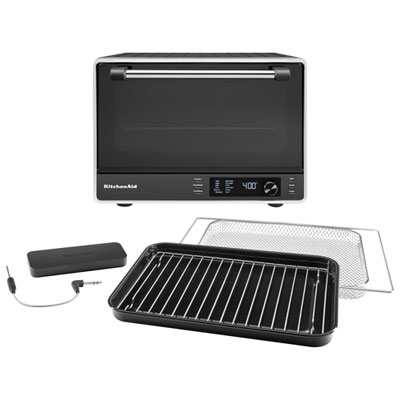 Your price for this item is $419.99
-
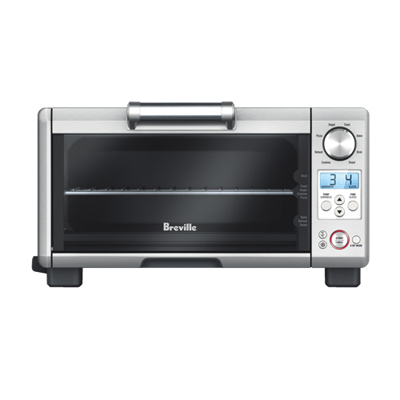 Your price for this item is $229.98
Discover more categories related to Ninja Air Fryer Ovens

Top Collections:
Best Black Friday Deals This Year, Best Black Friday Deals On Electronics, Kindle Devices, Pokemon Centers, Best Black Friday Deals On Apple Products, Best Cameras for Sports Photography, Dyson Airwrap, Pokémon 30th Celebration Cards, Apple iPhone 17 Pro, Canon G7X Cameras
Some products may be subject to Environmental Handling Fees
(EHF) depending on your province.
Learn more about EHFs.