Office Refrigerators
Upgrade your workspace with the perfect office refrigerator to keep snacks, beverages, and lunch essentials fresh and easily accessible throughout the day. An office refrigerator offers a convenient solution for storing refreshments and helps maintain productivity by minimizing trips outside the workplace. Discover a range of sizes and styles designed to fit seamlessly into any office environment, from compact models for personal use to larger options suitable for shared spaces. Find the ideal office refrigerator that meets your team's needs and enhances your everyday routine.
Sort
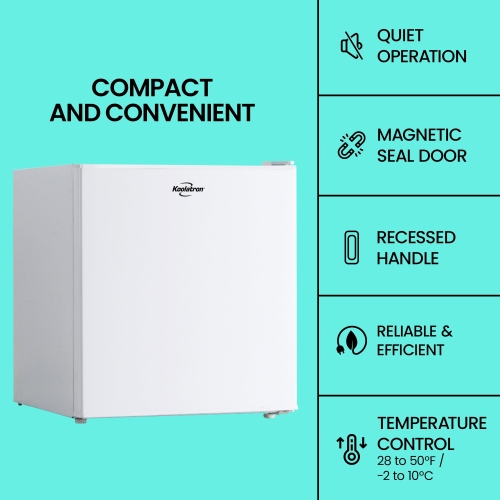
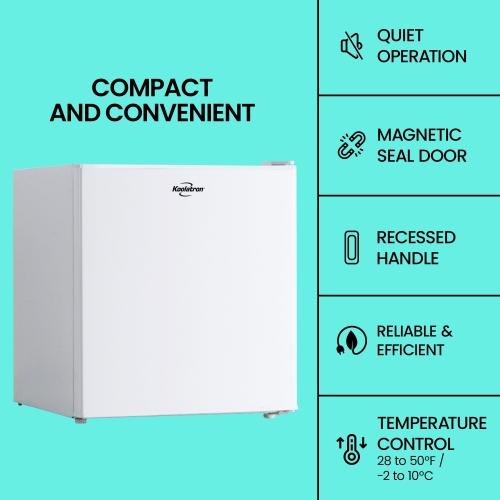
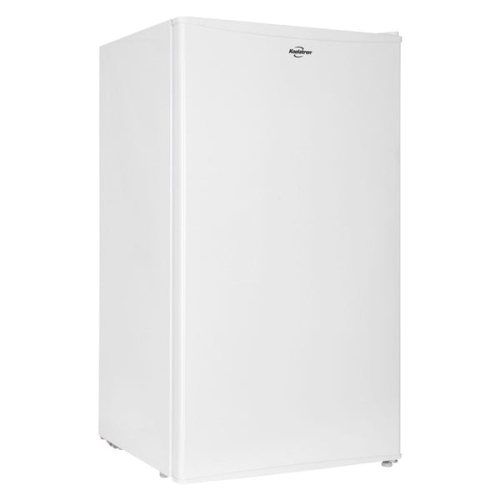
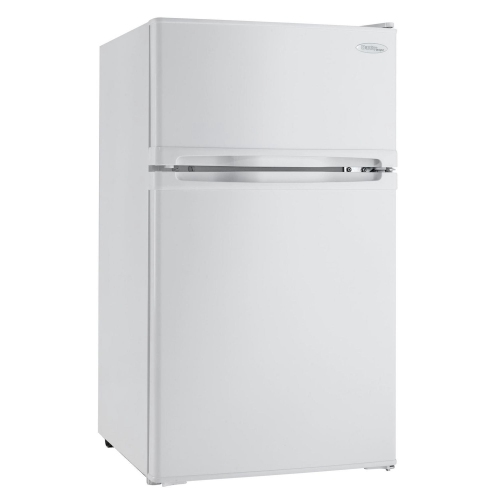
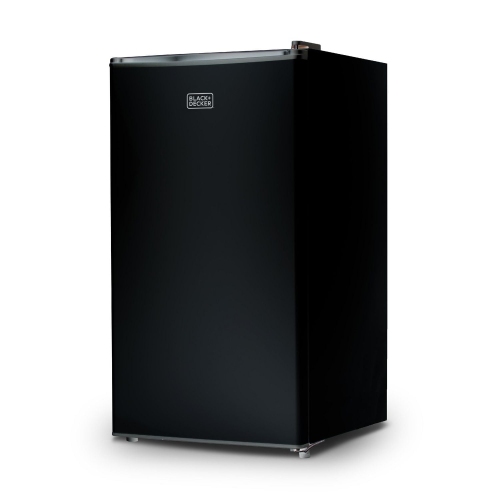
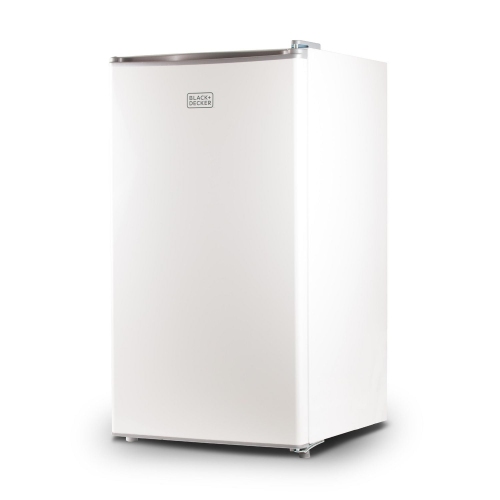
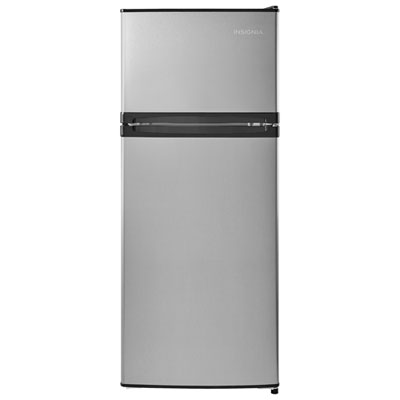
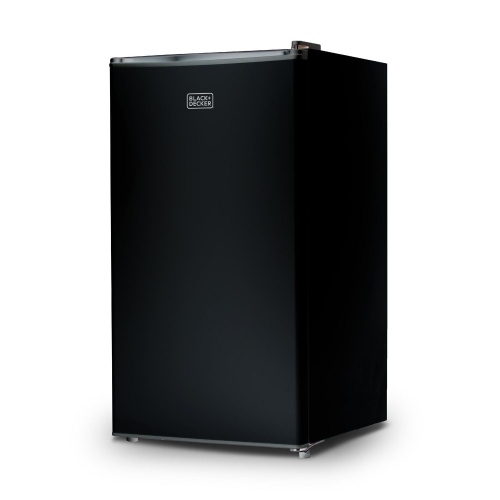
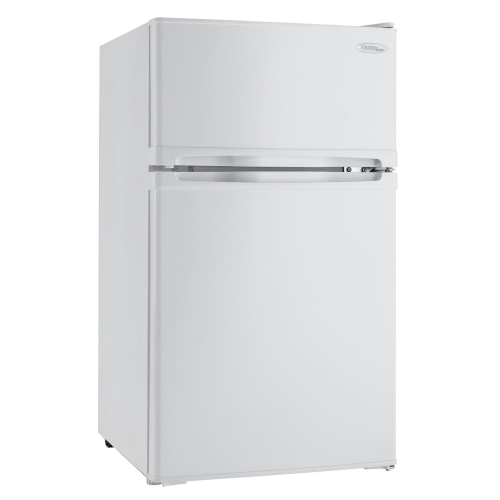
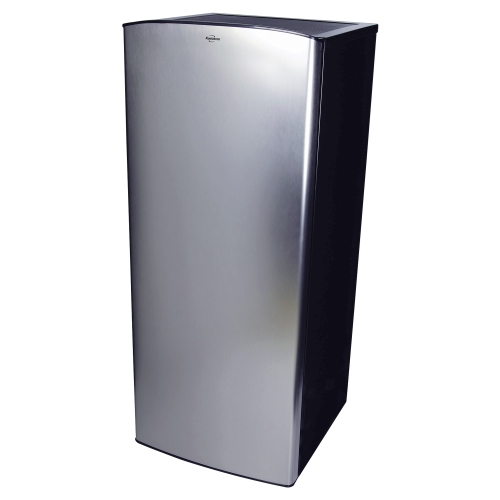
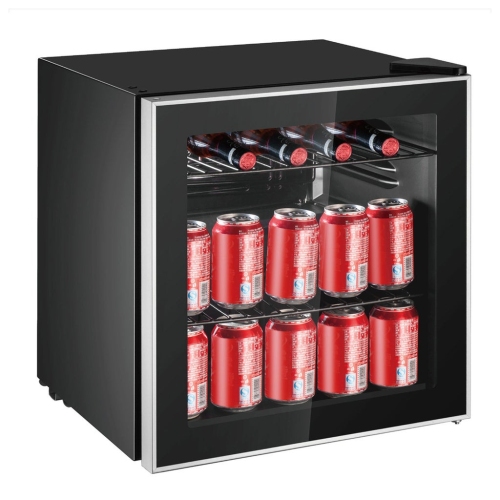
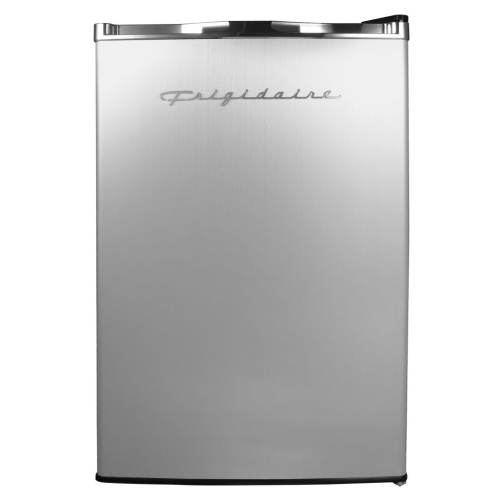
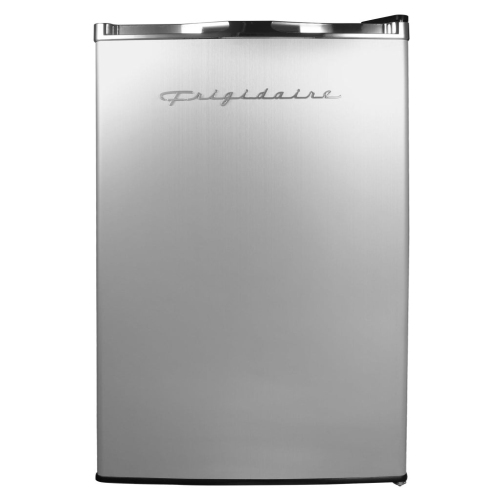
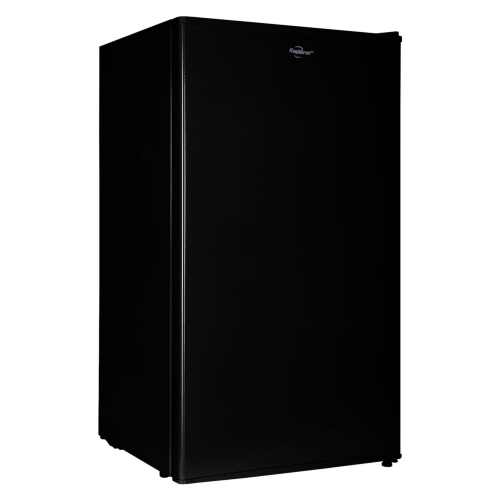
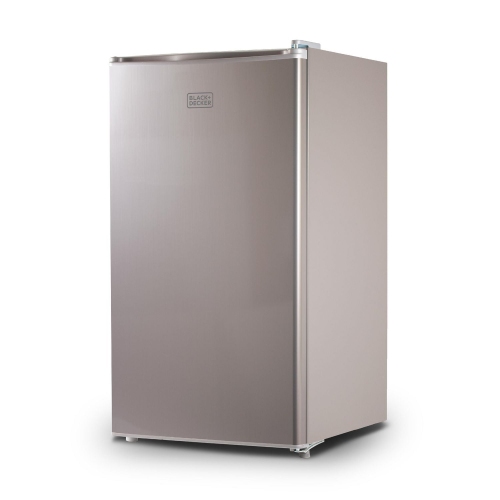
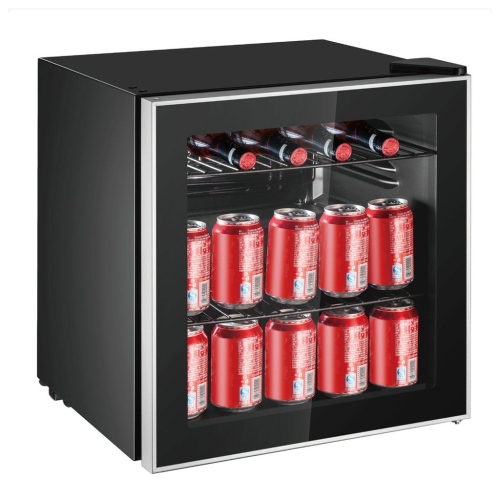
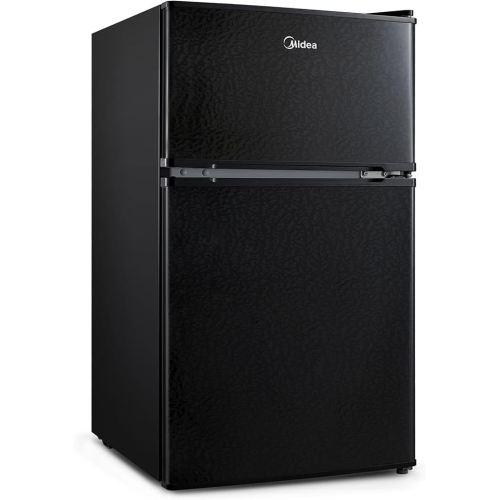
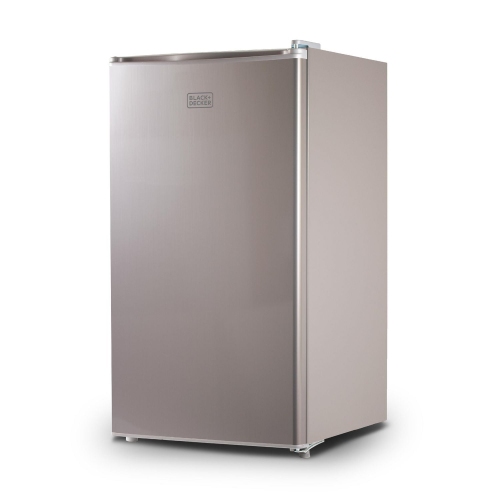
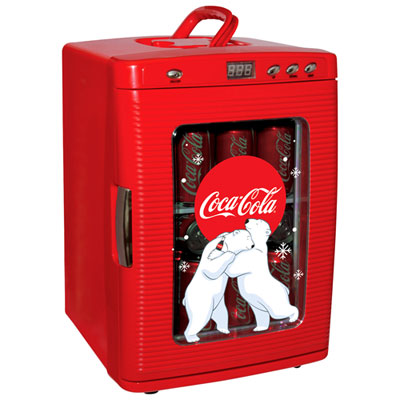
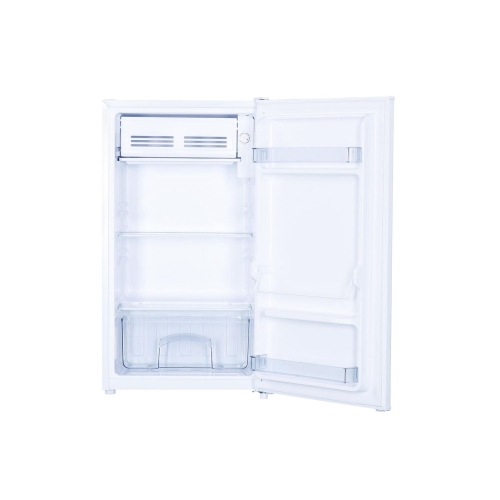
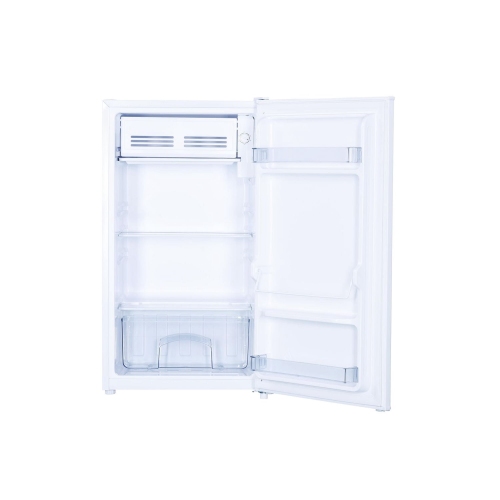
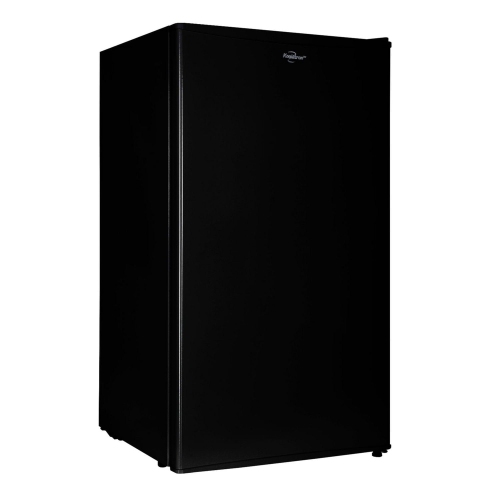
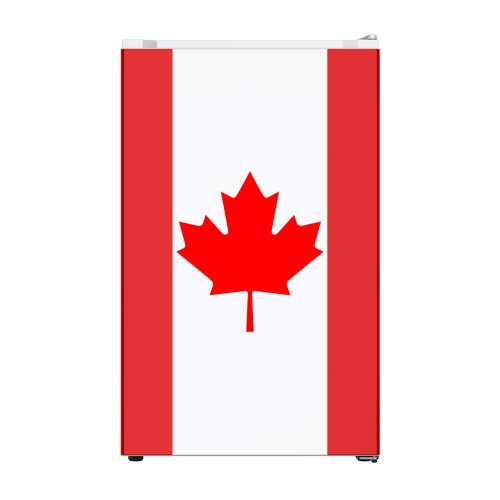
Lunch storage that fits your team and workspace
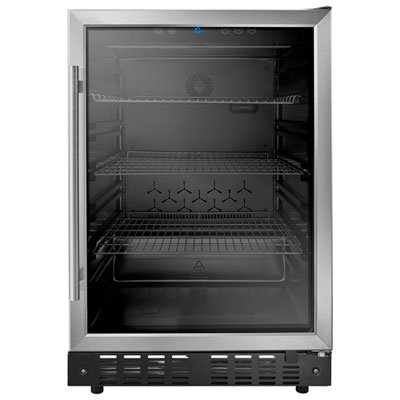
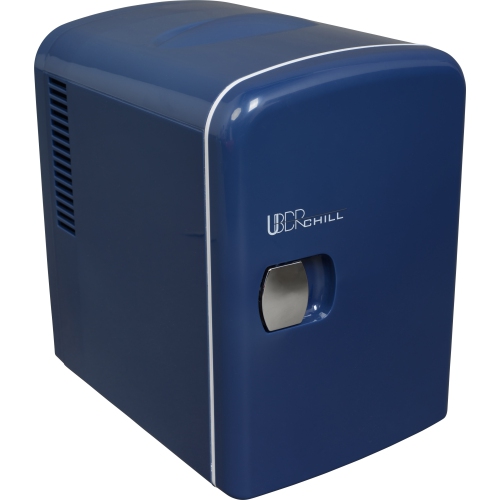
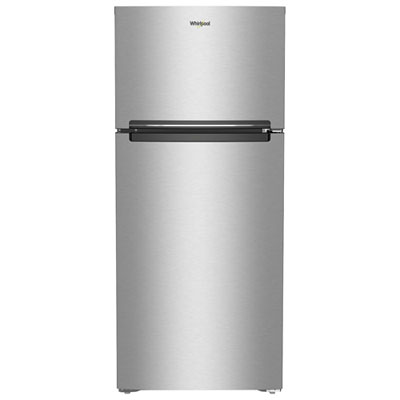
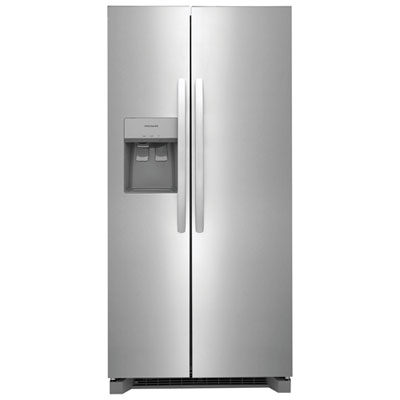
Office refrigerators provide convenient storage for staff lunches, snacks, milk, and chilled drinks in workplaces ranging from private offices to shared breakrooms. Compact and mini refrigerators are well suited to smaller teams and limited floor space, while larger refrigerators can better accommodate a busy lunchroom where several people bring meals each day. The most useful capacity depends on what goes inside, not just how many people work nearby. A few drink cans and a sandwich need relatively little room; reusable lunch containers, tall bottles, and a shared carton of milk take up more space and benefit from adjustable shelving. A shallow interior may hold drinks neatly but struggle with a wide meal-prep container, so usable shelf dimensions matter alongside the stated capacity. Full-width shelves offer flexibility for larger containers, while door bins keep smaller bottles and condiments from crowding the main compartment. A separate crisper can help contain fruit and vegetables, although it reduces the space available for stacked lunches. In a private office, a compact refrigerator can keep lunch close without taking over a corner of the room. In a shared workspace, a larger interior with clear sightlines makes it easier to find a labelled container before a short lunch break ends. Freezer needs also vary. A refrigerator-only design devotes its interior to fresh food and drinks, whereas a separate freezer compartment adds room for frozen meals or ice. A small internal ice compartment is not necessarily equivalent to a dedicated freezer, so its rated capabilities deserve attention when long-term frozen storage is part of the intended use. Beverage coolers serve a different purpose: their shelving and operating ranges may be designed around drinks rather than perishable lunches. For an office refrigerator expected to hold dairy, leftovers, and prepared meals, food-storage suitability is more important than a display-oriented layout or space for rows of cans.
Physical fit involves more than finding a gap wide enough for the cabinet. Office refrigerators need the ventilation clearances specified for their design, along with room for the door to open and shelves or drawers to slide out. A freestanding refrigerator should not be treated as a built-in appliance simply because it fits beneath a counter; an enclosed installation requires a model approved for that arrangement. Counter height, skirting boards, nearby cupboard handles, and the position of a wall can all affect how comfortably the appliance fits. A reversible door can make a compact refrigerator easier to position, particularly where a desk, filing cabinet, or kitchenette limits the direction of the door swing. The handle adds to the overall depth, and some doors need to open beyond a right angle before interior storage can be removed. Delivery access matters too, especially in offices reached through narrow corridors or lifts. Inside the room, a refrigerator works best where people can reach it without blocking a walkway or standing in front of a colleague’s chair. An accessible shelf height can be more useful than a very low compartment for staff who find bending difficult. Exterior finishes influence both appearance and upkeep. Painted metal offers a straightforward finish, while stainless steel can coordinate with other kitchenette appliances; resistance to fingerprints varies by finish rather than being a universal property of the material. Glass shelves provide a flat surface for containers and are often easier to wipe than open wire racks, although shelf load limits still apply. Removable door bins, sturdy drawer runners, and easy-to-clean interior surfaces are practical details in a shared appliance. Sound is another consideration when the refrigerator will sit beside a workstation rather than behind a breakroom door. Compressor cycling and occasional operating sounds may be more noticeable during a quiet call, so published sound information, where provided, helps put placement choices in context. A level floor and correct installation also support stable operation and proper door closure.
Daily use determines how well an office refrigerator continues to serve the space. A layout that leaves room between containers helps cold air circulate, while shelves packed tightly with oversized lunch bags can make food harder to find and interfere with airflow. Clear containers and simple name-and-date labels make shared storage more manageable without requiring elaborate organization. Keeping raw food sealed and separate from ready-to-eat lunches helps reduce the risk of cross-contamination, and wiping up a spill promptly prevents it from spreading beneath drawers or along shelf edges. Perishable food should be kept at 4°C or lower, and a refrigerator thermometer offers a useful check rather than relying only on the position of a control dial. Hot meals should be divided into shallow containers and refrigerated promptly, rather than left on a desk for hours. Door shelves are convenient for condiments, while more sensitive perishables are better stored on interior shelves where conditions are generally steadier. Automatic defrost can reduce routine upkeep, although manual-defrost compartments need attention when frost builds up; the appliance instructions establish the appropriate cleaning and defrosting method. Removable shelves and bins make a scheduled clean-out easier, particularly after a container leaks or an unclaimed lunch has been forgotten. Soft cloths and suitable, non-abrasive cleaners help protect interior surfaces and exterior finishes, and clean door seals help the door close properly. Any accessible ventilation openings also need to remain unobstructed. For small offices, the compact layouts associated with Dorm Room Fridges can offer a useful comparison, especially when the priority is storing a few lunches within a modest footprint. A larger shared breakroom calls for a different balance of capacity, shelf flexibility, and easy access. Across these settings, an office refrigerator earns its place through everyday practicality: enough room for the food people actually bring, a door that opens comfortably, surfaces that are straightforward to clean, and storage that stays organized through repeated use.
Top selling and popular products
-
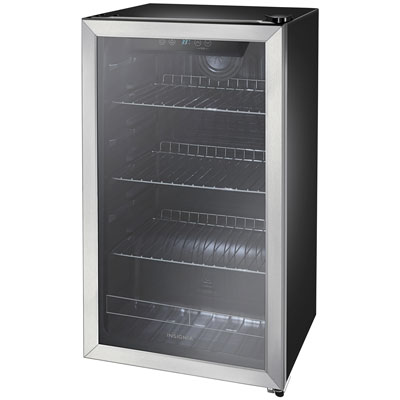 Your price for this item is $249.99
-
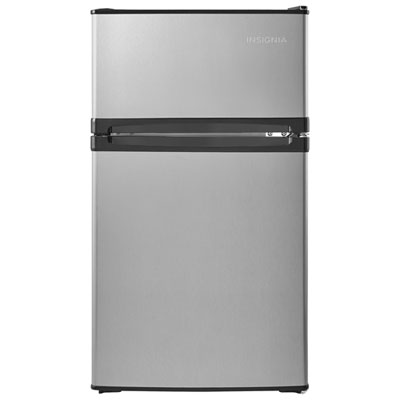 Your price for this item is $179.99
-
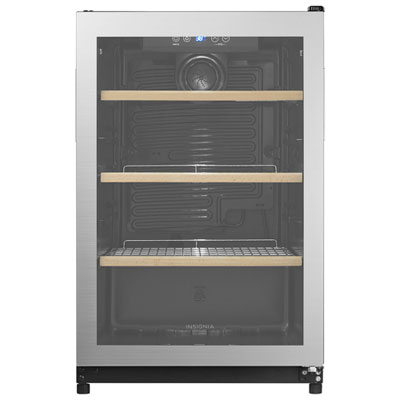 Your price for this item is $349.99
-
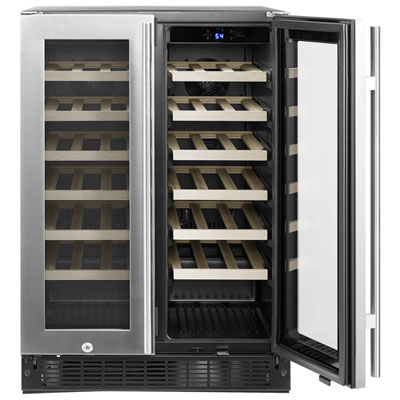 Your price for this item is $649.99
-
 Your price for this item is $399.99
-
 Your price for this item is $699.99
-
 Your price for this item is $169.99
-
 Your price for this item is $169.99
Discover more categories related to Office Refrigerators
Top Collections:
Best Black Friday Deals This Year, Best Black Friday Deals On Electronics, Kindle Devices, Pokemon Centers, Best Black Friday Deals On Apple Products, Best Cameras for Sports Photography, Dyson Airwrap, Pokémon 30th Celebration Cards, Apple iPhone 17 Pro, Canon G7X Cameras
Some products may be subject to Environmental Handling Fees
(EHF) depending on your province.
Learn more about EHFs.