Panasonic NN SN67HS
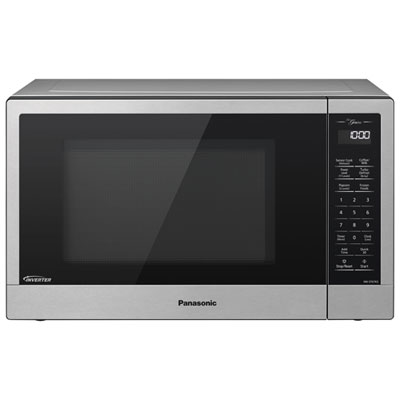
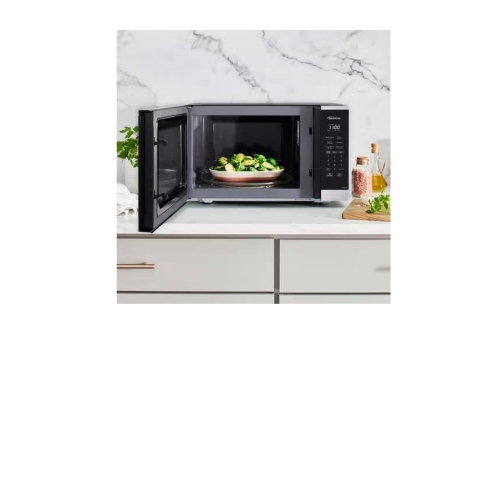
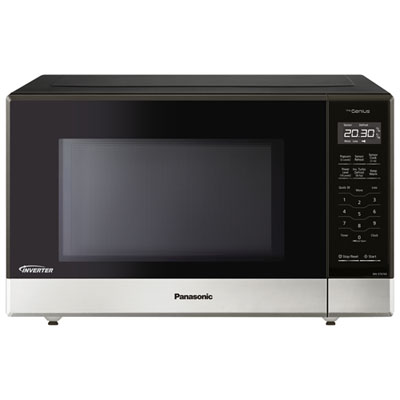
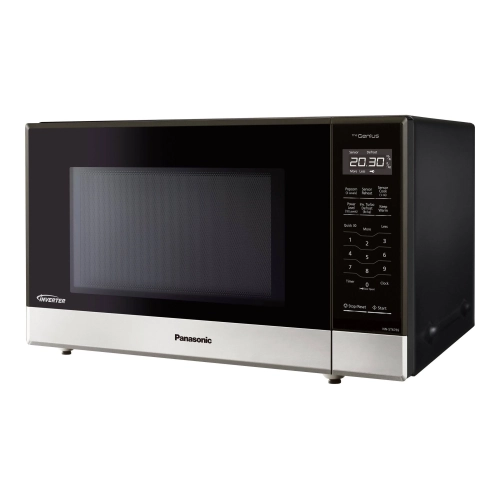
Discover the Panasonic NN SN67HS, a versatile addition to any kitchen that makes preparing meals and snacks easier than ever. Designed for convenience and efficiency, the Panasonic NN SN67HS brings reliable performance to your countertop. Whether you're heating up leftovers or creating delicious dishes from scratch, this microwave offers the flexibility to fit your lifestyle. Explore options that combine style and functionality, making it simple to enhance your daily routine.
Sort

Why microwave fit matters beyond your counter space
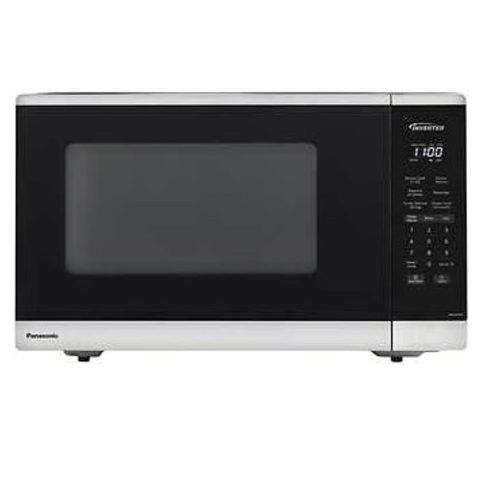
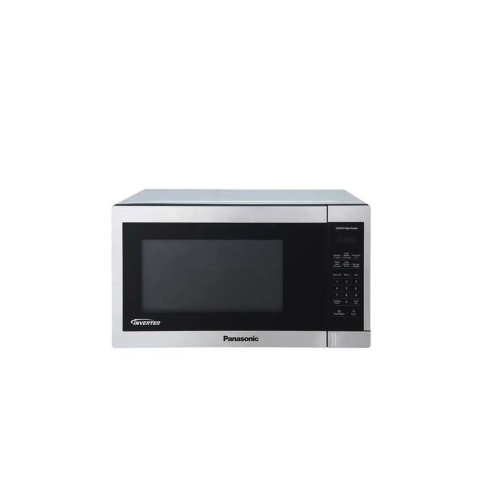
Countertop microwaves bring quick, flexible cooking to kitchens where reheating, defrosting, and preparing smaller meals are part of the daily routine. A mid-sized microwave with around 1.2 cubic feet of interior capacity offers room for many everyday bowls and dinner plates without taking up the footprint of a much larger appliance. This size can suit an apartment kitchen, a couple’s first home, or a family kitchen that needs a convenient way to warm individual portions alongside meals prepared on the stove. The Panasonic Microwaves collection provides a starting point for comparing countertop designs, cooking controls, and interior capacities suited to different household routines. Capacity alone does not tell the whole story: the shape of the cooking cavity, the diameter of the turntable, and the clearance above a covered dish all affect what fits comfortably inside. A wide dinner plate may fit easily while a rectangular casserole dish catches against the interior as the turntable rotates. Exterior measurements matter just as much, particularly on a shallow counter or beneath upper cabinets. The space needed includes the appliance itself, the ventilation clearances specified in its manual, and enough room to open the door and lift out a hot bowl with both hands. Countertop appliances generally need open airflow and should not be enclosed in cabinetry unless the manufacturer expressly permits that installation. For everyday convenience, a position near a suitable electrical outlet and a clear landing area makes serving easier. Stainless steel or stainless-look finishes can coordinate with other kitchen appliances, while the finish on the door, handle, and control panel influences how visible fingerprints become. A smooth interior and an easily removable glass tray are practical details for anyone who regularly reheats pasta sauce, porridge, or soup. In a shared kitchen, readable controls and a door that opens comfortably can be as useful as an extensive menu of cooking presets, especially when several people use the appliance throughout the day.
Cooking power and the way that power is delivered shape how a microwave handles food. An output of around 1,200 watts supports relatively quick heating, though actual results depend on the portion size, starting temperature, container, and selected setting. Package directions may be based on a different wattage, so the stated cooking time is not always a direct match. Inverter technology is designed to regulate microwave output more continuously at reduced power settings, rather than relying solely on alternating full-power bursts with pauses. This can help with gentler tasks such as softening butter, warming a delicate sauce, or thawing food without cooking its edges as quickly. It does not remove the need to stir, rearrange, or allow standing time when a recipe or the appliance instructions call for it. Sensor cooking adds another kind of convenience by using detected moisture or steam to help adjust cooking time, and sometimes power, for supported foods and settings. A bowl of vegetables and a plate of leftovers release moisture differently, which is why the selected programme and the recommended covering method still matter. Automatic settings are useful starting points rather than a promise that every dish will finish identically. Manual power levels remain valuable for households that regularly prepare different textures and portion sizes, from a small serving of rice to a dense piece of lasagna. Defrost functions can simplify meal preparation by adjusting the heating sequence for frozen food, often using the entered weight or food category. Separating pieces when possible, turning food when prompted, and following any standing-time instructions help improve results. Raw meat, poultry, and fish thawed in a microwave should be cooked promptly afterward. A rotating turntable helps expose food to different areas of the cooking cavity, but thick or unevenly shaped portions can still heat inconsistently. Stirring soup from the edges towards the centre, spreading rice into a shallow layer, and checking reheated food in several places are small habits that make everyday microwave cooking more dependable.
The most useful countertop microwave is one whose controls, capacity, and upkeep fit the way a household actually eats. Someone preparing lunches ahead of time may value space for a reusable meal container and simple access to reduced power, while a busy family may use one-touch reheating and an add-time control more often. Large, high-contrast display characters can make settings easier to read, and clearly labelled buttons reduce guesswork when warming a drink or heating a single portion. Where included, a child lock can help prevent unintended operation, although its exact function varies and it does not replace supervision around hot food and liquids. Keep-warm settings can be convenient for brief delays before serving, but food should still be handled according to safe holding guidance rather than left in the appliance indefinitely. Microwave-safe glass and ceramic dishes are common choices for everyday use; containers, lids, and wraps should be labelled for microwave use and used as directed. Metallic decoration, unsuitable plastics, and tightly sealed containers can create problems even when a dish otherwise fits inside. A vented cover helps contain splashes while allowing steam to escape, and leaving a little space above food reduces messy contact with the lid. Care is usually straightforward when spills are addressed promptly: allow the interior to cool, wipe it with a soft cloth and mild detergent, and clean the turntable and support according to the manual. Abrasive pads and harsh cleaners can damage surfaces, while moisture should be kept out of vents and control openings. Keeping the door edges and closing surfaces free of food residue supports proper use, and a damaged door, hinge, or latch needs attention before the appliance is operated again. A microwave can also be a practical housewarming gift or a useful addition to a student’s kitchen where cooking appliances are permitted, provided the recipient has suitable counter space and electrical access. For long-term ownership, sturdy construction, a tray that is easy to remove and replace, accessible care instructions, and clearly explained warranty coverage are worth considering alongside cooking features. These everyday details help an appliance remain straightforward to use well beyond its first few meals.
Top selling and popular products
-
 Your price for this item is $674.99
-
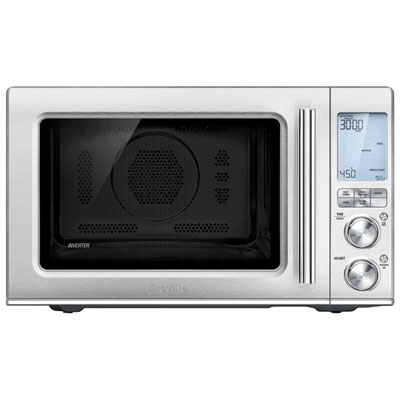 Your price for this item is $699.99
-
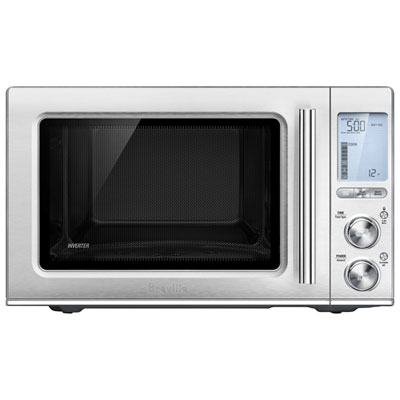 Your price for this item is $459.99
-
 Your price for this item is $114.99
-
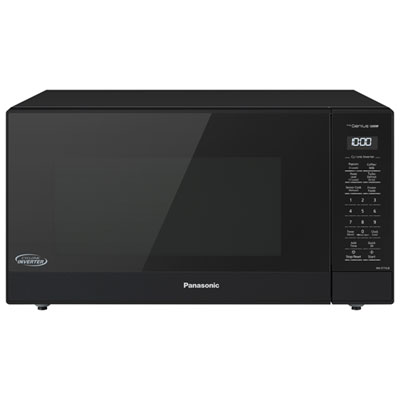 Your price for this item is $309.99
-
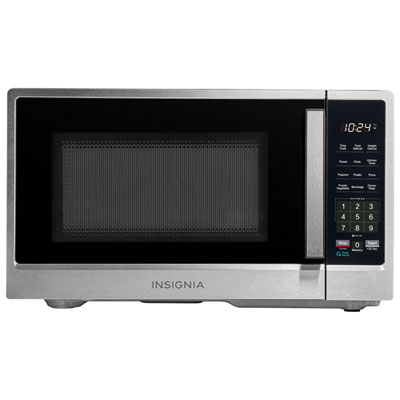 Your price for this item is $149.99
-
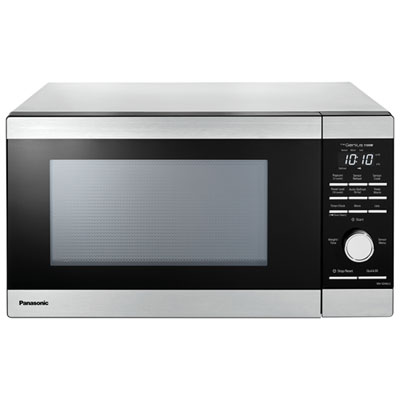 Your price for this item is $249.99
-
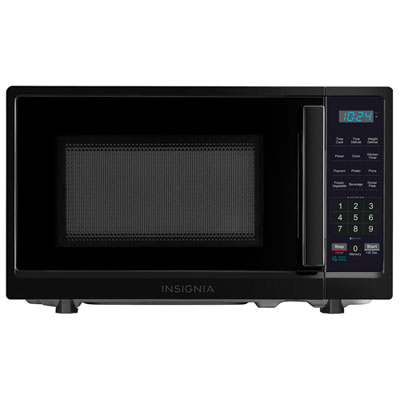 Your price for this item is $109.99
Discover more categories related to Panasonic NN SN67HS

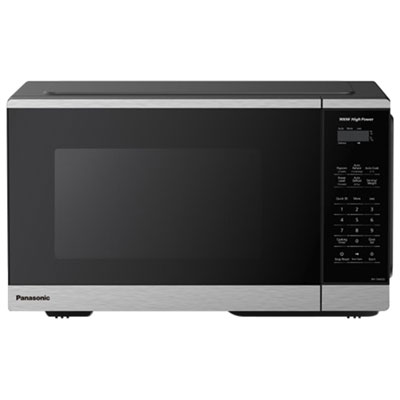
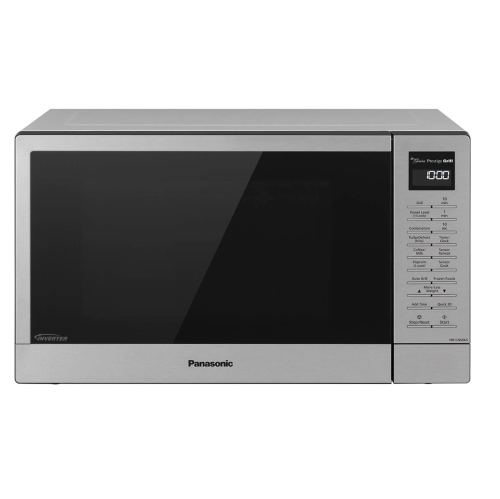
Top Collections:
Pokemon Centers, Best Cameras for Sports Photography, Kindle Devices, Samsung Galaxy Phones, Canon G7X Cameras, Pokémon 30th Celebration Cards, Refurbished Apple Laptops, iPhone 15 Apple, Laptops for Students, Budget Smartphones
Some products may be subject to Environmental Handling Fees
(EHF) depending on your province.
Learn more about EHFs.