Panini Presses
Looking to satisfy your cravings for delicious, restaurant-quality paninis right in the comfort of your own home? Look no further than our collection of panini presses. These versatile appliances are designed to bring the ultimate sandwich experience to your kitchen, allowing you to create perfectly toasted bread with mouthwatering fillings. Whether you prefer classic combinations or want to experiment with unique flavor profiles, our panini presses are here to elevate your culinary creations. With their innovative features and sleek designs, these appliances make it easier than ever to enjoy a hot and crispy panini whenever the craving strikes. Get ready to take your sandwich game to a whole new level with our selection of panini presses.
Sort


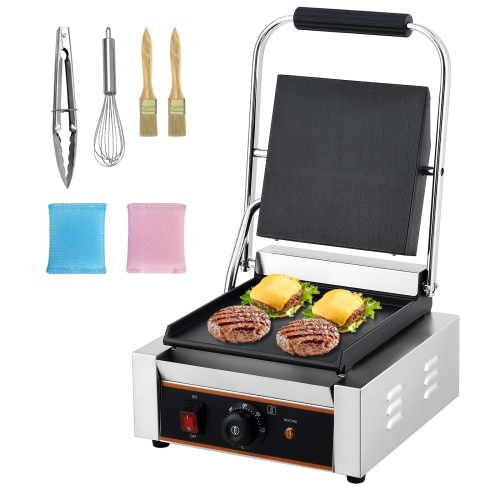
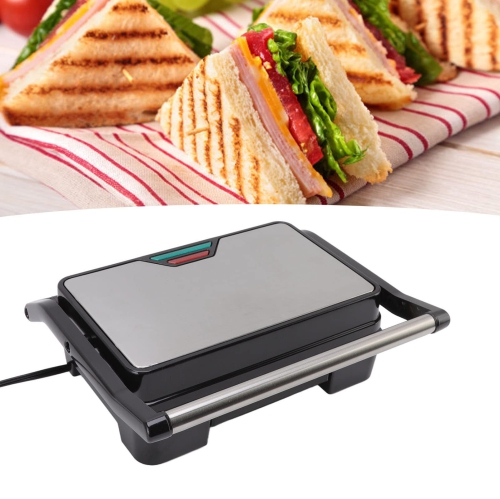
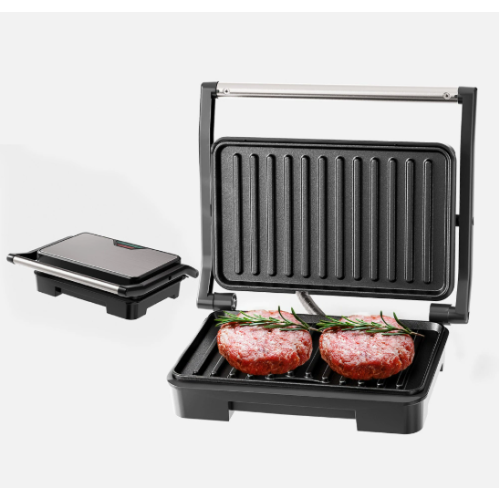
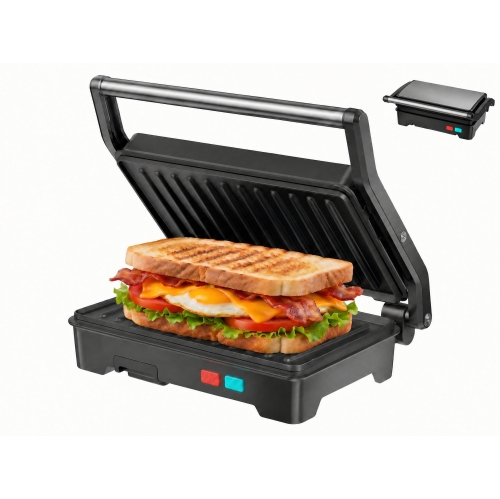
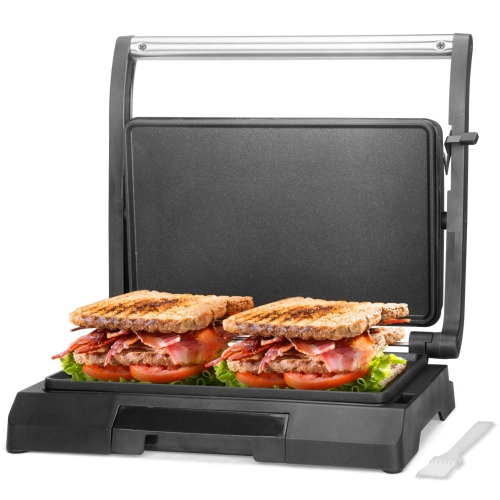
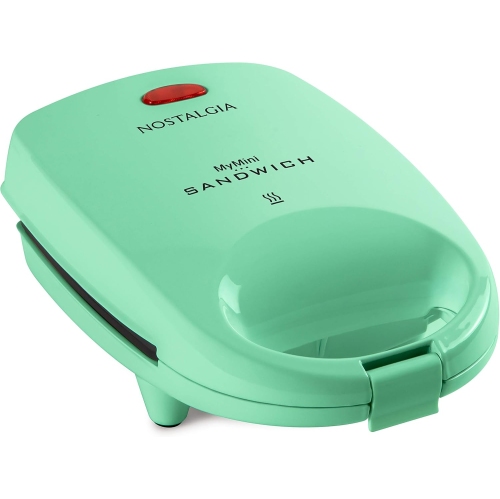
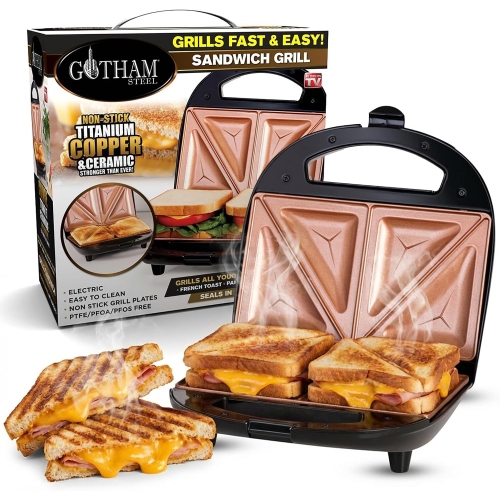
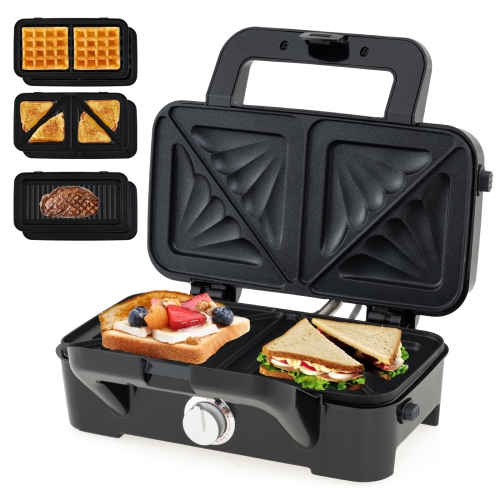
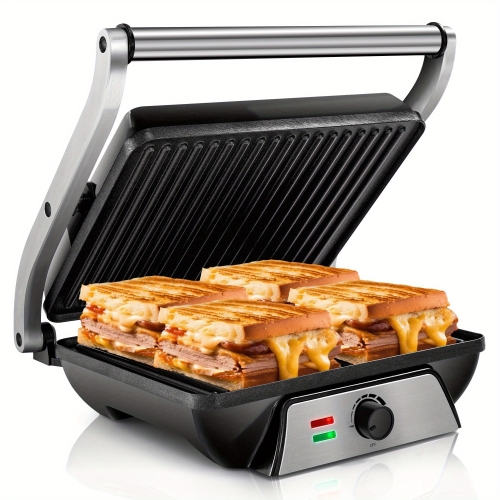
How sandwiches toast on both sides without flipping
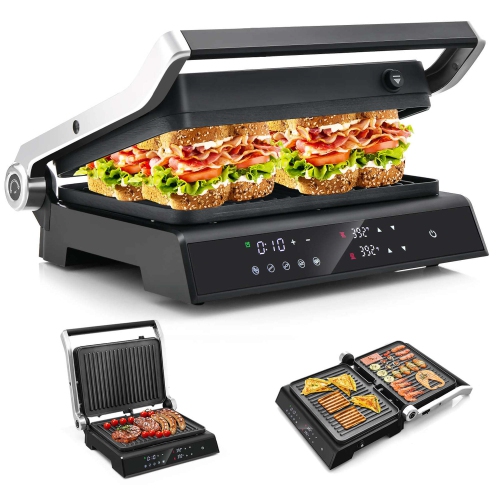
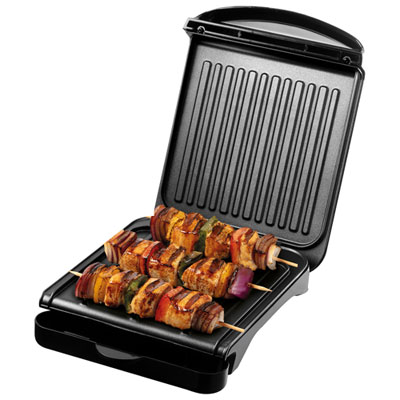
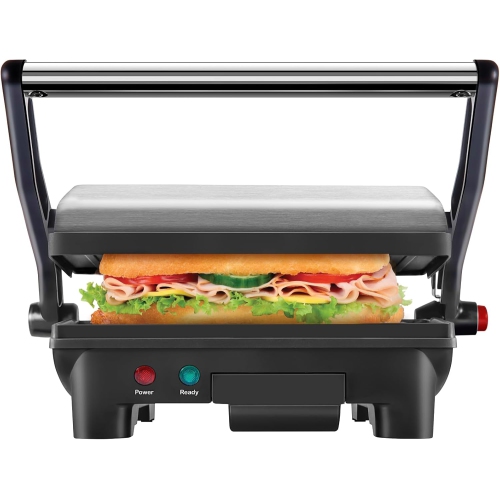
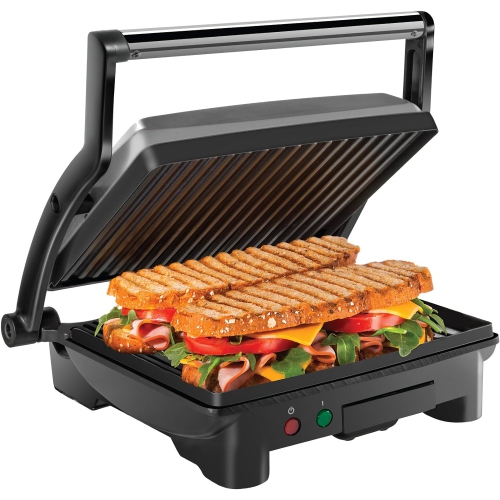
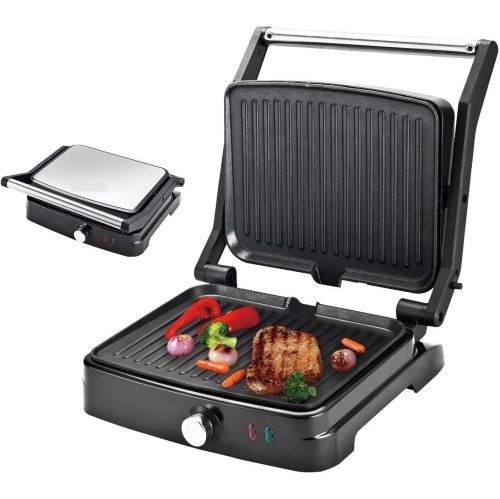
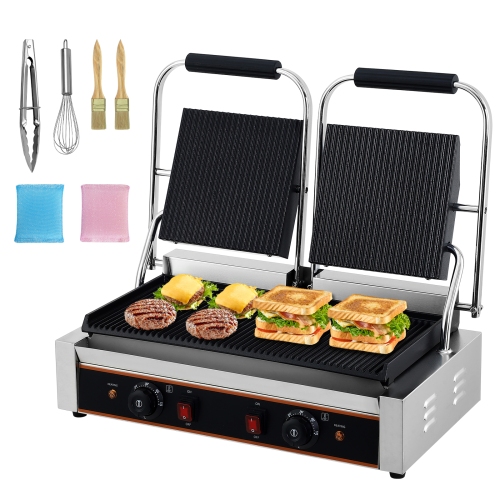
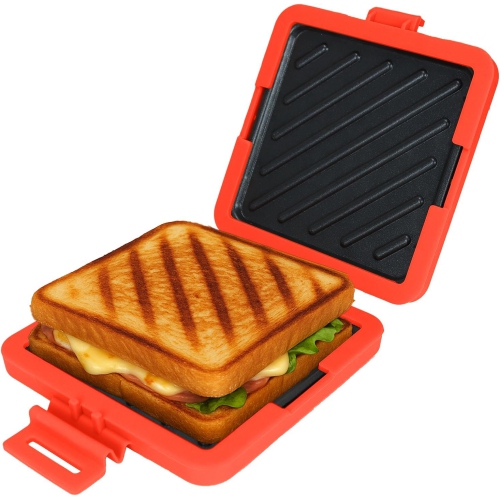
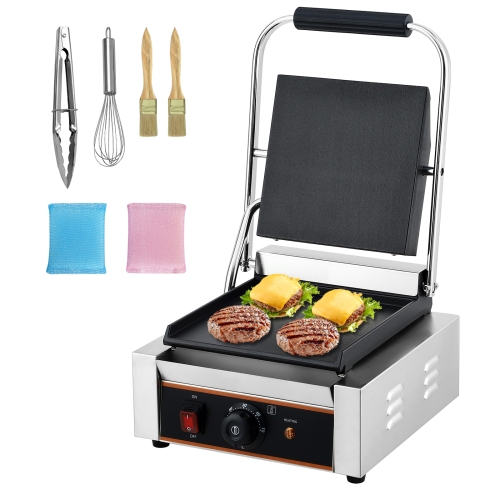
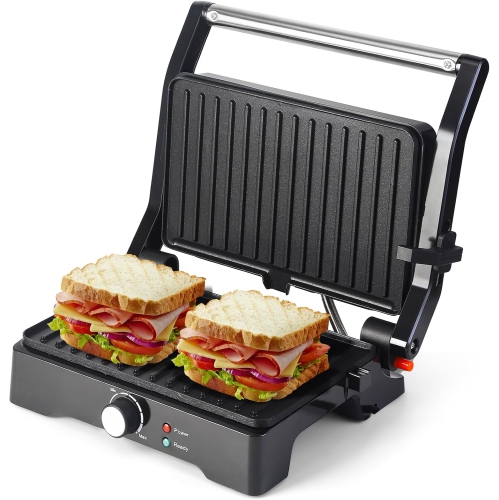
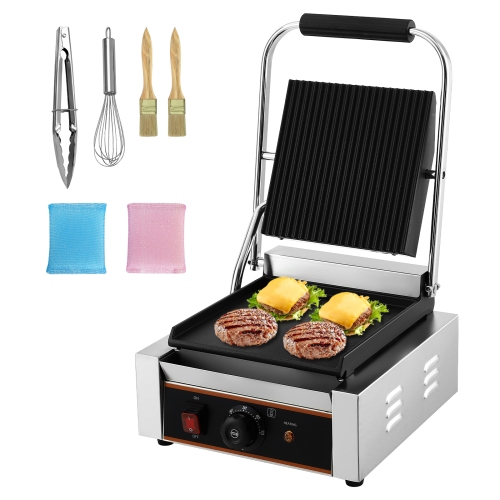
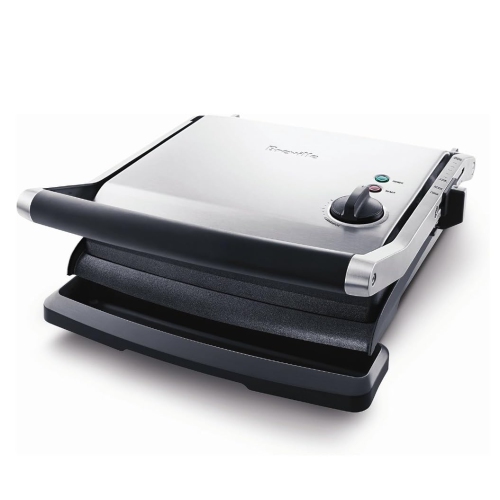
A panini press is a countertop appliance with two heated plates that toast a sandwich from both sides at once. The hinged lid rests on the bread, bringing it into contact with the upper plate while the lower plate browns the underside. There’s no need to flip the sandwich, which helps keep loose fillings in place as the cheese melts. Ribbed plates leave the familiar grill marks on a ciabatta roll, while smooth plates brown more of the bread’s surface, giving sliced sourdough or a simple grilled cheese an even crust. The hinge makes a difference to what fits between those plates. A floating hinge lets the lid rise to sit more level over a thick sandwich, so the back edge isn’t squeezed flat while the front barely touches the plate. Some presses also have adjustable height settings that limit how far the lid can close, a useful feature for soft rolls or fillings that tend to spill out under pressure. A basic hinged press may be all that’s needed for sliced bread, thin wraps and quesadillas. For two sandwiches cooked side by side, keeping them close in thickness helps both tops make contact with the lid. Bread and fillings affect the result as much as the press itself: a sturdy roll stands up to layers of roasted vegetables, while a thin spread of mustard on sliced bread adds flavour without making the crumb soggy. Patting sliced tomatoes dry or tucking the cheese just inside the edges also helps keep moisture and melted filling off the plates. A light brush of oil or butter can add colour and crunch, but many breads toast well without it. Even without deep grill marks, the bread can have a crisp crust and a soft centre.
Plate material, heat controls and cleanup matter when a panini press gets frequent use. Coated aluminum plates generally heat up quickly and release toasted bread and melted cheese easily. Heavier cast iron plates tend to hold heat well between batches, although they can be heavier to lift and wash if they’re removable. A stainless steel exterior describes the housing, not necessarily the cooking surface, so the plate material is worth checking separately. A press with a preset heat level keeps things simple for sandwiches made with similar bread and fillings. Adjustable heat is more useful when switching from a thin cheese sandwich to a thick stack of bread and chilled fillings: a lower setting gives the centre more time to warm before the outside gets too dark. A ready light typically signals that the plates have preheated, not that the sandwich is done. For care, fixed plates need to be wiped in place once the press is unplugged and has cooled as directed. Removable plates can be washed at the sink, and some can go in the dishwasher if the manufacturer allows it. Deep ridges create more grooves for crumbs and melted cheese to settle into, while a smooth plate is usually easier to wipe clean. A drip tray can help catch runoff when cooking foods that release more oil or liquid, provided the appliance is designed for that use. With a non-stick surface, wood or silicone utensils help avoid scratches from metal edges, and a soft cloth or sponge is preferable to a scouring pad. A sturdy hinge and removable plates that latch securely are practical features for a press that will be opened, cleaned and put away often.
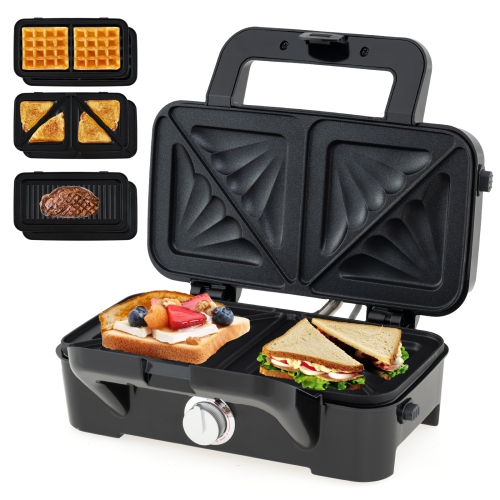
The right size depends on what gets cooked most often and where the press will sit. A narrow appliance can fit neatly on a small countertop but may not have room for two wide slices of bakery bread side by side. The usable plate dimensions are a better measure of capacity than the width of the housing, especially when a rim or drip channel takes up part of the cooking surface. It’s also worth accounting for the space behind and above the hinge when the lid is fully open, with enough clearance to use the handle comfortably and follow the manufacturer’s placement instructions. A storage latch can keep the lid shut between uses, but a press should only be stored upright if it’s designed to sit that way. For kitchens where one appliance needs to do more than toast sandwiches, some presses open flat so both plates can be used as a cooking surface. That setup leaves room to spread out slices of zucchini or peppers, but it also takes up more countertop space than using the press with the lid closed. Reversible grill and griddle plates offer another way to switch between ridged and flat surfaces. For households that would use the same appliance for pressed sandwiches and waffles, Panini Waffle Makers include styles with interchangeable plates shaped for each. A dedicated sandwich press can be a better fit when quick lunches are the main draw and there’s no need to find a place for extra plates. A compact press can make a practical housewarming gift for someone setting up a first apartment, especially if they already make toasted sandwiches in a frying pan. A wider cooking surface makes more sense for a household that regularly prepares several lunches at once, where fitting two sandwiches on the plates can save waiting for another batch. For someone who usually cooks for one, a press that fits a favourite loaf and wipes clean without much effort may get more use than a larger appliance with settings and attachments they rarely need.
Top selling and popular products
-
 Your price for this item is $70.92
-
 Your price for this item is $39.99
-
 Your price for this item is $99.99
-
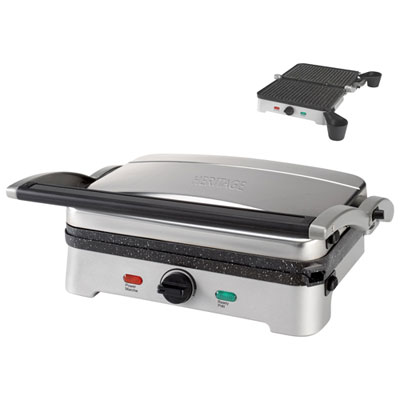 Your price for this item is $69.99
-
 Your price for this item is $109.99
-
 Your price for this item is $79.99
-
 Your price for this item is $97.89
-
 Your price for this item is $272.98
Discover more categories related to Panini Presses
Top Collections:
Best Black Friday Deals This Year, Best Black Friday Deals On Electronics, Kindle Devices, Pokemon Centers, Best Black Friday Deals On Apple Products, Best Cameras for Sports Photography, Dyson Airwrap, Pokémon 30th Celebration Cards, Apple iPhone 17 Pro, Canon G7X Cameras
Some products may be subject to Environmental Handling Fees
(EHF) depending on your province.
Learn more about EHFs.