Portable Air Conditioner Window Vent Kits
Portable Air Conditioner Window Vent Kits make it easy to set up your cooling system quickly and efficiently. Designed to fit a variety of window types, these kits help ensure a secure connection for your portable air conditioner’s exhaust hose. Whether you’re looking to cool a bedroom, office, or living room, Portable Air Conditioner Window Vent Kits provide a practical solution for directing warm air outside. Find options that suit your space and enjoy hassle-free installation for improved comfort during warmer months.
Sort



A secure exhaust connection starts with the right fit
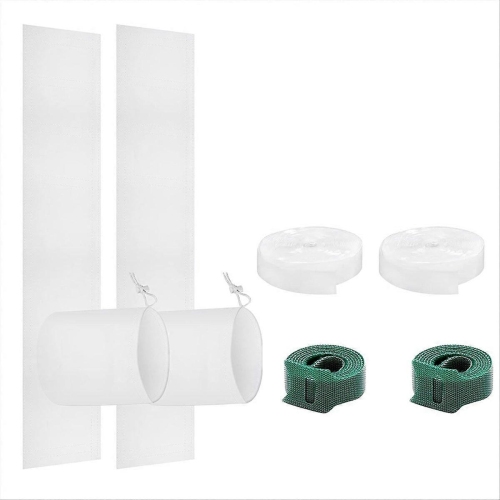
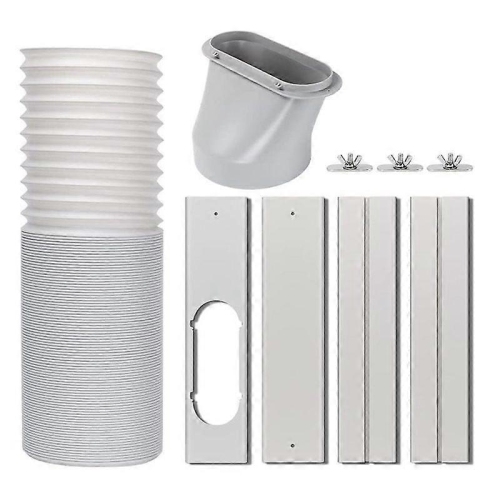
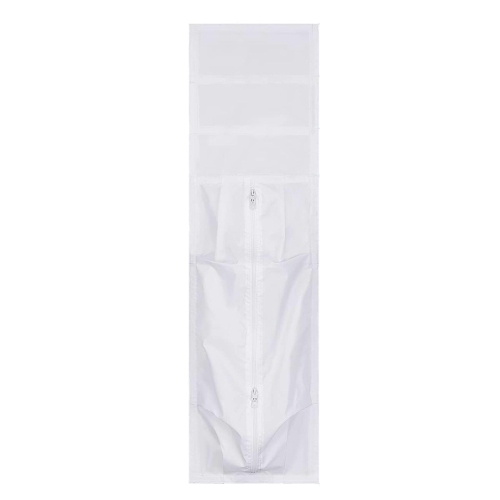
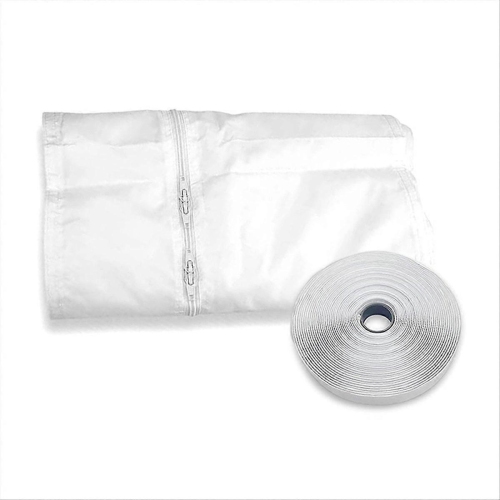
Portable air conditioner window vent kits connect a portable air conditioner’s exhaust hose to a window opening, giving the warm air removed from a room a path outside. A typical setup uses an adjustable panel, a hose opening and a connector, with sealing strips or fastening hardware included in some kits. The panel fills the space around the outlet so the window does not have to remain wide open while the appliance runs. These accessories serve a different purpose from the mounting hardware used for a window air conditioner: the portable unit stays inside the room, while its exhaust passes through the window connection. They can be useful in bedrooms, home offices, apartments and other spaces where a portable appliance provides cooling, provided the window and building rules permit installation. They also offer a practical replacement option when an original panel is missing, a connector has cracked or a move has left an existing setup poorly matched to a different window. Rigid sliding panels generally suit compatible single-hung, double-hung and horizontally sliding windows. Depending on the design, the same panel assembly may sit horizontally beneath a raised sash or vertically beside a sash that slides sideways. Hinged windows need a different approach. Fabric window seals with zippered hose openings can suit certain casement or outward-opening windows, while other installations require a purpose-built rigid adapter. The window’s opening direction, handle placement and surrounding frame all affect suitability. A complete connection should hold the hose securely without forcing the sash, blocking necessary access or leaving large gaps around the panel. The broader selection of Air Conditioner Vent Kits can also help distinguish complete assemblies from individual replacement parts. A kit may contain panels and an outlet adapter without an exhaust hose, so its listed contents matter just as much as its stated window compatibility. For someone replacing only a damaged panel, keeping a serviceable hose and matching connector may be all that is needed.
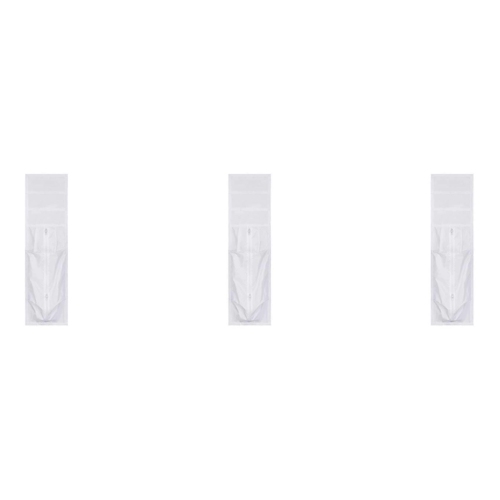
Fit involves several separate measurements rather than a single “universal” size. The usable window opening determines the panel length required, while the frame channel and sash profile affect how securely the panel can sit. Adjustable sections overlap to cover a range of openings, but both the minimum and maximum assembled lengths matter. A narrow bedroom window may be too small for a panel’s shortest configuration, while a tall sliding window may need a compatible extension. Measuring the actual space the panel will occupy is more useful than relying on the overall window dimensions. Exhaust hoses commonly have nominal diameters around 5.1 inches or 5.9 inches, but those measurements are not interchangeable, and diameter alone does not establish compatibility. The appliance-side connector, window-side adapter, locking tabs and hose thread direction must also match. Some hoses attach with clockwise threads and others with counter-clockwise threads; forcing the wrong connection can damage the hose end or leave it loosely secured. A round hose may connect to an oval or rectangular window outlet through a shaped adapter, making the adapter another essential part of the fit. Single-hose and dual-hose portable air conditioners also require different arrangements. A dual-hose appliance needs a window connection designed for its intake and exhaust layout, including any model-specific combined hose assembly. An existing single-opening panel should not be assumed suitable. Hose routing deserves equal attention: a unit beside a desk or bed needs enough clearance for a short, direct run without tight bends, crushing or tension on the window fitting. Excess hose stretched across the floor can create an obstruction and may interfere with proper exhaust flow. The appliance manufacturer’s permitted hose length and installation requirements remain the reference for a suitable arrangement. For renters moving between homes, a removable assembly with the correct adjustment range can be particularly practical, but compatibility still needs to be checked against each window and appliance.
Materials and construction influence how a vent kit handles installation, daily use and storage. Rigid panels are often made from PVC or other moulded plastics, offering a wipe-clean surface and enough structure to bridge a window opening when properly supported. Panel stiffness, the shape of the overlapping sections and the quality of the fasteners affect how steadily the assembly stays in place. Smooth edges and secure adjustment points are especially helpful when the kit is removed and fitted again between periods of use. Fabric seals take a different approach, typically attaching around a compatible window frame with adhesive-backed hook-and-loop strips and gathering around the hose through a zippered opening. Their flexibility can accommodate some hinged-window layouts, although they do not provide the same rigid barrier as a solid panel. Neither style should be treated as a security device, and any sash lock or additional restraint needs to be appropriate for the window. Foam sealing strips can close small irregular gaps between a rigid panel and the frame, but they are not a substitute for a correctly sized assembly. A snug connection helps limit warm outdoor air entering around the outlet and keeps the hose from pulling free when the appliance is moved slightly for cleaning. Durability also depends on care: dust and residue should be removed from attachment surfaces, plastic parts wiped according to their care instructions, and fabric seals cleaned only by the method their manufacturer allows. Adhesive strips may mark painted or finished surfaces, so frame compatibility matters, particularly in a rental. During extended periods when the air conditioner is not being used, removable parts can be taken down so the window closes normally. Dry panels, hoses and seals are best stored without sharp bends or heavy objects pressing against them. Checking for split hose ends, brittle tabs, loose fasteners and worn sealing strips before reuse helps identify small problems before they disrupt the setup. With the window type, hose connection and kit contents properly matched, these accessories provide a tidy, practical exhaust connection for portable cooling at home.
Top selling and popular products
-
 Your price for this item is $860
-
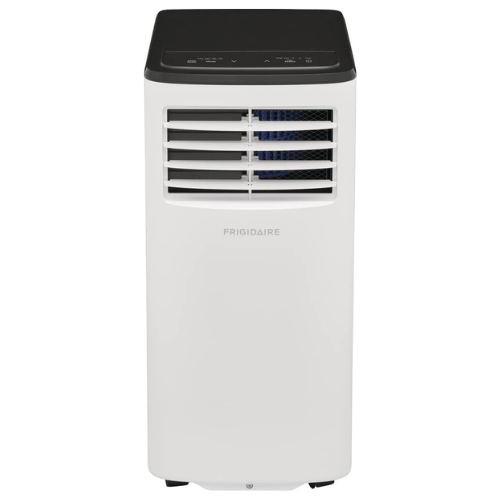 Your price for this item is $599
-
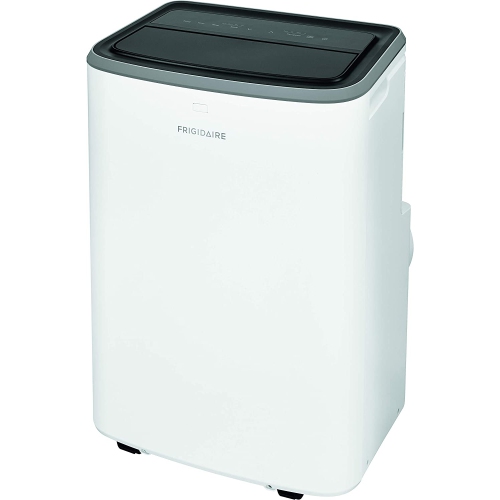 Your price for this item is $1000
-
 Your price for this item is $999
-
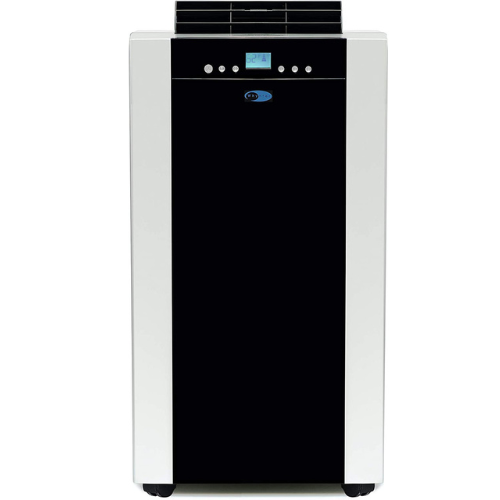 Your price for this item is $1089
-
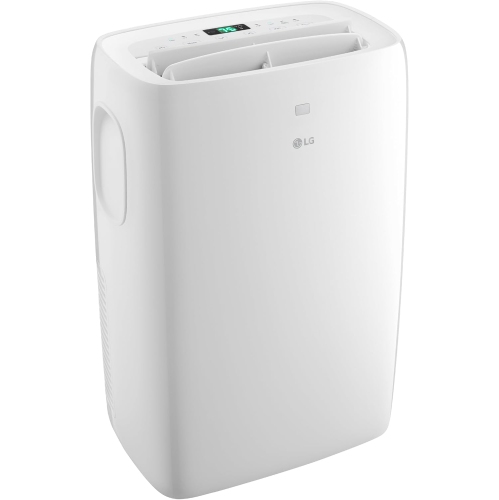 Your price for this item is $839.68
-
 Your price for this item is $549.99
-
 Your price for this item is $519.99
Discover more categories related to Portable Air Conditioner Window Vent Kits
Top Collections:
Pokemon Centers, Best Cameras for Sports Photography, Kindle Devices, Samsung Galaxy Phones, Canon G7X Cameras, Pokémon 30th Celebration Cards, Refurbished Apple Laptops, iPhone 15 Apple, Laptops for Students, Budget Smartphones
Some products may be subject to Environmental Handling Fees
(EHF) depending on your province.
Learn more about EHFs.