Portable Air Conditioners for Dorm Rooms
Portable air conditioners for dorm rooms offer a convenient way to stay comfortable during warmer months. Designed to fit smaller spaces, these units provide cooling solutions that are easy to move and set up as needed. Whether you’re looking to create a more comfortable place to study or simply want relief from the heat, portable air conditioners for dorm rooms can help maintain a pleasant atmosphere without permanent installation. Explore options that make it easy to enjoy cool air in your living space throughout the school year.
Sort

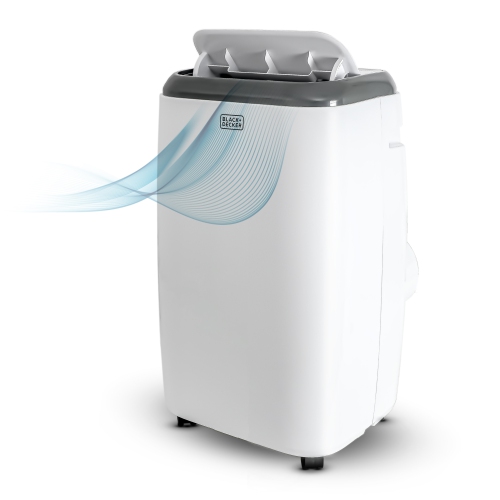
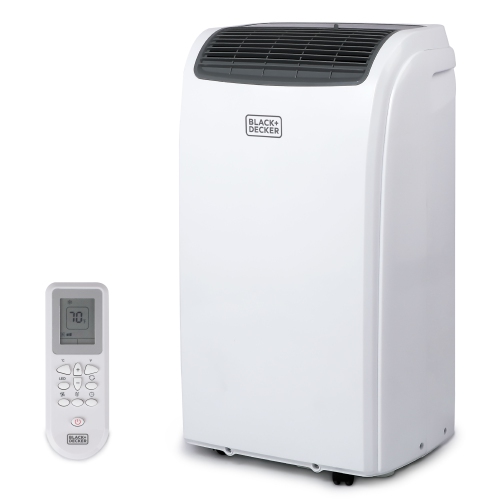
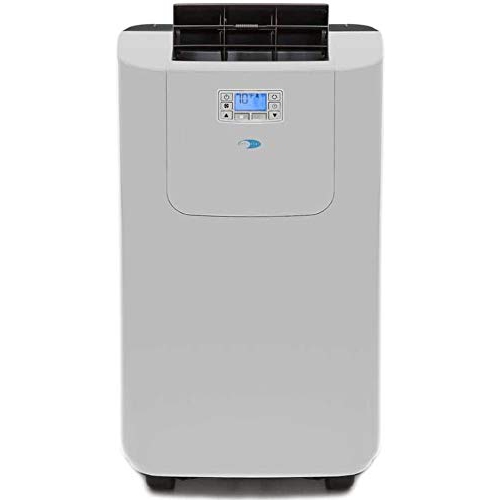
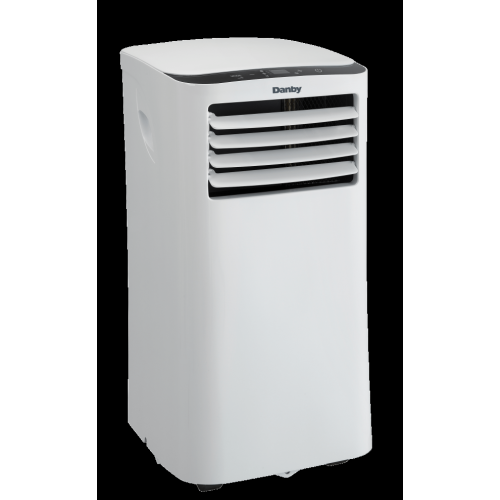
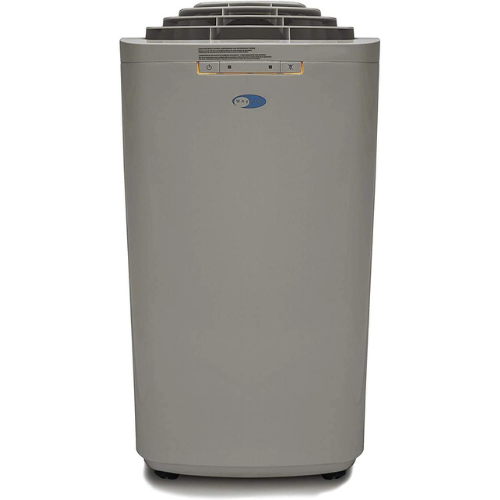
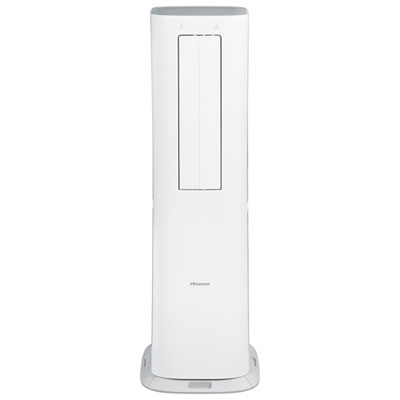
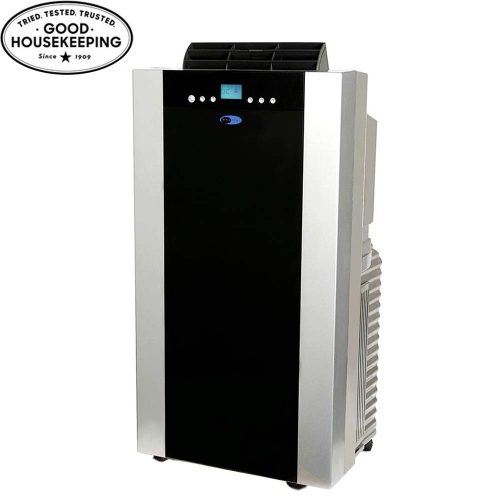
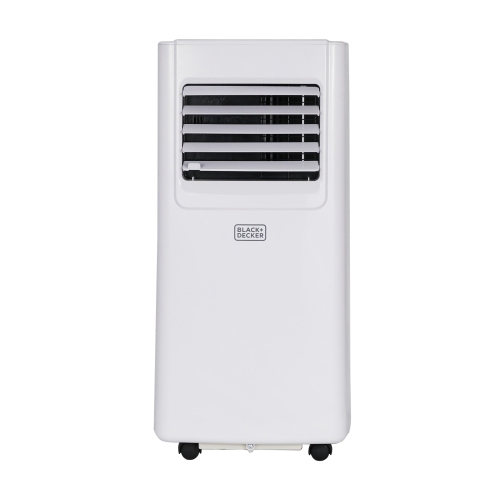
Dorm room cooling goes beyond the BTU rating
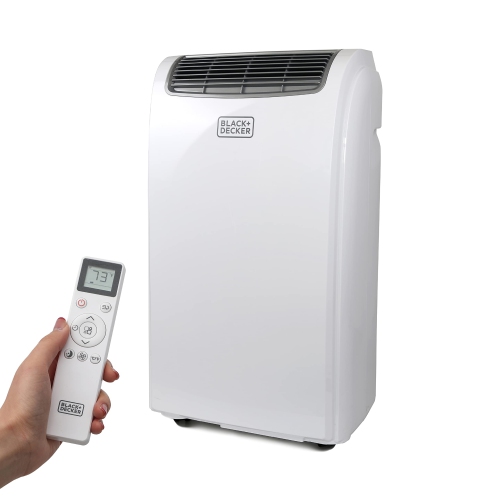
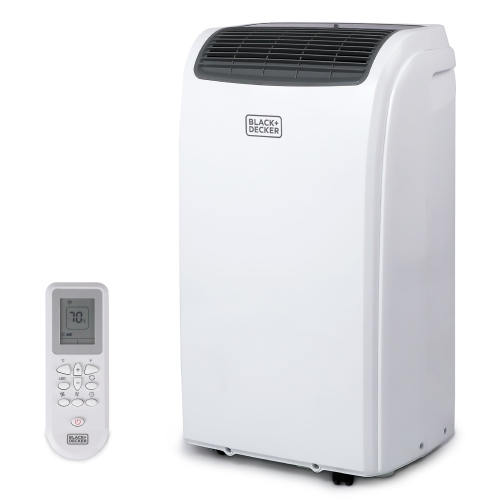
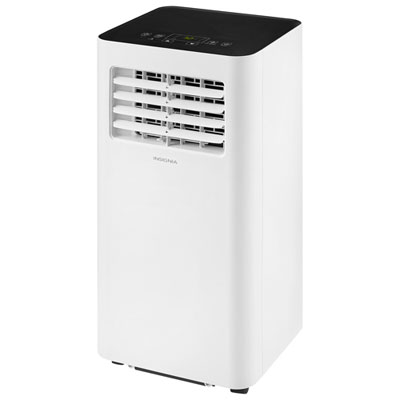
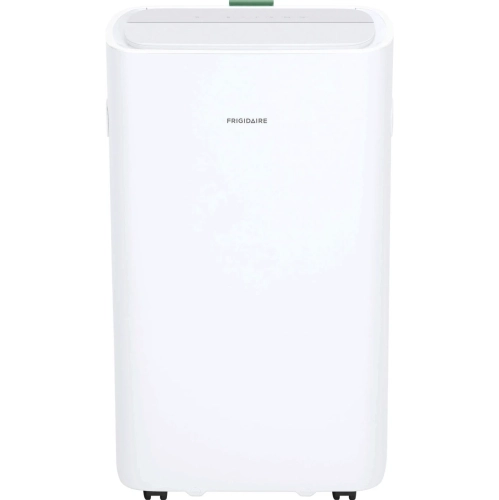
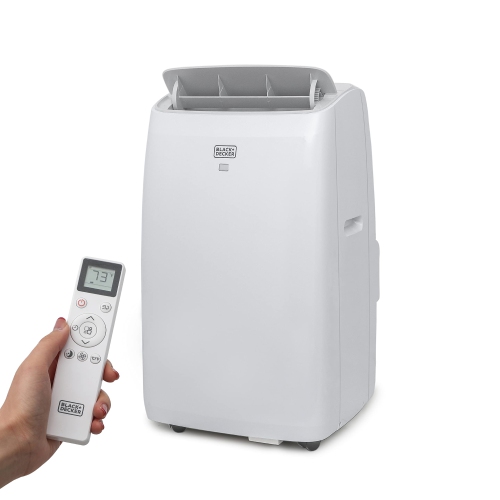
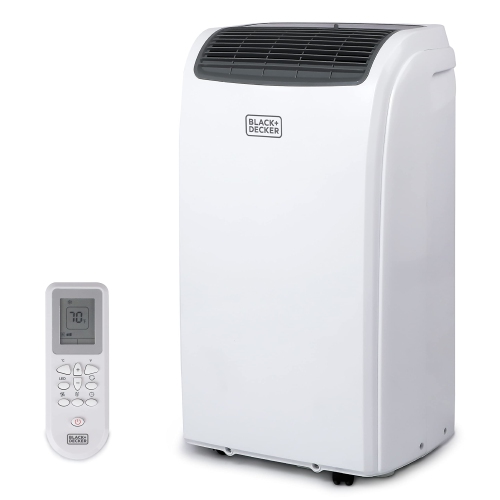
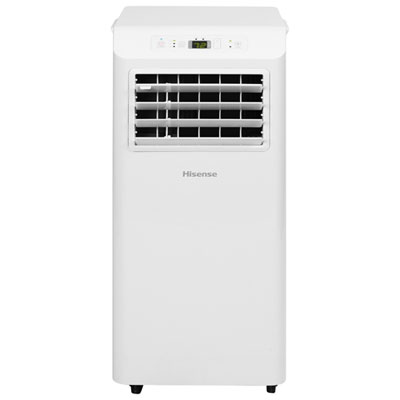
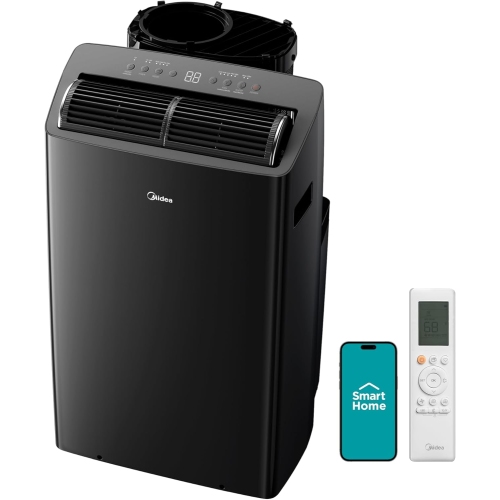
Portable air conditioners for dorm rooms provide cooling in a movable, floor-standing format that can suit student housing where a window-mounted unit is impractical or not permitted. They still need an approved way to vent heat outdoors, usually through an exhaust hose connected to a compatible window kit. Unlike a fan, which moves air without lowering the room’s temperature, a portable air conditioner uses a compressor and refrigerant to remove heat from indoor air. That makes it useful for a sleeping area that stays warm overnight, a sun-facing room, or a shared space where computers and other electronics add heat. Residence policies are an important part of suitability: some buildings restrict air conditioners, require approval, or set electrical and installation requirements. Comparing portable air conditioners for student dorm rooms therefore involves both cooling performance and the practical limits of the room. Models advertised at 8,000 to 10,000 BTU may suit some smaller dorm rooms, but that range is not a universal recommendation. The manufacturer’s stated room coverage, the room’s floor area, ceiling height, sunlight exposure, and number of occupants all help establish an appropriate match. BTU figures also need context: traditional ASHRAE ratings and seasonally adjusted cooling capacity, commonly labelled SACC, use different testing methods and should not be compared as though they were interchangeable. SACC accounts for factors affecting portable air conditioner performance and is typically lower than the ASHRAE figure for the same unit. Comparing coverage recommendations and ratings measured on the same basis gives a clearer picture than choosing by the largest number alone. Too little capacity can leave a room uncomfortable despite extended operation, while excessive capacity can cause some fixed-speed units to cycle frequently without removing enough moisture. A suitable balance supports more consistent comfort around a desk, bed, and seating area without taking up more space than the room can reasonably spare.
Physical fit matters just as much as cooling capacity in a room where a bed frame, mini fridge, and study desk already occupy much of the floor. The cabinet dimensions describe only part of the required space; the exhaust hose, window connection, and manufacturer-specified clearances also need room. A narrow space beside a dresser may look convenient but be unsuitable if it blocks the air intake or forces the hose into a tight bend. Casters make repositioning easier on a level floor, although these appliances can be heavy and are not necessarily convenient to carry between floors. Smooth exterior panels are generally straightforward to wipe clean, while accessible filters and sturdy hose connections are practical details for repeated moves between residences. Window compatibility deserves particular attention. Many included kits are designed for sliding or vertically opening windows, while outward-opening casement windows may require a separate compatible solution and permission from the residence. A properly fitted panel helps keep discharged heat outside, and the installation must preserve required access and emergency exits. Exhaust belongs outdoors, not in a corridor, ceiling space, or neighbouring room. Keeping the hose within the manufacturer’s specified length and arrangement also supports proper operation. Single-hose models exhaust indoor air outside, which can draw replacement air into the room through gaps. Dual-hose designs generally use a separate outdoor air path to cool the condenser, reducing that effect, although their window connections may need more space. Either arrangement still requires a suitable window setup. Electrical compatibility is another practical consideration in shared accommodation. Portable air conditioners generally need a properly grounded wall outlet that meets the appliance’s requirements, without an extension cord or power bar. A circuit shared with a kettle, microwave, or other high-draw appliance may not have enough capacity for simultaneous use. Residence staff can clarify what is permitted before an appliance becomes part of the room’s layout.
Everyday comfort also depends on how a portable air conditioner sounds and how easily its settings fit student routines. Because the compressor is inside the room, operating noise can be noticeable during a video call, a quiet study session, or sleep. Published sound ratings are useful when their test conditions are comparable, but a low fan setting does not necessarily describe the sound of the compressor running. Sleep modes may adjust the temperature or fan behaviour rather than make the appliance silent, so the details matter in a shared room. Adjustable louvers help direct airflow away from a pillow or loose papers, while a remote control allows changes without reaching behind furniture. Timers can schedule operation around classes, and Wi-Fi controls may offer remote adjustments where the residence network supports connected appliances. Shared networks that require a browser sign-in can limit those features, making accessible onboard controls valuable even on a connected model. Cooling, fan-only, and dehumidifying modes serve different purposes; fan-only operation circulates air, while moisture removal produces condensate that needs to be managed. Some units evaporate much of that moisture during cooling, but manual draining may still be necessary under certain conditions, and dehumidifying mode may require continuous drainage according to the instructions. Any drain hose needs an approved destination rather than an improvised container left unattended. Routine care usually includes cleaning washable filters as directed, keeping intake grilles clear of dust, and checking hose connections after the unit has been moved. A soft cloth and the manufacturer’s recommended cleaning method help protect the cabinet and controls. Before transport or storage between terms, draining and drying the appliance reduces the chance of leaks and stale odours; transport orientation and any waiting period before restarting should follow the manual. For a student receiving an air conditioner as a practical gift, confirming room measurements, window style, and residence permission first helps ensure it will be useful. The most suitable choice is one that fits the room, supports its electrical setup, and remains manageable through everyday use and eventual move-out.
Top selling and popular products
-
 Your price for this item is $860
-
 Your price for this item is $599
-
 Your price for this item is $1000
-
 Your price for this item is $999
-
 Your price for this item is $1089
-
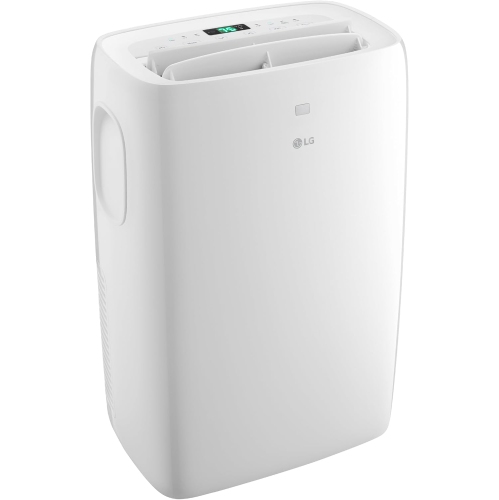 Your price for this item is $839.68
-
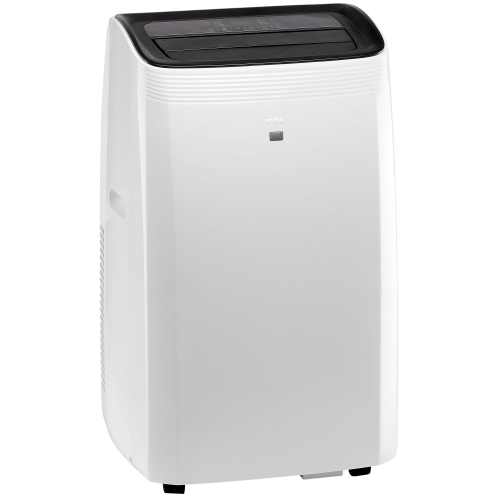 Your price for this item is $549.99
-
 Your price for this item is $519.99
Discover more categories related to Portable Air Conditioners for Dorm Rooms
Top Collections:
Best Black Friday Deals This Year, Best Black Friday Deals On Electronics, Kindle Devices, Pokemon Centers, Best Black Friday Deals On Apple Products, Best Cameras for Sports Photography, Dyson Airwrap, Pokémon 30th Celebration Cards, Apple iPhone 17 Pro, Canon G7X Cameras
Some products may be subject to Environmental Handling Fees
(EHF) depending on your province.
Learn more about EHFs.