Portable Air Conditioners For Student Rooms
Portable air conditioners for student rooms offer a convenient way to create a comfortable place to study and relax, especially during warmer months. Designed to fit smaller spaces, these units are easy to move and set up, making them ideal for dorms or shared apartments. Explore options that help maintain a cool atmosphere so you can focus on your studies and unwind in comfort. Find portable air conditioners for student rooms that suit your space and lifestyle needs.
Sort
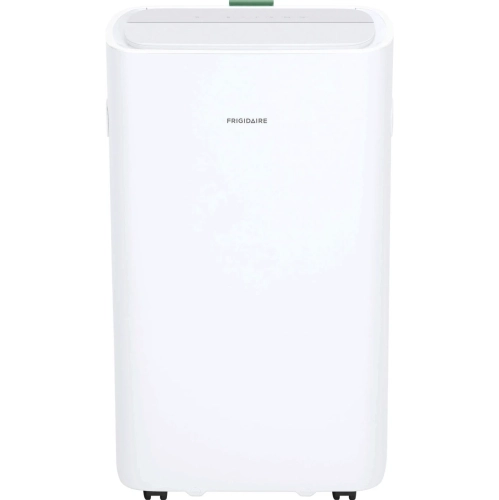
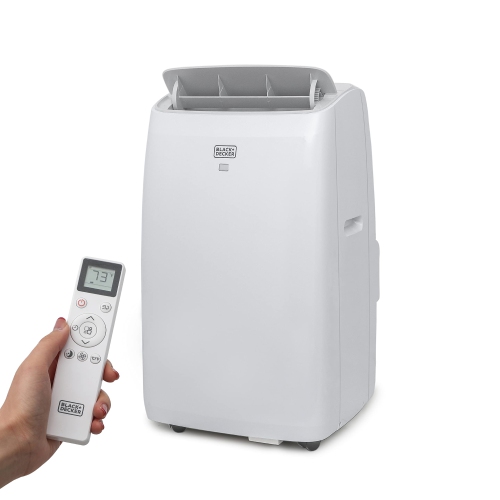
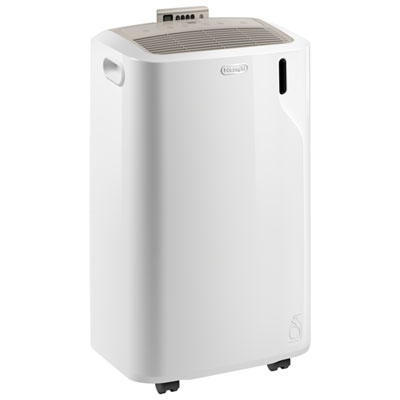
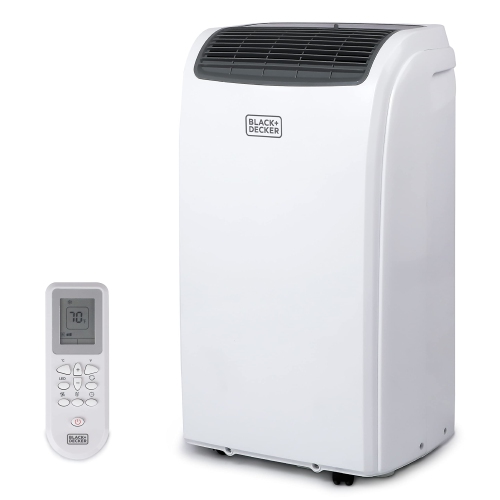


Cooling a student room takes more than floor space
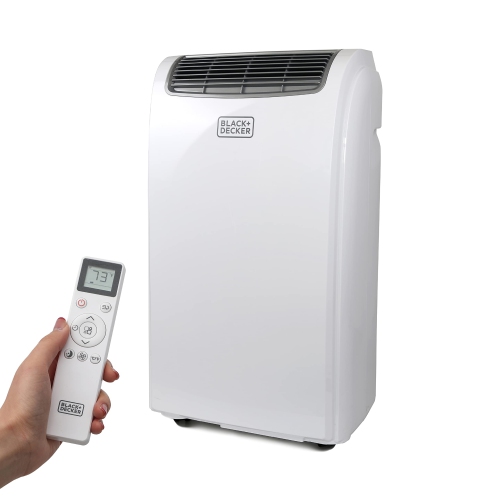
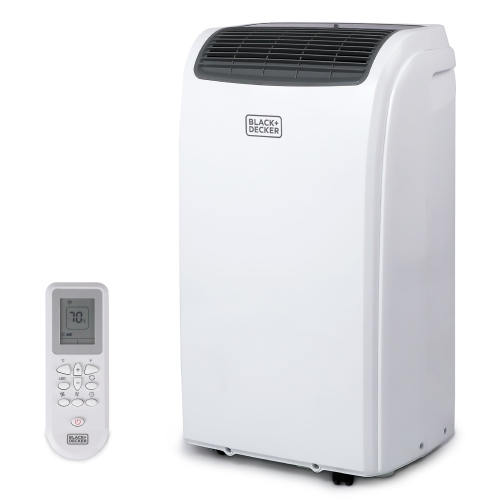
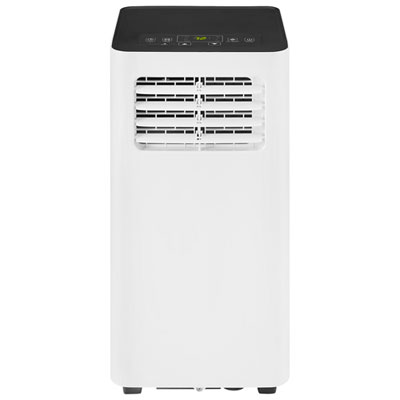
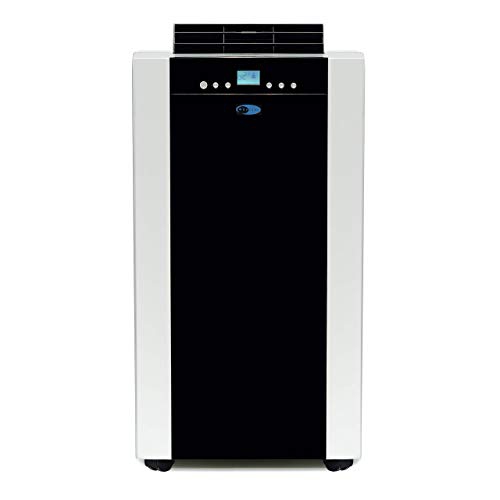
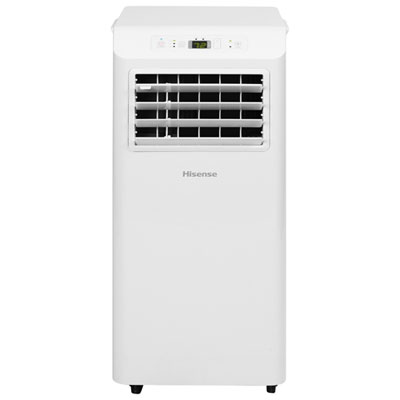
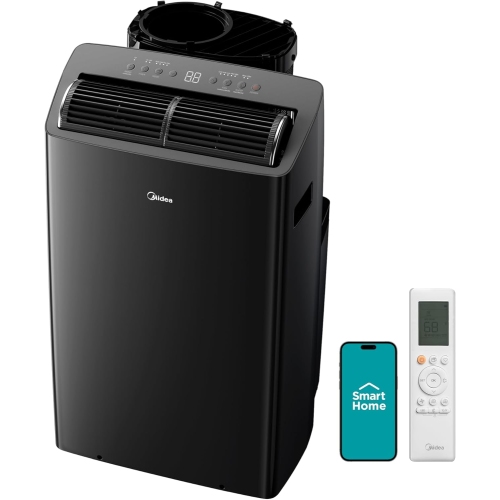
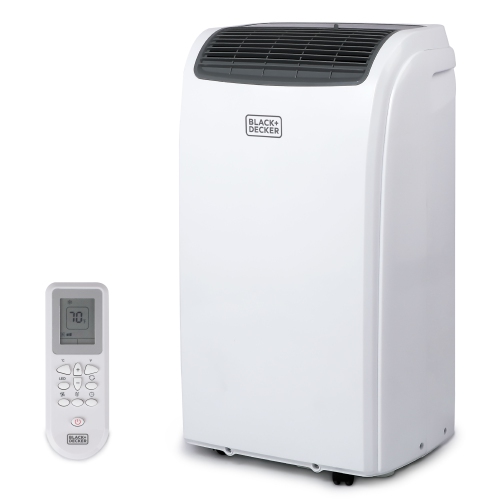
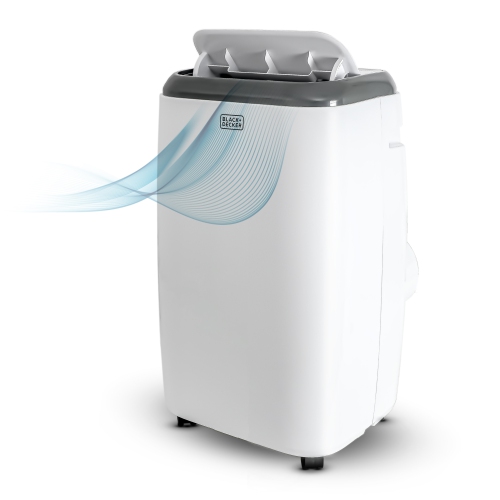
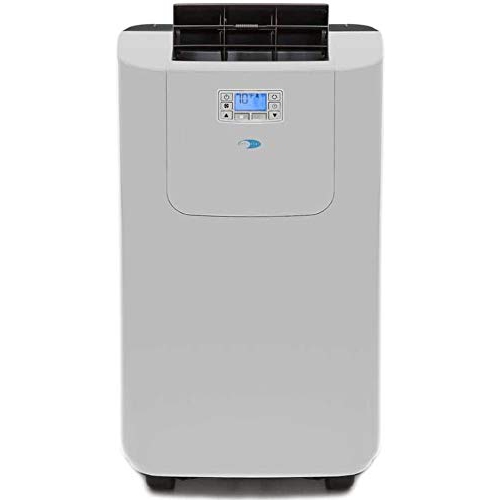
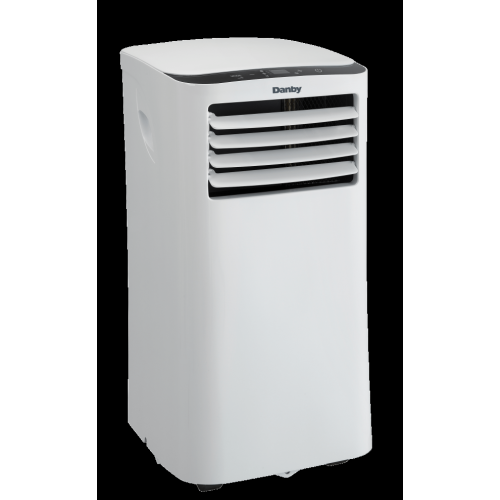
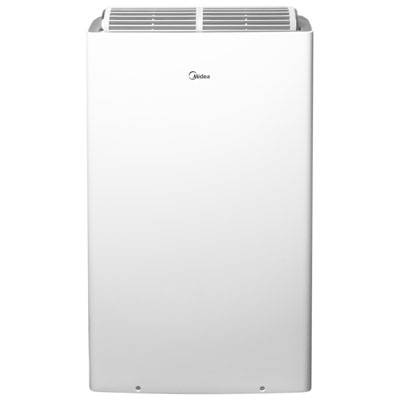
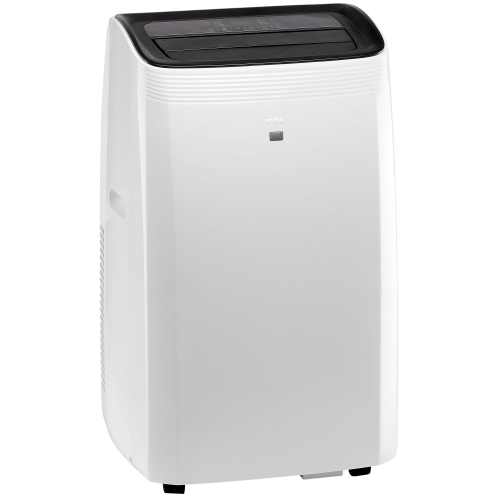
Portable air conditioners for student rooms provide room-by-room cooling in residence bedrooms, shared apartments, and other compact living spaces where permanent installation may not be practical. A true portable air conditioner uses a compressor to remove heat from indoor air and an exhaust hose to release that heat outdoors. It needs a suitable venting arrangement, usually through a compatible window kit, and cannot cool a closed room effectively with its exhaust hose left inside. Fans and evaporative coolers work differently and are not substitutes for compressor-based cooling, particularly in humid conditions. For students, the right fit depends as much on housing rules and window access as it does on floor space. Residence policies or rental agreements may restrict air conditioners, window attachments, electrical loads, or exterior alterations, so permission matters before bringing an appliance into the room. Window style is another important detail: a kit designed for a vertical or horizontal sliding window will not necessarily fit a crank-out window without an approved adapter. Window opening dimensions, the supplied panel range, and any restrictions on removing screens all affect installation. Students comparing residence-focused options can also explore Portable Air Conditioners for Dorm Rooms for the same emphasis on compact spaces and practical placement. Even a relatively small unit needs a stable, level floor area, the clearances specified by its manufacturer, and a clear route to the window. In a room already holding a bed, desk, dresser, and laundry hamper, the appliance footprint is only part of the space it occupies. The hose, window panel, and room around the air intake also need consideration. A position beside the window may preserve more usable floor space than one beside the desk, provided it keeps the exhaust hose within its approved length and avoids tight bends. Placement should also leave doorways, escape routes, and everyday walking paths unobstructed, without directing a strong stream of cold air straight at a pillow or study chair.
Cooling capacity is most useful when matched to the room rather than chosen by the largest number on the label. Floor area provides a starting point, while ceiling height, direct sunlight, occupancy, and heat from computers or other electronics can change the cooling demand. A bright upper-floor bedroom with an afternoon-facing window may need a different capacity from a similarly sized shaded room. Portable air conditioners may display different capacity figures, including ASHRAE ratings and seasonally adjusted cooling capacity, or SACC, figures. These use different test methods, so comparing the same rating type gives a clearer picture than treating every BTU number as interchangeable. A unit that is too small may run for long periods without reaching a comfortable temperature; an oversized fixed-speed unit may cycle more frequently and provide less consistent moisture removal. Single-hose and dual-hose designs also manage airflow differently. Single-hose units use room air to carry heat outside, which can draw replacement air into the room through gaps, while dual-hose designs generally use a separate outdoor-air path for the condenser. Both still require compatible venting and careful installation. In a student room, comfort also includes the sound and direction of airflow. A compressor, fan, and moving air all contribute to operating noise, and a quiet fan setting does not necessarily mean the compressor will be equally quiet. Published decibel figures are most meaningful when the operating mode and measurement conditions are comparable. Sleep modes may adjust temperature settings, reduce fan speed, or dim displays, but their behaviour varies. For a light sleeper sharing a thin wall with another bedroom, those details can matter as much as maximum cooling output. Adjustable louvers help direct air away from papers, bedding, and a desk microphone, while a timer can limit unnecessary operation around lectures or bedtime. Remote controls offer convenient adjustments from a loft bed or across a crowded room. Wi-Fi features may add app-based control, although campus networks, sign-in requirements, and network restrictions can affect whether a connected appliance works as intended.
Day-to-day practicality often comes down to moisture handling, cleaning access, and how easily the appliance fits student routines. Many portable air conditioners combine cooling, fan, and dehumidifying modes, but those functions do different jobs: fan mode circulates air without refrigeration, while dehumidifying mode removes moisture and may have its own drainage requirements. Some designs reuse part of the collected condensate during cooling, yet they can still need draining under certain conditions. A full-tank alert, accessible drain outlet, and clear instructions make this easier to manage in a bedroom where a spill could reach textbooks, a rug, or a laptop charger. Continuous drainage is only practical when the approved hose arrangement and a suitable drain are accessible; it should not create a trip hazard or rely on an improvised container that could overflow. Washable mesh filters can simplify routine care, provided they are cleaned at the recommended intervals and allowed to dry fully before refitting. Other filter types may require replacement rather than washing. Keeping intakes clear of dust, clothing, and loose bedding supports airflow, while wiping the housing with a soft cloth helps maintain its finish without harsh cleaners. Durable moulded housings, secure handles, sturdy castors, and well-fitting hose connections are useful features for appliances that may move between rentals. Castors help on level floors, but stairs, thresholds, carpet, and the unit’s weight still affect portability. Moving and storage should follow the manufacturer’s directions, including draining water and observing any required upright resting time before restarting. Electrical suitability is equally important in shared housing: the correct outlet, an appropriate circuit, and compliance with the appliance’s connection instructions take priority over the convenience of a nearby power bar. Extension cords and overloaded outlets are not suitable workarounds. With the room measurements, housing permission, window fit, electrical requirements, and care needs accounted for, a portable air conditioner can be a practical addition to a student bedroom, supporting more comfortable reading, video calls, downtime, and sleep without taking over the space needed for everyday life.
Top selling and popular products
-
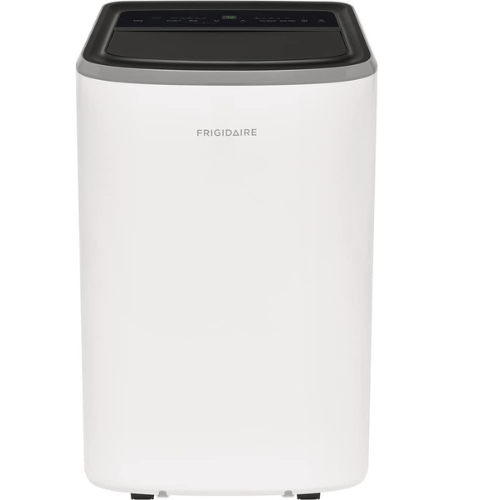 Your price for this item is $860
-
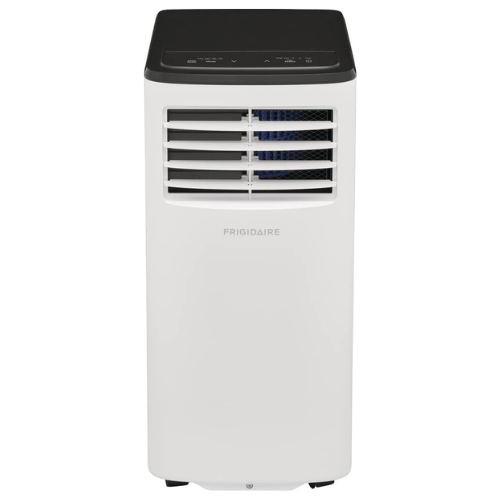 Your price for this item is $599
-
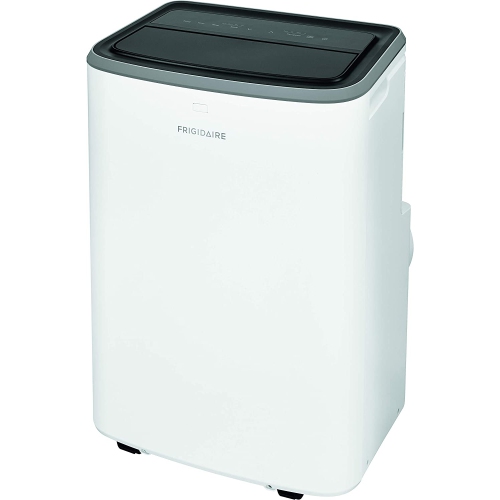 Your price for this item is $1000
-
 Your price for this item is $999
-
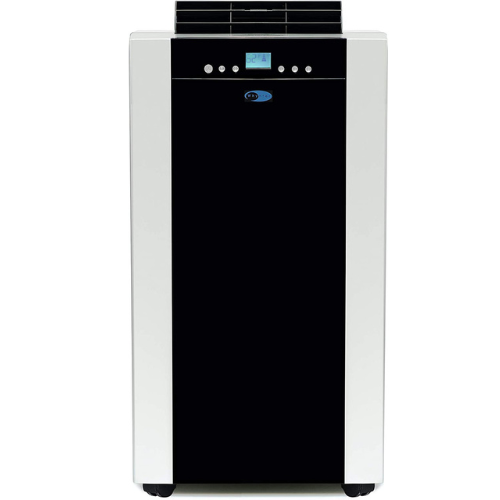 Your price for this item is $1089
-
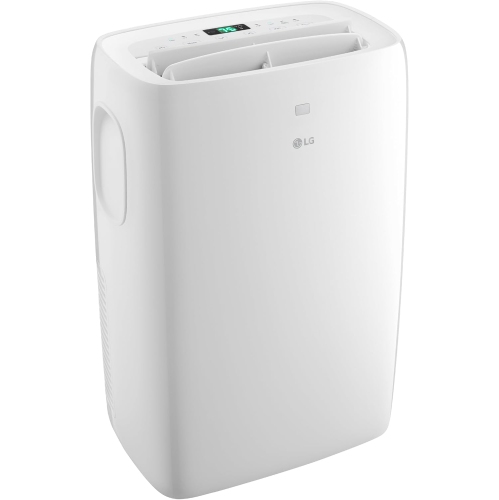 Your price for this item is $839.68
-
 Your price for this item is $549.99
-
 Your price for this item is $519.99
Discover more categories related to Portable Air Conditioners For Student Rooms
Top Collections:
Best Black Friday Deals This Year, Best Black Friday Deals On Electronics, Kindle Devices, Pokemon Centers, Best Black Friday Deals On Apple Products, Best Cameras for Sports Photography, Dyson Airwrap, Pokémon 30th Celebration Cards, Apple iPhone 17 Pro, Canon G7X Cameras
Some products may be subject to Environmental Handling Fees
(EHF) depending on your province.
Learn more about EHFs.