Portable Air Coolers
Portable Air Coolers offer a convenient way to enjoy cooling comfort wherever you need it, whether at home, in the office, or on the go. With a variety of sizes and designs available, finding the right model to suit your space is simple. Explore the selection of Portable Air Coolers to discover options that fit your needs and help create a more comfortable setting.
Sort


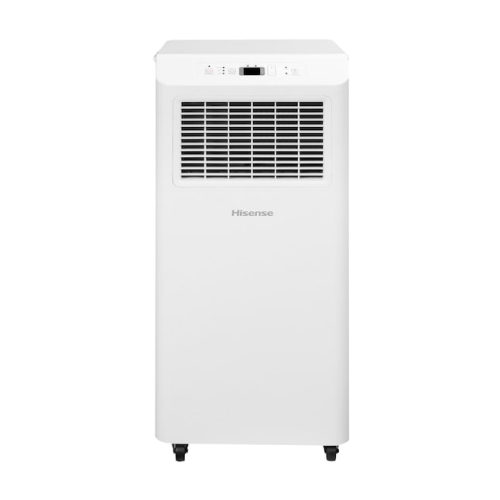

Why water-based cooling works best in dry rooms
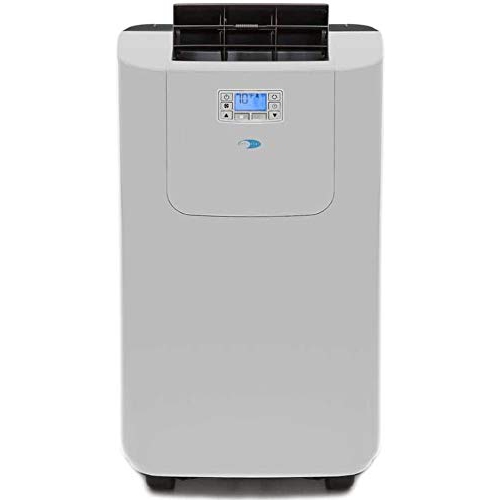
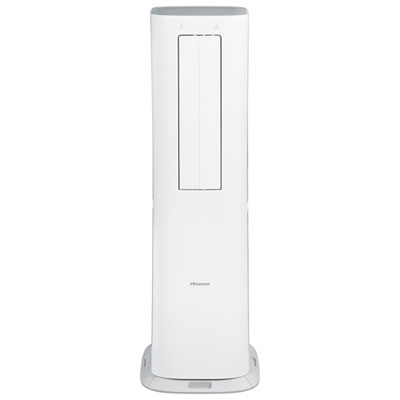
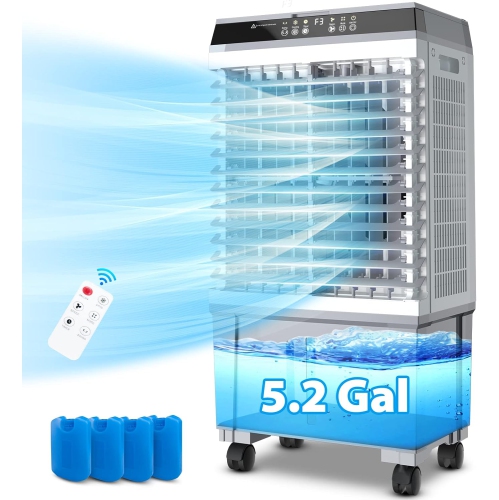
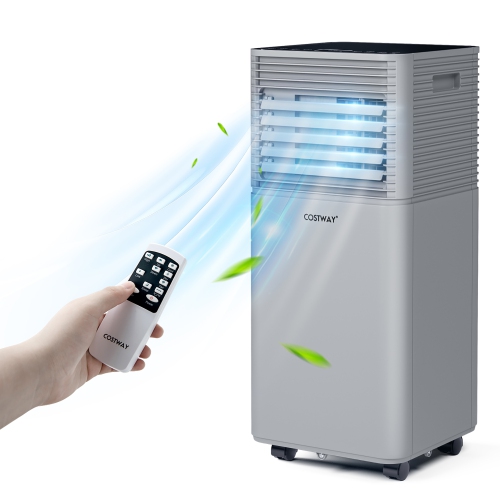
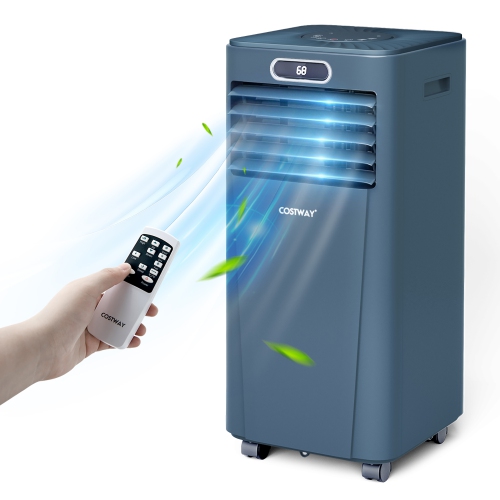
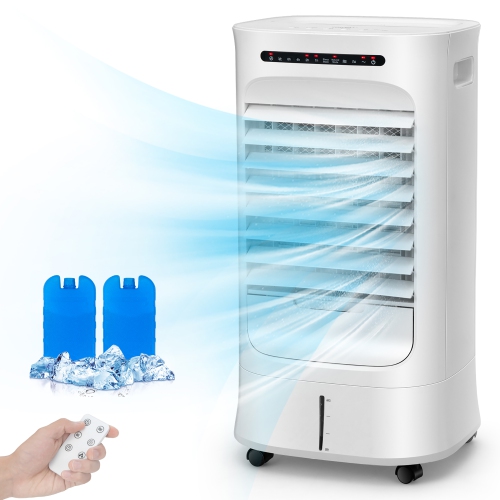
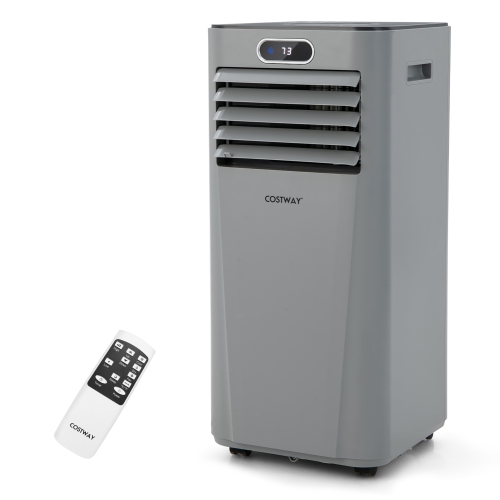
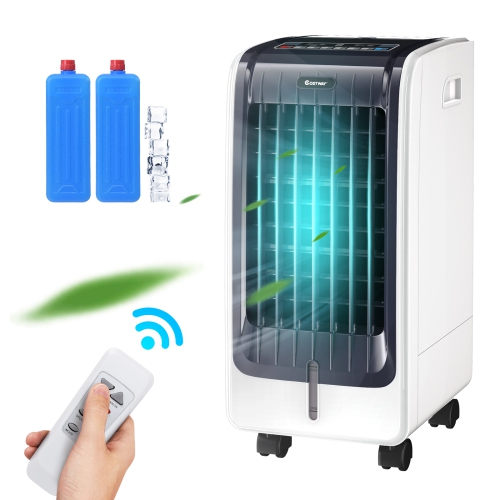
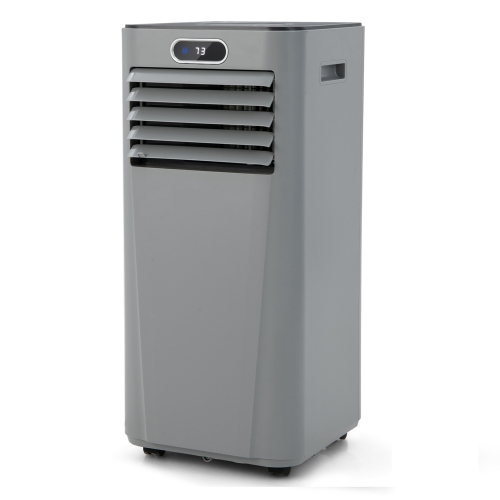
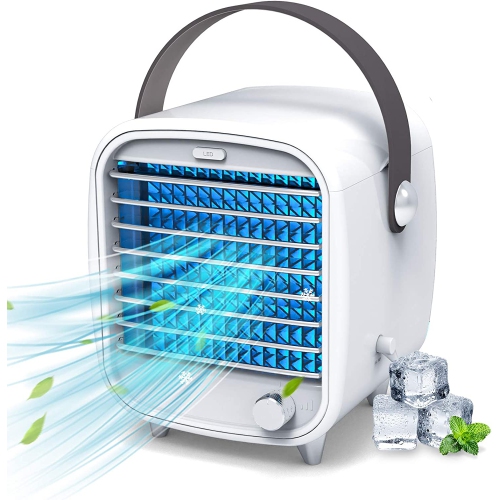
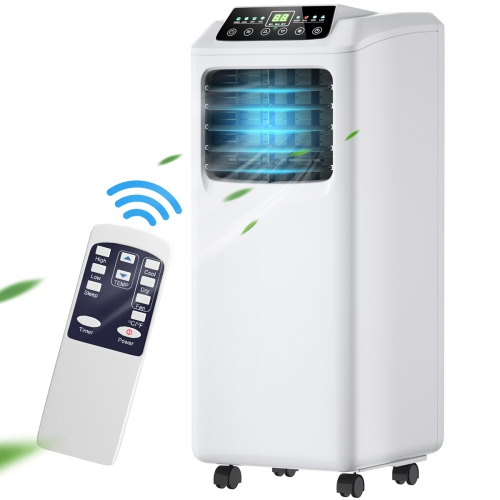
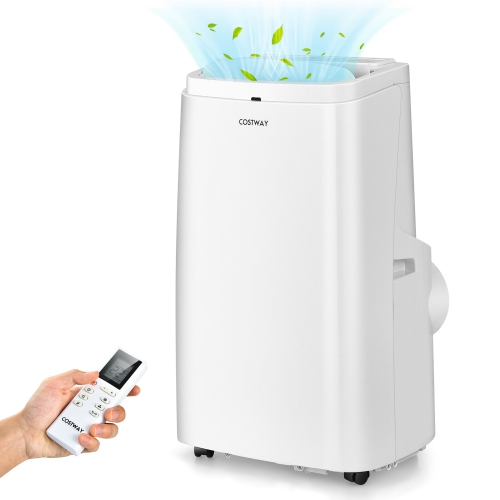
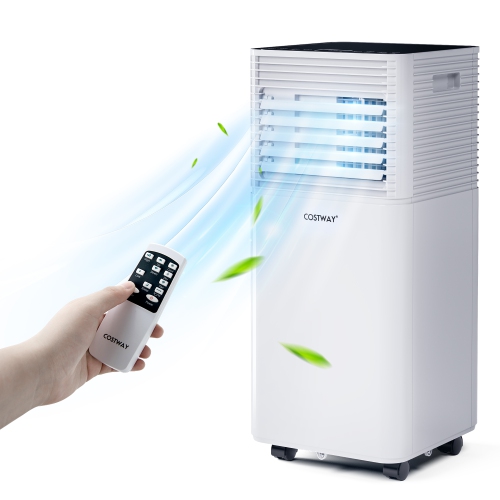
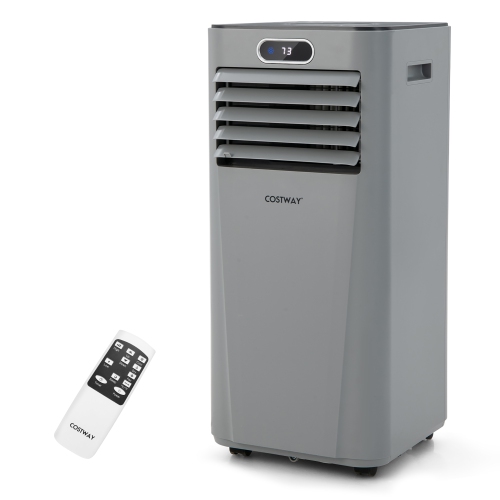
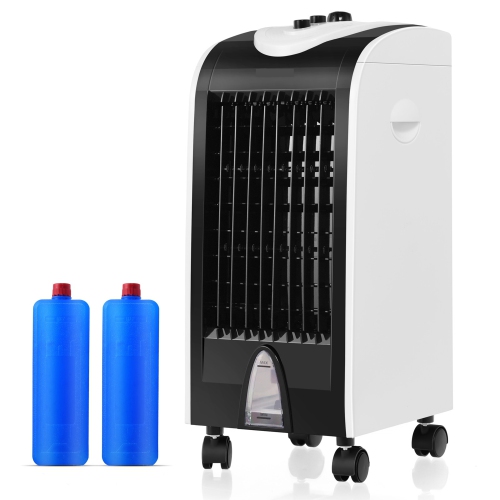
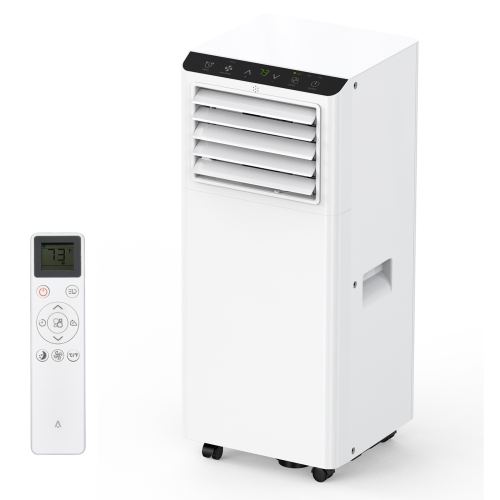
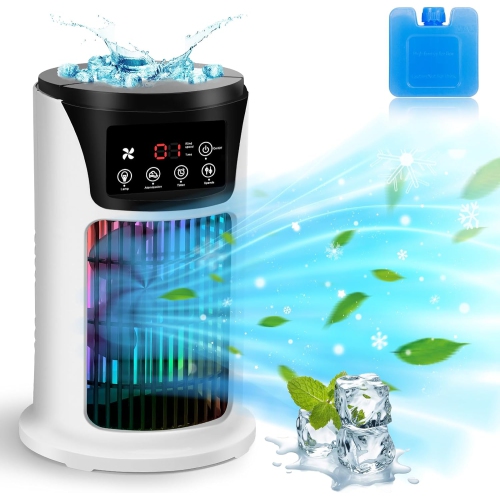
Portable air coolers are movable appliances that provide cooling through water evaporation, usually by drawing warm air through a damp cooling pad and circulating the cooled air with a fan. Often called evaporative coolers or swamp coolers, they work best in dry conditions, where water can evaporate readily. Unlike a fan alone, which moves air without lowering its temperature, an evaporative cooler can reduce the temperature of the air passing through it. The effect depends on the surrounding humidity, airflow, water supply, and appliance design. These coolers also add moisture to the air, so they are less effective in rooms that already feel humid. A portable air cooler is not the same as a portable air conditioner: an air conditioner uses a refrigeration system to remove heat and typically sends that heat outdoors through an exhaust hose, while an evaporative cooler relies on water and ventilation. It does not provide the same temperature control or dehumidification. For shoppers comparing water-based cooling options, portable evaporative coolers offer designs intended for anything from close-range personal comfort to broader airflow across a living space. A compact cooler beside a reading chair serves a different purpose from a larger floor-standing appliance positioned to circulate air through an occupied area. Fresh airflow matters with either format, since moisture can build up in a tightly closed room and reduce the cooling effect. An open window or another suitable ventilation path can help, provided the placement follows the appliance’s operating directions. Ice packs or ice compartments may be supported by certain designs, but ice is not essential to the evaporative process and should only be added where permitted. The most useful expectation is a stream of cooled air suited to the conditions, rather than the uniform, thermostat-controlled cooling associated with air conditioning.
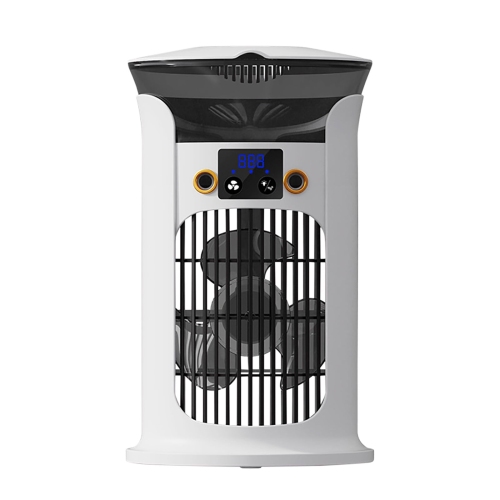
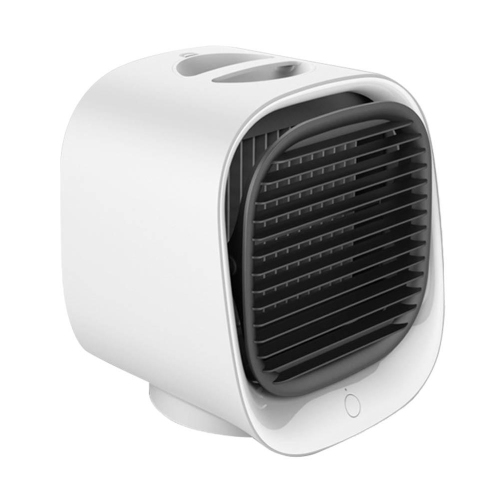
Size and airflow shape how a portable air cooler fits into everyday routines. A desktop design can direct air towards someone working at a computer, while a taller floor model may be better suited to a seating area with several people. Dimensions matter beyond the amount of floor space the housing occupies: the air intake and outlet need clearance, and a unit tucked tightly behind a sofa or under a crowded desk may not circulate air effectively. Adjustable louvers help aim the airflow, and oscillation can spread it across a wider area instead of keeping it fixed on one seat. Several fan speeds allow a stronger breeze for active daytime use or gentler circulation during a quiet activity. For a bedroom or shared work space, operating sound deserves attention alongside airflow; a low-speed setting may sound quite different from the highest setting, and noise figures are most useful when compared under similar test conditions. Water tank capacity also affects convenience. A larger reservoir can mean fewer refills, but actual running time varies with fan speed, humidity, and the way the cooler manages water. A visible water-level indicator makes routine checks easier, while a removable tank or accessible fill opening can simplify refilling. Automatic pump shutoff when the tank runs low is a useful feature to look for, although it should not be assumed on every design. Timers, remote controls, and adjustable display brightness can make a cooler easier to live with, particularly beside a bed or across the room from a favourite chair. Published coverage figures are best considered alongside room layout and intended use, not treated as a guarantee of a particular temperature. An open-plan living area, a room with high ceilings, and a small enclosed office place different demands on the same appliance. For personal cooling, the distance between the outlet and the person using it can matter more than an ambitious room-size claim.
Practical construction and regular care help keep a portable air cooler dependable. Many housings use moulded plastic that is straightforward to wipe clean, while the reservoir, cooling media, controls, and moving parts each have their own care requirements. A sturdy base, secure tank fittings, accessible controls, and smooth-rolling castors can make a larger cooler easier to handle. Carry handles are useful for compact designs, but the weight of a filled reservoir should be considered before moving any unit. Water can slosh during transport, so emptying the tank before relocation may be necessary under the manufacturer’s directions. Placement on a level, water-resistant surface helps protect nearby furnishings, and the power cord should stay clear of walking routes. Around children and pets, a protected fan grille and stable placement are important, but neither replaces appropriate supervision. Routine upkeep generally includes replacing standing water, cleaning the reservoir as directed, and checking cooling pads or filters for dust and mineral deposits. Hard water can leave residue that affects water distribution through the cooling media, making access for cleaning especially valuable. A washable dust screen may catch larger airborne particles, but that feature alone does not make the cooler an air purifier. Cooling pads also need attention over time; some can be cleaned, while others require replacement according to their condition and the manufacturer’s schedule. Persistent odours, visible buildup, or uneven wetting are reasons to inspect and clean the relevant parts rather than mask the issue with fragrances or unapproved additives. Only water and treatments specifically permitted for the appliance belong in its reservoir. Before extended storage, draining the tank and allowing the internal components to dry thoroughly helps prevent lingering dampness. For renters, students, home-office users, and anyone seeking targeted airflow without a fixed installation, the best fit is a cooler whose size, ventilation needs, refill routine, and cleaning access suit the space where it will actually be used.
Top selling and popular products
-
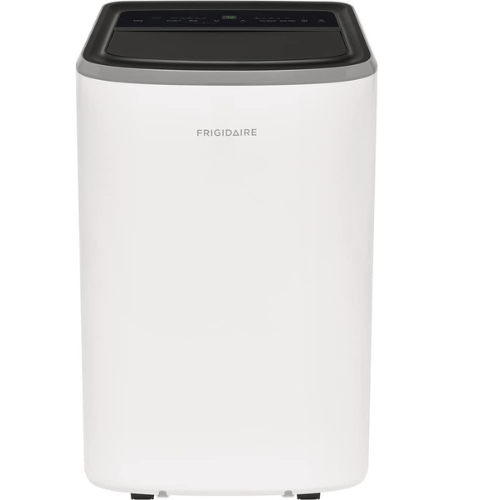 Your price for this item is $860
-
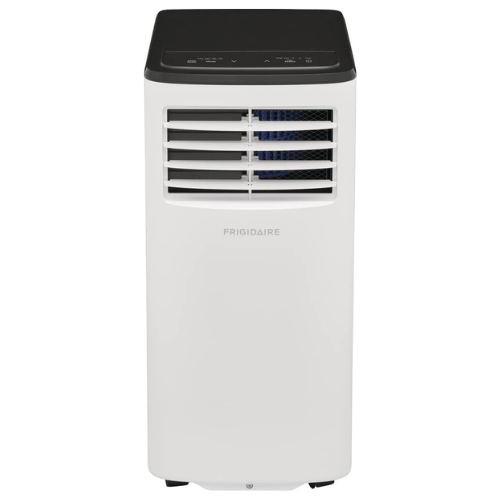 Your price for this item is $599
-
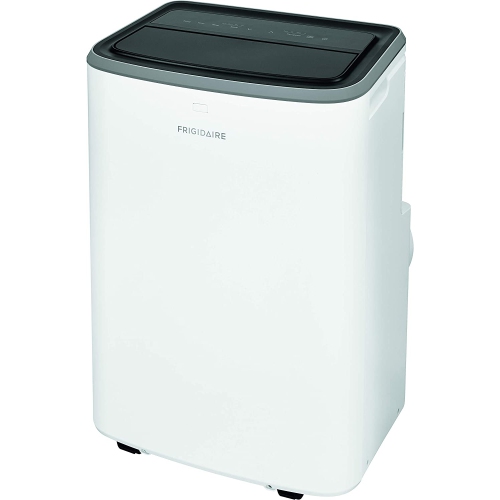 Your price for this item is $1000
-
 Your price for this item is $999
-
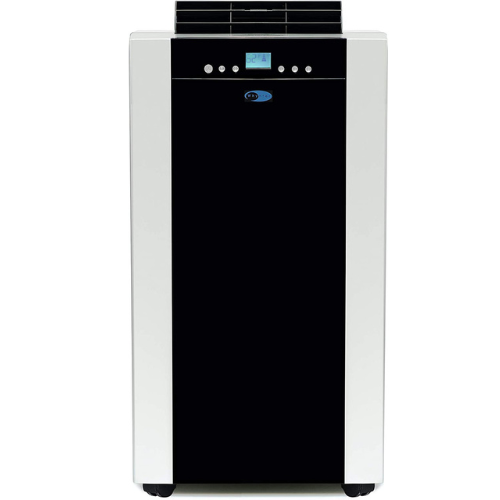 Your price for this item is $1089
-
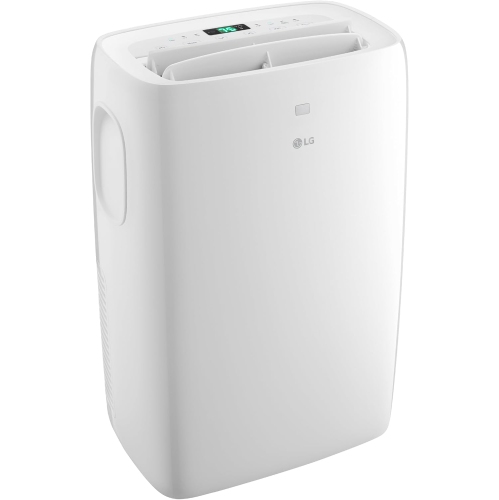 Your price for this item is $839.68
-
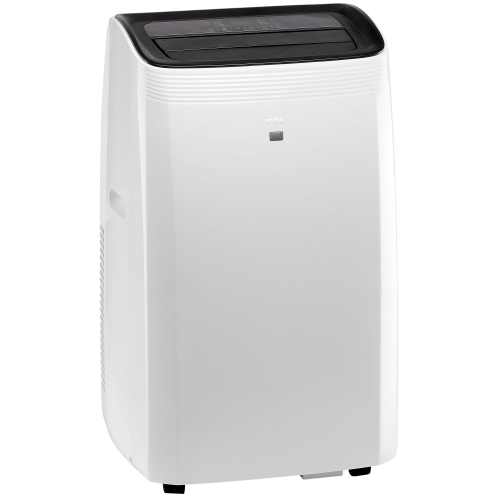 Your price for this item is $549.99
-
 Your price for this item is $519.99
Discover more categories related to Portable Air Coolers

Top Collections:
Best Black Friday Deals This Year, Best Black Friday Deals On Electronics, Kindle Devices, Pokemon Centers, Best Black Friday Deals On Apple Products, Best Cameras for Sports Photography, Dyson Airwrap, Pokémon 30th Celebration Cards, Apple iPhone 17 Pro, Canon G7X Cameras
Some products may be subject to Environmental Handling Fees
(EHF) depending on your province.
Learn more about EHFs.