Portable Air Cooling Units
Portable Air Cooling Units offer a convenient solution for keeping indoor and outdoor spaces comfortable during warmer months. Designed for flexibility, these units can be easily moved from room to room or positioned wherever extra cooling is needed. Whether you’re looking to enhance comfort in your home, office, or other areas, Portable Air Cooling Units provide versatile options to help you stay cool. Explore a variety of models and sizes to find the right fit for your cooling needs.
Sort
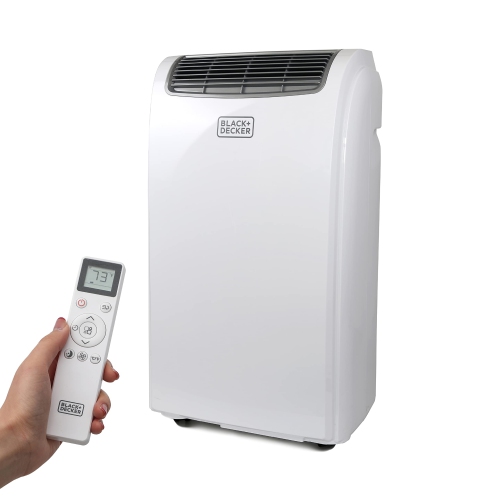
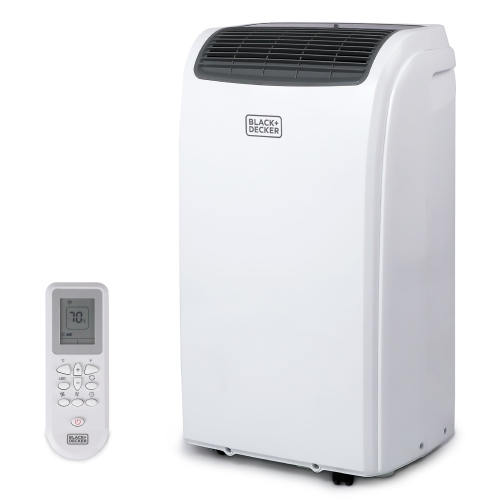
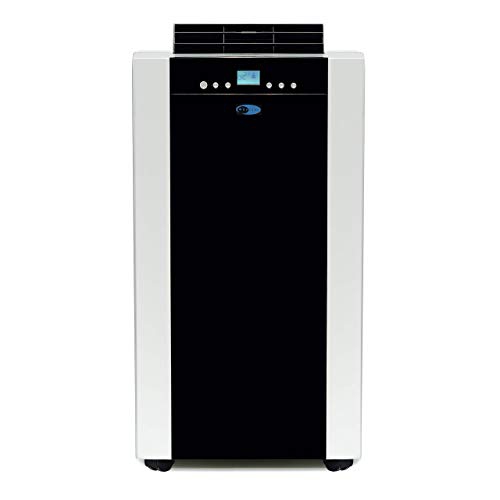
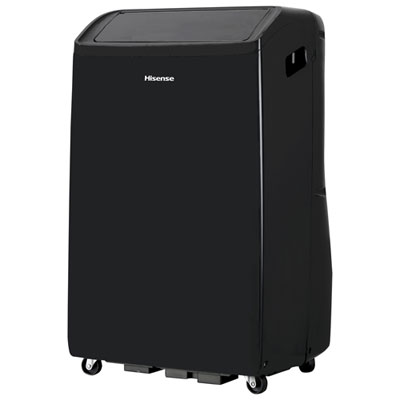
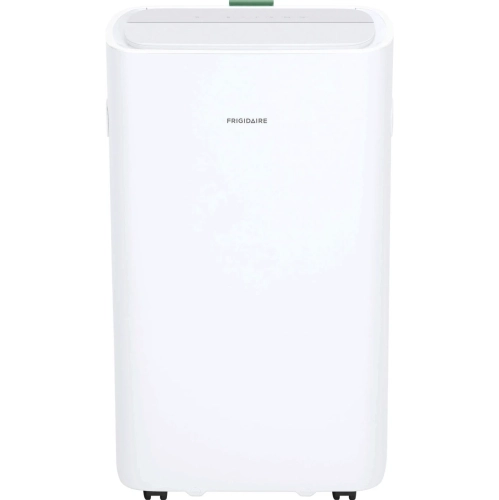
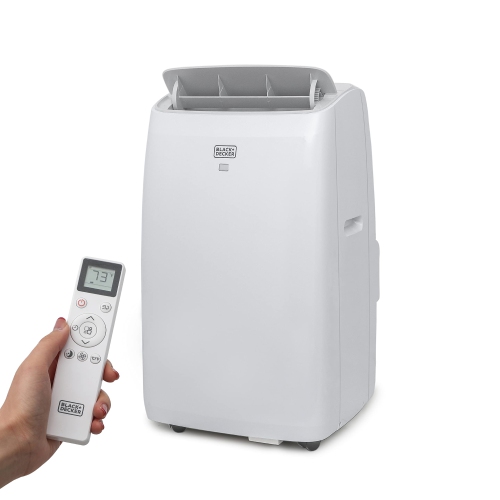
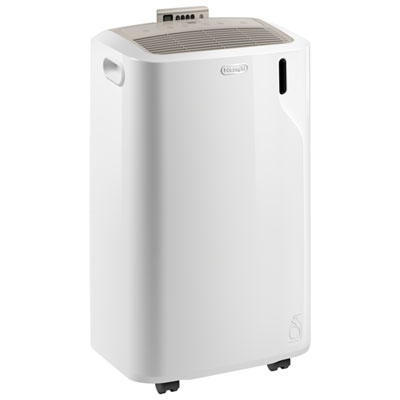
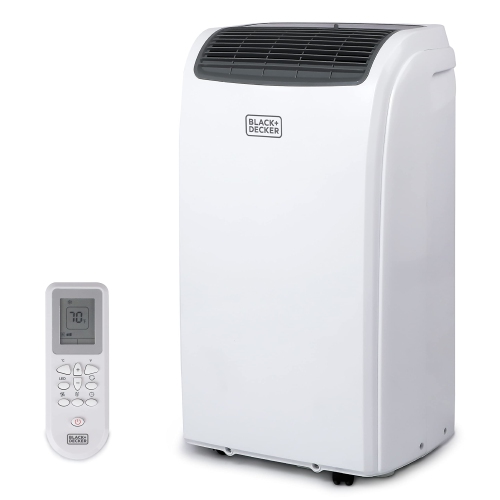

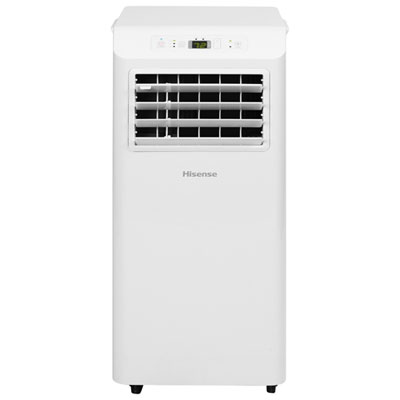
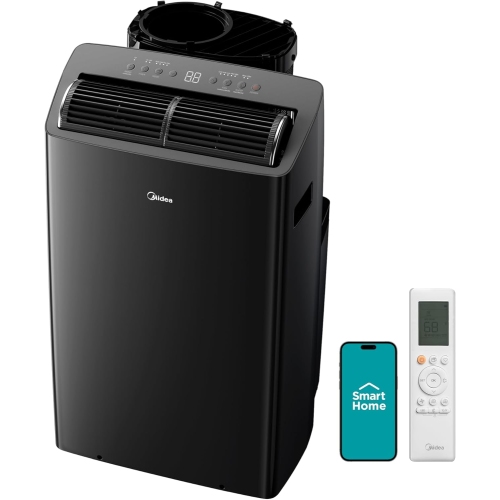
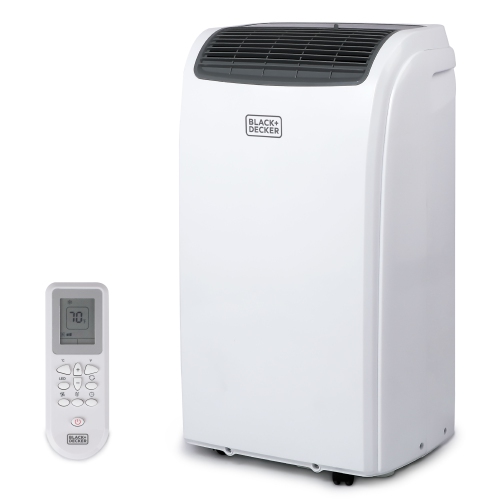
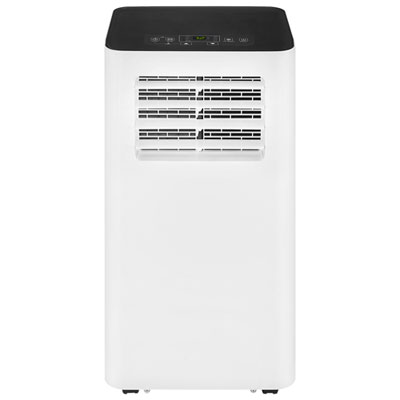
Why cooling type matters as much as room size
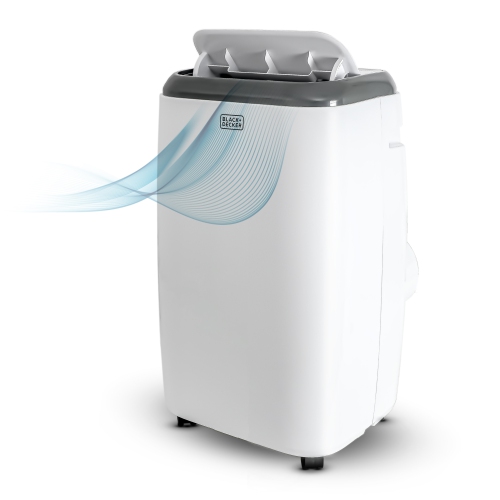
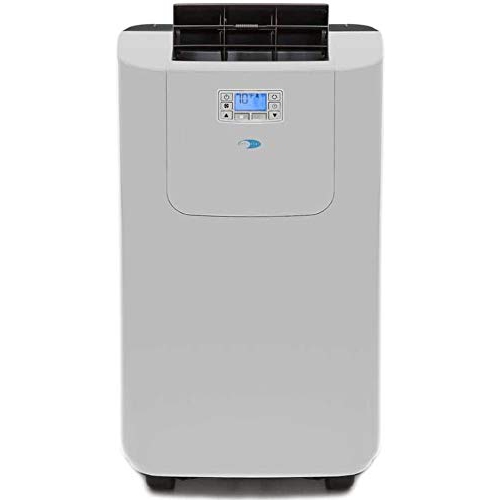
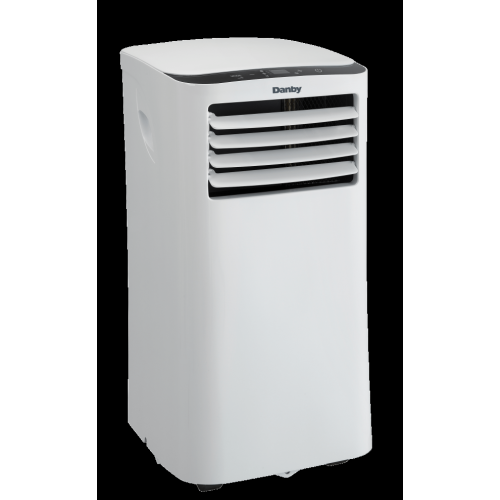
Portable air conditioners provide flexible, room-by-room cooling without central ductwork or permanent installation, although most require a compatible window or another manufacturer-approved opening to exhaust heat outdoors. These freestanding units can help make a bedroom more comfortable for sleeping, take the edge off a sun-facing living room, or cool a home office where computers and monitors add heat throughout the day. The term portable air cooling units can also include evaporative coolers, which work differently from refrigerant-based air conditioners. An air conditioner removes heat from indoor air and releases it outside through an exhaust hose; it also removes some moisture as it operates. An evaporative cooler passes air through water-moistened media and is best suited to dry conditions with adequate ventilation. It adds moisture rather than removing it, so it is not a direct substitute for an air conditioner in a humid room. Fans offer another distinction: they circulate air to help people feel cooler but do not lower room temperature on their own. Understanding these differences helps match the equipment to its intended use, whether that means steady cooling in an enclosed bedroom or a localized breeze beside a work surface. Portable air conditioners generally have rigid plastic housings, adjustable air outlets, and castors that make repositioning easier on a level floor. Portability does not mean effortless carrying, however, and moving a unit between storeys may require help. A suitable location needs room for the cabinet, the hose connection, and the clearances specified by the manufacturer. Curtains, furniture, and bedding should not obstruct the air intake or outlet. Window compatibility matters just as much as floor space: kits designed for sliding or double-hung windows may not fit casement windows without an appropriate accessory. For renters, checking building rules and obtaining any necessary permission before fitting a window exhaust kit can help prevent installation problems.
Cooling capacity is most useful when considered alongside room size and layout, rather than treated as a stand-alone specification. A compact, enclosed bedroom has different demands from an open living and dining area, even when the floor areas appear similar. Ceiling height, direct sunlight, insulation, the number of occupants, and heat-producing electronics all affect how much cooling a space needs. Manufacturer room-size recommendations provide a starting point, but the capacity rating system also matters. Portable air conditioners may display both an ASHRAE rating and a lower seasonally adjusted cooling capacity, or SACC, expressed in BTU/h under the U.S. Department of Energy testing method. These figures reflect different test conditions and should not be compared as though they are interchangeable. Looking at the same rating method across units makes comparisons more meaningful. A unit that is too small may run for long periods without reaching the desired temperature, while an oversized fixed-speed unit may cycle off before removing enough moisture. Variable-speed operation can adjust output more gradually, where supported. Single-hose designs use room air to carry heat outside, which can draw replacement air into the space through gaps. Dual-hose designs use a separate outdoor air path for the condenser and can reduce that effect. Both still depend on correct hose placement and a well-fitted window seal. For workspaces, Compact Air Conditioners for Offices can help focus the search on smaller cooling options suited to rooms where desk space and walking routes matter. Noise deserves attention in these settings, particularly during calls or concentrated work. Published decibel figures are most helpful when the operating mode and test conditions are comparable. Sleep settings, adjustable fan speeds, dimmable displays, timers, and remote controls can make everyday use more convenient, while Wi-Fi controls may allow temperature adjustments from a compatible phone. Connected features should complement suitable cooling capacity, not replace it.
Day-to-day comfort also depends on installation details and straightforward care. An exhaust hose should follow the manufacturer’s routing instructions, with unnecessary bends avoided and no improvised extensions that could restrict airflow. Sealing the window opening around the supplied kit helps keep warm air from entering around the exhaust outlet. Keep the unit on a stable, level surface and connect it to the type of grounded wall outlet specified in its instructions; avoid extension cords or power bars unless the manufacturer expressly permits them. Water handling varies by design and operating conditions. Some portable air conditioners evaporate and exhaust much of the collected moisture, but a tank may still need emptying in humid conditions or during certain operating modes. Others support continuous drainage, which requires a suitable drain location and the correct hose arrangement. Gravity drainage generally needs a downward path, while lifting water to a higher drain requires a compatible pump where supported. Access to the drain outlet and filters is worth considering before placing a unit between furniture. Routine filter cleaning helps maintain airflow, especially in homes with pets or noticeable dust. Wash only filters identified as washable, allow them to dry fully before reinstalling, and replace disposable filters according to the manufacturer’s directions. Unplug the appliance before cleaning, wipe the exterior with an appropriate soft cloth, and keep liquids away from electrical components. Evaporative coolers need a different routine, including fresh water and regular cleaning of the reservoir and cooling media to limit odours and buildup. For either type, accessible filters, intact castors, secure hose fittings, and a cabinet that can be cleaned easily support practical long-term use. Before storage or transport, drain and dry the unit as directed, protect its accessories, and follow any upright-position or settling-time requirements. These details help a portable cooling unit remain a useful option for the rooms that need it, without adding unnecessary difficulty to daily routines.
Top selling and popular products
-
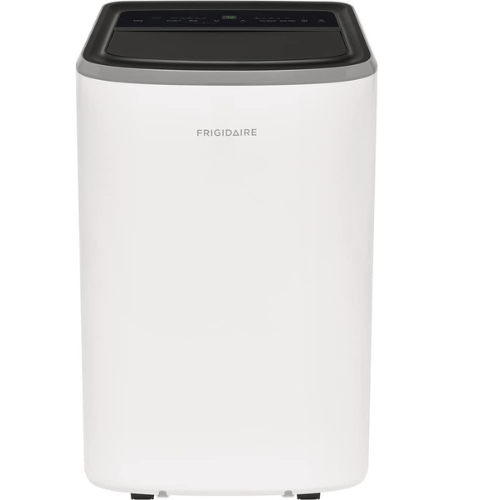 Your price for this item is $860
-
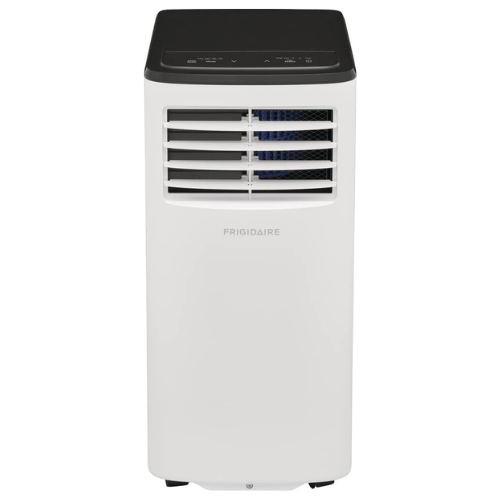 Your price for this item is $599
-
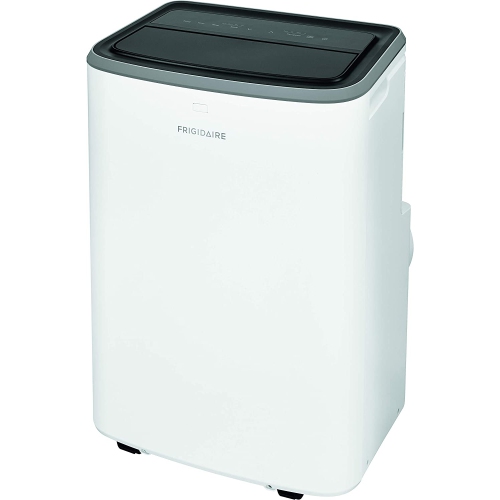 Your price for this item is $1000
-
 Your price for this item is $999
-
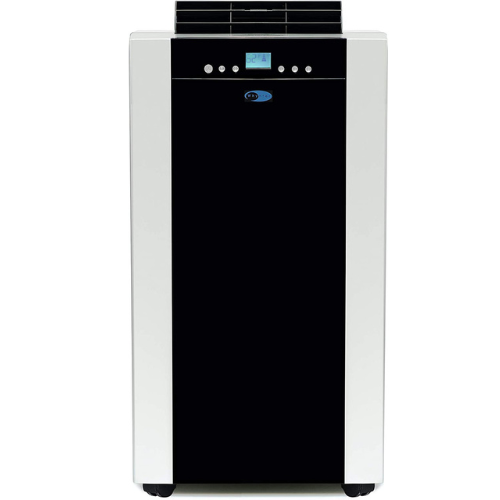 Your price for this item is $1089
-
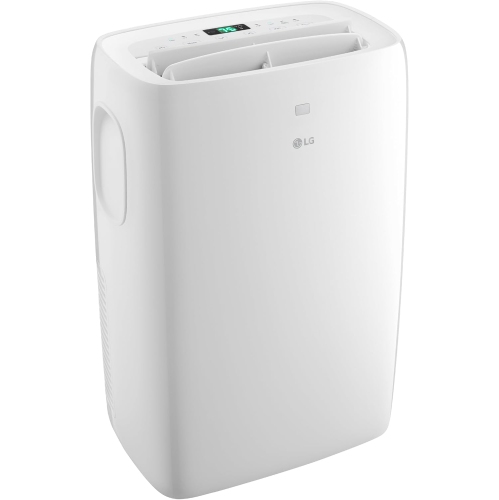 Your price for this item is $839.68
-
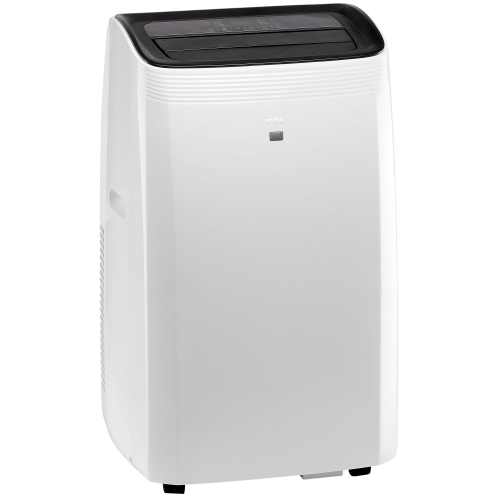 Your price for this item is $549.99
-
 Your price for this item is $519.99
Discover more categories related to Portable Air Cooling Units
Top Collections:
Best Black Friday Deals This Year, Best Black Friday Deals On Electronics, Kindle Devices, Pokemon Centers, Best Black Friday Deals On Apple Products, Best Cameras for Sports Photography, Dyson Airwrap, Pokémon 30th Celebration Cards, Apple iPhone 17 Pro, Canon G7X Cameras
Some products may be subject to Environmental Handling Fees
(EHF) depending on your province.
Learn more about EHFs.