Portable Electric Stoves
A portable electric stove offers a convenient solution for cooking in a variety of settings, from small apartments to outdoor gatherings. Whether you need an extra burner for meal prep or a reliable option for travel, these compact appliances provide flexibility and ease of use. Discover the versatility and practicality that a portable electric stove brings to your kitchen or on-the-go lifestyle. Explore options designed to fit your space and cooking needs, making every meal preparation simple and efficient.
Sort

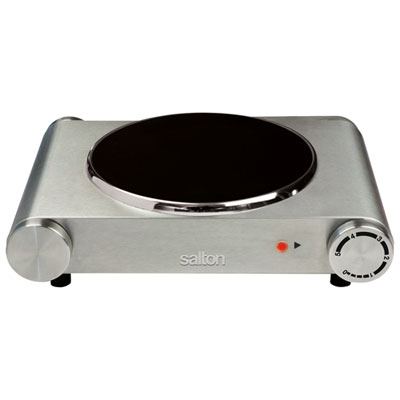

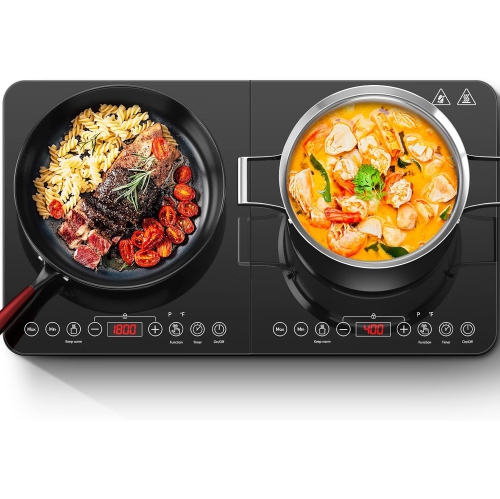
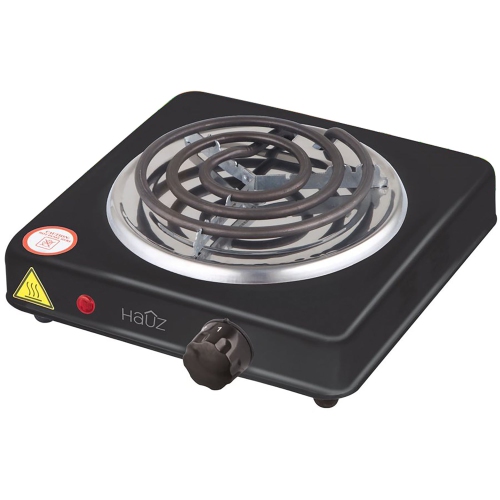
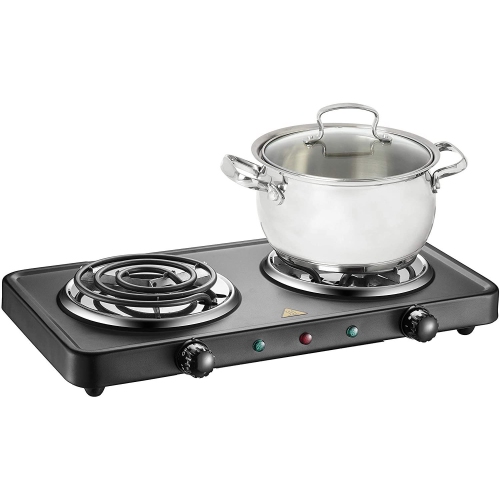
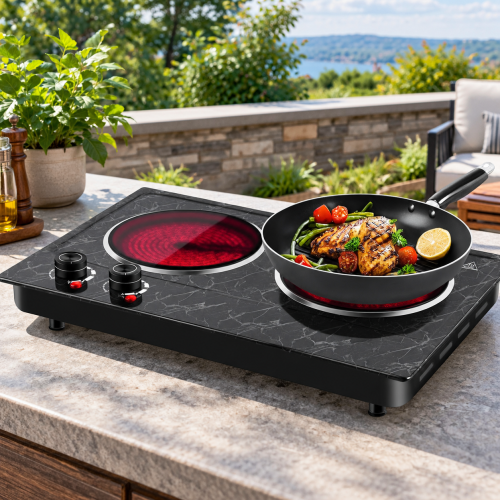
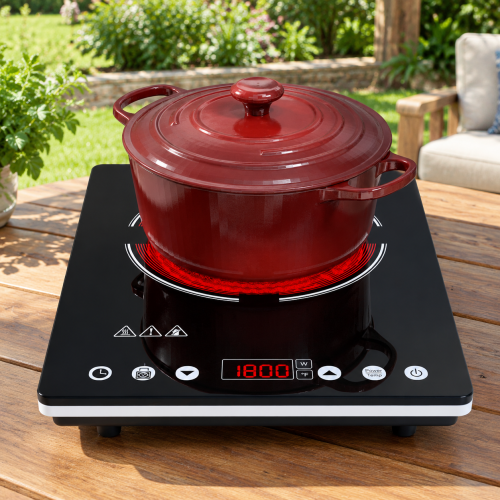
Countertop cooking without installing a full-size range
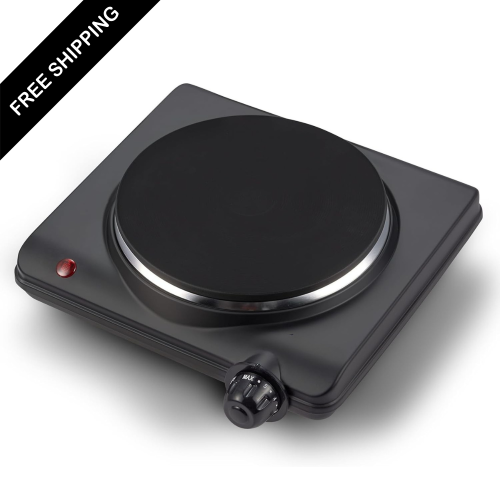
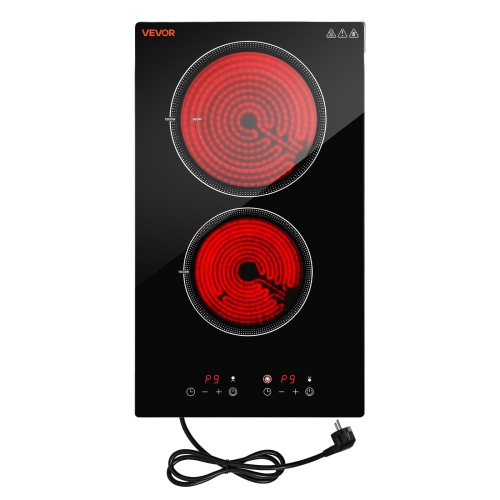
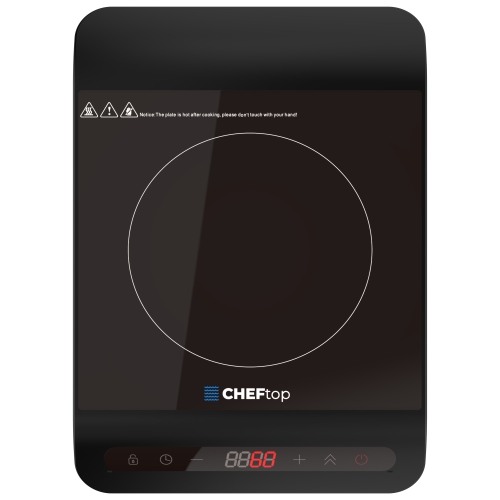
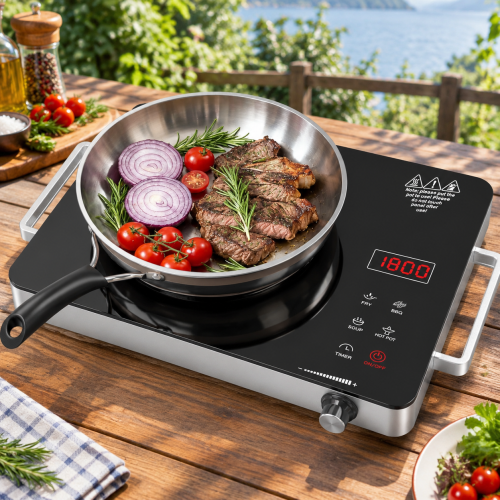
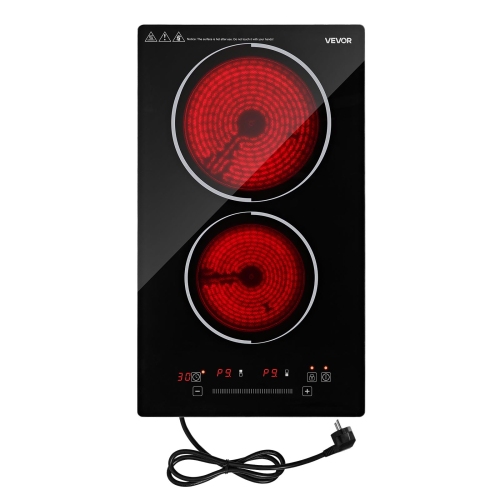
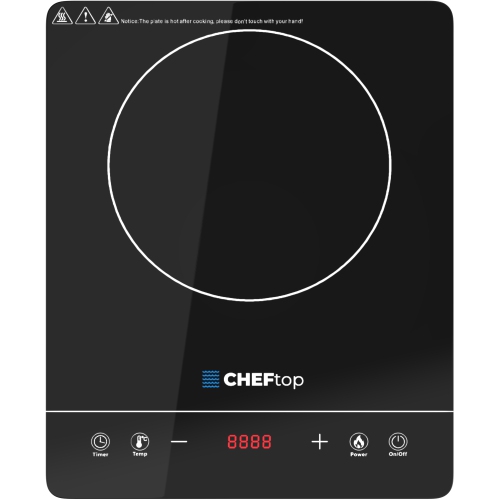
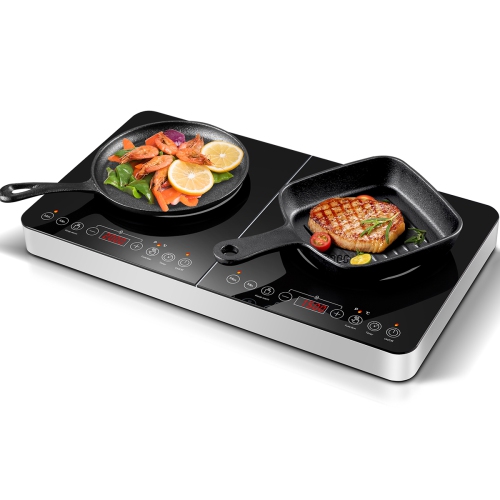
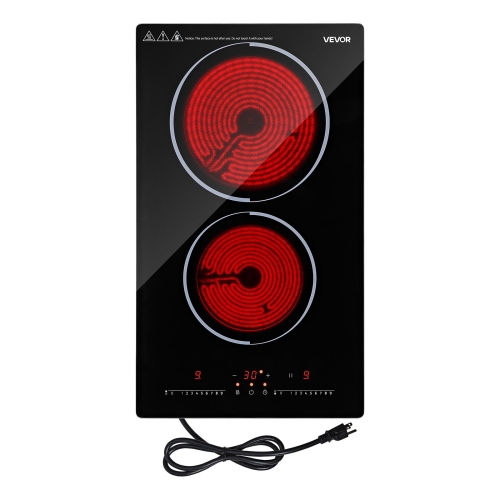
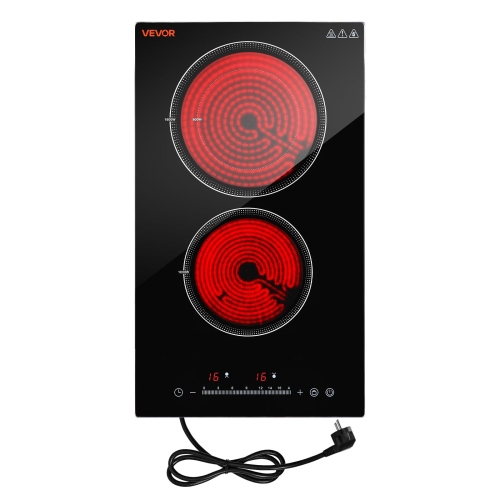
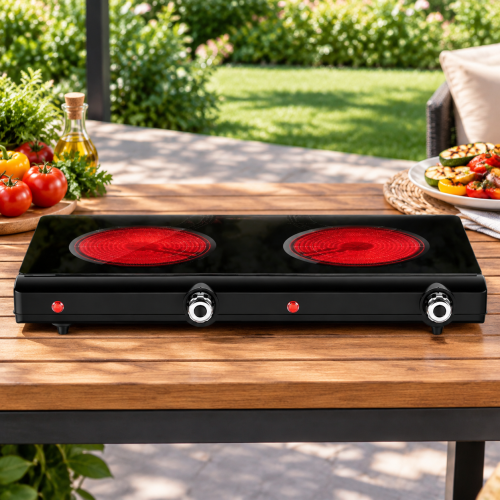
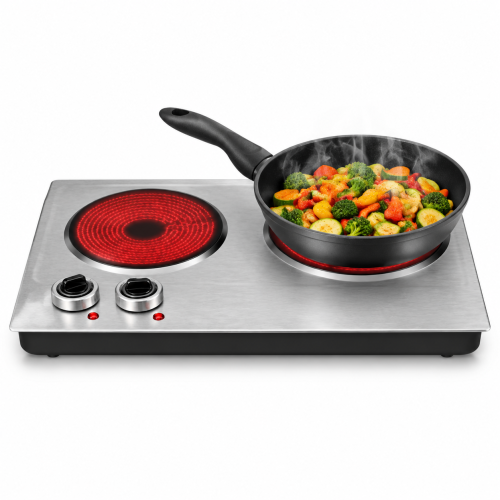
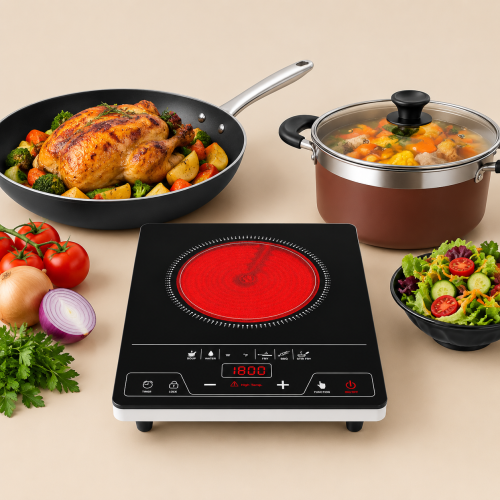
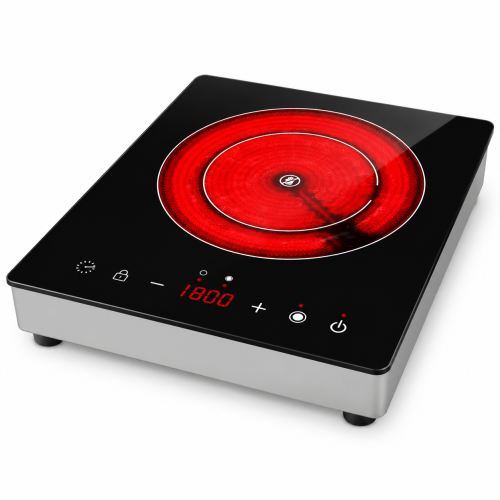
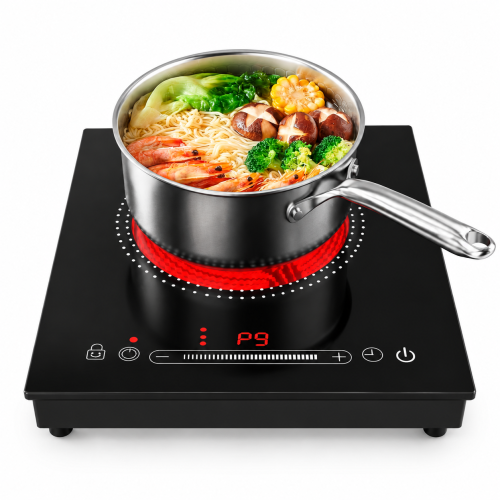
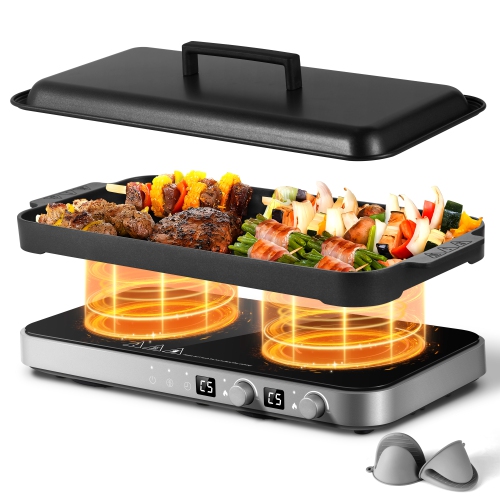
Portable electric stoves are compact countertop cooking appliances that provide one or two heating zones without the installation required for a full-size range. Often called hot plates or portable cooktops, they can serve as an extra burner in a busy kitchen or a cooking solution for a smaller living space where their use is permitted. A single-burner electric stove leaves room for food preparation beside it, while a double-burner model can accommodate a saucepan and frying pan at the same time. The main types include exposed-coil burners, solid cast-iron hot plates, smooth radiant or infrared cooktops, and induction cooktops. Coil burners heat cookware through an exposed metal element, while solid hot plates transfer heat through a flat cooking surface. Both generally accept a broad range of stovetop-safe cookware, although a stable, flat base helps achieve consistent contact and heating. Radiant and infrared models heat beneath a cooking surface, often glass-ceramic, with cookware requirements that depend on the appliance. Induction cooktops work differently: a magnetic field generates heat directly in compatible cookware rather than first heating an element beneath it. Cast iron and many stainless steel pans work with induction, but not all stainless steel is magnetic. A magnet that sticks firmly to the bottom of a pan is a useful initial compatibility check, followed by the cookware and appliance specifications. Plain aluminum, copper, and glass cookware generally need a compatible magnetic base to work on induction. Induction is known for responsive adjustments, while solid hot plates retain heat and may take longer to cool after the setting is reduced. These differences matter in everyday cooking, whether the task is gently simmering soup, boiling water for pasta, or adjusting the heat under a skillet. Portable electric stoves provide surface cooking rather than oven baking, so their role is closer to a movable burner than a complete replacement for every function of a kitchen range.
The practical fit of a portable electric stove depends on more than its overall width. Burner diameter, cookware size, countertop clearance, and access to a suitable outlet all affect how comfortably it works in a space. A large stockpot can extend beyond a small heating zone, while two wide pans may crowd each other on a compact double-burner unit. Cookware should sit securely and remain within the appliance’s specified size and weight limits, with handles positioned away from countertop edges. Single-burner models suit meals prepared in stages, such as cooking rice before sautéing vegetables, while two independently controlled burners make it easier to manage separate dishes. Independent controls do not necessarily mean both burners can deliver their maximum output together. Some double-burner electric stoves share their total power between heating zones, which can affect performance when both are used at high settings. Wattage describes electrical input, but heating speed also depends on the heating technology, pan construction, food quantity, and selected setting. Many portable models are designed for a standard Canadian 120-volt household outlet; the appliance’s rating and instructions still need to match the outlet and circuit being used. Other appliances on the same circuit can contribute to an overload, especially when several high-draw devices operate together. A portable stove belongs on a stable, level, heat-resistant surface with the clearances specified by its manufacturer, not on a soft covering or a crowded shelf. It should be connected as directed, without improvised adapters or power arrangements. In a kitchenette, permitted student residence, or office space with appropriate facilities, this setup can support simple meals without occupying the footprint of a full range. In an RV, suitability also depends on the available electrical supply and the appliance’s operating requirements. Portability makes the appliance easier to move and store; it does not remove the need for a safe cooking area or permission to use it.
Materials, controls, and cleaning details shape how a portable electric stove feels in regular use. A metal housing can provide a sturdy structure, while glass-ceramic surfaces offer a smooth area to wipe once the appliance has cooled. Solid cast-iron plates hold heat well but may require specific care to keep their surfaces in good condition. Exposed coils and the areas beneath them can collect drips, so access for cleaning is worth considering; removable parts should only be lifted or washed when the manufacturer permits it. Spills are easier to manage with cookware that sits flat and has enough capacity for stirring without overflowing. Smooth cooktops need suitable non-abrasive cleaning methods, and sliding heavy cast-iron pans across glass can cause scratches. All types should be unplugged and allowed to cool before cleaning, and the appliance body should not be immersed in water. An induction surface can become hot from contact with the pan even though the magnetic field heats the cookware directly, so residual heat still requires caution. Rotary knobs provide a familiar way to adjust heat, while digital controls may offer power levels, temperature settings, timers, or a control lock. Displayed temperatures and numbered settings are not interchangeable across appliances, and food still needs attention as it cooks. Features such as automatic shut-off, pan detection, or a hot-surface indicator can be useful where included, but they do not replace supervision. For someone setting up a first apartment, furnishing a permitted kitchenette, or adding a dedicated burner for frequent cooking, a portable stove can also be a practical gift when its cookware compatibility and electrical needs are understood. Outdoor use requires separate consideration: indoor appliances should not be assumed suitable for a patio or campsite. Outdoor Electric Stoves are a related option to explore when outdoor cooking is the intended use, with suitability determined by each appliance’s stated rating and instructions. Thoughtful sizing, proper care, and a setup matched to the intended location help a portable electric stove remain useful for everyday meals and occasional extra cooking capacity.
Top selling and popular products
-
 Your price for this item is $684.88
-
 Your price for this item is $744.71
-
 Your price for this item is $515.91
-
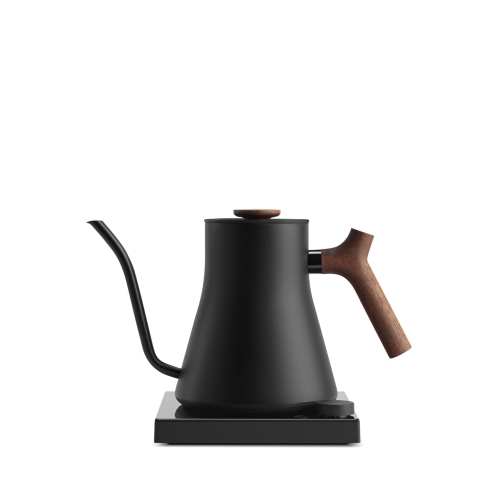 Your price for this item is $325
-
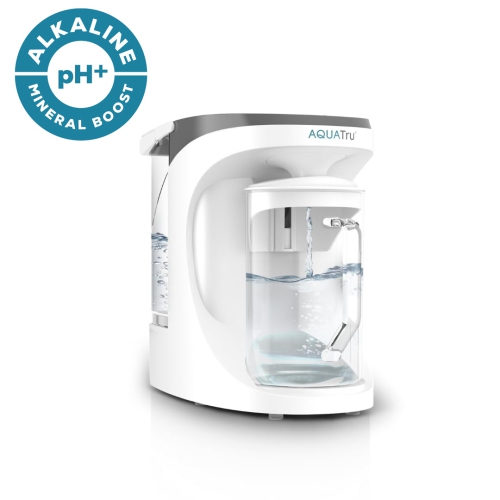 Your price for this item is $543.42
-
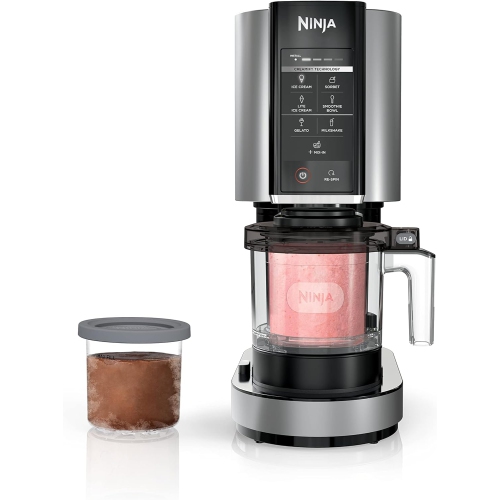 Your price for this item is $299
-
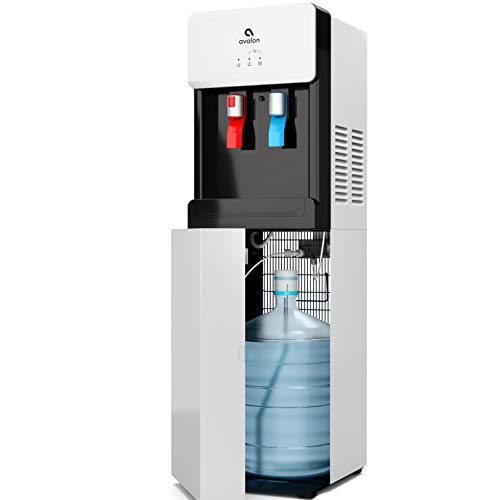 Your price for this item is $620
-
 Your price for this item is $499.99
Discover more categories related to Portable Electric Stoves
Top Collections:
Best Black Friday Deals This Year, Best Black Friday Deals On Electronics, Kindle Devices, Pokemon Centers, Best Black Friday Deals On Apple Products, Best Cameras for Sports Photography, Dyson Airwrap, Pokémon 30th Celebration Cards, Apple iPhone 17 Pro, Canon G7X Cameras
Some products may be subject to Environmental Handling Fees
(EHF) depending on your province.
Learn more about EHFs.