Portable Fans for Camping
When it comes to camping, staying cool and comfortable is essential for a great outdoor adventure. Portable fans are the perfect solution to beat the heat and keep the air circulating in your tent or campsite. Whether you're camping in the woods, by the beach, or attending a music festival, a portable fan can provide much-needed relief from the summer heat. With a variety of sizes, styles, and features available, finding the right portable fan for your camping needs has never been easier. Stay cool and enjoy your time in nature with our selection of portable fans designed specifically for camping.
Sort
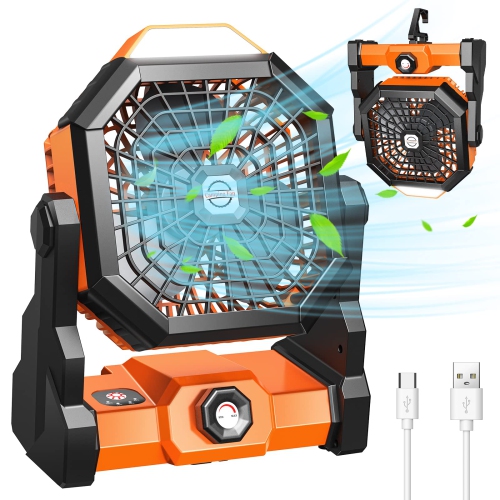
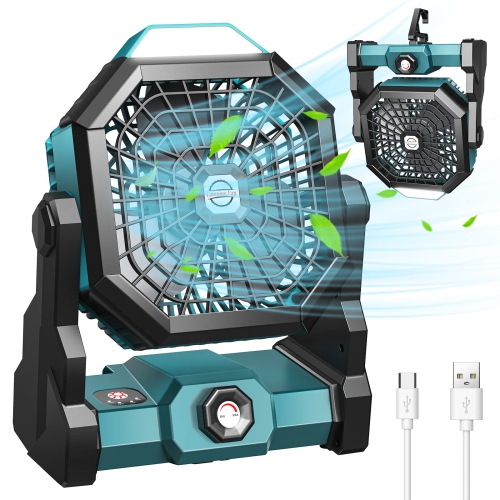
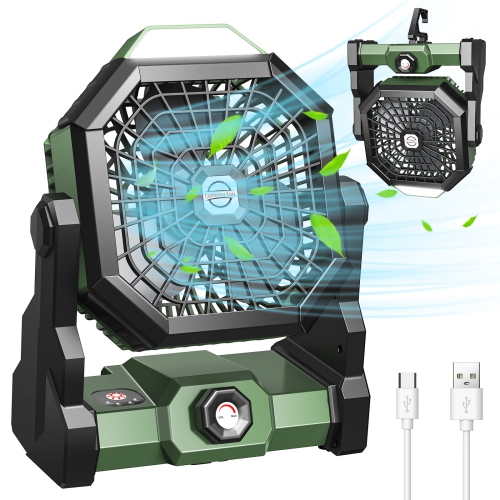
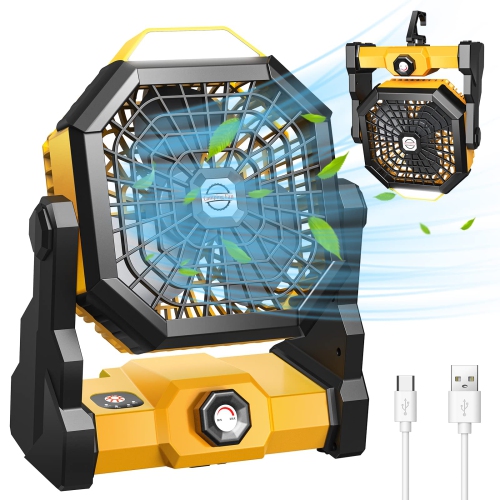
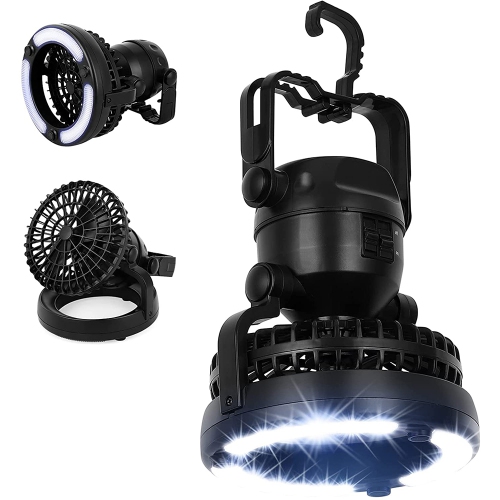
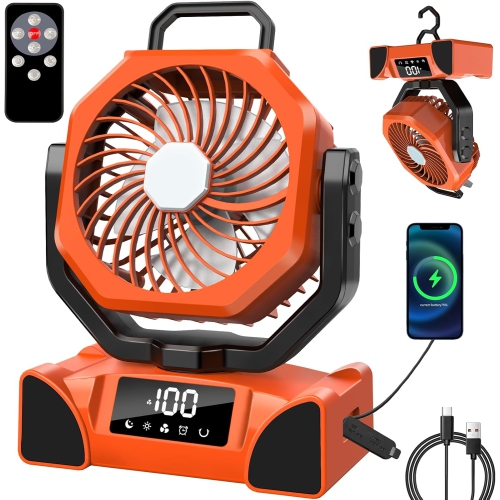
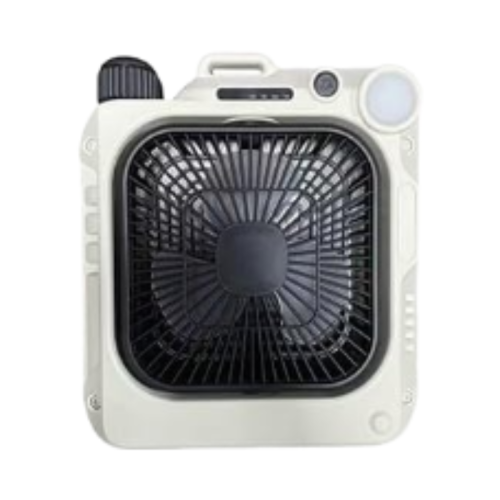
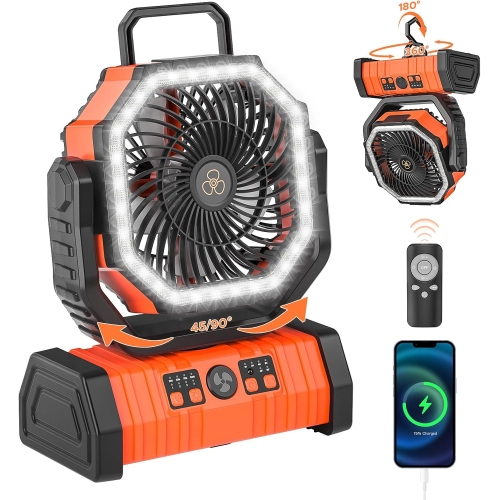
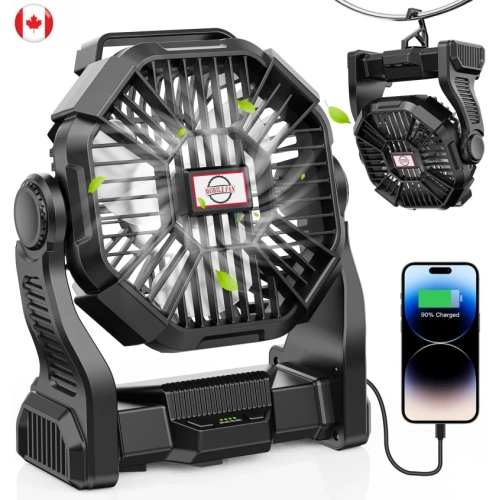
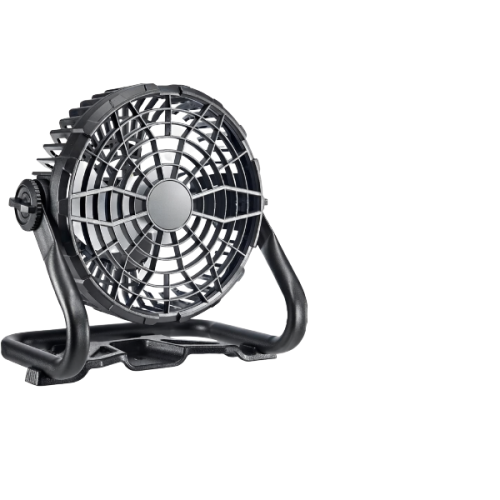
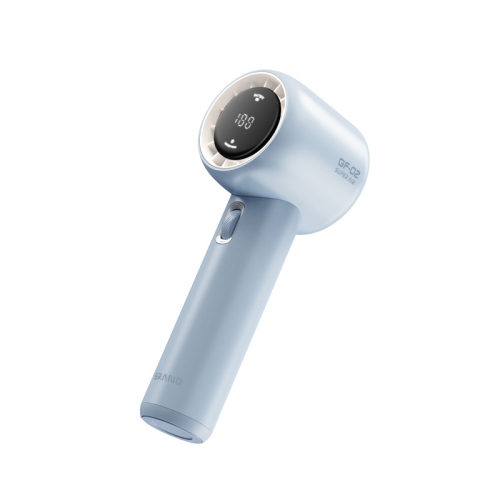
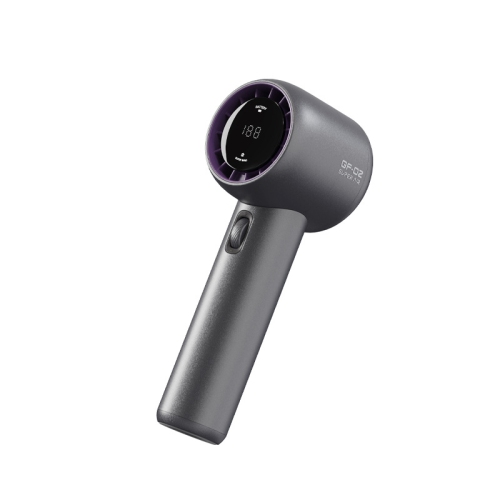
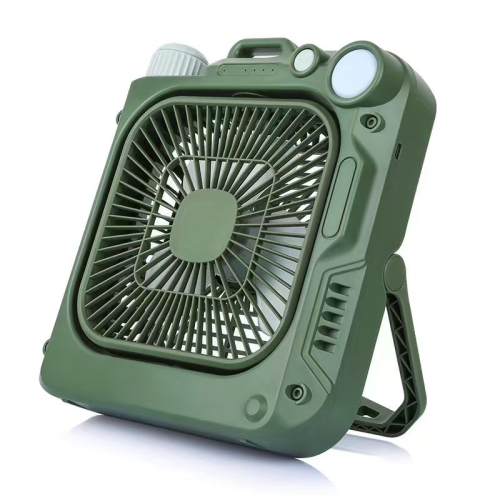
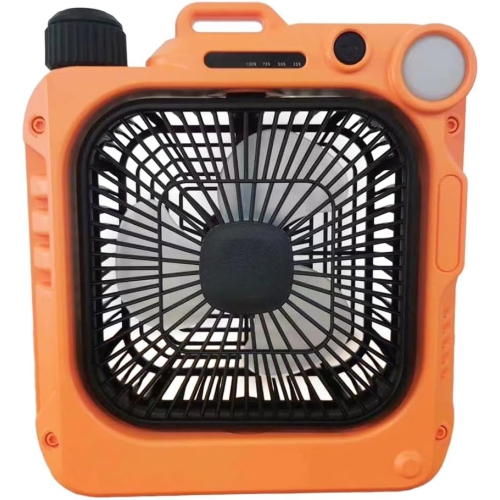
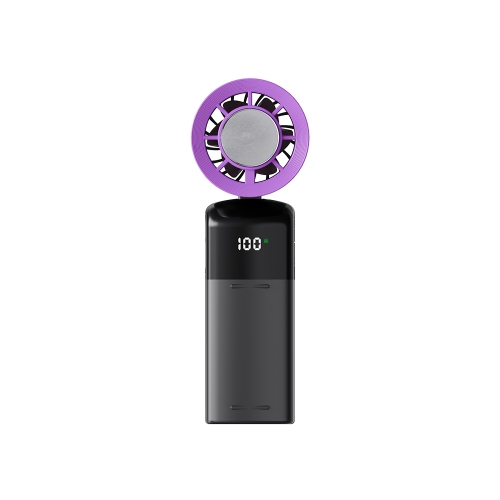
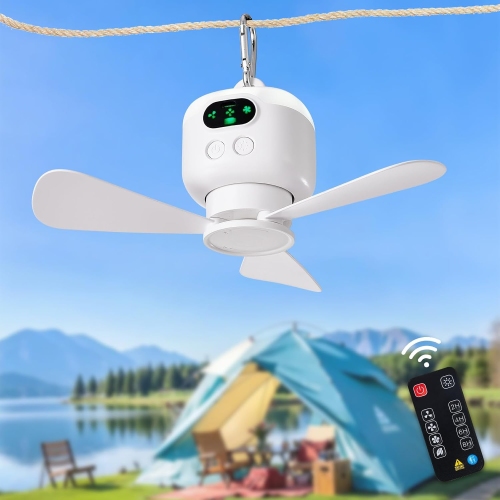
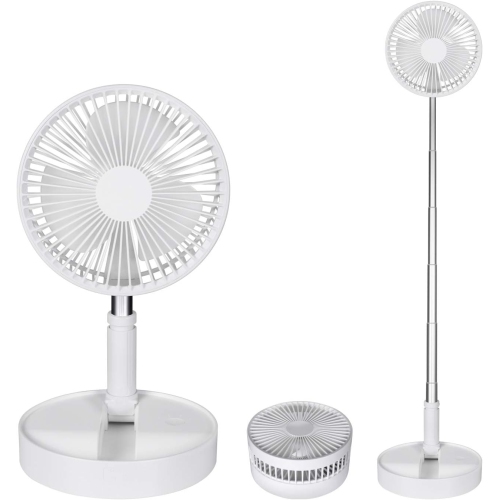
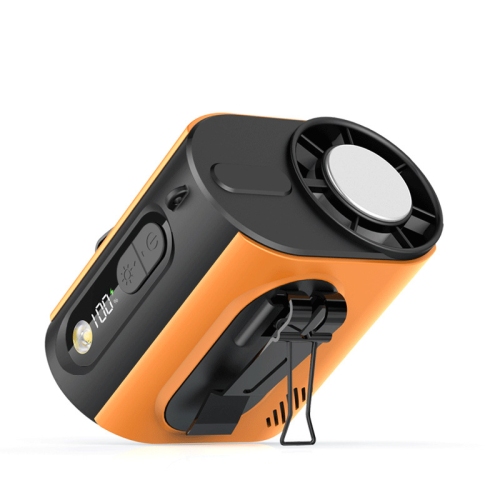
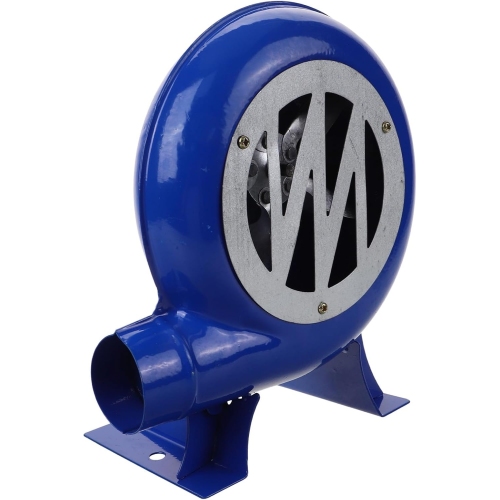
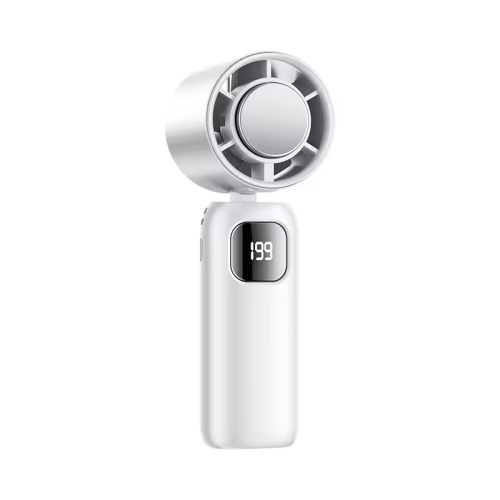
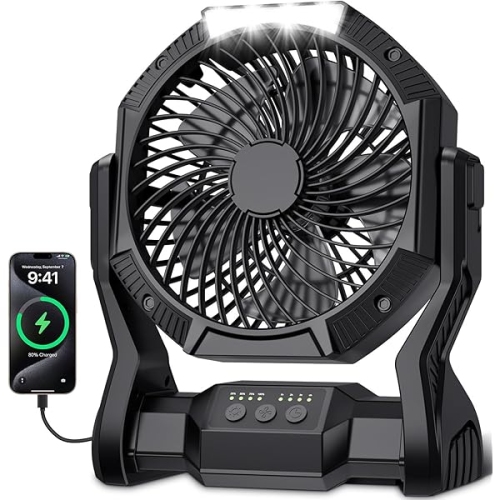
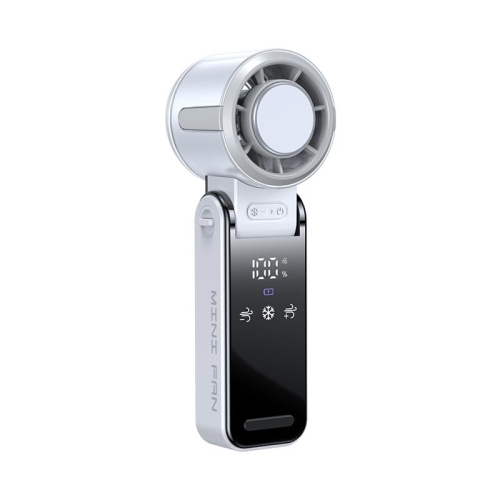
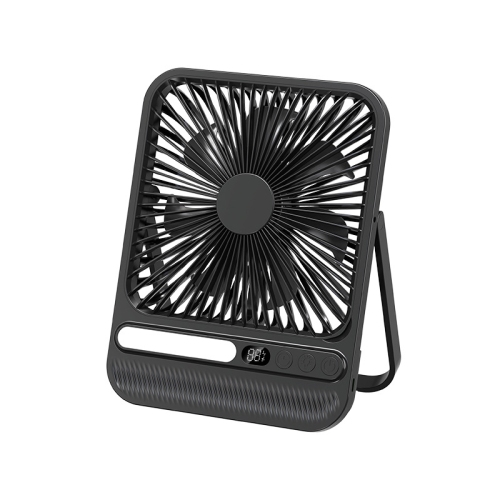
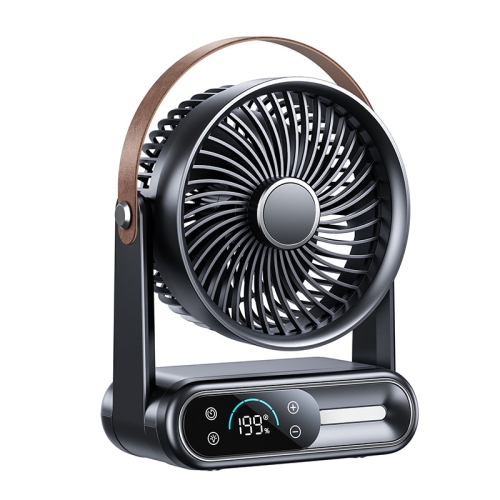
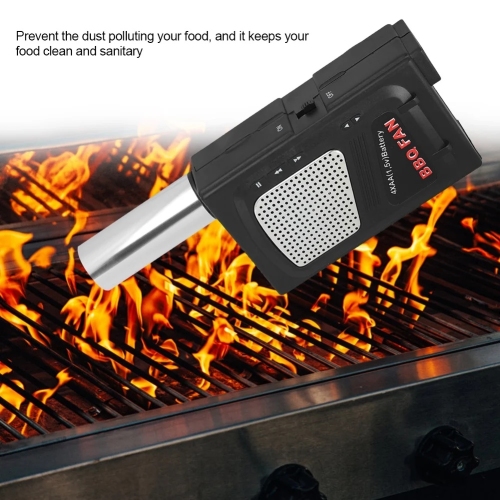
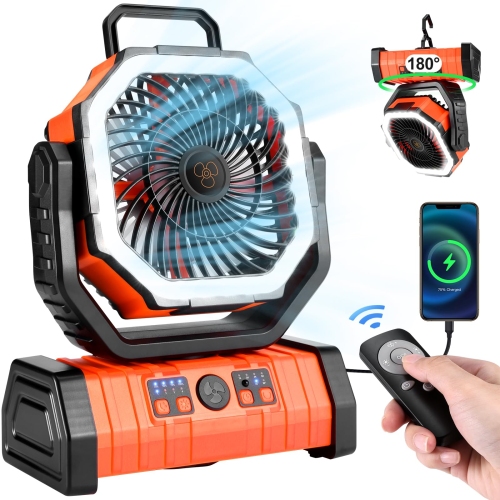

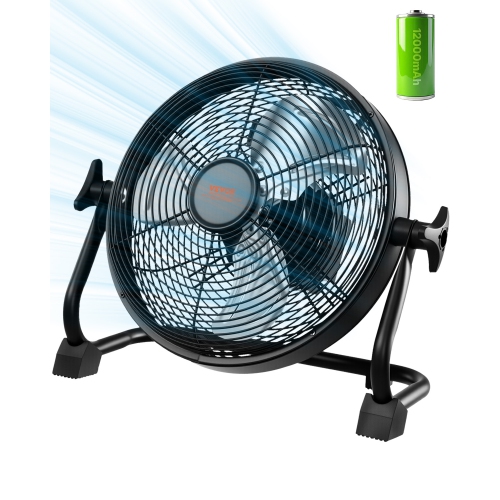
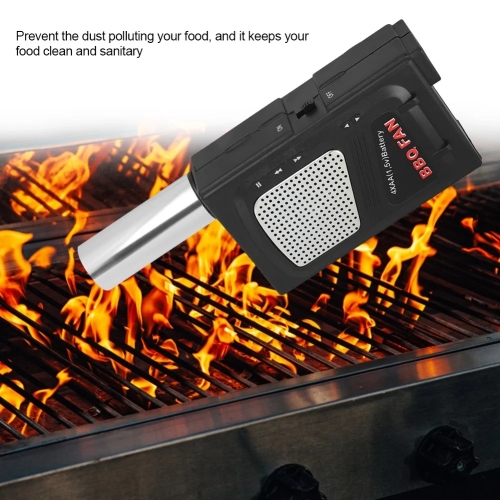
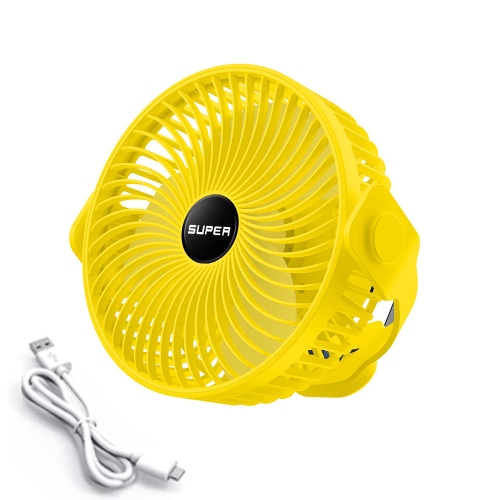
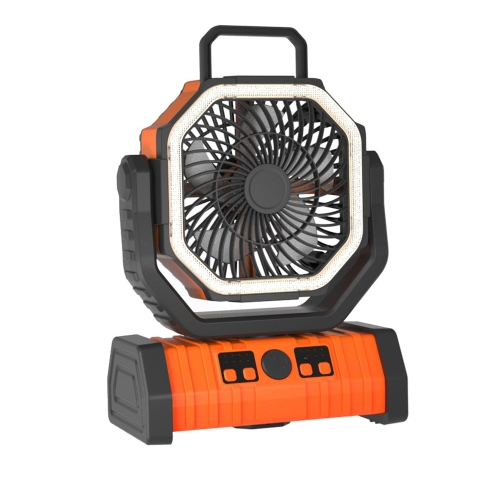
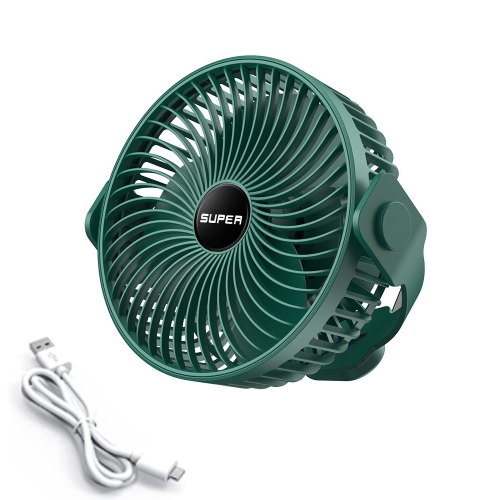
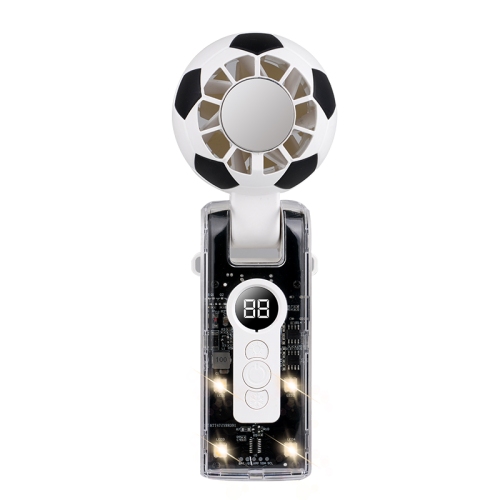
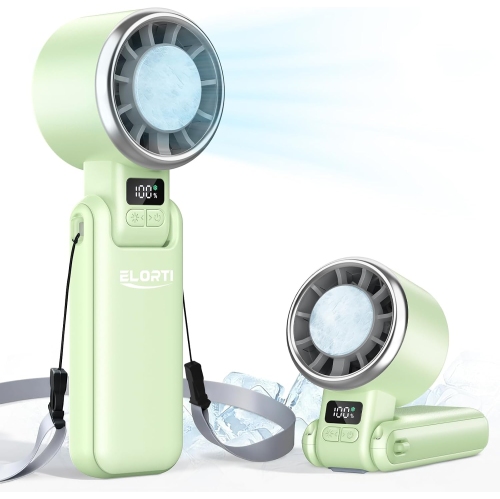
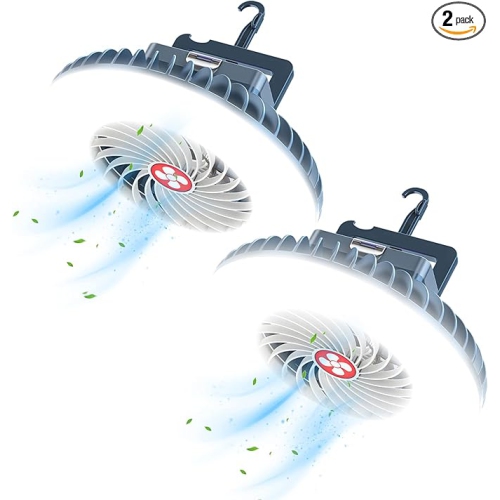
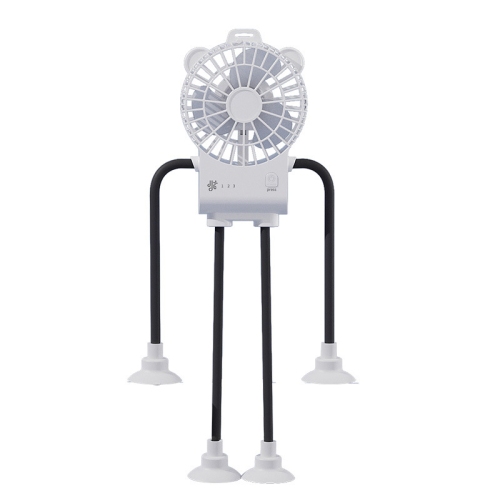
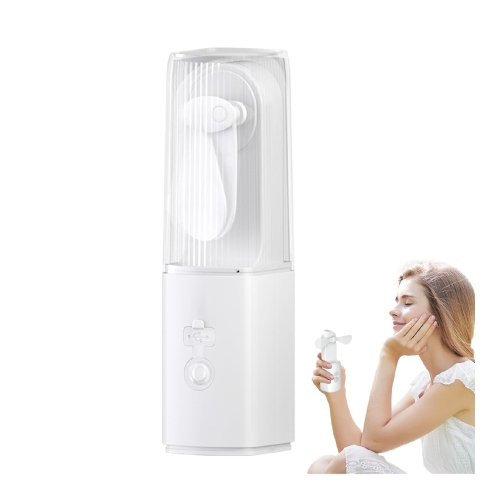
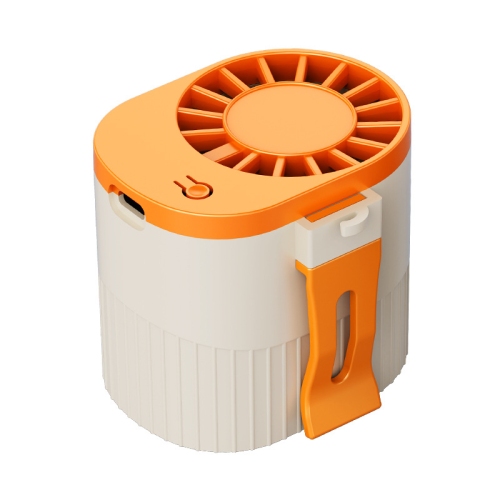
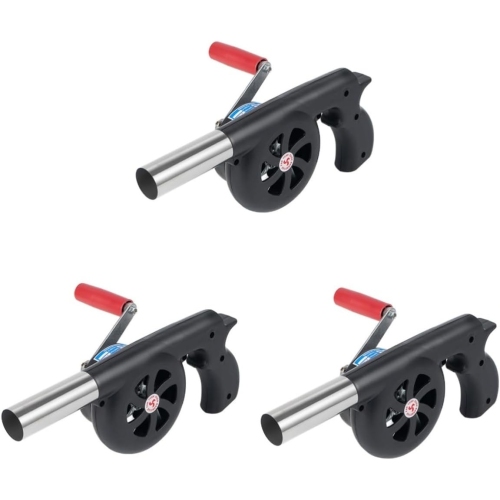
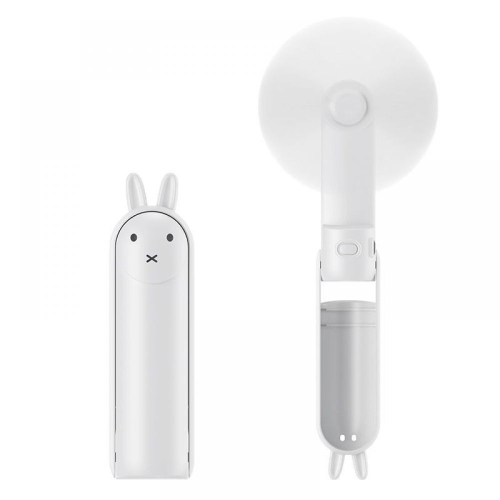
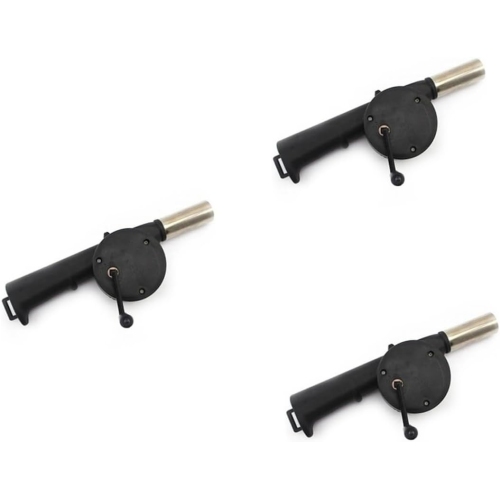
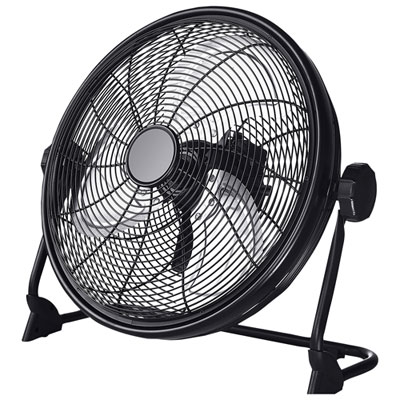
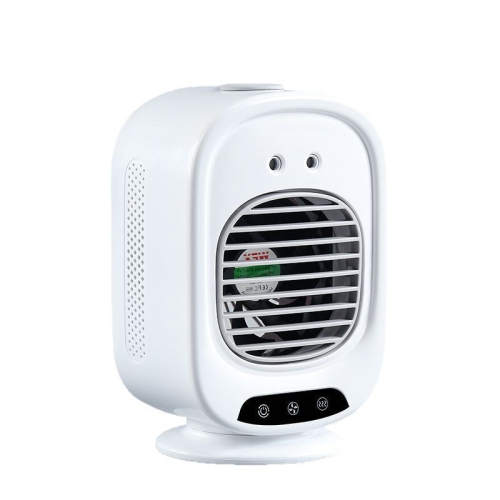
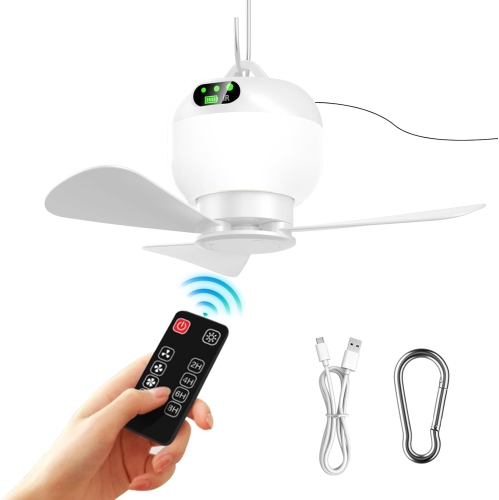
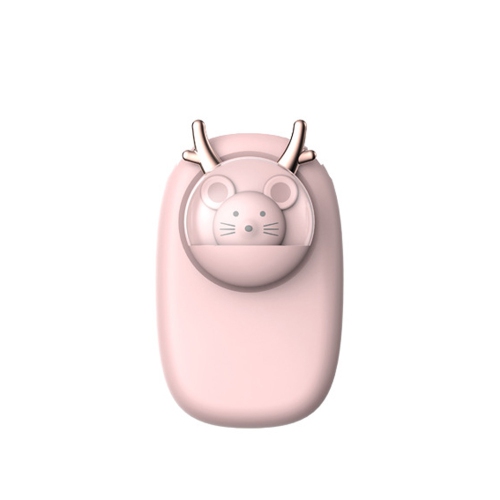
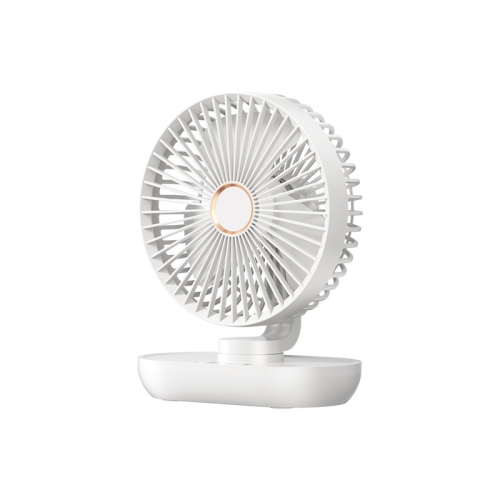
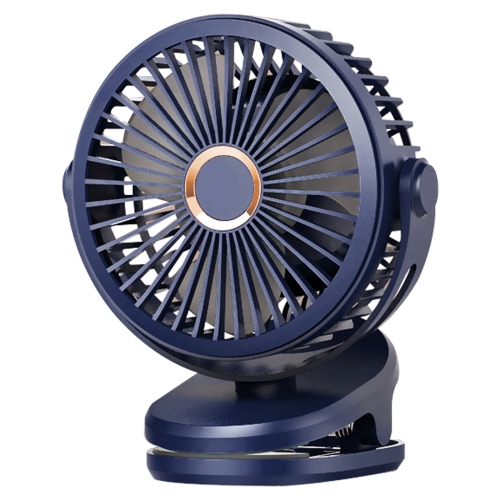
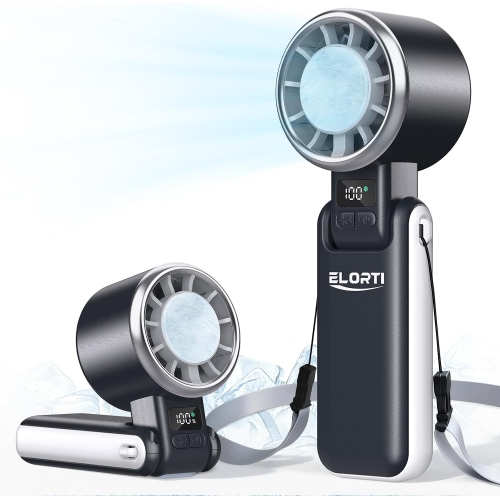
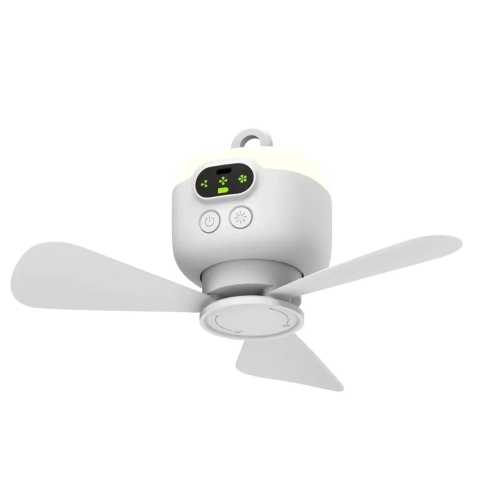
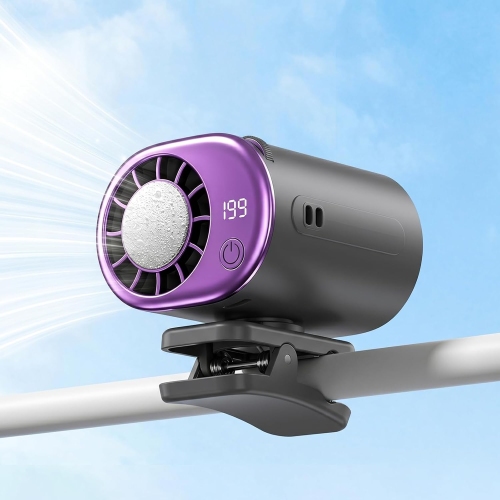
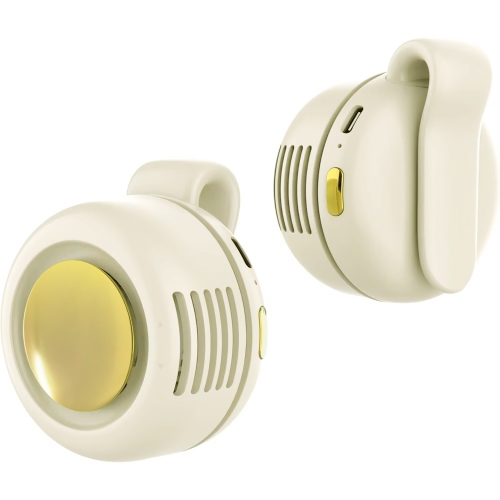
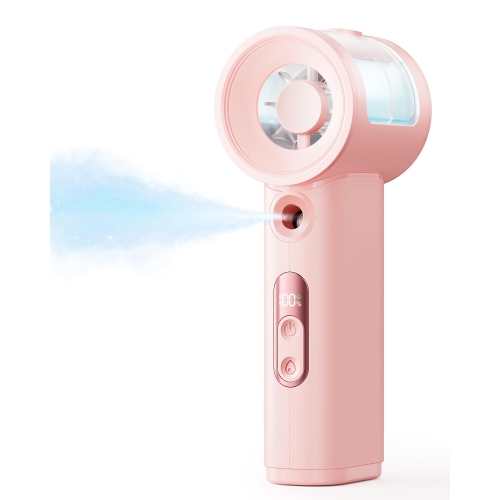
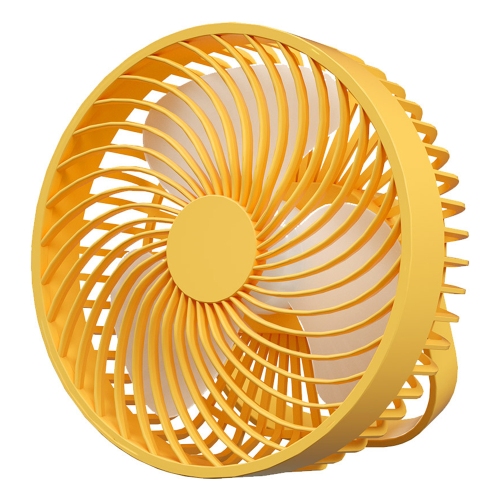
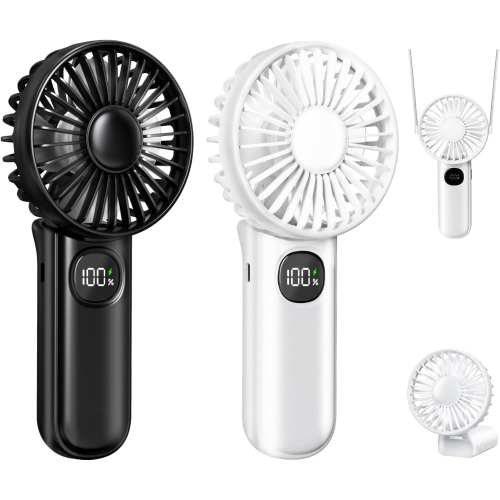
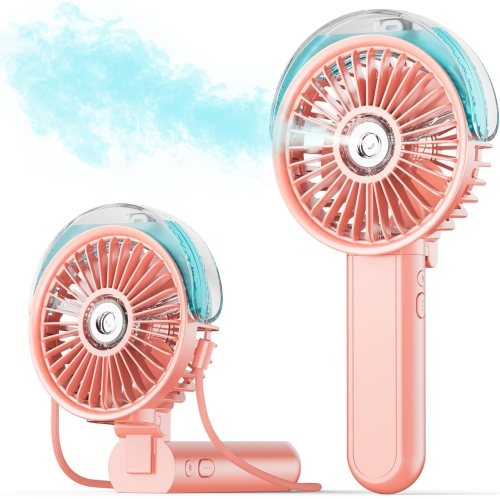
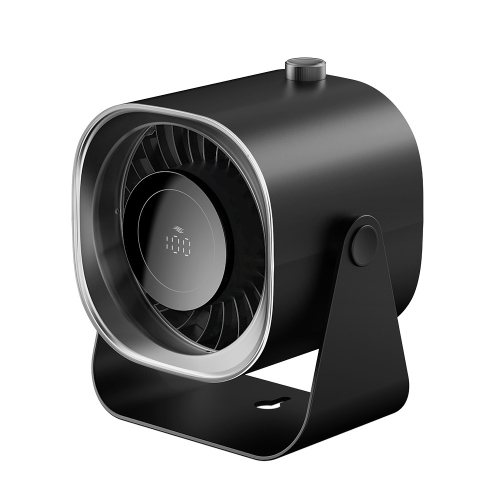

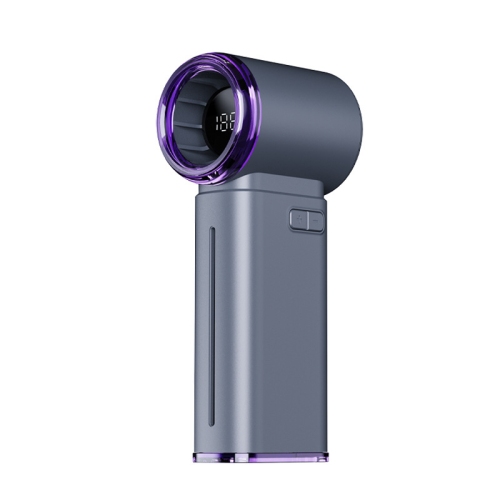
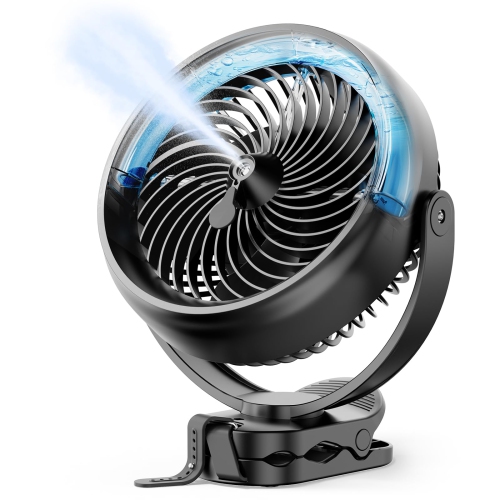
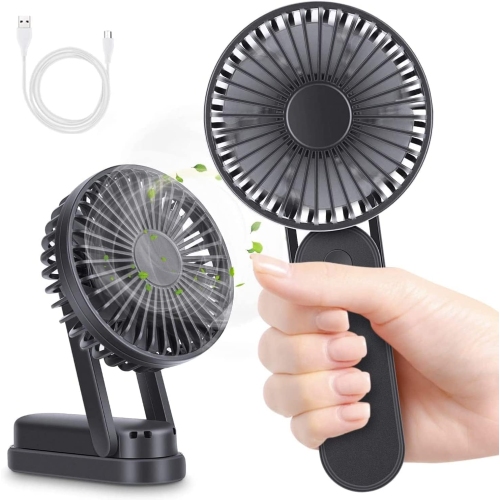
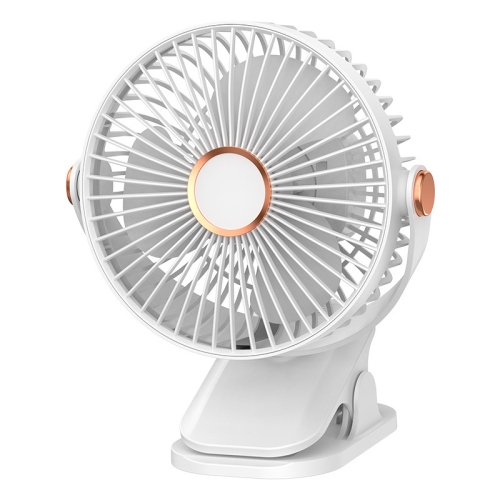

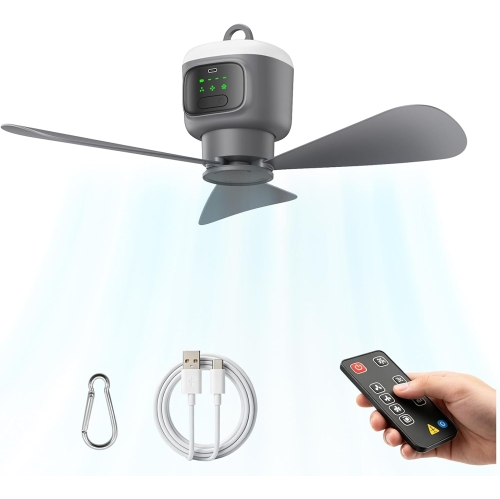





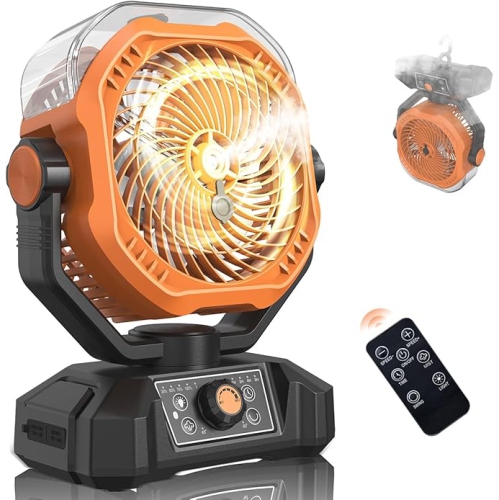
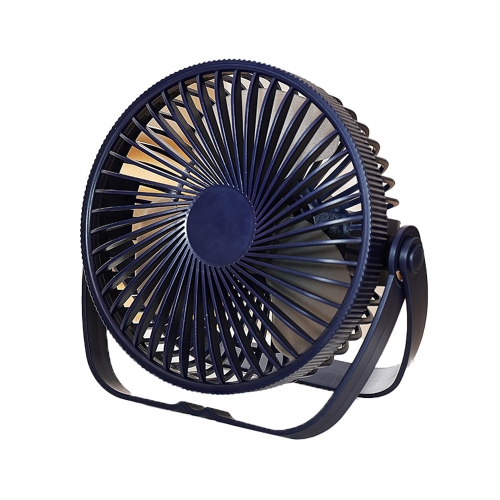

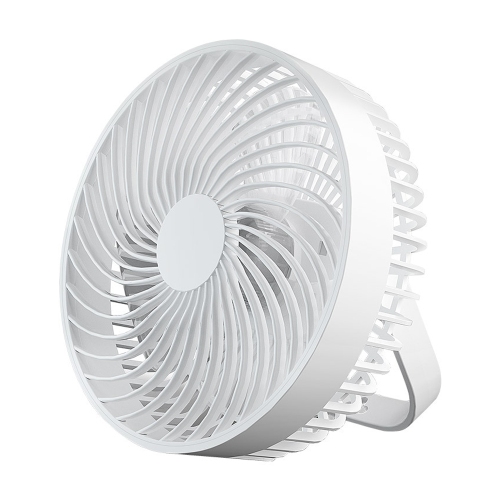
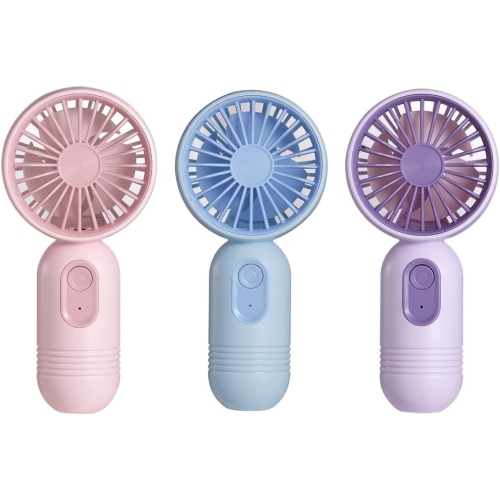

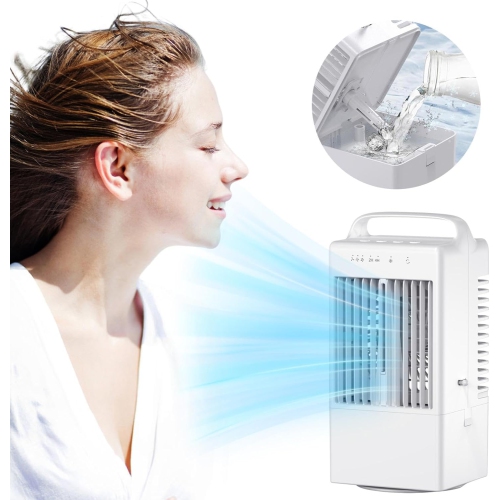
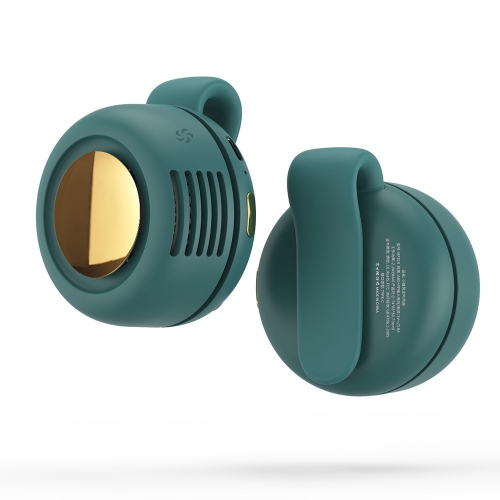
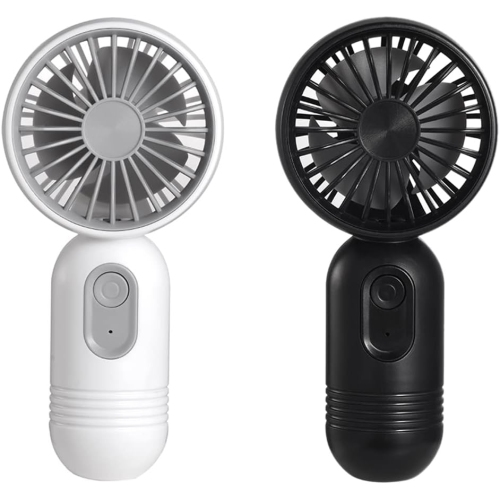
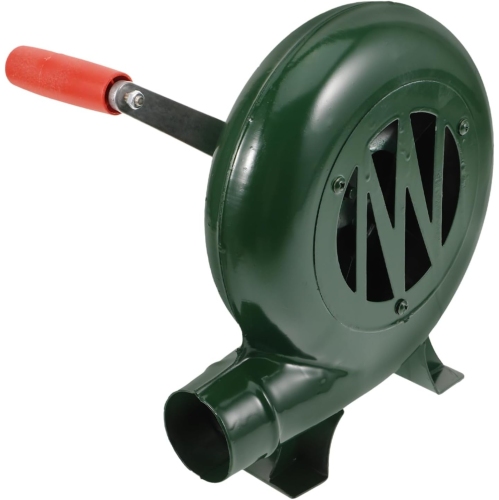
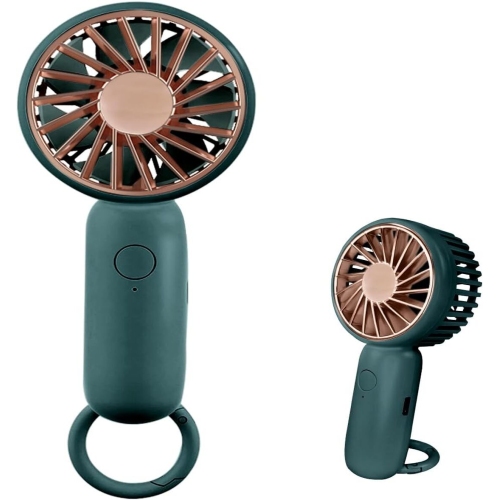
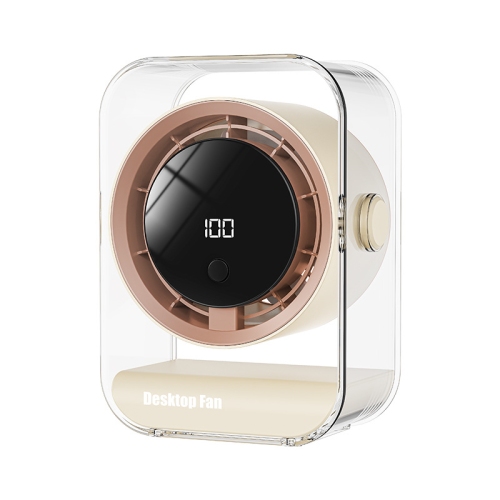
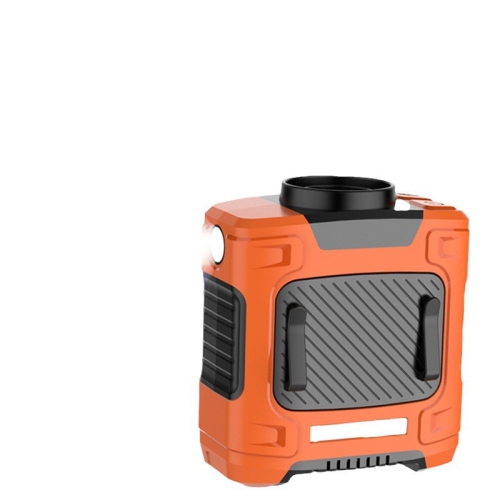
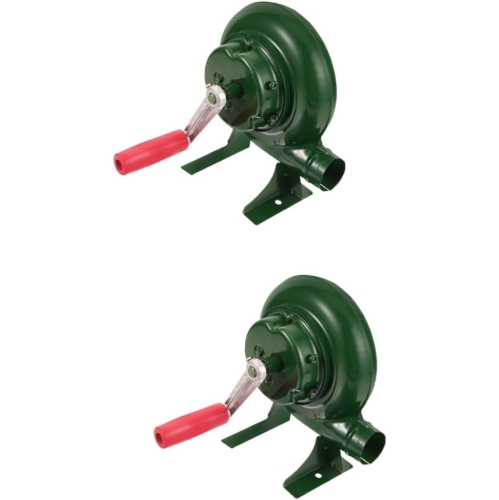


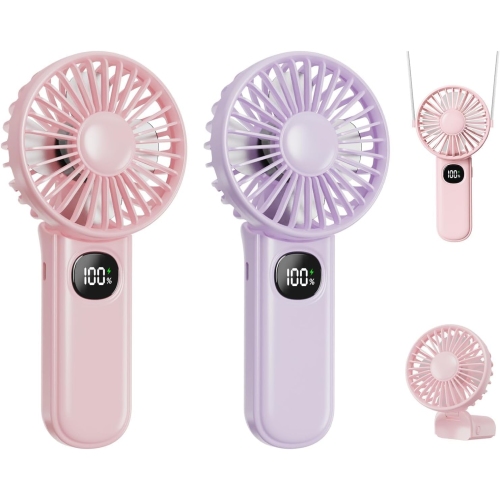


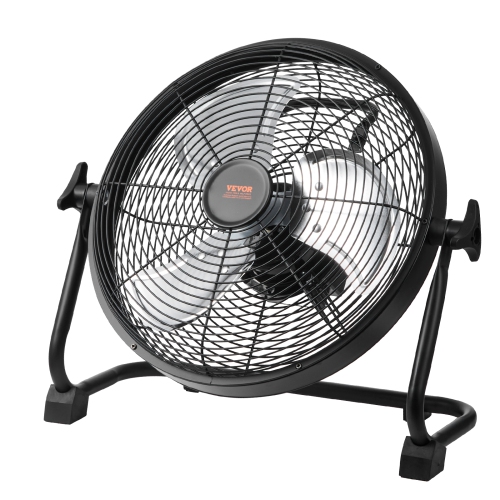
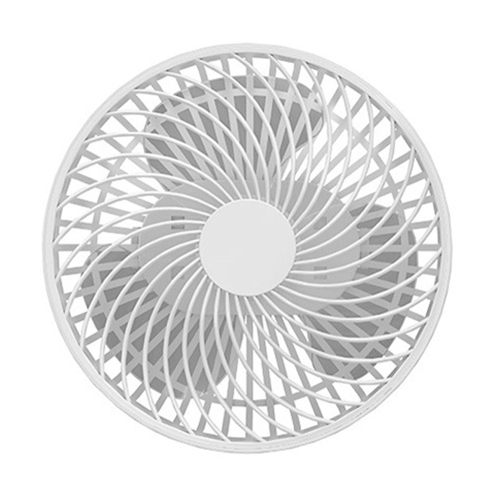
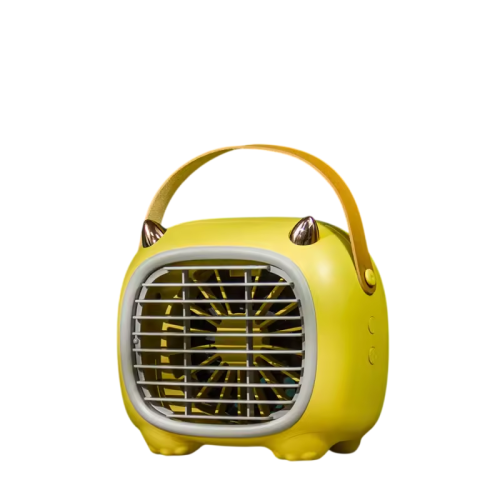
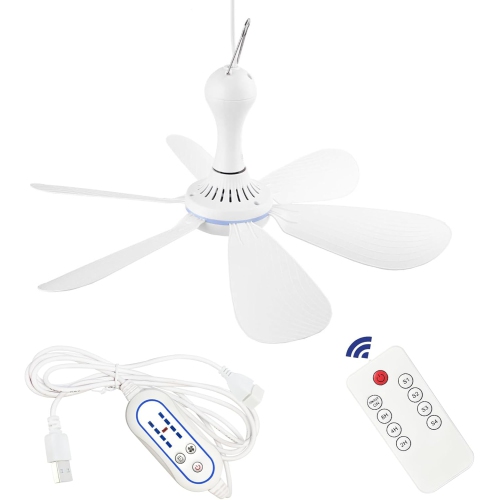
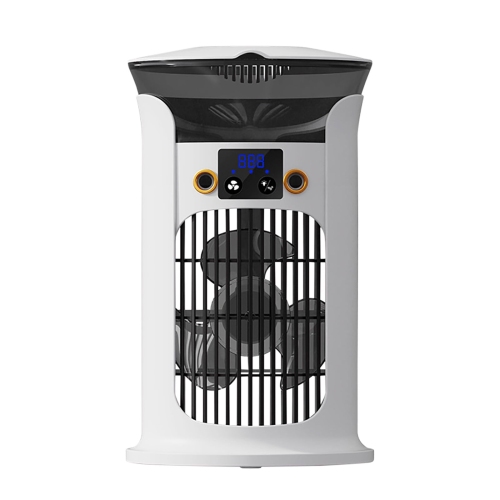
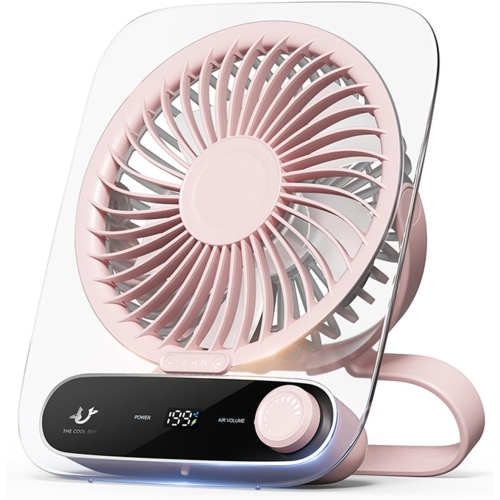

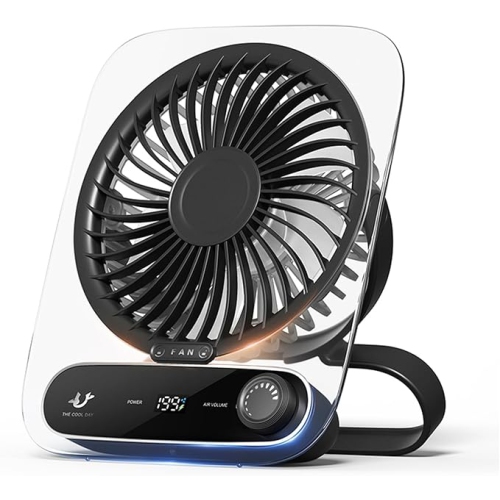
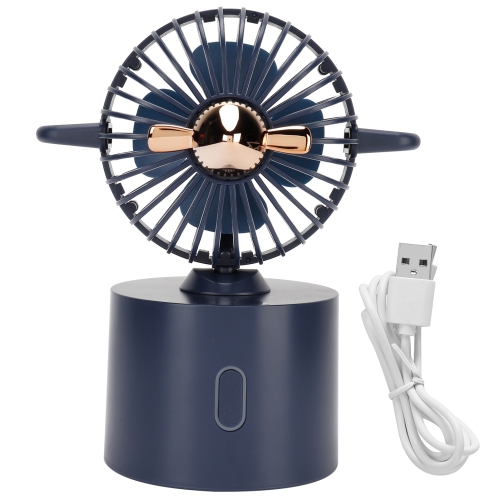
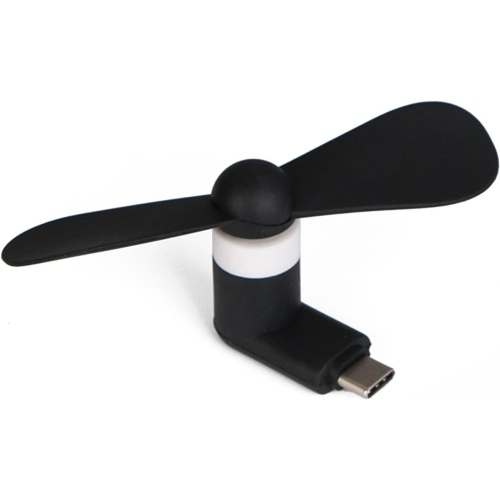
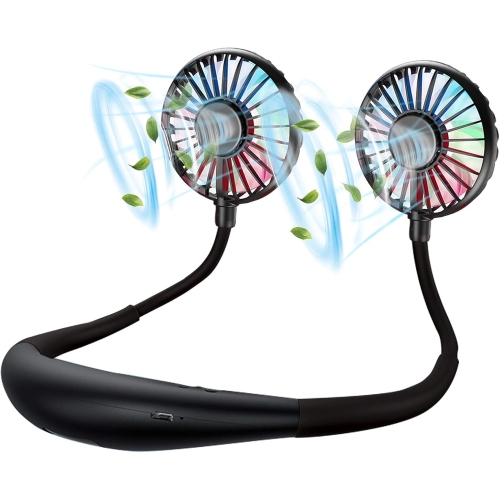


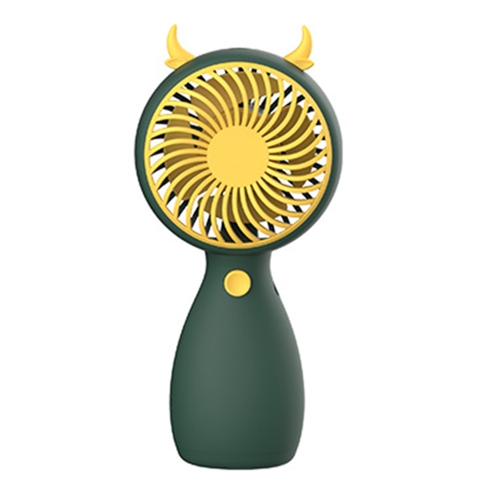
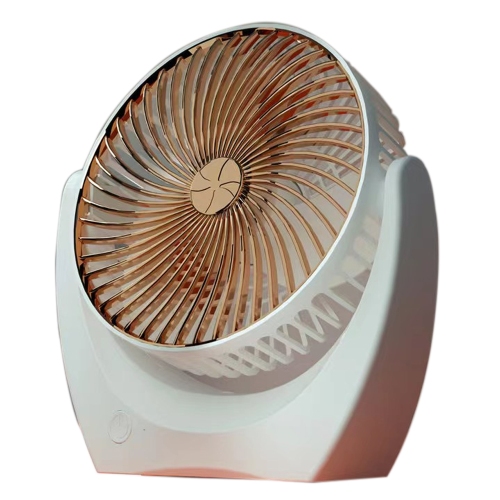


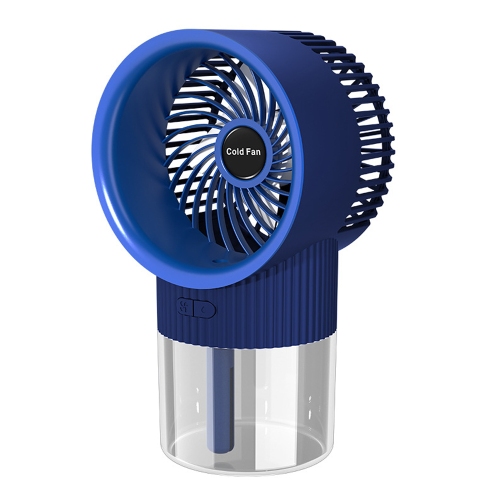
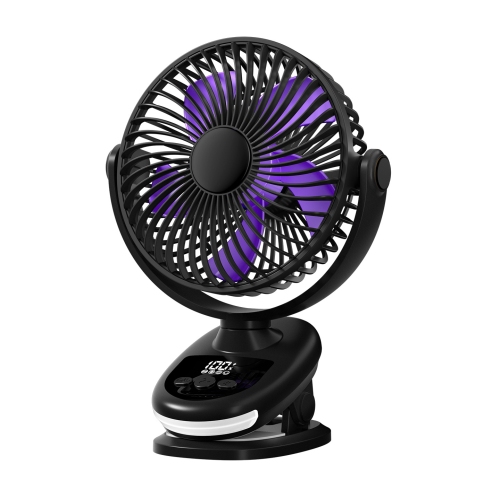
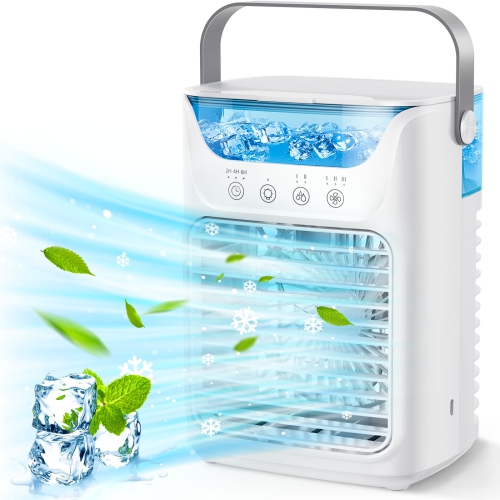
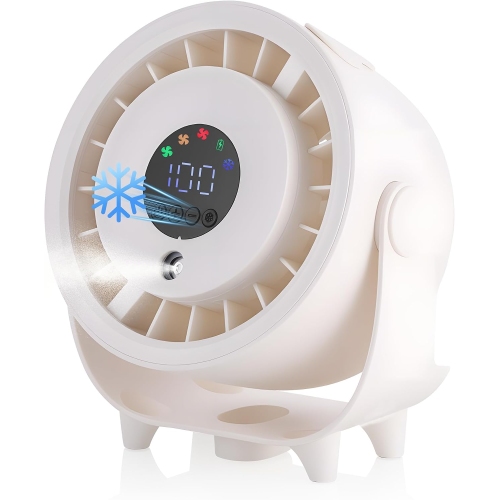
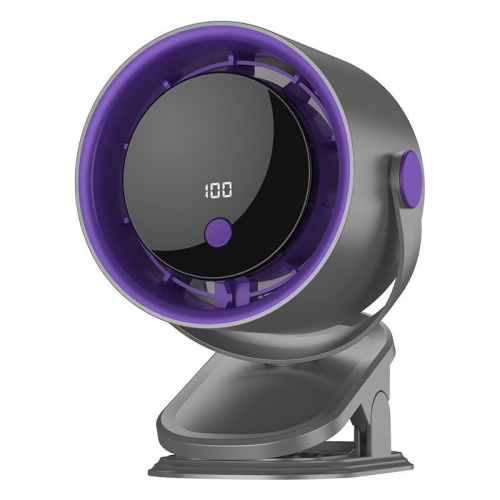
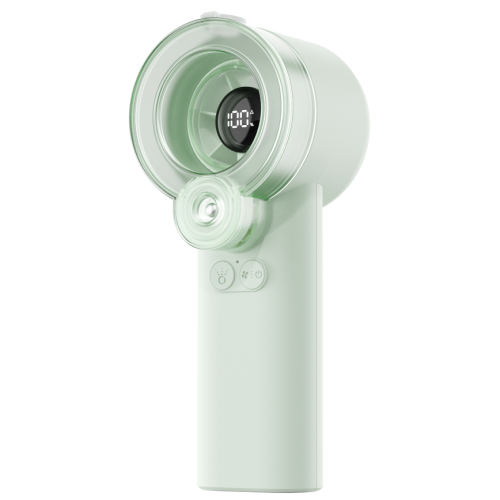

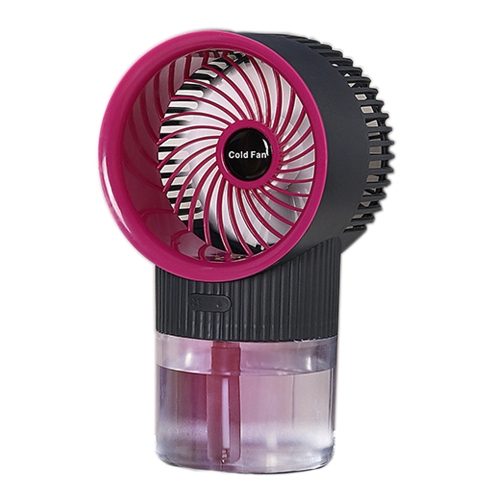
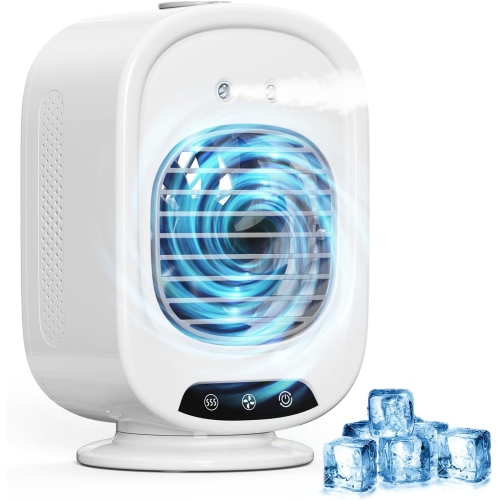


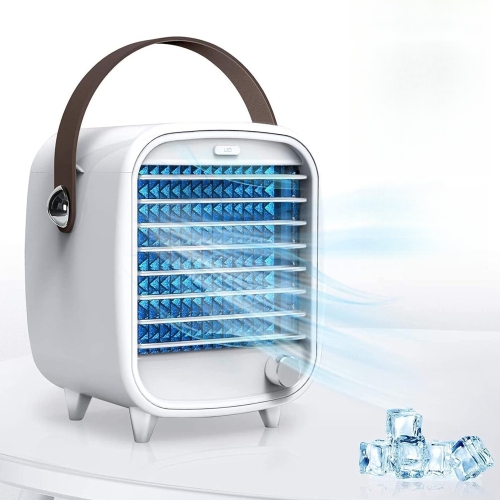

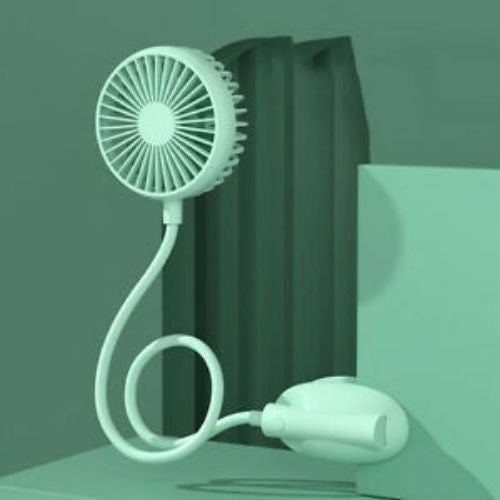
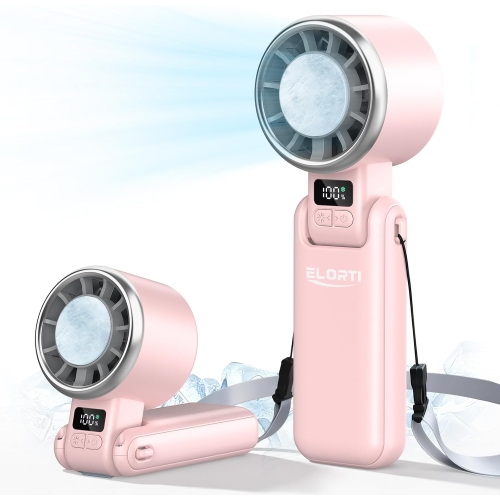
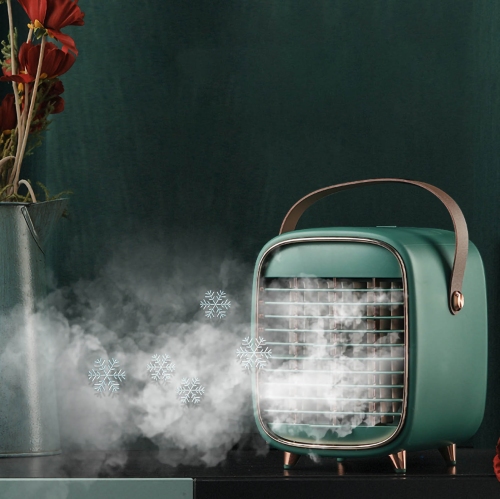


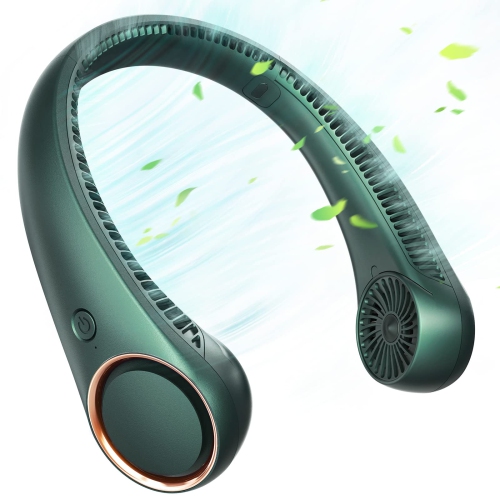
A directed breeze for more comfortable nights at camp
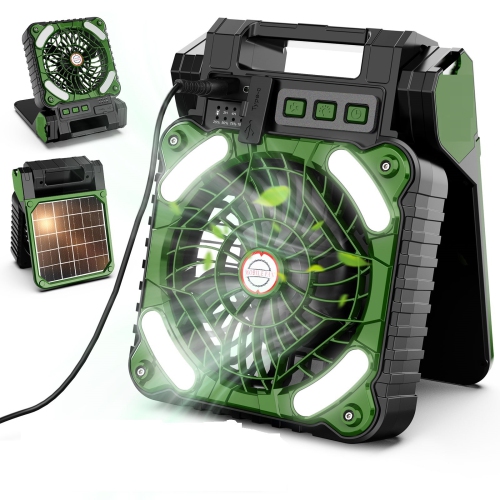
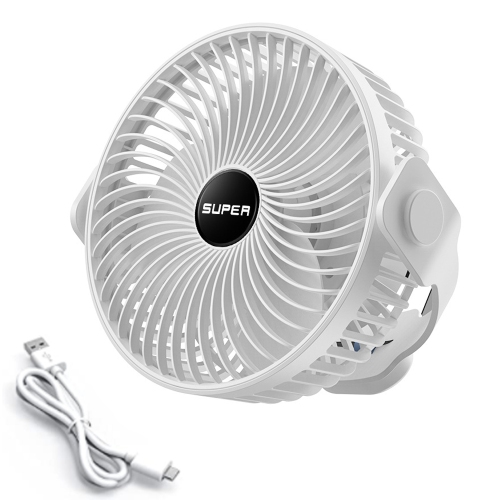
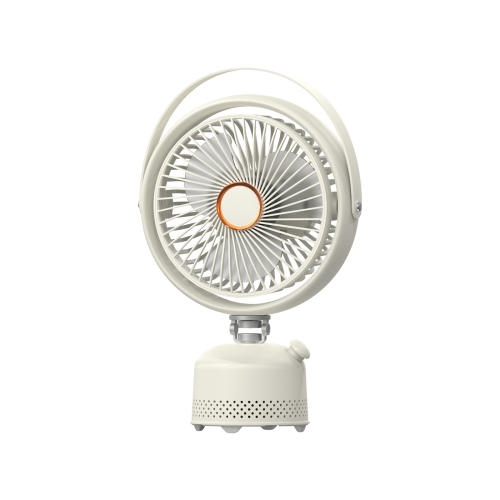
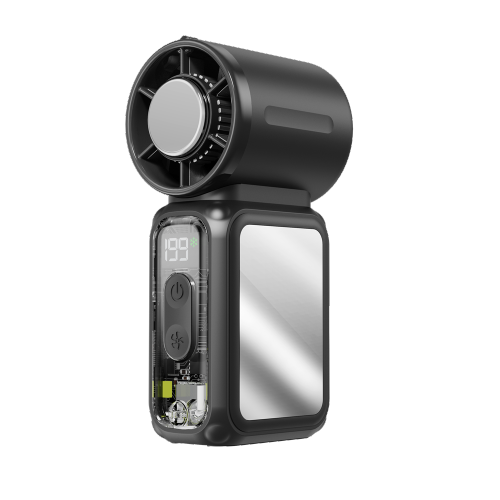
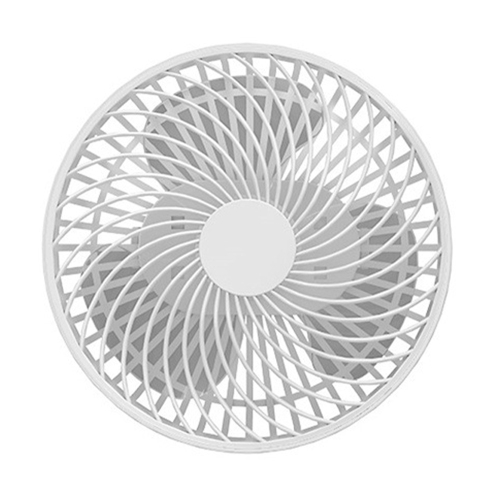
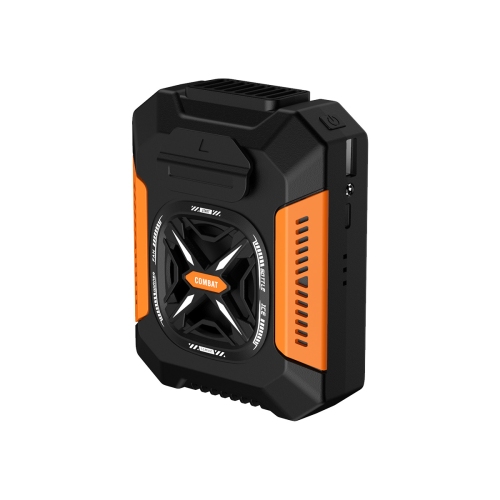
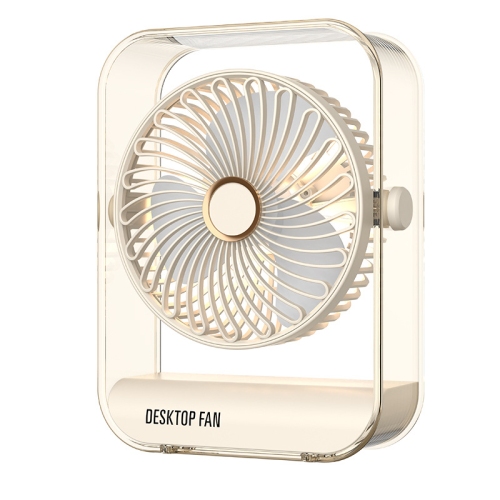
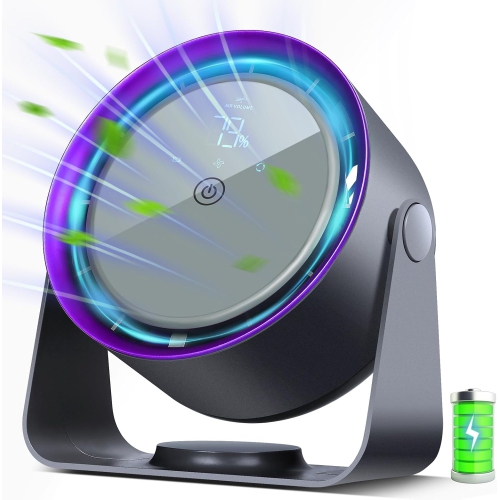
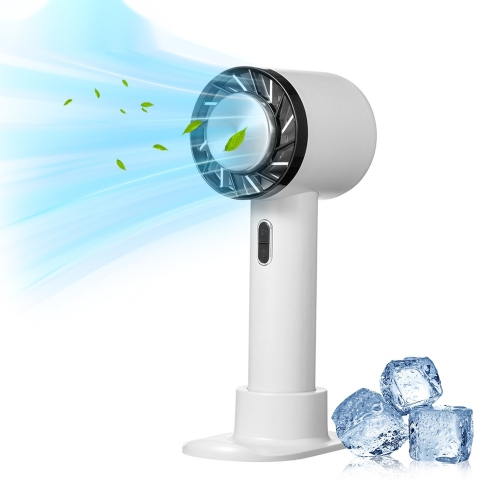
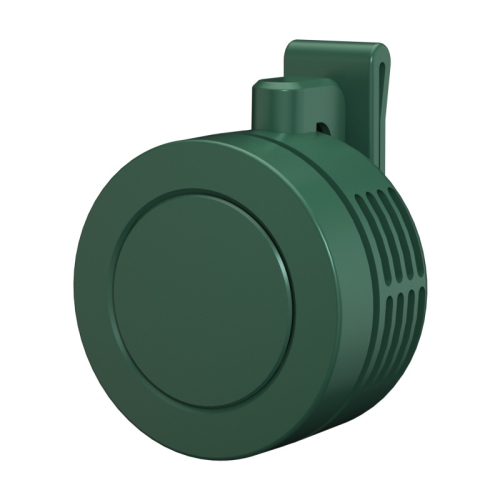
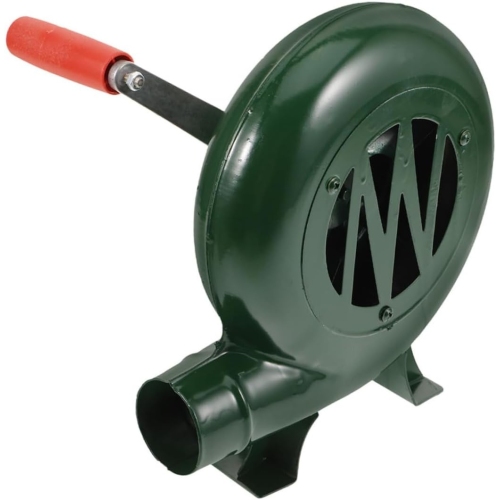
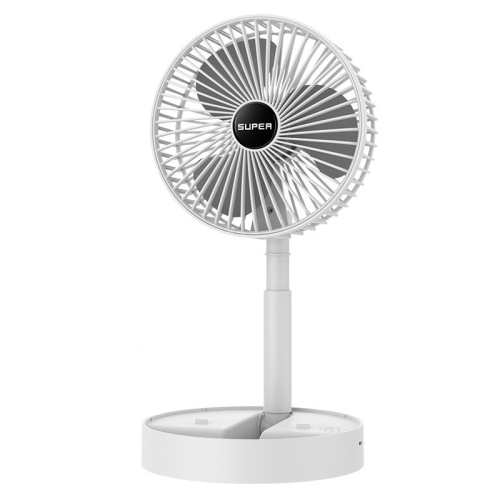
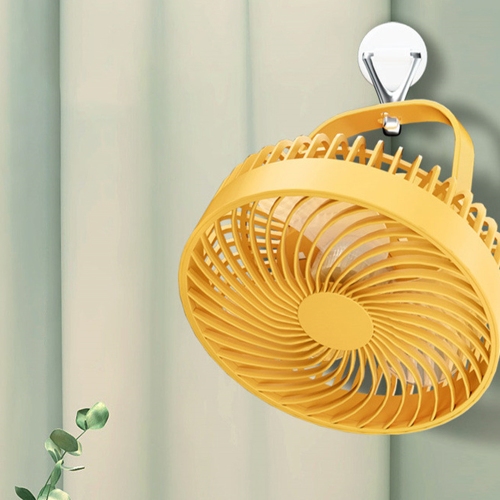
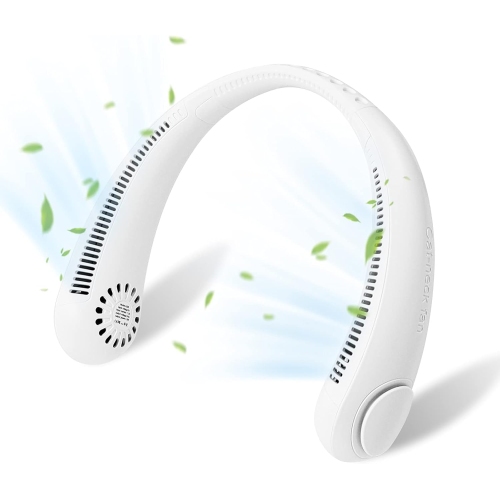
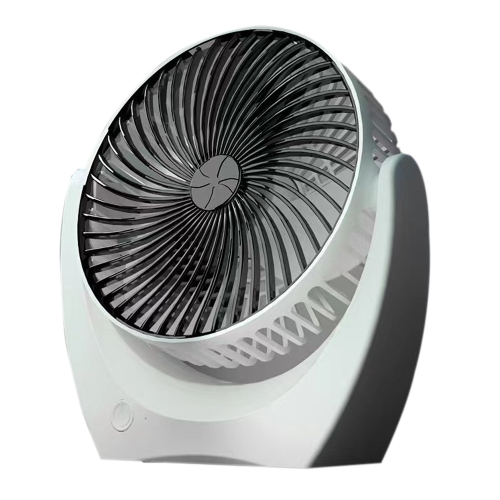
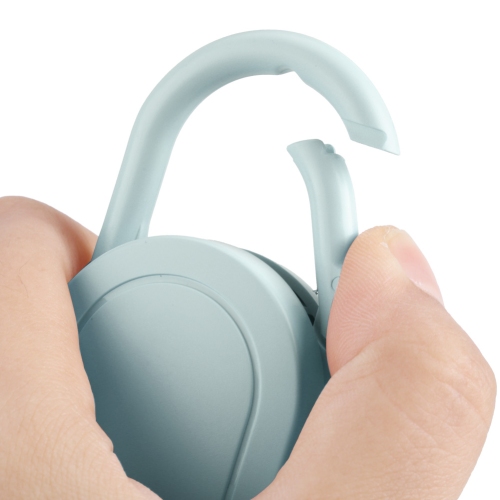
Portable fans for camping circulate air around a tent, picnic table, or sheltered seating area, adding personal comfort without the size and power requirements of a full-size household fan. They typically use built-in rechargeable batteries, replaceable batteries, or a USB connection, with designs suited to standing on a surface, clipping onto a support, or hanging from a suitable attachment point. Their main purpose is air movement: a fan does not lower the air temperature inside a tent, but a directed breeze can make resting, reading, or settling into a sleeping bag more comfortable. It also complements open tent vents rather than replacing them. The most useful shape depends on where that airflow is needed. A compact tabletop fan fits beside a camp chair or on a stable picnic table, while a hanging design keeps the floor clear of equipment and directs air from above. A clip-on fan can position the breeze closer to a sleeping area, provided the clip fits the support securely and the support can carry its weight. Handheld designs are easy to move between places but need a stand or another supported position for hands-free use. Adjustable heads help aim airflow without moving the whole fan, and oscillating designs can spread it across a wider seating or sleeping area. A narrow, direct stream suits one person reading beside a lantern; broader coverage can be more practical when two people share a tent. Fan dimensions matter as much as the blade size, since the base, handle, and protective grille all take up packing space. Foldable stands and handles can make storage easier, although hinges and locking points should remain secure when the fan is in use. For backpacking, low weight and a compact packed shape are especially relevant. For car camping, a larger base or wider airflow may be a worthwhile trade-off. In either setting, the fan should fit comfortably alongside bedding and luggage without obstructing the tent entrance or pressing against its fabric walls.
Power source and runtime shape how a camping fan fits into a trip. A rechargeable fan is convenient when it can be charged before departure and topped up from a compatible power bank or campsite power connection. A replaceable-battery design allows spare batteries to be carried, although battery size, quantity, and added weight affect the overall packing load. Some fans can run from USB power, while others use the connection only for charging; that distinction matters when planning to leave a fan connected during use. USB-C is a connector type, not a guarantee that every charger or cable will support the same charging speed, so the fan’s stated input requirements remain important. Published runtime should also be considered alongside the setting used to measure it. A maximum runtime may refer to the lowest speed with lighting switched off, rather than continuous operation at full power. Higher fan speeds, oscillation, and built-in lights can draw additional power, and actual performance depends on battery condition and usage. For an overnight stay, a quieter low setting may matter more than the strongest burst of airflow. Noise can be particularly noticeable inside a tent, where a fan sits close to pillows and sleeping bags. Motor sound, vibration through the base, and airflow noise can all contribute, so a stable position and a clear intake are useful considerations. Multiple speed settings allow gentler airflow for sleeping and stronger circulation while sitting at the campsite. Controls should be easy to reach without lifting the fan or disturbing its mounting position. A timer can limit operation to part of the night, while a remote control may be convenient for a securely suspended fan. Some designs combine a fan with an LED light, bringing illumination and airflow into one packed unit; independently controlled brightness and fan speed make that combination more flexible. Models with a USB output may also charge a phone, but sharing the battery reduces the energy left for the fan. Charging cables and power banks should be kept dry, protected from damage, and positioned away from walking routes.
Materials, mounting hardware, and care are important for a fan that travels with camping equipment. Moulded plastic housings can keep weight down, while metal grilles or reinforced supports may provide a firmer structure; durability depends on the complete construction rather than one material alone. A close-fitting protective grille helps keep fingers and loose objects away from moving blades, and a stable, broad base is useful on a table that may get bumped during meals or card games. Clip pads should grip without sliding, while hooks and hinges need to hold their position under the fan’s weight. A tent’s hanging loop is not automatically suitable for every fan, so both the attachment point and the fan’s mounting requirements matter. Suspended fans should remain clear of faces, bedding, loose straps, and fabric, with enough space around the intake and outlet for air to move freely. Outdoor use also does not automatically mean a fan is waterproof. Any stated water-resistance rating and use restrictions should determine whether it belongs in an exposed area or under shelter, and charging ports need particular protection from moisture and grit. Dust can collect on grilles during transport and campsite use, so regular cleaning helps keep the air path clear. Switch the fan off and disconnect its power source before cleaning, then follow the manufacturer’s directions for wiping the housing or accessing removable parts. Packing the fan in a separate compartment or protective pouch helps prevent bent grilles, damaged switches, and pressure on folded hinges. Before storage, the fan should be clean and dry, with its rechargeable battery cared for according to the manufacturer’s recommendations. These practical details make portable camping fans useful for tent campers, families sharing a campsite, and travellers using camper vans or recreational vehicles. They can also be a thoughtful gift for someone who appreciates compact, practical camping equipment, especially when the power source matches what that person already carries. Similar priorities apply to Portable Fans for Travel, where manageable size, convenient charging, and flexible placement help a fan move easily between campsite stays and other overnight stops.
Top selling and popular products
-
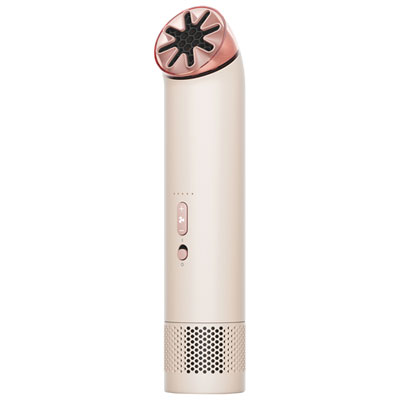 Your price for this item is $129.99
-
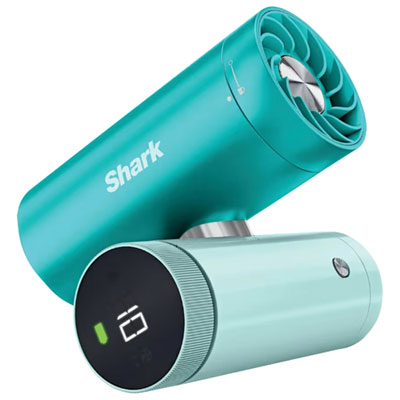 Your price for this item is $179.99
-
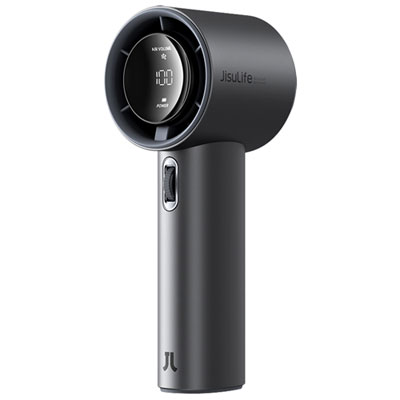 Your price for this item is $99.99
-
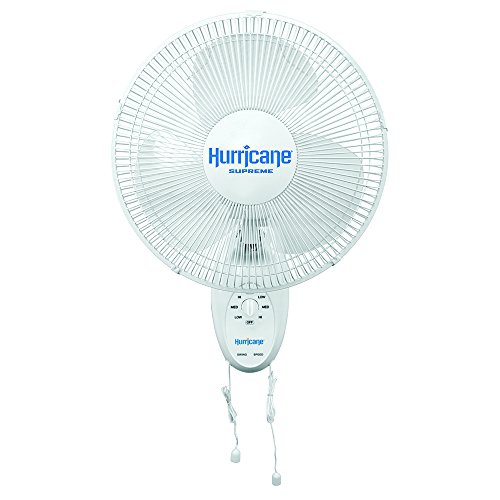 Your price for this item is $96.99
-
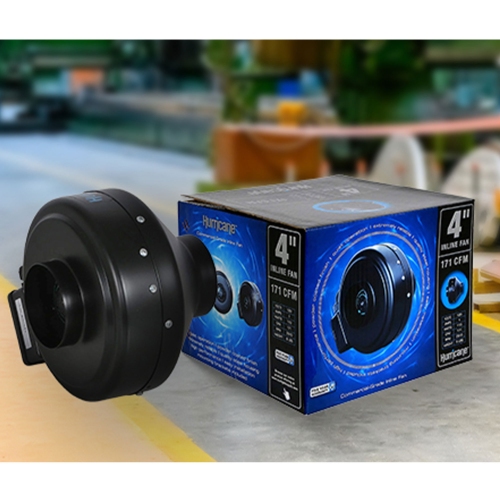 Your price for this item is $172.99
-
 Your price for this item is $134.99
-
 Your price for this item is $176.99
-
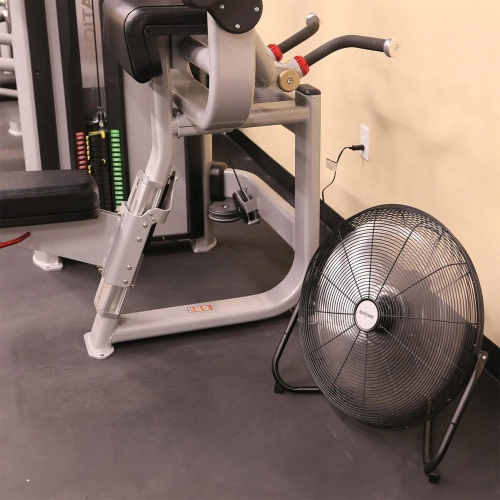 Your price for this item is $154.99
Discover more categories related to Portable Fans for Camping
Top Collections:
Best Black Friday Deals This Year, Best Black Friday Deals On Electronics, Kindle Devices, Pokemon Centers, Best Black Friday Deals On Apple Products, Best Cameras for Sports Photography, Dyson Airwrap, Pokémon 30th Celebration Cards, Apple iPhone 17 Pro, Canon G7X Cameras
Some products may be subject to Environmental Handling Fees
(EHF) depending on your province.
Learn more about EHFs.