Power Fans
Power Fan options are designed to help keep your space cool and comfortable, whether you're at home, in the office, or working out in the gym. With a variety of sizes and styles available, it's easy to find the right Power Fan to suit your needs. From boosting air circulation to providing a refreshing breeze during warmer days, these fans offer a practical solution for staying comfortable year-round. Explore the selection of Power Fan models to discover the perfect fit for any room or environment.
Sort

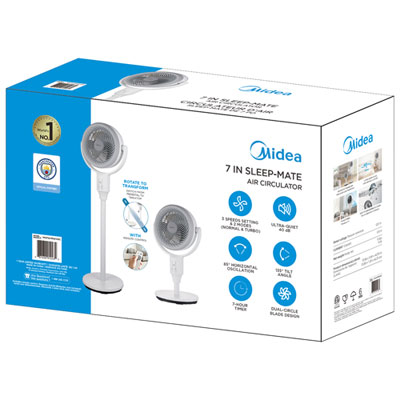

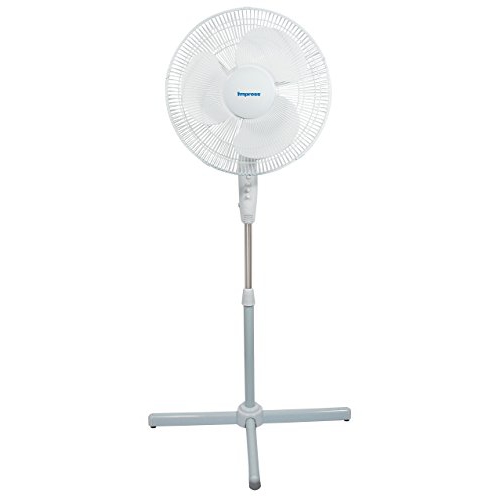
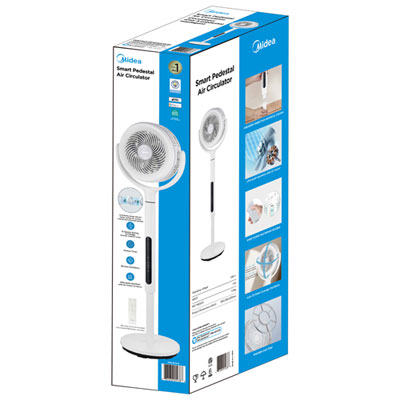
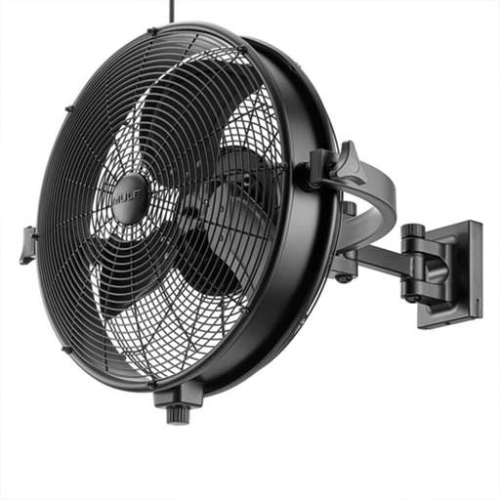

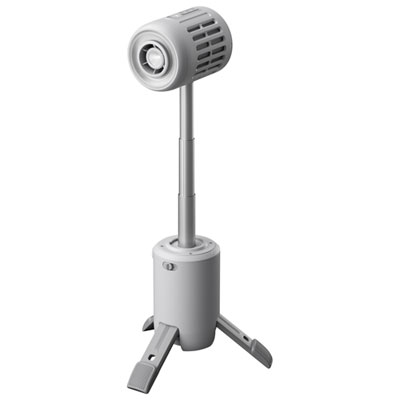
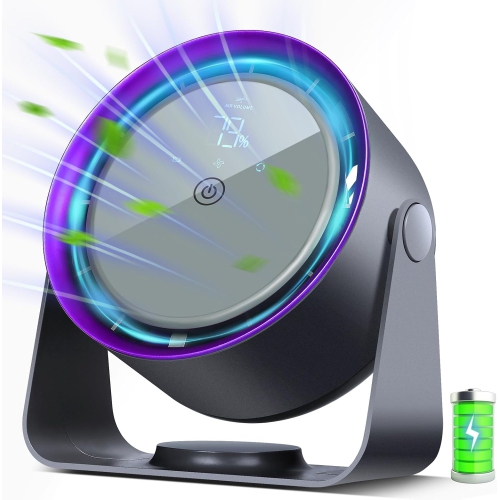
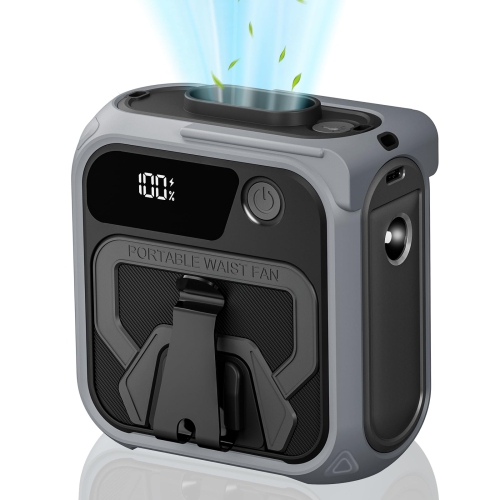
Why strong airflow depends on more than wattage
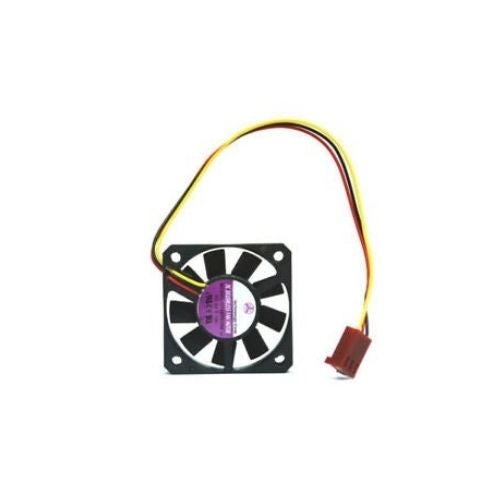
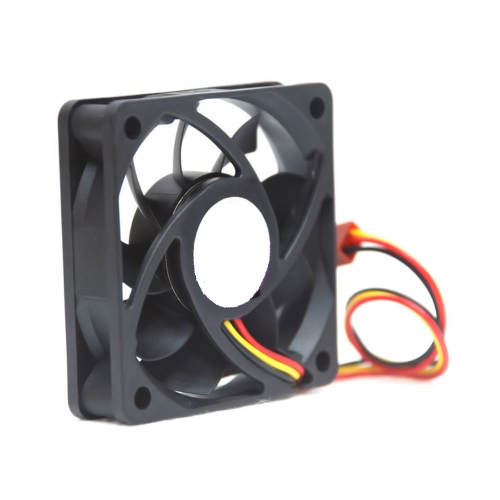
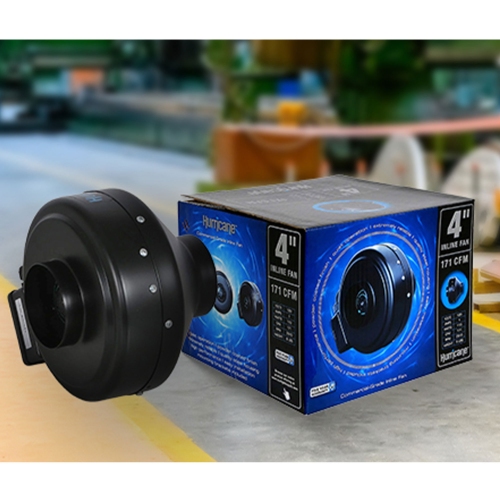
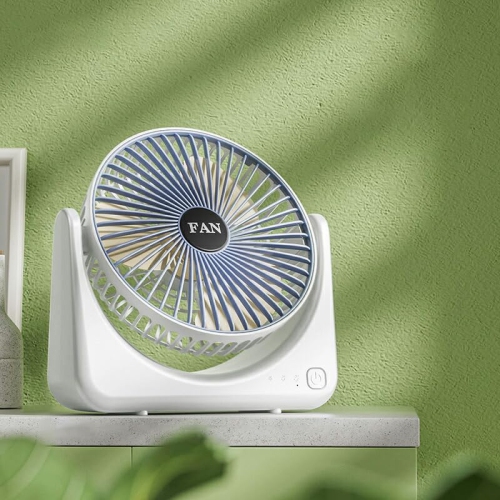
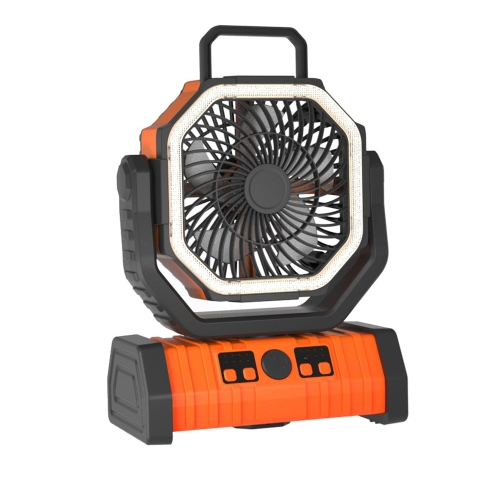
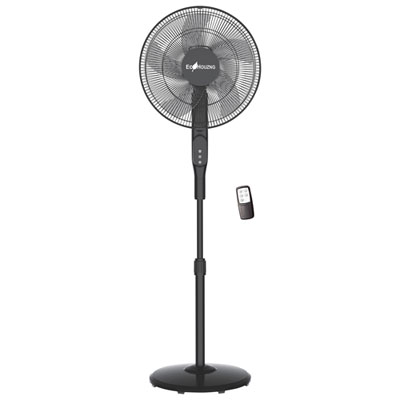
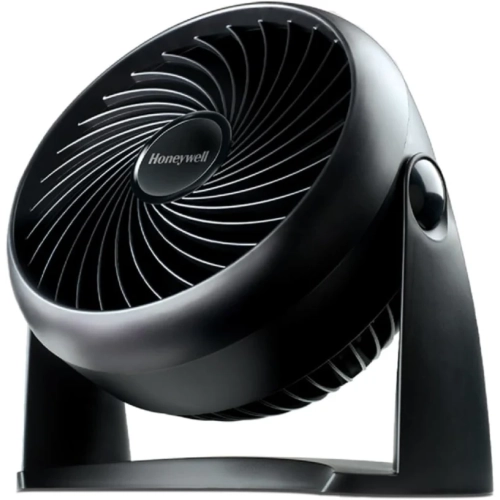
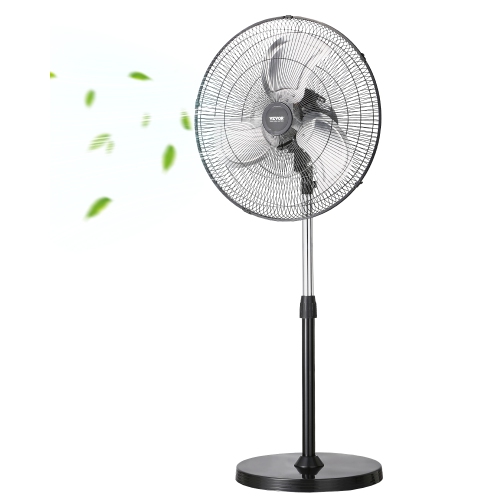
A power fan is a high-velocity fan or air circulator designed to move a substantial volume of air through a room, workshop, or other space. Its main purpose is strong, directed airflow, whether that means circulating air across a home gym, reaching an open work area, or providing a steady breeze near a desk. The category spans compact circulators, larger floor fans, adjustable pedestal fans, and heavy-duty designs intended for more demanding use. Their shapes and sizes vary, but the practical distinction is how they move air: some concentrate it into a narrow stream, while others distribute it across a wider area. Airflow is often expressed in cubic feet per minute, or CFM, which describes the volume of air moved rather than the electrical power consumed. Wattage alone does not establish how forcefully a fan will circulate air, since blade design, motor construction, housing shape, and operating speed all play a part. Published airflow figures are most useful when compared under similar test conditions. For everyday use, the distance between the fan and the person or area it serves matters as much as its overall size. A compact fan positioned nearby may provide useful airflow at a workstation, while a larger open room may call for broader coverage or greater reach. In a hobby room, a focused stream can serve a single workbench without disturbing everything around it; in a shared exercise area, wider circulation may be more practical. Freestanding power fans circulate the air already present and should not be confused with air purifiers or complete ventilation systems. They do not remove airborne particles unless specifically equipped and rated to do so. Duct fans and exhaust fans also serve different installation needs, so a portable circulator is not a substitute for equipment specified for a duct run, bathroom exhaust, or another dedicated ventilation task. That distinction helps keep the focus on the right type of fan for the space and its intended use.
The construction of a power fan affects its weight, handling, durability, and suitability for a particular setting. Metal housings and guards can provide a sturdy structure for utility spaces, while moulded plastic designs may be lighter and easier to move between rooms. Neither material alone determines quality: secure joints, a stable base, a well-fitted guard, and a supported motor all contribute to how a fan holds up through repeated use. A broad floor stand can help keep a larger fan steady, while rubber feet can reduce slipping and limit vibration transferred to a hard surface. For a pedestal design, the base footprint and height adjustment matter alongside the diameter of the fan head. A fan that fits comfortably beside a workbench may be awkward in a narrow hallway, especially if its cord crosses a walking route. Wall-mounted designs can free floor space, but they require a suitable mounting surface, the specified hardware, and enough clearance for safe operation. Adjustable tilt helps direct airflow towards a particular area, whereas oscillation sweeps it across a wider section of a room. These features serve different purposes: a fixed angle can keep air moving along one path, while a sweeping motion may suit several people sharing a space. Sound is another important part of the fit. Strong airflow produces audible movement of air, and motor noise or vibration can be more noticeable in a quiet office than in a busy workshop. Multiple speed settings provide flexibility when a fan sits close to a reading chair, desk, or exercise mat. Appearance may also influence where a fan belongs, particularly in open living areas where it remains in view. Alongside airflow-focused designs, Modern Fans offer a related option for spaces where visual style is a larger part of the choice. Dimensions, cord length, control placement, and carrying-handle design round out the practical details that shape daily use.
Power fans can be useful for people who spend time at a fixed workstation, exercise at home, pursue hands-on hobbies, or need flexible air circulation in a shared room. A carrying handle makes moving a fan between suitable locations easier, while accessible controls help when the fan is positioned beside furniture rather than directly in front of it. Timers, remote controls, and adjustable speeds can add convenience, but straightforward manual controls may be perfectly suited to a utility area. In spaces with children or pets, a secure guard, stable placement, and a cord kept out of reach deserve particular attention; no guard makes it safe to insert fingers or objects near moving blades. Loose fabric, long hair, and lightweight materials also need distance from the intake and outlet. Workshop use calls for care, since a strong stream of air can scatter sawdust, loose debris, or fine particles rather than collect them. Ordinary household fans are not designed for hazardous fumes, combustible dust, or locations requiring specially rated equipment. Similarly, a rugged-looking frame does not establish that a fan is suitable for damp spaces or outdoor use; the stated use rating and electrical requirements remain important. Routine care helps preserve airflow and keeps buildup from becoming harder to remove. With the fan switched off and unplugged, accessible guards and surfaces can be cleaned according to the manufacturer’s directions, using only the approved method for the materials and construction. Some guards are removable for cleaning, while others are not intended to be opened by the owner. Motors, switches, plugs, and cords should remain dry, and damaged wiring or unusual vibration calls for stopping use rather than continuing operation. Storage is easier when the fan is clean, dry, and protected from knocks, with its cord loosely gathered rather than tightly strained around the housing. With suitable placement and regular care, a power fan can provide dependable air movement without taking up more space or adding more complexity than the task requires.
Top selling and popular products
-
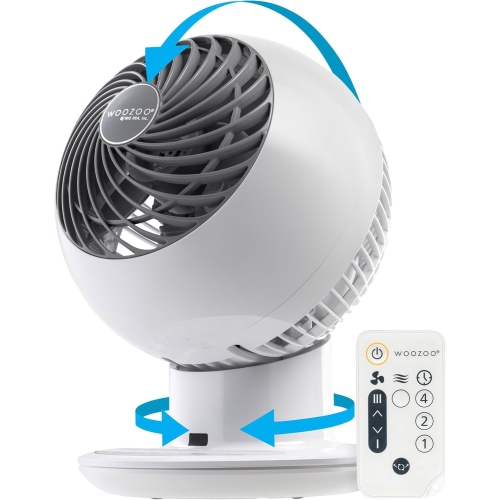 Your price for this item is $64.08
-
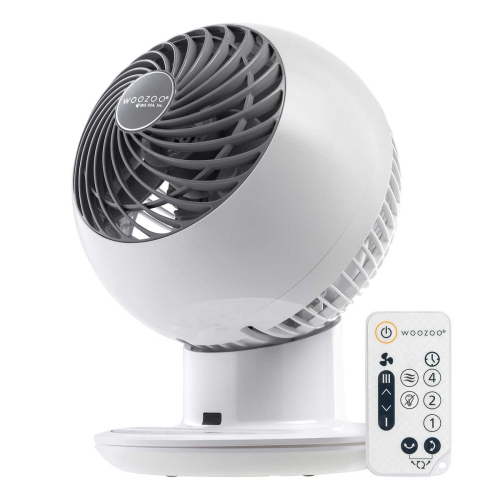 Your price for this item is $64.08
-
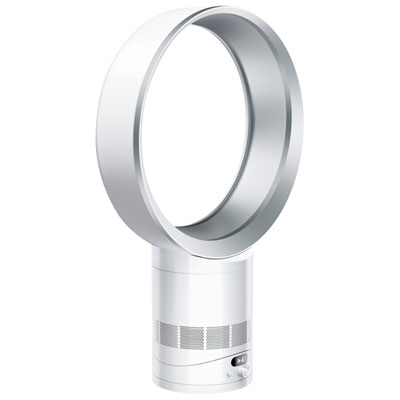 Your price for this item is $379.99
-
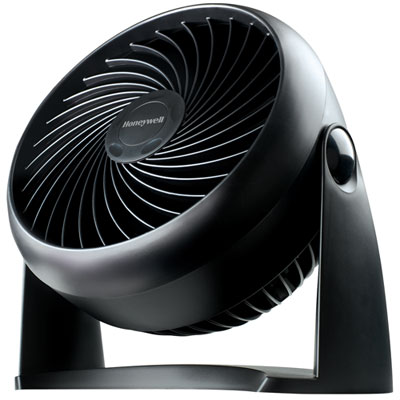 Your price for this item is $24.99
-
 Your price for this item is $49.99
-
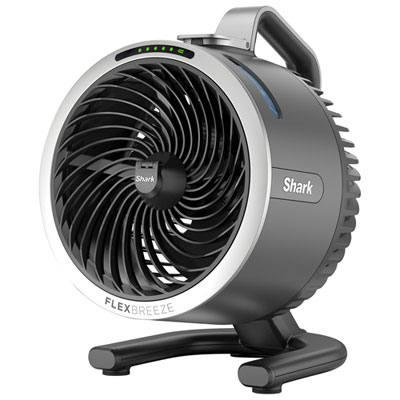 Your price for this item is $129.99
-
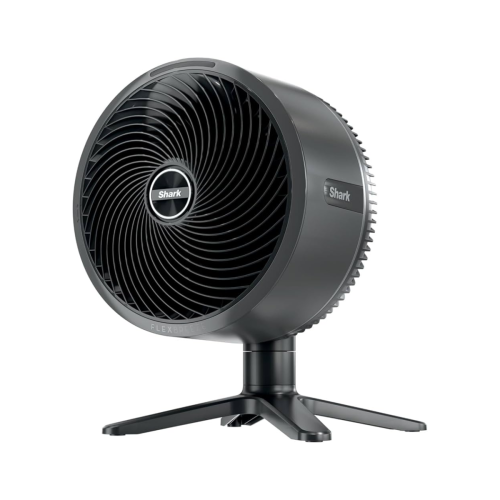 Your price for this item is $199.99
-
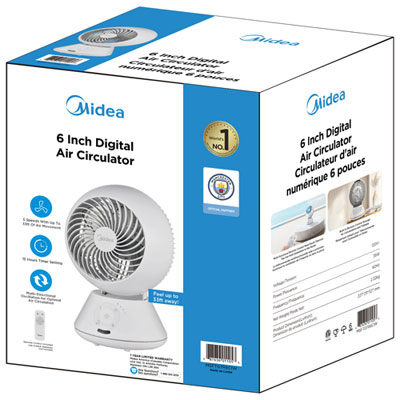 Your price for this item is $44.99
Discover more categories related to Power Fans
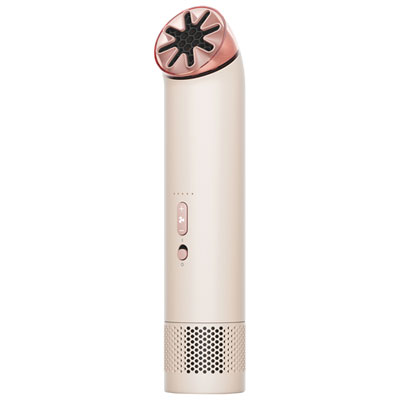
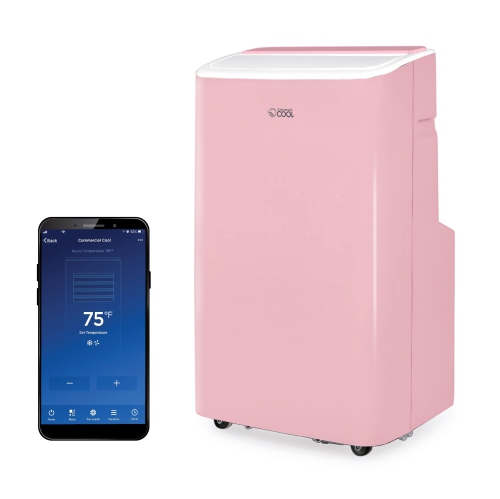
Top Collections:
Best Black Friday Deals This Year, Best Black Friday Deals On Electronics, Kindle Devices, Pokemon Centers, Best Black Friday Deals On Apple Products, Best Cameras for Sports Photography, Dyson Airwrap, Pokémon 30th Celebration Cards, Apple iPhone 17 Pro, Canon G7X Cameras
Some products may be subject to Environmental Handling Fees
(EHF) depending on your province.
Learn more about EHFs.