Professional Kitchen Equipment
If you're looking for a new kitchen setup that will help you create delicious meals with ease, consider these kitchen equipment options. These professional kitchen equipment are designed to help make your cooking process more efficient and enjoyable. They come in a variety of sizes and styles to suit almost any kitchen. Here are some great options available.
Sort
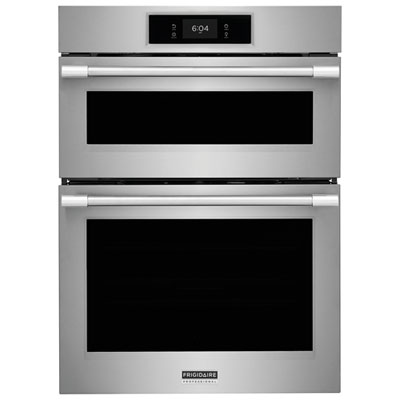
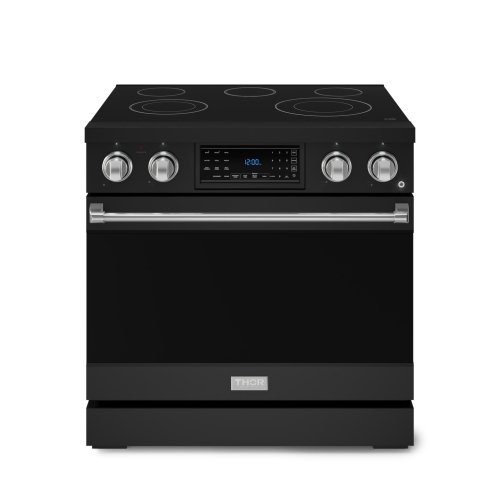

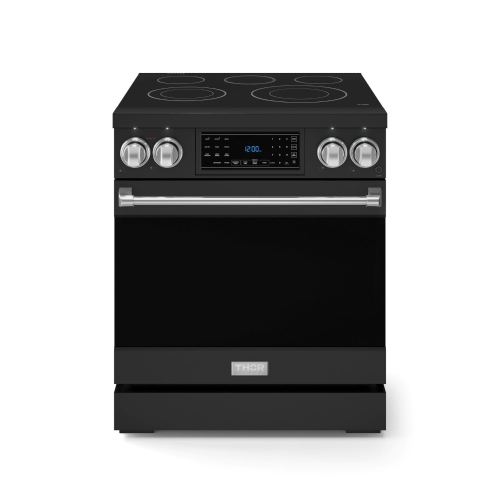


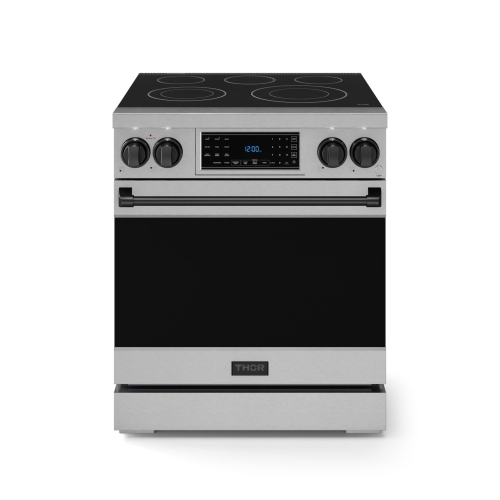


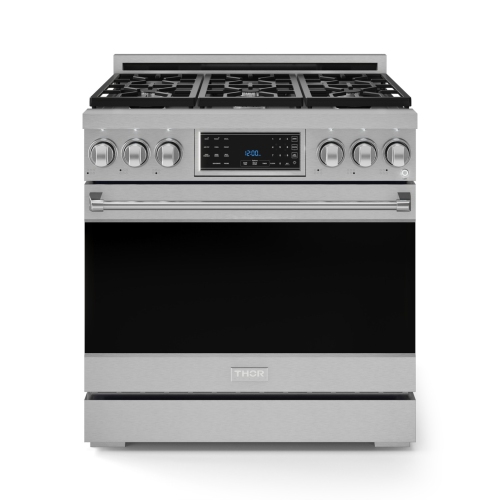


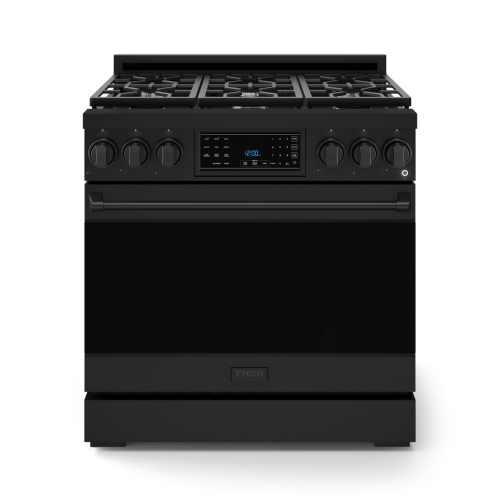

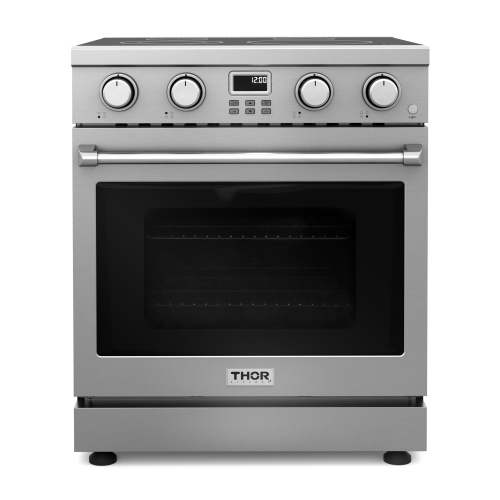


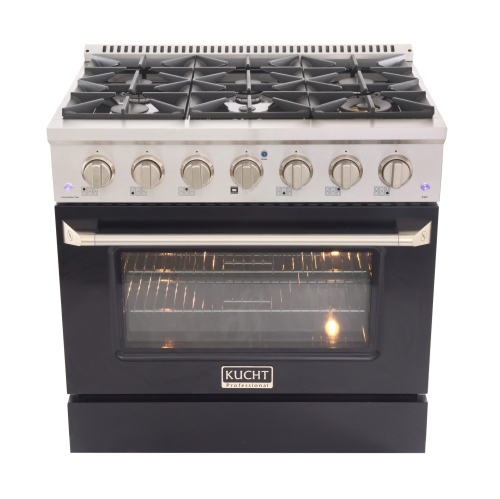
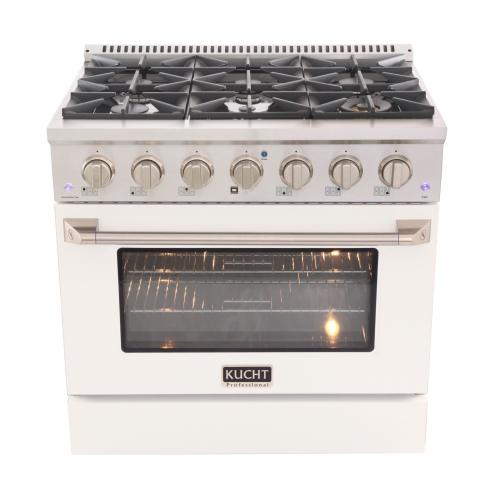


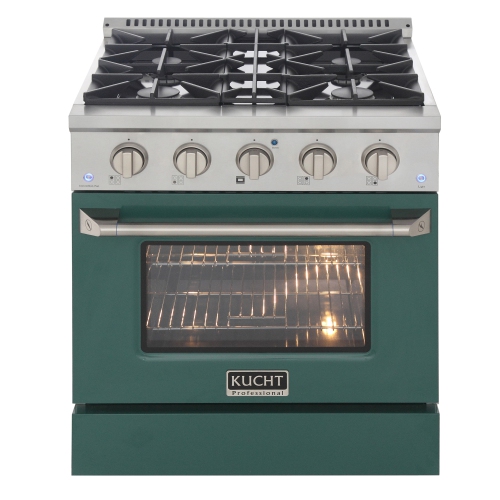
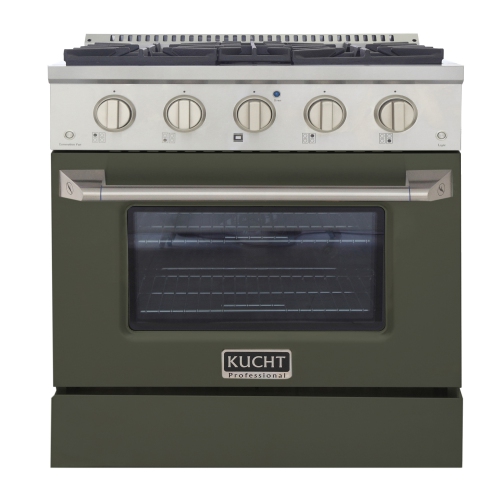
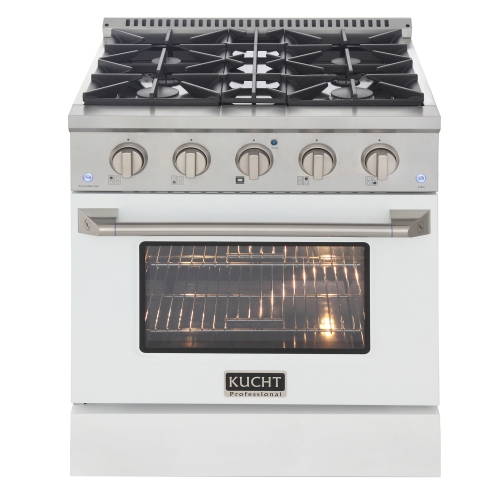


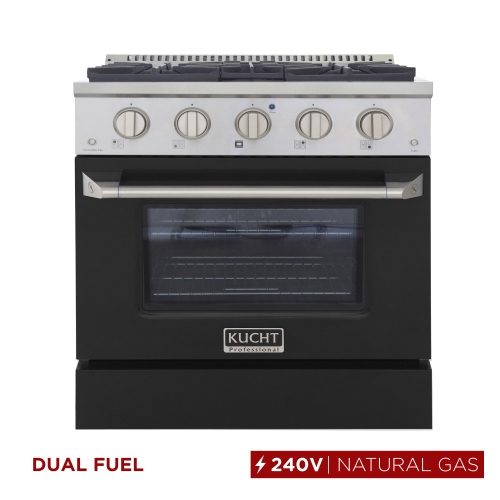

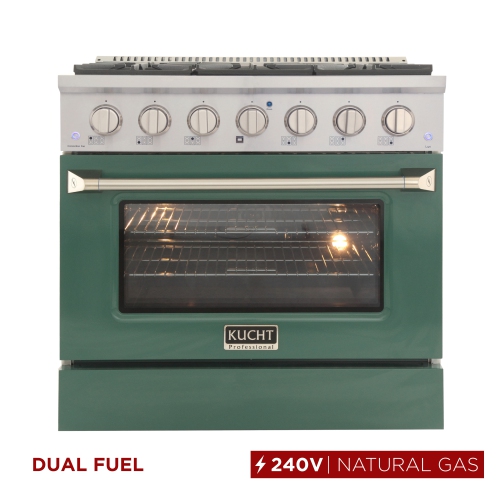
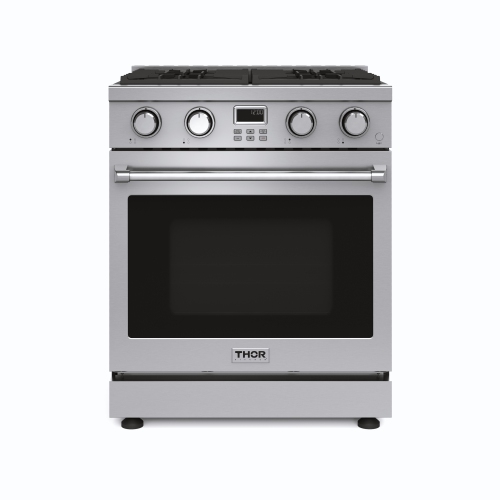


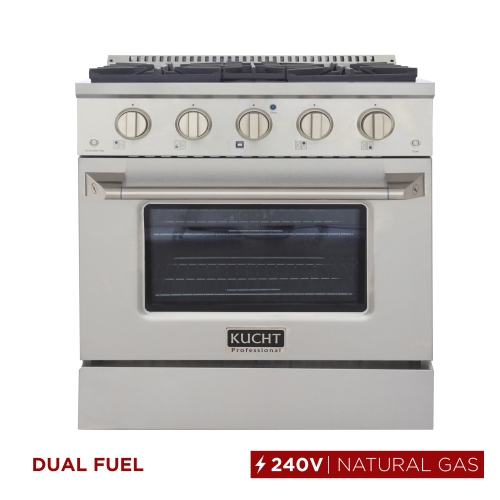


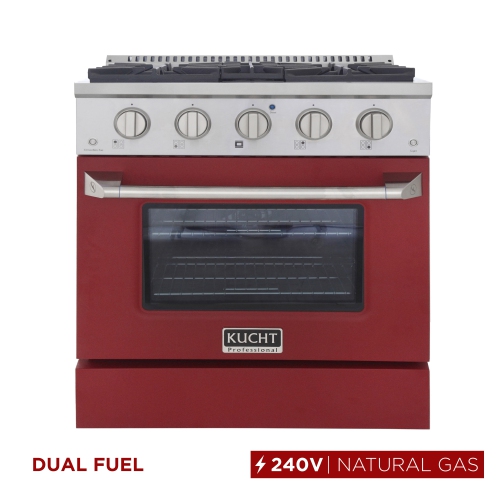


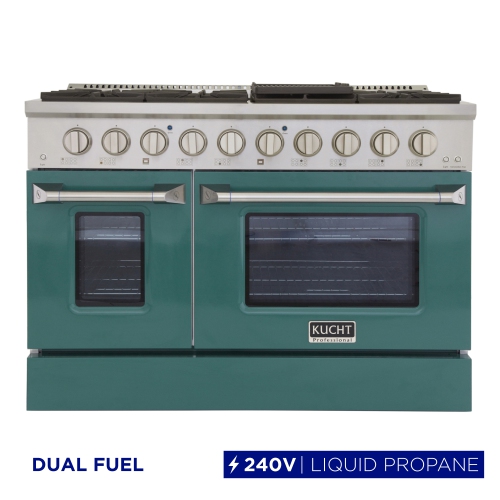


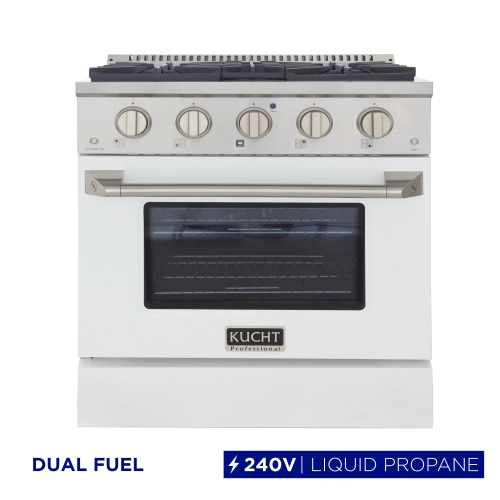


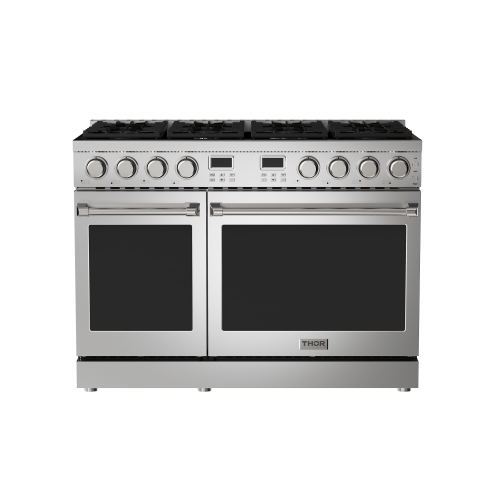


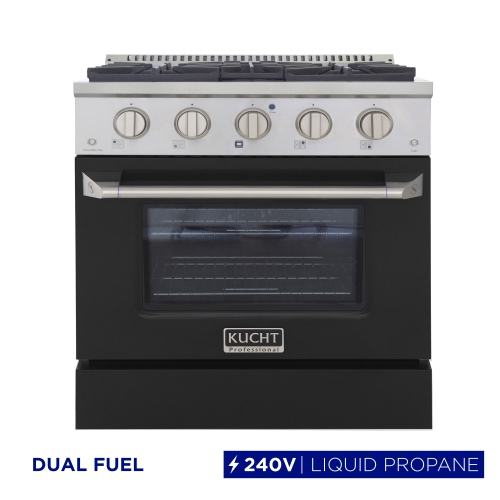
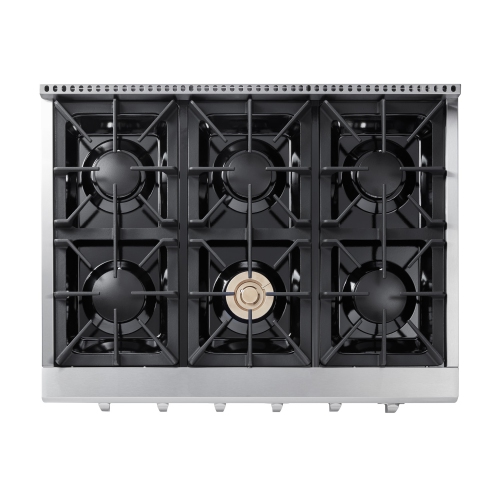
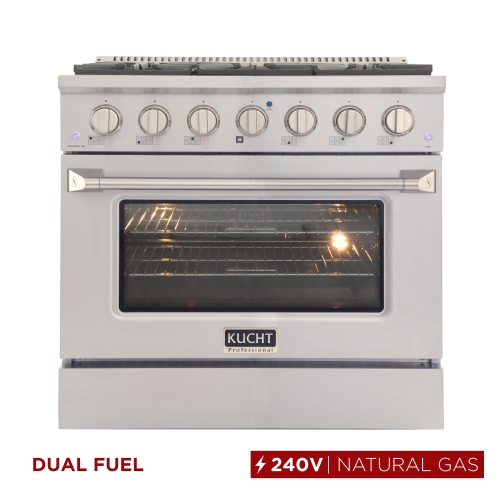
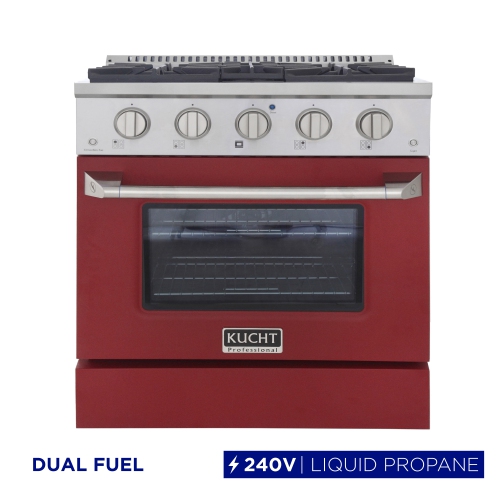


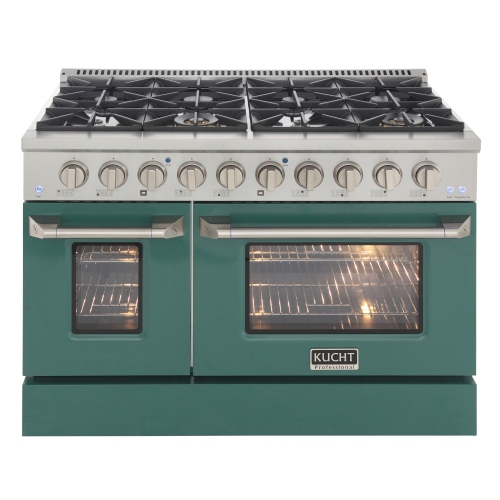
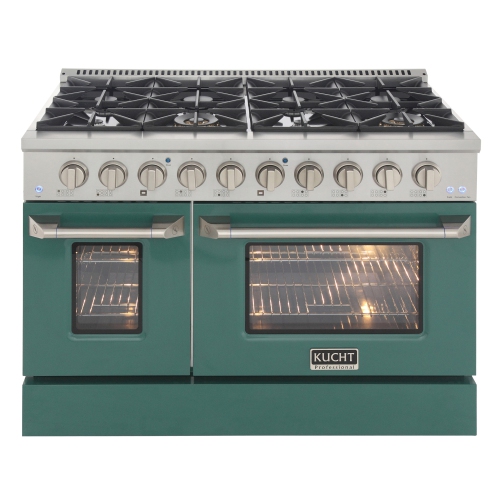
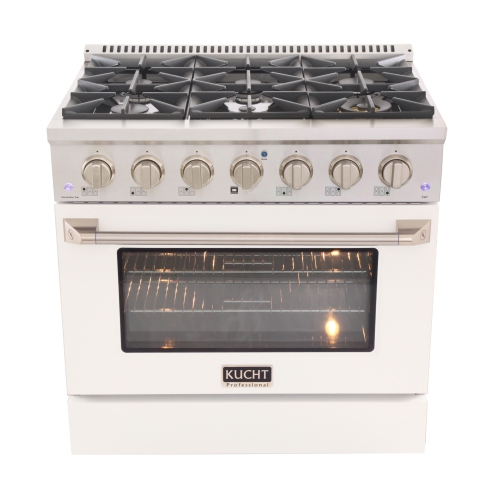

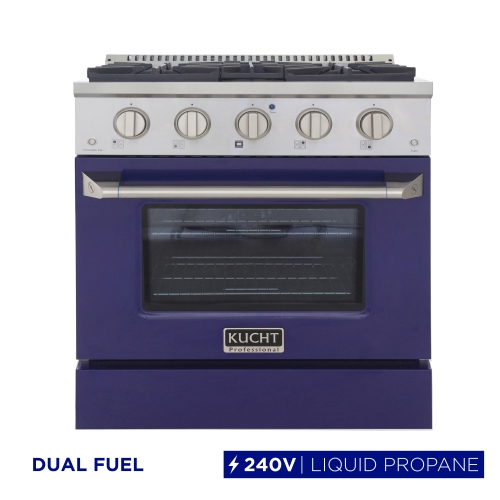
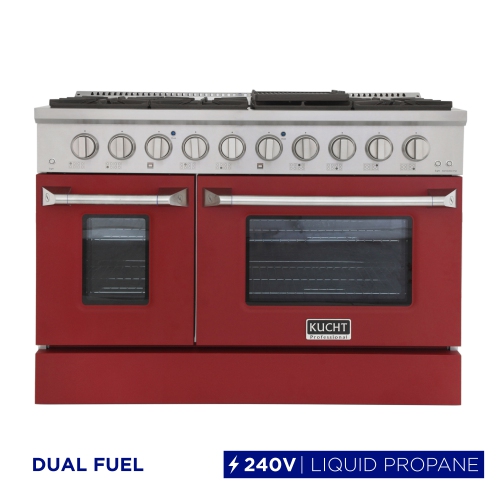
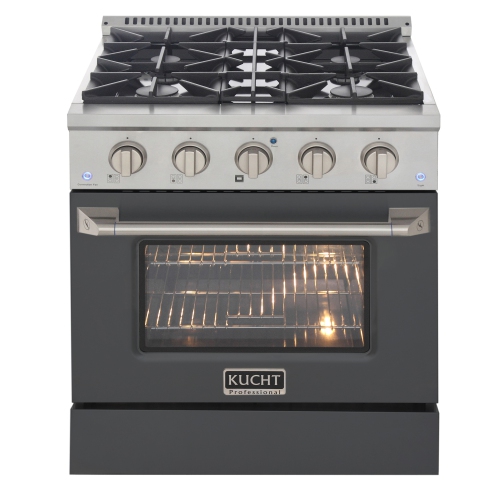
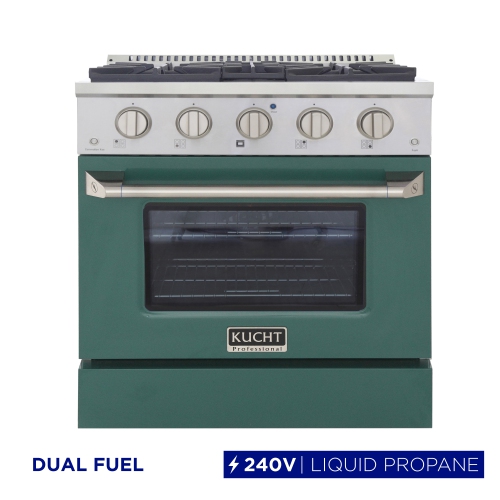

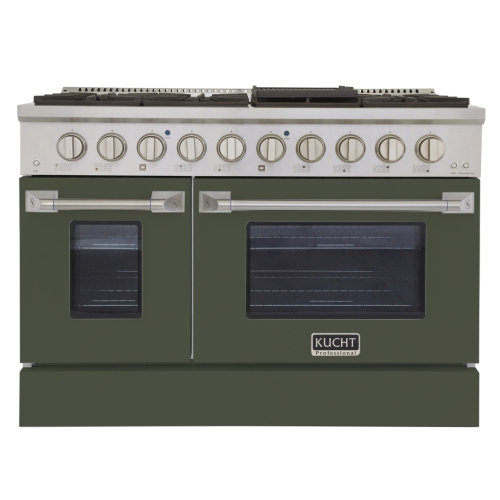
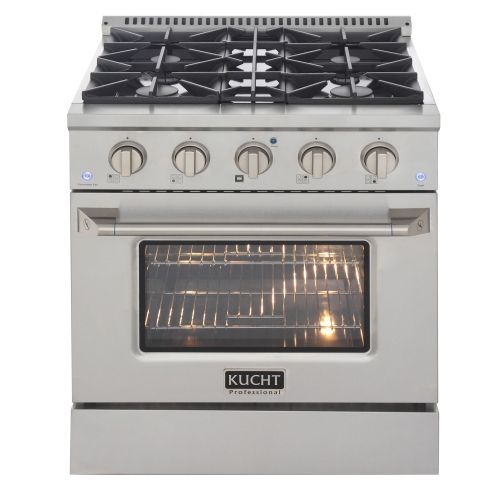

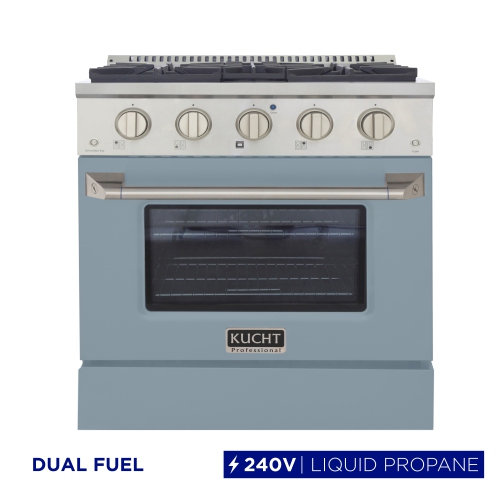
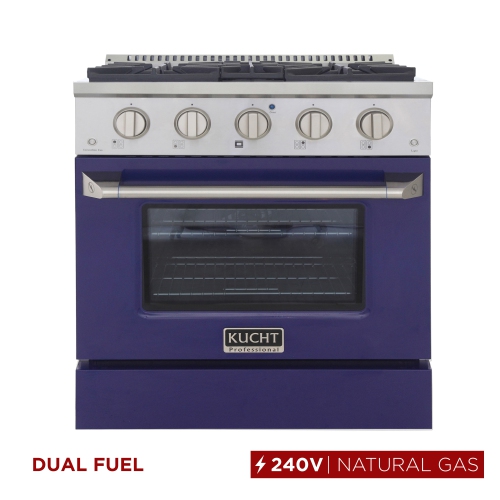
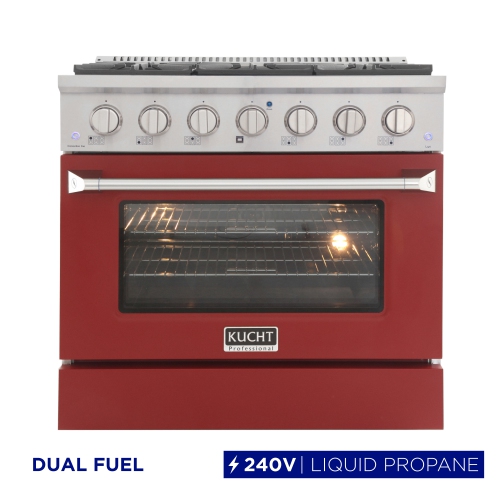
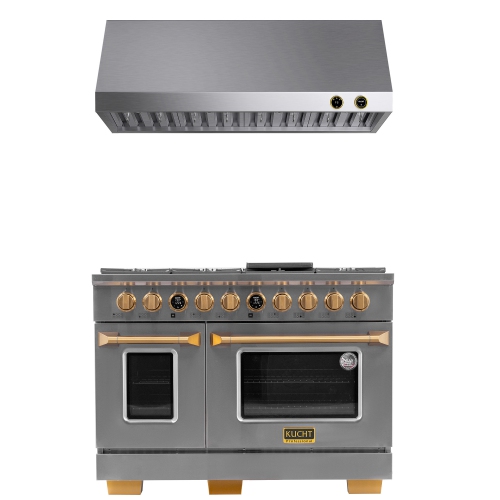

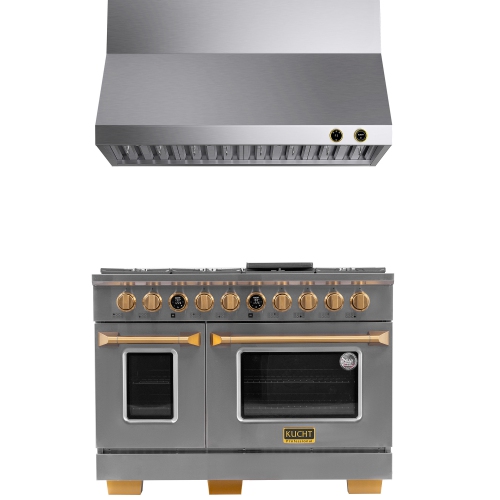
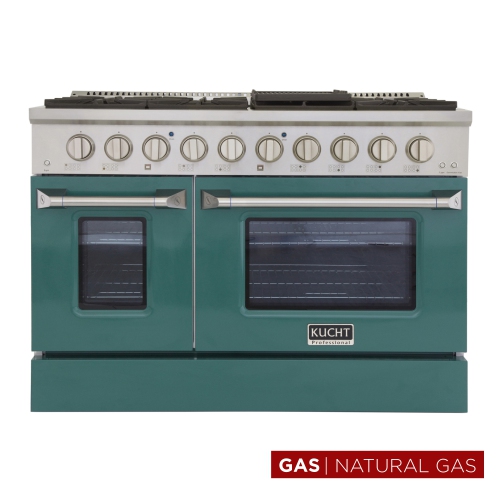
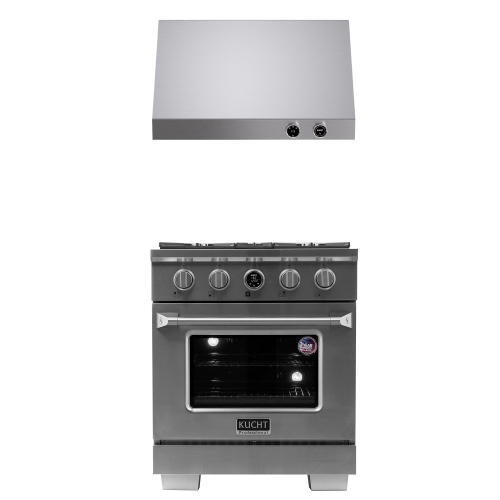
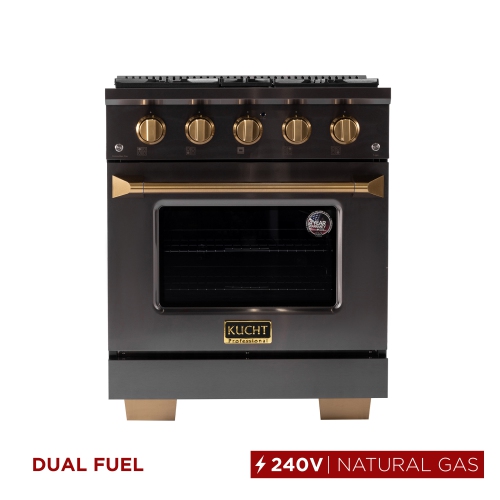
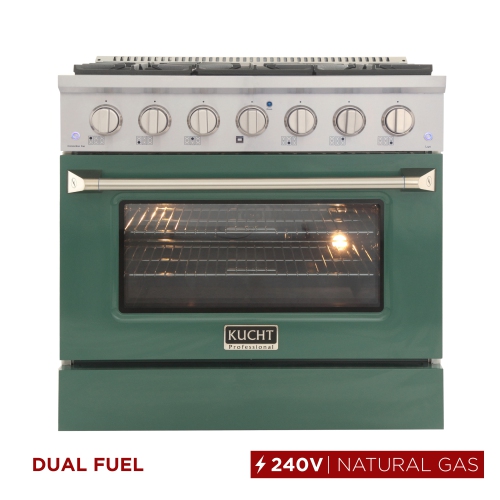

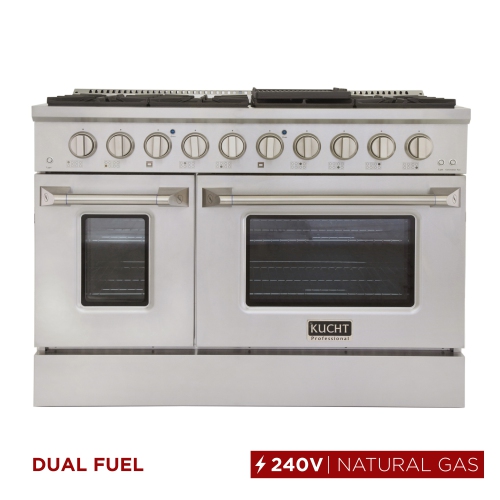
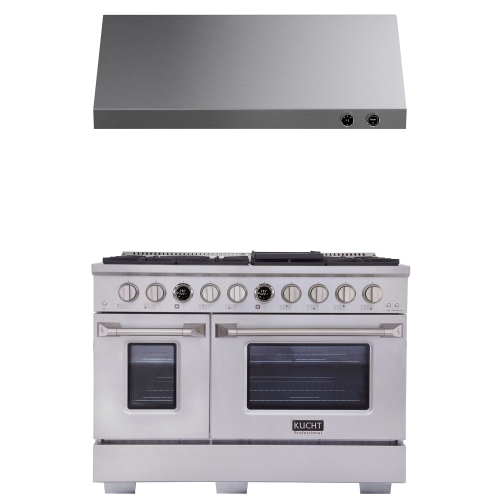
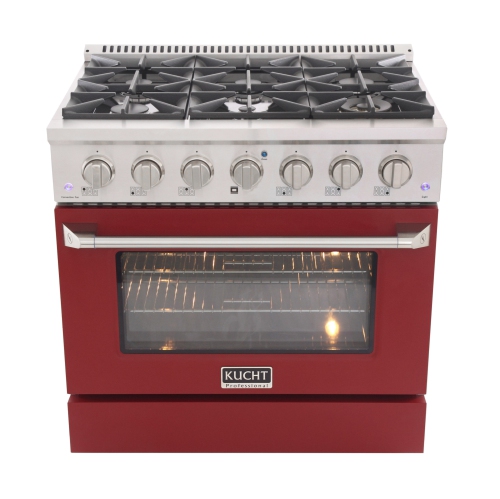
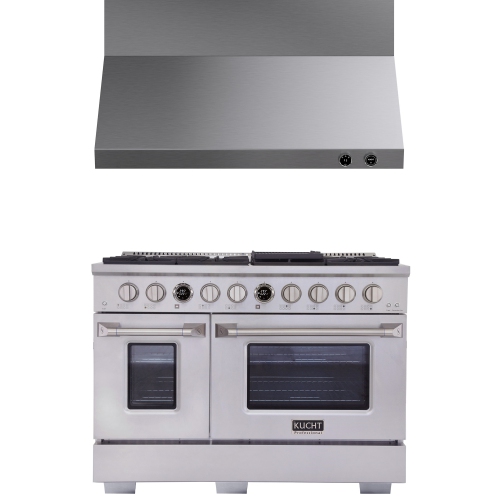
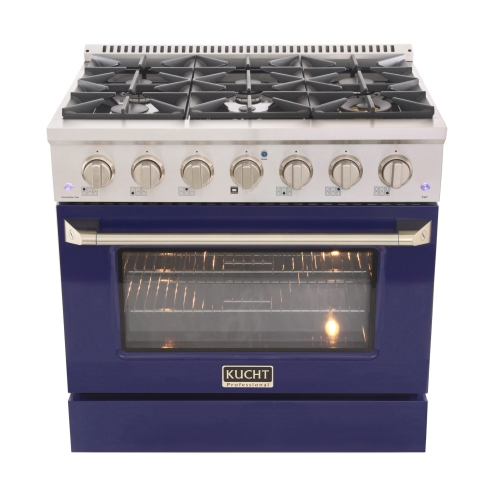


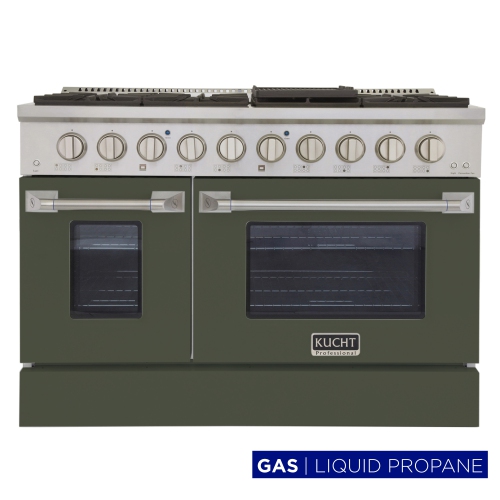
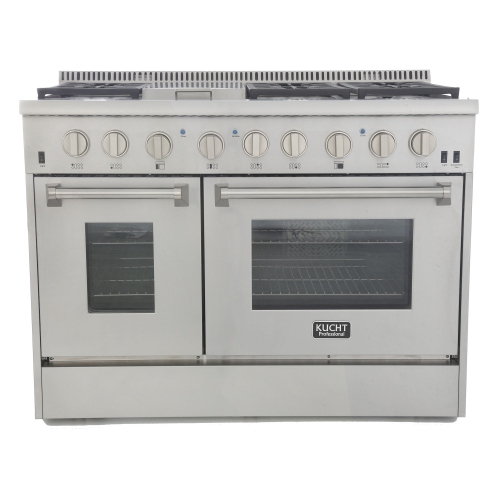


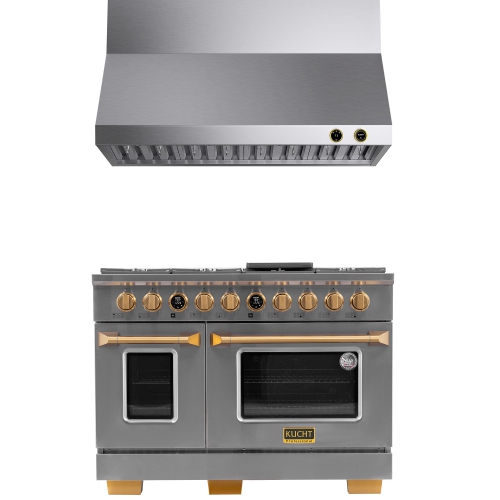

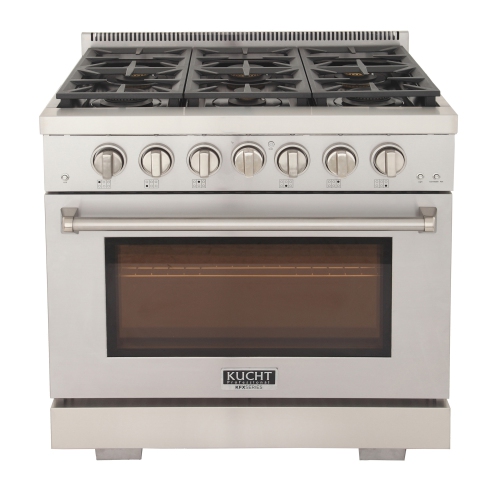
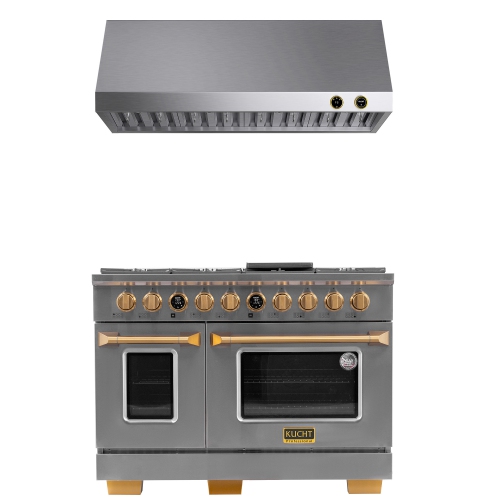





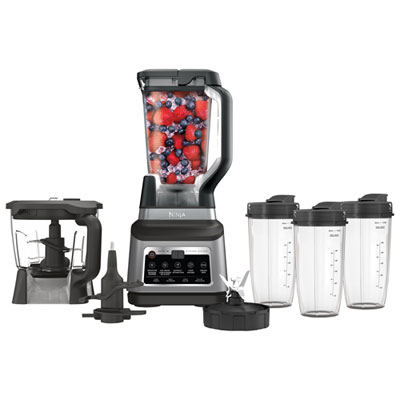

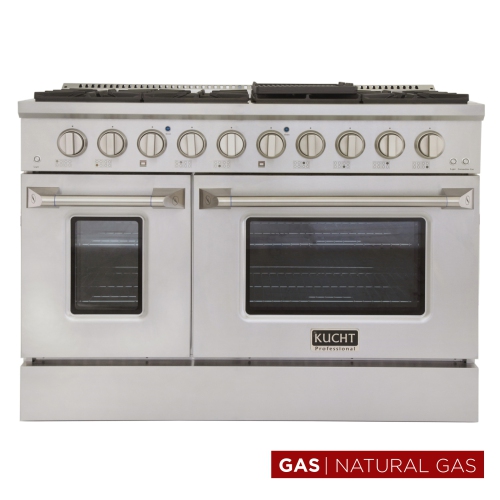
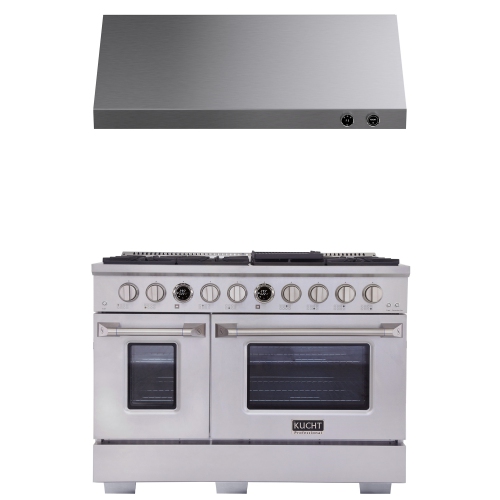
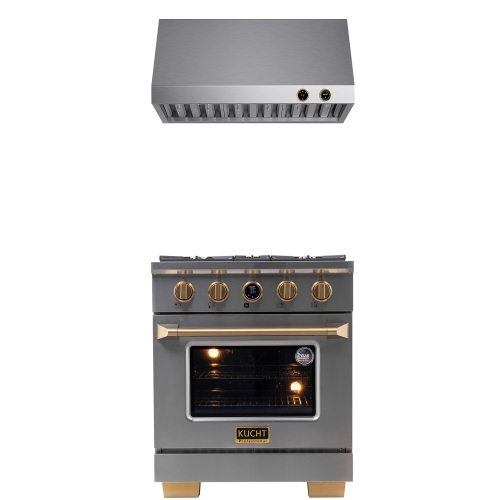

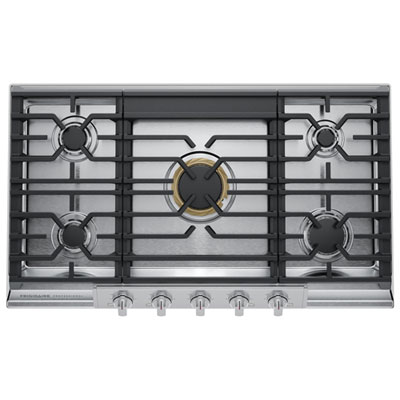
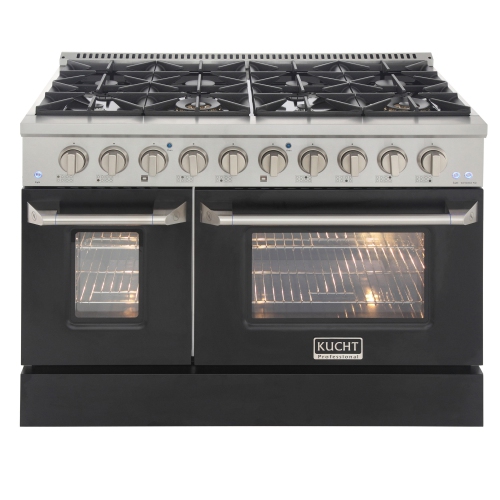
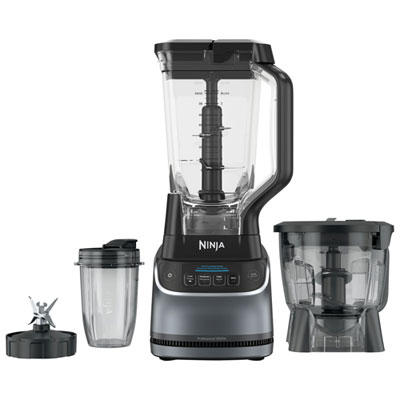
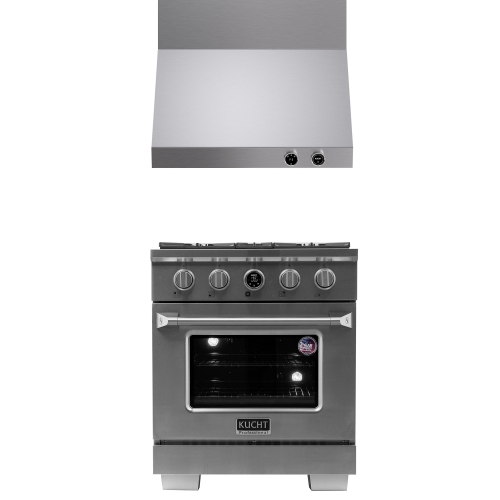




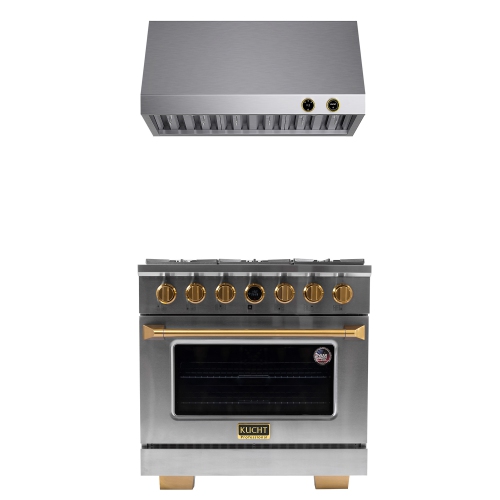
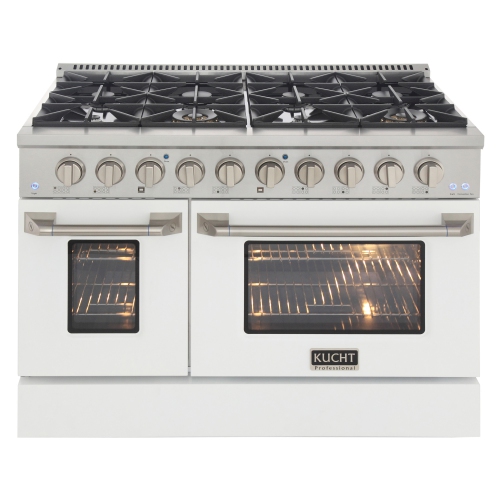


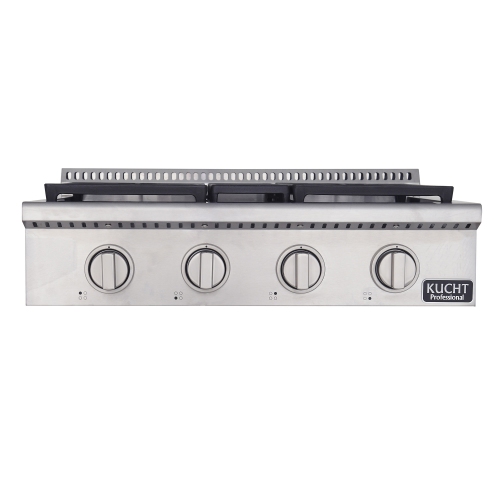
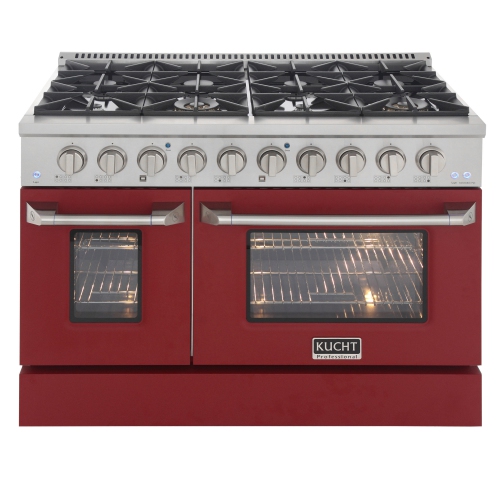


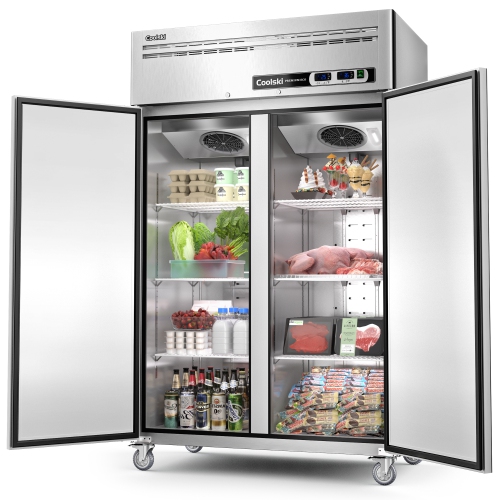
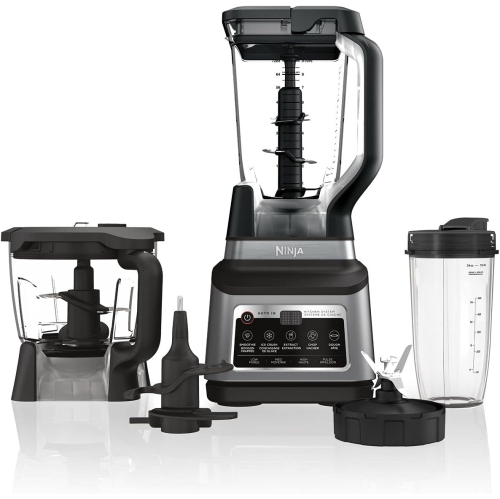
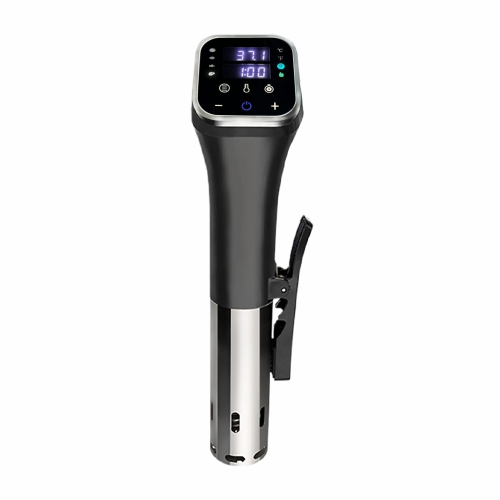

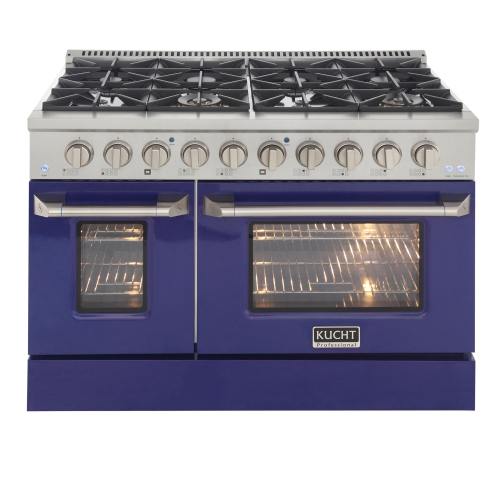












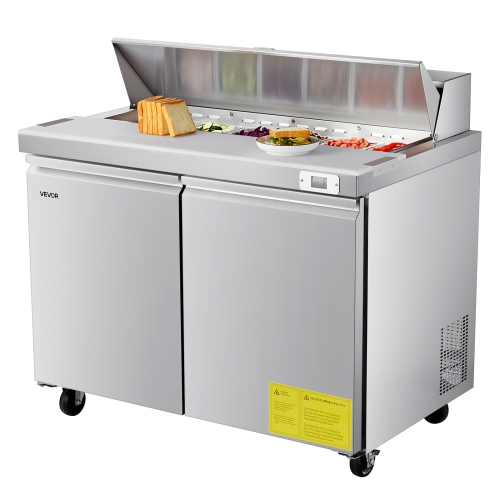
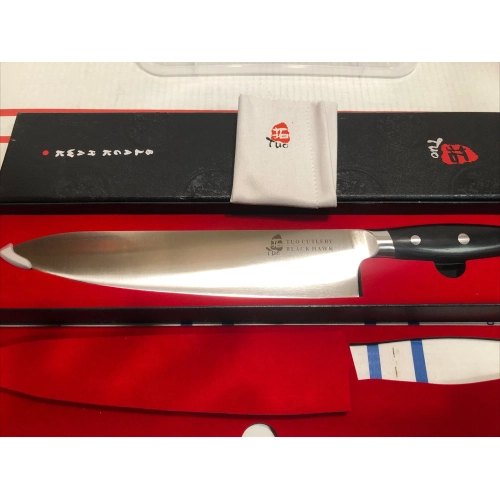

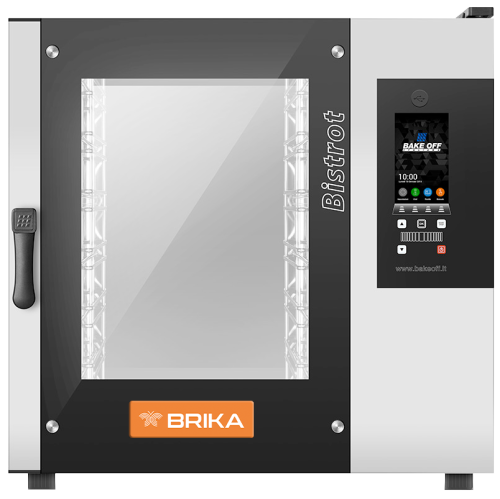


How equipment fit and workflow shape kitchen performance
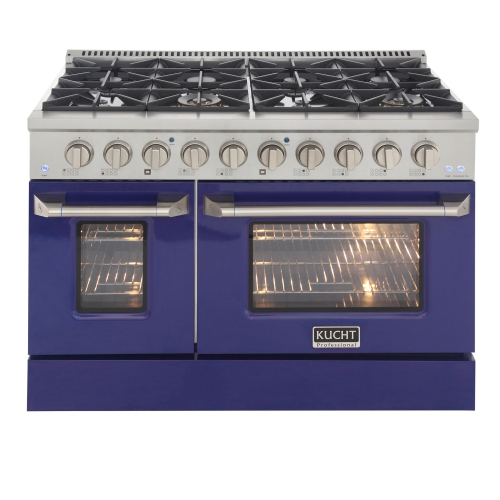
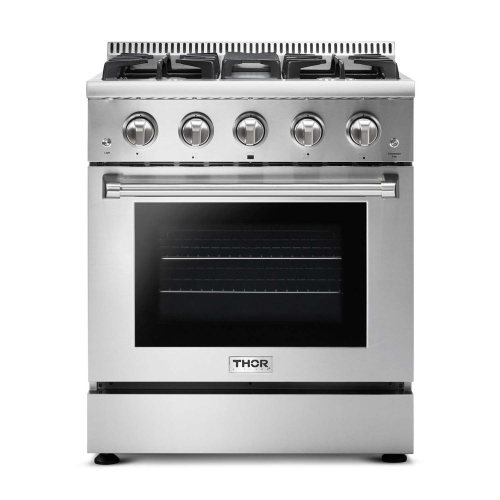
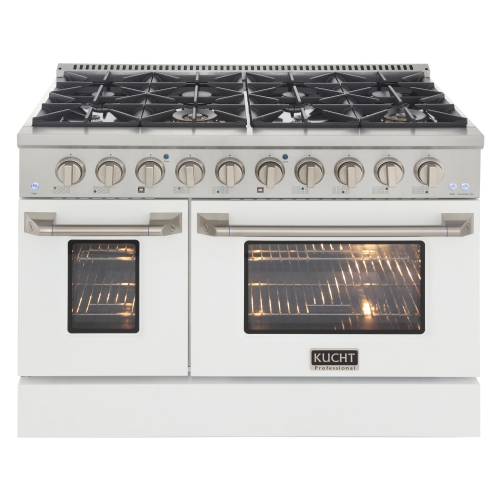
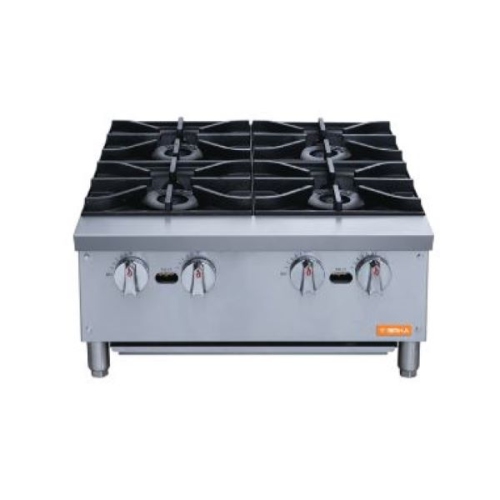
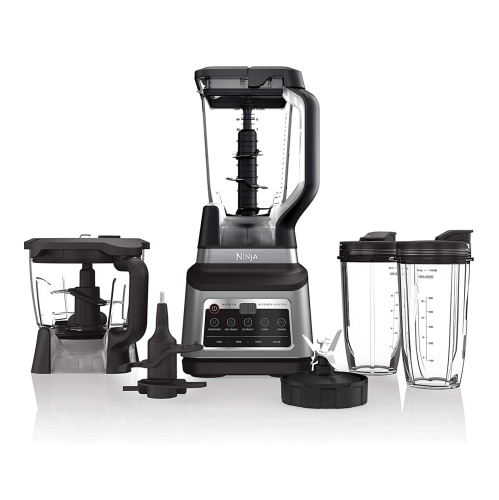
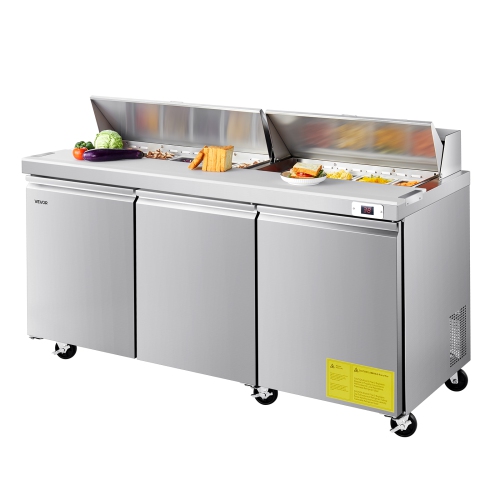
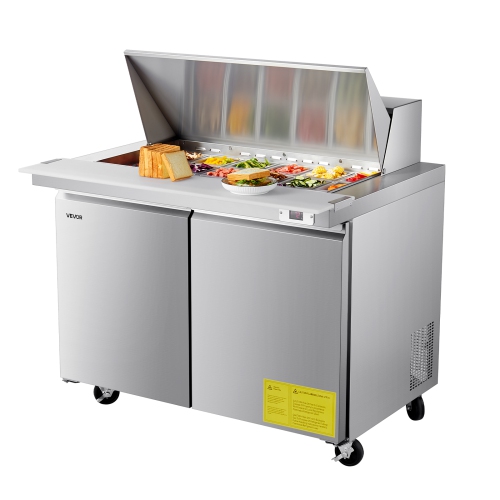
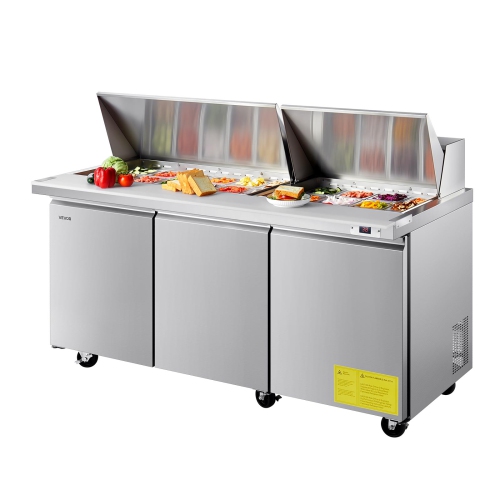
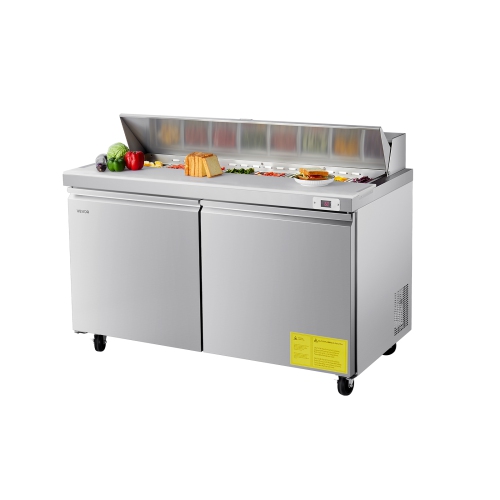
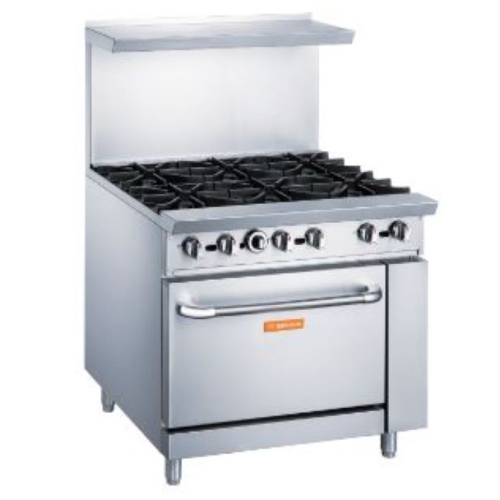
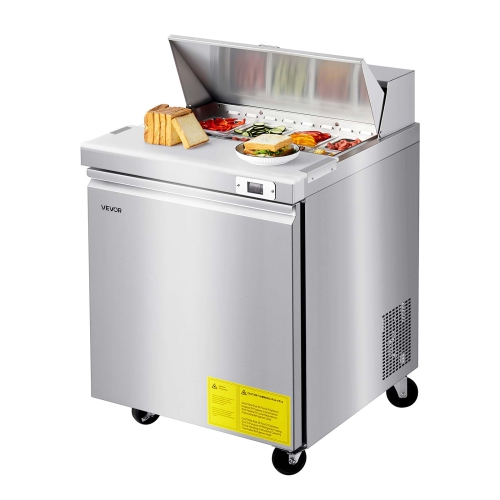
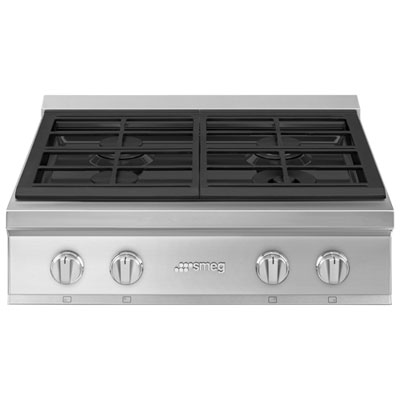
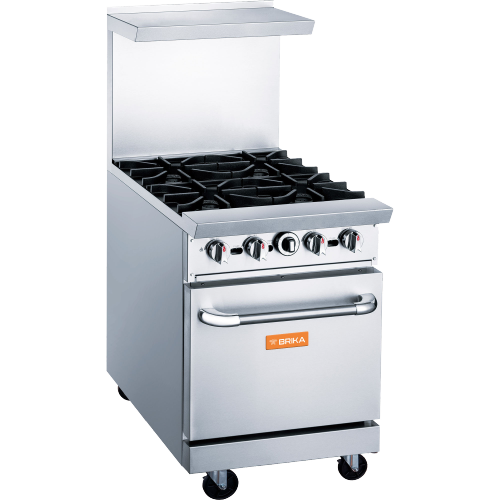
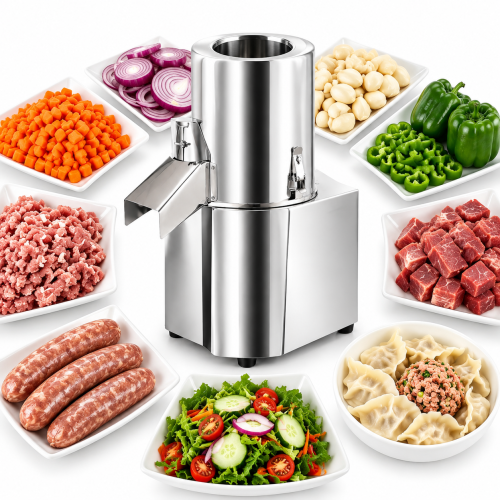
Professional kitchen equipment covers the appliances, preparation tools, storage systems, and work surfaces used to prepare, cook, hold, and serve food in commercial kitchens. Its purpose is to support repeatable results under demanding workloads, whether that means preparing dough before a bakery opens, cooking several orders at once, or keeping ingredients within easy reach during lunch service. Commercial ranges provide cooking surfaces for tasks such as simmering, sautéing, and boiling, with gas and electric configurations suited to different installations. Convection ovens circulate heated air to support more even baking and roasting, while other oven formats accommodate different batch sizes and cooking methods. Commercial fryers are designed around controlled oil heating, with capacity and heat recovery affecting how well they handle successive batches. Refrigeration serves a different but equally important role: reach-in cabinets provide accessible cold storage, while refrigerated preparation counters can combine ingredient storage with a working surface. Safe food storage depends on correct operation, temperature monitoring, and food-handling practices, not simply the presence of refrigeration. Beyond cooking and cooling, commercial mixers, food processors, and blending equipment can reduce repetitive preparation work, although their suitability depends on the ingredients, attachment requirements, and workload specified by the manufacturer. A machine used for occasional purées faces different demands from one processing dense mixtures throughout a shift. Restaurants, cafés, bakeries, caterers, institutional kitchens, and shared culinary spaces each place different demands on their equipment. A café centred on sandwiches and baked goods may need a very different balance of preparation space and cooking capacity from a kitchen serving a full dinner menu. Professional equipment is therefore best understood as a coordinated setup rather than a collection of large appliances. Capacity, working speed, cleaning access, and the movement of food between stations all affect how comfortably that setup supports the people using it.
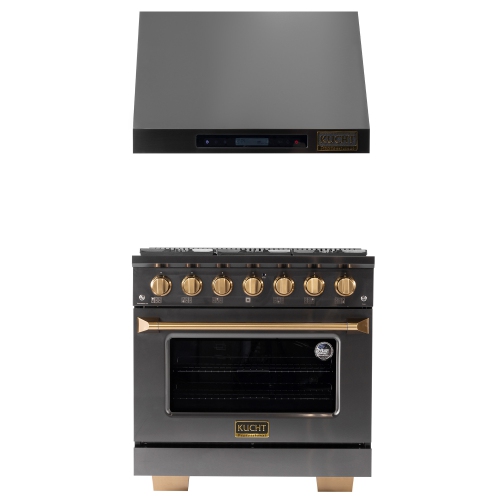
Materials and construction influence how professional kitchen equipment handles frequent use and repeated cleaning. Stainless steel is common on work surfaces and appliance exteriors because it is durable and generally straightforward to clean, but the grade, finish, thickness, and construction details still matter. Smooth surfaces, accessible corners, and neatly finished joints can make food residue easier to remove. Food-contact components may use different materials according to their purpose, so compatibility with ingredients, cleaning chemicals, and dishwasher use depends on the manufacturer’s specifications. Handles, hinges, controls, shelves, and castors also deserve attention: these are the parts touched, moved, loaded, or adjusted many times during a working day. A sturdy cabinet offers less practical value if its doors cannot open fully beside the next station. Fit includes more than the appliance’s footprint. Delivery routes, doorway widths, counter height, overhead space, door swing, and access for maintenance can all determine whether equipment works in its intended location. Some appliances require space around them for airflow or servicing, and those clearances must remain usable after installation. Utility requirements are equally specific. Voltage, amperage, phase, plug type, gas connection, water supply, and drainage vary by equipment category and model; a standard wall outlet cannot be assumed to suit a commercial appliance. Cooking installations may also require ventilation, fire protection, and professional connection work according to local requirements. The distinction between commercial equipment and residential appliances with a professional appearance matters here. Intended use, applicable approvals, installation requirements, and warranty terms provide more useful information than styling alone. For a small food business operating from a compact space, these details can be especially important: an appliance that fits neatly against a wall may still need clearance for ventilation or room to remove a filter. Matching equipment to the actual premises helps avoid awkward workarounds, blocked access, and cleaning tasks that become unnecessarily difficult once service begins.
Day-to-day usability often becomes clearest in the small moments between preparation, service, and cleanup. A clearly marked control can help a cook make an adjustment without pausing to interpret a crowded panel. Removable shelves and accessible food-contact parts can make the difference between a thorough clean and a difficult reach behind fixed components. Capacity also needs to match the way food is prepared, rather than simply the largest volume a machine can hold. Mixer bowl capacity, for example, does not necessarily describe the amount of every dough or batter it can process; dense mixtures place different loads on the motor and drive system. Similarly, refrigeration needs enough usable space for organized storage without obstructing the airflow required for proper operation. In a busy preparation area, keeping frequently used ingredients close to the work surface can reduce unnecessary movement, while separating raw-food handling from ready-to-eat preparation supports safer practices. Professional setups share these practical priorities with the broader category of Equipment for Kitchens: suitable capacity, manageable cleaning, and a layout that supports the work being done. Care routines help preserve those benefits over time. Food residue, grease, and mineral deposits can affect performance when allowed to accumulate, and different surfaces require compatible cleaning methods. Abrasive pads or unsuitable chemicals may damage finishes, seals, or food-contact components. Manufacturer instructions establish which parts can be removed, soaked, or washed in a dishwasher, as well as any precautions before cleaning. Routine inspection of door seals, cords, hinges, filters, and moving parts can also reveal wear before it interrupts a busy shift. For chefs, bakers, catering teams, and culinary learners, dependable equipment creates room to concentrate on technique, timing, and consistency. The most useful setup supports the actual menu and workload, remains accessible for cleaning and maintenance, and gives everyone at the station enough space to work safely without crowding the next task.
Top selling and popular products
-
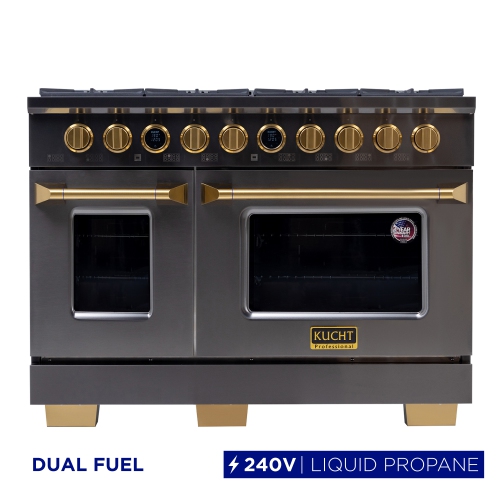 Your price for this item is $9195
-
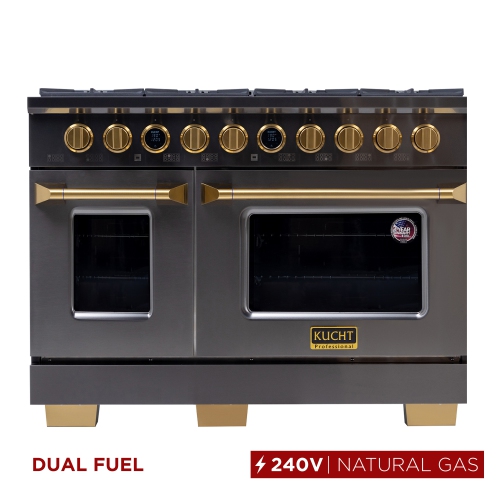 Your price for this item is $8275.5
-
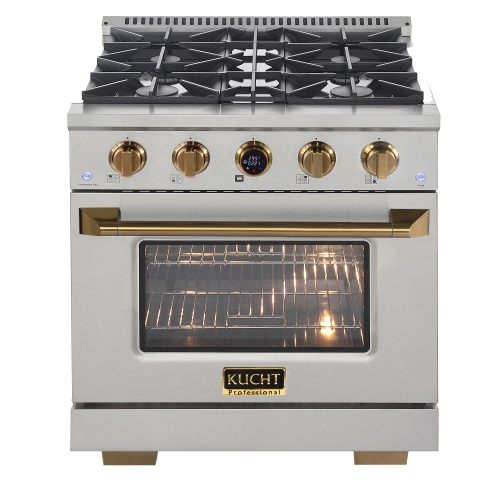 Your price for this item is $4695
-
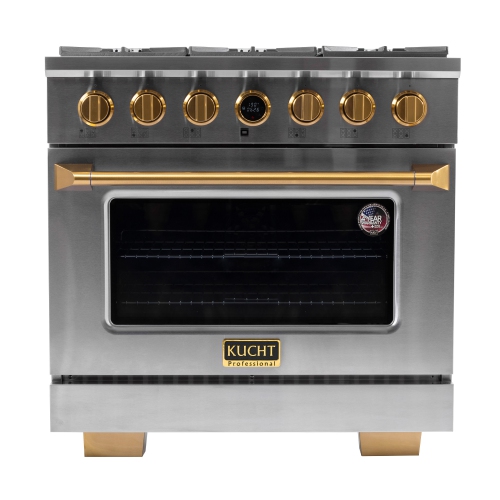 Your price for this item is $5010.75
-
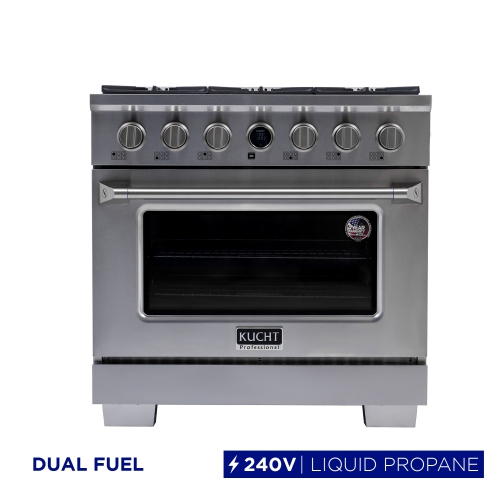 Your price for this item is $5995
-
 Your price for this item is $4795
-
 Your price for this item is $8092
-
 Your price for this item is $7916
Discover more categories related to Professional Kitchen Equipment
Top Collections:
Best Black Friday Deals This Year, Best Black Friday Deals On Electronics, Kindle Devices, Pokemon Centers, Best Black Friday Deals On Apple Products, Best Cameras for Sports Photography, Dyson Airwrap, Pokémon 30th Celebration Cards, Apple iPhone 17 Pro, Canon G7X Cameras
Some products may be subject to Environmental Handling Fees
(EHF) depending on your province.
Learn more about EHFs.