Cooking Equipment
Upgrade your kitchen with top-of-the-line cooking equipment that will take your culinary skills to the next level. From versatile cookware and high-performance appliances to essential kitchen gadgets, our selection of cooking equipment has everything you need to create delicious meals with ease. Whether you're a seasoned chef or just starting out, investing in quality cooking tools can make a world of difference in your cooking experience. Browse through our curated collection and discover the perfect pieces to enhance your kitchen and inspire your inner chef.
Sort
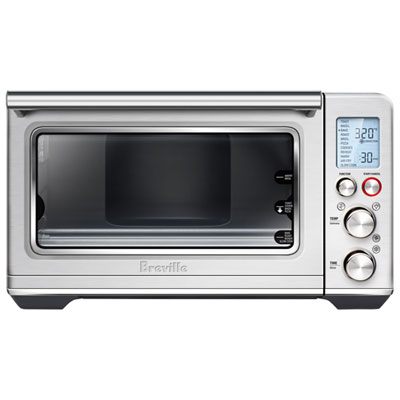
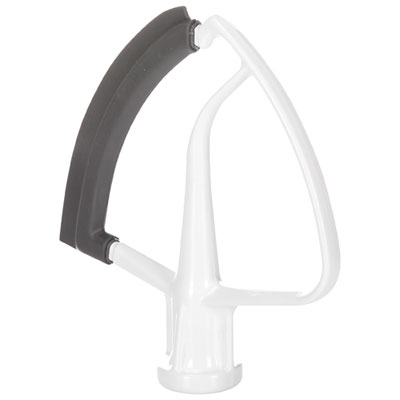
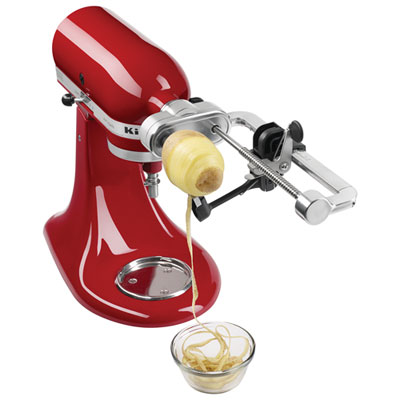
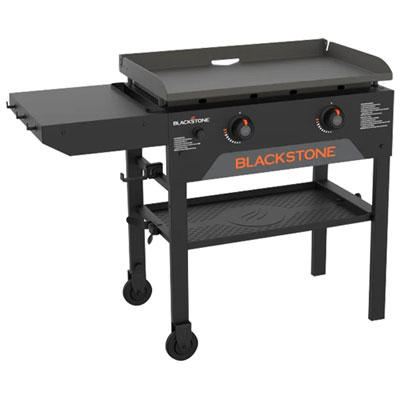
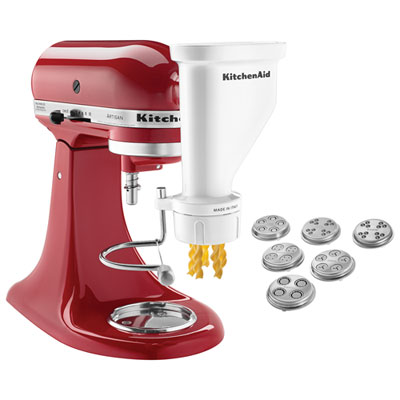
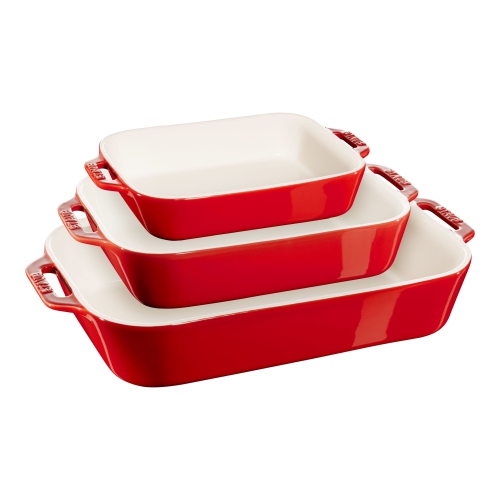
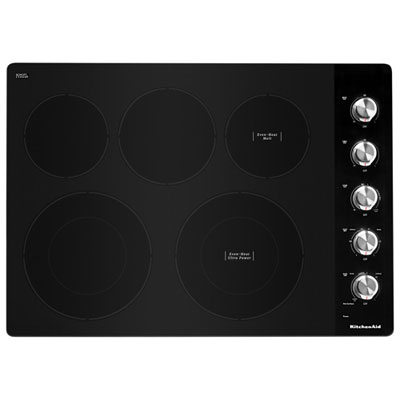
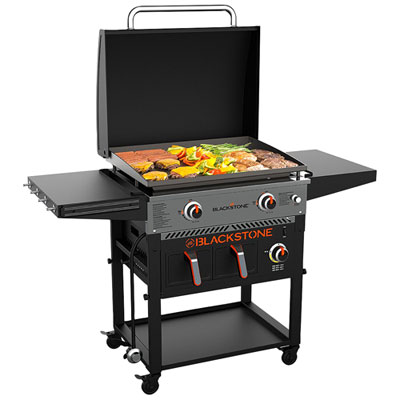
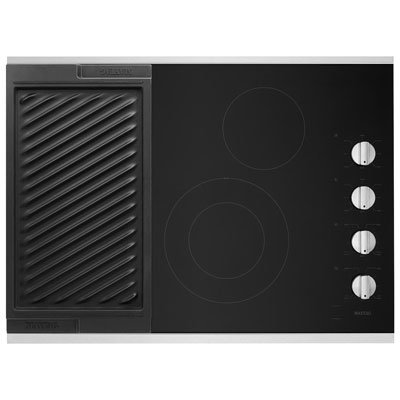
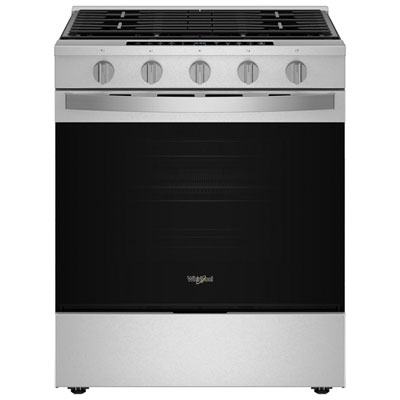
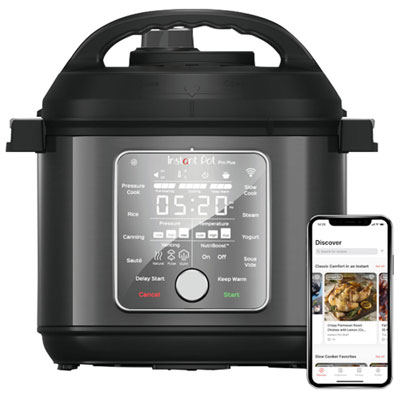
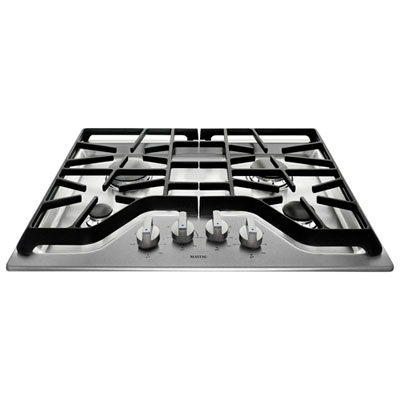
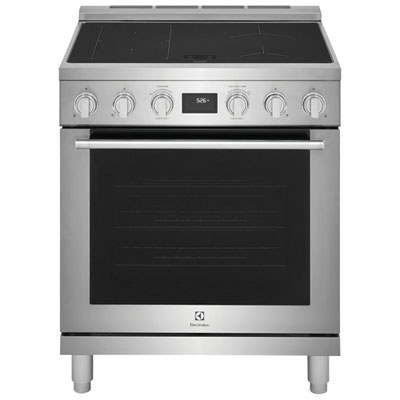
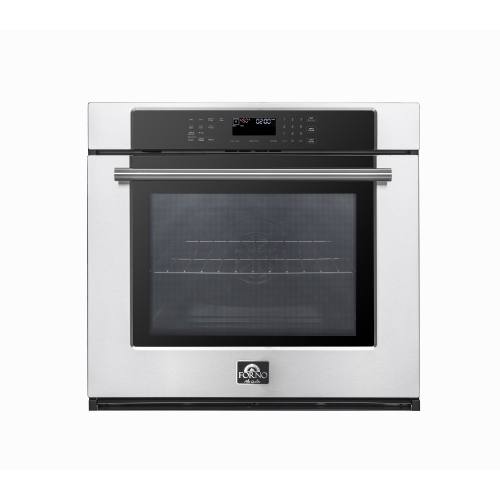
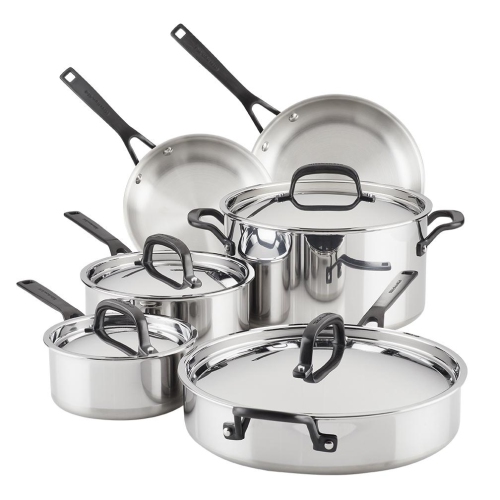
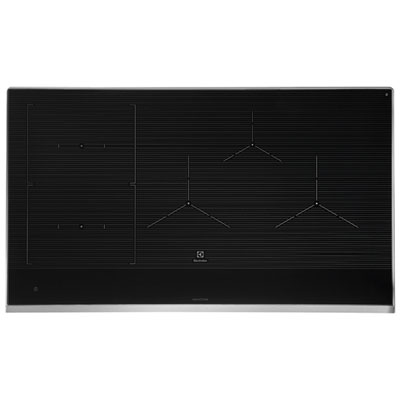
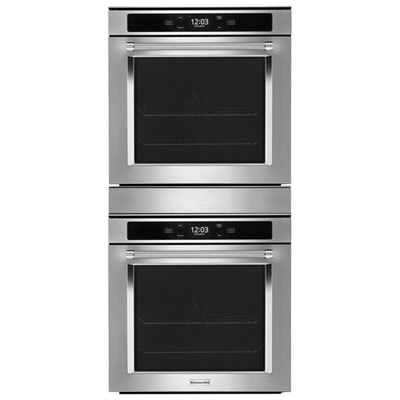
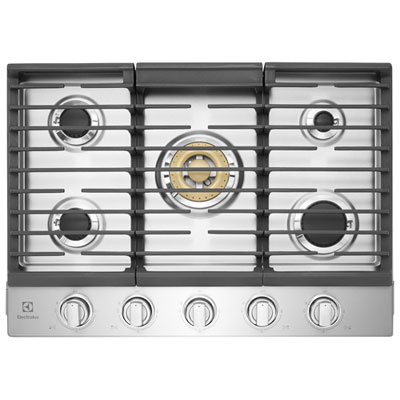
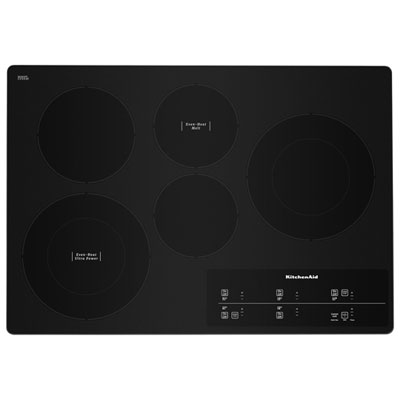
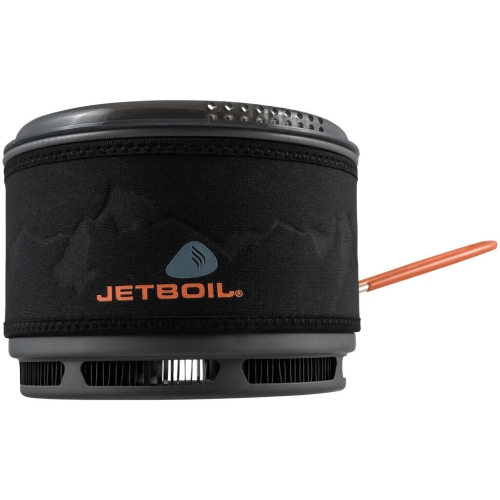
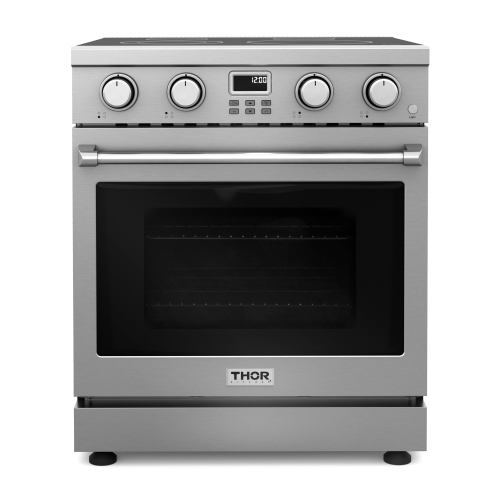
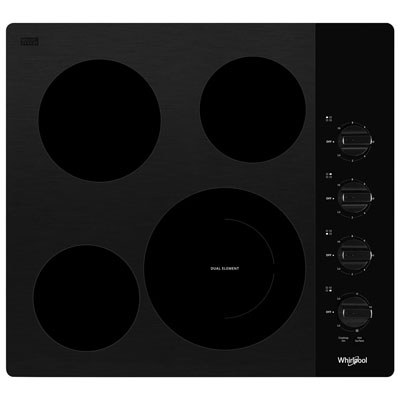
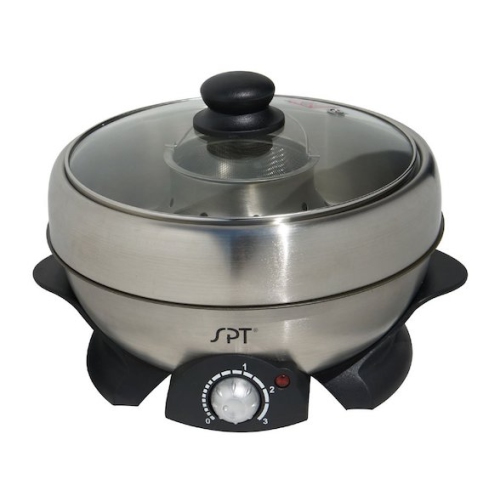
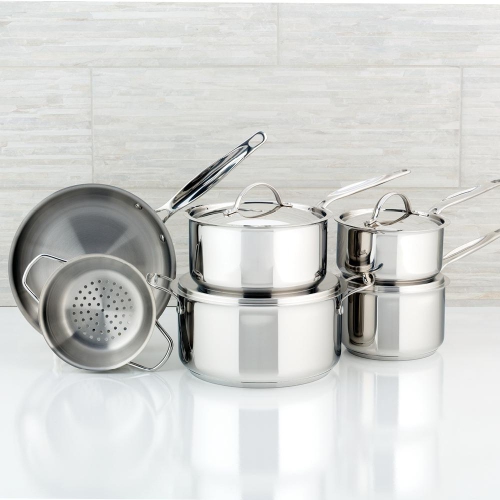
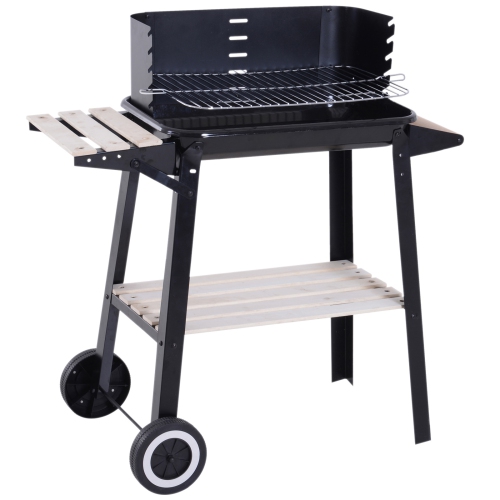
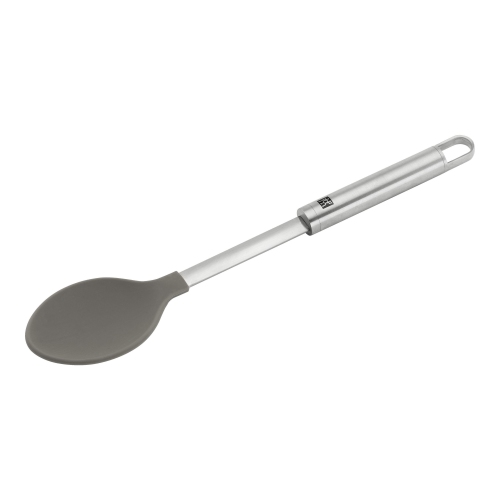
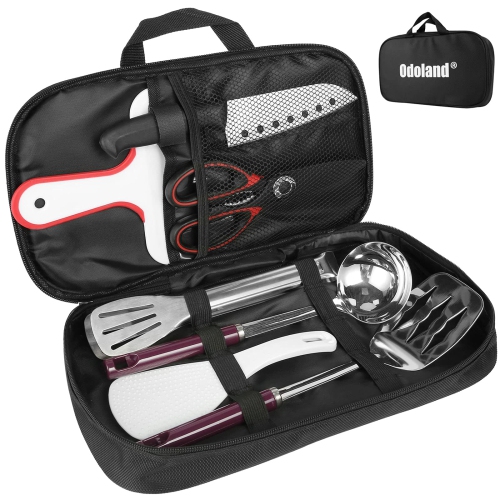
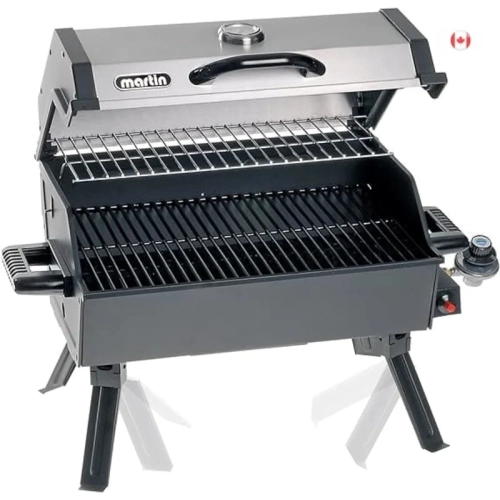
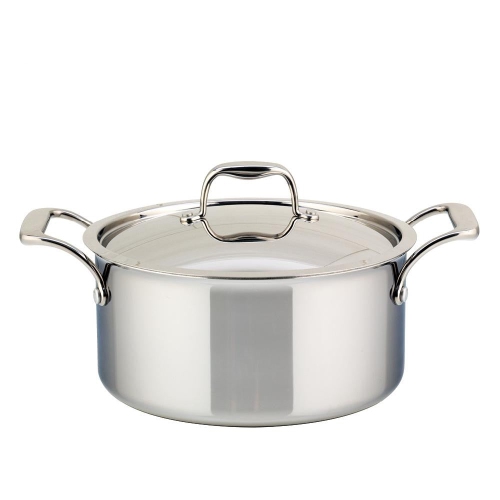
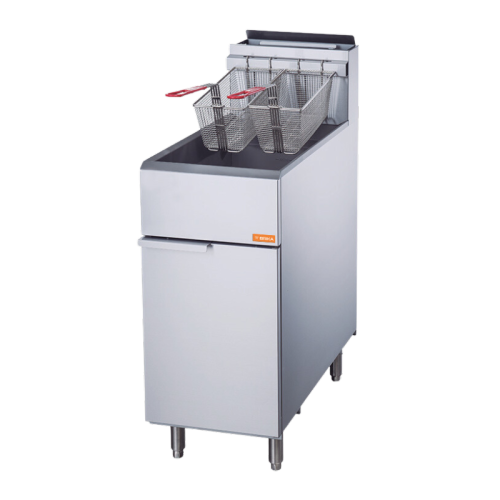
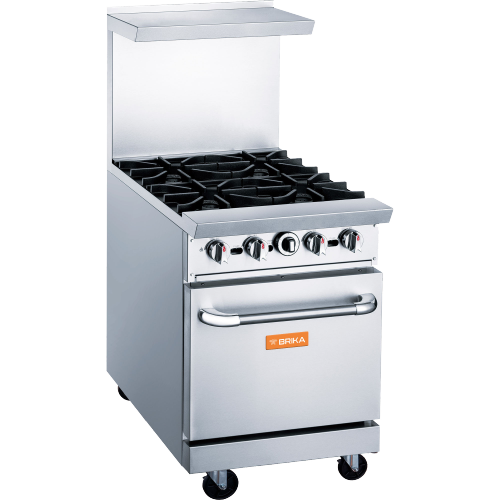

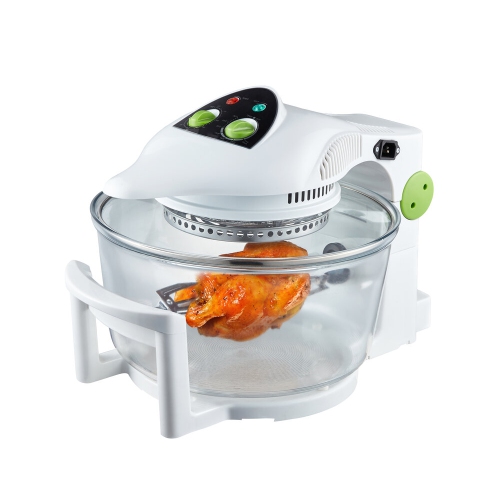
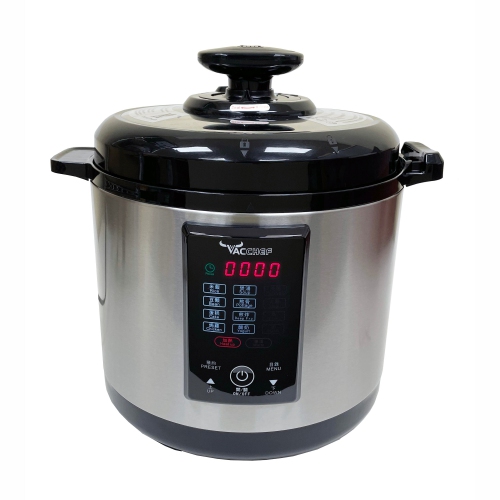
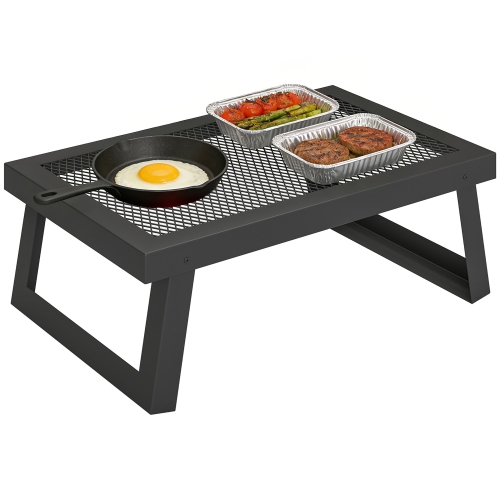
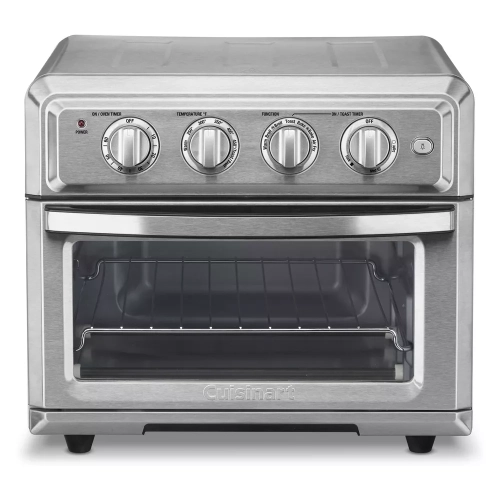
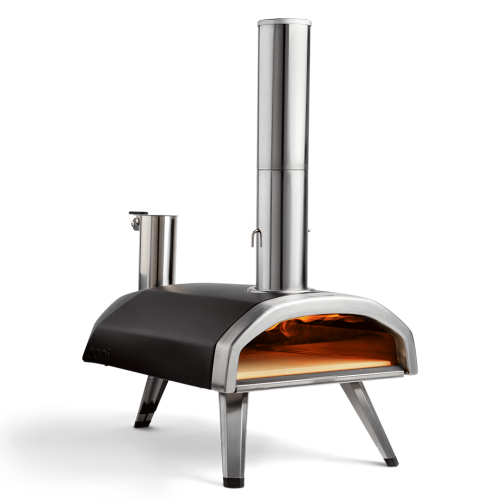
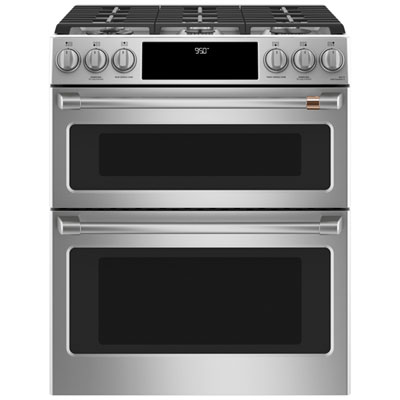
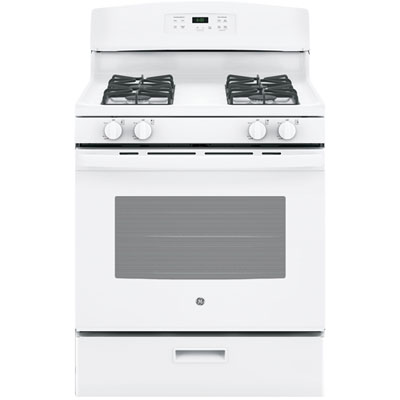
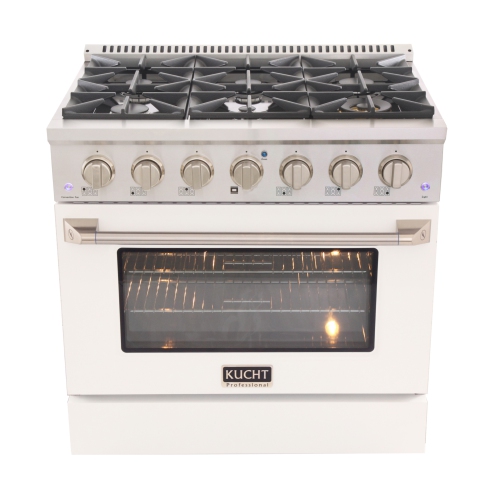
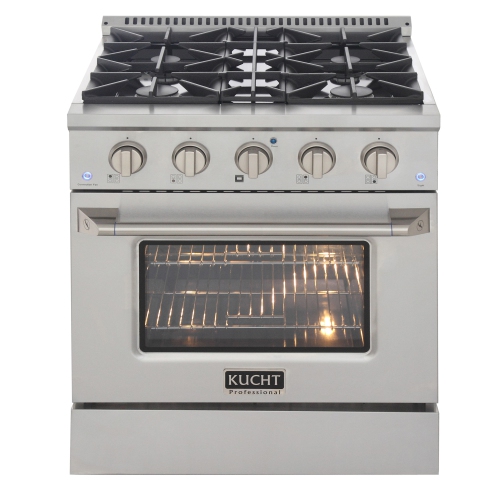
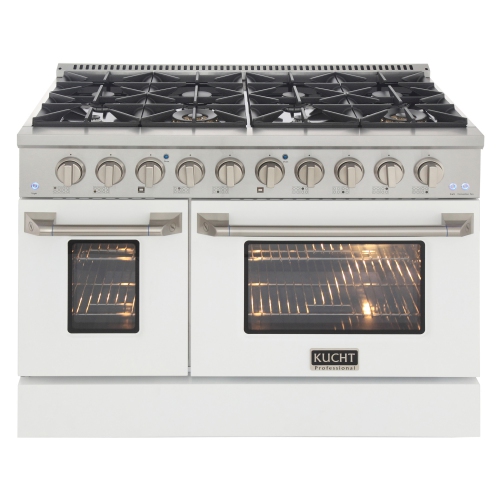
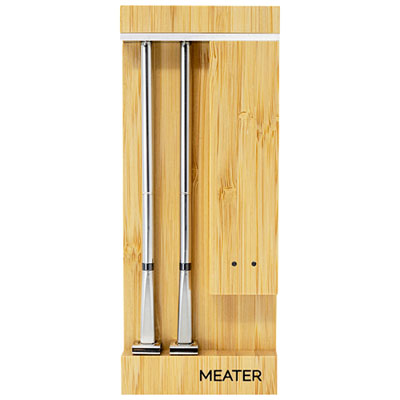
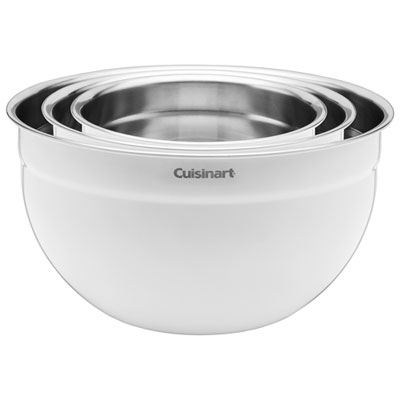



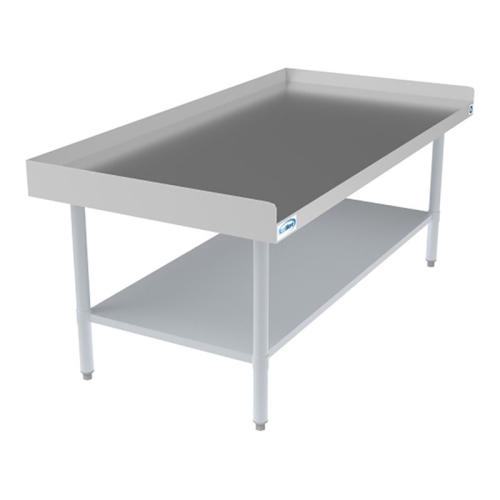

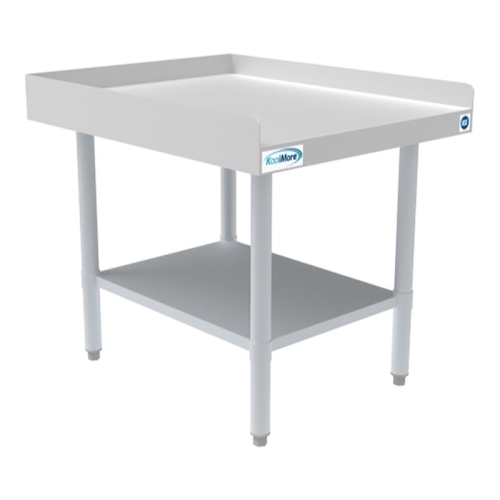
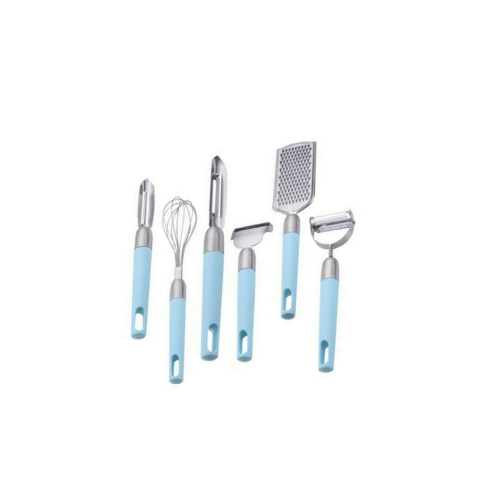
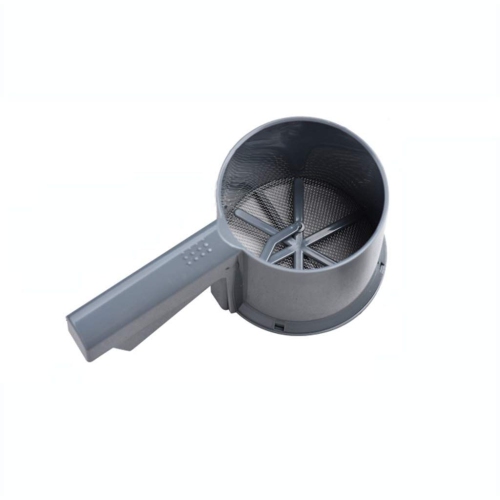
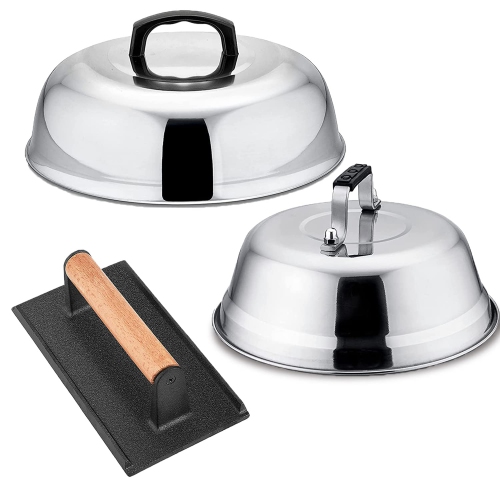
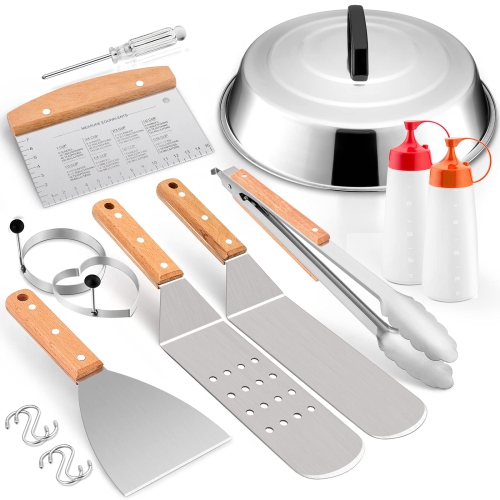
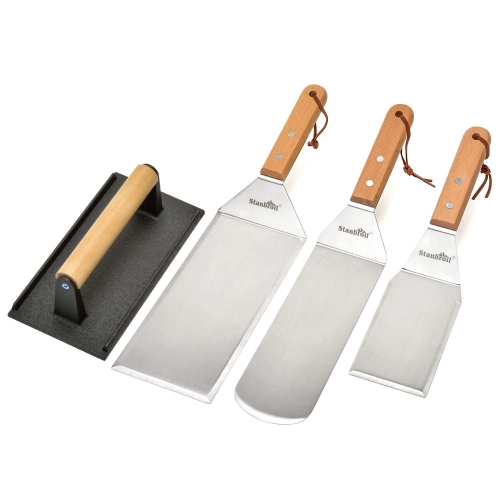
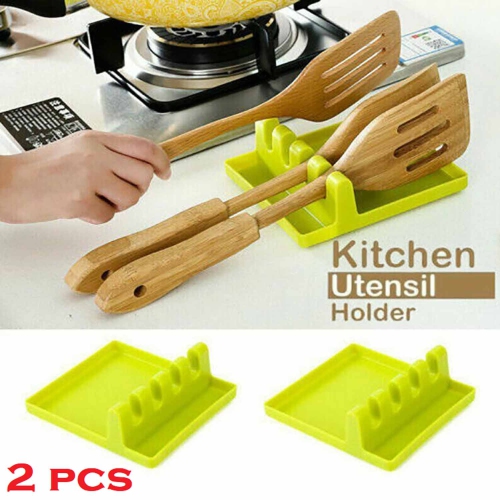
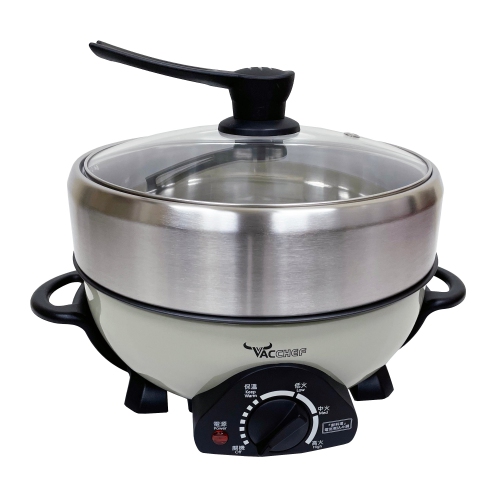
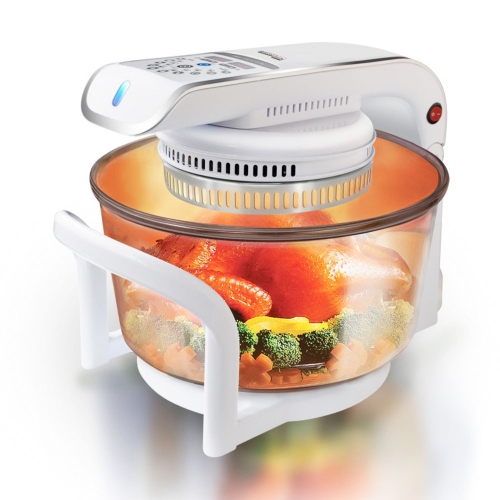
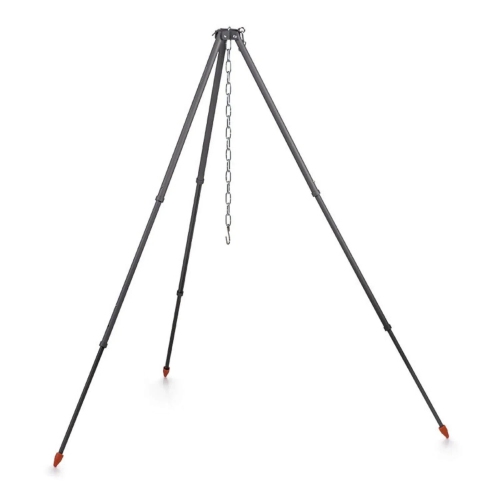
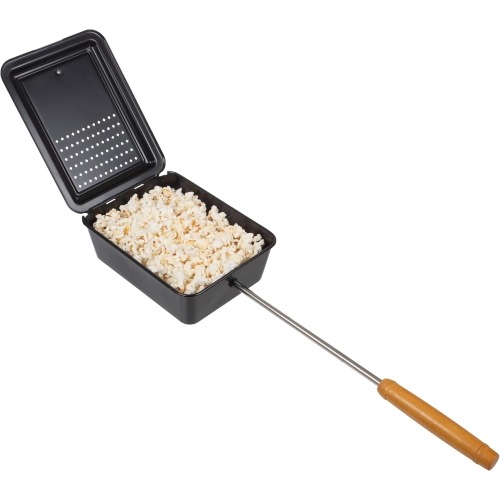
The right kitchen tools start with everyday cooking habits
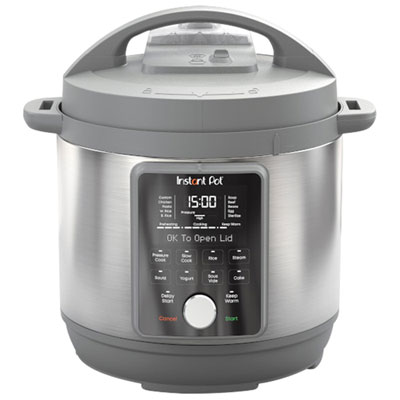
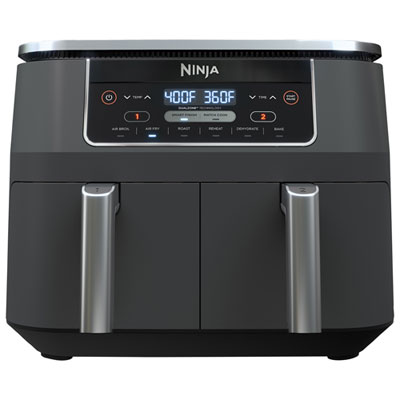
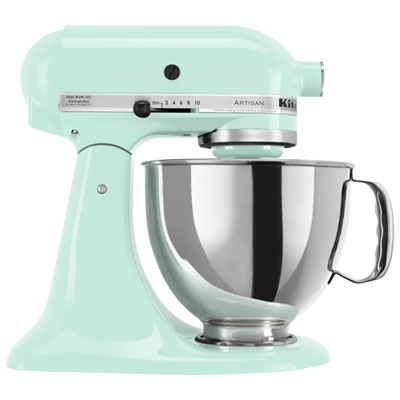
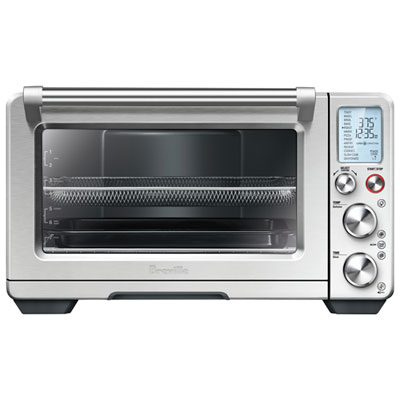
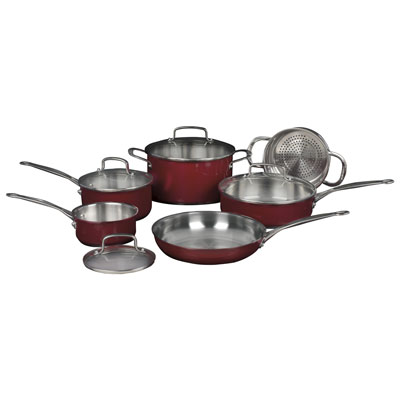
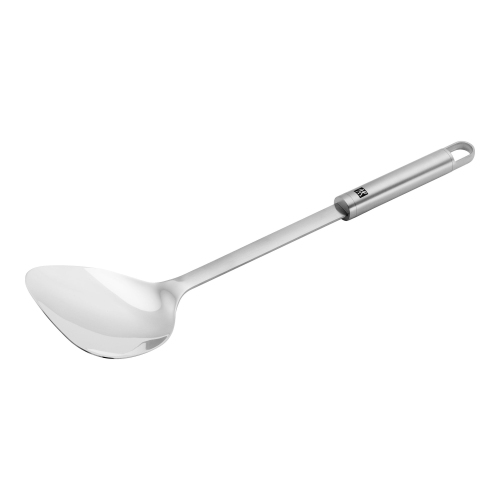
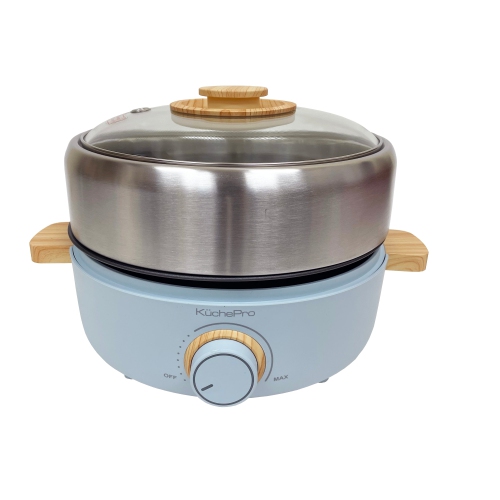
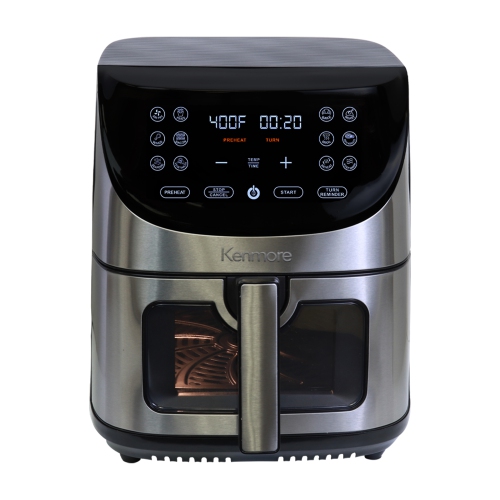
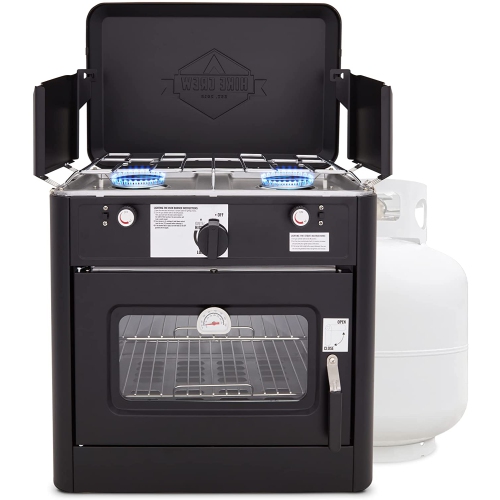
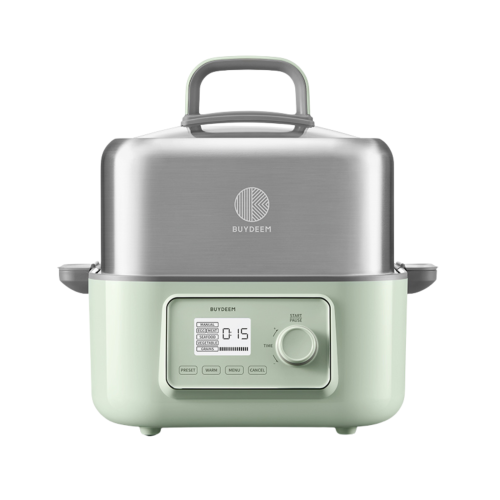
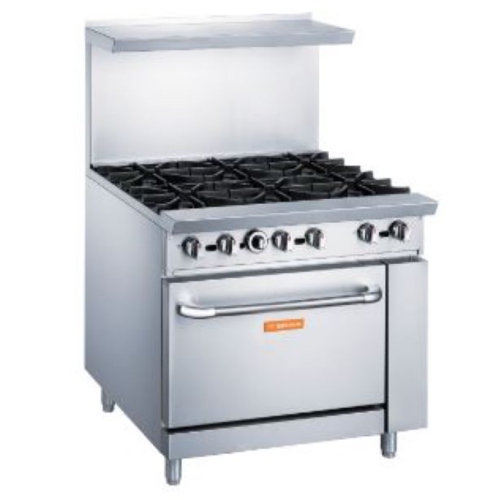
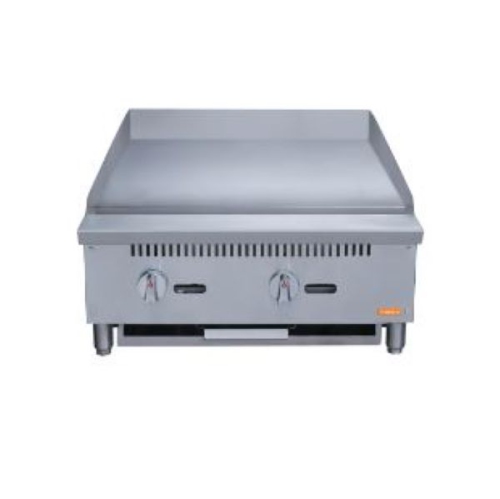
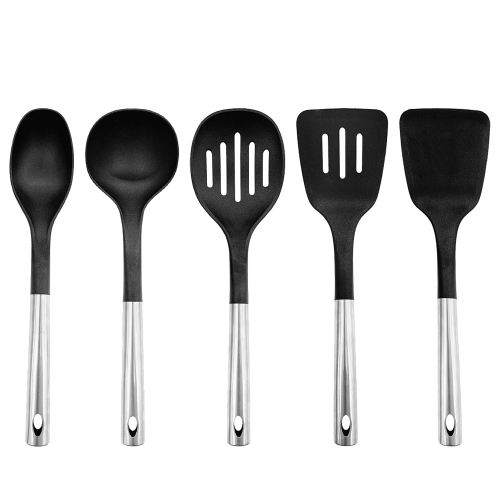
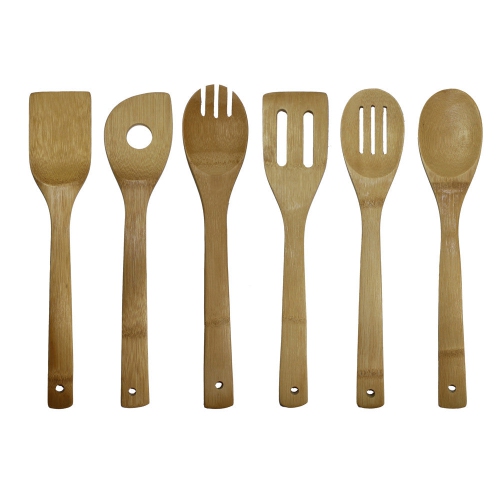
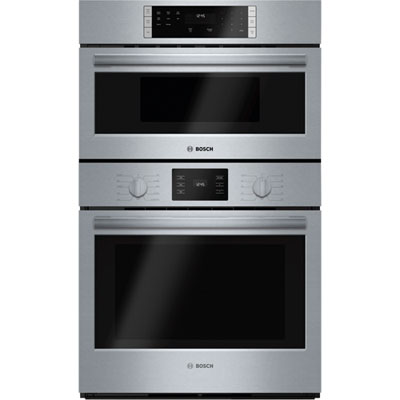
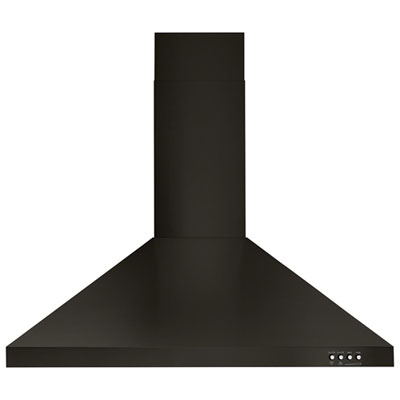
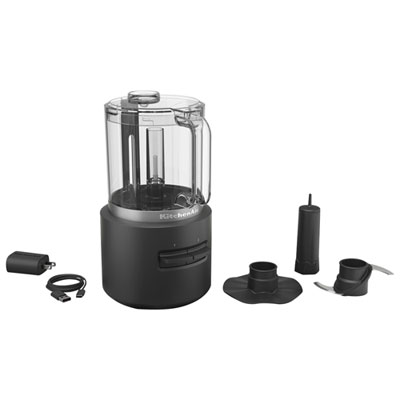
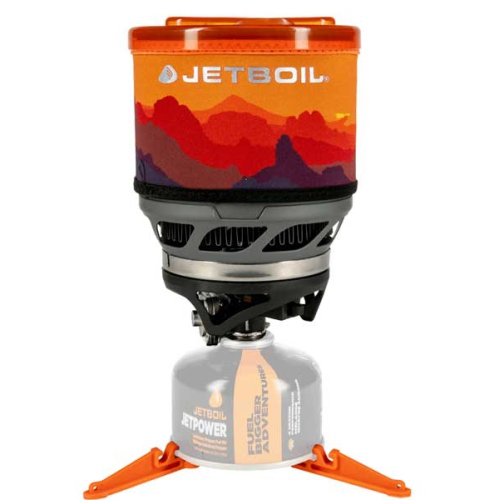
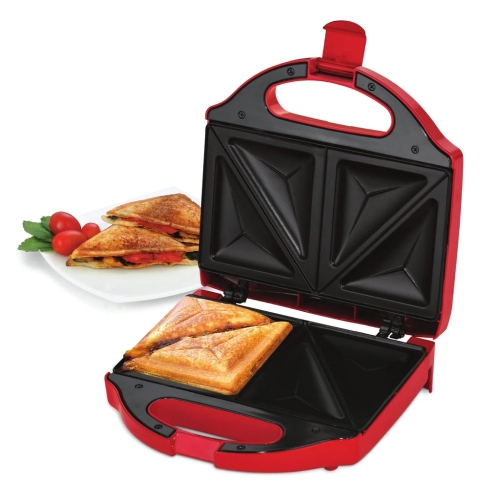
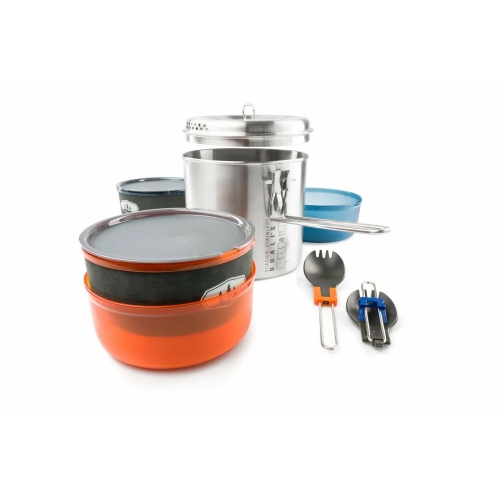
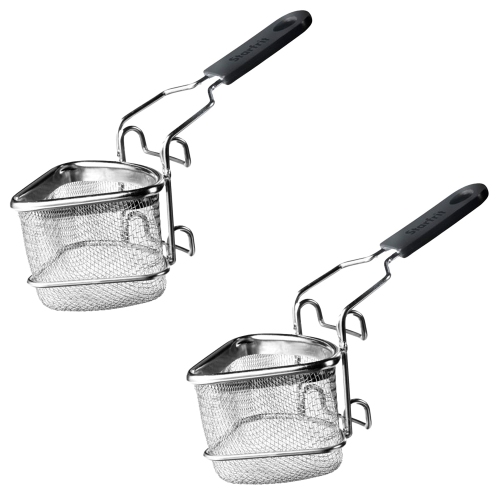
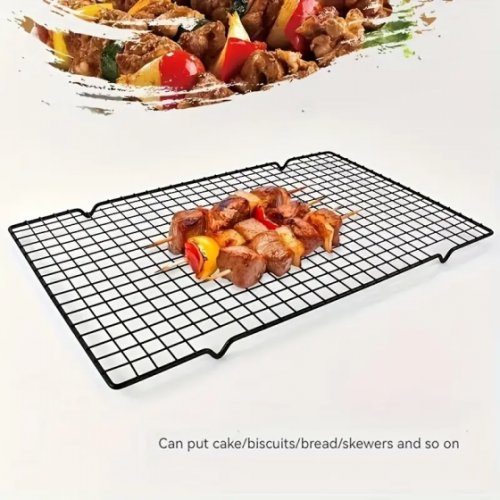
Cooking equipment brings together the cookware, bakeware, preparation tools, and small appliances used to turn ingredients into everyday meals. A practical kitchen usually centres on versatile pieces that handle several jobs: pots for simmering and boiling, frying pans for browning and sautéing, oven-safe dishes for baking and roasting, and tools for cutting, measuring, stirring, and serving. The most useful mix depends less on the number of pieces than on what gets cooked regularly. Someone preparing quick meals for one or two people may favour compact cookware and tools that move easily between tasks, while a household cooking larger portions needs enough capacity to stir a stew or toss vegetables without crowding the cooking surface. Frequent bakers have different priorities, including accurate measuring tools, mixing bowls with room to work, and bakeware suited to their usual recipes. For anyone building a kitchen from the beginning, a sharp chef’s knife, a stable cutting board, a versatile frying pan, a saucepan, and a larger pot form a useful foundation. Flexible spatulas help scrape batter from bowls, tongs give a secure grip when turning food, and a whisk blends sauces and dressings. A fitted lid is useful for covered simmering, while a colander makes draining pasta and rinsing ingredients more manageable. Collections can provide coordinated sizes and nesting shapes, whereas individual pieces allow a kitchen to develop around particular habits. A deep pot earns its space when soup is a regular meal; a broad, shallow pan makes more sense for browning several portions side by side. Beyond cookware, small cooking appliances can support tasks such as blending, pressure cooking, or preparing rice, especially when they suit an established routine. The broader range of Equipment for Kitchens can also help connect cooking needs with preparation and countertop tasks. Together, these categories support everything from a simple breakfast to a meal with several dishes ready to serve at once.
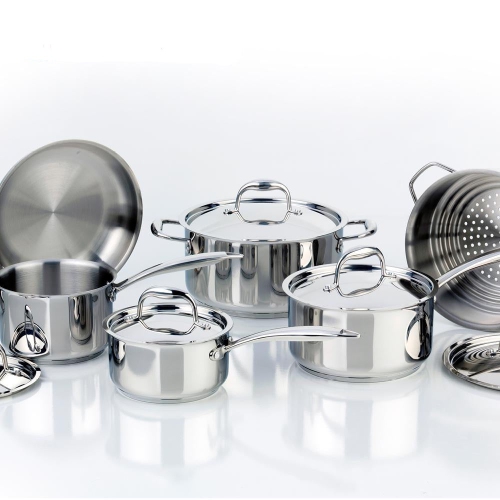
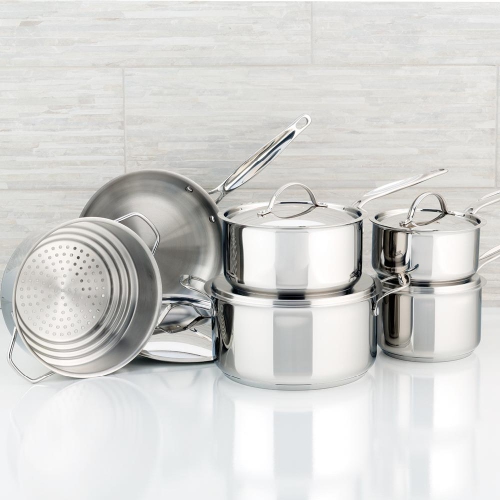
Materials influence how cooking equipment heats, feels in the hand, and stands up to repeated use. Stainless steel cookware is valued for its durability and suitability for everyday cooking, although its heating performance depends on construction. An aluminium or copper core can help distribute heat across the cooking surface, reducing the concentrated hot spots that make sauces catch or food brown unevenly. Bare cast iron retains heat well and suits searing and oven cooking, but its weight and seasoning requirements matter in daily use. Enamelled cast iron offers similar heat retention with a coated surface that does not require seasoning, though the enamel needs protection from impacts and sudden temperature changes. Non-stick surfaces help release delicate foods such as eggs and pancakes, with care requirements that typically include gentle cleaning and utensils approved for the coating. No single material is best for every task; a kitchen may benefit from different surfaces for browning, gentle cooking, and baking. Bakeware varies too: metal generally responds to heat more quickly than glass or ceramic, while heavier dishes can retain warmth at the table. Suitability for the heat source is just as important as the material itself. Induction cooking requires compatible magnetic cookware, and a flat, stable base helps maintain good contact with smooth electric cooking surfaces. Oven use depends on the limits of the whole piece, including handles, lids, and coatings, rather than the body alone. Size should match both the cooking area and the portions being prepared. A pan that extends well beyond a burner may heat unevenly, while an oversized pot can be awkward to fill, lift, and wash in a small sink. Handles that feel comfortable when empty may be harder to manage once the cookware holds a full meal. Secure attachments, balanced weight, and enough space for an oven mitt all contribute to practical handling. For countertop appliances, dimensions need to account for operating clearance, lid movement, cord placement, and access to an appropriate outlet, not simply the footprint on the counter.
Preparation tools and everyday care have an equally strong influence on how well a kitchen works over time. A knife should feel controlled during repetitive chopping, with a handle that remains comfortable through a pile of carrots or a bunch of herbs. Blade length is only one consideration; balance, grip, and the available cutting space also affect ease of use. Wood cutting boards can provide a forgiving surface for knife edges but need suitable washing, thorough drying, and occasional oiling where the maker advises it. Plastic boards may offer simpler cleaning, although deep grooves can make either material harder to clean effectively. Keeping separate preparation surfaces for raw meat and ready-to-eat foods helps limit cross-contamination. Silicone tools are useful for scraping and working with delicate cookware surfaces, but their stated heat limits still matter. Metal tools offer rigidity for lifting and turning, provided they are suitable for the surface being used. Care routines should fit the household as well as the material: dishwasher suitability varies by component, and repeated exposure to harsh detergents can affect some finishes and attachments. Allowing hot cookware to cool before washing helps reduce the risk of warping or thermal shock. Drying pieces fully, protecting coated surfaces when stacking, and storing knives with their edges covered can help preserve performance. Durability also comes from details such as sturdy joints, lids that sit properly, and removable parts that are straightforward to clean. In a smaller kitchen, nesting bowls, stackable cookware, and tools that serve more than one purpose can keep work surfaces clear without sacrificing useful capacity. Equipment chosen for a shared household should feel manageable for the people who will use and wash it, including anyone who prefers lighter pieces or larger handles. As gifts for a first apartment, a new home, or a keen home cook, cooking equipment is most useful when it fits the recipient’s cooktop, storage space, and familiar recipes. Thoughtful choices support the ordinary moments that make a kitchen personal: chopping vegetables for dinner, scraping the last of a cake mixture into its tin, or lifting a well-browned meal from the oven.
Materials influence how cooking equipment heats, feels in the hand, and stands up to repeated use. Stainless steel cookware is valued for its durability and suitability for everyday cooking, although its heating performance depends on construction. An aluminium or copper core can help distribute heat across the cooking surface, reducing the concentrated hot spots that make sauces catch or food brown unevenly. Bare cast iron retains heat well and suits searing and oven cooking, but its weight and seasoning requirements matter in daily use. Enamelled cast iron offers similar heat retention with a coated surface that does not require seasoning, though the enamel needs protection from impacts and sudden temperature changes. Non-stick surfaces help release delicate foods such as eggs and pancakes, with care requirements that typically include gentle cleaning and utensils approved for the coating. No single material is best for every task; a kitchen may benefit from different surfaces for browning, gentle cooking, and baking. Bakeware varies too: metal generally responds to heat more quickly than glass or ceramic, while heavier dishes can retain warmth at the table. Suitability for the heat source is just as important as the material itself. Induction cooking requires compatible magnetic cookware, and a flat, stable base helps maintain good contact with smooth electric cooking surfaces. Oven use depends on the limits of the whole piece, including handles, lids, and coatings, rather than the body alone. Size should match both the cooking area and the portions being prepared. A pan that extends well beyond a burner may heat unevenly, while an oversized pot can be awkward to fill, lift, and wash in a small sink. Handles that feel comfortable when empty may be harder to manage once the cookware holds a full meal. Secure attachments, balanced weight, and enough space for an oven mitt all contribute to practical handling. For countertop appliances, dimensions need to account for operating clearance, lid movement, cord placement, and access to an appropriate outlet, not simply the footprint on the counter.
Preparation tools and everyday care have an equally strong influence on how well a kitchen works over time. A knife should feel controlled during repetitive chopping, with a handle that remains comfortable through a pile of carrots or a bunch of herbs. Blade length is only one consideration; balance, grip, and the available cutting space also affect ease of use. Wood cutting boards can provide a forgiving surface for knife edges but need suitable washing, thorough drying, and occasional oiling where the maker advises it. Plastic boards may offer simpler cleaning, although deep grooves can make either material harder to clean effectively. Keeping separate preparation surfaces for raw meat and ready-to-eat foods helps limit cross-contamination. Silicone tools are useful for scraping and working with delicate cookware surfaces, but their stated heat limits still matter. Metal tools offer rigidity for lifting and turning, provided they are suitable for the surface being used. Care routines should fit the household as well as the material: dishwasher suitability varies by component, and repeated exposure to harsh detergents can affect some finishes and attachments. Allowing hot cookware to cool before washing helps reduce the risk of warping or thermal shock. Drying pieces fully, protecting coated surfaces when stacking, and storing knives with their edges covered can help preserve performance. Durability also comes from details such as sturdy joints, lids that sit properly, and removable parts that are straightforward to clean. In a smaller kitchen, nesting bowls, stackable cookware, and tools that serve more than one purpose can keep work surfaces clear without sacrificing useful capacity. Equipment chosen for a shared household should feel manageable for the people who will use and wash it, including anyone who prefers lighter pieces or larger handles. As gifts for a first apartment, a new home, or a keen home cook, cooking equipment is most useful when it fits the recipient’s cooktop, storage space, and familiar recipes. Thoughtful choices support the ordinary moments that make a kitchen personal: chopping vegetables for dinner, scraping the last of a cake mixture into its tin, or lifting a well-browned meal from the oven.
Top selling and popular products
-
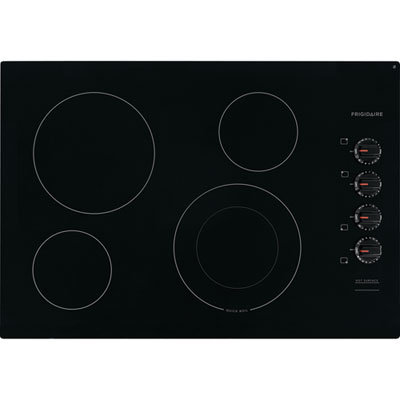 Your price for this item is $699.99
 -
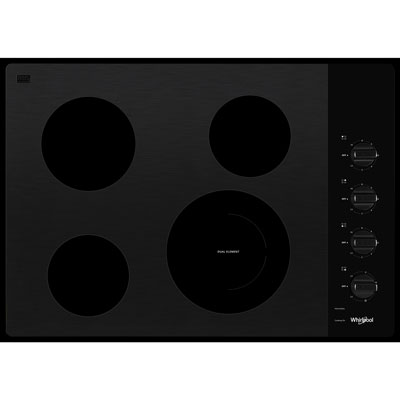 Your price for this item is $949.99
 -
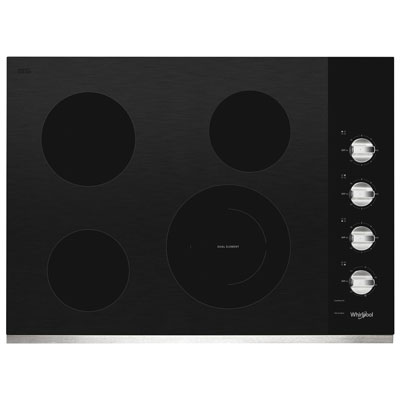 Your price for this item is $949.99
 -
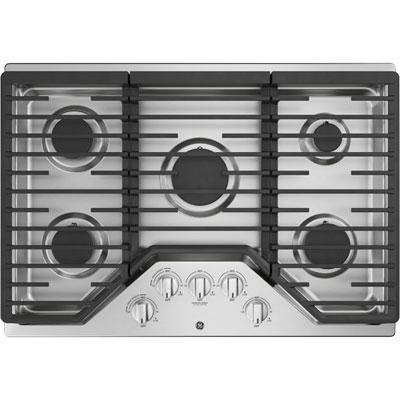 Your price for this item is $1499.99
 -
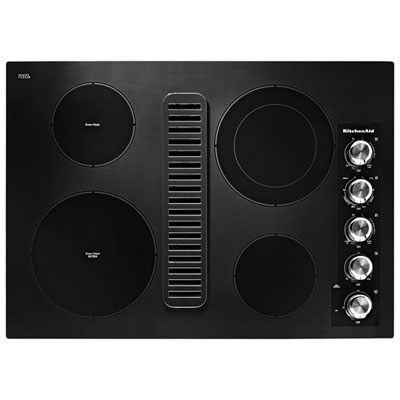 Your price for this item is $2999.99
 -
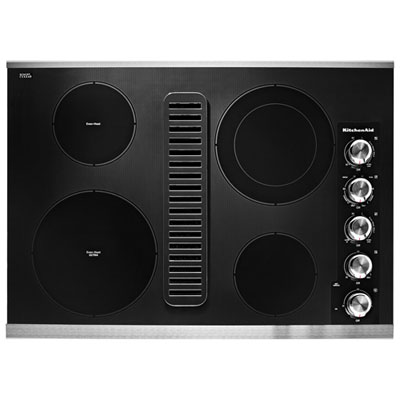 Your price for this item is $3099.99
 -
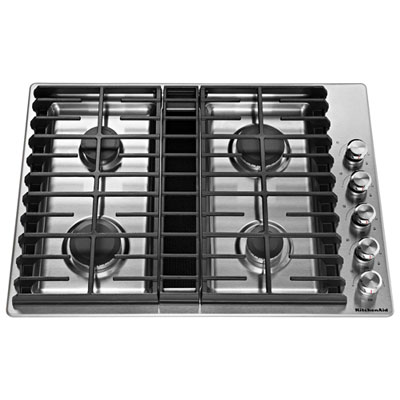 Your price for this item is $3099.99
 -
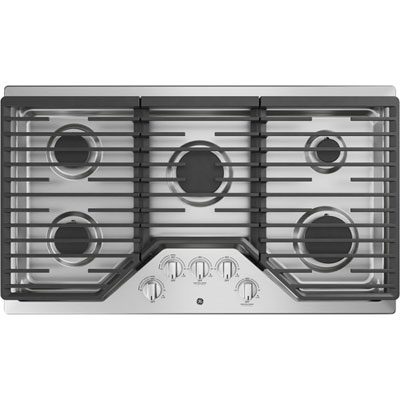 Your price for this item is $1899.99
Discover more categories related to Cooking Equipment
Top Collections:
Pokemon Centers, Kindle Devices, Best Budget Office Chairs, Apple iPhones 16, Best Laptops for Writers, iPhone 15 Apple, Canon G7X Cameras, Refurbished Apple Laptops, Alarm Clock, Motorola Razr Phones
Some products may be subject to Environmental Handling Fees
(EHF) depending on your province.
Learn more about EHFs.