Pullup Bars
Looking to level up your home workout routine? A pull-up bar is a versatile and essential piece of equipment that can help you strengthen your upper body, core, and overall fitness. Whether you're a beginner looking to build strength or an experienced fitness enthusiast aiming to challenge yourself, a pull-up bar offers a range of exercises to target different muscle groups. With easy installation and the convenience of working out in the comfort of your own space, a pull-up bar is a must-have addition to any home gym setup. Explore our selection of pull-up bars to take your fitness journey to new heights.
Sort



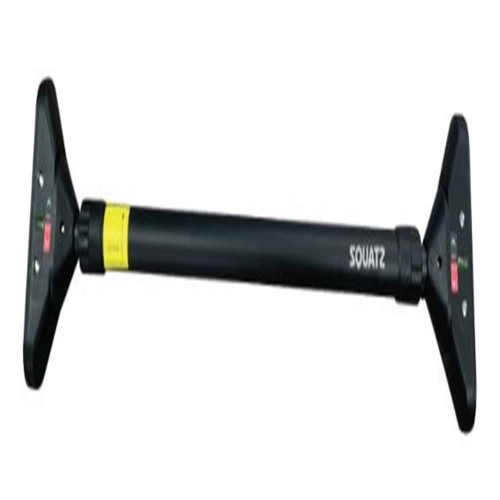


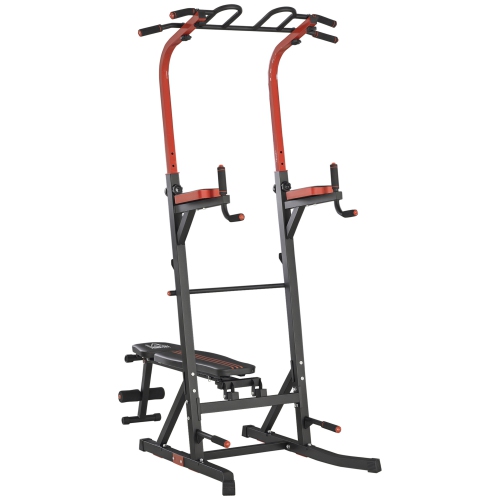

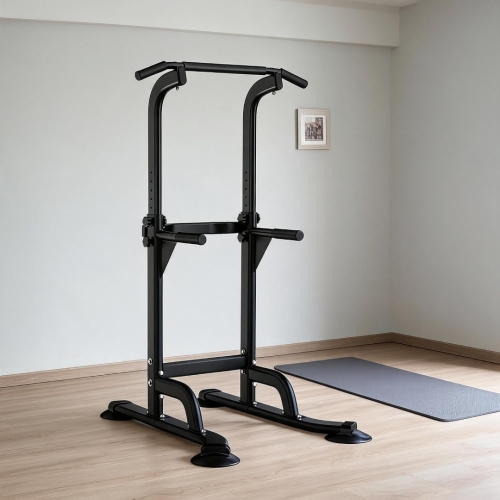

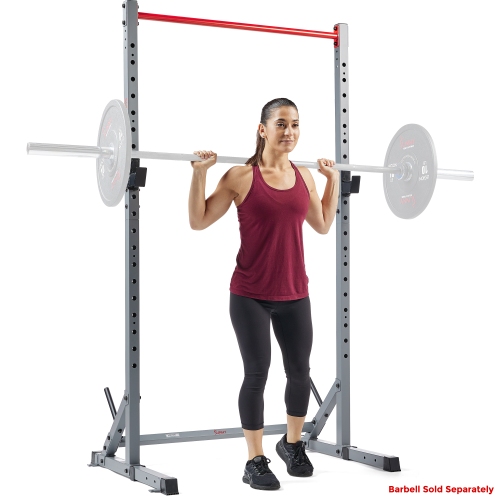
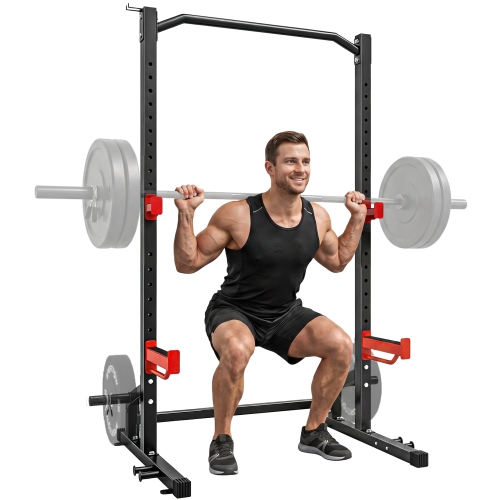

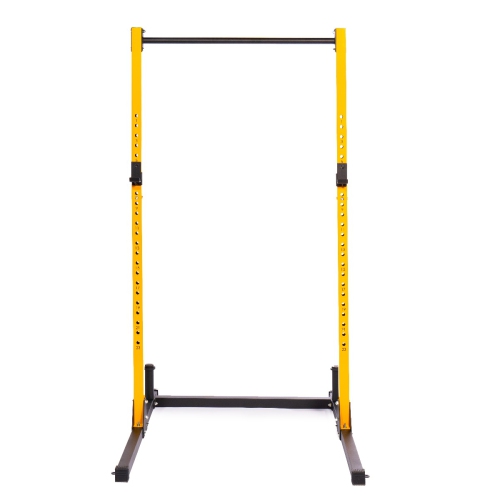
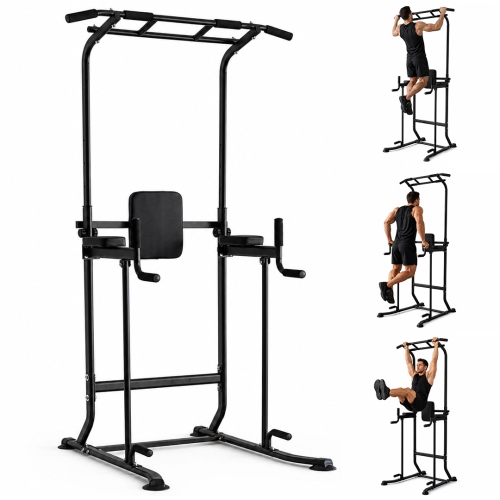
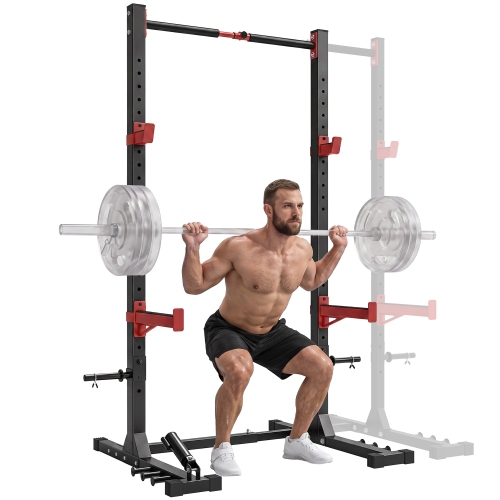
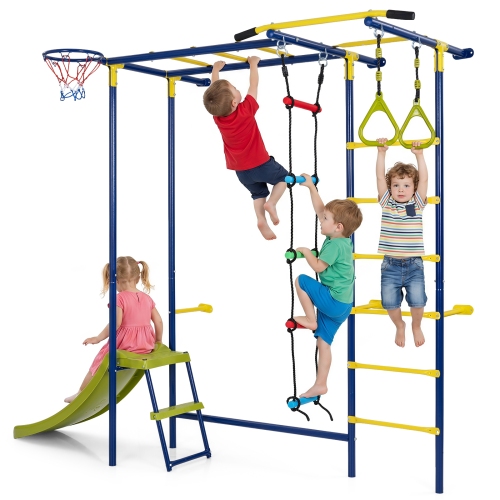
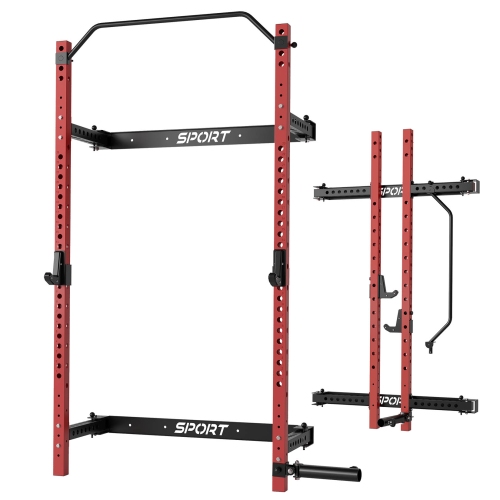

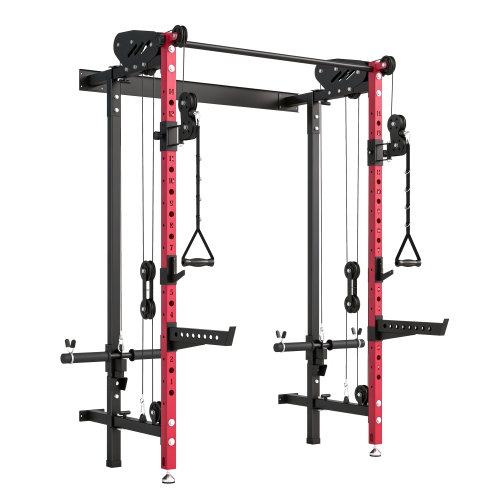

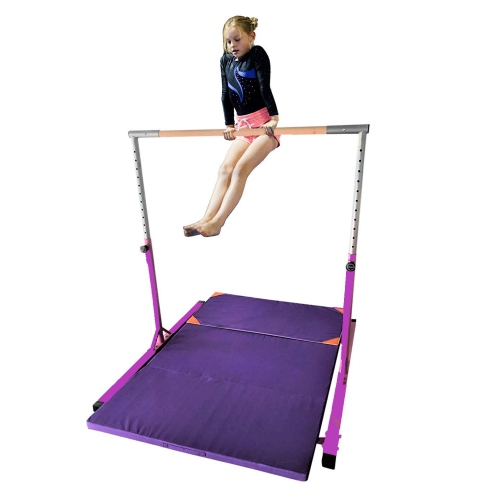

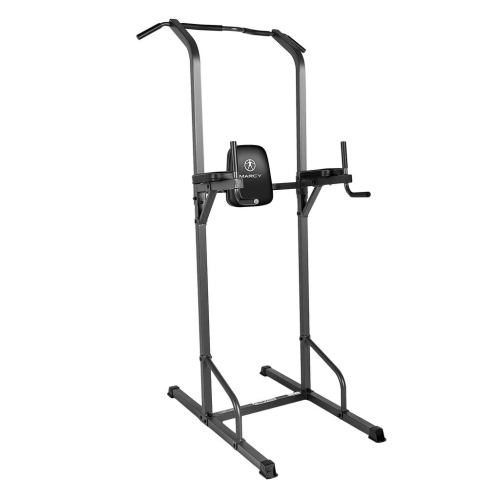
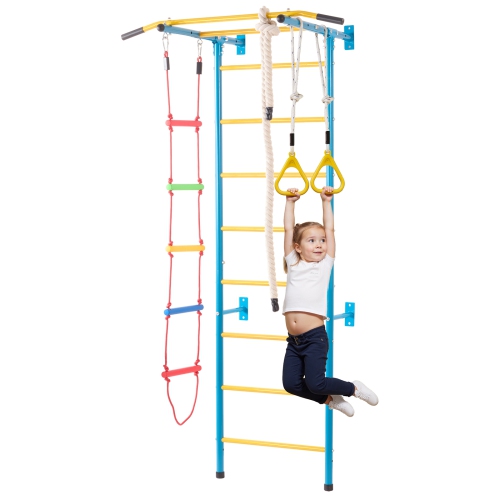
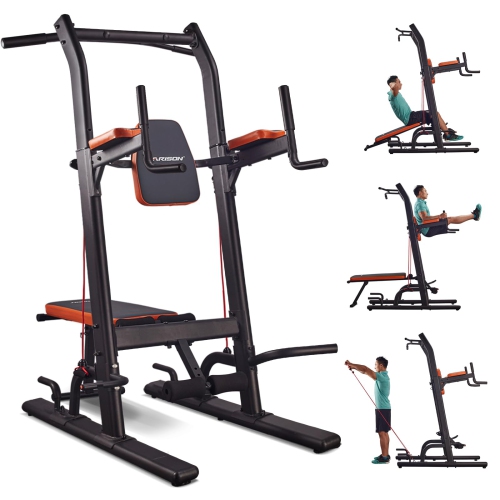


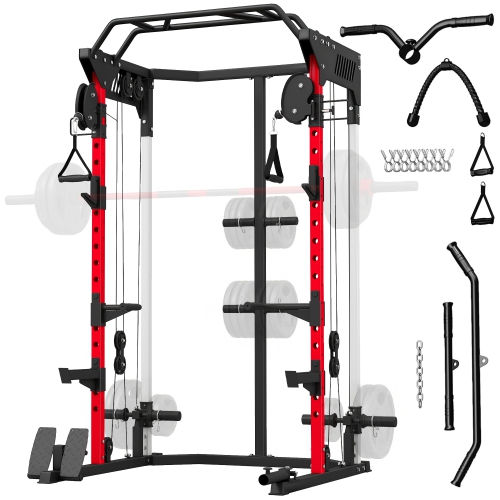
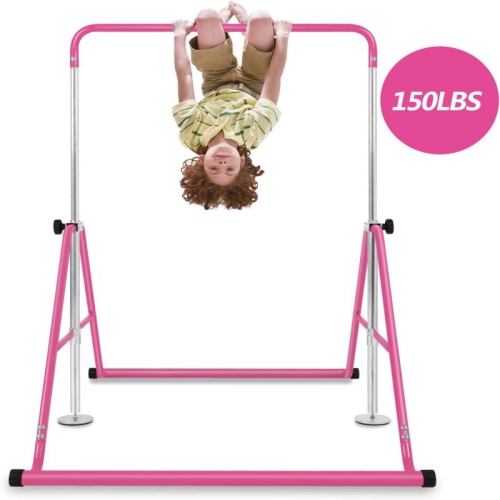


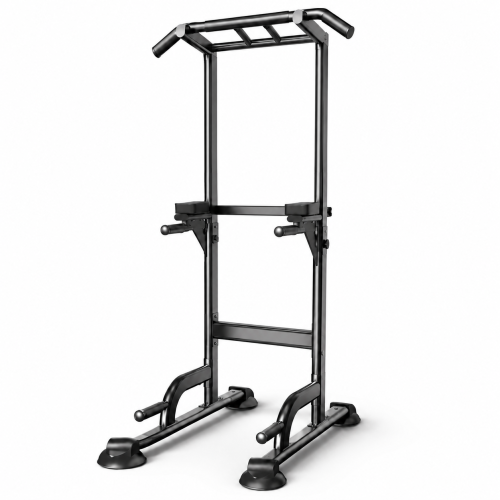
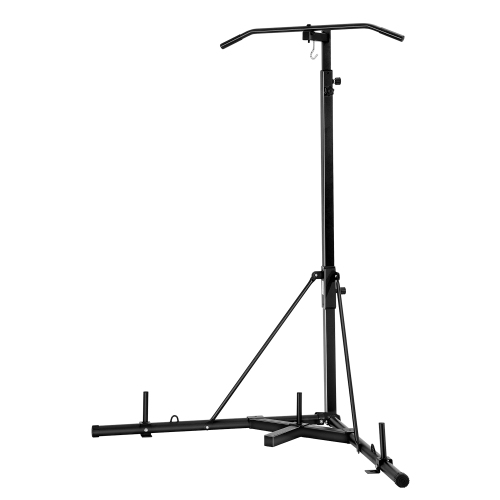
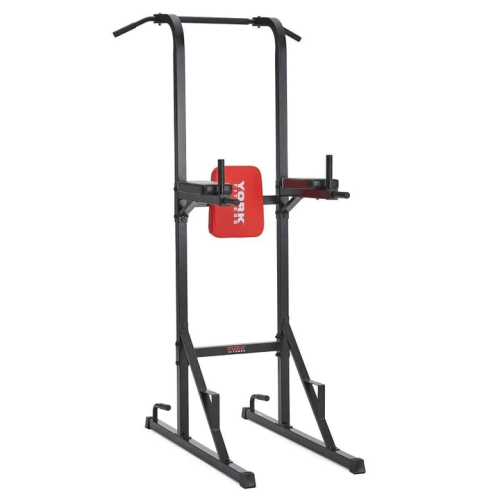


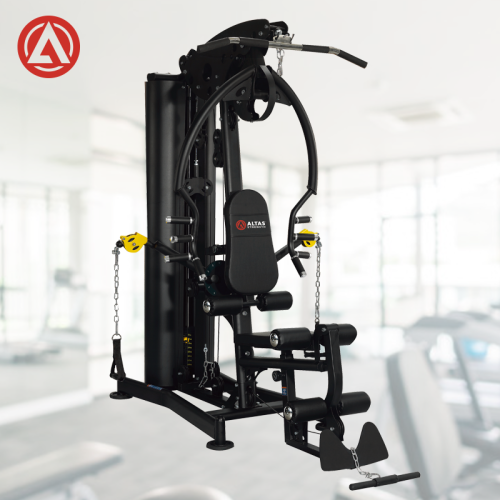

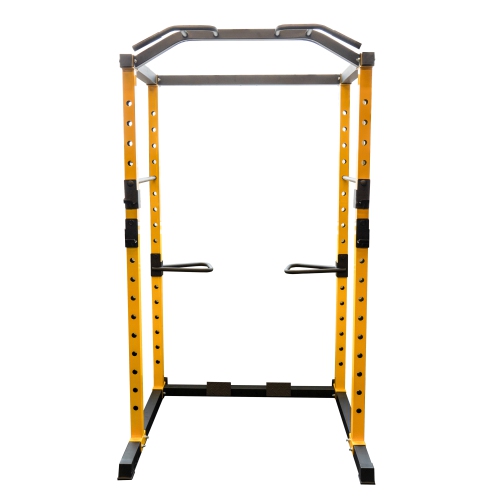


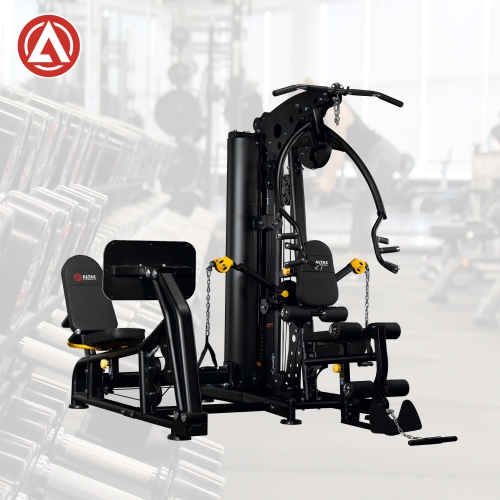


Bodyweight training starts with the right support at home
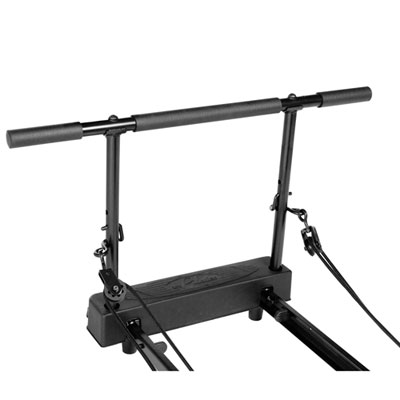
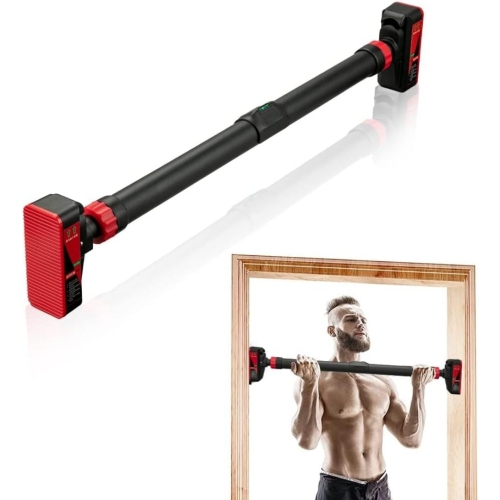
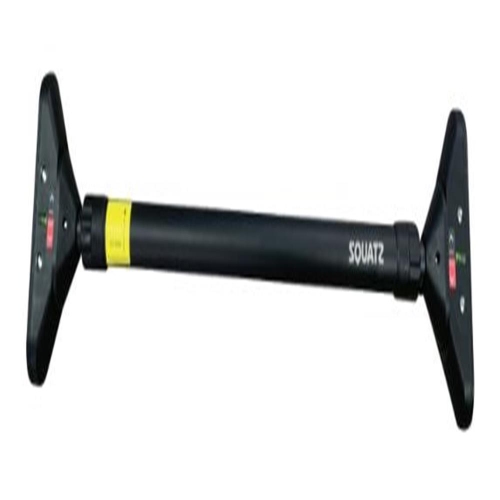
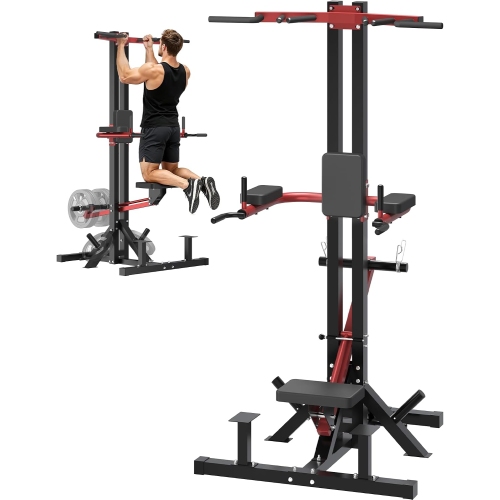
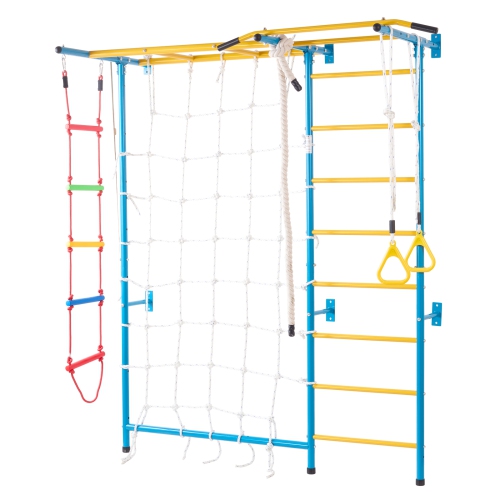
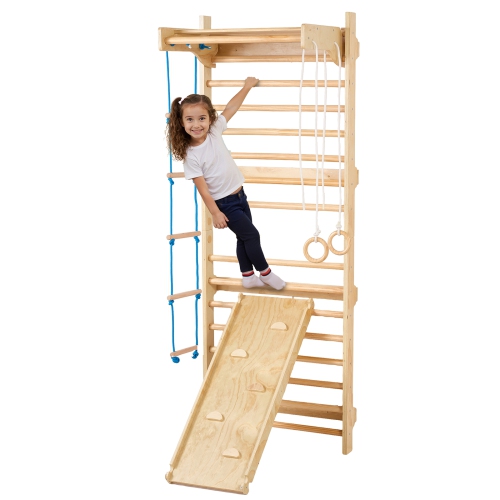
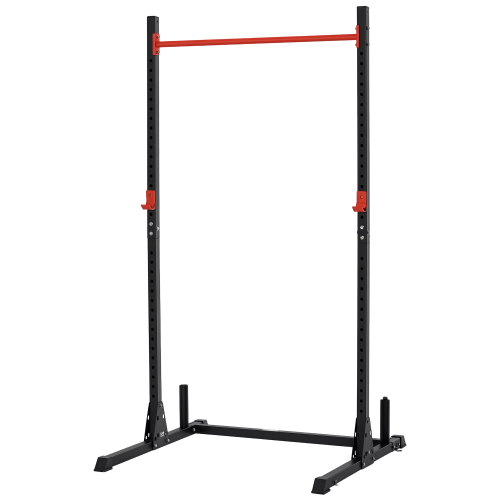
Pullup bars bring bodyweight strength training into a home workout space, providing a fixed handhold for pullups, chinups, supported hangs, and other exercises suited to the equipment’s design. The main formats are doorway bars, wall-mounted bars, ceiling-mounted bars, and freestanding stations. Each uses space differently, so the right fit depends as much on the room and mounting surface as on the exercises planned. Doorway Pull Up Bars make use of an existing opening and can suit homes where a dedicated workout area is not practical. Some use a leverage design that rests against parts of the door frame, while others fit within the opening and may require mounting cups or brackets. A no-drill design still needs a compatible, sound frame; decorative trim alone should never be assumed capable of supporting exercise loads. Doorway width, frame depth, trim dimensions, and the manufacturer’s installation requirements all matter. Wall-mounted and ceiling-mounted bars can create a more permanent training spot, but they require suitable structural support and the specified fasteners. Drywall or finish material alone is not an adequate mounting surface. Freestanding pullup stations avoid attaching the bar to a doorway or wall, though their bases occupy floor space and need a level, stable surface. Some incorporate additional exercise supports, making them useful for a dedicated training corner. Across all formats, the stated weight capacity is an important limit, not a target to approach without considering how the equipment will be used. Body weight, permitted accessories, and any added training load must remain within the manufacturer’s requirements. Clearance also extends beyond the bar itself: there needs to be room for the head above it, the legs below it, and a controlled path through each movement. A bar that fits across an opening may still sit too low for a taller person or too close to the ceiling for a full repetition. Door movement, nearby furniture, light fixtures, and access through the room are worth considering before making a pullup bar part of the layout.
Materials and construction influence how a pullup bar feels in the hands and how well it holds up to repeated use. Steel tubing is common because it can provide a rigid structure, while welded joints, bolted connections, bracing, and mounting hardware contribute to the stability of the complete assembly. A substantial-looking tube does not tell the whole story; the finished design and its rated use matter more than appearance alone. Painted or powder-coated finishes help protect metal surfaces, although scratches and worn areas still deserve attention during routine checks. Grip sections may feature textured metal, foam, or other coverings, each with a different feel. Textured surfaces can provide a firm hold but may feel rough during longer sessions, while padded grips offer cushioning that can compress or wear over time. Handle diameter matters, too: a thick grip may be challenging for smaller hands, and a narrow grip can feel less comfortable during extended holds. Grip layout shapes the exercises a bar can accommodate. A straight bar generally supports overhand pullups and underhand chinups where spacing permits, while parallel handles allow a neutral grip with the palms facing each other. These positions change hand and arm alignment, and comfort varies from person to person. More handles do not automatically make a bar a better match; useful spacing and enough room to move without contacting the frame are more important. For someone developing a first pullup, a compatible setup may support gradual practice through assisted repetitions, controlled lowering, or short holds. Assistance bands and other attachments should only be used where the manufacturer permits them, with their own condition and instructions taken into account. Experienced exercisers may prioritize a rigid mount, comfortable grip spacing, and unobstructed movement. Standard home pullup bars should not be assumed suitable for swinging, kipping, inversions, or suspended accessories unless those uses are expressly supported. Controlled movement keeps the focus on the intended exercise rather than testing the structure in ways it was not designed to handle.
A well-matched pullup bar can serve several people and routines, from someone adding a few strength exercises to a small apartment workout to a regular exerciser building a dedicated home gym. Pullups and chinups involve the back and arm muscles, with grip and trunk control helping maintain a steady position. They can complement pushing exercises and lower-body training without requiring a large collection of equipment. The practical details often determine whether the bar becomes a regular part of that routine. A removable doorway design needs a sensible storage spot and enough time for correct installation and inspection before each session. A permanent mount leaves the training position ready to use, but its placement should not interfere with everyday movement through the home. A freestanding station needs enough surrounding room for getting on and off safely, not just enough space for its base. Shared households may also need to account for different heights, reach, and hand sizes. A bar mounted comfortably for one adult can be difficult for another to reach, and jumping to catch a high bar is not a substitute for a suitable setup. Care is usually straightforward but should follow the instructions for the finish and grip materials. Wiping away perspiration after use and allowing grips to dry helps keep contact surfaces clean. Foam should not be soaked, and abrasive cleaners can damage coatings or padding. Regular checks should cover loose bolts, movement at mounting points, cracks, bent components, worn grips, and damage to any supporting frame or surface. Equipment that shifts, develops a new noise, or shows visible damage should be taken out of use until the cause is resolved. Removable bars also need inspection after storage or transport, especially where parts thread together or lock into position. As a gift, a pullup bar is most useful when the recipient’s training interests, installation permissions, room dimensions, and preferred format are already known. The strongest match is equipment that fits both the person and the home, with clear instructions and a design suited to the movements they actually plan to practise.
Top selling and popular products
-
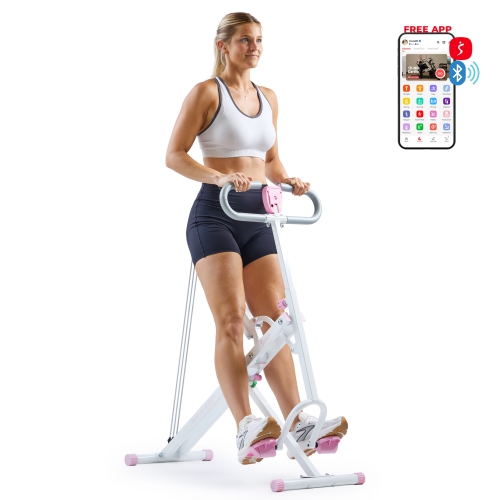 Your price for this item is $179.95
-
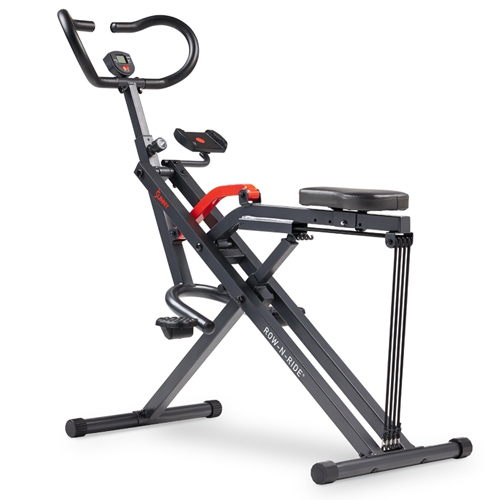 Your price for this item is $249.95
-
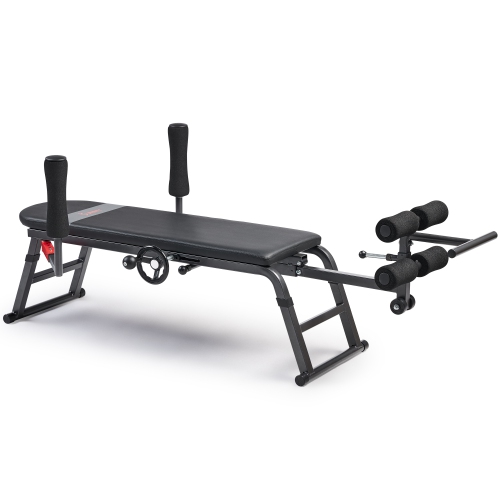 Your price for this item is $419.99
-
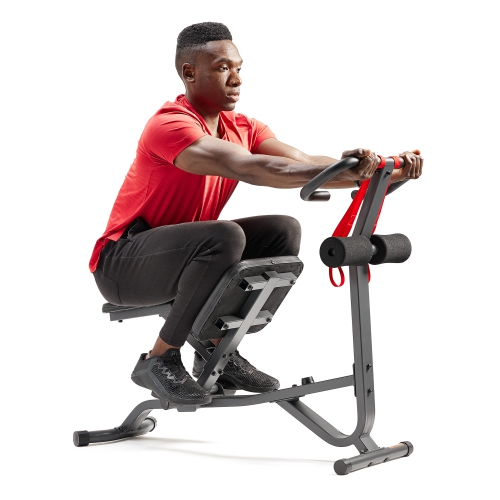 Your price for this item is $419.99
-
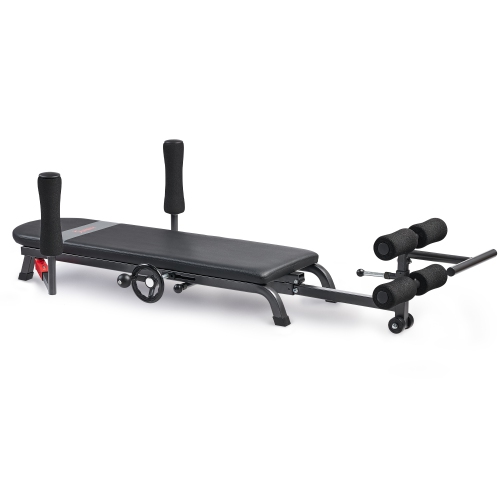 Your price for this item is $369.99
-
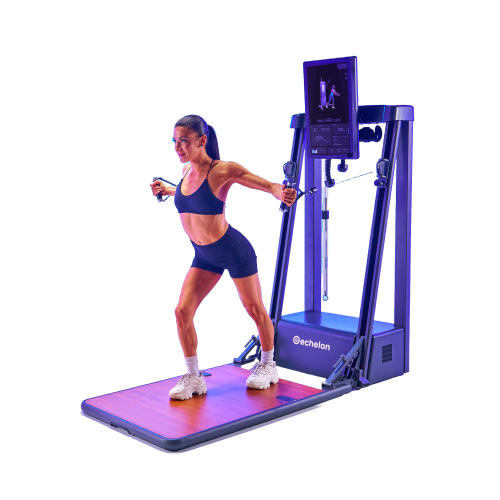 Your price for this item is $4109.99
-
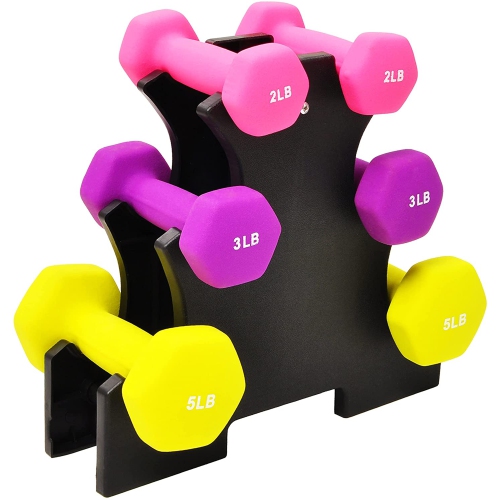 Your price for this item is $90.99
-
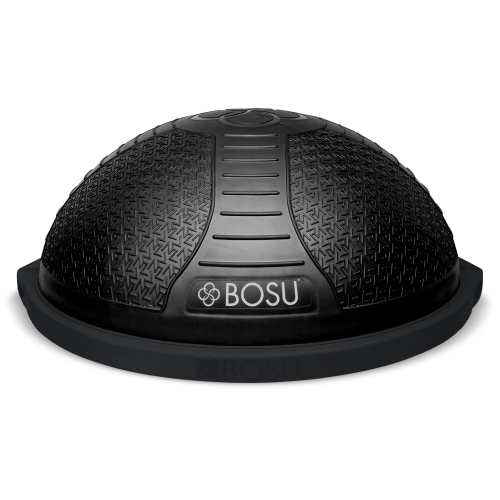 Your price for this item is $481.99
Discover more categories related to Pullup Bars

Top Collections:
Pokemon Centers, Best Cameras for Sports Photography, Kindle Devices, Samsung Galaxy Phones, Canon G7X Cameras, Pokémon 30th Celebration Cards, Refurbished Apple Laptops, iPhone 15 Apple, Laptops for Students, Budget Smartphones
Some products may be subject to Environmental Handling Fees
(EHF) depending on your province.
Learn more about EHFs.