Quiet Dishwashers Under $500
If you're looking for a dishwasher that's quiet, has a lot of options, and won't break the bank, we've got you covered. A dishwasher is a machine that cleans dishes. It washes them with water, detergent, and sometimes bleach, using jets of water to remove food particles. These appliances will make your life easier and help you save energy while doing it. Here are some of the best quiet dishwashers under $500.
Sort
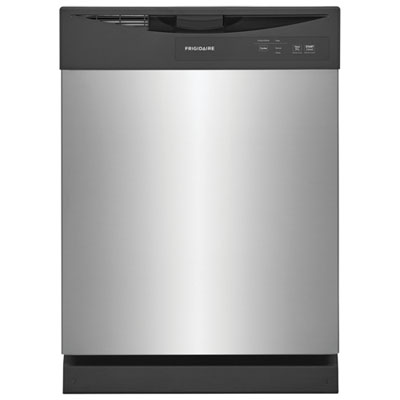
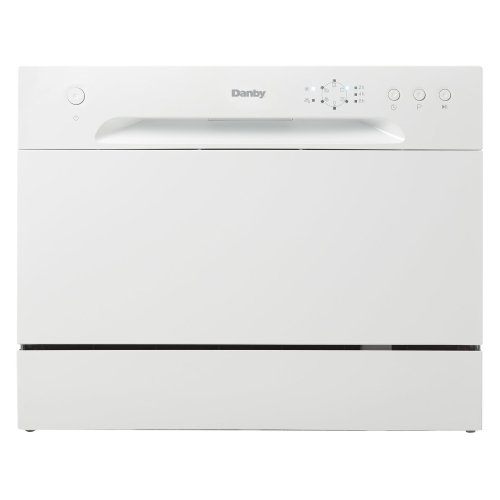
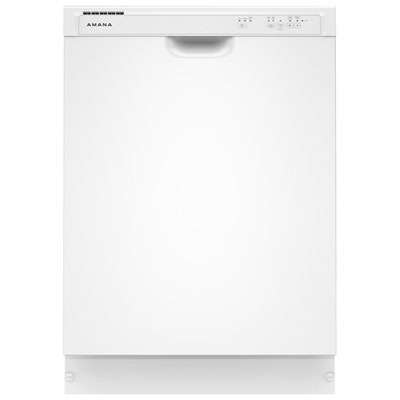
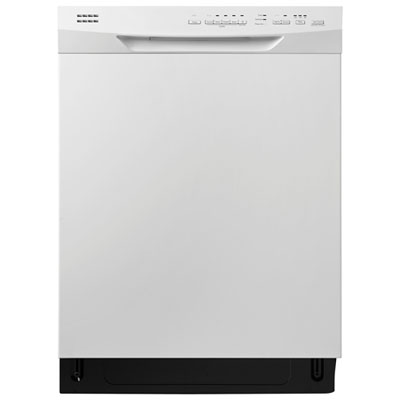
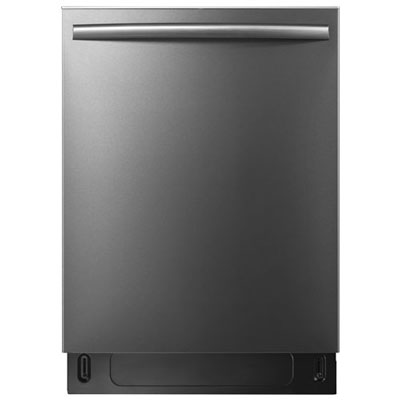
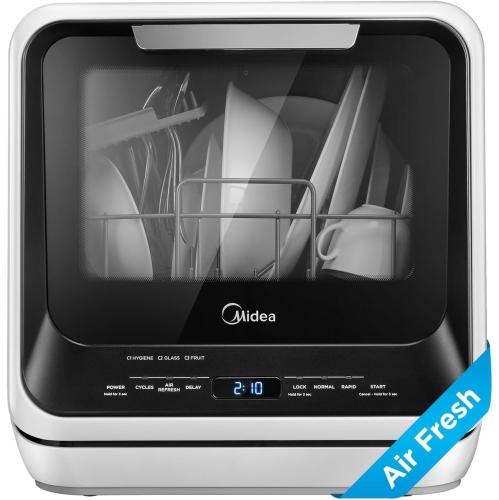
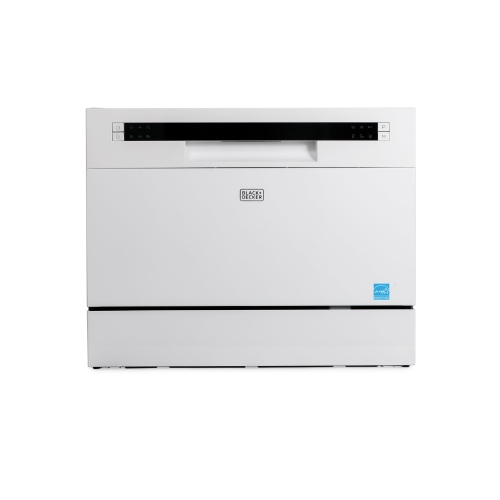
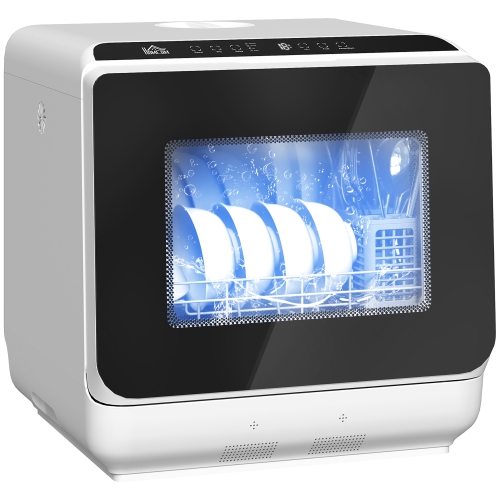
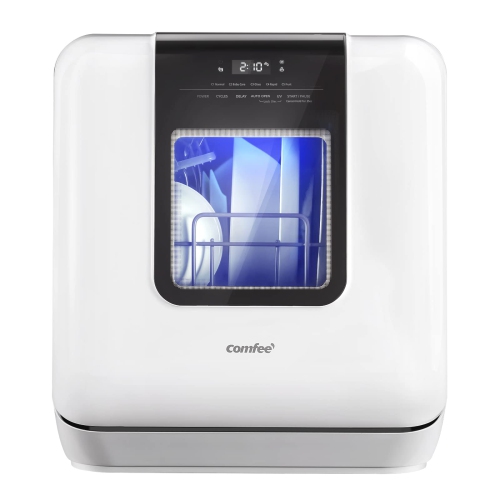
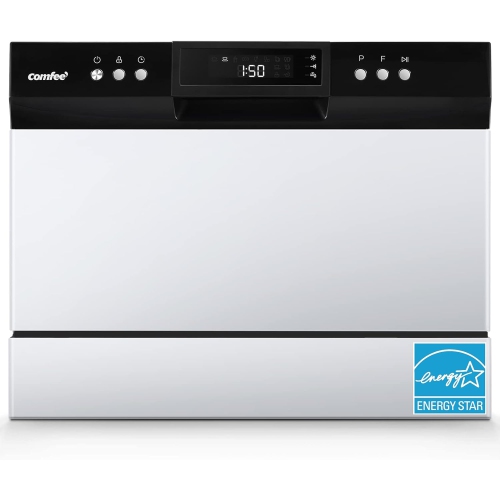
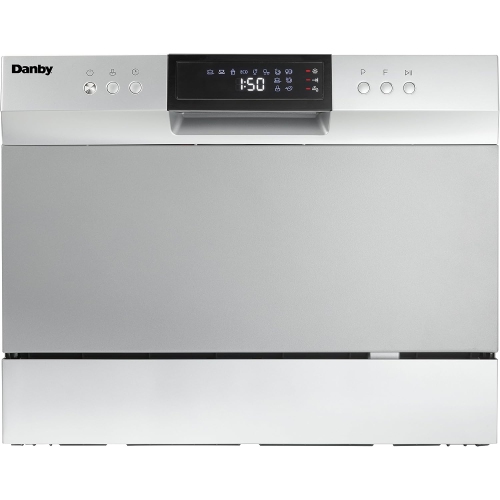
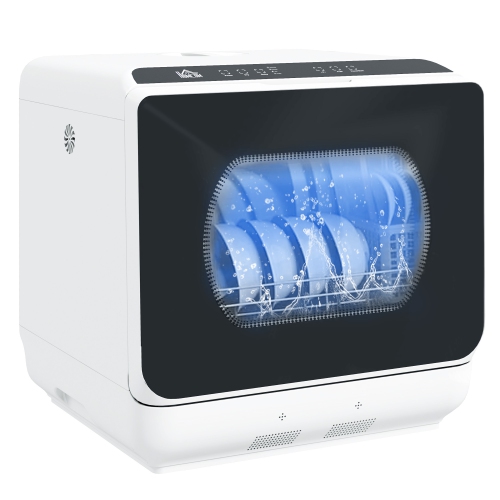

Why dishwasher sound ratings matter in open-concept homes
Quiet dishwashers help keep the kitchen part of everyday life without making the wash cycle the centre of attention. In an open-concept home, that can mean less interference with conversation at the dining table, a television in the adjoining room, or homework spread across the kitchen island. The most useful starting point for comparing sound is the dishwasher’s published dBA rating, a measure of sound adjusted to reflect human hearing. Lower numbers indicate quieter operation, although the sound heard at home also depends on installation, room layout, and the stage of the wash cycle. A dishwasher rated around 50 to 55 dBA will generally produce an audible washing sound, so it is better understood as relatively quiet rather than nearly silent. Ratings in the mid-to-high 40s generally mean less noticeable operation, while a machine above 60 dBA is likely to be more intrusive in a shared living space. These distinctions matter more than a quiet label alone, especially when the kitchen sits close to a home office or sleeping area. Water moving through the spray arms may create a steady swishing sound, while filling and draining can be more noticeable for short periods. A loose utensil, a pan touching another dish, or a spray arm striking a tall plate can add sounds that have little to do with the appliance’s rated performance. Correct levelling, secure mounting, and insulation fitted according to the installation instructions help prevent unnecessary vibration. Hard floors and bare walls can also make operating sounds seem more prominent than they would in a room with softer surfaces nearby. For households that run the dishwasher after dinner, a lower sound rating can make the transition from clearing plates to settling down more comfortable. A delay-start function, where included, adds flexibility by letting a cycle begin at a more convenient time, provided someone is home and the timing suits the household routine.
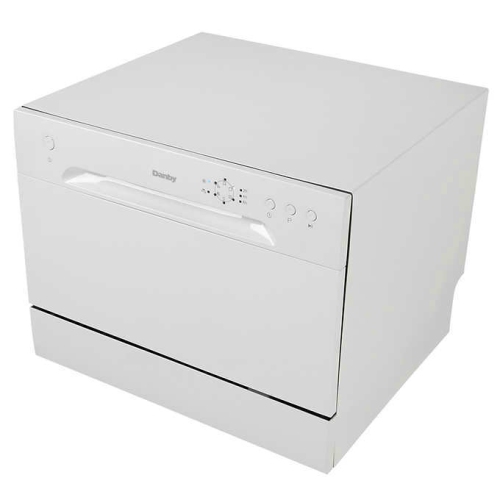
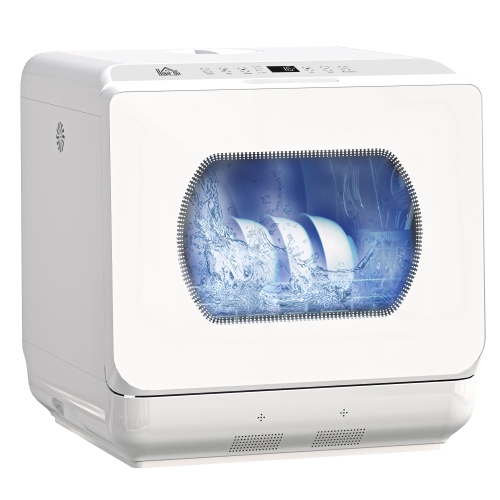
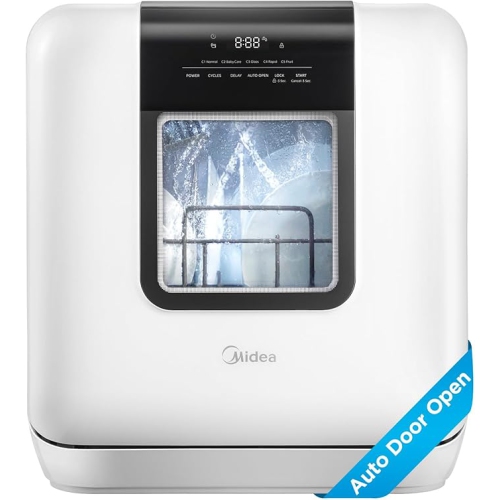
Fit and usable capacity are just as important as sound when choosing a dishwasher for daily use. Built-in dishwashers commonly fit a nominal 24-inch-wide space, but the opening’s actual width, height, and depth need to match the appliance’s installation requirements. Measuring from the finished floor to the underside of the benchtop helps account for flooring changes that may have reduced the opening height. Space for the door to lower fully, clearance around a corner cabinet, and room to stand while loading all affect how comfortable the appliance is to use. Plumbing, drainage, and electrical connections also need to suit the installation; a dishwasher is not necessarily a direct fit simply because its front looks the same size as the one it replaces. Compact, portable, and countertop formats have different capacity and connection needs, making them worth distinguishing from full-size built-in machines. Inside the tub, rack layout often tells more about everyday usefulness than a place-setting count. A household that uses wide pasta bowls, tall mugs, and reusable lunch containers may need different spacing from one that mainly washes dinner plates and drinking glasses. Adjustable upper racks, folding tines, and a cutlery basket that is easy to reach can help accommodate those patterns when included. Tub materials deserve attention too. Plastic interiors are common in basic dishwasher designs and do not rust, although staining may become visible over time. Stainless steel interiors tolerate heat well and can contribute to drying and sound control, but a stainless steel tub alone does not guarantee quieter operation. Hybrid tubs combine materials, so the stated dBA rating remains the clearer comparison for noise. Exterior finishes are a separate consideration: a stainless steel door does not necessarily mean the interior is stainless steel. Handle shape, control placement, and the visibility of cycle indicators can make a practical difference in a busy kitchen. For a broader comparison of layouts and features, Affordable Dishwashers Under $2500 offers another way to explore the category.
Good cleaning results come from a combination of suitable wash settings, sensible loading, and regular care rather than sound level alone. A normal cycle is generally intended for everyday plates, cups, and utensils, while a heavier wash may be better suited to dishwasher-safe cookware with dried-on food. Short cycles can be useful for lightly soiled loads, but they may have different drying results or loading requirements, so the appliance manual is the best reference for their intended use. Longer cycle times are not automatically a sign of poor performance; some programmes use extended soaking and washing stages to loosen food. Scraping off large scraps before loading helps keep the filter clear, while extensive pre-rinsing is often unnecessary unless the manufacturer advises otherwise. Bowls should face towards the spray, cups should sit upside down, and large pans should not block the detergent dispenser or prevent the spray arms from turning. Leaving small gaps between dishes allows water to reach their surfaces and helps reduce rattling. Drying systems vary, with heated options and residual-heat approaches producing different results on different materials. Plastic containers often retain droplets because they hold less heat than ceramic plates or glassware, and recessed bases can collect water even after the cycle finishes. Rinse aid, used as directed, helps water sheet off surfaces and can improve drying. Routine care also supports durability: removable filters need cleaning at the intervals stated in the manual, spray-arm openings should stay clear, and door seals benefit from a gentle wipe to remove trapped residue. In areas with hard water, an appropriate dishwasher cleaner may help manage mineral buildup when used according to the appliance’s care instructions. Abrasive pads and unsuitable cleaners can damage finishes, while delicate glassware, wood, cast iron, and some coated cookware may require handwashing. For couples, families, and people sharing a home, a well-matched quiet dishwasher makes the daily collection of breakfast bowls, lunch containers, and dinner dishes easier to manage. The strongest fit is a machine whose sound rating, interior layout, cleaning options, and care requirements suit the way the kitchen is actually used.
Fit and usable capacity are just as important as sound when choosing a dishwasher for daily use. Built-in dishwashers commonly fit a nominal 24-inch-wide space, but the opening’s actual width, height, and depth need to match the appliance’s installation requirements. Measuring from the finished floor to the underside of the benchtop helps account for flooring changes that may have reduced the opening height. Space for the door to lower fully, clearance around a corner cabinet, and room to stand while loading all affect how comfortable the appliance is to use. Plumbing, drainage, and electrical connections also need to suit the installation; a dishwasher is not necessarily a direct fit simply because its front looks the same size as the one it replaces. Compact, portable, and countertop formats have different capacity and connection needs, making them worth distinguishing from full-size built-in machines. Inside the tub, rack layout often tells more about everyday usefulness than a place-setting count. A household that uses wide pasta bowls, tall mugs, and reusable lunch containers may need different spacing from one that mainly washes dinner plates and drinking glasses. Adjustable upper racks, folding tines, and a cutlery basket that is easy to reach can help accommodate those patterns when included. Tub materials deserve attention too. Plastic interiors are common in basic dishwasher designs and do not rust, although staining may become visible over time. Stainless steel interiors tolerate heat well and can contribute to drying and sound control, but a stainless steel tub alone does not guarantee quieter operation. Hybrid tubs combine materials, so the stated dBA rating remains the clearer comparison for noise. Exterior finishes are a separate consideration: a stainless steel door does not necessarily mean the interior is stainless steel. Handle shape, control placement, and the visibility of cycle indicators can make a practical difference in a busy kitchen. For a broader comparison of layouts and features, Affordable Dishwashers Under $2500 offers another way to explore the category.
Good cleaning results come from a combination of suitable wash settings, sensible loading, and regular care rather than sound level alone. A normal cycle is generally intended for everyday plates, cups, and utensils, while a heavier wash may be better suited to dishwasher-safe cookware with dried-on food. Short cycles can be useful for lightly soiled loads, but they may have different drying results or loading requirements, so the appliance manual is the best reference for their intended use. Longer cycle times are not automatically a sign of poor performance; some programmes use extended soaking and washing stages to loosen food. Scraping off large scraps before loading helps keep the filter clear, while extensive pre-rinsing is often unnecessary unless the manufacturer advises otherwise. Bowls should face towards the spray, cups should sit upside down, and large pans should not block the detergent dispenser or prevent the spray arms from turning. Leaving small gaps between dishes allows water to reach their surfaces and helps reduce rattling. Drying systems vary, with heated options and residual-heat approaches producing different results on different materials. Plastic containers often retain droplets because they hold less heat than ceramic plates or glassware, and recessed bases can collect water even after the cycle finishes. Rinse aid, used as directed, helps water sheet off surfaces and can improve drying. Routine care also supports durability: removable filters need cleaning at the intervals stated in the manual, spray-arm openings should stay clear, and door seals benefit from a gentle wipe to remove trapped residue. In areas with hard water, an appropriate dishwasher cleaner may help manage mineral buildup when used according to the appliance’s care instructions. Abrasive pads and unsuitable cleaners can damage finishes, while delicate glassware, wood, cast iron, and some coated cookware may require handwashing. For couples, families, and people sharing a home, a well-matched quiet dishwasher makes the daily collection of breakfast bowls, lunch containers, and dinner dishes easier to manage. The strongest fit is a machine whose sound rating, interior layout, cleaning options, and care requirements suit the way the kitchen is actually used.
Top selling and popular products
-
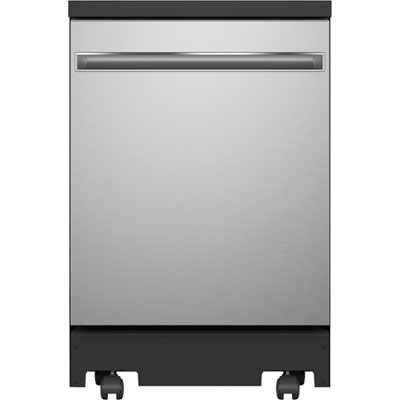 Your price for this item is $899.99
 -
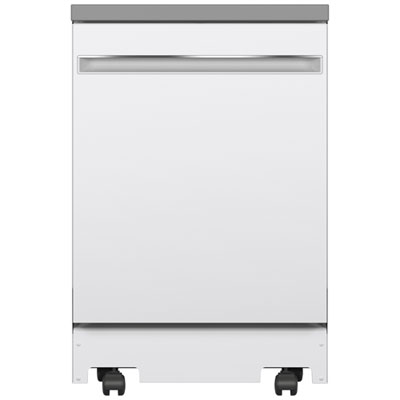 Your price for this item is $849.99
 -
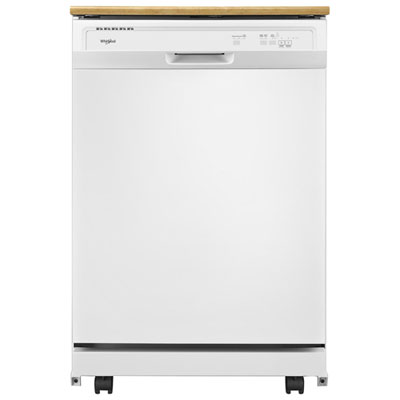 Your price for this item is $1099.99
 -
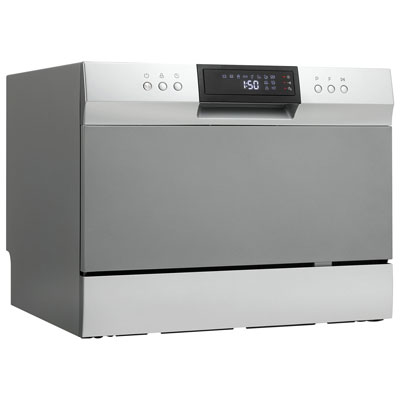 Your price for this item is $369.99
 -
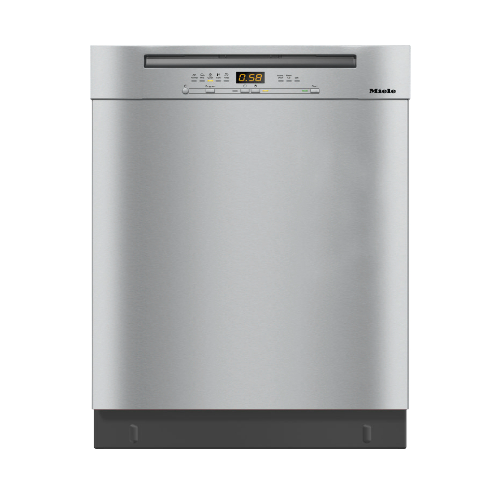 Your price for this item is $2384.1
 -
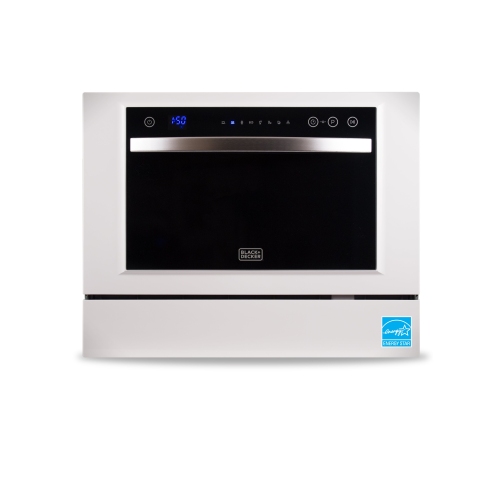 Your price for this item is $431.99
 -
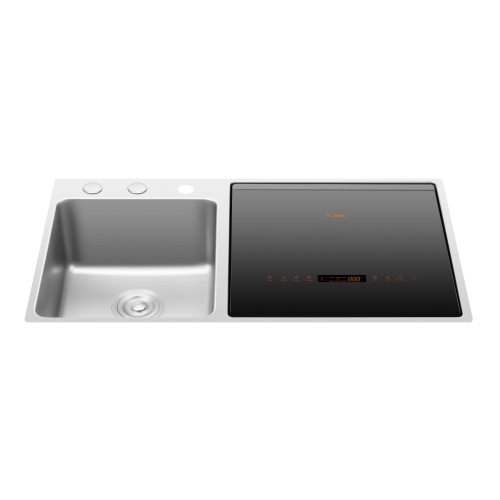 Your price for this item is $2099
 -
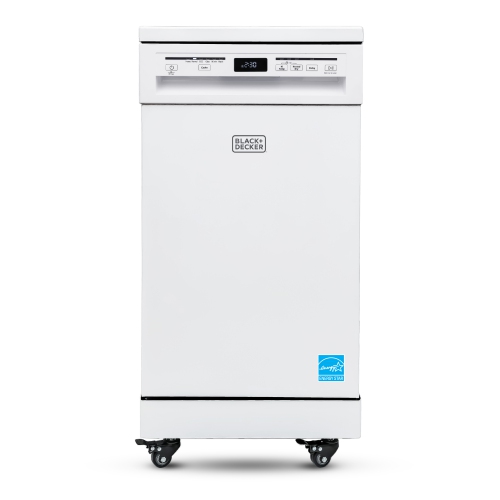 Your price for this item is $676.19
Discover more categories related to Quiet Dishwashers Under $500

Top Collections:
Pokemon Centers, Kindle Devices, Best Budget Office Chairs, Apple iPhones 16, Best Laptops for Writers, iPhone 15 Apple, Canon G7X Cameras, Refurbished Apple Laptops, Alarm Clock, Motorola Razr Phones
Some products may be subject to Environmental Handling Fees
(EHF) depending on your province.
Learn more about EHFs.