Range Hoods for Small Kitchens
Range Hoods For Small Kitchens are designed to help you make the most of limited space while keeping your cooking area fresh and comfortable. Whether you’re outfitting a cozy apartment or updating a compact kitchen, these range hoods offer practical solutions that fit seamlessly into smaller layouts. Discover options that blend functionality with style, making it easy to enhance your kitchen environment without sacrificing valuable space. Find the right range hood to suit your needs and enjoy a cleaner, more enjoyable cooking experience in any small kitchen.
Sort
Why range hood fit goes beyond width
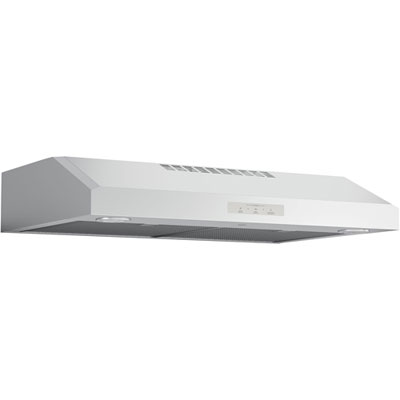
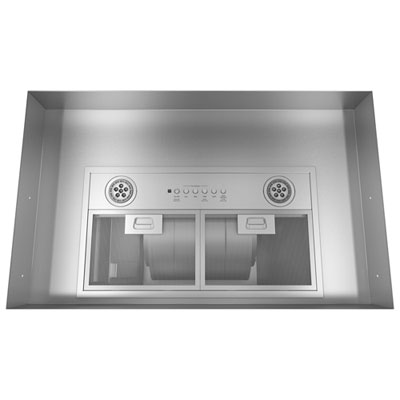
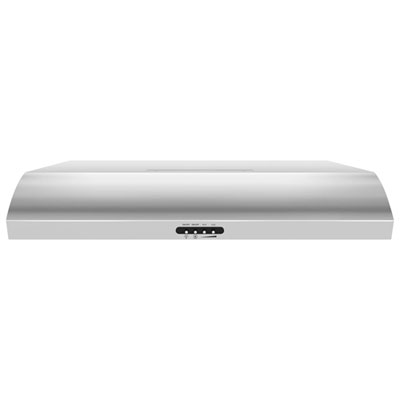
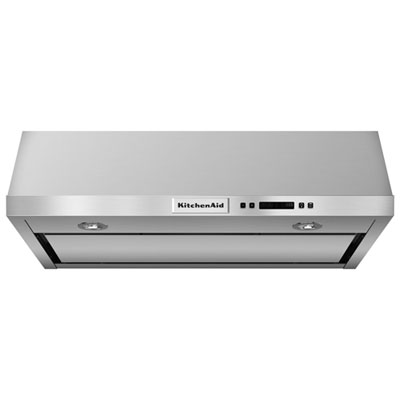
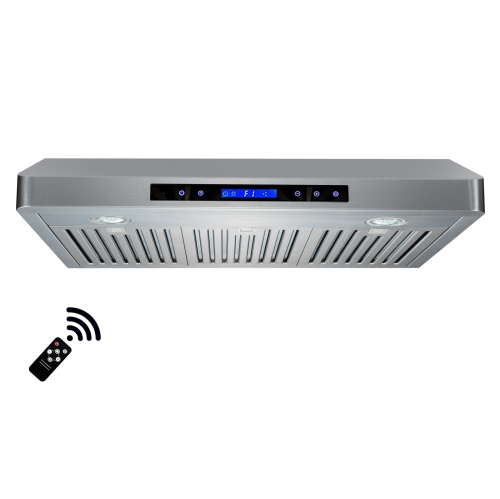
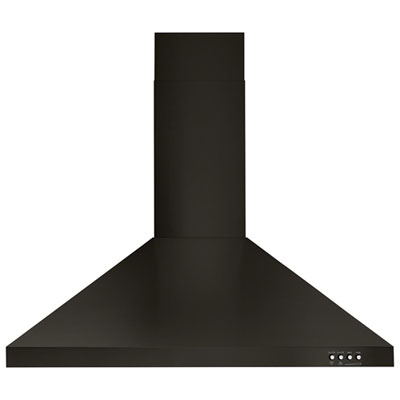
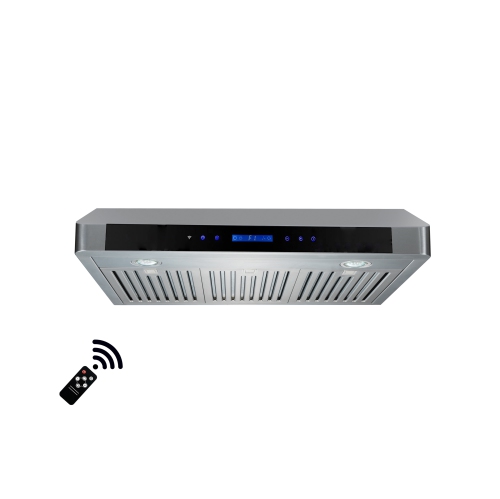
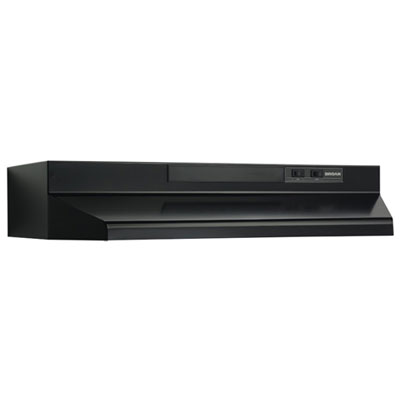
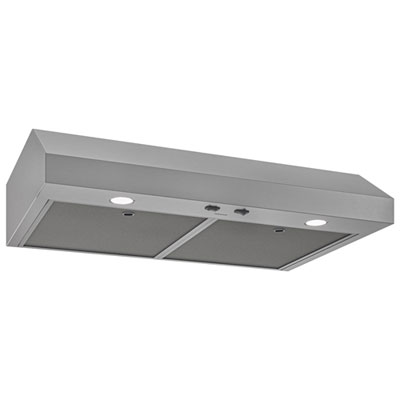
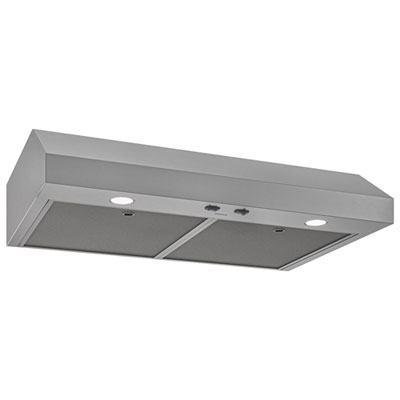
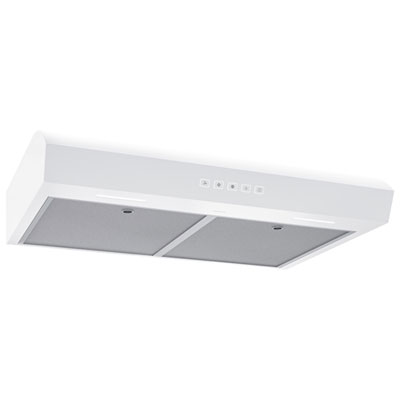
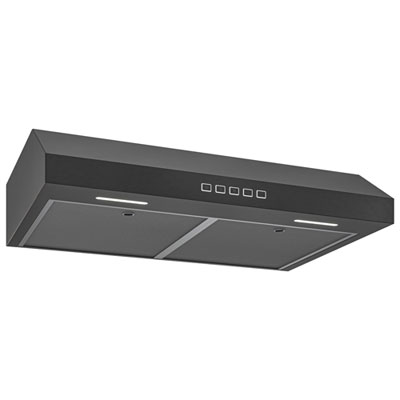
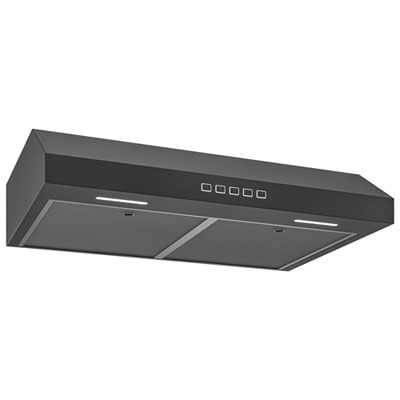
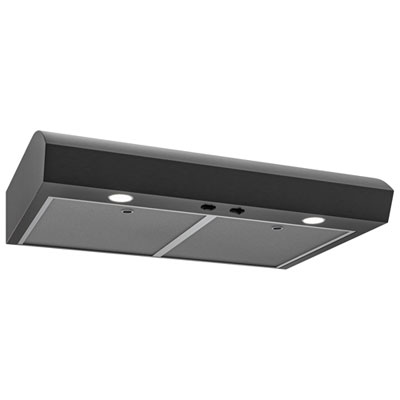
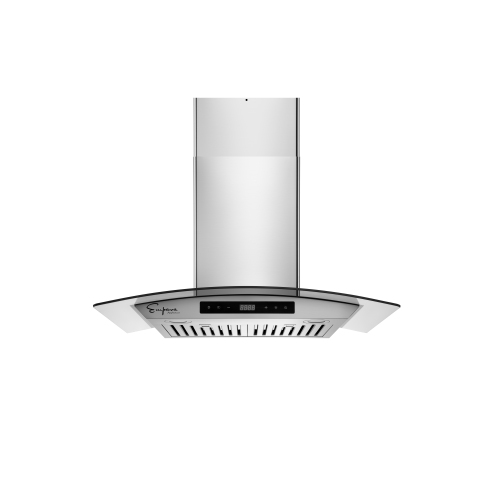
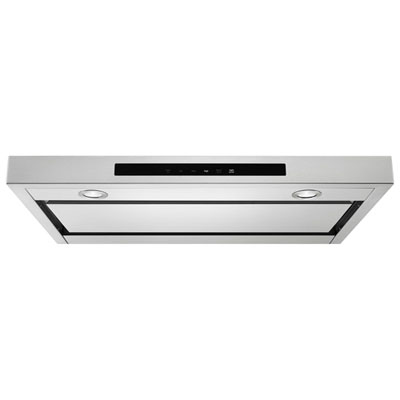
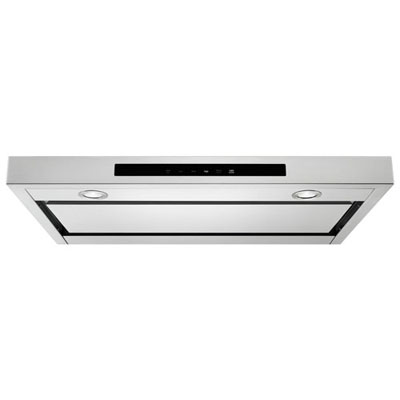
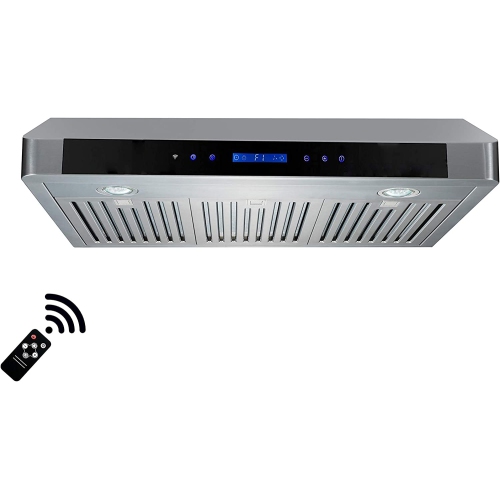
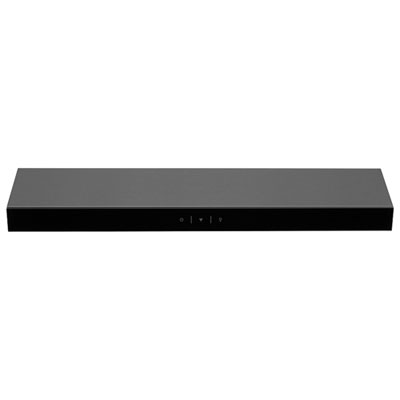
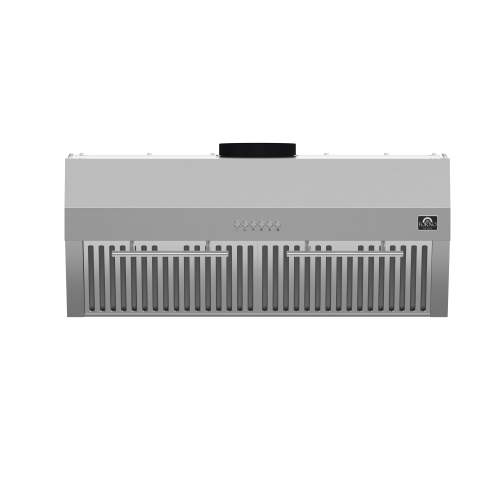
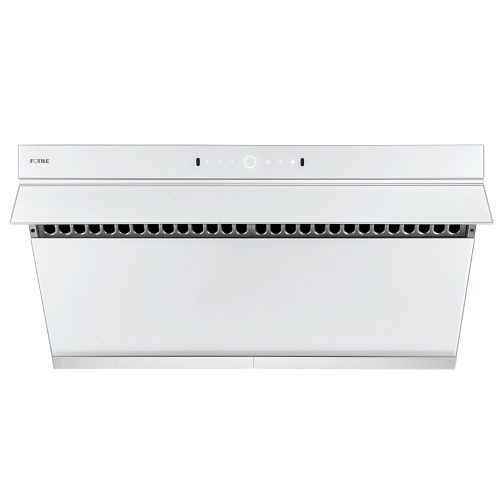
Range hoods for small kitchens combine a space-conscious shape with ventilation suited to the cooking surface below. A good fit starts with a hood that is at least as wide as the cooktop, subject to the appliance manufacturer’s requirements, and a profile that works with the surrounding cabinets. Width alone does not tell the whole story: hood depth, mounting height, and coverage over the front burners also affect how well cooking vapours are captured. In a narrow galley kitchen, a slim under-cabinet range hood can keep the area above the stove from feeling crowded while leaving room for storage overhead. A range hood insert fits inside a compatible cabinet or custom enclosure, giving the ventilation system a quieter visual presence. Some telescopic designs extend during cooking and slide back afterwards, although their cabinet and installation requirements still need to be checked carefully. Wall-mounted chimney hoods offer another option where there is no cabinet above the range, but the chimney dimensions must suit the wall space and ceiling height. Compact kitchens are not always low-ceilinged; lofts and narrow rooms with tall walls may also benefit from browsing Range Hoods for High Ceilings for designs with suitable chimney configurations. The most practical shape depends on the whole cooking area, including nearby cupboard doors, shelving, backsplash materials, and access to controls. A shallow-looking hood should still provide the coverage required for the range beneath it rather than simply fitting into the smallest possible opening. For condo owners, apartment renovators, and households working with a compact main-floor kitchen, these proportions can make an everyday difference. A well-fitted hood leaves the cooking area easier to use without becoming an obstacle when reaching for a pan or opening a neighbouring cupboard. Exact cutout measurements and the specified clearance above a gas or electric cooking surface matter more than whether a design is described as compact, slim, or low-profile.
The choice between ducted and ductless range hoods is especially important in a small kitchen because the existing building layout can determine what is practical. A ducted hood carries captured cooking air outdoors through an approved duct route, helping remove grease particles, odours, moisture, and other cooking emissions from the room. A ductless hood passes air through grease and odour filters before returning it to the kitchen; it does not vent moisture or combustion gases outdoors. That distinction matters when a pot of pasta is simmering beside a frying pan, particularly in a kitchen that opens directly onto a living or dining area. Convertible range hoods can support either arrangement when installed with the appropriate components, but a recirculation kit or odour filters may be required separately. In a condo or rental property, building rules and permission for alterations can also affect the ventilation setup. Airflow is commonly expressed in cubic feet per minute, or CFM, but a higher number is not automatically the best match for a smaller room. Cooking habits, cooktop output, hood coverage, duct size, and the length and bends of the duct run all influence the ventilation needed. Frequent searing, stir-frying, or cooking across several burners creates different demands from reheating soup or preparing a simple breakfast. Higher-capacity exhaust systems may also trigger make-up air requirements under applicable local codes, so installation planning should account for the home as well as the appliance. Sound ratings are worth considering when the stove sits only a few steps from a desk, sofa, or dining table. Compare ratings at similar fan speeds where possible, since a quiet low setting and a powerful maximum setting describe different uses. Multiple fan speeds allow ventilation to suit the task, while accessible controls make adjustments straightforward with a pan on the stove. Integrated lighting is another useful feature in tight layouts, especially where upper cabinets cast shadows across the rear burners. Even illumination helps keep pan contents and cooktop controls clearly visible.
Materials, finish, and filter access influence how a small-kitchen range hood looks and holds up to regular use. Stainless steel is a common choice for its durability and compatibility with many kitchen appliances, although fingerprints and cooking splashes can remain visible on some finishes. Painted metal can blend into light or dark cabinetry, while glass details introduce a different look but add surfaces that need wiping. The finish should suit the level of care the household is comfortable providing, not just the colour of the surrounding appliances. In a compact room, where the hood is seen from the dining table or entrance, a simple shape with fewer exposed ledges can make routine cleaning less fiddly. Grease filters need regular attention because buildup can restrict airflow and increase fire risk. Many metal mesh or baffle filters are removable, but dishwasher suitability and cleaning methods vary, so the manufacturer’s care instructions should determine how they are washed. Ductless odour filters often require replacement rather than washing, with the interval depending on their design and how frequently the kitchen is used. Easy filter removal is particularly valuable when the hood is mounted beneath a deep cupboard or in a tight corner. Exterior surfaces generally benefit from a soft cloth and an approved cleaner; abrasive pads can scratch metal, glass, or coated finishes. Long-term practicality also includes access to replacement filters and light components, secure mounting, and enough clearance to service the appliance without dismantling nearby cabinetry. For households preparing meals every day, a range hood earns its place through small conveniences: a control that is easy to reach, light that falls where food is cooking, and filters that can be removed without an awkward struggle. Starting the fan before cooking and allowing it to run afterwards, as directed by the manufacturer, can support effective capture of lingering cooking vapours. Whether the kitchen serves one person or a busy household, the strongest fit balances cooktop coverage, compatible ventilation, manageable sound, and straightforward care within the space the room actually provides.
The choice between ducted and ductless range hoods is especially important in a small kitchen because the existing building layout can determine what is practical. A ducted hood carries captured cooking air outdoors through an approved duct route, helping remove grease particles, odours, moisture, and other cooking emissions from the room. A ductless hood passes air through grease and odour filters before returning it to the kitchen; it does not vent moisture or combustion gases outdoors. That distinction matters when a pot of pasta is simmering beside a frying pan, particularly in a kitchen that opens directly onto a living or dining area. Convertible range hoods can support either arrangement when installed with the appropriate components, but a recirculation kit or odour filters may be required separately. In a condo or rental property, building rules and permission for alterations can also affect the ventilation setup. Airflow is commonly expressed in cubic feet per minute, or CFM, but a higher number is not automatically the best match for a smaller room. Cooking habits, cooktop output, hood coverage, duct size, and the length and bends of the duct run all influence the ventilation needed. Frequent searing, stir-frying, or cooking across several burners creates different demands from reheating soup or preparing a simple breakfast. Higher-capacity exhaust systems may also trigger make-up air requirements under applicable local codes, so installation planning should account for the home as well as the appliance. Sound ratings are worth considering when the stove sits only a few steps from a desk, sofa, or dining table. Compare ratings at similar fan speeds where possible, since a quiet low setting and a powerful maximum setting describe different uses. Multiple fan speeds allow ventilation to suit the task, while accessible controls make adjustments straightforward with a pan on the stove. Integrated lighting is another useful feature in tight layouts, especially where upper cabinets cast shadows across the rear burners. Even illumination helps keep pan contents and cooktop controls clearly visible.
Materials, finish, and filter access influence how a small-kitchen range hood looks and holds up to regular use. Stainless steel is a common choice for its durability and compatibility with many kitchen appliances, although fingerprints and cooking splashes can remain visible on some finishes. Painted metal can blend into light or dark cabinetry, while glass details introduce a different look but add surfaces that need wiping. The finish should suit the level of care the household is comfortable providing, not just the colour of the surrounding appliances. In a compact room, where the hood is seen from the dining table or entrance, a simple shape with fewer exposed ledges can make routine cleaning less fiddly. Grease filters need regular attention because buildup can restrict airflow and increase fire risk. Many metal mesh or baffle filters are removable, but dishwasher suitability and cleaning methods vary, so the manufacturer’s care instructions should determine how they are washed. Ductless odour filters often require replacement rather than washing, with the interval depending on their design and how frequently the kitchen is used. Easy filter removal is particularly valuable when the hood is mounted beneath a deep cupboard or in a tight corner. Exterior surfaces generally benefit from a soft cloth and an approved cleaner; abrasive pads can scratch metal, glass, or coated finishes. Long-term practicality also includes access to replacement filters and light components, secure mounting, and enough clearance to service the appliance without dismantling nearby cabinetry. For households preparing meals every day, a range hood earns its place through small conveniences: a control that is easy to reach, light that falls where food is cooking, and filters that can be removed without an awkward struggle. Starting the fan before cooking and allowing it to run afterwards, as directed by the manufacturer, can support effective capture of lingering cooking vapours. Whether the kitchen serves one person or a busy household, the strongest fit balances cooktop coverage, compatible ventilation, manageable sound, and straightforward care within the space the room actually provides.
Top selling and popular products
-
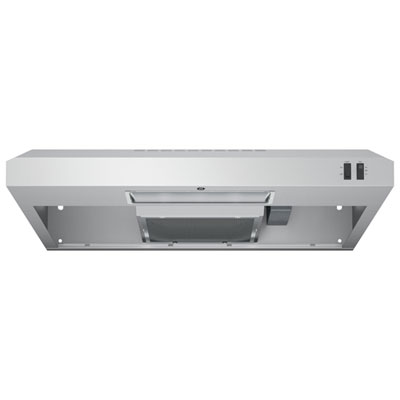 Your price for this item is $249.99
 -
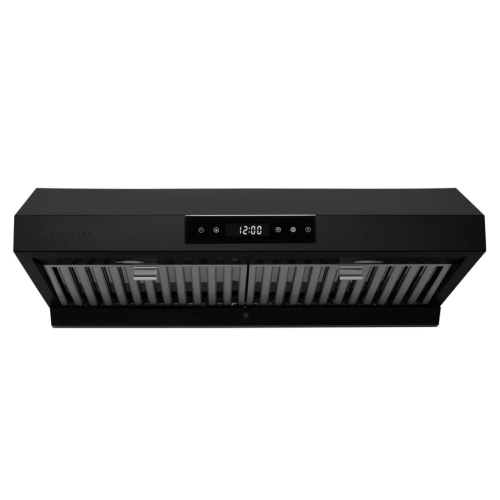 Your price for this item is $598.49
 -
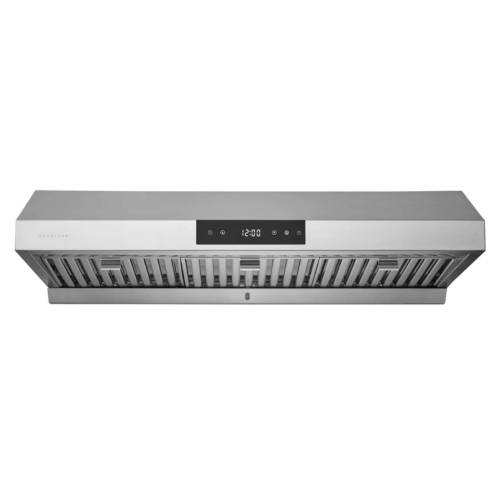 Your price for this item is $645.99
 -
 Your price for this item is $645.99
 -
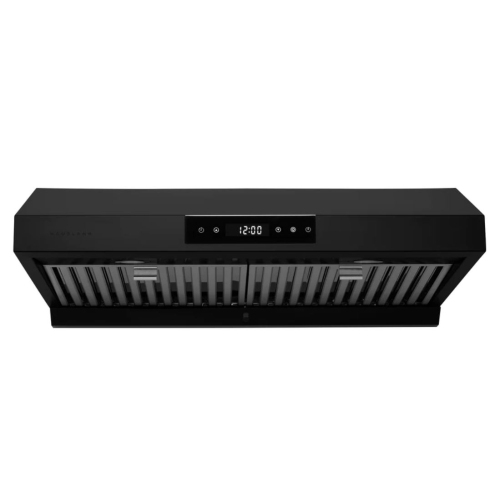 Your price for this item is $645.99
 -
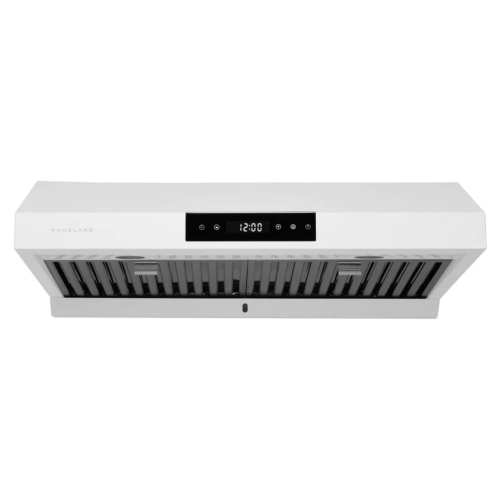 Your price for this item is $598.49
 -
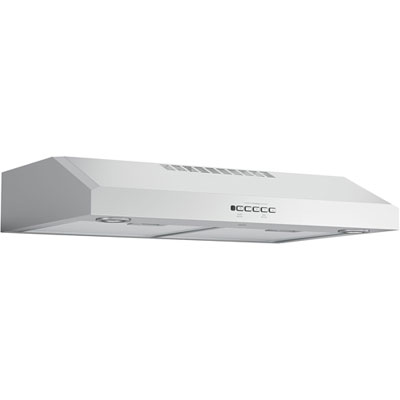 Your price for this item is $449.99
 -
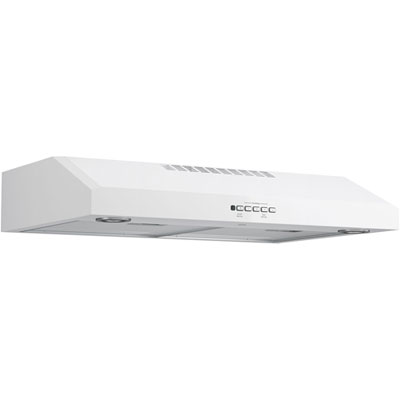 Your price for this item is $399.99
Discover more categories related to Range Hoods for Small Kitchens
Top Collections:
Pokemon Centers, Kindle Devices, Best Budget Office Chairs, Apple iPhones 16, Best Laptops for Writers, iPhone 15 Apple, Canon G7X Cameras, Refurbished Apple Laptops, Alarm Clock, Motorola Razr Phones
Some products may be subject to Environmental Handling Fees
(EHF) depending on your province.
Learn more about EHFs.