Smart Kitchen Range Hoods
Smart Kitchen Range Hoods bring modern convenience and style to your cooking space, making it easier to enjoy a comfortable and efficient kitchen environment. Designed to complement a variety of home décors and cooking needs, these innovative appliances help create the ideal setting for meal preparation. Explore a selection of Smart Kitchen Range Hoods that combine advanced technology with sleek design, offering practical solutions for any culinary enthusiast looking to upgrade their kitchen.
Sort
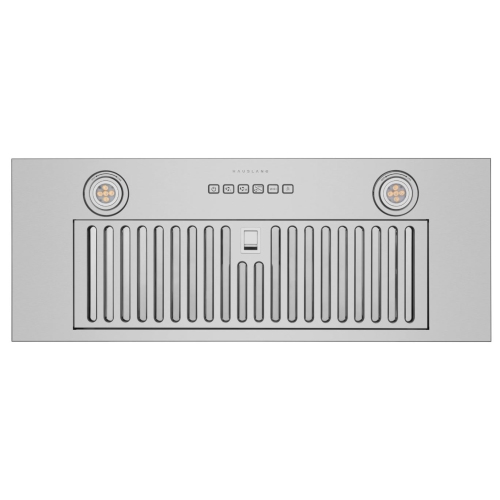
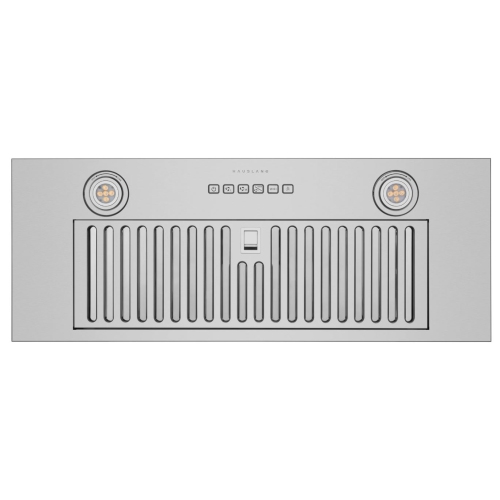
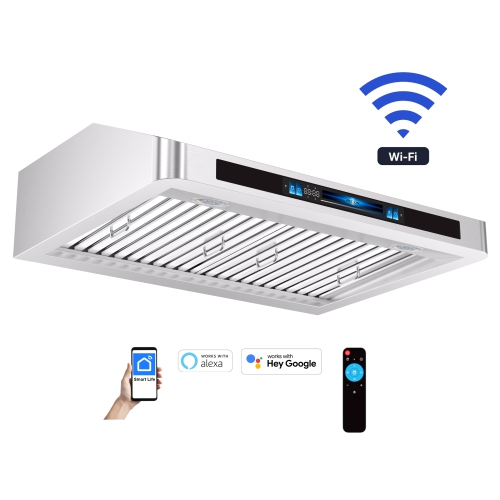
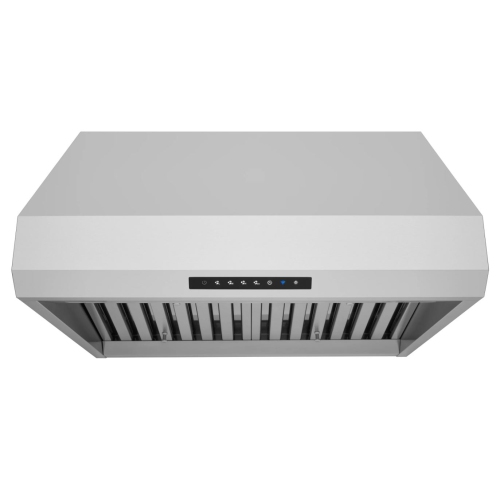
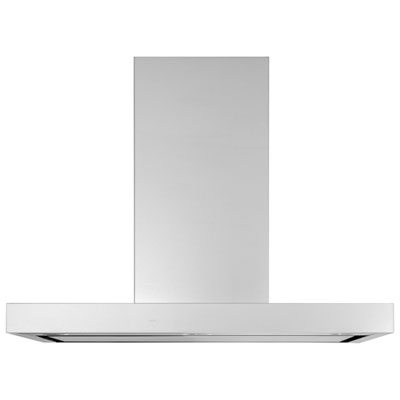
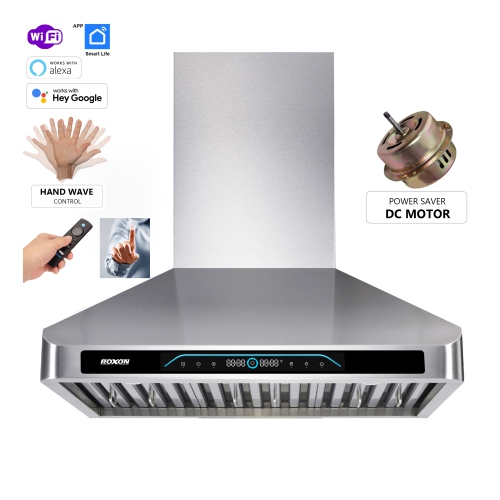
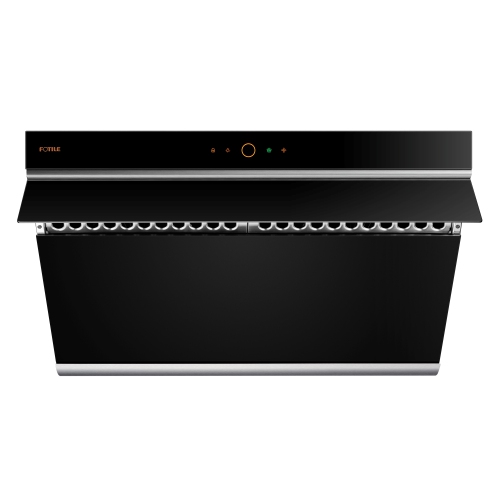
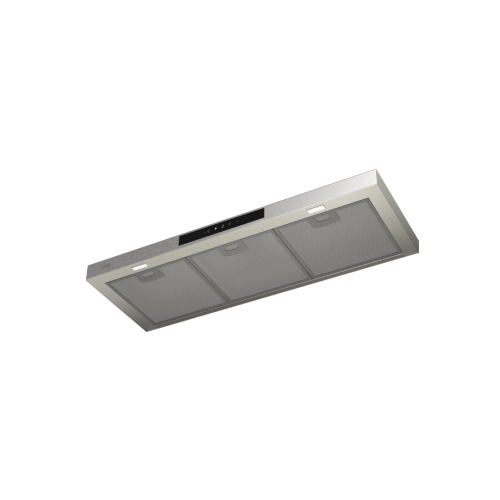
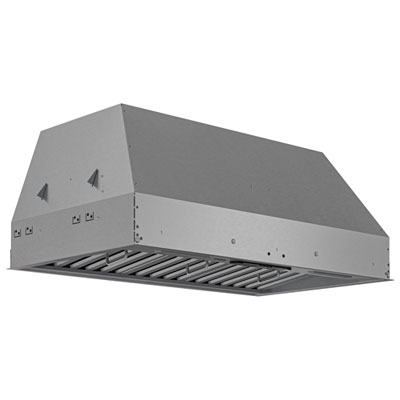
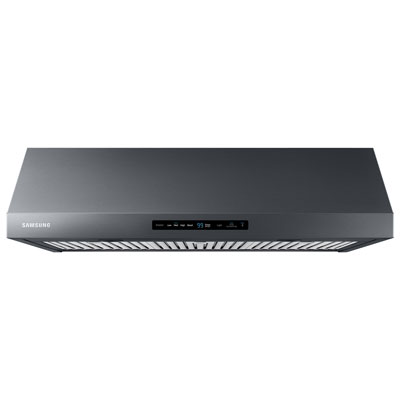
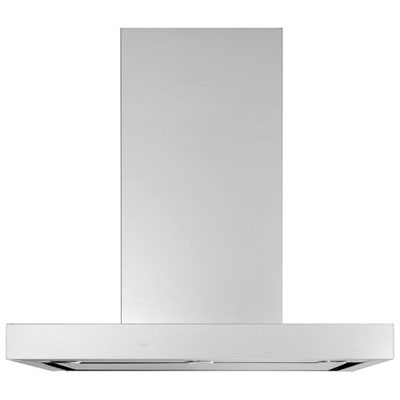
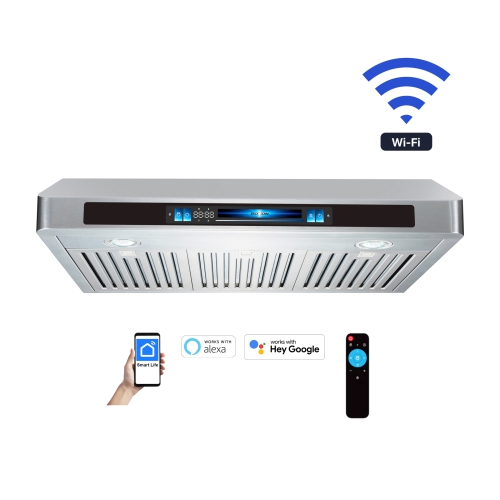
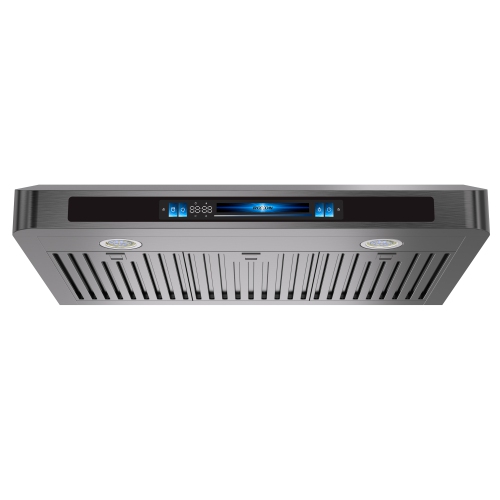
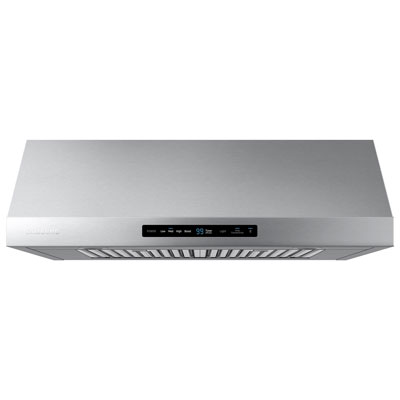
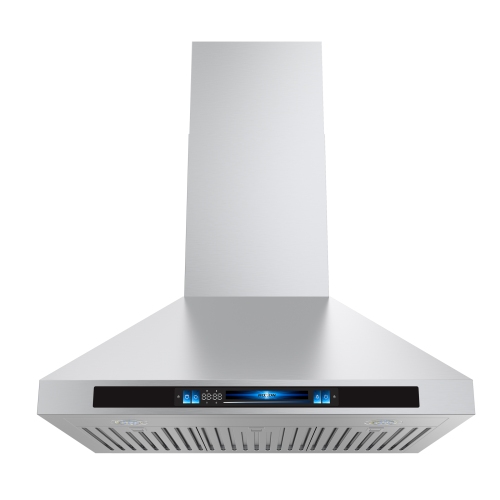

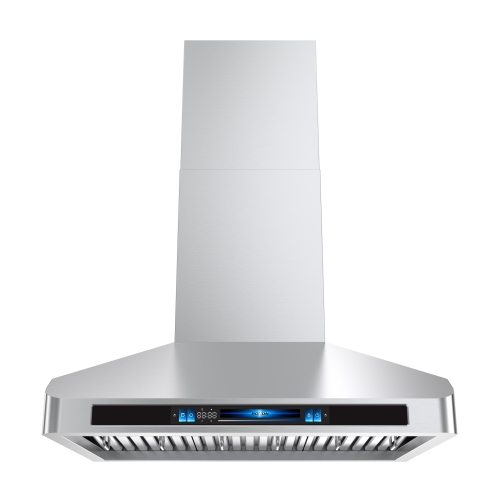
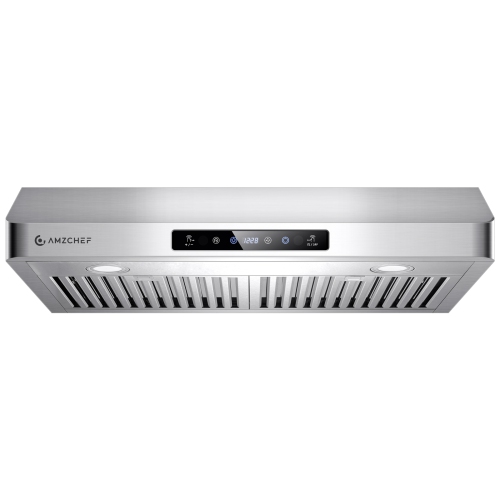
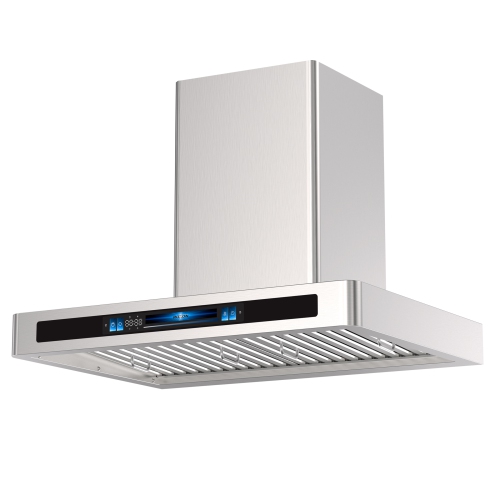
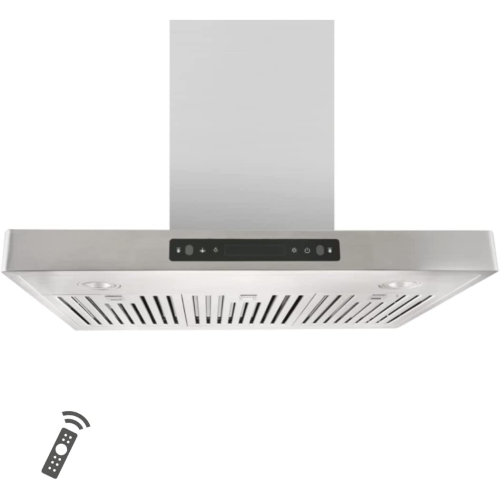
Responsive ventilation with fewer interruptions while you cook
Smart kitchen range hoods combine cooking ventilation with connected controls or automated features that make everyday kitchen tasks easier to manage. Depending on the model, these features can include Wi-Fi connectivity, app-based fan and light controls, compatible voice assistant support, gesture sensing, or sensors that adjust extraction in response to heat or cooking conditions. Not every hood includes every function: touchless operation does not necessarily mean a hood connects to a home network, and automatic fan control may rely on either built-in sensors or a connection to a compatible cooktop. The practical benefit is less interruption while cooking. When a pan starts sizzling and both hands are busy, a supported voice command or hand gesture can change the fan setting without touching the control panel. Adjustable task lighting helps illuminate the cooking surface, while a delayed shut-off function can keep the fan running for a set period after cooking finishes. For households that regularly sauté, stir-fry, or prepare several dishes at once, responsive controls can make ventilation easier to use throughout meal preparation rather than only after odours spread. In an open-concept kitchen, convenient speed adjustments also help balance extraction with conversation at a nearby dining table. Connected features are most useful when they fit the way the kitchen is actually used. App compatibility, home network requirements, supported voice controls, and any cooktop-pairing requirements deserve attention before choosing a hood. A connected cooktop and hood may need to belong to the same compatible appliance system for synchronized operation to work. Accessible controls on the hood remain important for visitors and household members who prefer a simple button press. Smart functions add convenience, but they do not replace supervision while cooking or compensate for a hood that is poorly sized or incorrectly installed. The strongest starting point is a hood that suits the cooking surface and ventilation layout, with connected features that make its everyday operation more straightforward.
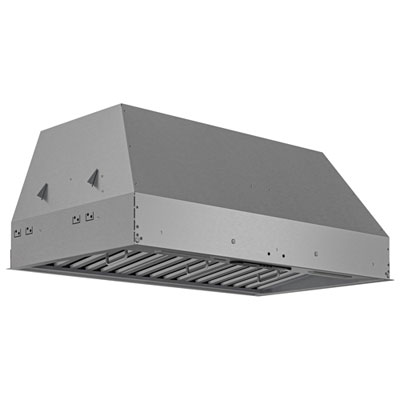
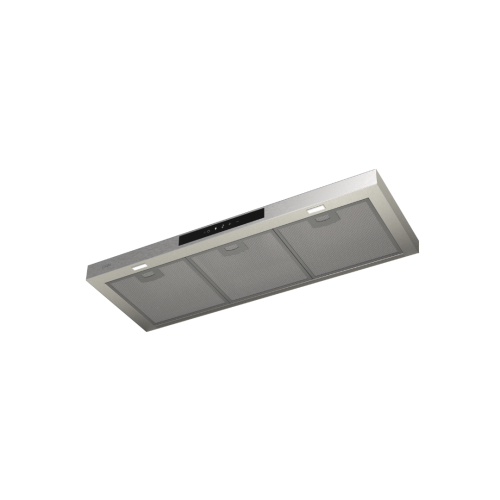
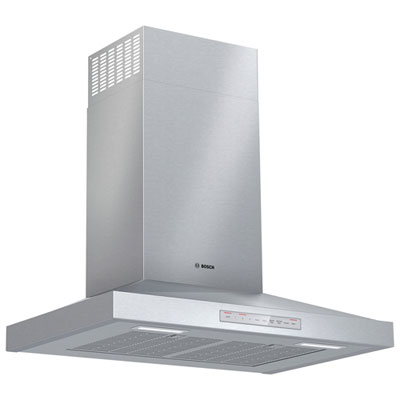
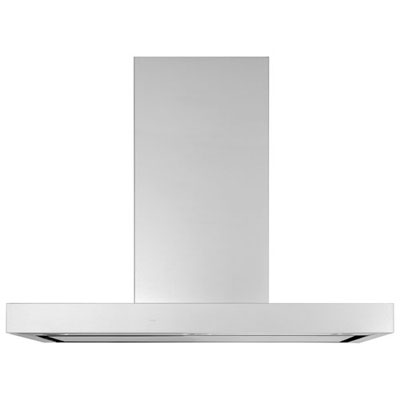
Fit and installation have as much influence on a smart range hood’s usefulness as its control options. Under-cabinet designs sit beneath cabinetry, wall-mounted chimney hoods create a visible focal point, and island hoods serve cooking surfaces positioned away from a wall. Built-in inserts offer another approach, placing the ventilation components inside a suitable custom enclosure. The hood’s width, capture area, mounting height, and required clearances should suit both the cooking appliance and the surrounding cabinetry; matching width alone does not establish a safe or effective fit. Manufacturer instructions for both appliances determine the appropriate installation details, particularly above gas cooking surfaces. Ducted hoods discharge captured cooking air outdoors through a suitable duct route, while ductless configurations filter and return air to the room. Recirculating operation typically uses grease filters and additional odour-filtering media, but it does not carry cooking moisture or combustion gases outside. A convertible hood still needs the correct configuration and any required components for the chosen setup. Where outdoor venting is possible, duct diameter, bends, route length, and the exterior termination all affect performance. Extraction capacity is commonly expressed in cubic feet per minute, or CFM, but a higher rating is not automatically the best match for every kitchen. Cooking habits, appliance requirements, capture coverage, and installation conditions all matter. Sound ratings are worth comparing alongside airflow, especially where the kitchen shares space with a television or dining area; compare ratings at equivalent operating speeds whenever those details are provided. Higher-capacity installations may also require make-up air provisions under applicable local rules, making qualified installation advice valuable. Appearance can then bring the practical decisions together. Stainless steel, glass accents, concealed inserts, and clean-lined chimney forms each create a different relationship with cabinets, backsplashes, and surrounding appliances. For a kitchen where the hood will be a prominent design feature, Luxury Kitchen Range Hoods offers a related category to explore alongside the connected functions and installation requirements that matter to the space.
Materials, filter access, and routine care help determine how well a smart kitchen range hood holds up to daily use. Stainless steel is a common choice for its durability and compatibility with many kitchen finishes, although fingerprints and cooking splashes can remain visible. Painted surfaces and glass panels bring different looks, with cleaning methods that should follow the manufacturer’s directions to protect their finish. A soft cloth and an approved cleaner are generally more appropriate than abrasive pads, and liquids should not be sprayed directly into controls, lights, or sensor openings. Grease filters need regular attention because accumulated residue can restrict airflow and create a fire hazard. Depending on their construction, metal mesh or baffle filters may be washable by hand or suitable for a dishwasher, but that distinction should be confirmed rather than assumed. Charcoal or other odour filters used for recirculating operation often require replacement rather than washing, unless specifically designed otherwise. Easy-to-release filters can make upkeep less awkward, particularly above a deep cooking surface. Some connected hoods provide maintenance reminders, though actual cleaning needs still depend on how often the kitchen is used and the kinds of meals prepared. A household that fries frequently may need to clean filters more often than one that mainly simmers covered pots. Lighting deserves similar practical attention: even coverage across front and rear burners is useful, while dimming or adjustable light colour can help the hood sit comfortably within the kitchen’s broader lighting plan when those functions are included. For frequent cooks, busy families, and people updating a kitchen for easier everyday use, the most useful combination is dependable extraction, manageable sound, accessible maintenance, and controls that feel natural. A well-matched smart range hood supports everything from a quick breakfast to a cooktop crowded with dinner preparations, without making a phone or voice command the only convenient way to operate it. That balance keeps the focus on cooking while making ventilation a more consistent part of the routine.
Top selling and popular products
-
 Your price for this item is $566.99
-
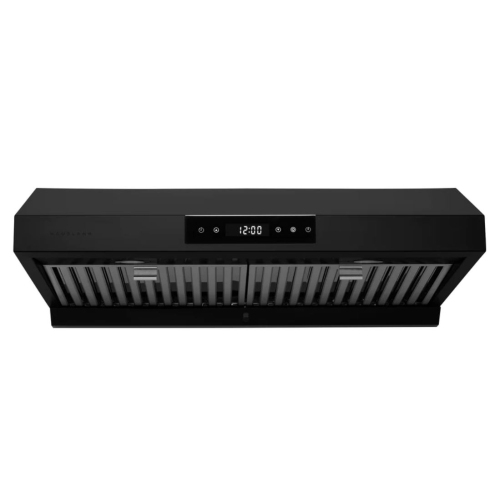 Your price for this item is $611.99
-
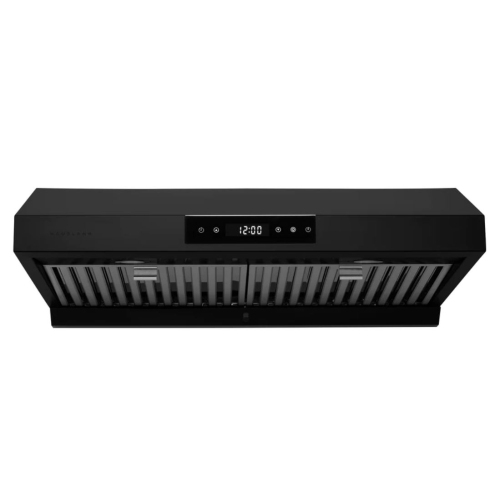 Your price for this item is $566.99
-
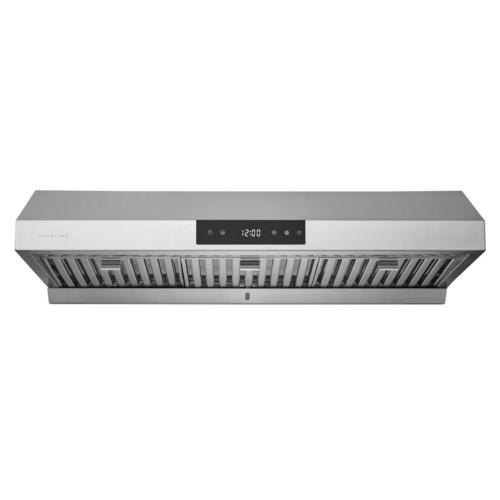 Your price for this item is $611.99
-
 Your price for this item is $611.99
-
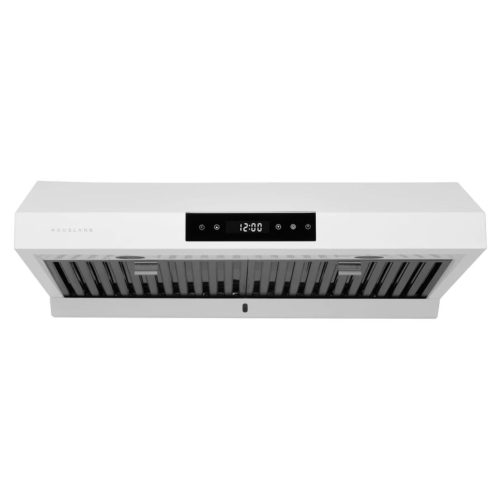 Your price for this item is $566.99
-
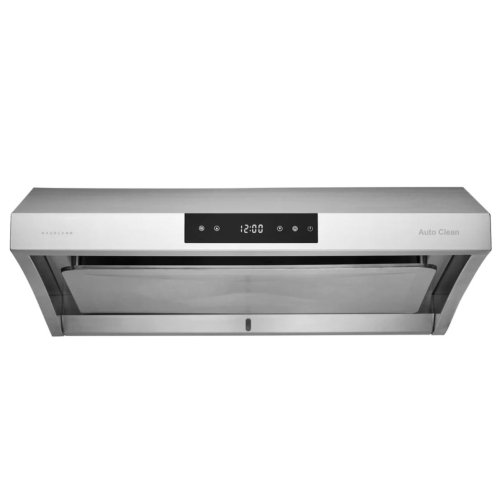 Your price for this item is $701.99
-
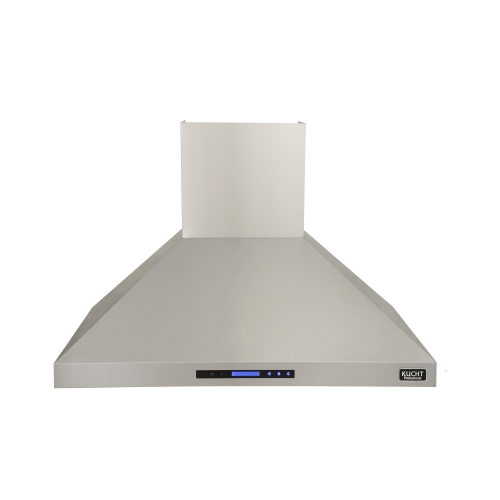 Your price for this item is $2455
Discover more categories related to Smart Kitchen Range Hoods
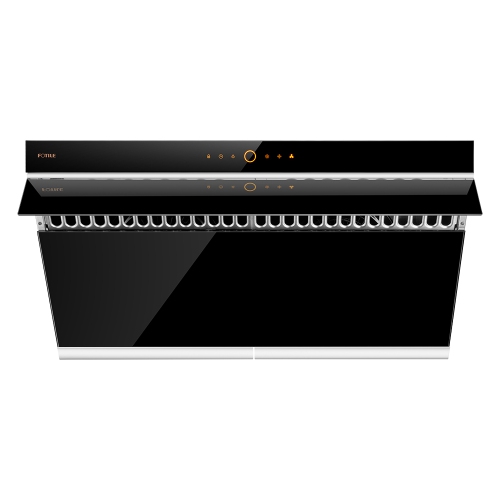
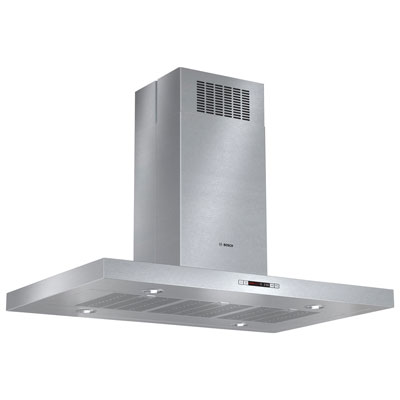
Top Collections:
Best Black Friday Deals This Year, Best Black Friday Deals On Electronics, Kindle Devices, Pokemon Centers, Best Black Friday Deals On Apple Products, Best Cameras for Sports Photography, Dyson Airwrap, Pokémon 30th Celebration Cards, Apple iPhone 17 Pro, Canon G7X Cameras
Some products may be subject to Environmental Handling Fees
(EHF) depending on your province.
Learn more about EHFs.