Rechargeable Fans
Stay cool and comfortable with a rechargeable fan, the perfect solution for beating the heat wherever you go. Designed to offer convenience and portability, these fans are ideal for any setting, whether you're at home, in the office, or enjoying the great outdoors. With no need for constant power outlets, a rechargeable fan provides flexibility and ease of use, ensuring you can enjoy refreshing breezes anytime, anywhere. Explore our selection to find the perfect match for your cooling needs and experience the freedom of wireless comfort.
Sort






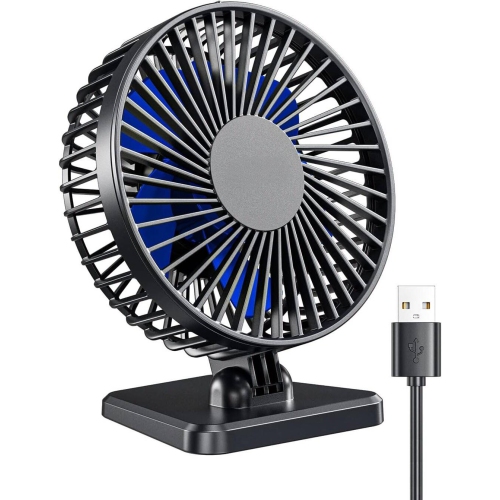




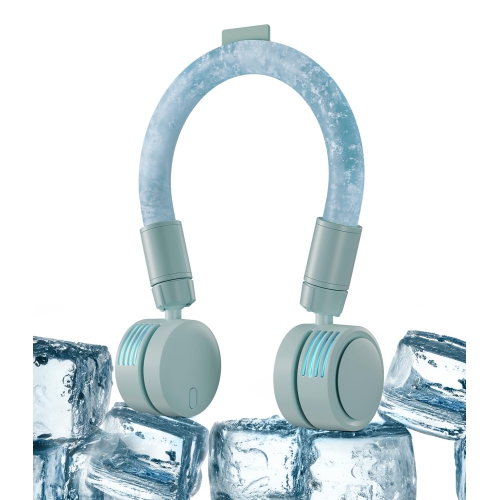
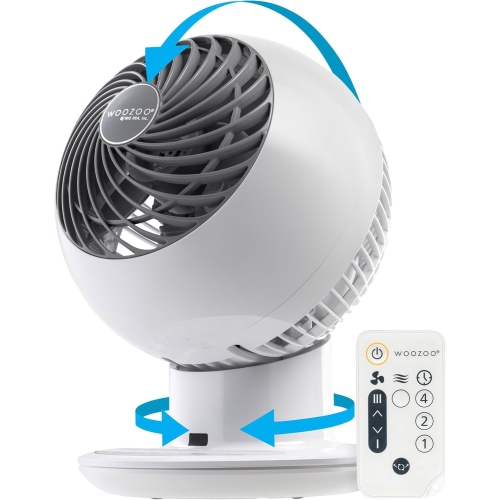
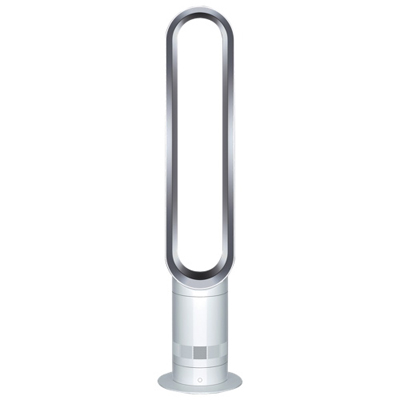
Portable airflow that goes beyond the nearest outlet
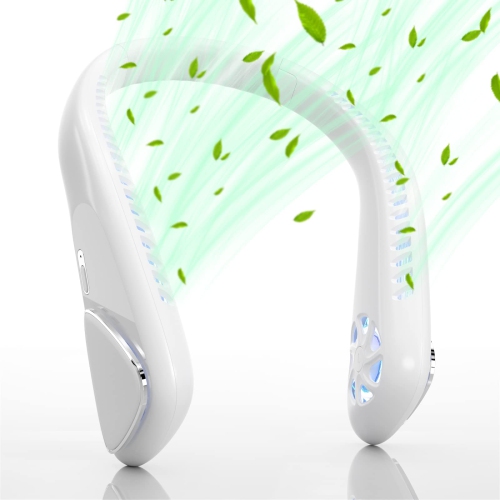
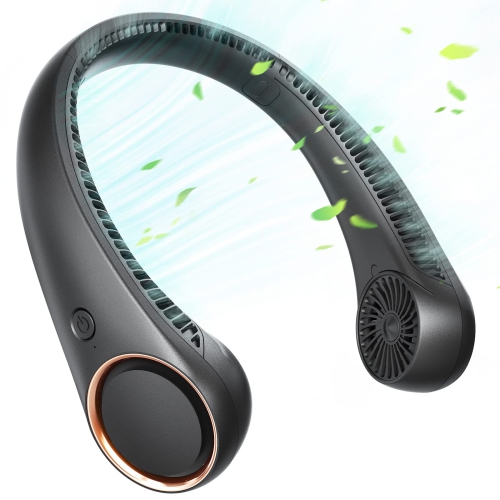
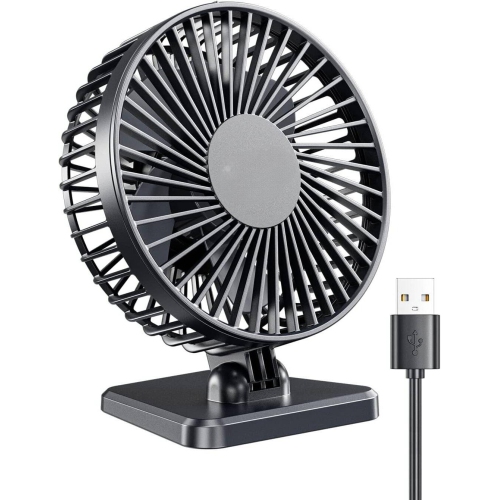
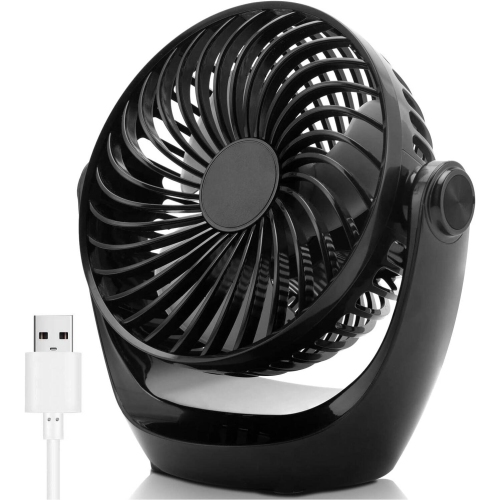
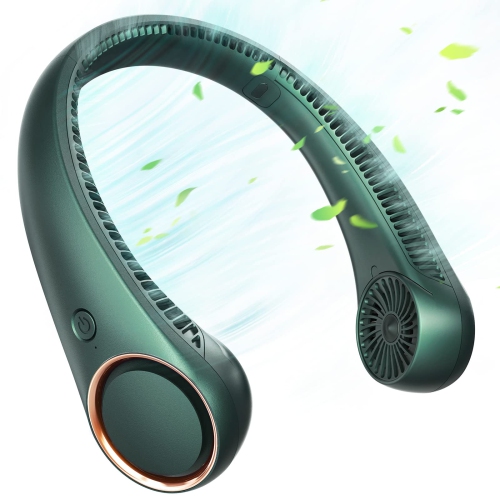
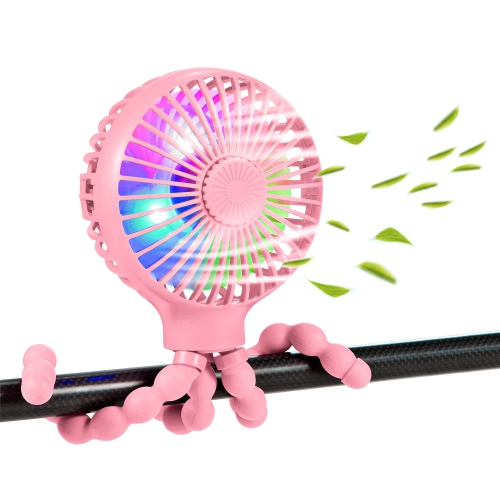
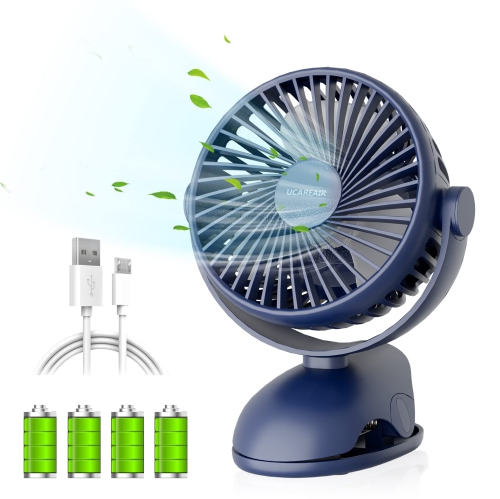
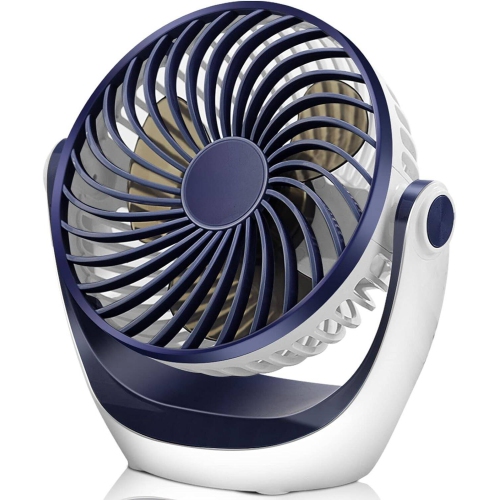
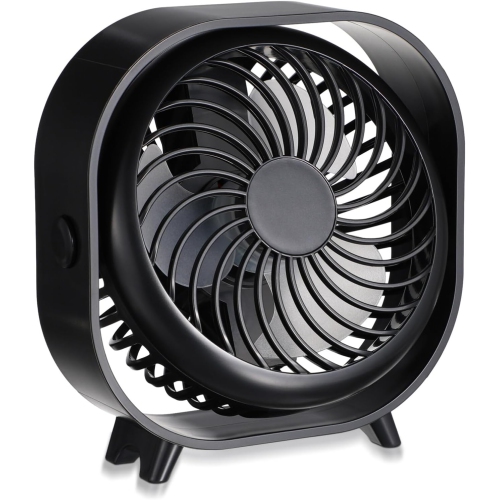
Rechargeable fans provide portable airflow using a battery that can be charged and used again, making them useful wherever a nearby power outlet is inconvenient. Unlike a fan that must remain plugged into a wall socket, a rechargeable model can move from a desk to a bedside table or travel in a bag for use away from home. The category includes handheld fans, folding personal fans, clip-on designs, tabletop fans, wearable neck fans, and larger cordless models intended for camping or workshop use. Each format serves a different purpose. A handheld fan directs airflow towards one person and takes up little space in a tote or backpack, while a freestanding desk fan leaves both hands free for typing, reading, or working on a hobby. A clip-on fan can attach to a suitable shelf or desk edge, freeing up a crowded work surface, provided the clamp opens far enough and grips the surface securely. Wearable designs offer hands-free airflow, with comfort depending on their weight, shape, and contact points around the neck. Larger portable fans generally need more space but may offer a broader airflow pattern and a sturdier base. Adjustable tilt helps direct the breeze where it is needed without moving the entire fan, while oscillation sweeps airflow across a wider area rather than keeping it fixed in one direction. Folding handles and integrated stands can make a compact fan more versatile, although stability matters when it is resting beside a laptop or glass of water. The related selection of Rechargeable Battery Operated Fans offers another way to explore this category. Across these designs, the most useful distinction is between close-range personal airflow and circulation intended for a larger space; a pocket fan and a substantial cordless floor fan are not interchangeable simply because both use rechargeable batteries.
Battery performance shapes how a rechargeable fan fits into an ordinary day. Runtime depends on battery capacity, motor efficiency, speed settings, and any additional functions drawing power. A stated maximum runtime commonly refers to operation at a lower speed, so it should not be treated as the expected result at the strongest setting. Oscillation, lighting, and other powered features can also affect time between charges. Battery capacity expressed in milliamp-hours, or mAh, is helpful context, but that number alone does not establish which fan will run longer; battery voltage and the fan’s power requirements also matter. For someone using a fan through a study session or while working at a desk, several practical details can matter as much as maximum runtime: a clear battery indicator, convenient charging access, and controls that are easy to reach without lifting the fan. USB charging is common, and USB-C connections can simplify packing when other devices use compatible cables. The connector shape does not, however, confirm the required charging power or mean that a wall adapter is included. The specified input rating and included accessories determine what is needed to recharge the fan properly. Some designs support operation while charging, while others do not, so continuous plugged-in use should only be assumed when it is expressly supported. Removable rechargeable batteries can be useful for longer sessions, but replacement packs and chargers must be compatible with the fan. A battery-operated fan is not necessarily rechargeable: some models use replaceable disposable batteries instead. Controls also influence everyday convenience. Separate speed settings make it easier to move between a light breeze and stronger airflow, while a timer can stop operation after a chosen interval. A setting that suits a busy workspace may be too noticeable beside a bed. Sound ratings, when provided, are most useful alongside the operating speed and testing conditions, since noise can change considerably as fan speed increases.
Materials, construction, and care help determine how well a portable fan stands up to repeated handling. Plastic housings can keep a personal fan light enough to carry, while metal guards or reinforced frames may suit a larger design that is moved around a workshop. Material alone does not establish durability: hinge strength, grille attachment, handle construction, and the quality of the base or clamp all affect day-to-day use. A wide base and non-slip feet help a tabletop fan remain steady, particularly when its head is tilted or oscillating. On a folding model, a hinge that holds its position keeps the airflow directed where intended instead of gradually dropping towards the desk. Compact dimensions are helpful for travel, but the folded shape and exposed controls also matter when a fan shares a bag with clothing or electronics. For a neck fan, smooth contact surfaces and an appropriate fit are important, and long hair, loose fabric, and jewellery should be kept clear of air intakes and moving parts. Protective grilles do not make a fan a toy or remove the need to keep it out of children’s reach. Care is usually straightforward: switch the fan off, disconnect it from charging, and remove accessible dust with a soft cloth or brush according to its care directions. A removable grille can make cleaning easier when the design permits it; sealed housings should not be forced apart or immersed in water. Outdoor use requires particular attention to the stated use conditions, since portability does not automatically mean resistance to rain, splashes, or dust. Charging connections should remain dry, and damaged batteries or cables should not be used. Rechargeable fans can make practical gifts for students, commuters, campers, or people with a dedicated desk setup, especially when their size and controls suit the recipient’s routine. A lightweight folding design suits a regularly packed bag, while a stable, adjustable tabletop fan fits naturally beside a monitor, reading chair, or craft station.
Top selling and popular products
-
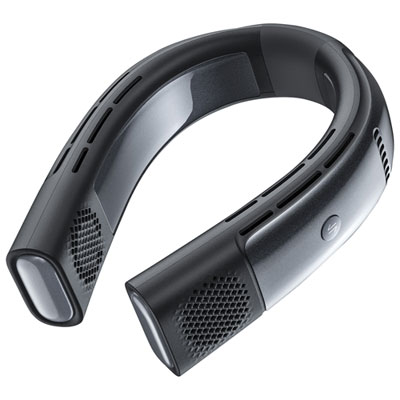 Your price for this item is $179.99
-
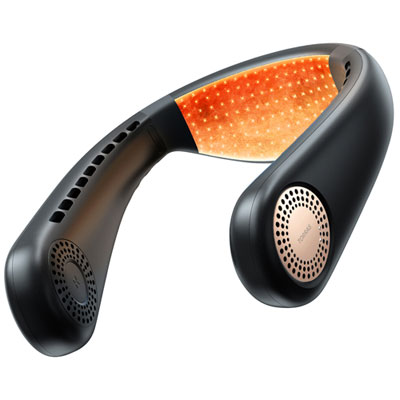 Your price for this item is $139.99
-
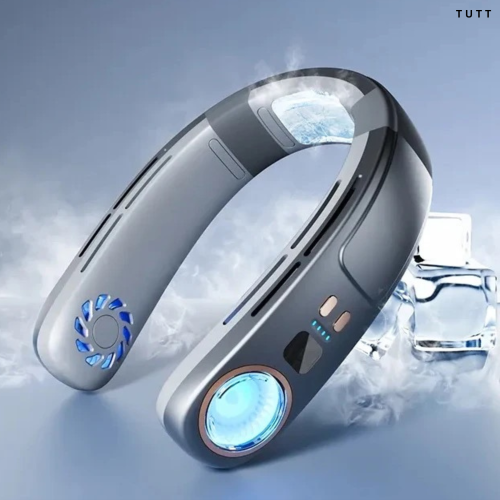 Your price for this item is $59.9
-
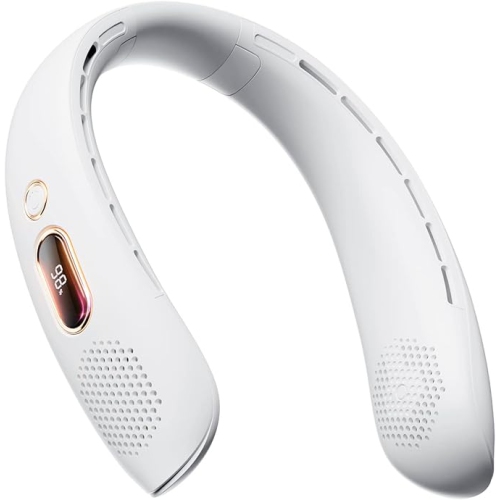 Your price for this item is $36.99
-
 Your price for this item is $55.96
-
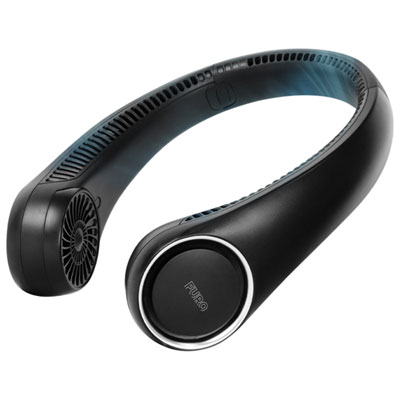 Your price for this item is $34.99
-
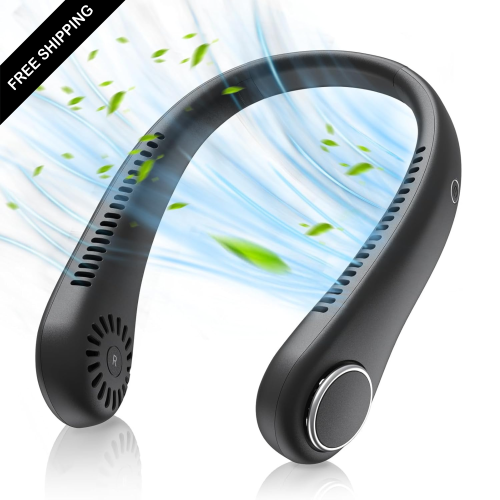 Your price for this item is $39.99
-
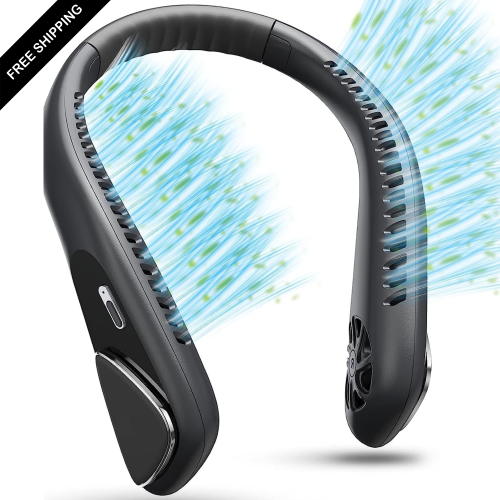 Your price for this item is $39.99
Discover more categories related to Rechargeable Fans
Top Collections:
Best Black Friday Deals This Year, Best Black Friday Deals On Electronics, Kindle Devices, Pokemon Centers, Best Black Friday Deals On Apple Products, Best Cameras for Sports Photography, Dyson Airwrap, Pokémon 30th Celebration Cards, Apple iPhone 17 Pro, Canon G7X Cameras
Some products may be subject to Environmental Handling Fees
(EHF) depending on your province.
Learn more about EHFs.