Rechargeable Battery Operated Fans
Stay cool and comfortable wherever you go with a Rechargeable Battery Operated Fan. Perfect for home, office, or outdoor adventures, these fans offer portable convenience and reliable airflow without the need for constant access to power outlets. With a variety of sizes and designs available, finding the ideal Rechargeable Battery Operated Fan to suit your needs is easy. Explore options that help keep you refreshed during warm days or while on the move.
Sort
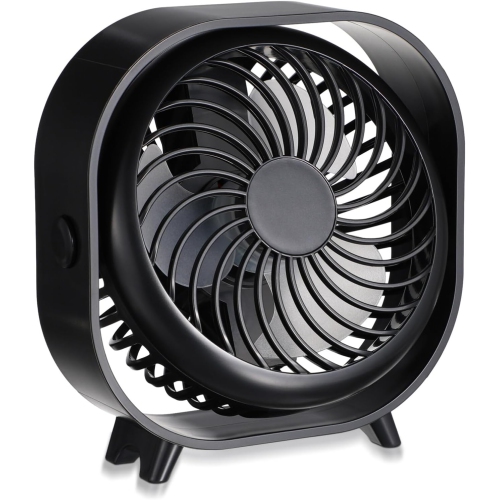
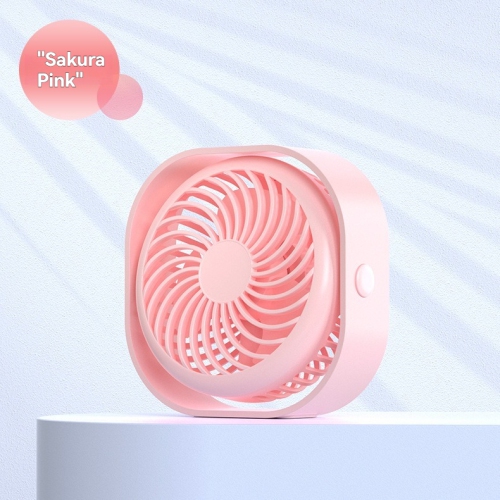
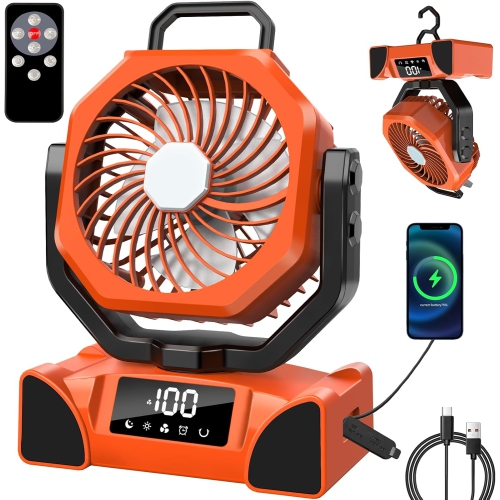
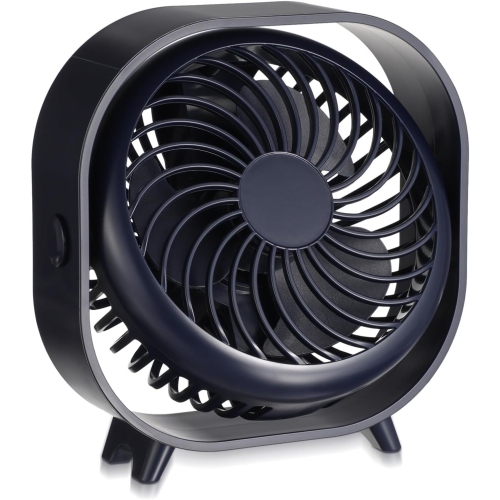
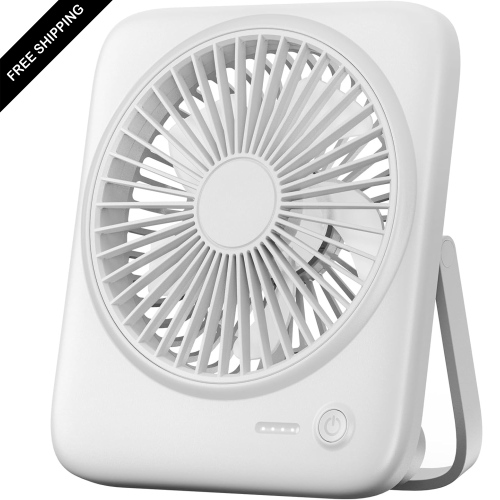
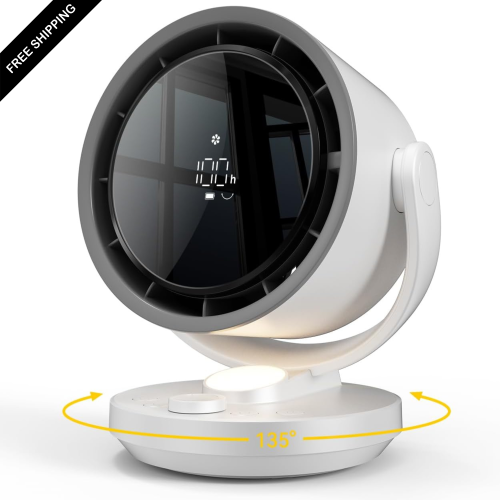
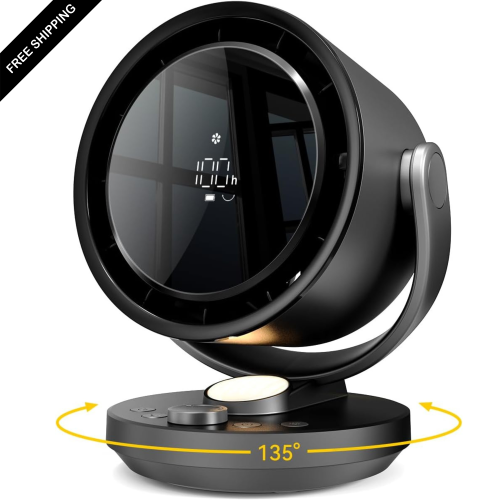

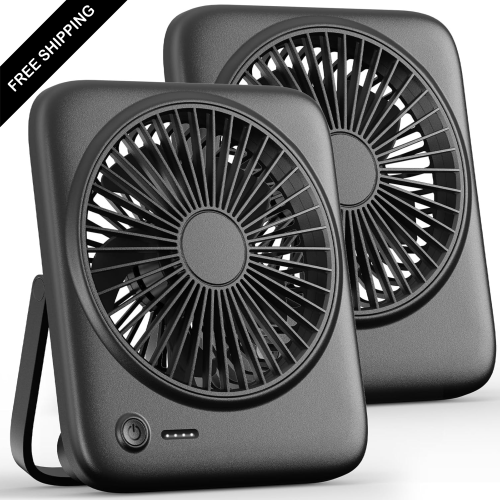
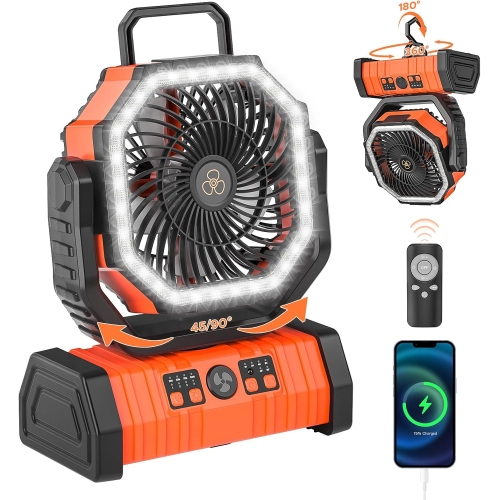
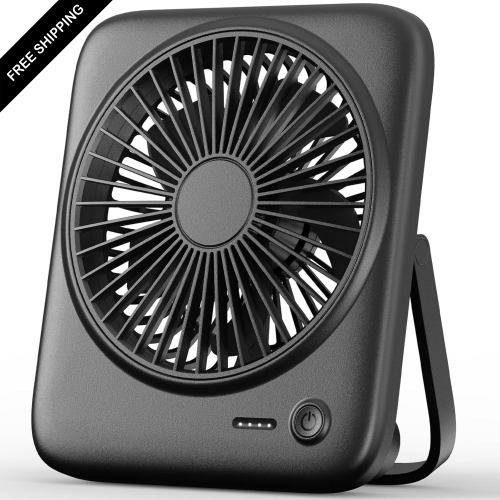
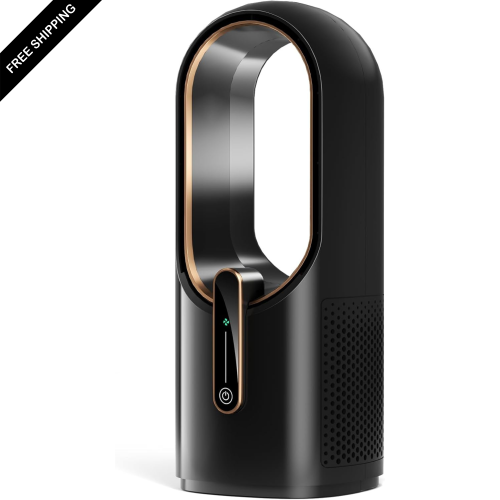
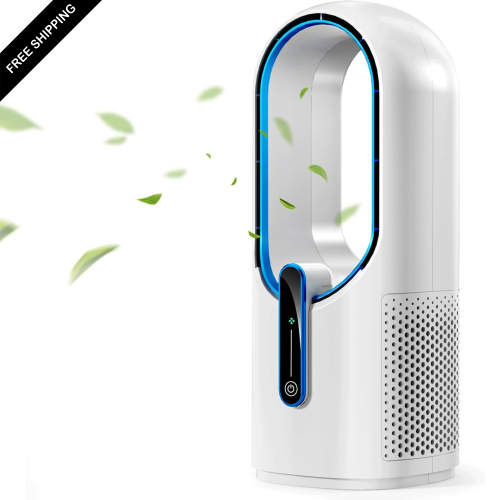
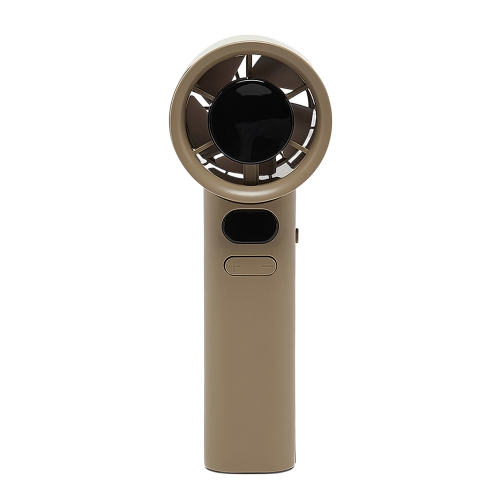
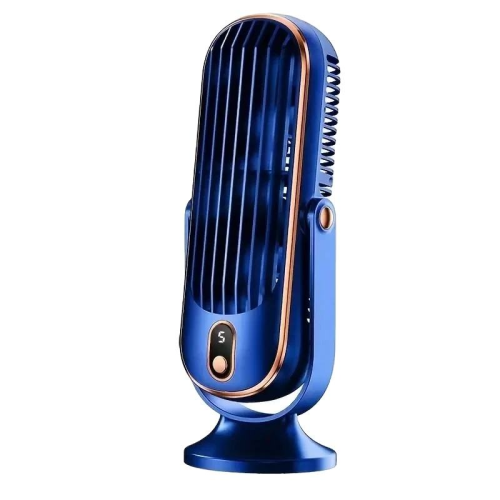
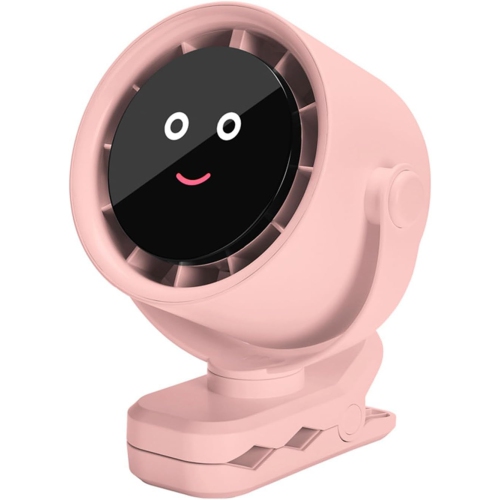
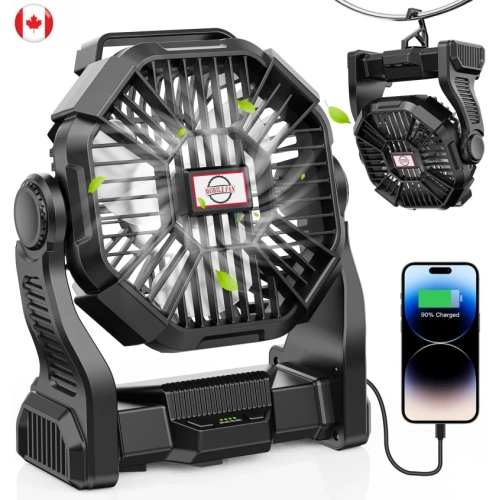
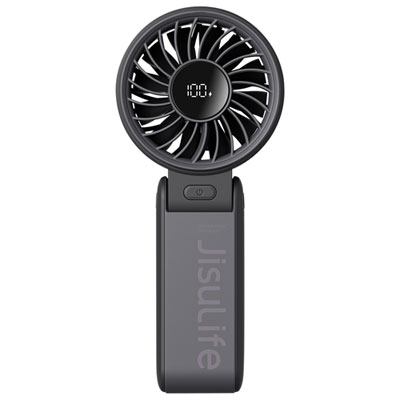
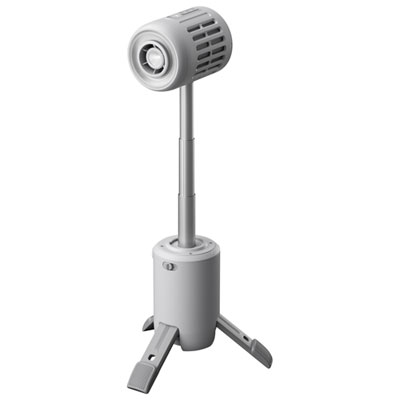
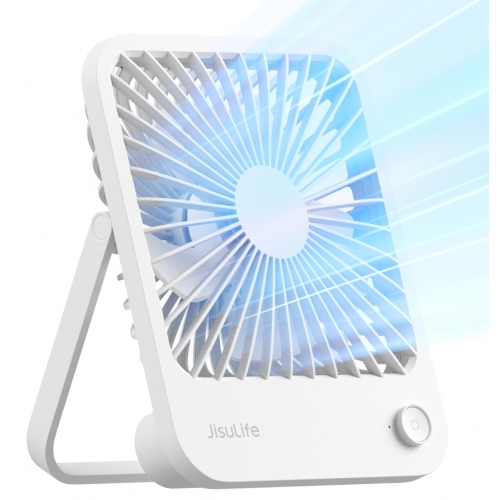
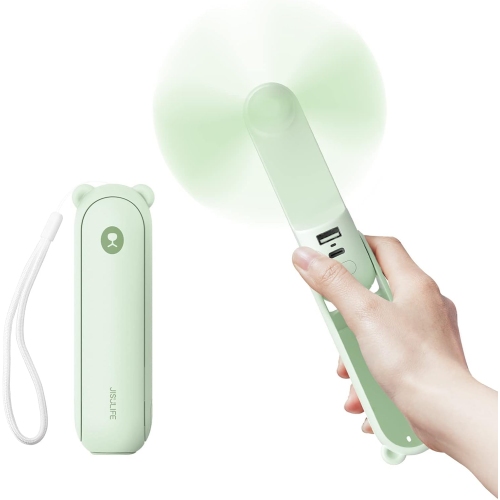
Cordless comfort depends on more than fan size
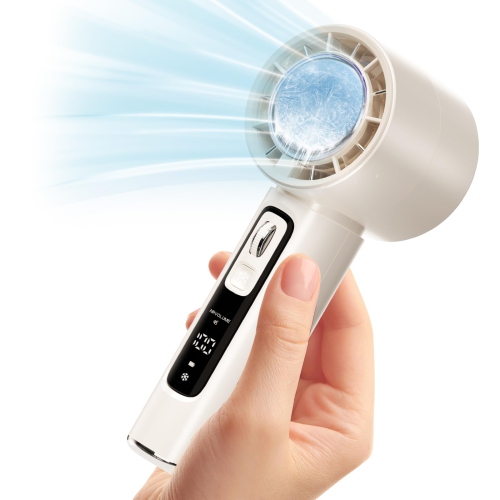
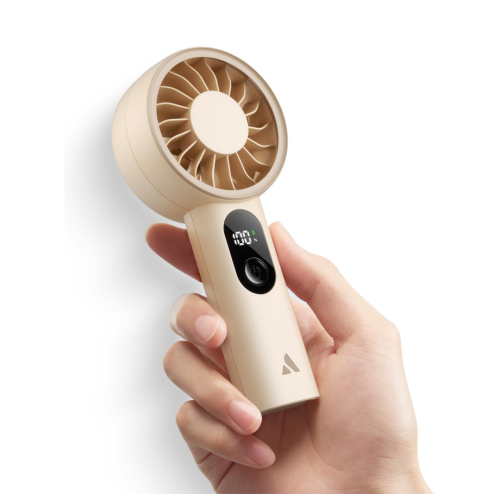
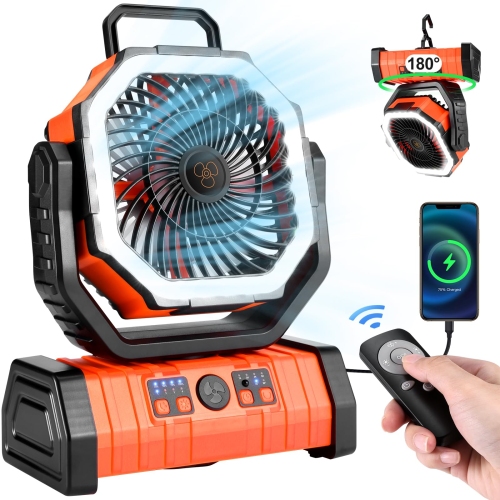
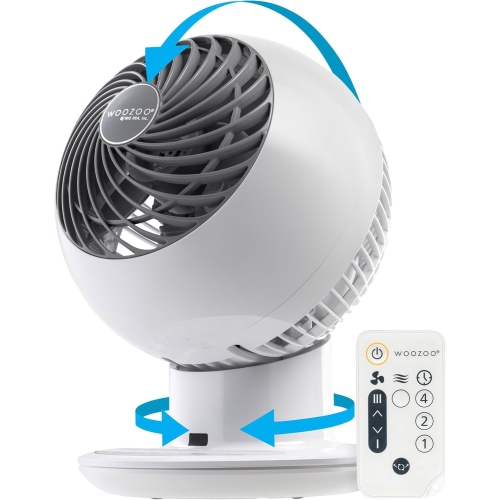
Rechargeable battery-operated fans provide portable airflow using a rechargeable battery rather than relying on a continuous connection to a wall outlet. Depending on the design, that battery may be built into the fan, removable for charging, or part of a compatible cordless tool battery system. This makes the category useful for personal comfort at a desk, beside a reading chair, in a workshop, or at a campsite where access to power is limited. The main distinction between styles is how they deliver and direct air. A handheld fan puts a small stream of airflow close to the user, while a tabletop fan offers hands-free operation with a base that rests on a desk or bedside table. Clip-on designs attach to suitable surfaces, and larger utility fans typically emphasize wider coverage, sturdy supports, and adjustable positioning. Comparing Rechargeable Fans by their intended placement helps narrow the choice more effectively than size alone. A compact fan with a well-designed pivot may suit a crowded workstation better than a larger unit that cannot aim above a monitor. For shared spaces, adjustable speeds allow airflow to be kept personal rather than directed across neighbouring desks. Oscillation, where offered, moves the airflow from side to side, while a fixed head keeps it concentrated on one spot. Noise also matters: a fan used during video calls or beside a bed has different demands from one used near workshop equipment. Published sound ratings are most useful when the operating speed and testing conditions are comparable. Fans move air rather than refrigerating it, so their effect is most noticeable where that airflow reaches the person using them. A comfortable setup balances reach, sound, and placement instead of simply choosing the highest speed. Controls that can be found by touch, a clearly marked power button, and an angle adjustment that stays put can make a noticeable difference in everyday use, especially when the fan sits just beyond easy reach.
Battery performance deserves as much attention as airflow because cordless convenience depends on how the fan will be used between charges. Advertised run time often reflects a particular speed setting, and higher speeds generally use more power. Oscillation, lighting, and other powered features may also affect the time between charges. A fan intended for short commutes or occasional desk use has different battery demands from one expected to operate through a long study session or an extended period away from an outlet. Battery capacity can help explain those differences, but a milliamp-hour figure alone does not establish which fan will run longer. Voltage, motor efficiency, speed, and additional functions all influence the result; watt-hour ratings provide a more useful energy comparison when they are listed. Charging details are equally practical. A USB-C port describes the connector, not necessarily the required power input, charging speed, or ability to operate while plugged in. Checking the specified charger requirements helps avoid pairing a fan with an unsuitable power source. For travel, a compatible power bank can be useful if the fan supports that charging arrangement, but the connection and input requirements still need to match. Designs with removable batteries offer a different approach: a charged spare may extend use, provided it is explicitly compatible with the fan. Tool-style battery packs are not interchangeable simply because they look similar or have the same stated voltage. The complete carrying weight also matters, since a large battery can substantially change how portable a fan feels. Clear battery indicators make it easier to plan charging before leaving a desk or packing a bag, while a secure charging port helps limit strain on the cable during routine handling. Rechargeable fans can also provide personal airflow during a power interruption if charged in advance, though they should not be treated as substitutes for essential ventilation equipment. For flights, check the airline’s rules for rechargeable batteries and power banks before packing.
Materials and construction help determine how well a rechargeable fan stands up to being carried, repositioned, and cleaned. Lightweight plastic housings are convenient for handheld and travel use, while reinforced frames or metal guards may suit more demanding settings. Material alone does not establish durability: secure hinges, a balanced base, protected controls, and a firmly seated battery are just as important. A tabletop fan should remain steady as its head is tilted, and a clip-on fan needs a clamp suited to the thickness and shape of its mounting surface. Rubberized contact pads can help limit slipping and marks, but a clamp should never be forced onto an unsuitable edge. Hanging designs need a secure attachment point and enough clearance to keep the intake and outlet unobstructed. For camping or workshop use, a carry handle and straightforward controls can be more useful than decorative features. Outdoor suitability must be confirmed in the specifications; battery operation does not make a fan resistant to water or dust. Care is generally simple, but the manufacturer’s directions should determine what can be removed or washed. Switch the fan off, disconnect its charging cable, and remove the battery where the design permits before cleaning. Dust can collect on guards and blades, reducing airflow, so gentle cleaning with an appropriate soft brush or cloth helps keep the air path clear. Keep moisture away from the motor, battery, and charging port, and let any washable components dry fully before reassembly. Loose hair, clothing, cords, and small fingers should stay clear of moving parts, even when blades sit behind a guard. For someone furnishing a student desk, organizing a craft table, or packing for regular travel, a rechargeable fan can be a thoughtful, practical gift when its size and controls suit the recipient’s routine. The most useful choice fits the space, stays comfortable to carry, and delivers manageable airflow without adding complicated charging or care requirements.
Top selling and popular products
-
 Your price for this item is $64.08
-
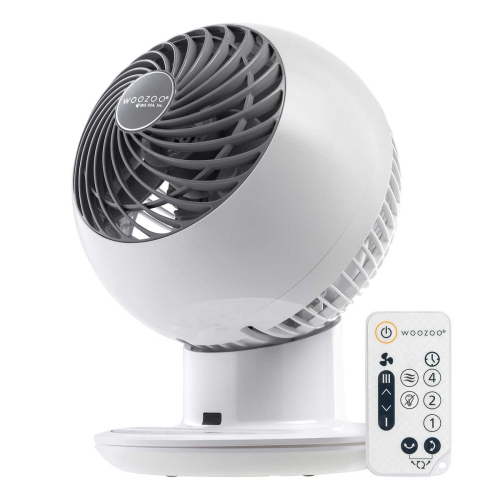 Your price for this item is $64.08
-
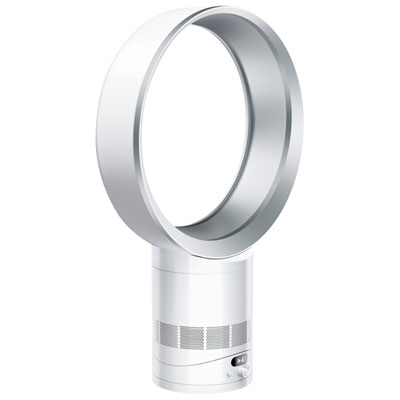 Your price for this item is $379.99
-
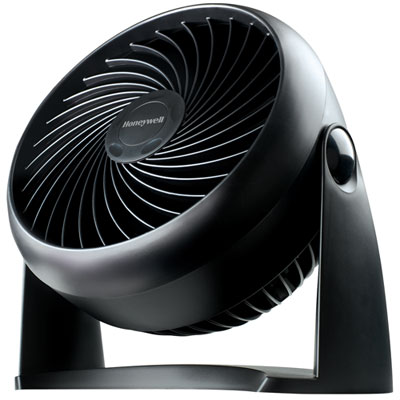 Your price for this item is $24.99
-
 Your price for this item is $49.99
-
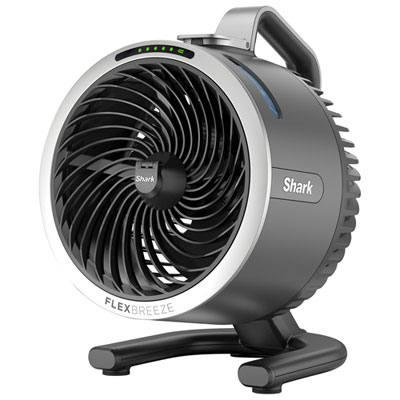 Your price for this item is $129.99
-
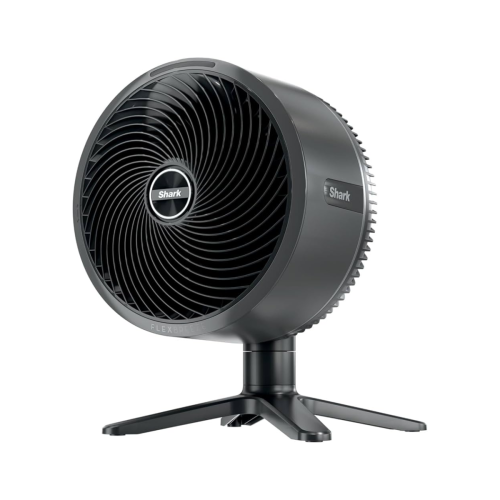 Your price for this item is $199.99
-
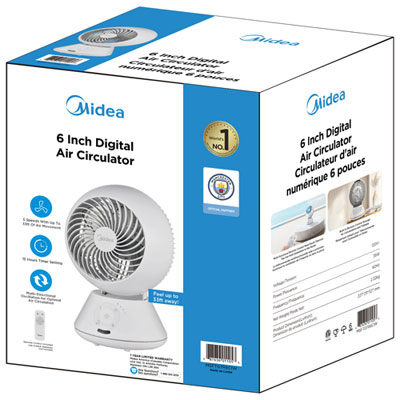 Your price for this item is $44.99
Discover more categories related to Rechargeable Battery Operated Fans
Top Collections:
Best Black Friday Deals This Year, Best Black Friday Deals On Electronics, Kindle Devices, Pokemon Centers, Best Black Friday Deals On Apple Products, Best Cameras for Sports Photography, Dyson Airwrap, Pokémon 30th Celebration Cards, Apple iPhone 17 Pro, Canon G7X Cameras
Some products may be subject to Environmental Handling Fees
(EHF) depending on your province.
Learn more about EHFs.