Refrigerator Door Bin
Refrigerator door bin replacements make it easy to keep your fridge organized and maximize storage space for your favorite foods and beverages. Whether you need an extra bin or a replacement for a damaged one, finding the right refrigerator door bin ensures your items are neatly arranged and easily accessible. Explore a wide variety of options designed to fit different refrigerator models and layouts, helping you maintain a tidy and efficient kitchen setup.
Sort
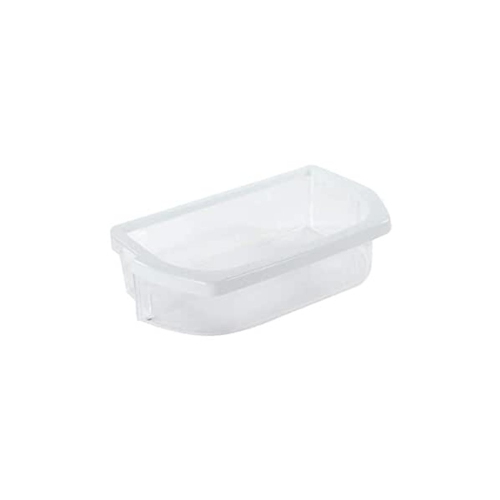
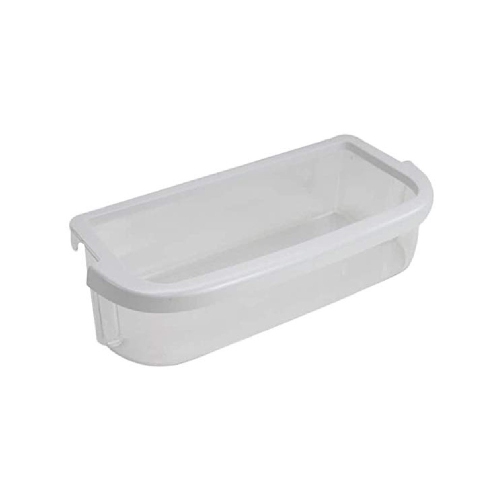
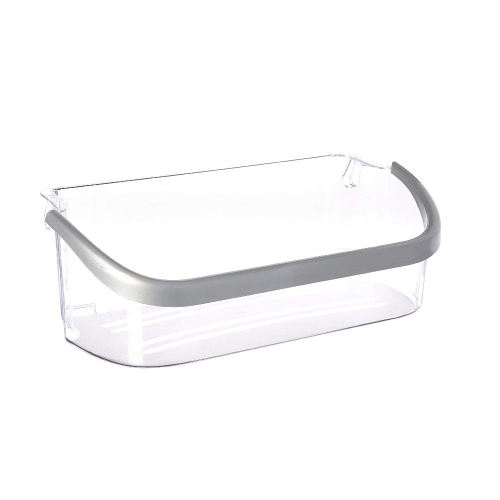
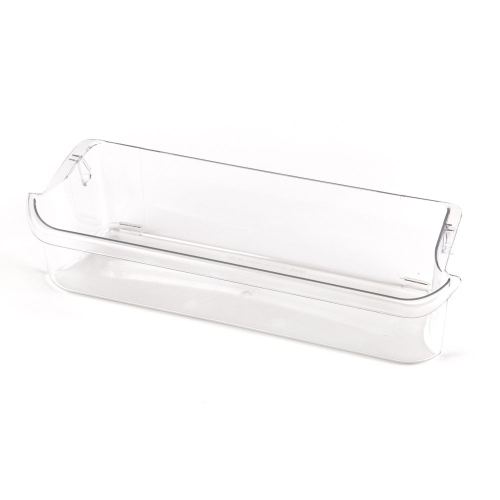
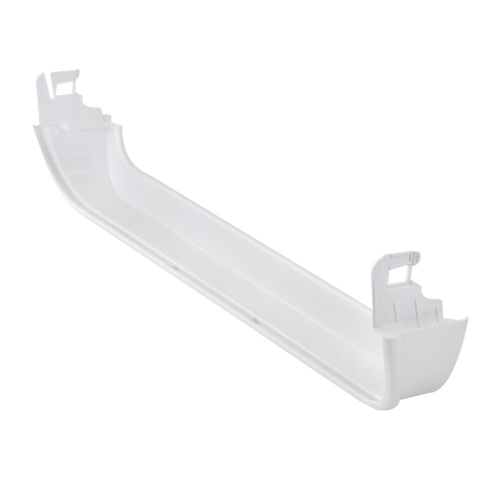
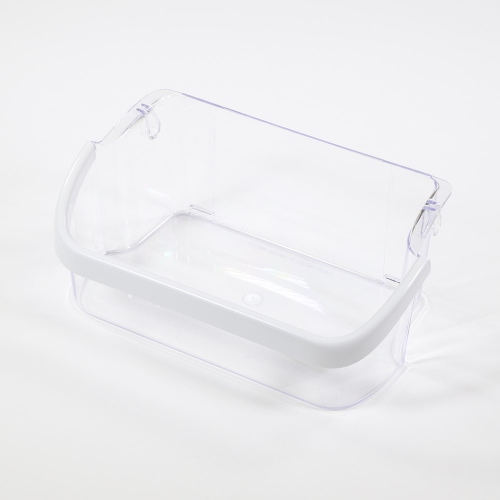
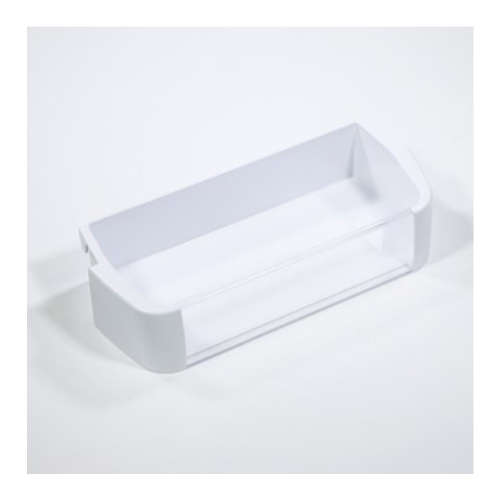
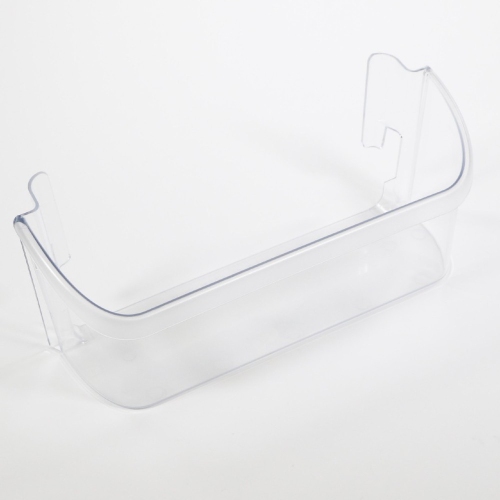


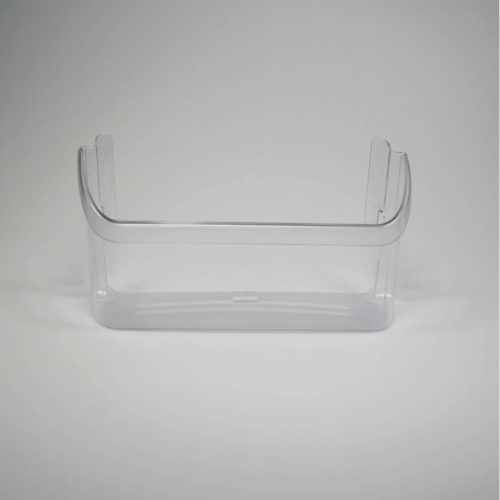
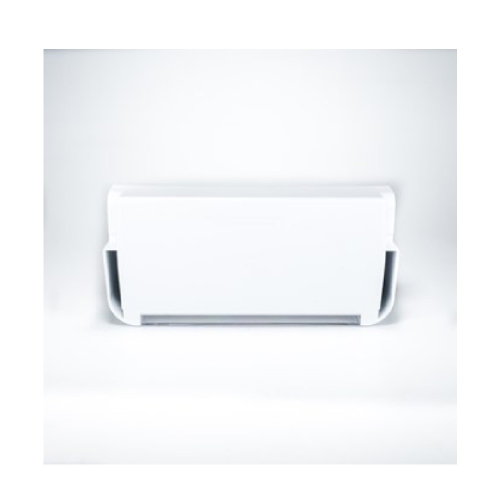
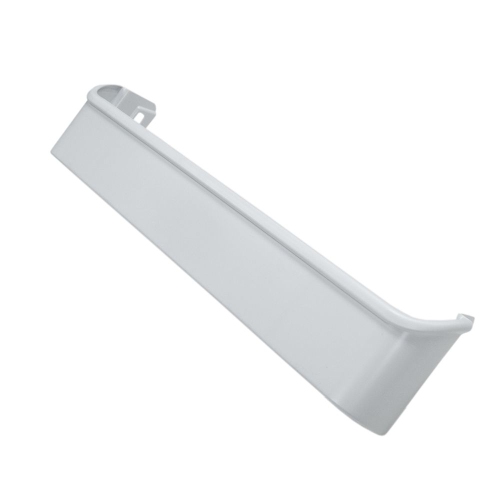
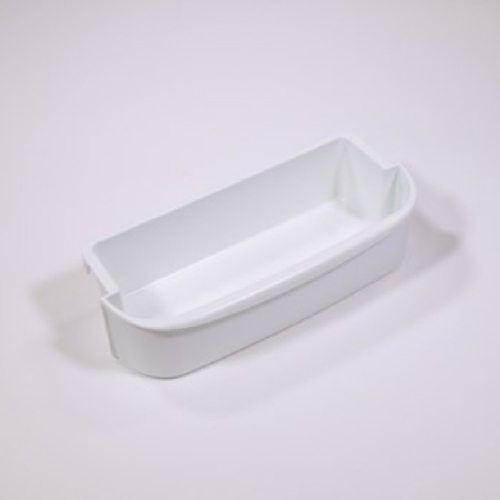

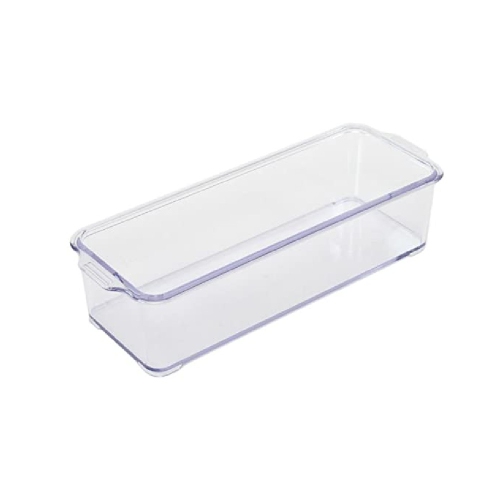
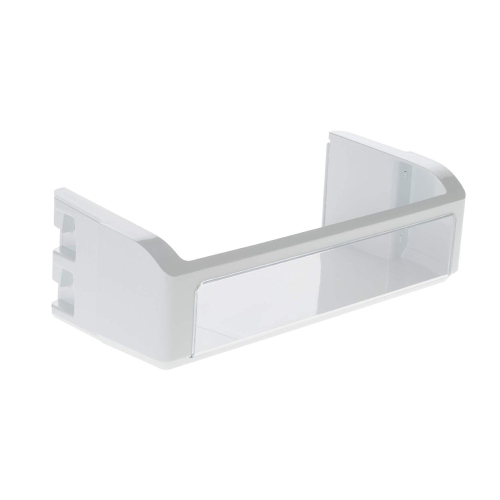

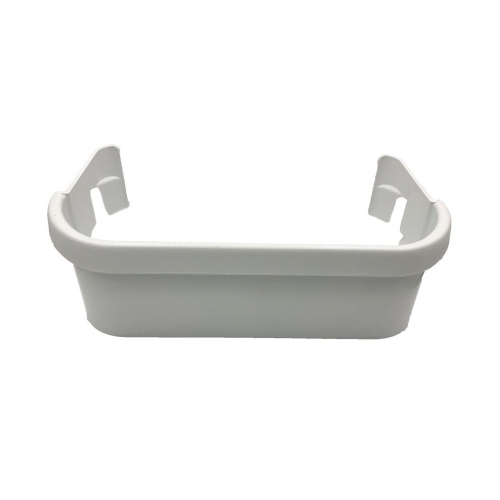
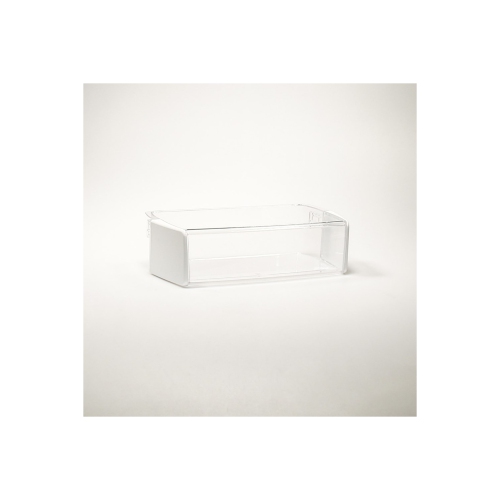
A secure fit takes more than matching dimensions
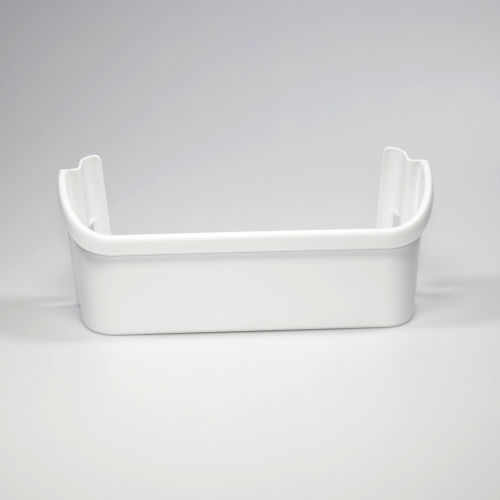
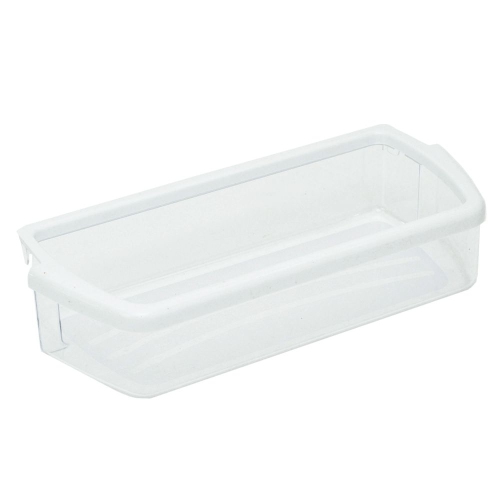
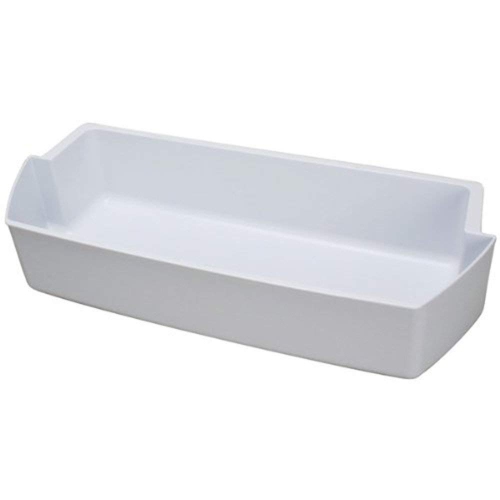
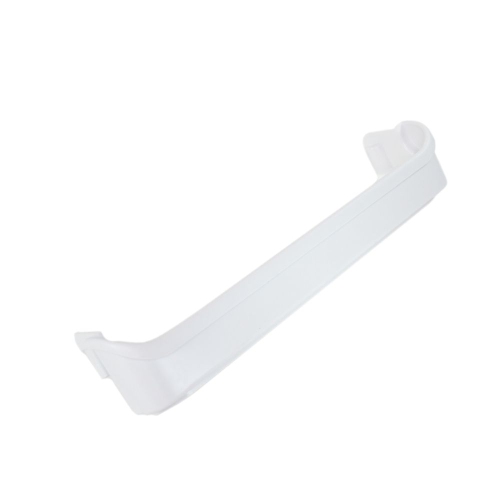
A refrigerator door bin is a removable storage compartment that attaches to the inside of a refrigerator door, creating space for condiments, sealed drinks, jars, and other everyday essentials. Unlike a loose organizer that sits on an interior shelf, a door bin relies on mounting points built into the appliance door. Its shape, attachment tabs, and dimensions need to match the refrigerator and the position it occupies. A replacement bin can restore useful storage when an existing compartment is cracked, missing, or no longer sitting securely. Compatibility depends on more than the appliance brand or the bin’s appearance: refrigerators with similar door layouts can use different mounting systems, and compartments within the same door may not be interchangeable. The refrigerator’s complete model number, usually found on a label inside the appliance, is the most useful starting point for matching a replacement. Any part number moulded into the original bin can provide another reference, although some moulded markings identify a component or manufacturing detail rather than the complete replacement assembly. Width, depth, and height also matter, particularly when a bin must clear an adjacent shelf or allow the door to close without contact. Measurements alone do not establish compatibility, since a small difference in the mounting hooks or rear contour can prevent a seemingly similar bin from fitting. Upper, middle, and lower door positions may each require a different shape, while left- and right-hand doors can have distinct requirements. Shallow compartments suit smaller containers, while deeper designs may accommodate larger bottles when the refrigerator is built to support them. A description such as gallon-size refers to an intended storage format, not a universal fit or load rating. The best match preserves the original mounting arrangement, sits level, and leaves enough clearance for both the contents and the surrounding refrigerator interior. That precise fit helps keep containers stable each time the door opens and closes, without putting unnecessary strain on the bin or its supports.
Materials and construction influence how a refrigerator door bin handles daily use. Many bins are made from rigid moulded plastic, with clear, translucent, or opaque finishes depending on the appliance design. Clear walls make it easier to spot a small jar behind taller bottles, while an opaque front can blend with the refrigerator’s interior trim. Neither appearance alone establishes strength or suitability; the plastic formulation, wall thickness, moulded supports, and attachment design all contribute to performance. A raised front edge helps keep containers within the compartment as the door moves, and rounded interior corners can make spills easier to wipe away. Some designs have separate trim pieces or adjustable dividers, but these features need to be included in the relevant assembly or explicitly compatible with it. A replacement described as a bin may not include every accessory shown on the original door. Durability also depends on how weight is distributed. Several heavy bottles crowded against one edge can place more stress on the plastic than a balanced arrangement within the manufacturer’s stated limits. Door bins are not steps, handles, or supports for pulling the appliance door, and a container that needs to be forced into place is a poor match for the compartment. Cracks near the mounting points, a sagging base, or damaged hooks can compromise support even when the front still looks intact. Cleaning requirements deserve similar attention because refrigerator plastics do not all tolerate dishwasher heat, abrasive pads, or strong cleaners. The appliance or replacement-part care instructions take priority; where handwashing is specified, mild dish soap, a soft cloth, and gentle rinsing are generally appropriate. Allowing a cold bin to warm gradually before washing helps avoid abrupt temperature changes, and drying it thoroughly keeps moisture from collecting around its supports. A bin that lifts out easily for cleaning can make sticky sauce drips and the occasional leaking bottle less of a chore, provided it is removed and refitted using the intended attachment method.
The most useful refrigerator door arrangement reflects what gets reached for throughout the day. A small household may need room for a few sauces and drinks, while a busy family might use separate compartments for sandwich condiments, cooking ingredients, and frequently opened jars. Clear sightlines help prevent a short container from disappearing behind a taller one, and enough space around each bottle makes it easier to lift out without catching the bin’s front lip. Adjustable door positions, where supported by the appliance, can help accommodate taller containers, but moving a bin should not interfere with neighbouring shelves or the door’s closing path. Additional compartments should only be fitted where the manufacturer provides compatible mounting positions and sufficient clearance. Replacing a damaged compartment is different from adding storage beyond the appliance’s intended layout. Door storage also works best when it suits the food: condiments and other less temperature-sensitive contents are often better candidates than highly perishable foods that need the more consistent conditions of an interior shelf. Food labels and the refrigerator manufacturer’s storage recommendations remain important. For organization elsewhere inside the refrigerator, refrigerator storage bins with lids serve a different purpose, grouping contents on shelves rather than attaching to the door. They do not replace a missing door compartment, even if their overall dimensions look similar. Keeping that distinction clear makes it easier to match the storage solution to the task. A correctly fitted door bin can be especially useful in a shared kitchen, where familiar places for everyday ingredients make the refrigerator easier for everyone to use. For someone restoring an appliance’s original layout, the goal is straightforward: secure support, practical access, and a compartment that works with the refrigerator rather than competing for space. Careful matching and sensible loading help the replacement become an unobtrusive part of daily routines, from putting away groceries to reaching for a favourite condiment at dinner.
Top selling and popular products
-
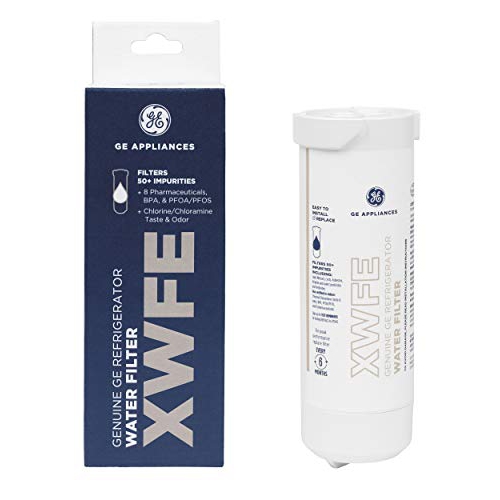 Your price for this item is $57.95
-
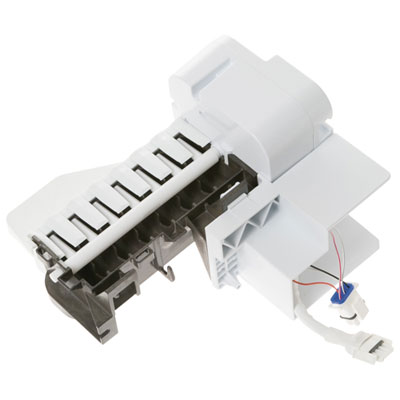 Your price for this item is $249.99
-
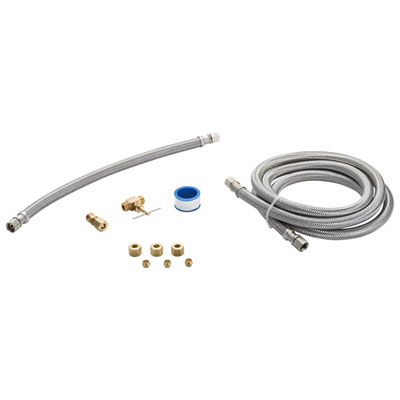 Your price for this item is $39.99
-
 Your price for this item is $184.99
-
 Your price for this item is $74.99
-
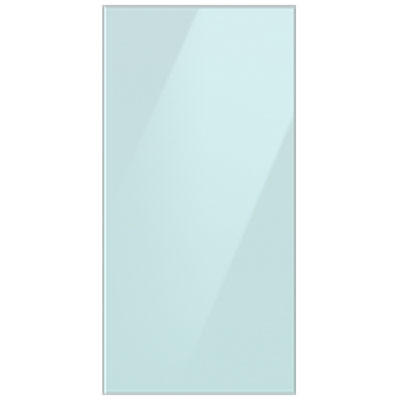 Your price for this item is $119.99
-
 Your price for this item is $74.99
-
 Your price for this item is $184.99
Discover more categories related to Refrigerator Door Bin
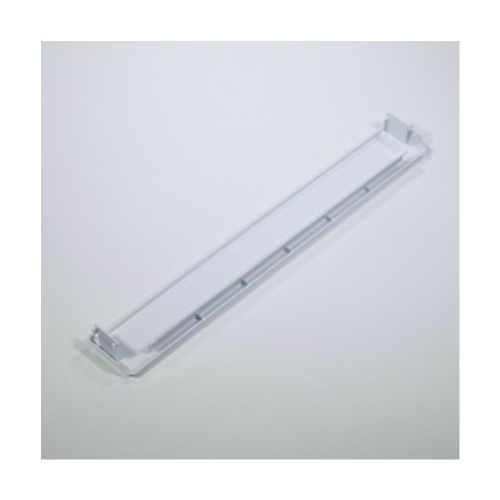
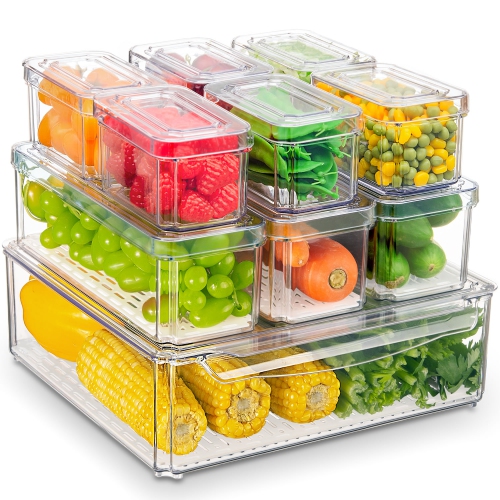
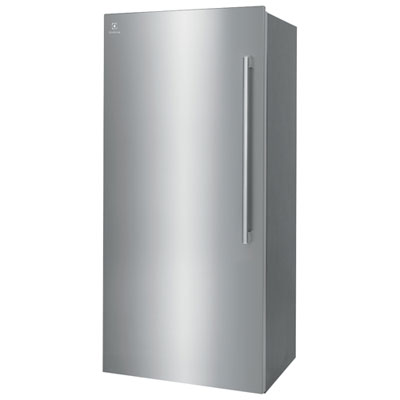

Top Collections:
Best Black Friday Deals This Year, Best Black Friday Deals On Electronics, Kindle Devices, Dyson Airwrap, Best Cameras for Sports Photography, Best Budget Office Chairs, Canon G7X Cameras, PS5 Pro Consoles, Best Black Friday Deals On Apple Products, XBOX One S Consoles
Some products may be subject to Environmental Handling Fees
(EHF) depending on your province.
Learn more about EHFs.