Replacement Refrigerator Door Shelves
Replacement Refrigerator Door Shelves are essential for keeping your fridge organized and maximizing storage space. Whether you’re looking to replace a broken shelf or upgrade your refrigerator’s interior, these shelves offer a convenient solution to keep your food and beverages easily accessible. Find the right fit for your appliance and enjoy a tidier, more efficient kitchen with Replacement Refrigerator Door Shelves designed to meet your everyday needs.
Sort
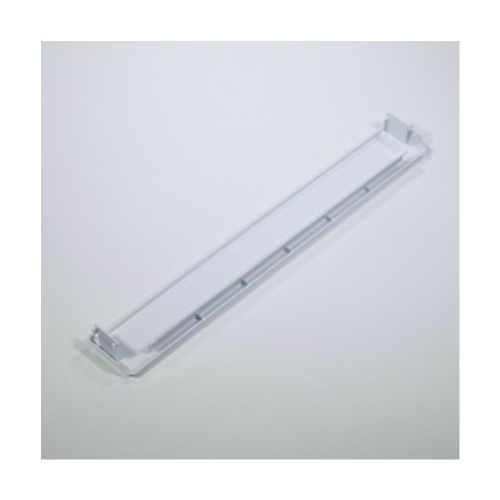
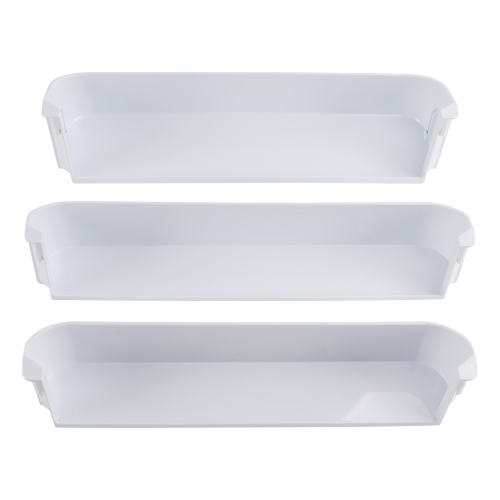
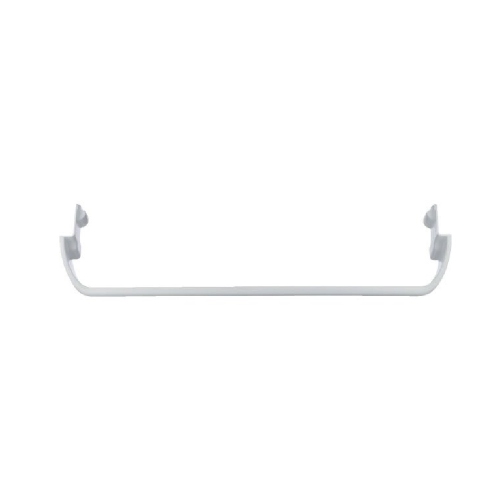
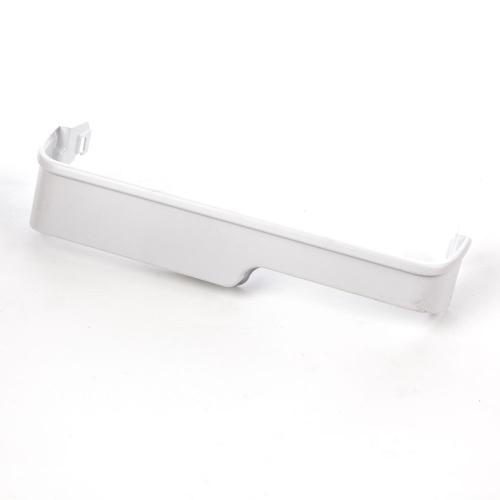
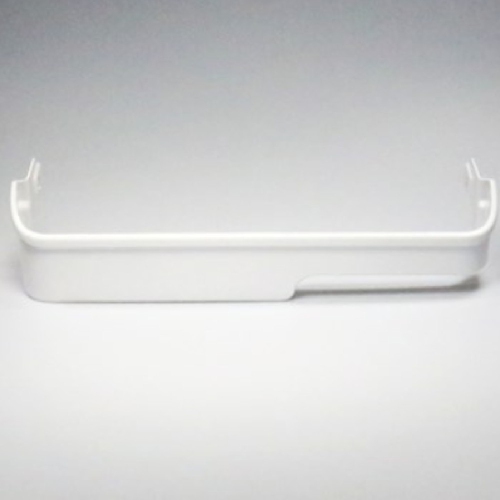
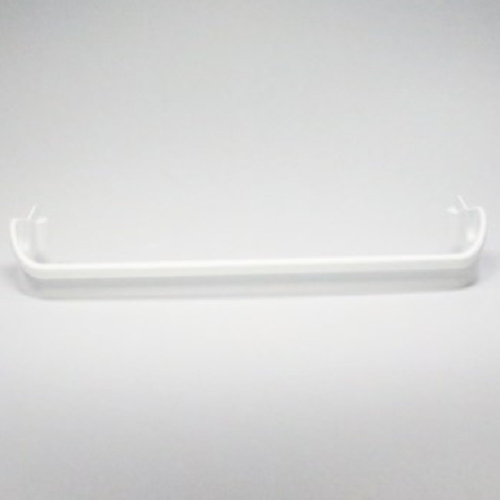
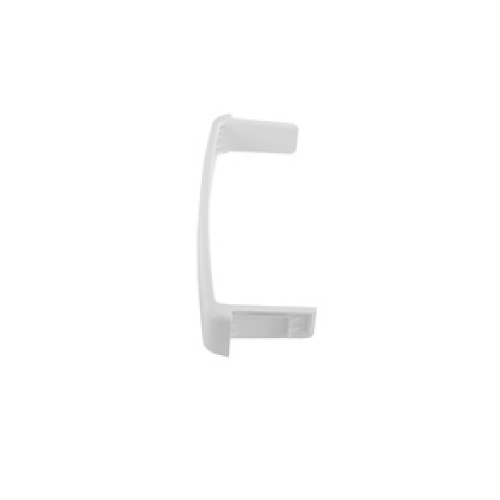

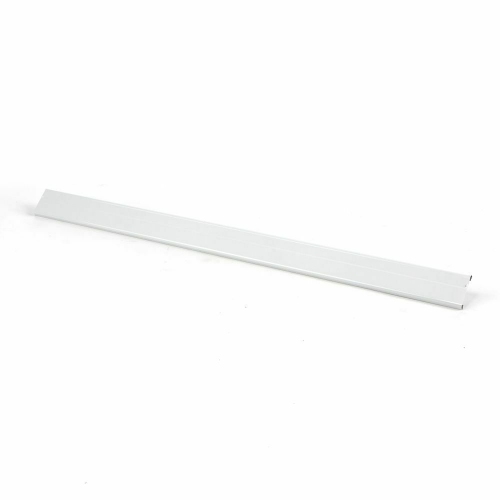

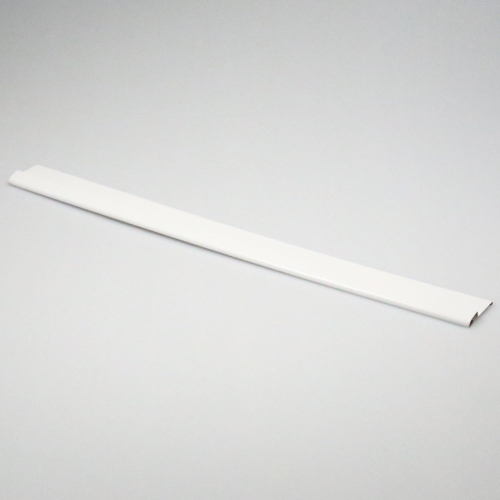
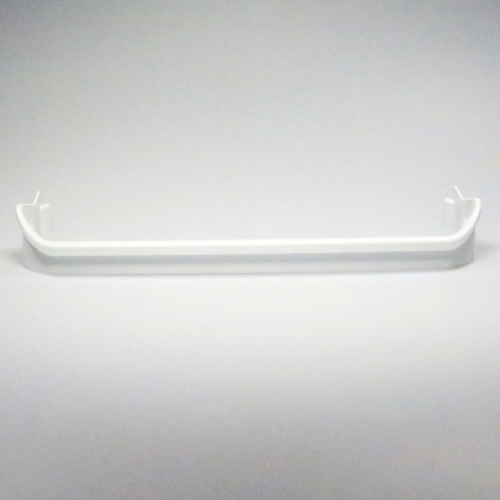
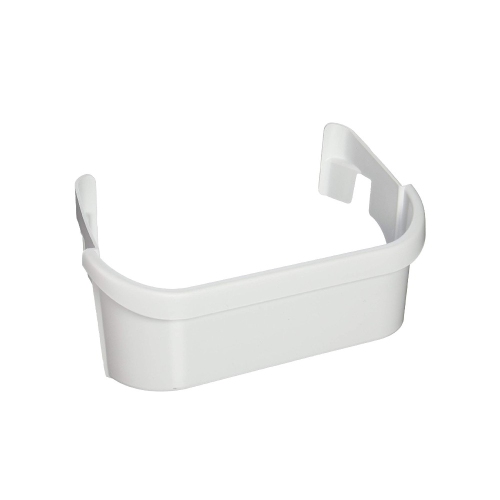


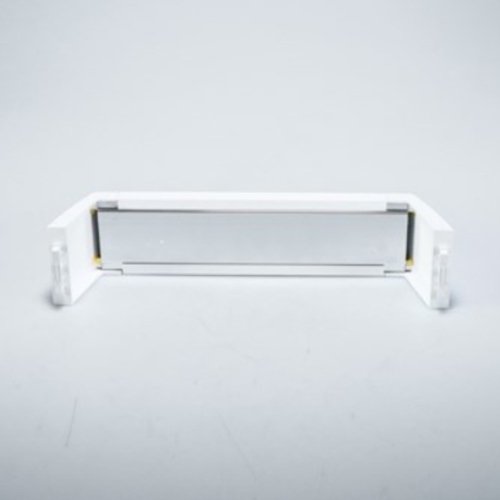
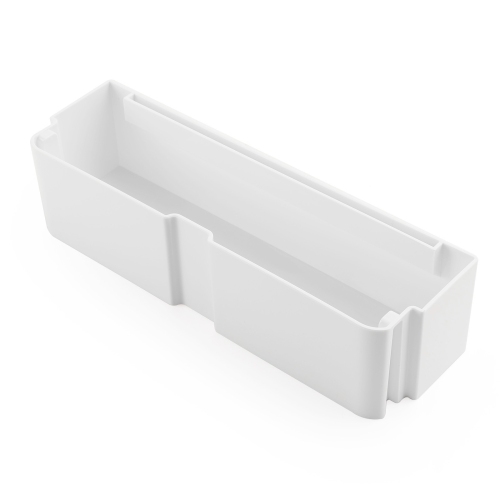

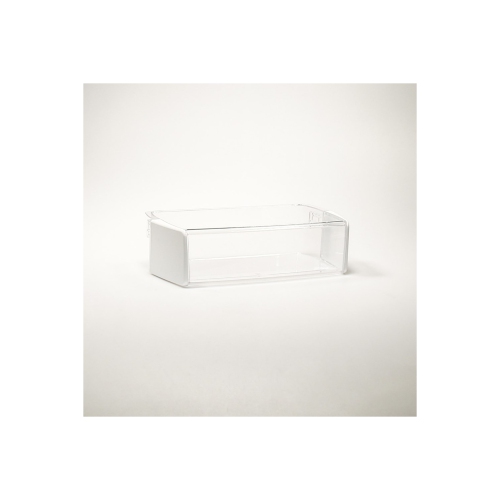
The right fit restores everyday fridge door storage
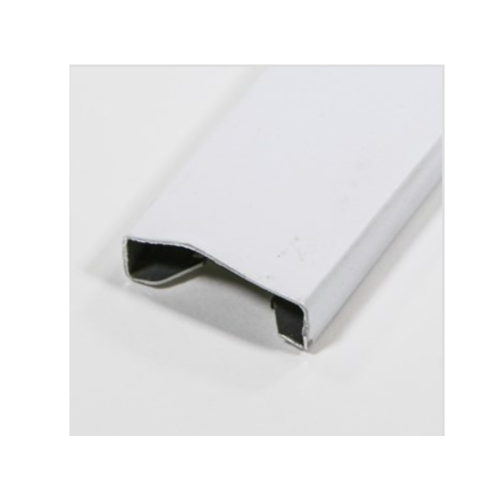
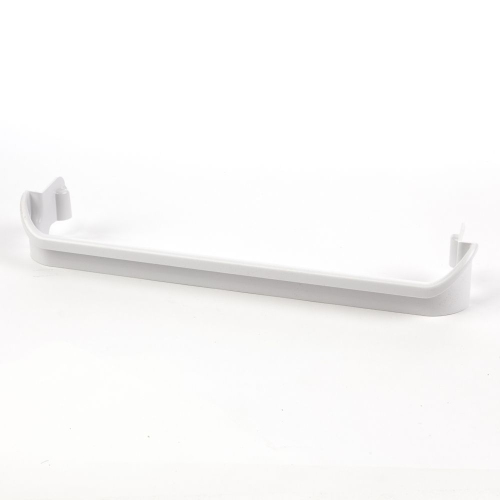
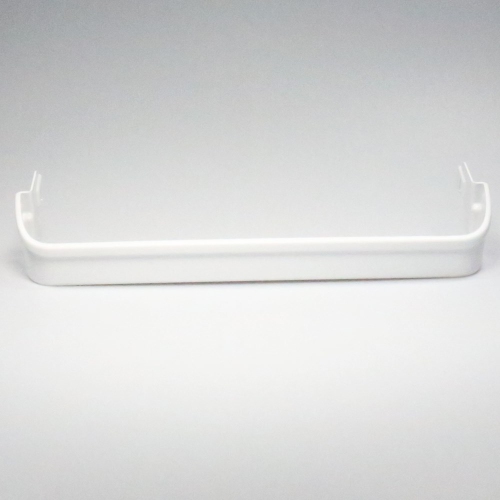
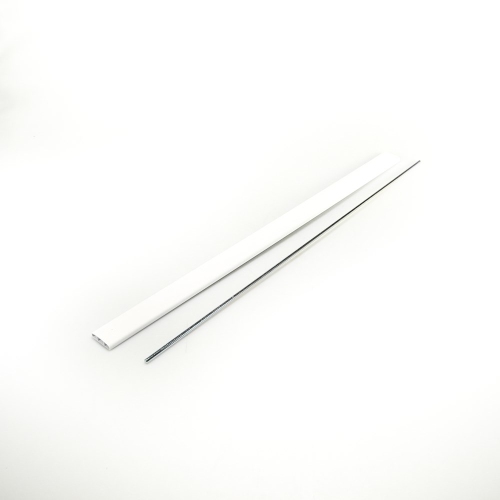
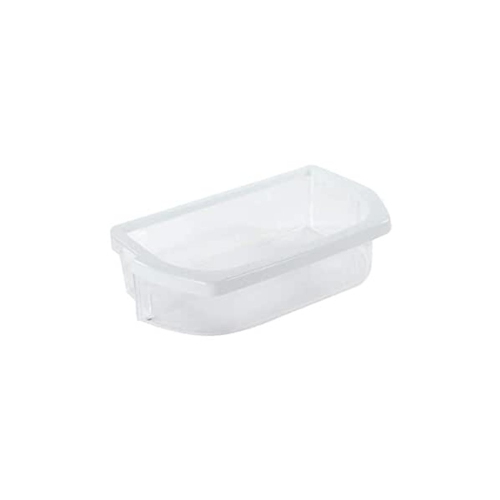
Replacement refrigerator door shelves restore usable storage when an existing door bin, basket, or retaining rail is cracked, missing, or no longer secure. These parts hold everyday essentials such as condiment bottles, sealed drinks, and small jars within easy reach, keeping the main refrigerator shelves free for larger containers. Although the terms are often used interchangeably, the construction can differ: a refrigerator door bin generally has a base and raised sides, while a shelf rail may simply retain containers on a ledge built into the door. That distinction matters because a replacement rail will not substitute for a missing basket assembly. Compatibility depends on the refrigerator’s exact model, the shelf position, and the attachment design, rather than appearance alone. The model label is commonly located inside the refrigerator compartment, sometimes along a side wall or near the crisper drawers. A full model number, including any suffix, provides a more reliable reference than the appliance’s exterior dimensions or general style. A part number moulded into the original shelf can also help identify a match, although some moulded markings identify a component rather than the complete replacement assembly. Upper and lower shelves may have different depths, and left-door and right-door bins can use different shapes or mounting points even when they look similar from the front. Refrigerator doors may taper around an ice dispenser, have curved liners, or include designated positions for taller bottles. Measurements of the original shelf’s width, depth, and height are useful supporting details, but they do not establish compatibility on their own. The spacing and shape of the rear hooks, tabs, slots, or support ledges are equally important. Original manufacturer parts and third-party replacements both require a confirmed model and position match; a familiar colour or nearly identical outline is not enough to establish fit.
Materials and construction influence how replacement refrigerator door shelves look, feel, and hold up to daily use. Many are made from rigid moulded plastic, with clear, translucent, or opaque finishes depending on the original design. Clear walls make it easier to spot a small jar behind a taller bottle, while opaque fronts can give the door storage a more uniform appearance. Colour is mainly an appearance consideration; the shape, attachment points, and intended load determine whether a shelf is suitable for its position. Some designs combine a bin with separate trim, a front rail, or other components, so the replacement description needs to distinguish a complete assembly from an individual piece. A photograph showing a finished shelf does not necessarily mean every visible component is included. Smooth edges, a stable base, and intact mounting tabs are practical details because these areas experience repeated handling as the door opens and closes. Tall bottles can press against the front wall, and jars grouped at one end can place an uneven load on the supports. A deeper basket may accommodate larger containers, but greater depth does not automatically mean a higher weight capacity. The refrigerator manufacturer’s loading limits remain the appropriate reference, particularly for shelves intended to carry large beverage containers. Durability also depends on how well the shelf fits: a bin that needs to be forced onto its supports, rocks noticeably, or sits at an angle may be incorrect or improperly seated. Replacement shelves are useful in busy family kitchens, shared households, and smaller kitchens where each storage position matters. A restored lower bin can separate frequently used condiments from less-used sauces, while a correctly matched shallow upper shelf can keep smaller containers visible. The aim is to recover the storage layout the appliance was designed to provide, not to add a larger basket wherever there appears to be spare space.
Care and installation are closely connected to the service life of a replacement refrigerator door shelf. Many removable bins lift upward from their supports and lower back into place without tools, but attachment methods vary. Some use locking tabs, clips, retaining screws, or trim that requires a different removal method. The appliance instructions take precedence over a general description, especially when a shelf resists movement. Pulling hard on the front edge or twisting one corner can damage the bin or the door liner. Before a replacement is fitted, the attachment area should be free of dried spills and checked for broken supports. A new shelf cannot correct a cracked mounting point in the door itself, and loading it onto damaged supports can leave it insecure. Once installed, the shelf should sit level with its mounting features fully engaged and allow the door to close without interference. A tall bottle that clears the shelf above it may still obstruct another compartment or prevent the door from closing properly, so both container height and the door’s closing path matter. Routine cleaning is usually straightforward with a soft cloth, mild dish soap, and thorough drying, subject to the manufacturer’s care directions. Abrasive pads, harsh cleaners, and dishwasher cycles can scratch or damage some plastics; dishwasher suitability should never be assumed. Removing containers before lifting out a shelf reduces strain on the mounting tabs and makes spills easier to clean. Sticky residue beneath a jar can otherwise pull against the base when the jar is lifted. Regular attention to cracks, chipped corners, and loosened attachment points helps distinguish a cosmetic mark from damage that affects support. With the correct fit and sensible loading, replacement refrigerator door shelves bring familiar storage positions back into use, making everyday contents easier to see, reach, and organize without changing the refrigerator’s intended layout.
Top selling and popular products
-
 Your price for this item is $57.95
-
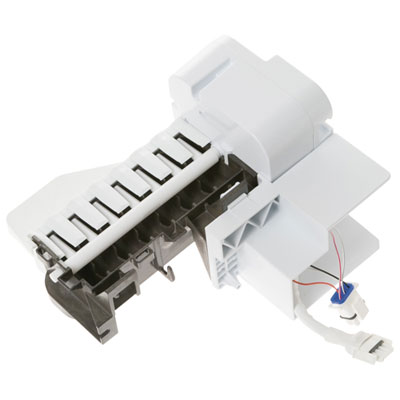 Your price for this item is $249.99
-
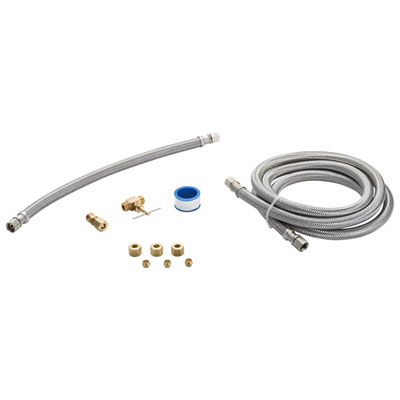 Your price for this item is $39.99
-
 Your price for this item is $184.99
-
 Your price for this item is $74.99
-
 Your price for this item is $119.99
-
 Your price for this item is $74.99
-
 Your price for this item is $184.99
Discover more categories related to Replacement Refrigerator Door Shelves
Top Collections:
Best Black Friday Deals This Year, Best Black Friday Deals On Electronics, Kindle Devices, Dyson Airwrap, Best Cameras for Sports Photography, Best Budget Office Chairs, Canon G7X Cameras, PS5 Pro Consoles, Best Black Friday Deals On Apple Products, XBOX One S Consoles
Some products may be subject to Environmental Handling Fees
(EHF) depending on your province.
Learn more about EHFs.